

Royal Heritage of Rajasthan – Forts, Palaces and Living History
Rajasthan’s royal heritage showcases magnificent forts, grand palaces, ancient traditions, and living cultural experiences that reflect the state’s historic kingdoms and royal legacy.
+91 9910402252
admin@chalbanjare.com


Rajasthan travel requires proper planning around routes, weather, city circuits, desert regions, transport, and budgeting for a smooth 2026 trip.
Rajasthan is India’s largest state and one of the country’s most diverse travel destinations because it combines royal heritage cities, Thar Desert landscapes, Aravalli mountain ranges, wildlife reserves, lakes, forts, palaces, and deeply rooted cultural traditions across different regions.
Each part of Rajasthan offers a unique travel atmosphere where travelers can experience royal architecture, desert villages, spiritual towns, wildlife safaris, and colorful local culture within one large Himalayan-to-desert transition landscape.
Travelers planning Rajasthan journeys should understand regional differences carefully because desert circuits, heritage cities, and wildlife regions all offer completely different travel experiences.
Rajasthan is best explored slowly because the state covers large distances and includes multiple heritage cities, desert regions, wildlife parks, and cultural circuits that require proper travel time for meaningful exploration.
The ideal number of travel days depends on whether travelers want a short city-focused journey or a complete Rajasthan cultural and desert road-trip experience.
| Travel Duration | Main Coverage | Travel Experience |
|---|---|---|
| 4–6 Days | Jaipur Udaipur or Jodhpur circuit | Short heritage city exploration |
| 7–10 Days | Jaipur Jodhpur Udaipur Jaisalmer route | Balanced Rajasthan cultural journey |
| 10–14 Days | Desert wildlife and heritage circuits combined | Complete Rajasthan travel experience |
| 2 Weeks or More | Offbeat villages festivals and remote desert regions | Slow immersive exploration |
| Festival Season Travel | Pushkar Desert Festival or local fairs | Cultural celebration atmosphere |
| Wildlife and Nature Circuits | Ranthambore Sariska and rural Rajasthan | Nature-focused travel experience |
| One of India’s Best Multi-City Road Trip States | Culture history and desert landscapes combined | Ideal for long overland journeys |
Travelers exploring Rajasthan should avoid rushing between cities because long travel distances and cultural depth make slower itineraries far more rewarding.
Rajasthan offers multiple travel styles depending on whether travelers prefer royal heritage exploration, desert adventures, wildlife safaris, spiritual journeys, or village-focused cultural experiences across traditional regions of the state.
Choosing the right circuit helps travelers experience Rajasthan more meaningfully according to personal interests, travel pace, and seasonal conditions.
Travelers planning Rajasthan trips should match the itinerary with the season and travel interests because desert climates, wildlife activity, and festival experiences vary significantly throughout the year.
Rajasthan’s major heritage cities offer some of India’s richest cultural and architectural experiences because travelers can explore royal palaces, massive forts, colorful bazaars, historic lakes, and centuries-old Rajput heritage spread across different regions of the state.
Each city has a distinct atmosphere where Jaipur reflects royal grandeur, Udaipur showcases lakefront elegance, and Jodhpur combines desert culture with dramatic fort landscapes.
Travelers exploring Rajasthan’s heritage cities should spend time walking through old bazaars and local neighborhoods because the cultural atmosphere extends beyond the famous monuments.
The desert regions of Rajasthan offer extraordinary travel experiences where golden sand dunes, camel safaris, desert forts, folk culture, and remote villages create a unique atmosphere across the Thar Desert landscapes.
Jaisalmer and Bikaner combine desert adventure with heritage architecture while showcasing Rajasthan’s strong connection with caravan trade routes and traditional desert lifestyles.
| Desert Destination | Main Highlight | Travel Experience |
|---|---|---|
| Jaisalmer Fort | Living desert fort and golden sandstone architecture | Historic desert city exploration |
| Sam Sand Dunes | Camel safaris and sunset desert landscapes | Classic Thar Desert experience |
| Kuldhara Village | Historic abandoned desert settlement | Offbeat heritage exploration |
| Bikaner | Junagarh Fort and desert cultural atmosphere | Balanced heritage and desert travel |
| Desert Camping Experiences | Folk music dance and stargazing nights | Traditional Rajasthan cultural environment |
| Barmer and Rural Desert Villages | Authentic handicrafts and local desert culture | Slow offbeat exploration |
| One of India’s Best Desert Tourism Regions | Adventure and heritage combined | Unique Rajasthan wilderness atmosphere |
Travelers visiting Rajasthan’s desert regions should stay overnight in dune camps because sunset, cultural performances, and night desert landscapes are major parts of the experience.
Beyond Rajasthan’s famous heritage cities, the state also offers hill stations, wildlife reserves, spiritual towns, and peaceful offbeat regions where travelers can experience nature, festivals, rural culture, and slower travel atmospheres.
These destinations provide a different side of Rajasthan beyond forts and palaces while adding diversity to longer state-wide travel circuits.
Travelers planning longer Rajasthan journeys should include offbeat regions and smaller towns because they offer more peaceful cultural experiences beyond mainstream tourist routes.
Winter is considered the best season to visit Rajasthan because the weather becomes cooler, more comfortable, and suitable for sightseeing, desert safaris, heritage walks, wildlife exploration, and long-distance road trips across the state.
Between October and March, travelers can comfortably explore forts, palaces, markets, desert regions, and cultural festivals without facing Rajasthan’s extreme summer heat.
Travelers visiting Rajasthan during winter should book hotels and desert camps early because the peak season attracts heavy tourist crowds across major destinations.
Summer in Rajasthan becomes extremely hot, especially between April and June, when desert temperatures rise sharply across cities and rural regions. However, summer also brings fewer crowds, lower hotel prices, and quieter sightseeing experiences for travelers comfortable with heat conditions.
Hill regions such as Mount Abu remain comparatively cooler while early morning and evening sightseeing become more manageable in heritage cities.
| Summer Travel Condition | Main Reality | Travel Advantage |
|---|---|---|
| Extreme Desert Heat | High daytime temperatures across Rajasthan | Fewer tourist crowds |
| Lower Hotel and Travel Prices | Off-season tourism period | Budget-friendly travel opportunities |
| Quiet Heritage Monuments and Markets | Reduced visitor traffic | Peaceful sightseeing experience |
| Mount Abu Hill Station Escape | Cooler Aravalli mountain climate | Comfortable summer destination |
| Early Morning and Evening Exploration | Avoiding harsh afternoon temperatures | Better sightseeing comfort |
| Desert Safari Limitations During Peak Heat | Outdoor activities become physically demanding | Careful itinerary planning necessary |
| One of Rajasthan’s Most Challenging Travel Seasons | Heat and dry weather conditions | Suitable for experienced summer travelers |
Travelers visiting Rajasthan during summer should carry hydration supplies, sun protection, and flexible schedules because extreme heat can affect sightseeing comfort significantly.
Monsoon transforms parts of Rajasthan into greener and more scenic landscapes because rainfall refreshes lakes, hills, rural regions, and sections of the Aravalli range while creating a quieter travel atmosphere across many destinations.
Although desert regions receive limited rainfall, monsoon season still offers unique photography opportunities, cultural festivals, and peaceful off-season travel experiences.
Travelers planning Rajasthan trips during monsoon should keep flexible itineraries because occasional heavy rain and humidity can affect road travel and sightseeing schedules in certain regions.
Rajasthan is well connected by air through major airports in Jaipur, Udaipur, and Jodhpur, making the state easily accessible from Delhi, Mumbai, Bangalore, Ahmedabad, Kolkata, and several other major Indian cities.
These airports serve as the main entry points for heritage, desert, wildlife, and cultural travel circuits across Rajasthan.
Travelers planning Rajasthan flights during winter and festival seasons should book tickets early because tourist demand increases significantly across major cities.
Road trips from Delhi to Rajasthan are among the most popular overland journeys in North India because travelers can comfortably drive to Jaipur, Udaipur, Jodhpur, Pushkar, Ranthambore, and desert regions through well-developed national highways and scenic rural routes.
Different Rajasthan circuits offer varying travel times depending on the destination, route conditions, and number of planned stopovers.
| Road Trip Route | Main Highlight | Approximate Travel Experience |
|---|---|---|
| Delhi to Jaipur Route | Fastest and most popular Rajasthan road trip | Comfortable highway journey |
| Delhi to Udaipur Circuit | Heritage cities and Aravalli landscapes | Long-distance scenic drive |
| Delhi to Jodhpur Route | Desert highways and Blue City exploration | Classic Rajasthan overland experience |
| Delhi to Jaisalmer Road Journey | Extended Thar Desert expedition route | Multi-day desert road trip |
| Delhi to Ranthambore and Pushkar | Wildlife and cultural travel circuit | Balanced weekend and short-trip option |
| National Highway Connectivity Across Rajasthan | Good road infrastructure between major cities | Flexible self-drive travel experience |
| One of India’s Best Multi-City Road Trip States | Heritage and desert landscapes combined | Ideal long-distance travel destination |
Travelers planning Rajasthan road trips should avoid peak afternoon driving during summer because desert heat and highway temperatures become extremely intense.
Rajasthan has strong railway connectivity between major tourist cities, making train travel one of the most affordable and comfortable ways to explore the state’s heritage circuits, desert regions, wildlife destinations, and cultural towns.
Cities such as Jaipur, Udaipur, Jodhpur, Jaisalmer, Bikaner, Ajmer, and Kota are connected through multiple long-distance and regional train routes.
Travelers planning Rajasthan train journeys during winter holidays and festival seasons should reserve tickets early because major tourist routes become heavily booked.
A 5 to 7 day Rajasthan itinerary covering Jaipur, Jodhpur, and Udaipur is one of the most balanced travel circuits because it combines royal forts, palaces, lakes, heritage markets, cultural experiences, and scenic road journeys across different regions of the state.
This route is ideal for first-time Rajasthan travelers who want to experience the state’s most iconic heritage destinations within a manageable travel duration.
Travelers planning shorter Rajasthan itineraries should avoid adding too many cities because longer road transfers can reduce sightseeing time significantly.
A 7 to 10 day Rajasthan desert circuit including Jaisalmer allows travelers to experience royal heritage cities together with camel safaris, desert camping, sand dunes, folk performances, and remote Thar Desert landscapes.
This extended route combines Rajasthan’s cultural richness with adventurous desert exploration while maintaining a balanced travel pace across multiple regions.
| Travel Circuit | Main Highlight | Travel Experience |
|---|---|---|
| Jaipur Heritage Exploration | Royal forts palaces and markets | Historic cultural atmosphere |
| Jodhpur Desert Gateway | Blue City and Mehrangarh Fort | Marwar heritage experience |
| Jaisalmer Desert Journey | Golden Fort and Thar Desert landscapes | Classic Rajasthan desert exploration |
| Sam Sand Dunes and Desert Camping | Camel safari and cultural performances | Adventure and folk culture experience |
| Bikaner or Pushkar Extensions | Additional heritage and spiritual routes | Flexible itinerary customization |
| Road Trip and Photography Opportunities | Deserts forts and colorful rural landscapes | Scenic overland travel environment |
| One of Rajasthan’s Best Complete Circuits | Heritage and desert adventure combined | Authentic state-wide exploration |
Travelers exploring Rajasthan’s desert circuits should include overnight desert stays because sunset, stargazing, and cultural performances are major parts of the Jaisalmer experience.
Extended Rajasthan itineraries allow travelers to combine heritage cities, desert landscapes, wildlife safaris, hill stations, spiritual destinations, and rural cultural experiences within a more immersive state-wide journey.
These longer routes are ideal for travelers who prefer slow exploration and want to experience Rajasthan beyond the major tourist cities.
Travelers planning extended Rajasthan itineraries should maintain slower travel schedules because the state’s cultural depth and long distances are best experienced through relaxed exploration.
Rajasthan offers travel experiences across every budget range because travelers can choose between backpacker hostels, heritage hotels, luxury palaces, desert camps, private taxis, trains, and self-drive road trips depending on comfort preferences and itinerary style.
The overall Rajasthan trip budget mainly depends on accommodation category, travel distance between cities, and whether travelers choose budget transport or luxury heritage experiences.
Travelers planning Rajasthan road trips should keep extra budget flexibility because fuel costs, highway tolls, and long-distance transfers can increase total travel expenses.
Daily expenses in Rajasthan vary depending on food preferences, shopping interests, monument entry fees, and cultural activities such as desert safaris, folk performances, heritage walks, and wildlife safaris.
Travelers can comfortably explore Rajasthan on both budget and premium spending styles because local food, transport, and sightseeing options remain widely available across tourist cities.
| Travel Expense | Main Cost Factor | Budget Reality |
|---|---|---|
| Local Rajasthan Food Expenses | Street food cafes and restaurants | Budget to premium dining options available |
| Monument and Fort Entry Tickets | Heritage sightseeing costs | Foreign visitor pricing usually higher |
| Desert Safari and Cultural Activities | Camel rides folk dance and camping | Seasonal package pricing varies |
| Wildlife Safari Costs | Ranthambore and Sariska jeep safaris | Advance booking recommended |
| Shopping and Handicraft Purchases | Textiles jewelry and local crafts | Bargaining common in markets |
| Guide and Photography Expenses | Optional heritage tour services | Additional sightseeing costs possible |
| One of India’s Best Cultural Shopping Destinations | Heritage and handicraft experiences combined | Flexible spending opportunities |
Travelers exploring Rajasthan markets should compare prices carefully because tourist-focused shops often charge significantly higher rates than local markets.
Luxury travel in Rajasthan focuses heavily on palace hotels, heritage havelis, desert resorts, private safaris, and premium cultural experiences that recreate royal Rajput hospitality across historic cities and remote desert regions.
At the same time, travelers should also prepare for hidden expenses such as festival pricing, guide charges, luxury dining, photography fees, and transport upgrades during peak tourist seasons.
Travelers planning luxury Rajasthan journeys should account for seasonal demand because heritage hotels and desert resorts become extremely expensive during winter and festival months.
Rajasthan is one of India’s richest cultural destinations because folk music, traditional dance performances, royal heritage celebrations, and desert cultural traditions remain deeply connected to everyday life across villages, forts, and historic cities.
Travelers exploring Rajasthan often experience live cultural performances during desert camps, festivals, palace events, village tours, and evening heritage programs across different regions of the state.
Travelers attending Rajasthan cultural performances should choose evening desert or heritage programs because traditional music and dance experiences are most atmospheric after sunset.
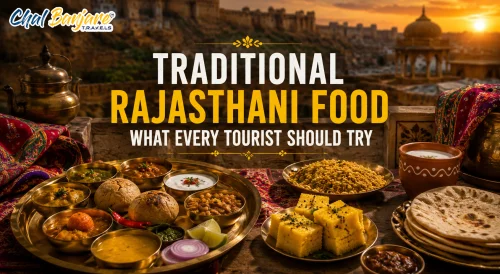
Rajasthan’s food culture reflects the state’s desert geography, royal history, and village traditions where rich spices, slow-cooked recipes, and traditional cooking methods create some of India’s most distinctive regional cuisine experiences.
From royal meat dishes to simple desert village meals, Rajasthan offers a wide variety of authentic food experiences across heritage cities and rural regions.
| Food Experience | Main Highlight | Cultural Experience |
|---|---|---|
| Dal Baati Churma | Traditional Rajasthan signature meal | Classic local food experience |
| Laal Maas | Spicy royal-style mutton preparation | Historic Rajput cuisine influence |
| Gatte Ki Sabzi and Ker Sangri | Traditional desert vegetarian dishes | Authentic rural Rajasthan flavors |
| Street Food and Local Sweets | Kachori ghewar and mirchi vada | Popular market food culture |
| Village Cooking Experiences | Traditional wood-fire meal preparation | Slow cultural immersion |
| Heritage Rooftop Dining | Fort and palace city views | Luxury Rajasthan atmosphere |
| One of India’s Richest Regional Food Cultures | Desert traditions and royal cuisine combined | Memorable culinary travel experience |
Travelers exploring Rajasthan food culture should try both heritage restaurant dining and local street food because the state’s culinary experience extends beyond palace cuisine.
Rajasthan’s local experiences go beyond monuments because village tours, camel safaris, handicraft markets, and rural cultural interactions allow travelers to understand the traditional lifestyle, desert economy, and artistic heritage of the state more deeply.
These experiences provide a slower and more authentic side of Rajasthan compared to mainstream heritage sightseeing circuits.
Travelers exploring Rajasthan villages and markets should support local artisans and small businesses because handicrafts and cultural tourism remain important parts of the rural economy.
Rajasthan experiences extremely high temperatures during summer because desert regions and open landscapes heat up rapidly between April and June, especially across Jaisalmer, Jodhpur, Bikaner, and rural Thar Desert areas.
Long sightseeing hours, desert safaris, road trips, and outdoor fort exploration during peak afternoon heat can quickly cause dehydration, exhaustion, and physical discomfort if proper precautions are ignored.
Travelers visiting Rajasthan during summer should slow down sightseeing plans because excessive heat can make fast-paced itineraries physically uncomfortable and unsafe.
Popular tourist cities in Rajasthan attract large visitor crowds, which sometimes leads to overpricing, aggressive selling, unofficial guides, and shopping scams around markets, monuments, transport areas, and desert tourism circuits.
Travelers who remain informed and cautious usually enjoy a much smoother and more authentic Rajasthan travel experience.
| Travel Issue | Main Risk | Practical Reality |
|---|---|---|
| Overpriced Handicrafts and Souvenirs | Inflated tourist-market pricing | Bargaining often expected |
| Unofficial Tour Guides and Agents | Misleading information or high commissions | Use verified services when possible |
| Taxi and Auto Fare Negotiation Problems | Tourist overcharging common in busy areas | Confirm pricing before travel |
| Desert Safari Package Differences | Service quality and hidden charges vary | Compare packages carefully |
| Jewelry and Gemstone Shopping Risks | Fake or overpriced products possible | Purchase from trusted stores |
| Tourist-Centered Market Pressure | Aggressive sales approaches in popular areas | Patience and awareness important |
| One of India’s Largest Tourist Shopping States | Authentic and commercial experiences mixed | Careful decision-making improves travel quality |
Travelers shopping in Rajasthan should compare prices calmly and avoid impulsive purchases because tourist markets often start with highly inflated rates.
Rajasthan is India’s largest state, and many travelers underestimate the long travel distances between heritage cities, desert regions, wildlife parks, and rural destinations. Overloaded itineraries often lead to fatigue and reduced sightseeing quality.
Slower and better-planned travel circuits usually create a far more enjoyable experience because Rajasthan is best explored through relaxed cultural immersion rather than rushed city hopping.
Travelers planning Rajasthan journeys should focus on fewer destinations with more exploration time because the state’s cultural depth and travel distances are best enjoyed slowly.
One of the most common Rajasthan travel mistakes is trying to cover too many cities within a short duration because the state’s large geography, long road journeys, and detailed heritage sightseeing require slower and more balanced itinerary planning.
Travelers who focus on fewer destinations with relaxed schedules usually experience Rajasthan’s forts, palaces, villages, food, and cultural atmosphere much more meaningfully.
Travelers planning Rajasthan itineraries should prioritize quality over quantity because relaxed exploration creates a much more enjoyable and memorable experience.
The Rajasthan travel experience changes significantly with the season because weather conditions, crowd levels, desert activities, wildlife visibility, and cultural festivals vary throughout the year across different regions of the state.
Choosing the right season helps travelers match their itinerary with personal comfort, photography interests, and preferred travel atmosphere.
| Travel Season | Main Highlight | Travel Experience |
|---|---|---|
| Winter Season | Cool weather and comfortable sightseeing | Best overall Rajasthan travel conditions |
| Summer Season | Lower crowds and cheaper hotels | Extreme heat but budget-friendly travel |
| Festival Season | Pushkar Fair and desert cultural celebrations | Vibrant traditional Rajasthan atmosphere |
| Monsoon Travel | Greener landscapes and peaceful city exploration | Scenic off-season experience |
| Desert Safari Timing | Cool evenings and winter camping | Best Jaisalmer experience during colder months |
| Wildlife Safari Conditions | Tiger sightings improve during specific seasons | Better Ranthambore exploration planning |
| One of India’s Most Seasonal Travel States | Weather and festivals strongly influence experiences | Careful planning improves overall journey |
Travelers planning Rajasthan trips should match destinations with seasonal conditions because desert travel, wildlife safaris, and festival experiences differ greatly throughout the year.
Travel in Rajasthan becomes much easier when travelers prepare properly for desert weather, long sightseeing hours, rural regions, and traditional cultural environments where comfort and practicality are essential throughout the journey.
Simple preparation such as carrying cash, wearing breathable clothing, and protecting against heat and dust can significantly improve the overall Rajasthan travel experience.
Travelers exploring Rajasthan should prioritize comfort and flexibility because the combination of desert climate, long sightseeing hours, and cultural exploration can become physically demanding without proper preparation.
The best Rajasthan route for first-time travelers usually combines Jaipur, Jodhpur, and Udaipur because this circuit offers a balanced experience of royal forts, palaces, lakes, colorful markets, desert culture, heritage hotels, and traditional Rajasthan food within a comfortable travel duration.
Travelers with extra time often extend the route towards Jaisalmer, Pushkar, or Ranthambore for desert safaris, cultural festivals, and wildlife experiences.
First-time Rajasthan travelers should focus on fewer destinations with more exploration time because the state’s cultural depth is best experienced slowly.
Rajasthan offers both luxury royal-style travel and affordable backpacking experiences because travelers can choose between palace hotels, heritage resorts, boutique havelis, hostels, local transport, and desert camps according to their travel style and budget preferences.
Both travel styles provide meaningful cultural experiences, but the overall atmosphere and comfort level differ significantly.
| Travel Style | Main Highlight | Travel Experience |
|---|---|---|
| Luxury Heritage Travel | Palace hotels and royal hospitality | Premium Rajasthan cultural experience |
| Boutique Heritage Stays | Traditional havelis and curated local atmosphere | Balanced comfort and authenticity |
| Budget Backpacking Routes | Hostels local transport and affordable food | Cost-effective cultural exploration |
| Desert Camping Experiences | Camel safaris and folk performance evenings | Adventure and cultural immersion combined |
| Road Trip and Self-Drive Travel | Flexible multi-city exploration | Independent Rajasthan journey |
| Slow Cultural and Village Exploration | Markets handicrafts and local interaction | Authentic regional experience |
| One of India’s Most Flexible Travel States | Luxury heritage and budget travel coexist | Suitable for every travel style |
Travelers choosing between luxury and budget Rajasthan trips should prioritize experience style over hotel category because local culture, food, and heritage remain the core highlights of the journey.
Planning a Rajasthan trip becomes much easier when travelers prepare properly for desert weather, long travel distances, cultural etiquette, and seasonal conditions across heritage cities and rural regions.
Good preparation improves comfort, flexibility, and the overall quality of the Rajasthan travel experience throughout the journey.
Travelers planning Rajasthan journeys in 2026 should focus on slower and more immersive exploration because the state’s forts, deserts, villages, and cultural traditions are best experienced without rushing.
Get customized Rajasthan tour planning designed around desert climate comfort, long-distance road travel flow, heritage exploration time, and realistic pacing between regions. Whether you are visiting for fort architecture, palace heritage, cultural exper
⚡ Quick Response | 💰 Free consultation | 🕒 24×7 expert support