

Royal Heritage of Rajasthan – Forts, Palaces and Living History
Rajasthan’s royal heritage showcases magnificent forts, grand palaces, ancient traditions, and living cultural experiences that reflect the state’s historic kingdoms and royal legacy.
+91 9910402252
admin@chalbanjare.com


Rajasthan offers royal heritage, desert landscapes, colourful culture, historic cities, and unique experiences that make it one of India’s most diverse travel destinations.
Rajasthan represents one of India's richest cultural and historical destinations, where centuries of royal heritage continue to shape everyday life. The state is home to magnificent forts, grand palaces, beautifully decorated havelis, ancient temples, stepwells, museums, and heritage cities that reflect the legacy of Rajput kingdoms. Walking through cities such as Jaipur, Jodhpur, Udaipur, Jaisalmer, Chittorgarh, and Bikaner allows visitors to experience architecture, traditions, and stories that have been preserved across generations.
Beyond individual monuments, Rajasthan offers an immersive cultural atmosphere where colourful markets, traditional clothing, local festivals, folk performances, and handcrafted art remain an active part of daily life. Many royal residences have been converted into heritage hotels, allowing travellers to experience historic architecture while enjoying modern hospitality. The combination of living culture and preserved history makes Rajasthan different from destinations that focus only on monuments or museums.
Rajasthan offers travellers the opportunity to experience history not only through monuments but also through its continuing traditions, architecture, and vibrant cultural identity.
Although Rajasthan is often associated with the Thar Desert, the state offers remarkable geographical diversity. Visitors can experience golden sand dunes near Jaisalmer, peaceful lakes around Udaipur, the rugged Aravalli Hills, forest landscapes in Ranthambore and Sariska, bird habitats at Keoladeo National Park, and scenic countryside dotted with traditional villages. Every region presents a different natural environment, making Rajasthan much more varied than many first-time visitors expect.
Traditional experiences further enrich the journey through camel safaris, village visits, handicraft workshops, local cuisine, folk performances, and regional festivals. These experiences allow travellers to understand Rajasthan beyond its famous monuments while appreciating the customs and lifestyles that continue to define the state's cultural landscape. Combining natural attractions with cultural exploration creates a balanced and rewarding travel experience.
Rajasthan's combination of natural beauty and cultural diversity ensures that travellers enjoy much more than historic sightseeing during their visit.
Rajasthan appeals to a wide variety of travellers because it offers experiences suitable for almost every travel interest. History enthusiasts admire its forts and palaces, photographers appreciate colourful streets and desert scenery, wildlife lovers visit national parks, families enjoy heritage attractions and cultural shows, while couples often choose romantic lake cities and heritage hotels. Adventure travellers can explore desert activities, while food enthusiasts discover one of India's most distinctive regional cuisines.
The state's extensive transportation network, broad accommodation options, and year-round tourism infrastructure make it accessible for budget travellers as well as luxury visitors. Whether planning a weekend getaway or an extended heritage circuit, travellers can customise their itinerary according to available time, budget, and personal preferences. This flexibility has made Rajasthan one of India's most popular tourism destinations.
Rajasthan's remarkable diversity allows visitors with different interests to create personalised holidays while experiencing one of India's richest cultural destinations.
One of the strongest reasons to visit Rajasthan is the extraordinary concentration of royal architecture found across the state. Massive hill forts, elegant palaces, historic temples, stepwells, museums, and beautifully decorated havelis showcase centuries of architectural excellence and royal craftsmanship. Every city presents a different style, allowing travellers to experience a wide variety of historical monuments within a single journey.
Many heritage attractions are surrounded by lively old markets, traditional neighbourhoods, gardens, and cultural centres that provide additional context to Rajasthan's royal past. Exploring these landmarks allows visitors to understand the political history, artistic achievements, and cultural traditions that shaped the region over hundreds of years. The preservation of these historic sites continues to attract travellers from around the world.
Rajasthan's architectural heritage offers an unforgettable journey through India's royal history while showcasing some of the country's finest historic monuments.
Beyond its famous monuments, Rajasthan is celebrated for its lively cultural atmosphere. Colourful markets display handcrafted textiles, jewellery, pottery, leather goods, paintings, carpets, and traditional artwork created by skilled local artisans. Visitors also encounter regional festivals, folk music performances, dance shows, and religious celebrations that highlight the state's continuing cultural traditions.
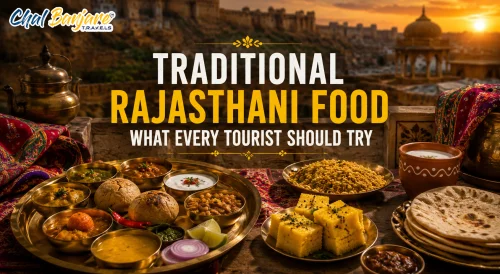
Rajasthani cuisine further enhances the travel experience through regional recipes that vary across different cities and communities. Exploring local restaurants, street food areas, traditional sweet shops, and heritage dining venues introduces visitors to flavours that reflect Rajasthan's climate, history, and cultural diversity. These everyday experiences complement monument visits while providing a deeper understanding of local life.
Rajasthan's markets, festivals, food, and traditions allow travellers to experience a vibrant culture that extends far beyond its historic monuments.
The Thar Desert creates one of Rajasthan's most distinctive travel experiences. Visitors can explore golden sand dunes, traditional desert villages, historic forts, camel safari routes, and cultural performances that showcase the heritage of western Rajasthan. Watching sunsets across the dunes, staying in desert camps, and experiencing traditional hospitality offer memorable moments that differ significantly from other Indian destinations.
Rajasthan is also widely recognised for its warm hospitality, reflected in heritage hotels, family-run guesthouses, boutique accommodations, and traditional welcomes offered throughout the state. Whether staying in a restored palace, a desert camp, or a comfortable city hotel, travellers often experience attentive service combined with local traditions. This welcoming atmosphere contributes greatly to Rajasthan's popularity among domestic and international visitors.
The combination of desert adventures, heritage accommodation, and genuine hospitality makes Rajasthan a destination that leaves lasting impressions on travellers of every age.
Rajasthan's four most visited cities provide an excellent introduction to the state's remarkable diversity. Jaipur combines royal palaces, historic forts, museums, astronomical monuments, colourful bazaars, and impressive examples of planned city architecture. Jodhpur offers the majestic Mehrangarh Fort, blue-painted neighbourhoods, lively traditional markets, and centuries-old temples that overlook the historic city.
Udaipur presents a completely different atmosphere with its beautiful lakes, elegant palaces, gardens, heritage hotels, and scenic surroundings, making it one of Rajasthan's most picturesque destinations. Further west, Jaisalmer introduces travellers to golden sandstone architecture, the Thar Desert, camel safari experiences, historic havelis, and narrow streets enclosed within one of the world's few living forts. Together, these cities represent the most popular heritage circuit for first-time visitors.
These iconic cities provide an outstanding overview of Rajasthan's history, architecture, landscapes, and cultural traditions while serving as the foundation of most first-time itineraries.
Beyond Rajasthan's famous cities, numerous destinations reward travellers seeking quieter experiences and greater cultural depth. Chittorgarh and Kumbhalgarh impress visitors with massive hill forts and remarkable historical significance, while Bundi offers beautifully painted palaces, stepwells, and peaceful streets away from larger tourist crowds. Bikaner, Shekhawati, Mount Abu, Osian, and Barmer each contribute unique landscapes, architecture, and regional traditions.
Nature enthusiasts can explore Ranthambore National Park, Sariska Tiger Reserve, and Keoladeo National Park, where wildlife experiences complement Rajasthan's cultural attractions. Traditional villages, handicraft centres, rural festivals, and local communities provide opportunities to understand everyday life beyond the state's royal heritage. Including selected offbeat destinations creates a richer and more balanced Rajasthan itinerary.
Adding lesser-known destinations alongside Rajasthan's famous cities allows visitors to experience a broader and more authentic perspective of the state's history, landscapes, and traditions.
The ideal Rajasthan itinerary depends largely on available travel days and individual interests. Travellers with four to six days often concentrate on Jaipur, Udaipur, or Jodhpur, while week-long holidays comfortably include Jaisalmer or Ranthambore. Longer journeys create opportunities to explore heritage towns, wildlife reserves, desert villages, and hill destinations without rushing between locations.
Visitors interested in architecture may prioritise forts and palaces, while photographers often focus on colourful cities, lakes, and desert scenery. Families usually appreciate balanced itineraries that combine history, gardens, museums, shopping, and cultural performances, whereas adventure travellers may include camel safaris and road trips through western Rajasthan. Selecting destinations according to travel style creates a more enjoyable and memorable holiday.
Careful destination selection allows travellers to experience Rajasthan comfortably while making the most of their available time and preferred travel experiences.
Rajasthan's architectural heritage is among the richest in India, featuring magnificent hill forts, royal palaces, intricately carved temples, stepwells, cenotaphs, museums, and historic havelis that reflect centuries of artistic achievement. Every region showcases distinctive styles developed by Rajput rulers, skilled craftsmen, and local communities. Exploring these landmarks allows visitors to appreciate the state's remarkable engineering, decorative arts, and cultural evolution.
Many heritage sites are recognised for their historical significance and continue to attract travellers interested in architecture, archaeology, photography, and history. Walking through palace courtyards, fortified walls, temple complexes, and old city streets provides insight into Rajasthan's royal lifestyle while revealing the traditions that continue to shape its cultural identity today.
Rajasthan's architectural landmarks provide visitors with an extraordinary opportunity to experience one of India's most remarkable collections of historic monuments.
Traditional music and dance remain an important part of Rajasthan's living culture. Folk artists perform using regional instruments, colourful costumes, storytelling traditions, and dance styles that have been preserved across generations. Visitors can experience these performances in cultural centres, heritage hotels, village events, festivals, and selected tourism venues throughout the state.
Seasonal festivals add another dimension to the Rajasthan travel experience by bringing together local communities through fairs, religious celebrations, handicraft exhibitions, camel events, and traditional performances. Participating respectfully in these celebrations allows travellers to understand local customs while appreciating the cultural diversity that continues to define Rajasthan today.
Traditional performances and festivals create memorable cultural experiences that complement Rajasthan's impressive architectural heritage throughout the journey.
Exploring Rajasthan's villages, artisan workshops, and traditional markets introduces visitors to crafts that have supported local communities for generations. Textile weaving, block printing, pottery, miniature painting, leatherwork, embroidery, jewellery making, and woodcraft continue to flourish across different regions of the state. Purchasing locally made products also supports artisans while preserving traditional craftsmanship.
Regional cuisine provides another important cultural experience, with every area offering its own recipes and culinary traditions. Village visits further allow travellers to observe farming practices, traditional homes, local customs, and everyday life beyond the state's famous tourist attractions. These experiences provide a deeper understanding of Rajasthan's people while complementing visits to forts, palaces, and museums.
Combining handicrafts, cuisine, and village experiences with heritage sightseeing provides visitors with a complete understanding of Rajasthan's rich cultural identity.
The Thar Desert is one of Rajasthan's most iconic attractions, offering travellers a landscape that differs completely from the rest of India. Around Jaisalmer, vast stretches of golden sand dunes, traditional desert villages, historic forts, and open horizons create unforgettable scenery throughout the year. Visitors can experience the changing colours of the desert during sunrise and sunset, when the sand reflects warm golden tones and the landscape appears especially dramatic.
Camel safaris remain one of the most popular ways to explore the desert, allowing travellers to visit remote dunes, experience local village life, and enjoy the peaceful atmosphere away from busy cities. Many visitors also combine desert exploration with cultural performances, traditional Rajasthani meals, and overnight stays in desert camps, creating a complete introduction to western Rajasthan's unique environment and heritage.
The Thar Desert provides one of Rajasthan's most distinctive travel experiences, combining natural beauty, traditional culture, and unforgettable landscapes within a single destination.
Although Rajasthan is famous for its desert landscapes, the state also offers beautiful lakes, forest reserves, wetlands, and wildlife destinations. Udaipur's scenic lakes provide peaceful surroundings that contrast beautifully with western Rajasthan's arid terrain, while Mount Abu offers green hills, rocky landscapes, and pleasant weather. Visitors interested in wildlife can explore Ranthambore National Park, Sariska Tiger Reserve, and Keoladeo National Park, each offering different ecosystems and opportunities for nature observation.
Numerous gardens, reservoirs, hills, rivers, and protected forests further demonstrate Rajasthan's geographical diversity. These natural attractions allow travellers to combine heritage sightseeing with outdoor experiences, birdwatching, photography, and wildlife exploration. The variety of landscapes ensures that Rajasthan appeals to nature enthusiasts as much as history lovers.
Rajasthan's natural attractions provide refreshing variety while complementing the state's remarkable historical and cultural experiences.
Travelling across Rajasthan reveals an impressive variety of landscapes that extend far beyond the famous sand dunes. Western Rajasthan features expansive desert scenery, while central regions showcase royal cities and fertile plains. Southern Rajasthan introduces travellers to lakes, forests, and sections of the Aravalli Hills, whereas eastern districts include wildlife reserves, agricultural landscapes, and historic towns surrounded by greenery during favourable seasons.
This geographical diversity allows visitors to experience multiple environments within a single journey. Road trips across the state highlight gradual changes in architecture, vegetation, climate, and local traditions, making travel itself an important part of the Rajasthan experience. Exploring different regions provides a broader understanding of the state's remarkable natural and cultural diversity.
The changing landscapes across Rajasthan ensure that every stage of the journey offers new scenery, experiences, and cultural discoveries for travellers.
Rajasthan is a destination that accommodates a wide variety of travellers because of its excellent tourism infrastructure, diverse attractions, and broad range of accommodation options. Families enjoy exploring forts, museums, gardens, wildlife parks, cultural performances, and lakes, while couples often choose heritage hotels, scenic palace surroundings, romantic boat rides, and peaceful desert experiences. Solo travellers appreciate Rajasthan's well-established tourist routes, vibrant cities, and opportunities to meet people through cultural experiences and guided tours.
Each traveller can customise the itinerary according to personal interests and travel pace. Short city breaks, heritage circuits, photography tours, wildlife holidays, road trips, and luxury vacations are all possible within Rajasthan. The flexibility offered by the state's transportation network and tourism facilities makes it accessible for visitors with different travel expectations and budgets.
Rajasthan's diversity allows travellers of every age and travel style to enjoy a memorable holiday tailored to their own interests and expectations.
Rajasthan offers experiences suitable for every travel budget. Budget travellers can explore heritage cities using economical accommodation, local transport, and affordable restaurants, while mid-range holidays combine comfortable hotels, private transportation, and organised sightseeing. Luxury visitors may choose palace hotels, heritage resorts, curated cultural experiences, fine dining, and premium transportation that showcase Rajasthan's royal hospitality.
Cultural travellers often spend additional time visiting museums, artisan workshops, temples, traditional villages, and local festivals, while photography enthusiasts may focus on architectural landmarks, colourful streets, desert scenery, and wildlife. This flexibility allows visitors to create highly personalised itineraries regardless of their preferred travel style or available budget.
The wide variety of travel experiences available across Rajasthan makes the state accessible and rewarding for visitors with different budgets and interests.
The best Rajasthan itinerary depends on what travellers hope to experience during their holiday. Visitors interested in royal architecture may prioritise Jaipur, Jodhpur, Chittorgarh, and Kumbhalgarh, while those seeking romantic scenery often prefer Udaipur. Desert enthusiasts generally focus on Jaisalmer and nearby villages, whereas wildlife travellers include Ranthambore, Sariska, or Keoladeo National Park within their plans.
Families may choose shorter travel distances with longer stays in major cities, while experienced travellers often include offbeat destinations and extended road trips. Matching destinations with personal comfort levels, available travel days, and preferred activities ensures a more enjoyable and balanced Rajasthan holiday without unnecessary travel pressure or unrealistic schedules.
Choosing destinations according to individual preferences helps travellers enjoy Rajasthan more fully while creating an itinerary that matches their expectations and travel style.
Rajasthan can be visited throughout the year, but every season offers a different travel experience. Winter is generally considered the most comfortable period because daytime temperatures are pleasant for sightseeing, desert exploration, wildlife safaris, and outdoor activities. Many cultural festivals and tourism events are also organised during these months, making winter especially attractive for first-time visitors exploring Rajasthan's heritage cities.
Summer brings much higher temperatures, particularly across western Rajasthan and desert regions. Travellers visiting during this period often prefer early morning sightseeing, indoor attractions, museums, and evening exploration. The monsoon season introduces occasional rainfall that transforms parts of eastern and southern Rajasthan into greener landscapes, especially around Udaipur, Mount Abu, Bundi, and the Aravalli region. Understanding these seasonal differences helps visitors choose travel dates that match their comfort and interests.
Selecting the right season allows travellers to experience Rajasthan comfortably while enjoying its diverse landscapes, heritage sites, and cultural attractions.
Different experiences across Rajasthan are best enjoyed during different times of the year. Desert safaris, heritage walks, fort exploration, and outdoor photography are generally more comfortable during cooler months, when visitors can spend long hours outdoors without excessive heat. Wildlife parks, traditional markets, village visits, and palace complexes are also easier to explore during pleasant weather conditions.
Many of Rajasthan's famous cultural festivals, fairs, music performances, and traditional celebrations also take place during the winter tourism season. Travellers interested in experiencing Rajasthan's cultural heritage alongside sightseeing should review festival calendars while planning their itinerary. Matching travel dates with personal interests allows visitors to enjoy a richer and more memorable holiday.
Choosing the appropriate season helps travellers experience Rajasthan's heritage, culture, and natural attractions under the most enjoyable conditions.
Besides weather, travellers should also consider tourist crowd levels while selecting travel dates. Winter holidays, Christmas, New Year, long weekends, and major festivals attract large numbers of domestic and international visitors. During these periods, accommodation, transportation, desert camps, guided tours, and popular attractions may require advance reservations because demand increases considerably.
Visitors seeking quieter sightseeing experiences may prefer travelling during shoulder seasons when weather remains favourable and crowd levels are comparatively lower. Regardless of the season, early morning visits to major monuments often provide a more relaxed atmosphere for photography and exploration. Planning around both climate and visitor numbers contributes to a more comfortable Rajasthan holiday.
Planning around both weather and tourist activity allows visitors to enjoy Rajasthan's attractions comfortably while making the most of their holiday.
One of the most important aspects of planning a Rajasthan holiday is understanding the size of the state. Although highways and railway networks provide excellent connectivity, travelling between heritage cities such as Jaipur, Jodhpur, Udaipur, Jaisalmer, Bikaner, Chittorgarh, and Mount Abu often requires several hours. First-time visitors sometimes underestimate these travel times and attempt to include too many destinations within a limited itinerary.
Rather than focusing only on the distance shown on maps, travellers should estimate realistic journey durations that include sightseeing stops, meal breaks, hotel check-ins, and local exploration. Spending additional nights in major cities often creates a more enjoyable experience than changing accommodation every day. Comfortable planning reduces travel fatigue while allowing visitors to appreciate Rajasthan's attractions at a relaxed pace.
Understanding travel distances helps visitors design comfortable itineraries while making efficient use of their available holiday time.
Weather preparation plays an important role in ensuring a comfortable Rajasthan holiday. Desert destinations experience different conditions from lake cities and hill regions, making it essential to pack clothing suitable for changing temperatures. Visitors travelling during warmer months should remain hydrated, protect themselves from strong sunlight, and schedule outdoor activities during the cooler parts of the day.
Travellers visiting the Thar Desert should also prepare for open landscapes, changing temperatures between day and night, and longer journeys between certain destinations. Reviewing weather forecasts before departure helps visitors plan sightseeing, transportation, and outdoor activities more effectively while improving overall travel comfort throughout the journey.
Proper weather preparation allows visitors to enjoy Rajasthan's diverse landscapes comfortably while reducing avoidable travel challenges.
Successful Rajasthan holidays depend on organising transportation, accommodation, and sightseeing plans before departure. Booking hotels in convenient locations, selecting suitable transport between cities, and coordinating arrival times with sightseeing schedules reduce unnecessary travel stress. Visitors travelling during festivals or the winter tourism season should make reservations well in advance because accommodation and transportation demand increases significantly.
A balanced itinerary should leave enough time for exploring monuments, local markets, museums, restaurants, cultural performances, and nearby attractions without rushing between destinations. Flexible planning also allows travellers to adapt to weather conditions, transportation changes, or unexpected discoveries during the journey. Thoughtful preparation creates a smoother and more enjoyable Rajasthan experience.
Good planning ensures visitors can focus on enjoying Rajasthan's remarkable heritage, landscapes, and culture instead of managing avoidable travel difficulties.
One of the biggest reasons travellers enjoy Rajasthan is the remarkable variety of experiences available within a single journey. Few destinations combine magnificent forts, royal palaces, colourful cities, ancient temples, vast deserts, peaceful lakes, wildlife reserves, traditional villages, and vibrant local culture as successfully as Rajasthan. Every destination introduces visitors to a different chapter of the state's history while showcasing unique architectural styles, regional customs, and natural surroundings.
Travellers often appreciate how easily they can combine multiple experiences within one itinerary. A holiday may begin with exploring Jaipur's royal heritage, continue through the blue streets of Jodhpur, cross the golden desert landscapes of Jaisalmer, and conclude beside the lakes of Udaipur. This diversity keeps the journey interesting from beginning to end while ensuring that every destination offers something unique rather than repeating the same sightseeing experience.
The combination of history, architecture, culture, and nature makes Rajasthan a destination where every stage of the journey offers fresh experiences and memorable discoveries.
Many visitors remember Rajasthan not only for its monuments but also for its welcoming atmosphere, regional cuisine, and lively markets. Traditional dishes prepared using regional ingredients introduce travellers to flavours that differ across the state, while heritage cafés, family-run restaurants, and local food streets provide opportunities to enjoy authentic culinary experiences. Every city also offers distinctive shopping opportunities featuring textiles, jewellery, handicrafts, pottery, miniature paintings, leather products, and locally crafted souvenirs.
Conversations with local artisans, market vendors, guides, and village communities often become some of the most memorable parts of the holiday. These interactions help travellers understand Rajasthan's traditions beyond museums and monuments while supporting local communities that continue to preserve centuries-old artistic skills. Such experiences add authenticity to every Rajasthan itinerary.
Local food, traditional markets, and meaningful interactions with Rajasthan's communities often become lasting highlights long after the journey has ended.
Rajasthan stands apart from many other travel destinations because it combines living cultural traditions with remarkably well-preserved historical architecture. Instead of viewing history only through museums, travellers experience royal heritage in functioning heritage hotels, active temples, bustling old markets, traditional festivals, artisan workshops, and everyday community life. The state's identity remains closely connected with its past while continuing to evolve through modern tourism and local traditions.
The variety of experiences available within Rajasthan also contributes to its unique appeal. Visitors can explore desert landscapes one day, peaceful lakes the next, wildlife reserves, mountain scenery, colourful heritage streets, and centuries-old forts during the same holiday. This exceptional diversity, together with genuine hospitality and strong tourism infrastructure, makes Rajasthan one of India's most rewarding travel destinations for first-time and returning visitors alike.
Rajasthan offers a travel experience that combines heritage, culture, hospitality, and natural beauty in a way that few destinations can match.
Rajasthan is an excellent destination for travellers who enjoy history, architecture, photography, cultural experiences, road trips, traditional cuisine, wildlife, and diverse landscapes. Visitors interested in exploring magnificent forts, elegant palaces, colourful cities, peaceful lakes, desert scenery, artisan villages, and living cultural traditions will find the state exceptionally rewarding. The wide variety of attractions allows travellers to customise their holiday according to individual interests rather than following a single standard itinerary.
Before planning the journey, visitors should consider available travel days, preferred pace, seasonal weather, transportation options, and personal travel priorities. Families may prefer comfortable heritage circuits with moderate travel distances, while experienced travellers often include remote villages, wildlife reserves, and extended road trips. Matching expectations with the itinerary creates a far more satisfying Rajasthan experience.
Carefully matching travel expectations with the itinerary helps visitors enjoy Rajasthan's heritage, landscapes, and culture without unnecessary travel pressure.
Successful Rajasthan holidays begin with thoughtful planning. Selecting arrival and departure cities, organising transportation between destinations, estimating sightseeing time, and reserving accommodation in advance all contribute to a smoother journey. Visitors should also identify their highest priorities, whether exploring royal architecture, experiencing desert adventures, enjoying wildlife, photographing heritage cities, or discovering local cuisine and handicrafts.
Well-balanced itineraries avoid excessive daily travel while leaving enough time for spontaneous discoveries such as traditional markets, local cafés, village visits, festivals, and scenic viewpoints. Maintaining flexibility throughout the journey allows travellers to adapt comfortably to weather conditions, transportation schedules, and unexpected opportunities that arise during the trip.
Organised planning allows travellers to spend less time managing logistics and more time experiencing Rajasthan's extraordinary cultural and historical attractions.
Before beginning the journey, travellers should confirm transportation tickets, hotel reservations, identification documents, weather forecasts, suitable clothing, medicines, payment methods, and local transportation arrangements. Carrying offline maps, mobile chargers, emergency contact information, and copies of important bookings further improves travel convenience throughout the holiday.
Visitors should also remain open to exploring beyond famous monuments by experiencing local markets, traditional food, cultural performances, artisan workshops, and village communities whenever possible. These authentic experiences often become the most memorable part of the journey. With realistic planning, responsible travel, and sufficient time for exploration, Rajasthan offers an unforgettable combination of history, culture, hospitality, and natural beauty that continues to inspire travellers from around the world.
With careful preparation and a balanced itinerary, Rajasthan rewards travellers with unforgettable memories, remarkable heritage, vibrant culture, and experiences that remain long after the journey comes to an end.
Get customized Rajasthan tour planning designed around desert climate comfort, long-distance road travel flow, heritage exploration time, and realistic pacing between regions. Whether you are visiting for fort architecture, palace heritage, cultural exper
⚡ Quick Response | 💰 Free consultation | 🕒 24×7 expert support