

Homepage Banner

Chittorgarh Travel Guide – Fort History, Vijay Stambh & Heritage Attractions

Chittorgarh is one of Rajasthan’s most historic destinations, known for its massive fort, heroic tales, Vijay Stambh, and deep Rajput heritage experiences.

Travel Guide


19 May, 2026 By: Radhika Shekhawat

Chittorgarh overview and travel planning basics

Why Chittorgarh Fort is Important in Rajput History

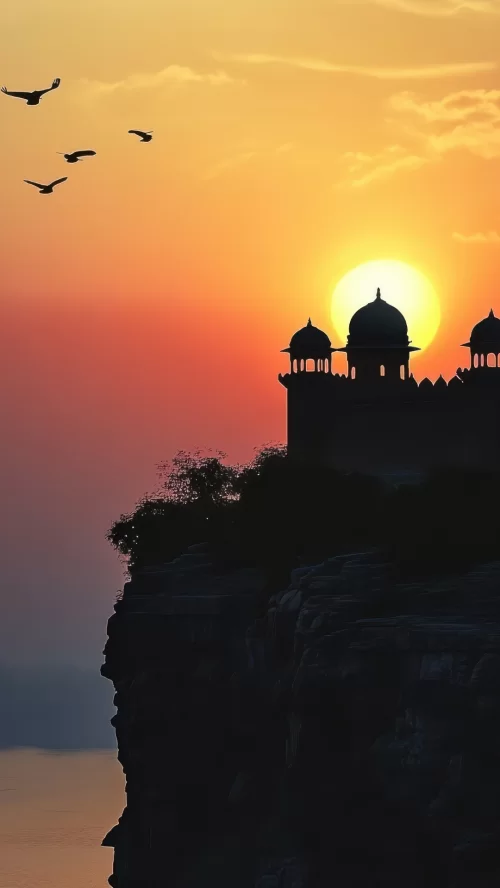
Chittorgarh Fort is one of India’s largest and most historically significant forts, symbolizing Rajput valor, sacrifice, and resistance through centuries of battles and legendary stories.

It stands as a powerful reminder of Mewar’s royal legacy and unwavering spirit of independence.

  • Chittorgarh Fort – UNESCO World Heritage Site.
  • Symbol of Rajput Valor and Sacrifice – Historic legacy.
  • Key Battles of Mewar Kingdom – Strong historical importance.
  • Rani Padmini and Rani Karnavati Legends – Cultural stories.
  • Massive Fort Complex – Spanning hills and plains.
  • Ancient Temples and Palaces Inside Fort – Rich heritage structures.
  • Strategic Military Importance – Historic defense stronghold.
  • One of Rajasthan’s Most Iconic Heritage Sites – History and architecture combined.

Chittorgarh Fort is not just a monument but a living symbol of Rajput pride and history.

Best Number of Days Required for Chittorgarh Travel

A Chittorgarh trip is best planned as a short heritage-focused journey, with enough time to explore the vast fort complex, nearby temples, and historical viewpoints without rushing through the experience.

Proper timing ensures a balanced and meaningful visit.

  • 1 Full Day Minimum – Basic fort exploration possible.
  • 2 Days Ideal – Detailed heritage and relaxed sightseeing.
  • Half-Day Not Recommended – Fort is too large to rush.
  • Morning Start Recommended – Cooler temperatures and better visibility.
  • Include Light Trekking Within Fort – Multiple entry points.
  • Evening Light and Sound Show (If Available) – Cultural storytelling experience.
  • Nearby Extensions Possible – Udaipur or Bundi circuit.
  • One of the Best Short Heritage Trips in Rajasthan – Compact yet rich experience.

A 1–2 day itinerary allows travelers to fully appreciate Chittorgarh’s scale and historical depth.

Choosing Between Heritage Exploration and Fort Sightseeing

Chittorgarh offers two distinct travel styles—deep heritage exploration focusing on history, legends, and culture, and focused fort sightseeing centered on architecture, viewpoints, and major monuments.

The choice depends on how immersive you want your travel experience to be.

Travel Style Experience Focus Best Approach
Heritage Exploration Stories, legends, and cultural depth Guided tours and museum visits
Fort Sightseeing Architecture and viewpoints Self-paced walking and photography
Balanced Experience Mix of history and visuals Full-day itinerary with guide
Photography Focus Sunrise, sunset, and wide views Early morning visits
Slow Travel Experience Detailed exploration of structures 2-day relaxed itinerary
Quick Visit Option Main fort highlights only Half-day tour (limited coverage)
One of Rajasthan’s Most Flexible Heritage Experiences Multiple ways to explore Custom itinerary possible

Choosing the right style helps shape a more meaningful and enjoyable Chittorgarh experience.

Best attractions inside Chittorgarh Fort

Vijay Stambh Tower of Victory Architecture and Views

Vijay Stambh, also known as the Tower of Victory, is one of the most iconic structures inside Chittorgarh Fort, built by Rana Kumbha to commemorate his victory over Mahmud Khilji, symbolizing Rajput pride and resilience.

Its intricate carvings and elevated structure make it a key viewpoint for panoramic fort scenery.

  • Vijay Stambh – 15th-century Tower of Victory.
  • Built by Rana Kumbha – Celebration of historic triumph.
  • Intricate Hindu Sculptures – Detailed stone carvings.
  • Multi-Level Architecture – Accessible interior climb.
  • Panoramic Views of Chittorgarh Fort – Elevated sightseeing point.
  • Historical Symbol of Rajput Valor – Cultural significance.
  • Photography Hotspot – Fort-wide landscape shots.
  • One of the Most Iconic Monuments in Rajasthan – Heritage and pride combined.

Vijay Stambh stands as a powerful reminder of Rajput strength and architectural brilliance.

Kirti Stambh Jain Monument and Historical Significance

Kirti Stambh is an ancient Jain tower inside Chittorgarh Fort dedicated to Adinath, showcasing exquisite Jain architecture and intricate carvings that highlight the region’s deep religious diversity.

It is older than Vijay Stambh and reflects early medieval craftsmanship.

  • Kirti Stambh – 12th-century Jain monument.
  • Dedicated to Adinath – First Jain Tirthankara.
  • Intricate Jain Sculptures – Highly detailed stonework.
  • Six-Storey Tower Structure – Vertical architectural marvel.
  • Religious Significance – Important Jain pilgrimage site.
  • Older Than Vijay Stambh – Historical precedence.
  • Peaceful Spiritual Atmosphere – Less crowded area.
  • One of Rajasthan’s Finest Jain Heritage Monuments – Faith and architecture combined.

Kirti Stambh reflects the spiritual and artistic richness of Rajasthan’s Jain heritage.

Rana Kumbha Palace and Padmini Palace Ruins Exploration

Rana Kumbha Palace and Padmini Palace are among the most visited ruins inside Chittorgarh Fort, known for their historical legends, architectural remains, and deep connections to Rajput folklore and bravery stories.

These sites offer a powerful glimpse into the fort’s royal past and dramatic history.

  • Rana Kumbha Palace – One of the largest structures in the fort.
  • Padmini Palace – Associated with Rani Padmini legend.
  • Historic Ruins and Courtyards – Ancient architectural remains.
  • Underground Cellars and Chambers – Strategic fort design.
  • Linked to Jauhar Stories – Significant cultural history.
  • Panoramic Hilltop Setting – Scenic fort views.
  • Guided Historical Narratives – Rich storytelling experience.
  • One of the Most Famous Heritage Sections of Chittorgarh Fort – History and legend combined.

Exploring these palaces offers a deep emotional and historical understanding of Chittorgarh’s legacy.

Best temples and spiritual sites in Chittorgarh Fort

Meera Temple Devotion History and Cultural Importance

Meera Temple inside Chittorgarh Fort is dedicated to Meera Bai, the legendary Rajput princess and devotee of Lord Krishna, whose life of unwavering devotion has made her one of the most revered spiritual figures in Indian history.

The temple reflects her deep Bhakti tradition and her emotional connection with Krishna through poetry and music.

  • Meera Temple – Dedicated to Meera Bai’s devotion.
  • Krishna Worship Heritage – Center of Bhakti tradition.
  • Simple Yet Powerful Architecture – Spiritual focus over grandeur.
  • Historical Rajput Connection – Royal heritage link.
  • Poetic Devotional Legacy – Meera’s bhajans and teachings.
  • Peaceful Fort Setting – Calm spiritual atmosphere.
  • Important Cultural Landmark – Symbol of devotion in Rajasthan.
  • One of the Most Revered Spiritual Sites in Chittorgarh – Faith and history combined.

Meera Temple stands as a powerful symbol of pure devotion and spiritual surrender within Chittorgarh Fort.

Kalika Mata Temple Spiritual Heritage and Rituals

Kalika Mata Temple is one of the oldest temples inside Chittorgarh Fort, originally dedicated to the Sun God and later transformed into a shrine of Goddess Kali, reflecting centuries of evolving spiritual traditions.

It remains an active place of worship with deep religious significance for locals and pilgrims.

  • Kalika Mata Temple – Ancient temple within Chittorgarh Fort.
  • Originally Sun Temple – Later dedicated to Goddess Kali.
  • Active Worship Site – Regular rituals and prayers.
  • Historic Architecture – Blend of old and reconstructed elements.
  • Spiritual Energy – Strong devotional atmosphere.
  • Hilltop Fort Location – Scenic surroundings.
  • Important Pilgrimage Spot – Regional religious significance.
  • One of the Most Sacred Sites in Chittorgarh Fort – Faith and history combined.

Kalika Mata Temple represents the deep spiritual continuity of Chittorgarh’s sacred landscape.

Gaumukh Reservoir Sacred Water Source and Fort Legends

Gaumukh Reservoir is a sacred water tank inside Chittorgarh Fort, named after the natural cow-shaped spring from which water continuously flows, making it both a vital water source and a spiritually significant site.

It is surrounded by legends and is often associated with rituals and meditation practices.

  • Gaumukh Reservoir – Natural spring-fed water source.
  • Cow-Shaped Water Outlet – Unique geological formation.
  • Sacred Water Significance – Used for rituals and prayers.
  • Quiet Meditation Spot – Peaceful fort location.
  • Historical Water Supply System – Ancient engineering marvel.
  • Cliffside Setting – Scenic natural backdrop.
  • Linked to Fort Legends – Mythological importance.
  • One of the Most Spiritual Spots in Chittorgarh Fort – Nature and faith combined.

Gaumukh Reservoir blends natural wonder with spiritual tradition, making it a serene highlight of Chittorgarh Fort.

Best historical experiences in Chittorgarh

Jauhar Sites and Stories of Rajput Bravery and Sacrifice

Chittorgarh is deeply associated with the powerful history of Jauhar, where Rajput women performed mass self-sacrifice during sieges, making the fort a symbol of courage, honor, and tragic resistance.

These stories are central to understanding the emotional and historical depth of Mewar’s legacy.

  • Jauhar Kund Sites – Historical locations linked to sacrifice events.
  • Rani Padmini and Rani Karnavati Legends – Iconic Rajput stories.
  • Sieges by Alauddin Khilji and Bahadur Shah – Major historical conflicts.
  • Symbol of Honor and Resistance – Core Rajput cultural value.
  • Oral Traditions and Folklore – Passed through generations.
  • Emotional Historical Significance – Deep cultural impact.
  • Guided Storytelling Tours – Better historical understanding.
  • One of the Most Powerful Historical Narratives in India – Sacrifice and bravery combined.

The Jauhar stories of Chittorgarh continue to define its identity as a fort of unmatched courage and sacrifice.

Fort Walls Gates and Ancient Defense Architecture

Chittorgarh Fort features massive defensive walls, seven grand gates, and strategically designed military architecture that once protected the kingdom from repeated invasions over centuries.

Its engineering reflects advanced medieval defense planning and Rajput military strength.

  • Seven Major Gates (Pols) – Strategic entry defense points.
  • Massive Fort Walls – Built for long-term protection.
  • Steep Hilltop Positioning – Natural defensive advantage.
  • Watchtowers and Battlements – Surveillance structures.
  • Hidden Pathways and Routes – Emergency movement design.
  • Historic Battle Engineering – Military architecture excellence.
  • Expansive Fort Layout – One of India’s largest forts.
  • One of the Finest Examples of Medieval Defense Architecture – Strategy and scale combined.

The fort’s architecture reflects the strategic brilliance and resilience of the Mewar kingdom.

Light and Sound Show Historical Storytelling Experience

The light and sound show at Chittorgarh Fort brings its rich history to life through narration, visual effects, and storytelling that highlights key events, legends, and architectural significance of the fort.

It offers an engaging way to experience the fort’s dramatic past after sunset.

  • Evening Light and Sound Show – Multimedia historical presentation.
  • Story of Mewar Kingdom – Chronological historical narration.
  • Visual Fort Illumination – Highlighting architecture at night.
  • Rajput Valor and Legends – Emotional storytelling elements.
  • Tourist-Friendly Experience – Easy historical understanding.
  • Open-Air Fort Setting – Natural backdrop enhancement.
  • Guided Audio Narration – Context-rich explanation.
  • One of the Best Ways to Understand Chittorgarh History – Immersive learning experience.

The light and sound show provides a powerful and accessible introduction to Chittorgarh’s legendary past.

Best places to visit around Chittorgarh

Bassi Wildlife Sanctuary Forest and Village Landscapes

Bassi Wildlife Sanctuary near Chittorgarh is a peaceful forested region known for its dry deciduous landscape, small water bodies, and rural surroundings that offer a quiet escape into nature.

It is ideal for travelers who want a short wildlife and village experience close to the fort city.

  • Bassi Wildlife Sanctuary – Protected forest area near Chittorgarh.
  • Dry Deciduous Forest Ecosystem – Typical Aravalli landscape.
  • Wildlife Sightings – Antelope, wild boar, and bird species.
  • Village Surroundings – Rural Rajasthan lifestyle.
  • Bassi Dam Area – Scenic water and forest views.
  • Peaceful Nature Walks – Low-crowd exploration routes.
  • Photography Opportunities – Forest and village contrast.
  • One of the Best Nature Escapes Near Chittorgarh – Calm and green surroundings.

Bassi offers a refreshing natural retreat away from the historic intensity of Chittorgarh Fort.

Menal Waterfalls Temple Ruins and Scenic Nature Spot

Menal is a hidden gem near Chittorgarh, famous for its seasonal waterfalls, ancient temple ruins, and lush green surroundings that create a dramatic contrast to Rajasthan’s otherwise arid landscape.

It becomes especially scenic during and after the monsoon season.

  • Menal Waterfalls – Seasonal cascading waterfall.
  • Ancient Shiva Temples – Historic temple ruins.
  • Green Ravine Landscape – Rare lush terrain in Rajasthan.
  • Monsoon Best Time Visit – Peak waterfall flow.
  • Rocky Cliff Formations – Scenic geological features.
  • Peaceful Offbeat Destination – Low tourist density.
  • Photography Hotspot – Nature and ruins combined.
  • One of the Most Scenic Spots Near Chittorgarh – Nature and heritage blend.

Menal offers a surprising natural contrast that beautifully complements Chittorgarh’s historical landscape.

Nagari Ancient Ruins and Archaeological Exploration Sites

Nagari, located near Chittorgarh, is an important archaeological site that dates back to ancient times, offering insights into early settlements, ruins, and historical artifacts from the region’s early civilization.

It is a must-visit for history enthusiasts and cultural explorers.

  • Nagari Archaeological Site – Ancient historical settlement.
  • Ruins of Early Civilizations – Historical remnants.
  • Terracotta and Artifact Discoveries – Excavation significance.
  • Riverbank Settlement History – Early habitation zone.
  • Archaeological Research Importance – Studied heritage site.
  • Quiet Rural Surroundings – Offbeat exploration spot.
  • Short Drive from Chittorgarh – Easily accessible.
  • One of the Most Important Ancient Sites Near Chittorgarh – History and archaeology combined.

Nagari provides a deeper understanding of the region’s ancient past beyond the fort’s medieval history.

Best cultural experiences in Chittorgarh

Local Folk Traditions and Rajput Cultural Performances

Chittorgarh’s cultural identity is deeply rooted in Rajput traditions, where folk music, storytelling, and traditional performances keep the region’s history and valor alive through oral and artistic expression.

These performances often reflect heroic tales, devotion, and the emotional legacy of Mewar’s past.

  • Traditional Rajasthani Folk Music – Live cultural expressions.
  • Rajput Heroic Ballads – Stories of bravery and sacrifice.
  • Local Dance Performances – Cultural stage shows in heritage settings.
  • Temple-Based Cultural Rituals – Devotional traditions.
  • Evening Cultural Programs – Tourist-friendly performances.
  • Oral Storytelling Traditions – Passing history through generations.
  • Folk Instruments Like Dholak and Sarangi – Authentic sound experience.
  • One of the Most Rich Cultural Experiences in Chittorgarh – Heritage and performance combined.

These traditions offer a powerful glimpse into the living cultural heritage of the Chittorgarh region.

Handicrafts Markets and Traditional Rajasthani Products

Chittorgarh’s local markets showcase Rajasthan’s rich handicraft heritage, where artisans create traditional products that reflect the region’s artistic skills, cultural identity, and historical influences.

These markets are ideal for authentic souvenirs and cultural exploration.

  • Handmade Textiles and Embroidery – Traditional Rajasthani designs.
  • Metal Craft and Decorative Items – Local artisan work.
  • Wooden Carvings and Souvenirs – Heritage-inspired products.
  • Traditional Jewelry Designs – Ethnic ornaments and accessories.
  • Local Street Markets – Cultural shopping experience.
  • Rajasthani Mojari Footwear – Handmade traditional shoes.
  • Village Artisan Products – Direct-from-maker crafts.
  • One of the Best Cultural Shopping Experiences Near Chittorgarh – Craft and tradition combined.

The handicraft markets reflect the creative spirit and craftsmanship of Rajasthan’s artisan communities.

Heritage Walks Through Old Town and Fort Surroundings

Heritage walks in Chittorgarh offer an immersive way to explore the old town, surrounding villages, and fort landscape, allowing travelers to experience architecture, stories, and local life at a slow and meaningful pace.

These walks connect historical monuments with everyday cultural surroundings.

  • Old Town Exploration – Traditional streets and architecture.
  • Guided Fort Heritage Walks – Deep historical insights.
  • Interaction with Local Communities – Cultural exchange.
  • Hidden Temples and Structures – Lesser-known heritage spots.
  • Scenic Fort Surroundings – Panoramic landscape views.
  • Photography-Friendly Routes – Ideal for cultural visuals.
  • Slow Travel Experience – In-depth exploration style.
  • One of the Best Ways to Experience Chittorgarh Culture – History and lifestyle combined.

Heritage walks bring Chittorgarh’s history and culture together in a deeply engaging and personal way.

Best time to visit Chittorgarh

Winter Season Ideal Sightseeing Weather Conditions

Winter is the best time to visit Chittorgarh, as the weather remains cool and comfortable, making it ideal for exploring the massive fort complex, temples, palaces, and surrounding heritage sites without heat fatigue.

From October to March, the climate supports long walking tours and full-day sightseeing experiences.

  • October to March Best Season – Pleasant sightseeing weather.
  • Comfortable Fort Exploration – Ideal for long walking routes.
  • Clear Skies for Photography – Excellent visibility.
  • Suitable for Full-Day Tours – No heat interruption.
  • Peak Tourist Season – Better guided tour availability.
  • Ideal for Heritage Walks – Easy movement inside fort complex.
  • Balanced Day and Night Temperatures – Comfortable travel experience.
  • One of the Most Recommended Times to Visit Chittorgarh – Best overall conditions.

Winter offers the most complete and enjoyable experience for exploring Chittorgarh’s vast heritage landscape.

Summer Heat Challenges and Early Morning Visits

Summer in Chittorgarh can be extremely hot, making midday exploration difficult, especially within the large open fort area, where shade is limited and walking distances are long.

Travelers are advised to plan early morning or late evening visits for a more comfortable experience.

  • April to June High Temperatures – Can be very intense.
  • Midday Fort Visits Not Recommended – Heat exhaustion risk.
  • Early Morning Sightseeing Best Option – Cooler conditions.
  • Carry Water and Sun Protection – Essential travel gear.
  • Light Clothing Recommended – Comfort during exploration.
  • Short Break-Based Itinerary – Avoid long continuous walks.
  • Fewer Tourists in Summer – Less crowded experience.
  • One of the Most Challenging Seasons for Chittorgarh Travel – Heat management required.

Proper timing and preparation can still make summer visits manageable despite harsh conditions.

Monsoon Greenery and Fort Photography Opportunities

Monsoon season brings a refreshing transformation to Chittorgarh, with surrounding landscapes turning green and the fort appearing more dramatic against cloudy skies and occasional rainfall.

This season is especially popular among photographers and offbeat travelers.

  • July to September Monsoon Season – Moderate to heavy rainfall.
  • Lush Green Surroundings – Enhanced natural beauty.
  • Dramatic Fort Photography – Cloudy sky aesthetics.
  • Cooler Temperatures Compared to Summer – Improved comfort.
  • Occasional Travel Disruptions – Rain-related delays possible.
  • Fewer Tourist Crowds – Peaceful exploration.
  • Enhanced Scenic Views from Fort Walls – Unique monsoon visuals.
  • One of the Most Photogenic Seasons for Chittorgarh – Nature and heritage combined.

Monsoon offers a visually rich and atmospheric experience of Chittorgarh, ideal for photography lovers.

How to reach Chittorgarh and local transport options

Railway Connectivity from Jaipur Udaipur and Delhi

Chittorgarh is well connected by rail, making it one of the easiest heritage destinations to access in Rajasthan. The Chittorgarh Junction railway station connects major cities like Jaipur, Udaipur, Delhi, and Ahmedabad through regular train services.

Rail travel is often preferred for budget-friendly and comfortable access to the fort city.

  • Chittorgarh Junction – Main railway station for the region.
  • Jaipur to Chittorgarh Trains – Regular and convenient connections.
  • Udaipur to Chittorgarh Route – Short and frequent rail services.
  • Delhi Connectivity via Ajmer/Udaipur Routes – Indirect but accessible.
  • Budget-Friendly Travel Option – Ideal for solo and group travelers.
  • Auto and Taxi Availability at Station – Easy last-mile transfer.
  • Well-Connected Western Rail Network – Smooth intercity travel.
  • One of the Most Convenient Ways to Reach Chittorgarh – Rail accessibility advantage.

Train travel offers a practical and economical way to reach Chittorgarh from major North Indian cities.

Road Trip Routes and Highway Travel Planning

Chittorgarh is also easily accessible by road, with well-maintained highways connecting it to major cities like Udaipur, Jaipur, and Indore, making it a popular destination for road trips in Rajasthan.

Road travel offers flexibility and scenic countryside views along the journey.

  • Udaipur to Chittorgarh – Approx. 2–3 hours via NH routes.
  • Jaipur to Chittorgarh – Around 5–6 hours via highway.
  • Indore to Chittorgarh Route – Inter-state highway connectivity.
  • Well-Maintained National Highways – Smooth driving experience.
  • Private Car and Taxi Options – Flexible travel planning.
  • Scenic Rural Rajasthan Views – Villages and farmlands en route.
  • Fuel Stations and Rest Stops Available – Convenient road travel.
  • One of the Best Road Trip Destinations in Rajasthan – Easy highway access.

Road trips to Chittorgarh offer a scenic and flexible way to explore Rajasthan’s heritage landscape.

Local Taxi and Fort Sightseeing Transport Options

Once in Chittorgarh, local transport options such as taxis, auto-rickshaws, and guided vehicles are available to explore the vast fort complex and nearby attractions efficiently.

Due to the large size of the fort, internal transport or guided tours are highly recommended.

  • Local Taxis and Cabs – Best for full-day sightseeing.
  • Auto-Rickshaws for Short Distances – Budget-friendly option.
  • Fort Entry Vehicle Routes – Access to different sections.
  • Guided Tour Services – Better historical understanding.
  • Parking Areas Near Fort Gates – Convenient access points.
  • Bicycle and Walking Options Inside Fort – Eco-friendly exploration.
  • Hire-Based Sightseeing Packages – Time-efficient travel plan.
  • One of the Most Practical Ways to Explore Chittorgarh – Local mobility is essential.

Using local transport makes it easier to cover Chittorgarh Fort’s vast heritage area comfortably and efficiently.

Chittorgarh travel tips and ground realities

Carrying Comfortable Footwear for Long Fort Walks

Chittorgarh Fort is extremely vast, with long walking distances between palaces, temples, gates, and viewpoints, so comfortable footwear is essential for a smooth and fatigue-free experience.

Good grip shoes also help while walking on uneven stone paths and elevated sections of the fort.

  • Wear Comfortable Walking Shoes – Essential for long distances.
  • Avoid Slippers or Sandals – Not suitable for rough terrain.
  • Good Grip Soles Recommended – Safety on uneven paths.
  • Lightweight Footwear Preferred – Easier movement during exploration.
  • Extra Cushioning Helps Reduce Fatigue – Long walking hours expected.
  • Carry Socks for Protection – Useful in hot conditions.
  • Plan Short Breaks During Walks – Fort is spread across large area.
  • One of the Most Important Travel Essentials for Chittorgarh – Foot comfort matters.

Proper footwear ensures you can fully enjoy the fort without physical strain.

Avoiding Midday Heat During Fort Exploration

Due to its open structure and large exposed areas, Chittorgarh Fort can become extremely hot during midday, making it uncomfortable for sightseeing without proper planning.

Timing your visit can significantly improve your travel experience.

  • Midday Temperatures Can Be Harsh – Especially in summer months.
  • Early Morning Visits Recommended – Best weather conditions.
  • Evening Exploration More Comfortable – Softer sunlight.
  • Carry Water at All Times – Hydration is essential.
  • Use Sun Protection Gear – Hats, sunglasses, and sunscreen.
  • Take Breaks in Shaded Areas – Reduce heat exposure.
  • Plan Indoor Stops Between Outdoor Walks – Balanced itinerary.
  • One of the Key Ground Realities of Chittorgarh Travel – Heat management is crucial.

Proper timing and preparation help avoid heat-related fatigue during fort exploration.

Planning Guided Tours for Historical Understanding

Chittorgarh Fort has a deep and complex history, and hiring a guide or joining a guided tour can greatly enhance your understanding of its architecture, legends, and historical significance.

Guides help connect the monuments with the stories of Rajput valor and heritage.

  • Local Guides Available at Entry Points – Easy to hire.
  • Detailed Historical Narration – Better context of structures.
  • Stories of Battles and Jauhar – Deep cultural insight.
  • Efficient Route Planning Inside Fort – Saves time and effort.
  • Understanding Architectural Significance – More meaningful visit.
  • Language Options Available – Hindi and English guides.
  • Recommended for First-Time Visitors – Enhanced experience.
  • One of the Best Ways to Explore Chittorgarh Fort – Guided learning improves experience.

A guided tour transforms Chittorgarh from just a fort visit into a rich historical journey.

Final Chittorgarh travel planning guide

Best Route Combination for First Time Chittorgarh Travelers

First-time travelers to Chittorgarh should plan a well-connected Rajasthan circuit that combines heritage cities, fort exploration, and cultural experiences for a balanced and efficient journey.

A structured route helps reduce travel time while maximizing sightseeing coverage across key destinations.

  • Jaipur → Chittorgarh → Udaipur Circuit – Most popular heritage route.
  • Udaipur to Chittorgarh Short Trip – Ideal for 1–2 day visits.
  • Delhi → Jaipur → Chittorgarh Extension – North India heritage loop.
  • Combine with Bundi or Kumbhalgarh – Deeper cultural exploration.
  • Use Rail Connectivity for Easy Travel – Chittorgarh Junction access.
  • Plan 2–4 Day Itinerary Minimum – Better fort exploration.
  • Include Nearby Nature Spots – Bassi and Menal extensions.
  • One of the Best-Connected Heritage Circuits in Rajasthan – Easy multi-city travel.

A well-planned route ensures a smooth and immersive Chittorgarh travel experience.

Choosing Between Udaipur and Chittorgarh Circuit Travel

Travelers often combine Chittorgarh with Udaipur, but both destinations offer different experiences—Chittorgarh focuses on raw historical fort heritage, while Udaipur offers lakeside royal beauty and romantic landscapes.

Choosing between them depends on travel style and interests.

Destination Experience Focus Best For
Chittorgarh Massive fort, history, battles, heritage depth History lovers and architecture explorers
Udaipur Lakes, palaces, romance, scenic beauty Leisure travelers and photographers
Combined Circuit Balanced heritage + scenic experience First-time Rajasthan travelers
Short Trip Option Quick fort or city visit Weekend travelers
Extended Circuit Udaipur + Chittorgarh + Kumbhalgarh Deep cultural exploration
Photography Focus Lakes vs fort architecture contrast Content creators and photographers
One of the Most Popular Rajasthan Travel Combinations Heritage + scenic balance All types of travelers

Combining both destinations creates a complete Rajasthan experience with history, architecture, and natural beauty.

Final Checklist Before Planning a Chittorgarh Trip

A well-prepared Chittorgarh trip ensures smoother exploration of the vast fort complex and surrounding attractions, especially since the site requires time, walking, and proper planning.

This checklist helps avoid common travel challenges and improves overall experience quality.

  • Choose Best Season (Prefer Winter Months) – Comfortable weather.
  • Plan Minimum 1–2 Days for Fort Exploration – Avoid rushed visits.
  • Wear Comfortable Walking Shoes – Fort is extremely large.
  • Carry Water and Sun Protection – Essential for open areas.
  • Book Transport in Advance – Especially during peak season.
  • Consider Hiring a Local Guide – Better historical understanding.
  • Avoid Midday Visits in Summer – Heat can be intense.
  • Include Nearby Attractions Like Menal or Bassi – Extend experience.
  • Check Opening Timings of Key Monuments – Plan itinerary accordingly.
  • Keep Flexible Schedule for Exploration – Fort requires time.

Proper planning ensures a meaningful and comfortable Chittorgarh travel experience.
Frequently Asked Questions About Chittorgarh Travel Guide – Fort History, Vijay Stambh & Heritage Attractions

Chittorgarh Fort is famous for Rajput history Vijay Stambh Rani Padmini legends ancient temples palaces and stories of bravery sacrifice and resistance. It is one of the largest forts in India and an important Rajasthan heritage destination for travelers interested in history architecture and culture.
Vijay Stambh also called the Tower of Victory was built by Rana Kumbha after defeating Mahmud Khilji. The tower represents Rajput pride military victory and architectural excellence while offering panoramic views of the massive Chittorgarh Fort complex and surrounding landscapes.
One to two days are ideal for exploring Chittorgarh Fort temples palaces viewpoints and nearby heritage attractions. Travelers planning photography heritage walks and detailed historical exploration usually prefer spending at least two days for a relaxed and complete experience.
Major attractions inside Chittorgarh Fort include Vijay Stambh Kirti Stambh Rana Kumbha Palace Padmini Palace Meera Temple Kalika Mata Temple Gaumukh Reservoir and ancient fort gates. These monuments showcase Rajput architecture spirituality military history and cultural heritage.
Rani Padmini is associated with the legendary stories of honor sacrifice and Jauhar during the siege of Chittorgarh by Alauddin Khilji. Her story remains one of the most famous historical and cultural narratives connected with Rajput bravery and Rajasthan heritage.
October to March is considered the best time to visit Chittorgarh because the weather remains cool and comfortable for fort exploration heritage walks sightseeing and photography. Winter season also supports long outdoor travel without extreme summer heat conditions.
Yes monsoon season between July and September brings greenery dramatic fort landscapes and scenic photography opportunities around Chittorgarh. Travelers experience fewer crowds cooler weather and atmospheric heritage views although occasional rainfall can affect sightseeing schedules and road travel.
Chittorgarh is connected to Jaipur through highways and railway routes. Travelers can reach by train private taxi self drive vehicles or buses. Road journeys usually take around five to six hours depending on route conditions and travel timing.
Yes Chittorgarh Fort is recognized as a UNESCO World Heritage Site under the Hill Forts of Rajasthan group. The fort is internationally important for its historical architecture Rajput military design cultural significance and preserved heritage structures across the large complex.
Kirti Stambh is an older Jain tower dedicated to Adinath while Vijay Stambh celebrates military victory and Rajput pride. Both towers showcase intricate carvings and historical architecture but represent different religious and cultural aspects of Chittorgarh heritage.
Meera Temple is dedicated to Meera Bai the famous devotee of Lord Krishna known for her spiritual poetry and Bhakti tradition. The temple reflects devotion music faith and Rajput cultural history within the larger heritage landscape of Chittorgarh Fort.
Gaumukh Reservoir is a sacred water source inside Chittorgarh Fort where water flows continuously through a cow shaped outlet. It served as an important historical water system and remains spiritually significant for visitors pilgrims and heritage travelers exploring the fort.
Yes Chittorgarh Fort hosts a light and sound show that narrates the history of Mewar Rajput rulers battles sacrifice stories and architectural heritage. The evening program provides an immersive introduction to the fort historical and cultural significance.
Vijay Stambh fort walls Padmini Palace Gaumukh Reservoir fort gates and panoramic viewpoints are among the best photography spots in Chittorgarh. Sunrise monsoon clouds and winter lighting conditions create especially dramatic heritage and landscape photography opportunities.
Yes guided tours are available inside Chittorgarh Fort and help travelers understand Rajput history architecture legends temples and battle stories. Guides provide deeper historical context making the large fort complex easier and more meaningful to explore.
Nearby attractions include Menal Waterfalls Bassi Wildlife Sanctuary Nagari archaeological ruins and heritage circuits connected with Udaipur Bundi and Kumbhalgarh. Travelers can combine historical sightseeing nature experiences and Rajasthan road trips around the Chittorgarh region.
Chittorgarh is one of Rajasthan best destinations for heritage and cultural tourism because of its forts temples Rajput legends architecture folk traditions and historical storytelling experiences. The destination attracts travelers interested in Indian history and royal heritage exploration.
Travelers should wear comfortable footwear light clothing hats sunglasses and carry water while exploring Chittorgarh Fort because the complex involves long walking distances open areas stair climbing and outdoor sightseeing in changing Rajasthan weather conditions.
Yes many Rajasthan itineraries combine Chittorgarh with Udaipur because both destinations are closely connected through Mewar history heritage architecture and scenic road routes. Travelers often plan a combined cultural circuit covering forts palaces lakes and Rajput history.
Chittorgarh represents the spirit of Rajput courage sacrifice resistance and royal heritage through battles Jauhar stories monuments and architectural achievements. It remains one of Rajasthan most historically significant destinations and an important symbol of Mewar cultural identity.

Explore Rajasthan Tour Packages

Explore All Packages

Latest Travel Blogs

View all Blogs →

Loved this place ? Let’s Plan Your Rajasthan Trip

Get customized Rajasthan tour planning designed around desert climate comfort, long-distance road travel flow, heritage exploration time, and realistic pacing between regions. Whether you are visiting for fort architecture, palace heritage, cultural exper

⚡ Quick Response | 💰 Free consultation | 🕒 24×7 expert support

×

Plan Your Trip