


Royal Heritage of Rajasthan – Forts, Palaces and Living History
Rajasthan’s royal heritage showcases magnificent forts, grand palaces, ancient traditions, and living cultural experiences that reflect the state’s historic kingdoms and royal legacy.
+91 9910402252
admin@chalbanjare.com


Chittorgarh Fort and Kumbhalgarh Fort are two of Rajasthan’s most remarkable hill forts, offering different experiences through history architecture landscapes and royal Rajput heritage.
Chittorgarh Fort and Kumbhalgarh Fort are among Rajasthan's most important heritage landmarks and represent two defining chapters of Mewar history. Both forts played crucial roles in protecting the kingdom and preserving Rajput culture, but they are remembered for different reasons. Chittorgarh is famous for stories of bravery, sacrifice, and legendary battles, while Kumbhalgarh is celebrated for its strategic strength, massive defensive walls, and role as a secure mountain fortress.
These forts are not merely architectural structures but symbols of Rajasthan's historical identity. Their walls, palaces, temples, gates, and monuments reflect centuries of political struggles, royal traditions, and cultural achievements. Visitors often leave with a deeper appreciation of the resilience and heritage of the Rajput kingdoms.
Although both forts belong to the same historical region, the experiences they offer are very different. Chittorgarh emphasizes historical storytelling and legendary events, while Kumbhalgarh combines history with dramatic landscapes and impressive military architecture.
Travelers include Chittorgarh Fort because it is one of India's largest and most historically significant fort complexes. The fort allows visitors to explore battle sites, royal residences, victory towers, temples, and monuments associated with some of Rajasthan's most famous historical figures. The destination offers a comprehensive introduction to Rajput history and culture.
Kumbhalgarh attracts visitors because of its remarkable fortifications, scenic setting, and unique mountain location. The fort's enormous defensive wall and elevated position create an experience that feels dramatically different from other heritage sites. Travelers often appreciate the combination of history and natural beauty that defines the destination.
Together, these forts represent two distinct aspects of Rajasthan's heritage. Visiting either location provides valuable insight into the region's past, while visiting both offers a broader understanding of Mewar's historical legacy.
Choose Chittorgarh Fort if you are interested in legendary historical events, Rajput bravery, royal heritage, and large heritage complexes filled with monuments and historical landmarks. The destination is ideal for travelers who enjoy historical storytelling and cultural exploration.
Choose Kumbhalgarh Fort if you prefer scenic landscapes, mountain viewpoints, impressive fortifications, and architectural achievements. The destination combines heritage exploration with some of Rajasthan's most spectacular natural surroundings.
History enthusiasts often prefer Chittorgarh, while travelers seeking a combination of heritage and scenery frequently favor Kumbhalgarh. Both forts are exceptional, but they appeal to different travel interests.
Chittorgarh Fort is one of the largest fort complexes in India and offers an extensive heritage experience spread across a vast area. Visitors can spend several hours exploring gates, palaces, temples, reservoirs, towers, and monuments scattered throughout the fort. The scale of the site creates a sense of grandeur that immediately distinguishes it from many other historical attractions in Rajasthan.
The fort's elevated location provides impressive views of the surrounding plains while also demonstrating its strategic importance. As travelers move through different sections of the complex, they gain an understanding of how the fort functioned as a major political, military, and cultural center for centuries.
Because of its size and historical depth, Chittorgarh rewards visitors who take time to explore beyond the most famous landmarks. Every section of the fort contributes to a broader understanding of Rajasthan's royal history and architectural heritage.
Few places in Rajasthan are as closely associated with Rajput history as Chittorgarh Fort. The site is linked to legendary stories of courage, sacrifice, loyalty, and resistance that continue to inspire visitors today. Exploring the fort allows travelers to connect with these historical narratives while visiting the locations where many significant events occurred.
Architectural landmarks throughout the fort reflect different periods of Mewar history. Towers, temples, palaces, and defensive structures demonstrate the artistic and engineering achievements of earlier generations. The diversity of monuments ensures that the experience remains engaging for both history enthusiasts and casual travelers.
The emotional impact of Chittorgarh often comes from the stories associated with its landmarks. Understanding the historical context adds depth to every visit and transforms the fort from a collection of buildings into a living record of Rajasthan's past.
The fort contains numerous attractions that showcase different aspects of its history. Visitors can explore royal palaces, monumental towers, religious structures, and locations associated with important battles. These landmarks collectively illustrate the fort's role as both a royal residence and a military stronghold.
The towers are particularly impressive because they symbolize victory, achievement, and architectural excellence. Their design and scale continue to attract visitors from around the world. Palaces provide insight into royal life, while temples reveal the cultural and spiritual dimensions of the kingdom.
Historic battle sites add another layer to the experience by helping visitors understand the challenges faced by the fort's defenders. Together, these attractions create one of Rajasthan's richest and most educational heritage experiences.
Kumbhalgarh Fort stands dramatically within the Aravalli Hills and is famous for its immense defensive walls, strategic mountain location, and spectacular scenery. Unlike Chittorgarh, which spreads across an open plateau, Kumbhalgarh feels deeply connected to its natural surroundings. The journey to the fort itself becomes part of the experience as travelers pass through scenic hill landscapes.
The fort's elevated position offers remarkable views across forests, valleys, and mountain ranges. Visitors frequently pause at viewpoints to appreciate the scale of both the fortifications and the surrounding terrain. These perspectives highlight why Kumbhalgarh was considered such a formidable defensive stronghold.
The combination of architecture and landscape creates a distinctive atmosphere that sets Kumbhalgarh apart from most heritage attractions in Rajasthan. The destination feels adventurous, scenic, and historically significant all at the same time.
Kumbhalgarh is often regarded as one of Rajasthan's most visually impressive heritage destinations because of the way its architecture blends with the surrounding mountains. Visitors are treated not only to historical monuments but also to sweeping natural landscapes that enhance the overall experience.
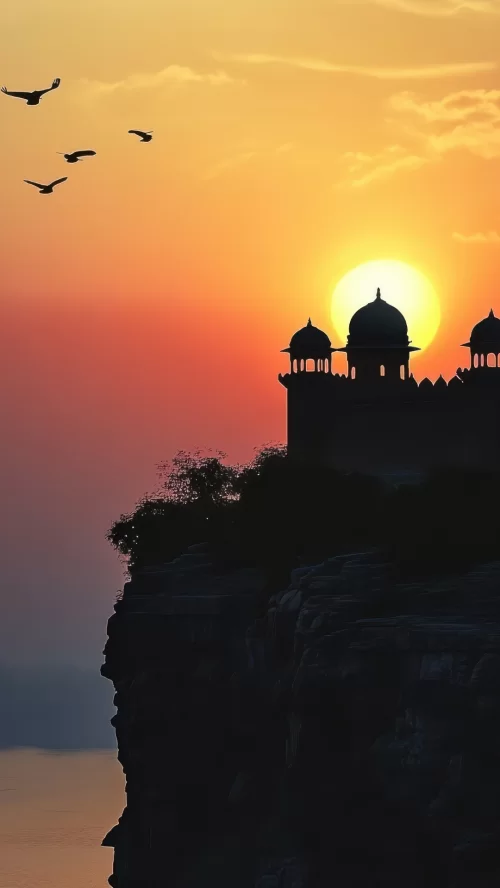
The fort's setting changes throughout the day as light conditions transform the appearance of the hills and walls. Sunrise and sunset are particularly rewarding times to visit because the landscape becomes more dramatic and photogenic. These moments often become highlights of a trip.
For travelers who enjoy combining history with nature, Kumbhalgarh provides one of the most balanced experiences available in Rajasthan. The destination offers cultural significance without sacrificing scenic appeal.
One of Kumbhalgarh's most famous features is its enormous defensive wall, which stretches across the surrounding hills and demonstrates the remarkable engineering capabilities of its builders. Walking along sections of the wall allows visitors to appreciate its scale while enjoying panoramic views of the landscape.
Within the fort complex, travelers can explore palaces, temples, courtyards, and defensive structures that reveal different aspects of its historical role. These attractions provide insight into both military strategy and royal life.
The mountain viewpoints are among the fort's greatest attractions. They offer spectacular perspectives that combine architecture, nature, and history in a single scene. Few heritage sites in Rajasthan provide such a dramatic visual experience.
Chittorgarh Fort is often regarded as one of the most historically significant sites in Rajasthan because it represents the spirit of Rajput courage, honor, and sacrifice. The fort witnessed several major sieges and battles that shaped the history of Mewar. As visitors move through its gates, palaces, and monuments, they encounter locations connected to legendary stories that continue to hold cultural importance across Rajasthan.
The fort's historical value comes not only from its architecture but also from the events that took place within its walls. Many landmarks are associated with rulers, warriors, and historical figures whose stories have become an important part of regional heritage. These narratives create an emotional connection that makes the fort particularly memorable for history enthusiasts.
Travelers interested in understanding the human side of Rajasthan's past often find Chittorgarh especially rewarding. The fort provides a powerful introduction to the values, struggles, and achievements that defined the Rajput kingdoms over many centuries.
Kumbhalgarh Fort played a different but equally important role in Mewar's history. Rather than being remembered primarily for famous battles, the fort is celebrated for its strategic importance as a defensive stronghold. Built in a commanding mountain location, it served as a secure refuge and protected the kingdom during periods of conflict and political instability.
The fort demonstrates how military planning and engineering were used to strengthen the kingdom's defenses. Its massive walls, strategic gateways, and elevated position reveal the practical considerations that influenced medieval fort construction. Visitors gain valuable insight into how rulers protected their territories and maintained control over important regions.
Kumbhalgarh's historical significance also comes from its connection to important royal figures and events within Mewar's development. Exploring the fort helps travelers understand the broader political and military history of Rajasthan beyond the famous battlefield narratives associated with Chittorgarh.
Choose Chittorgarh Fort if you are fascinated by stories of heroism, sacrifice, royal legends, and major historical events. The fort offers a more emotional and narrative-driven heritage experience that focuses heavily on the people and events that shaped Rajasthan's history.
Choose Kumbhalgarh Fort if you are interested in military strategy, defensive architecture, and understanding how fortifications protected kingdoms over long periods. The destination provides a broader perspective on the practical realities of medieval governance and security.
For pure historical storytelling, Chittorgarh often feels more impactful. For travelers interested in military history and strategic architecture, Kumbhalgarh may provide the richer experience. Both forts are historically important, but they highlight different aspects of Rajasthan's past.
Chittorgarh Fort offers exceptional opportunities for heritage photography because of its vast collection of monuments, towers, temples, and palace ruins. Every section of the fort presents a different visual story, allowing photographers to capture architectural details, historical structures, and panoramic views of the surrounding landscape.
The monumental towers are among the most photographed attractions within the complex. Their intricate design and impressive scale make them striking subjects throughout the day. Visitors can also photograph gateways, courtyards, reservoirs, and historic buildings that reflect different architectural periods and styles.
Sunrise and late afternoon are particularly rewarding because softer light enhances the textures and colors of the stone structures. For travelers interested in heritage photography, Chittorgarh provides one of the most diverse and visually rich environments in Rajasthan.
Kumbhalgarh Fort combines architectural photography with spectacular landscape opportunities. The fort's massive walls stretching across the hills create dramatic compositions that are unlike any other heritage site in Rajasthan. Visitors can capture sweeping views that combine history and nature within a single frame.
Mountain viewpoints throughout the fort offer panoramic perspectives of forests, valleys, and surrounding hills. These locations are especially attractive during sunrise and sunset when changing light conditions enhance the beauty of the landscape. Photographers often spend extended periods exploring different viewpoints because each offers a unique perspective.
The contrast between the fort's stone architecture and the natural environment creates visually compelling images. Travelers interested in landscape photography often consider Kumbhalgarh one of Rajasthan's most rewarding heritage destinations.
Choose Chittorgarh if your primary interest is photographing monuments, towers, temples, palace ruins, and historic landmarks. The destination offers greater architectural diversity and stronger opportunities for documenting heritage structures.
Choose Kumbhalgarh if you enjoy combining heritage photography with dramatic landscapes and panoramic viewpoints. The fort's setting within the Aravalli Hills creates unique opportunities that are difficult to find elsewhere in Rajasthan.
Chittorgarh is generally stronger for architectural and historical photography, while Kumbhalgarh excels in scenic and landscape-oriented heritage photography. The better choice depends on the style of photography you prefer.
The architecture of Chittorgarh Fort reflects centuries of development and includes a remarkable collection of palaces, temples, towers, gateways, and public structures. The diversity of monuments allows visitors to explore different architectural styles while gaining insight into the cultural and political life of the kingdom.
The fort's palaces showcase royal living spaces, ceremonial areas, and administrative functions, while temples highlight the spiritual traditions that influenced daily life. Monumental towers demonstrate artistic achievement and serve as symbols of victory and prestige. Together, these structures create a rich architectural landscape filled with historical significance.
What makes Chittorgarh unique is the variety of its monuments. Rather than focusing on a single architectural feature, the fort offers a comprehensive view of how a major medieval capital functioned. This diversity makes exploration highly rewarding for travelers interested in architecture and heritage.
Kumbhalgarh Fort is best known for its extraordinary defensive architecture. The fort's massive walls are among its most impressive features and demonstrate the engineering skill required to construct large-scale fortifications across mountainous terrain. These walls define the character of the entire complex and contribute significantly to its historical importance.
The architecture of Kumbhalgarh is closely linked to its defensive purpose. Gateways, watchpoints, elevated structures, and strategic layouts reveal how the fort was designed to withstand threats while taking advantage of the surrounding landscape. Visitors can clearly see the relationship between architecture and military strategy throughout the complex.
Although the fort also contains palaces and temples, its identity is primarily shaped by its defensive features and dramatic hilltop setting. The combination of engineering achievement and natural terrain creates a unique architectural experience unlike that of Chittorgarh.
Choose Chittorgarh if you want to explore a wide variety of monuments, temples, palaces, and ceremonial structures that reflect different aspects of royal and cultural life. The fort offers greater architectural diversity and historical depth within a single complex.
Choose Kumbhalgarh if you are fascinated by military engineering, defensive architecture, and the relationship between fortifications and natural landscapes. The fort provides a powerful demonstration of strategic planning and construction techniques.
Chittorgarh represents the grandeur of a historic royal capital, while Kumbhalgarh showcases the strength and ingenuity of a mountain fortress. Both are architectural masterpieces, but they tell very different stories through their design and structure.
Chittorgarh Fort sits atop a large hill rising above the surrounding plains, creating an impressive visual presence that can be seen from considerable distances. The fort's elevated location offers expansive views of agricultural landscapes, settlements, and open countryside. Unlike many mountain forts hidden within forests or valleys, Chittorgarh dominates the landscape and creates a strong sense of scale and historical grandeur.
The surrounding scenery emphasizes openness rather than dramatic natural features. Visitors exploring the fort can enjoy wide horizons and uninterrupted views that help illustrate why the location was strategically important. The elevated position allowed rulers to monitor movement across the region while maintaining strong defensive advantages.
The combination of historic monuments and broad landscapes creates a distinctive atmosphere. Travelers interested in understanding how geography influenced historical settlement patterns often appreciate Chittorgarh's setting because it clearly demonstrates the relationship between defense, visibility, and regional control.
Kumbhalgarh Fort offers one of the most scenic settings among Rajasthan's heritage destinations. Surrounded by the Aravalli Hills, forests, valleys, and rugged mountain terrain, the fort feels deeply connected to its natural environment. The journey through winding hill roads adds to the experience and gradually reveals increasingly dramatic landscapes.
Viewpoints throughout the fort provide spectacular panoramas extending across forests and mountain ranges. During clear weather, visitors can see vast stretches of natural terrain that highlight the strategic advantages of the fort's location. The scenery changes significantly throughout the day as sunlight shifts across the hills and valleys.
Nature lovers often find Kumbhalgarh especially rewarding because it combines heritage exploration with opportunities to appreciate Rajasthan's less familiar mountain landscapes. The destination demonstrates that the state offers far more than deserts and historic cities.
Choose Chittorgarh if you enjoy expansive historical settings where monuments dominate the landscape and provide insight into the strategic importance of major medieval capitals. The destination focuses more heavily on heritage and historical atmosphere.
Choose Kumbhalgarh if you prefer dramatic mountain scenery, forested surroundings, and panoramic viewpoints that combine architecture with nature. The destination provides one of the most visually impressive landscapes among Rajasthan's forts.
For natural beauty and scenic viewpoints, Kumbhalgarh generally has a clear advantage. For travelers who prioritize historical atmosphere and monumental heritage settings, Chittorgarh remains highly rewarding. The better choice depends on whether your interests lean more toward history or scenery.
Chittorgarh Fort is an excellent destination for families interested in history, architecture, and cultural learning. The large fort complex contains numerous attractions that appeal to different age groups, including towers, palaces, temples, reservoirs, and historical monuments. Families can easily spend several hours exploring while learning about Rajasthan's heritage in an engaging environment.
The fort's historical stories often capture the interest of children and young travelers, especially when accompanied by guides or educational explanations. Parents frequently appreciate the opportunity to combine sightseeing with cultural learning, making the visit both enjoyable and informative.
Because the fort contains many attractions within a single location, families can explore at their own pace and choose how much time to spend at each site. The variety of landmarks helps maintain interest throughout the visit and creates a well-rounded heritage experience.
Kumbhalgarh appeals strongly to families who enjoy outdoor exploration, scenic drives, and nature-based experiences. The combination of mountain scenery, impressive fortifications, and panoramic viewpoints creates a sense of adventure that many children and adults find exciting. The journey to the fort itself often becomes part of the overall experience.
Families can enjoy exploring the massive walls, walking through fort sections, and appreciating the surrounding landscapes. The destination offers opportunities for both heritage learning and outdoor recreation, creating a balance that appeals to travelers seeking more than traditional monument visits.
The scenic environment often encourages families to spend additional time enjoying viewpoints and photography opportunities. Travelers who appreciate nature frequently find Kumbhalgarh particularly rewarding because of its combination of history and landscape.
Choose Chittorgarh if your family is interested in history, heritage, architecture, and educational sightseeing experiences. The destination offers greater historical depth and a larger variety of monuments to explore.
Choose Kumbhalgarh if your family enjoys scenic landscapes, outdoor exploration, and combining heritage visits with natural surroundings. The destination often feels more adventurous because of its mountain setting.
Families focused on cultural learning generally prefer Chittorgarh, while those seeking a balance between history and nature frequently favor Kumbhalgarh. Both destinations are family-friendly and offer memorable experiences for travelers of all ages.
Chittorgarh enjoys strong connectivity within Rajasthan and is relatively easy to include in heritage-focused travel itineraries. The city is well positioned along important travel routes and can be combined with destinations such as Udaipur, Jaipur, Jodhpur, and other major tourist centers. This accessibility makes the fort attractive for travelers with limited time.
The fort's location near the city allows visitors to access accommodations, restaurants, transportation services, and other travel facilities without significant difficulty. Travelers can comfortably plan a day visit or incorporate the destination into a longer Rajasthan circuit.
Because of its accessibility and historical significance, Chittorgarh often serves as one of the easiest major heritage sites to include in Rajasthan travel plans. Visitors can focus on exploration rather than complex travel logistics.
Kumbhalgarh requires a more scenic and adventure-oriented journey through the Aravalli Hills. While the destination remains accessible, reaching the fort typically involves traveling along winding mountain roads that pass through forests, valleys, and rural landscapes. Many visitors consider the drive itself one of the highlights of the trip.
The fort's remote setting contributes significantly to its appeal but also means that travel planning may require additional time compared to Chittorgarh. Visitors often combine Kumbhalgarh with nearby heritage and nature destinations to maximize the value of the journey.
The scenic approach enhances the overall experience by gradually building anticipation before the fort comes into view. Travelers who enjoy road trips and mountain landscapes often find the journey particularly rewarding.
Choose Chittorgarh if convenience, accessibility, and efficient sightseeing are important priorities. The destination integrates easily into most Rajasthan itineraries and requires less travel effort.
Choose Kumbhalgarh if you enjoy scenic drives, mountain landscapes, and destinations that feel slightly more remote and adventurous. The journey becomes an important part of the overall travel experience.
For travelers with limited time, Chittorgarh is usually the more practical option. For those willing to spend extra time in exchange for exceptional scenery and a unique mountain setting, Kumbhalgarh often provides greater rewards.
Chittorgarh Fort is often the stronger choice for first-time Rajasthan travelers who want to understand the region's historical identity. The fort offers a comprehensive introduction to Rajput history, royal traditions, architectural heritage, and legendary stories that have shaped Rajasthan's cultural image for centuries.
Travelers interested in monuments, historical landmarks, educational experiences, and cultural exploration often find Chittorgarh highly rewarding. The diversity of attractions within the fort ensures that visitors can experience multiple aspects of Rajasthan's heritage during a single visit.
Because of its accessibility and historical significance, Chittorgarh works particularly well for travelers following classic Rajasthan itineraries. It provides one of the most complete and informative heritage experiences available in the state.
Kumbhalgarh Fort is ideal for travelers who want a combination of history, architecture, scenic landscapes, and mountain experiences. Visitors who enjoy panoramic viewpoints, nature, photography, and road trips often find Kumbhalgarh more exciting than traditional heritage destinations.
The fort appeals strongly to travelers who prefer visually dramatic destinations. The combination of massive walls, hilltop settings, forested surroundings, and historical significance creates a unique experience that feels both adventurous and educational.
Photographers, nature lovers, and travelers seeking something beyond Rajasthan's typical palace and city attractions often consider Kumbhalgarh one of the state's most impressive destinations. The fort delivers a distinctive blend of scenery and heritage rarely found elsewhere.
Choose Chittorgarh Fort if your priority is learning about Rajasthan's history, exploring legendary landmarks, and experiencing one of India's most important heritage sites. The fort provides greater historical depth and cultural significance for travelers interested in the region's past.
Choose Kumbhalgarh Fort if you value scenery, mountain landscapes, architectural engineering, and panoramic viewpoints alongside historical exploration. The destination offers a more visually dramatic experience while still delivering substantial historical value.
For first-time Rajasthan visitors focused on heritage, Chittorgarh often provides the stronger introduction. For travelers seeking a balanced combination of history and natural beauty, Kumbhalgarh may ultimately feel more memorable and visually rewarding.
Chittorgarh Fort and Kumbhalgarh Fort are both extraordinary heritage destinations, but they appeal to different types of travelers. Chittorgarh focuses on legendary history, royal heritage, cultural significance, and historical storytelling. Every monument within the complex contributes to a larger narrative about courage, sacrifice, and the legacy of the Mewar kingdom.
Kumbhalgarh, on the other hand, combines history with dramatic scenery and military architecture. The fort's massive walls, strategic mountain setting, and panoramic viewpoints create a visually impressive experience that appeals equally to history enthusiasts and nature lovers.
Neither fort is objectively superior because each offers a unique perspective on Rajasthan's heritage. Chittorgarh excels in historical depth, while Kumbhalgarh stands out for its combination of architecture, engineering, and natural beauty.
Choose Chittorgarh Fort if you are fascinated by historical legends, Rajput culture, royal heritage, and large heritage complexes filled with monuments and historical landmarks. The destination provides one of Rajasthan's most powerful historical experiences and is ideal for travelers who enjoy learning about the past.
Choose Kumbhalgarh Fort if you prefer scenic drives, mountain landscapes, panoramic viewpoints, and impressive defensive architecture. The destination offers one of Rajasthan's most visually dramatic heritage experiences while still providing significant historical value.
Travelers focused on history often leave Chittorgarh more emotionally moved, while those who appreciate landscapes and photography frequently find Kumbhalgarh more visually memorable. The best choice depends on your personal interests and travel priorities.
Before planning your visit, consider how much time you have available, whether your interests lean more toward history or scenery, and which season you intend to travel. Winter provides the most comfortable conditions for both forts, while monsoon offers exceptional scenery at Kumbhalgarh and greener surroundings at Chittorgarh.
Travelers with limited time should prioritize the fort that best matches their interests. History enthusiasts generally gain more value from Chittorgarh, while photographers and nature lovers often prefer Kumbhalgarh. Both destinations require several hours to explore properly and deserve dedicated time within a Rajasthan itinerary.
If possible, visiting both forts provides the most complete understanding of Mewar's heritage. Chittorgarh reveals the stories and sacrifices that shaped Rajasthan's identity, while Kumbhalgarh showcases the strategic brilliance and architectural achievements that protected the kingdom. Together they represent two of the finest fort experiences in India and form an essential part of Rajasthan's historical landscape.

Get customized Rajasthan tour planning designed around desert climate comfort, long-distance road travel flow, heritage exploration time, and realistic pacing between regions. Whether you are visiting for fort architecture, palace heritage, cultural exper
⚡ Quick Response | 💰 Free consultation | 🕒 24×7 expert support