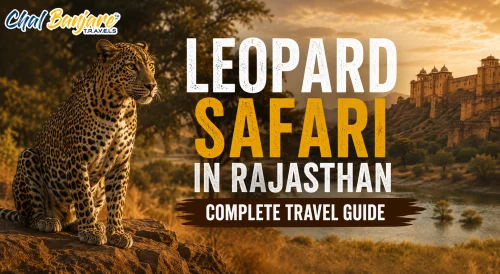



Homepage Banner

Best Wildlife Destinations in Rajasthan

Rajasthan offers rich wildlife experiences including tiger reserves, bird sanctuaries, desert ecosystems, and forest safaris across diverse national parks.

Places to Visit


27 Mar, 2026 By: Radhika Shekhawat

Best tiger reserves in Rajasthan

Ranthambore National Park Tiger Safari and Jungle Landscapes

Ranthambore National Park is the most famous tiger reserve in Rajasthan, known for its high chances of tiger sightings along with dramatic landscapes of ancient ruins, lakes, and dry deciduous forests.

It offers one of India’s most iconic wildlife safari experiences where nature and history exist side by side.

  • Ranthambore National Park – Premier tiger reserve in Rajasthan.
  • Tiger Sightings in Natural Habitat – Key wildlife attraction.
  • Jungle Safaris by Jeep and Canter – Guided exploration options.
  • Ranthambore Fort Inside Park – UNESCO heritage backdrop.
  • Padam Talao and Rajbagh Lakes – Scenic wildlife zones.
  • Rich Biodiversity – Leopards, deer, crocodiles, and birds.
  • Dramatic Dry Forest Landscapes – Unique safari environment.
  • One of India’s Most Popular Tiger Safari Destinations – Wildlife and heritage combined.

Ranthambore offers a rare blend of wildlife adventure and historical grandeur within a single landscape.

Sariska Tiger Reserve Aravalli Forest Wildlife Experience

Sariska Tiger Reserve, located in the Aravalli hills of Alwar district, is known for its rugged forest terrain, diverse wildlife, and improved tiger population, offering a quieter alternative to Ranthambore.

It provides a more peaceful and less crowded safari experience.

  • Sariska Tiger Reserve – Protected wildlife area in Aravalli range.
  • Tiger Reintroduction Program – Successful conservation efforts.
  • Dry Deciduous Forest Ecosystem – Unique terrain and vegetation.
  • Leopards, Deer, and Wild Boars – Rich wildlife diversity.
  • Kankwari Fort Inside Reserve – Historical site within jungle.
  • Jeep Safari Experiences – Guided wildlife exploration.
  • Close to Delhi and Jaipur – Easy weekend getaway.
  • One of Rajasthan’s Most Accessible Tiger Reserves – Nature and heritage combined.

Sariska is ideal for travelers seeking a quieter and more relaxed tiger safari experience.

Mukundra Hills Tiger Reserve Offbeat Safari Destination

Mukundra Hills Tiger Reserve is one of Rajasthan’s least explored wildlife destinations, offering a raw and peaceful safari experience in the rugged terrain of the Chambal valley region.

It is ideal for travelers looking for offbeat wildlife exploration away from tourist crowds.

  • Mukundra Hills Tiger Reserve – Emerging wildlife sanctuary in Rajasthan.
  • Offbeat Safari Experience – Minimal tourist presence.
  • Rugged Chambal Landscape – Hills, valleys, and forests.
  • Leopards, Hyenas, and Herbivores – Growing biodiversity.
  • Conservation-Focused Zone – Protected natural habitat.
  • Peaceful Jeep Safari Routes – Low-density wildlife viewing.
  • Proximity to Kota Region – Lesser-known travel circuit.
  • One of Rajasthan’s Hidden Wildlife Gems – Raw and untouched safari experience.

Mukundra Hills offers a quiet and emerging alternative for wildlife lovers seeking solitude and natural beauty.

Best bird sanctuaries in Rajasthan

Keoladeo Ghana National Park Bharatpur Wetland Birding

Keoladeo Ghana National Park in Bharatpur is one of India’s most famous bird sanctuaries and a UNESCO World Heritage Site, known for its rich wetland ecosystem that attracts thousands of migratory and resident birds every year.

It is a paradise for birdwatchers, especially during winter when migratory species arrive from Central Asia and Siberia.

  • Keoladeo Ghana National Park – UNESCO-listed bird sanctuary.
  • Wetland Ecosystem – Rich biodiversity and aquatic habitat.
  • Migratory Bird Species – Siberian cranes, storks, and pelicans.
  • Walking and Cycle Trails – Eco-friendly exploration options.
  • Early Morning Birdwatching – Peak activity hours.
  • Guided Nature Tours – Expert wildlife interpretation.
  • Photography-Friendly Environment – Ideal for bird shots.
  • One of India’s Top Birding Destinations – Wetlands and wildlife combined.

Bharatpur offers one of the most rewarding birding experiences in India with its dense wetland ecosystem.

Tal Chhapar Blackbuck Sanctuary Grassland Ecosystem

Tal Chhapar Blackbuck Sanctuary in Churu district is a unique grassland ecosystem in Rajasthan, known for its vast open plains and large populations of blackbucks along with a variety of migratory birds.

It offers a distinctive dry-land birding experience unlike wetland sanctuaries.

  • Tal Chhapar Sanctuary – Open grassland birding habitat.
  • Blackbuck Population – Iconic Indian antelope sightings.
  • Steppe Ecosystem – Semi-arid landscape biodiversity.
  • Migratory and Resident Birds – Raptors, eagles, and cranes.
  • Wide Open Photography Frames – Excellent visibility for wildlife.
  • Jeep Safari Options – Guided exploration of grasslands.
  • Peaceful Offbeat Location – Less crowded destination.
  • One of Rajasthan’s Unique Birding Landscapes – Grassland ecosystem focus.

Tal Chhapar provides a rare chance to experience birdlife in Rajasthan’s open desert grassland environment.

Sambhar Salt Lake Migratory Bird Photography Spot

Sambhar Salt Lake, India’s largest inland salt lake, transforms into a seasonal birding hotspot during winter when migratory birds gather across its vast saline landscape.

Its surreal white salt flats create a dramatic backdrop for bird photography and landscape shots.

  • Sambhar Salt Lake – Largest inland saltwater lake in India.
  • Seasonal Migratory Birds – Flamingos and waders.
  • Expansive Salt Flats – Unique reflective landscapes.
  • High Photography Potential – Dramatic compositions.
  • Winter Birding Season – Peak migratory activity.
  • Sunrise and Sunset Views – Stunning light conditions.
  • Remote and Open Environment – Peaceful exploration.
  • One of Rajasthan’s Most Unique Birdwatching Locations – Salt lake ecosystem.

Sambhar Lake offers a surreal blend of wildlife and abstract natural landscapes perfect for photography enthusiasts.

Best desert wildlife destinations in Rajasthan

Desert National Park Jaisalmer Fossil Dunes and Wildlife

Desert National Park near Jaisalmer is one of the most unique wildlife ecosystems in India, showcasing the raw beauty of the Thar Desert along with ancient fossil beds and rare desert-adapted species.

It is especially known for its vast sand dunes and the endangered Great Indian Bustard.

  • Desert National Park – Largest protected desert ecosystem in India.
  • Fossil Bed Formations – Millions of years old geological heritage.
  • Great Indian Bustard Habitat – Rare endangered bird species.
  • Sand Dune Landscapes – Expansive Thar desert views.
  • Desert Fox and Chinkara Sightings – Adapted wildlife species.
  • Jeep Safari Exploration – Guided desert wildlife tours.
  • Rugged Arid Terrain – Raw and untouched ecosystem.
  • One of Rajasthan’s Most Important Desert Conservation Areas – Wildlife and geology combined.

Desert National Park offers a rare combination of wildlife conservation and prehistoric landscapes in the heart of the Thar.

Kumbhalgarh Wildlife Sanctuary Leopard Sightings and Forest Trails

Kumbhalgarh Wildlife Sanctuary surrounds the historic Kumbhalgarh Fort and is known for its dense forests, rugged Aravalli terrain, and frequent leopard sightings, making it a top wildlife destination in southern Rajasthan.

The sanctuary combines natural biodiversity with dramatic hill landscapes.

  • Kumbhalgarh Wildlife Sanctuary – Protected forest in Aravalli range.
  • Leopard Sightings – Key predator species in the region.
  • Dense Forest Trails – Ideal for nature exploration.
  • Herbivores Like Deer and Wild Boar – Rich biodiversity.
  • Birdwatching Opportunities – Varied avian species.
  • Safari Jeep Routes – Guided wildlife experiences.
  • Kumbhalgarh Fort Backdrop – UNESCO heritage setting.
  • One of Rajasthan’s Most Scenic Wildlife Destinations – Forest and fort combined.

Kumbhalgarh offers a unique mix of wildlife exploration and historical grandeur within the Aravalli hills.

Gajner Wildlife Sanctuary Lake Ecosystem and Desert Fauna

Gajner Wildlife Sanctuary near Bikaner is a peaceful desert ecosystem centered around the Gajner Lake, where migratory birds, deer, and desert wildlife thrive in a serene royal hunting reserve environment.

It provides a rare contrast of water and desert landscapes in western Rajasthan.

  • Gajner Wildlife Sanctuary – Former royal hunting reserve.
  • Gajner Lake Ecosystem – Key water source in desert region.
  • Migratory Bird Habitat – Seasonal birdwatching hotspot.
  • Chinkara and Desert Wildlife – Native species sightings.
  • Peaceful Forested Surroundings – Calm natural environment.
  • Boat and Nature Views – Scenic lake perspectives.
  • Near Bikaner City – Easy accessibility.
  • One of Rajasthan’s Most Serene Wildlife Spots – Desert and water harmony.

Gajner offers a tranquil wildlife experience where desert life and wetland ecosystems coexist beautifully.

Best forest and hill wildlife regions

Mount Abu Wildlife Sanctuary Aravalli Biodiversity Hotspot

Mount Abu Wildlife Sanctuary is one of Rajasthan’s most ecologically rich regions, located in the Aravalli hills, where dense forests, rocky terrain, and cooler climate create a unique biodiversity hotspot.

It is home to a wide variety of flora and fauna, making it one of the most scenic wildlife zones in the state.

  • Mount Abu Wildlife Sanctuary – High-altitude forest ecosystem.
  • Aravalli Biodiversity Zone – Rich plant and animal diversity.
  • Leopards and Wild Boars – Key mammal species sightings.
  • Birdwatching Opportunities – Migratory and resident birds.
  • Cool Hill Climate – Pleasant year-round conditions.
  • Dense Forest Trails – Nature walking and exploration routes.
  • Rocky Hills and Valleys – Scenic wildlife landscapes.
  • One of Rajasthan’s Greenest Wildlife Regions – Hills and forest blend.

Mount Abu offers a refreshing contrast to Rajasthan’s desert wildlife with its lush green forest ecosystem.

Kumbhalgarh Forest Leopard and Sloth Bear Habitat

The forests surrounding Kumbhalgarh form a critical wildlife corridor in the Aravalli range, known for its healthy population of leopards, sloth bears, and diverse herbivores living in rugged terrain.

The landscape combines deep forests with historic surroundings of Kumbhalgarh Fort.

  • Kumbhalgarh Forest Region – Protected Aravalli ecosystem.
  • Leopard Habitat Zone – Frequent predator sightings.
  • Sloth Bear Population – Important carnivore species.
  • Dense Mixed Forests – Rich ecological environment.
  • Herbivores Like Deer and Nilgai – Balanced wildlife ecosystem.
  • Jeep Safari Trails – Guided forest exploration routes.
  • Proximity to Kumbhalgarh Fort – Heritage backdrop.
  • One of Rajasthan’s Most Important Forest Corridors – Wildlife connectivity zone.

Kumbhalgarh forests offer one of the best chances in Rajasthan to observe predators in their natural Aravalli habitat.

Alwar Sariska Buffer Zone Wildlife Exploration

The buffer zone around Sariska Tiger Reserve in Alwar offers a less crowded but equally rich wildlife experience, with forested landscapes, village edges, and increasing tiger movement in protected areas.

It is ideal for travelers seeking a quieter alternative to core safari zones.

  • Sariska Buffer Zone – Peripheral wildlife conservation area.
  • Aravalli Forest Landscapes – Dry deciduous forest ecosystem.
  • Tiger Movement Corridors – Occasional big cat sightings.
  • Herbivore Populations – Deer, nilgai, and wild boar.
  • Village-Forest Interface – Unique rural wildlife setting.
  • Less Crowded Safari Routes – Peaceful exploration.
  • Jeep Safari Opportunities – Guided nature tours.
  • One of Rajasthan’s Emerging Wildlife Areas – Conservation in progress.

The Sariska buffer zone provides a balanced mix of wildlife observation and quiet forest exploration.

Best safari experiences in Rajasthan wildlife destinations

Jeep Safari and Canter Safari in Tiger Reserves

Jeep and canter safaris are the most popular ways to explore Rajasthan’s wildlife reserves, especially in parks like Ranthambore and Sariska, where guided routes take visitors deep into forest zones for tiger and wildlife sightings.

Each safari type offers a different experience depending on group size, comfort, and flexibility in forest exploration.

  • Jeep Safari – Small group, flexible and closer wildlife access.
  • Canter Safari – Larger group, more budget-friendly option.
  • Ranthambore Tiger Zones – High probability wildlife circuits.
  • Sariska Forest Routes – Aravalli landscape safari experience.
  • Early Morning and Evening Slots – Best wildlife activity periods.
  • Professional Forest Guides – Expert tracking and spotting support.
  • Designated Safari Zones – Controlled and conservation-focused routes.
  • One of Rajasthan’s Most Popular Wildlife Experiences – Structured forest exploration.

Jeep safaris are preferred for photography and close encounters, while canter safaris offer a shared and economical wildlife experience.

Guided Forest Walks and Birdwatching Tours

Guided forest walks and birdwatching tours in Rajasthan provide a slower, more immersive way to experience wildlife, focusing on smaller animals, birds, plants, and ecosystem details often missed during vehicle safaris.

These experiences are ideal for nature enthusiasts and photographers.

  • Expert Naturalist Guides – In-depth ecosystem knowledge.
  • Birdwatching in Wetlands and Forests – Diverse avian species.
  • Slow-Paced Nature Walks – Close observation of flora and fauna.
  • Photography Opportunities – Macro and wildlife shots.
  • Eco-Trail Routes – Designated safe walking paths.
  • Ranthambore and Mount Abu Zones – Popular walking areas.
  • Early Morning Exploration – Peak wildlife activity time.
  • One of Rajasthan’s Most Educational Wildlife Experiences – Learning and observation combined.

Forest walks and birding tours reveal the quieter and more detailed side of Rajasthan’s wildlife ecosystems.

Night Safaris and Photography-Focused Wildlife Experiences

Night safaris and photography-focused wildlife experiences in select regions of Rajasthan offer a rare chance to observe nocturnal behavior and capture dramatic images of the forest under low-light conditions.

These experiences are carefully regulated and typically conducted in buffer zones or eco-tourism areas.

  • Night Safari Zones – Limited and controlled access areas.
  • Nocturnal Wildlife Observation – Owls, jackals, and hyenas.
  • Special Photography Permits – Professional wildlife shoots.
  • Low-Light Forest Atmosphere – Unique visual experience.
  • Guided Expert Supervision – Safety and wildlife tracking.
  • Eco-Sensitive Exploration – Conservation-focused tourism.
  • Buffer Zone Safari Options – Sariska and select reserves.
  • One of Rajasthan’s Most Specialized Wildlife Experiences – Rare and regulated access.

Night safaris provide a completely different perspective of Rajasthan’s wildlife, focusing on behavior and atmosphere rather than daytime sightings.

Best time to visit wildlife destinations in Rajasthan

Winter Season Ideal Safari and Birdwatching Conditions

Winter is the best time to visit wildlife destinations in Rajasthan as the weather remains cool and comfortable, and animal activity increases throughout forests, making safaris and birdwatching highly rewarding.

From October to March, most national parks and sanctuaries offer optimal viewing conditions and high tourist accessibility.

  • October to March Peak Wildlife Season – Best overall safari experience.
  • Comfortable Temperatures for Safaris – Ideal for long jeep rides.
  • High Bird Migration Activity – Best for wetland sanctuaries.
  • Clear Visibility in Forest Zones – Better wildlife spotting chances.
  • Active Predator Movement – Increased tiger and leopard sightings.
  • Best Season for Photography – Soft light and natural colors.
  • Fully Operational Safari Zones – All parks open for tourism.
  • One of the Most Recommended Seasons for Rajasthan Wildlife Travel – Balanced conditions.

Winter offers the most complete wildlife experience across Rajasthan’s forests, deserts, and wetlands.

Summer Tiger Sightings and Waterhole Activity Advantages

Summer season in Rajasthan brings extreme heat, but it also increases chances of tiger sightings as animals frequently gather around limited water sources, making wildlife more predictable in core zones.

Despite harsh conditions, this is considered a strategic time for serious wildlife photographers.

  • April to June Hot Season – Challenging but rewarding safaris.
  • High Waterhole Concentration – Better wildlife visibility.
  • Increased Tiger Movement Near Lakes – Easier tracking opportunities.
  • Fewer Forest Distractions – Animals gather in open areas.
  • Excellent Photography Conditions – Predictable animal behavior.
  • Early Morning Safaris Recommended – Cooler temperatures.
  • Lower Tourist Crowds in Some Zones – Quieter safaris.
  • One of the Best Seasons for Tiger Spotting Probability – Strategy-based travel.

Summer is ideal for focused wildlife enthusiasts who prioritize sightings over comfort.

Monsoon Closures and Forest Regeneration Period

Monsoon season in Rajasthan leads to partial or complete closures of several wildlife reserves as forests regenerate and breeding activities take place, making it a low tourism period for safaris.

However, this season plays a crucial role in maintaining ecological balance.

  • July to September Monsoon Season – Limited safari operations.
  • Partial or Full Park Closures – Especially in core zones.
  • Forest Regeneration Phase – Natural ecosystem recovery.
  • Breeding Season for Wildlife – Sensitive ecological period.
  • Restricted Safari Access – Conservation priority.
  • Green Landscape Transformation – Lush forest appearance.
  • Low Tourist Activity – Off-season travel period.
  • One of the Most Important Ecological Phases in Wildlife Cycle – Conservation focus.

Monsoon ensures the long-term health of Rajasthan’s wildlife ecosystems despite limited tourist access.

Wildlife travel tips and safari planning

Booking Safari Permits in Advance and Timing Strategy

Planning ahead is essential for wildlife safaris in Rajasthan, especially in popular reserves like Ranthambore and Sariska, where safari permits sell out quickly during peak season.

Early booking also helps secure preferred time slots that significantly improve chances of wildlife sightings.

  • Advance Safari Booking – Essential for peak season availability.
  • Morning Safari Priority – Higher chances of predator activity.
  • Evening Safari Option – Better light for photography.
  • Online Permit Systems – Official park booking platforms.
  • Zone Selection at Booking Time – Limited flexibility later.
  • Peak Season Demand (Oct–Mar) – High competition for seats.
  • Early Planning Advantage – Better safari experience overall.
  • One of the Most Important Steps in Wildlife Travel – Proper timing ensures success.

Timely safari booking ensures smoother entry, better zones, and improved wildlife viewing opportunities.

Choosing Zones for Better Wildlife Sightings

Selecting the right safari zone plays a crucial role in wildlife sightings, as each reserve is divided into zones with varying terrain, water sources, and animal movement patterns.

Some zones are naturally more active and increase the chances of tiger or leopard encounters.

  • Ranthambore Core Zones (1–5) – Higher tiger sighting probability.
  • Buffer Zones – Less crowded but variable sightings.
  • Waterbody-Rich Zones – Better summer wildlife concentration.
  • Forest-Dense Zones – Good for leopards and deer.
  • Guided Expert Recommendations – Local knowledge advantage.
  • Zone Rotation Strategy – Different experience each safari.
  • Wildlife Movement Patterns – Seasonal changes matter.
  • One of the Key Factors in Safari Success – Zone selection is critical.

Choosing the right zone increases your chances of meaningful wildlife encounters significantly.

Clothing Gear and Photography Preparation Tips

Proper clothing and gear preparation enhance both comfort and photography outcomes during Rajasthan safaris, where weather conditions can vary from cold mornings to hot afternoons.

Being well-equipped helps you stay focused on wildlife observation and shooting opportunities.

  • Neutral-Colored Clothing – Avoid bright colors in forests.
  • Light Jacket for Early Mornings – Winter safari comfort.
  • Binoculars for Wildlife Spotting – Essential for distant sightings.
  • Camera with Zoom Lens – Better wildlife photography reach.
  • Extra Batteries and Memory Cards – Long safari durations.
  • Sun Protection (Hat & Sunglasses) – Summer safari essential.
  • Comfortable Closed Shoes – Safe movement in terrain.
  • One of the Most Important Safari Preparations – Gear impacts experience quality.

Well-planned gear ensures a smoother, safer, and more rewarding wildlife photography experience.

How to reach major wildlife parks in Rajasthan

Jaipur Ranthambore Sariska Road and Rail Connectivity

Ranthambore and Sariska are among the most accessible wildlife destinations in Rajasthan, well connected by both road and rail from major cities like Jaipur, Delhi, and nearby towns, making them ideal for weekend safari trips.

Sawai Madhopur serves as the main gateway for Ranthambore, while Alwar connects Sariska to major urban centers.

  • Jaipur to Ranthambore – Approx. 3–4 hours by road.
  • Sawai Madhopur Railway Station – Nearest railhead for Ranthambore.
  • Jaipur to Sariska – Approx. 3–4 hours drive via Alwar.
  • Alwar Railway Station – Key access point for Sariska.
  • Well-Maintained Highway Routes – Smooth travel connectivity.
  • Private Taxi and Bus Options – Flexible transport choices.
  • Weekend-Friendly Wildlife Trips – Easy short getaways.
  • One of the Best Connected Wildlife Corridors in Rajasthan – High accessibility.

These tiger reserves are ideal for quick wildlife escapes due to strong rail and road infrastructure.

Bharatpur Bird Sanctuary Access from Delhi and Jaipur

Keoladeo Ghana National Park in Bharatpur is easily accessible from both Delhi and Jaipur, making it one of the most visited birdwatching destinations in North India, especially during the winter migratory season.

Its central location ensures convenient road and rail connectivity for travelers.

  • Delhi to Bharatpur – Approx. 4–5 hours by road.
  • Jaipur to Bharatpur – Approx. 3–4 hours drive.
  • Bharatpur Railway Station – Direct connectivity from major cities.
  • Well-Connected Highway Routes – Smooth travel experience.
  • Cycle and Walking Access Inside Park – Eco-friendly exploration.
  • Nearby Agra Connectivity – Easy golden triangle extension.
  • Taxi and Bus Availability – Frequent transport options.
  • One of the Most Accessible Bird Sanctuaries in India – Convenient travel hub.

Bharatpur’s excellent connectivity makes it ideal for short wildlife and birdwatching trips.

Desert Parks and Remote Safari Destination Routes

Rajasthan’s desert wildlife destinations like Desert National Park, Gajner, and Mukundra Hills require longer travel routes and are often accessed via major cities such as Jaisalmer, Bikaner, and Kota.

These journeys offer a more remote and offbeat wildlife experience compared to central reserves.

  • Jaisalmer to Desert National Park – Short desert drive access.
  • Bikaner to Gajner Sanctuary – Well-connected rural route.
  • Kota to Mukundra Hills – Emerging safari destination access.
  • Train Connectivity to Major Desert Cities – Bikaner and Jaisalmer stations.
  • Road Travel Through Thar Desert – Scenic but long routes.
  • Limited Public Transport in Remote Zones – Private vehicles preferred.
  • Longer Travel Times Required – Plan multi-day itineraries.
  • One of Rajasthan’s Most Offbeat Wildlife Access Networks – Remote adventure travel.

Remote wildlife destinations in Rajasthan reward travelers with untouched landscapes and unique desert ecosystems despite longer travel times.

Wildlife travel risks and ground realities

No Guaranteed Tiger Sightings Safari Expectations

One of the most important realities of wildlife travel in Rajasthan is that tiger sightings are never guaranteed, even in popular reserves like Ranthambore or Sariska, as animals move freely within large forest areas.

Safari experiences depend on luck, timing, weather, and animal movement patterns rather than fixed expectations.

  • Wild Tigers Roam Freely – No fixed location or timing.
  • Sightings Depend on Luck and Conditions – Not always visible.
  • Large Forest Areas Reduce Predictability – Natural behavior patterns.
  • Experienced Guides Improve Chances – Tracking knowledge helps.
  • Waterhole and Seasonal Factors Matter – Influences movement.
  • Multiple Safaris Recommended – Better probability over time.
  • Focus on Ecosystem, Not Only Tigers – Rich biodiversity experience.
  • One of the Core Realities of Wildlife Tourism – Manage expectations wisely.

Understanding this unpredictability helps travelers enjoy the full safari experience beyond just tiger sightings.

Heat Weather Conditions and Forest Travel Challenges

Rajasthan’s wildlife destinations often face extreme weather conditions, especially during summer, where high temperatures can make forest safaris physically challenging for both travelers and animals.

Proper planning is essential to stay safe and comfortable during safari experiences.

  • Extreme Summer Heat (April–June) – Can exceed 40°C.
  • Early Morning Safaris Recommended – Cooler and more active wildlife.
  • Limited Shade Inside Forest Zones – Sun exposure risk.
  • Dusty and Dry Conditions – Affects visibility and comfort.
  • Hydration is Essential – Carry sufficient water.
  • Animal Movement Focused Around Water Sources – Predictable patterns.
  • Monsoon Humidity Challenges – Slippery terrain in some zones.
  • One of the Key Ground Realities of Rajasthan Wildlife Travel – Weather impacts experience.

Adapting to weather conditions ensures a safer and more enjoyable safari experience in Rajasthan’s forests.

Rules Restrictions and Responsible Tourism Guidelines

Wildlife tourism in Rajasthan operates under strict conservation rules to protect animals and habitats, requiring visitors to follow designated safari routes, maintain silence, and respect forest regulations at all times.

Responsible behavior ensures both safety and long-term ecological balance.

  • Follow Designated Safari Zones – No off-route movement allowed.
  • Strict Speed Limits Inside Forests – Protect wildlife safety.
  • No Loud Noise or Music – Maintain natural environment.
  • Do Not Feed or Disturb Animals – Conservation priority.
  • Use Authorized Guides Only – Mandatory in most reserves.
  • Photography Rules Must Be Followed – No interference allowed.
  • Plastic and Waste Restrictions – Eco-sensitive zones.
  • One of the Most Important Aspects of Wildlife Tourism – Ethical travel behavior required.

Following responsible tourism guidelines helps preserve Rajasthan’s wildlife ecosystems for future generations while ensuring a safe visitor experience.

Final Rajasthan wildlife travel planning guide

Best Wildlife Destinations for First Time Travelers

First-time wildlife travelers in Rajasthan should focus on well-established and easily accessible reserves that offer a balanced mix of tiger safaris, birdwatching, and scenic landscapes for a complete introduction to the state’s biodiversity.

These destinations provide the best chances of successful sightings along with good infrastructure and guided experiences.

  • Ranthambore National Park – Best for tiger safari experience.
  • Sariska Tiger Reserve – Close-to-Delhi forest escape.
  • Bharatpur Bird Sanctuary – Ideal for birdwatching and wetlands.
  • Kumbhalgarh Wildlife Sanctuary – Leopard and forest trails.
  • Desert National Park – Unique desert ecosystem experience.
  • Gajner Wildlife Sanctuary – Peaceful lake and desert wildlife.
  • Mount Abu Wildlife Sanctuary – Hill forest biodiversity.
  • One of the Best Starter Regions for Indian Wildlife Tourism – Diverse ecosystems in one state.

These destinations help beginners experience Rajasthan’s wildlife diversity without overly complex travel logistics.

Choosing Between Tiger Bird and Desert Ecosystems

Rajasthan offers three distinct wildlife ecosystems—tiger forests, bird-rich wetlands, and desert habitats—each providing a completely different travel experience based on landscape, season, and wildlife behavior.

Selecting the right ecosystem depends on your interest in photography, adventure, or biodiversity.

Ecosystem Type Experience Focus Best Destinations
Tiger Forests Big cat sightings and jungle safaris Ranthambore, Sariska, Mukundra Hills
Bird Wetlands Migratory birds and eco-tourism Bharatpur, Sambhar Lake, Gajner
Desert Wildlife Arid landscapes and rare species Desert National Park, Jaisalmer, Bikaner
Forest-Hill Ecosystems Leopards, sloth bears, and trekking Kumbhalgarh, Mount Abu
Mixed Wildlife Zones Combination of terrain and species Aravalli regions and buffer zones
Offbeat Conservation Areas Low crowds and emerging reserves Mukundra Hills, rural sanctuaries
One of India’s Most Diverse Wildlife States Multiple ecosystems in one destination Rajasthan overall

Understanding these ecosystems helps travelers choose experiences that best match their interests and travel style.

Final Checklist Before Planning a Rajasthan Wildlife Trip

A well-planned wildlife trip in Rajasthan ensures better safari experiences, higher chances of sightings, and a smoother journey across forests, deserts, and sanctuaries.

This checklist helps travelers avoid common mistakes and improve overall trip quality.

  • Choose Season Wisely (Prefer Winter or Early Summer) – Best wildlife activity.
  • Book Safari Permits in Advance – High-demand reserves fill quickly.
  • Select Correct Safari Zones – Impacts sighting chances.
  • Carry Proper Safari Gear – Binoculars, camera, and neutral clothing.
  • Plan Multiple Safaris – Increase probability of sightings.
  • Check Weather Conditions Before Travel – Heat and monsoon impact access.
  • Respect Forest Rules and Guidelines – Responsible tourism required.
  • Stay Near Safari Entry Gates – Saves travel time early morning.
  • Keep Flexible Expectations – Wildlife sightings are not guaranteed.
  • Balance Safaris with Other Experiences – Birding, culture, and landscapes.

Careful planning ensures a rewarding and immersive wildlife experience across Rajasthan’s diverse ecosystems.
Frequently Asked Questions About Best Wildlife Destinations in Rajasthan

Ranthambore Sariska Keoladeo Bharatpur Desert National Park Tal Chhapar Kumbhalgarh and Mount Abu Wildlife Sanctuary are among the best wildlife destinations in Rajasthan offering tiger safaris birdwatching desert ecosystems and forest exploration experiences.
Ranthambore National Park is famous for tiger sightings ancient fort landscapes lakes and jeep safaris. Travelers experience one of India most popular tiger reserves along with diverse wildlife photography opportunities and historic jungle surroundings in Rajasthan.
Sariska Tiger Reserve is home to tigers leopards deer nilgai wild boars and many bird species. Travelers experience Aravalli forest landscapes quieter safari routes and one of Rajasthan most accessible wildlife destinations near Jaipur and Delhi.
Keoladeo National Park in Bharatpur is one of India most important bird sanctuaries known for migratory birds wetland ecosystems and winter birdwatching. Travelers enjoy cycling walking trails photography and sightings of storks pelicans cranes and water birds.
Desert National Park near Jaisalmer protects the fragile Thar Desert ecosystem including sand dunes desert foxes chinkara and the endangered Great Indian Bustard. Travelers experience unique desert wildlife landscapes and remote safari exploration in western Rajasthan.
Tal Chhapar Sanctuary is famous for blackbucks grassland habitats migratory birds and open desert plains. Travelers experience excellent wildlife photography opportunities peaceful surroundings and rare grassland bird species within Rajasthan semi arid ecosystem.
Kumbhalgarh Wildlife Sanctuary offers leopard sightings forest safaris birdwatching and Aravalli hill landscapes surrounding the historic Kumbhalgarh Fort. Travelers enjoy a combination of wildlife exploration scenic forests and heritage experiences in southern Rajasthan.
Yes leopards can be spotted in wildlife regions like Kumbhalgarh Sariska Mount Abu and Jawai landscapes. Sightings depend on season timing and safari conditions but Rajasthan offers some of India best leopard habitat environments outside tiger reserves.
October to March is considered the best time for wildlife safaris in Rajasthan because temperatures remain comfortable and wildlife activity increases. Winter season also provides ideal birdwatching conditions and better photography opportunities across forests and wetlands.
Summer months between April and June increase tiger sighting chances because animals gather near waterholes. Although temperatures remain very hot many wildlife photographers prefer this season for predictable wildlife movement and better safari visibility.
Sariska Tiger Reserve Ranthambore National Park and Bharatpur Bird Sanctuary are among the best wildlife destinations accessible from Jaipur. Travelers can combine safaris birdwatching and weekend road trips while exploring Rajasthan forest and wetland ecosystems.
Most Rajasthan wildlife reserves offer jeep safaris canter safaris birdwatching tours and guided nature experiences. Some destinations also provide photography focused safaris and buffer zone exploration depending on wildlife regulations and conservation policies.
Yes Rajasthan deserts support many migratory and resident bird species especially in Tal Chhapar Sambhar Lake and Desert National Park. Travelers experience unique desert birdwatching opportunities including cranes raptors bustards flamingos and steppe ecosystem species.
Sambhar Salt Lake becomes an important migratory bird destination during winter with flamingos and wetland birds gathering around the salt flats. Travelers enjoy photography birdwatching and dramatic desert lake landscapes near Jaipur.
Wildlife safaris in Rajasthan are generally safe when conducted through authorized forest departments and trained guides. Travelers should follow safari rules remain seated inside vehicles and respect wildlife safety instructions throughout the experience.
Mukundra Hills Tal Chhapar Gajner and buffer zones around Sariska offer quieter wildlife experiences compared to crowded safari parks. Travelers seeking peaceful exploration and offbeat nature destinations often prefer these less commercialized regions.
Travelers should wear neutral colored comfortable clothing closed shoes hats and light jackets during winter mornings. Avoiding bright colors helps reduce disturbance to wildlife while improving overall safari and photography experience in natural environments.
Yes many wildlife destinations like Ranthambore Kumbhalgarh and Sariska are located near forts palaces and historic sites. Travelers can combine safari experiences with Rajasthan heritage tourism cultural exploration and scenic countryside travel.
Ranthambore is accessible through Sawai Madhopur Railway Station and well connected roads from Jaipur and Delhi. Travelers commonly reach the park by train private taxis or road trips while planning Rajasthan wildlife itineraries.
Rajasthan is famous for wildlife tourism because of its tiger reserves desert ecosystems bird sanctuaries leopard habitats and diverse safari experiences. Travelers enjoy a rare combination of forests wetlands grasslands and desert wildlife landscapes across the state.

Explore Rajasthan Tour Packages

Explore All Packages

Latest Travel Blogs

View all Blogs β†’

Loved this place ? Let’s Plan Your Rajasthan Trip

Get customized Rajasthan tour planning designed around desert climate comfort, long-distance road travel flow, heritage exploration time, and realistic pacing between regions. Whether you are visiting for fort architecture, palace heritage, cultural exper

⚑ Quick Response | πŸ’° Free consultation | πŸ•’ 24Γ—7 expert support

×

Plan Your Trip