

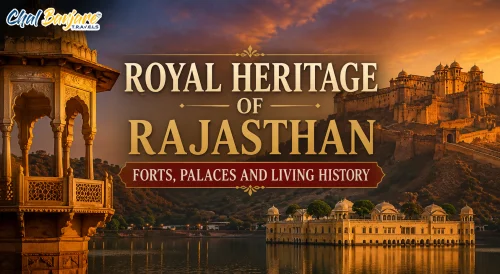
Royal Heritage of Rajasthan – Forts, Palaces and Living History
Rajasthan’s royal heritage showcases magnificent forts, grand palaces, ancient traditions, and living cultural experiences that reflect the state’s historic kingdoms and royal legacy.
+91 9910402252
admin@chalbanjare.com


Rajasthan’s villages offer authentic rural life, folk traditions, desert culture, heritage crafts, and immersive cultural experiences beyond the major tourist cities.
Mandawa in the Shekhawati region is one of Rajasthan’s most famous heritage village clusters, known for its beautifully painted havelis that showcase intricate fresco art depicting mythology, trade history, and royal culture.
It is often called an open-air art gallery due to its dense concentration of heritage mansions.
Mandawa offers a unique glimpse into Rajasthan’s merchant history through its living art and architecture.
Khimsar is a heritage village destination where travelers can experience a blend of desert landscapes, historic fort architecture, and rural lifestyle, offering a peaceful alternative to more crowded tourist centers.
It is ideal for those seeking both comfort and authenticity in desert surroundings.
Khimsar is perfect for travelers looking to experience Rajasthan’s desert life with a touch of royal heritage.
Bishnoi villages near Jodhpur are known for their strong ecological values and centuries-old traditions of wildlife conservation, where nature and daily life are deeply interconnected.
These villages offer one of the most authentic eco-cultural experiences in Rajasthan.
Bishnoi villages provide a rare opportunity to witness a lifestyle centered on harmony with nature and wildlife preservation.
Khuri village near Jaisalmer offers an authentic glimpse into Rajasthan’s desert life, where small sand dunes, traditional mud houses, and slow rural rhythms create a peaceful and immersive cultural experience.
It is a quieter alternative to more commercial desert destinations, ideal for travelers seeking simplicity and authenticity.
Khuri is perfect for travelers who want to experience desert life away from tourist-heavy zones.
Osian is an ancient desert village near Jodhpur known for its cluster of beautifully carved temples and its strong connection with camel safari culture, making it a unique blend of spirituality and adventure.
It serves as a gateway between Rajasthan’s heritage and desert landscapes.
Osian offers a rare combination of spiritual heritage and desert adventure in a single destination.
Barmer is one of Rajasthan’s most culturally rich yet less-explored desert regions, known for its vibrant folk music, traditional crafts, and deeply rooted rural desert communities.
It represents the raw and authentic side of Rajasthan’s desert lifestyle.
Barmer offers a deep cultural immersion into Rajasthan’s desert traditions, far from mainstream tourist circuits.
Shilpgram near Udaipur is a living rural arts complex that showcases Rajasthan’s traditional crafts, folk performances, and village-style architecture, making it one of the best places to experience cultural heritage in an interactive setting.
It comes alive especially during festivals and craft fairs, attracting artisans and performers from across the region.
Shilpgram offers a vibrant introduction to Rajasthan’s rural artistry and living traditions.
The tribal villages around the Aravalli hills near Udaipur offer a deep insight into Rajasthan’s indigenous cultures, where traditional lifestyles, farming practices, and local customs continue in their original form.
These villages provide an authentic and less-commercialized cultural experience.
These tribal villages offer a rare chance to experience Rajasthan’s living indigenous culture in its natural environment.
Haldighati and its surrounding villages near Udaipur are historically significant due to the famous battle site of Maharana Pratap, combined with peaceful rural landscapes and traditional village life.
It blends history, heritage, and countryside exploration in a single route.
Haldighati villages offer a meaningful blend of historical learning and rural exploration near Udaipur.
The rural surroundings of Galtaji near Jaipur offer a unique blend of hill-based temple culture and traditional settlements, where spirituality, nature, and local village life exist side by side in the Aravalli landscape.
The region is best known for its ancient temple complex, natural springs, and spiritual energy flowing through the hills.
Galtaji’s surroundings offer a rare mix of spirituality and rural hill culture close to the city.
The villages surrounding Bhangarh Fort are set within the rugged Aravalli hills and are known for their quiet rural life, historical association with the fort, and scenic yet mysterious landscapes.
This region attracts travelers interested in history, folklore, and offbeat exploration.
The Bhangarh region offers a blend of rural simplicity and historical intrigue within the Aravalli landscape.
The villages around Bundi are famous for their deep connection to stepwell architecture, traditional Rajasthani lifestyles, and historic water conservation systems that continue to shape local life.
This region reflects Rajasthan’s architectural and cultural heritage in a deeply authentic rural setting.
Bundi’s villages provide a living example of Rajasthan’s traditional architecture and rural cultural continuity.
Rajasthan’s villages are deeply rooted in oral and performing traditions, where folk music, dance, and storytelling preserve centuries-old history, legends, and cultural identity through live community expression.
These performances often take place in courtyards, festivals, and evening gatherings, creating an immersive cultural atmosphere.
These traditions keep Rajasthan’s rural cultural identity alive across generations through music, movement, and storytelling.
Rajasthan’s villages are famous for their skilled artisans who create intricate handicrafts, pottery, weaving patterns, and textile art that reflect regional identity and centuries-old craftsmanship techniques.
Each region specializes in unique art forms passed down through generations.
These crafts represent the artistic soul of Rajasthan’s rural communities and their deep connection to tradition.
Rural homestays in Rajasthan offer travelers a chance to experience everyday village life, including traditional cooking, farming activities, and close interaction with local families in a simple and authentic environment.
This immersive lifestyle experience provides a deeper understanding of Rajasthan’s rural culture.
Rural homestays allow travelers to connect deeply with Rajasthan’s lifestyle, food, and community traditions in a meaningful way.
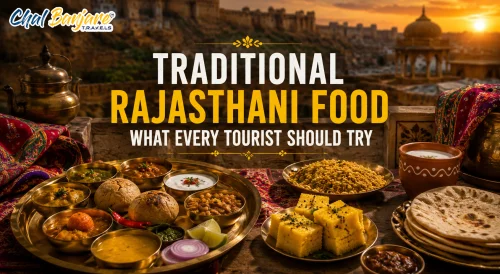
Rajasthan’s village food culture is deeply connected to traditional farming practices, where meals are prepared using locally grown grains, millets, and seasonal vegetables, resulting in simple yet flavorful Rajasthani thalis.
These meals reflect the region’s agrarian lifestyle and emphasis on fresh, organic ingredients.
Village thalis offer a true taste of Rajasthan’s rural lifestyle and its close connection to the land.
Rajasthan is known for its rich variety of sweets and dairy-based delicacies, often prepared using traditional methods that have been passed down through generations in rural households and local markets.
These foods are an essential part of celebrations and daily village life.
Rajasthan’s sweets and dairy products reflect the richness of rural culinary traditions and festive culture.
Village tea stalls and local markets in Rajasthan serve as social hubs where daily life unfolds, offering travelers an authentic glimpse into rural conversations, trade, and community interactions.
These spaces are central to understanding everyday village rhythm and hospitality.
Tea stalls and markets reveal the heart of Rajasthan’s rural lifestyle through simple, everyday human interactions.
Gangaur and Teej are among Rajasthan’s most celebrated village festivals, reflecting devotion, seasonal change, and community bonding through rituals, processions, and traditional songs performed across rural settlements.
These festivals bring entire villages together in vibrant displays of color, faith, and cultural expression.
Gangaur and Teej reflect the deep cultural rhythm of Rajasthan’s rural life and seasonal celebrations.
Rajasthan’s village melas and camel fairs are vibrant cultural events where livestock trading, folk performances, and rural traditions come together, creating lively gatherings that reflect the desert economy and community spirit.
These fairs are both economic and cultural highlights of rural Rajasthan.
Camel fairs and melas highlight Rajasthan’s unique blend of tradition, livelihood, and festive celebration.
Across Rajasthan’s villages, temples and local shrines host regular rituals and seasonal celebrations that form the spiritual backbone of rural life, bringing communities together through shared devotion and cultural practices.
These gatherings are deeply rooted in centuries-old traditions and local belief systems.
These rituals and gatherings showcase how spirituality and daily life remain deeply interconnected in Rajasthan’s villages.
Winter is the best time to explore Rajasthan’s villages as the weather becomes cool and comfortable, making it ideal for long rural walks, homestays, and cultural immersion without the discomfort of heat.
From October to March, most village regions offer the most enjoyable and traveler-friendly conditions.
Winter provides the most balanced and comfortable environment for experiencing Rajasthan’s rural and heritage villages.
Festival season in Rajasthan villages brings vibrant cultural energy, with folk performances, temple gatherings, fairs, and seasonal celebrations that offer deep immersion into rural traditions and community life.
This is the most colorful and culturally active time to visit villages.
Festival season is ideal for travelers seeking vibrant cultural experiences and authentic rural traditions.
Summer in Rajasthan villages is extremely hot during the day, but it offers a quieter and slower travel experience with fewer tourists, allowing deeper interaction with local life during early mornings and evenings.
Travel planning requires flexibility and heat awareness during this season.
Summer is suitable for travelers who prefer solitude, slow travel, and deeper cultural connection despite the challenging heat.
Rajasthan’s villages follow deeply rooted traditions, so respectful behavior, modest dressing, and awareness of local customs are essential for a smooth and meaningful cultural experience.
Being mindful of etiquette helps build genuine connections with local communities and ensures a more immersive stay.
Respectful travel creates a positive cultural exchange and deeper understanding of Rajasthan’s rural life.
Village travel in Rajasthan often involves limited transport options, longer travel times, and less frequent public connectivity, making planning and flexibility important for smooth exploration.
Understanding ground realities helps avoid delays and travel discomfort.
Proper planning and flexible itineraries make rural Rajasthan exploration smoother and more enjoyable.
Homestays in Rajasthan villages offer an authentic cultural experience while directly supporting local families and sustainable rural tourism, making them one of the most meaningful ways to travel.
They provide deeper insight into daily village life, food, and traditions.
Choosing homestays helps travelers experience Rajasthan’s villages more authentically while positively impacting local communities.
First-time travelers to Rajasthan villages should focus on destinations that offer a balanced mix of culture, heritage, desert life, and accessibility, allowing a smooth introduction to rural experiences without overwhelming travel logistics.
These villages provide the most complete and beginner-friendly cultural exposure.
These destinations help travelers experience Rajasthan’s village life in a structured and comfortable way.
Rajasthan village travel can be broadly divided into desert, tribal, and heritage circuits, each offering a distinct cultural atmosphere, landscape, and level of interaction with local communities.
Choosing the right circuit depends on travel style and experience preference.
| Circuit Type | Experience Focus | Best Regions |
|---|---|---|
| Desert Villages | Sand dunes, camel life, rural desert culture | Jaisalmer, Bikaner, Osian, Khuri |
| Tribal Villages | Indigenous lifestyle and forest-hill culture | Udaipur outskirts, Aravalli regions |
| Heritage Villages | Havelis, forts, and historical architecture | Shekhawati, Bundi, Khimsar |
| Eco-Cultural Villages | Wildlife conservation and nature living | Bishnoi villages near Jodhpur |
| Festival-Based Villages | Melas, rituals, and cultural immersion | Pushkar region and rural hubs |
| Offbeat Slow Travel Villages | Peaceful homestays and rural lifestyle | Barmer, Kuldhara outskirts |
| One of Rajasthan’s Most Diverse Travel Categories | Multiple cultural layers in one state | Custom itinerary possible |
A well-planned circuit ensures a balanced experience between culture, landscape, and comfort.
Planning a Rajasthan village trip requires attention to season, transport, cultural sensitivity, and accommodation choices to ensure a smooth and enriching rural travel experience.
This checklist helps avoid common travel challenges and improves overall journey quality.
Rajasthan village travel is most rewarding when planned thoughtfully, allowing time for meaningful cultural interaction and slow exploration.
Get customized Rajasthan tour planning designed around desert climate comfort, long-distance road travel flow, heritage exploration time, and realistic pacing between regions. Whether you are visiting for fort architecture, palace heritage, cultural exper
⚡ Quick Response | 💰 Free consultation | 🕒 24×7 expert support