How Tea is Made in Assam – A Tourist's Guide
Understanding how tea is made in Assam allows travellers to explore plantations, learn traditional processing methods, and experience the journey from fresh tea leaves to the final product.
+91 9910402252
admin@chalbanjare.com


Majuli Island is famous for its river landscapes, Vaishnavite culture, traditional monasteries, tribal communities, festivals, handicrafts, and unique island lifestyle in Assam.
Majuli Island is one of Assam's most remarkable travel destinations, offering visitors a rare combination of cultural heritage, peaceful natural landscapes, and traditional rural life. Located amidst the mighty Brahmaputra River, the island provides an experience that is completely different from conventional tourist destinations. Rather than busy cities or commercial attractions, Majuli welcomes travellers with quiet villages, green farmlands, ancient monasteries, traditional festivals, and scenic river views that reflect the authentic lifestyle of Assam.
Visitors are drawn to Majuli because every part of the island tells a story of culture, spirituality, craftsmanship, and harmony with nature. Life moves at a slower pace, allowing tourists to experience genuine Assamese hospitality while exploring local communities and centuries-old traditions. Whether visiting for cultural exploration, photography, birdwatching, or peaceful relaxation, Majuli offers experiences that cannot easily be found elsewhere in India.
The island's unique combination of living traditions, scenic beauty, and cultural authenticity makes Majuli one of the most distinctive destinations in Northeast India.
Majuli offers an unforgettable journey where nature, culture, and traditional lifestyles come together to create one of Assam's most memorable travel experiences.
Majuli holds exceptional importance because it represents centuries of Assamese history, spirituality, and cultural development. The island has long served as a centre for Vaishnavite philosophy, traditional performing arts, and preservation of Assamese customs through its famous Satras. Alongside its cultural significance, Majuli's fertile landscapes, wetlands, and river ecosystems support agriculture, birdlife, and sustainable rural livelihoods that have existed for generations.
Historically, the island has played a major role in protecting and promoting Assamese literature, music, dance, art, and spiritual teachings. Even today, visitors can witness living traditions rather than museum displays, making every cultural interaction genuine and meaningful. The balance between heritage preservation and everyday village life gives Majuli its exceptional character.
The island's cultural, historical, and environmental importance continues to make it one of Assam's most treasured heritage destinations.
| Aspect | Importance |
|---|---|
| Culture | Preserves Assamese traditions. |
| History | Centuries of spiritual heritage. |
| Nature | Wetlands, villages, and river ecosystems. |
| Communities | Traditional rural lifestyles. |
| Tourism | Authentic cultural experiences. |
Majuli remains an outstanding destination where history, culture, and nature continue to shape everyday life and unforgettable visitor experiences.
Unlike many popular tourist destinations focused on commercial attractions, Majuli offers travellers an opportunity to experience genuine village life, spiritual traditions, and peaceful natural surroundings. Visitors spend their time exploring monasteries, interacting with local communities, cycling through villages, watching traditional craft demonstrations, and enjoying scenic river landscapes instead of crowded sightseeing locations.
The island encourages slow travel, where every experience is based on learning, observation, and meaningful interaction with local culture. Traditional festivals, handcrafted products, bird-filled wetlands, ferry journeys, and riverside sunsets together create a destination that feels authentic and deeply connected to Assamese identity. This distinctive atmosphere makes Majuli appealing to travellers seeking culture, photography, heritage, and peaceful exploration.
Majuli stands apart because it offers authentic experiences that celebrate Assam's living traditions while preserving the island's unique natural and cultural heritage.
Majuli provides visitors with a refreshing alternative to conventional tourism by combining living heritage, scenic beauty, and genuine local experiences.
Majuli is internationally recognised as one of the world's largest inhabited river islands, making it one of Assam's most extraordinary geographical landmarks. Surrounded by the vast waters of the Brahmaputra River, the island has developed a unique identity shaped by both nature and culture. Its riverine environment influences transportation, agriculture, settlement patterns, architecture, and the daily lives of local communities.
Visitors travelling to Majuli experience not only its cultural attractions but also the beauty of reaching an island destination by ferry across one of Asia's great rivers. The journey itself becomes an important part of the travel experience, offering panoramic views of the river, surrounding landscapes, and traditional riverside life that cannot be experienced elsewhere.
Majuli's status as a globally recognised river island makes it one of Assam's most distinctive natural and cultural attractions.
The remarkable geographical setting of Majuli creates unforgettable travel experiences while defining the island's unique cultural identity.
The Brahmaputra River has shaped every aspect of Majuli's existence for centuries. The river provides fertile land for farming, supports transportation through ferry services, influences seasonal changes, and creates the scenic landscapes that visitors admire throughout the island. At the same time, the river continuously reshapes the island through natural processes, making Majuli a living example of the close relationship between people and nature.
Life on the island is closely connected with the rhythm of the Brahmaputra. Fishing, agriculture, local trade, festivals, and daily transportation all depend on the river, creating a lifestyle that has evolved alongside this powerful waterway. Understanding this relationship helps visitors appreciate the island's resilience and cultural richness.
The Brahmaputra is not simply a river surrounding Majuli but the foundation upon which the island's history, economy, and traditions continue to thrive.
| Role of Brahmaputra | Influence on Majuli |
|---|---|
| Transportation | Ferry connectivity. |
| Agriculture | Fertile farming lands. |
| Landscape | Riverine scenery. |
| Communities | Supports daily livelihoods. |
| Ecology | Maintains wetlands and biodiversity. |
The enduring relationship between Majuli and the Brahmaputra River continues to shape the island's natural beauty and traditional way of life.
The river landscapes of Majuli influence almost every aspect of daily life. Villages are built according to local environmental conditions, farming follows seasonal river cycles, and transportation often depends on waterways. These natural surroundings have encouraged communities to develop sustainable lifestyles that respect the changing rhythms of the Brahmaputra while preserving traditional knowledge passed down through generations.
Visitors travelling through Majuli witness peaceful villages surrounded by open fields, wetlands, bamboo groves, and riverbanks where local residents continue practices that remain closely connected to nature. This deep relationship between landscape and community creates one of the island's greatest attractions, offering travellers an authentic understanding of rural Assam.
The river landscapes of Majuli continue to shape its communities, traditions, and identity while creating one of Northeast India's most distinctive cultural destinations.
Majuli's river landscapes create a peaceful environment where nature and traditional lifestyles continue to exist in remarkable harmony.
Majuli is regarded as the spiritual heart of Assamese Vaishnavism because it is home to numerous Satras, the traditional monasteries established to preserve religious teachings, cultural heritage, literature, music, dance, and community values. These Satras have served as centres of learning for centuries, where spiritual education and artistic traditions continue to flourish. Visitors exploring Majuli gain an opportunity to experience living heritage rather than historical monuments, as many Satras remain active institutions that continue their daily religious and cultural practices.
Each Satra possesses its own unique architectural style, history, and traditions while collectively contributing to the preservation of Assamese identity. Walking through these peaceful complexes allows travellers to observe prayer halls, traditional buildings, courtyards, manuscripts, and cultural spaces where generations of monks and scholars have protected the region's rich heritage. The calm atmosphere encourages visitors to appreciate both the spiritual and historical significance of these institutions.
The Satras of Majuli remain among Assam's most valuable cultural treasures, preserving traditions that continue to inspire local communities and visitors from around the world.
Visiting Majuli's Satras offers a meaningful opportunity to understand how spirituality, education, and culture have remained closely connected throughout Assamese history.
The Satras of Majuli play a vital role in preserving Sattriya, one of India's recognised classical dance traditions that originated within Assam's Vaishnavite monasteries. Alongside dance, the Satras continue to nurture devotional music, traditional percussion, theatrical performances, scripture recitation, and spiritual education. These artistic practices are not simply performances for visitors but remain an important part of daily religious life and cultural preservation.
Travellers visiting Majuli often have opportunities to witness traditional rehearsals, devotional singing, or cultural demonstrations depending on the time of their visit. These experiences provide valuable insight into how spiritual teachings have been expressed through artistic forms for centuries. The combination of music, dance, theatre, and devotion creates a cultural atmosphere unlike any other destination in Assam.
The preservation of Sattriya traditions makes Majuli an important destination for anyone interested in India's classical performing arts and spiritual heritage.
| Traditional Practice | Cultural Importance |
|---|---|
| Sattriya Dance | Classical dance tradition. |
| Devotional Music | Religious and cultural expression. |
| Theatre Performances | Teaching spiritual stories. |
| Scripture Study | Religious education. |
| Daily Worship | Preserving spiritual traditions. |
The artistic traditions preserved within Majuli's Satras continue to strengthen Assamese culture while offering visitors a unique cultural experience.
The historical importance of Majuli's Satras extends far beyond religion. For centuries, these institutions have served as centres for education, literature, manuscript preservation, community leadership, fine arts, and cultural development across Assam. They played a major role in spreading the teachings of the Vaishnavite movement while encouraging social harmony, artistic creativity, and ethical living among local communities.
Even today, the influence of the Satras remains visible in the island's festivals, music, theatre, architecture, and everyday cultural practices. Visitors exploring these historic institutions gain a deeper understanding of how they helped shape Assamese identity over generations. Their continued preservation demonstrates the lasting importance of cultural heritage in maintaining the traditions of Majuli.
The Satras continue to represent the historical foundation of Majuli while preserving values and traditions that remain relevant in modern Assamese society.
The historical legacy of Majuli's Satras continues to shape the island's identity while preserving one of Assam's richest cultural traditions.
Majuli comes alive during its traditional festivals, when villages, Satras, and local communities celebrate centuries-old customs through music, dance, theatre, and religious ceremonies. Among the island's most celebrated events is the famous Raas Mahotsav, a festival that attracts visitors from across Assam and beyond. During this period, the island transforms into a vibrant cultural destination where artistic performances, devotional activities, and community participation create an unforgettable atmosphere.
Beyond Raas Mahotsav, visitors may also experience various seasonal celebrations, local religious observances, harvest-related traditions, and community gatherings that reflect the island's deep cultural roots. These festivals provide travellers with opportunities to witness authentic Assamese traditions while interacting with local residents in a festive and welcoming environment.
The colourful festivals of Majuli showcase the island's living heritage while celebrating traditions that have been preserved for generations.
Majuli's festivals offer visitors one of the finest opportunities to experience the island's vibrant cultural heritage in its most authentic form.
Festival celebrations in Majuli include a wide variety of traditional performances and community activities that reflect the island's spiritual and cultural identity. Visitors can witness devotional singing, Sattriya dance performances, theatrical presentations, ceremonial rituals, and processions organised by local Satras and community groups. These events are performed with great dedication and continue to preserve traditions passed down over many generations.
Community gatherings during festivals create a welcoming atmosphere where visitors can observe local customs, appreciate traditional attire, interact with artisans, and enjoy cultural exchanges. Rather than being commercial performances, these celebrations remain meaningful expressions of faith, heritage, and community life that strengthen cultural continuity throughout the island.
Traditional performances and community celebrations provide visitors with memorable insights into Majuli's rich cultural and spiritual traditions.
| Festival Activity | Visitor Experience |
|---|---|
| Sattriya Dance | Classical cultural performances. |
| Devotional Music | Traditional spiritual singing. |
| Theatre | Religious storytelling. |
| Community Gatherings | Local cultural interaction. |
| Traditional Rituals | Authentic spiritual experiences. |
Festival performances allow visitors to experience the artistic and spiritual traditions that continue to define Majuli's unique cultural identity.
Experiencing Majuli during its festivals provides travellers with a deeper understanding of Assamese heritage than ordinary sightseeing alone. Every celebration reflects centuries of preserved traditions where spirituality, music, dance, theatre, craftsmanship, and community participation come together naturally. The festive atmosphere allows visitors to observe how cultural practices continue to remain an important part of everyday life rather than simply historical traditions.
Travellers who plan their visit around major festivals often enjoy richer cultural experiences, memorable photography opportunities, and meaningful interactions with local residents. The combination of traditional architecture, devotional celebrations, artistic performances, and scenic island landscapes creates an unforgettable travel experience that highlights why Majuli is regarded as one of Assam's greatest cultural destinations.
Majuli's festivals beautifully demonstrate how living traditions continue to preserve the island's cultural identity while welcoming visitors into its vibrant community life.
Planning a visit during Majuli's festival season offers one of the most rewarding ways to experience the island's rich heritage, spirituality, and community traditions.
Majuli is home to several indigenous communities that have preserved their unique traditions, customs, languages, and lifestyles for generations. These communities contribute significantly to the island's rich cultural diversity and continue to maintain strong connections with their ancestral heritage. Their villages offer visitors an opportunity to experience authentic rural Assam, where traditional knowledge, community cooperation, and sustainable living remain an important part of everyday life.
The cultural identity of these communities can be seen in their festivals, agricultural practices, handicrafts, folk traditions, music, and social customs. Visitors exploring the island often discover welcoming villages where people continue to celebrate age-old traditions while adapting to modern life without losing their cultural roots. Respectful interaction with local communities allows travellers to gain a deeper understanding of Majuli's unique cultural landscape.
The indigenous communities of Majuli play an essential role in preserving the island's identity while enriching the visitor experience through their living traditions and hospitality.
Exploring Majuli's indigenous communities allows visitors to experience the island's cultural richness through genuine local interactions and centuries-old traditions.
Daily life in Majuli reflects a harmonious blend of tradition, simplicity, and self-sufficiency. Local communities continue to prepare traditional Assamese meals using fresh ingredients, wear handcrafted textiles during festivals and cultural events, and practise weaving, bamboo work, pottery, and other traditional crafts that have been passed down through generations. These practices remain closely connected to the island's cultural identity.
Visitors staying in villages or homestays often gain first-hand experience of local cooking methods, agricultural activities, handcrafted products, and everyday routines. Such experiences provide meaningful insights into rural life while supporting community-based tourism that encourages the preservation of traditional knowledge and cultural practices.
Majuli's local lifestyle offers travellers an authentic glimpse into Assamese traditions through food, clothing, craftsmanship, and everyday village life.
| Traditional Element | Experience |
|---|---|
| Food | Authentic Assamese cuisine. |
| Clothing | Handwoven traditional textiles. |
| Crafts | Bamboo work and weaving. |
| Village Life | Simple and sustainable living. |
| Daily Activities | Traditional farming and community practices. |
Experiencing local food, crafts, and village traditions allows visitors to appreciate the authentic lifestyle that makes Majuli culturally unique.
The lives of Majuli's communities are closely connected to the island's natural environment. Agriculture, fishing, traditional craftsmanship, and seasonal activities are all influenced by the Brahmaputra River and the island's fertile landscapes. This relationship has encouraged sustainable practices that respect natural resources while supporting community livelihoods for generations.
Visitors quickly notice how local residents adapt to seasonal changes, use natural materials responsibly, and maintain a balanced relationship with their surroundings. Traditional homes, farming methods, bamboo construction, and locally available resources all reflect an understanding of nature developed through centuries of experience. This close connection between people and the environment forms one of Majuli's most distinctive cultural characteristics.
The harmony between Majuli's communities and their natural surroundings highlights the island's enduring tradition of sustainable living and environmental respect.
Understanding the relationship between people and nature provides visitors with a deeper appreciation of Majuli's sustainable culture and peaceful rural lifestyle.
Majuli is celebrated for its tranquil natural beauty, where wide river views, lush green fields, peaceful wetlands, traditional villages, and open skies create one of Assam's most relaxing travel destinations. Unlike crowded tourist centres, the island offers calm surroundings that encourage visitors to slow down and appreciate nature at its own pace. The scenic landscapes constantly change throughout the day, providing beautiful views from sunrise to sunset.
Travelling across the island reveals riverside settlements, bamboo groves, agricultural fields, grazing livestock, and quiet village roads surrounded by greenery. The absence of heavy urban development allows the natural environment to remain the island's greatest attraction. Every journey through Majuli offers opportunities to enjoy fresh air, scenic viewpoints, and peaceful moments that leave a lasting impression.
Majuli's serene landscapes provide visitors with a refreshing escape where nature and traditional village life exist in remarkable harmony.
The peaceful beauty of Majuli's landscapes creates unforgettable travel experiences while showcasing the island's unique connection with nature.
Majuli offers exceptional photography opportunities for travellers interested in landscapes, village life, culture, festivals, wildlife, and traditional architecture. The changing light throughout the day creates beautiful conditions for capturing river scenery, wetlands, monasteries, handcrafted villages, and colourful cultural activities. Every corner of the island presents new perspectives that appeal to both amateur and experienced photographers.
Photographers visiting during festivals can document traditional performances and vibrant celebrations, while those exploring the island's quieter regions discover scenic riverbanks, rural life, birds, and handcrafted homes surrounded by nature. Respecting local customs and seeking permission when photographing people ensures a positive experience for both visitors and residents.
Majuli's combination of culture and natural beauty makes it one of Assam's most rewarding destinations for travel photography.
| Photography Subject | Best Experience |
|---|---|
| River Landscapes | Wide scenic views. |
| Traditional Villages | Authentic rural life. |
| Satras | Historic architecture. |
| Wetlands | Nature and birdlife. |
| Festivals | Colourful cultural moments. |
The island's diverse scenery allows photographers to capture memorable images that reflect both Majuli's cultural richness and natural beauty.
Majuli is one of the best destinations in Assam for travellers seeking a slow travel experience. Instead of rushing between attractions, visitors are encouraged to spend time cycling through villages, enjoying riverside sunsets, observing birds, interacting with local communities, and appreciating the peaceful rhythm of island life. This relaxed approach allows travellers to connect more deeply with both nature and culture.
Walking along village roads, watching agricultural activities, visiting traditional monasteries, and relaxing beside wetlands provide meaningful experiences that cannot be achieved through hurried sightseeing. Slow travel also encourages responsible tourism by supporting local businesses, homestays, and community initiatives while minimising environmental impact. Every day spent on the island offers opportunities for quiet exploration and personal discovery.
Majuli rewards travellers who embrace a slower pace, offering authentic experiences shaped by nature, culture, and the timeless beauty of island life.
Slow travel allows visitors to fully appreciate Majuli's peaceful atmosphere while creating lasting memories through meaningful cultural and natural experiences.
Majuli is widely recognised for its remarkable tradition of handmade mask making, an art form that has been preserved for centuries through the island's Satras and local artisans. These handcrafted masks are closely associated with traditional theatrical performances, religious storytelling, and cultural festivals where they are used to portray characters from ancient epics and devotional narratives. The craftsmanship involved in creating these masks reflects the creativity, patience, and artistic excellence of the island's skilled artisans.
Visitors exploring Majuli can observe artisans shaping bamboo frames, applying layers of natural materials, painting intricate facial expressions, and completing detailed decorative work by hand. Every finished mask represents both artistic skill and cultural heritage, making it one of the island's most distinctive traditional crafts. Watching the process offers valuable insight into the living traditions that continue to flourish across Majuli.
The famous mask-making tradition remains one of Majuli's greatest cultural attractions while preserving an important artistic legacy for future generations.
Exploring Majuli's mask-making tradition allows visitors to appreciate one of Assam's most distinctive and enduring forms of cultural expression.
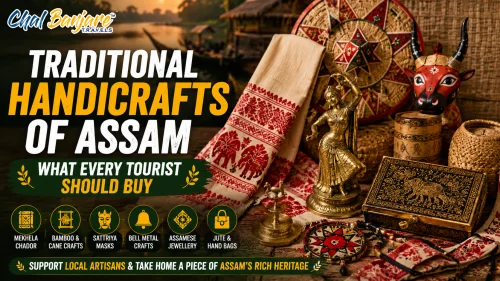
Beyond its famous masks, Majuli is known for a wide variety of traditional handicrafts created by local communities using natural materials and time-honoured techniques. Bamboo craftsmanship, handwoven textiles, cane products, pottery, and decorative household items continue to play an important role in everyday life while supporting local livelihoods. These handmade products reflect the island's sustainable traditions and deep connection with its natural environment.
Visitors can explore artisan workshops and village markets where skilled craftspeople demonstrate traditional weaving techniques, bamboo processing, and the creation of beautiful handmade products. Purchasing locally made crafts not only provides meaningful souvenirs but also supports community artisans who continue to preserve these valuable cultural traditions through their work.
Majuli's handcrafted products beautifully combine artistic creativity, practical usefulness, and cultural heritage while supporting local communities.
| Traditional Craft | Local Importance |
|---|---|
| Mask Making | Cultural and theatrical heritage. |
| Bamboo Crafts | Everyday household products. |
| Handloom Weaving | Traditional textiles. |
| Cane Products | Practical handcrafted items. |
| Pottery | Traditional artisan skills. |
The island's diverse handicrafts provide visitors with authentic examples of Assamese craftsmanship while supporting the preservation of traditional artisan communities.
The artisans of Majuli play an essential role in preserving the island's cultural identity by passing traditional skills from one generation to the next. Many families continue practising mask making, weaving, bamboo craftsmanship, and other traditional arts using methods that have remained largely unchanged for centuries. Their dedication ensures that these valuable cultural traditions continue to survive in a rapidly changing world.
Visitors who interact with local artisans gain a greater appreciation for the patience, creativity, and knowledge involved in producing each handcrafted item. Community workshops, cultural demonstrations, and artisan villages provide opportunities to learn about the importance of preserving traditional skills while supporting sustainable livelihoods through responsible tourism.
The commitment of Majuli's artisans ensures that the island's remarkable cultural heritage continues to inspire visitors while strengthening Assamese artistic traditions.
Majuli's artisans continue to protect the island's rich cultural legacy through dedication, craftsmanship, and the preservation of traditional knowledge.
Majuli's wetlands, riverbanks, marshes, and open grasslands provide ideal habitats for a remarkable variety of bird species throughout the year. These rich ecosystems attract both resident and seasonal birds, making the island one of Assam's rewarding destinations for birdwatching. The peaceful natural environment allows visitors to observe birds without the crowds often found at more commercial wildlife destinations.
The wetlands also support fish, aquatic plants, insects, and other wildlife that contribute to a balanced ecosystem. Birdwatchers exploring these habitats often enjoy calm mornings filled with birdsong, scenic reflections across the water, and opportunities to observe birds feeding, nesting, or resting within their natural surroundings. These tranquil landscapes make Majuli particularly attractive for nature enthusiasts and wildlife photographers.
The island's extensive wetland ecosystems play a vital role in supporting biodiversity while offering memorable birdwatching experiences for visitors.
Majuli's wetlands provide ideal conditions for observing birds while showcasing the island's remarkable ecological diversity.
Seasonal migration brings additional bird species to Majuli, further enriching the island's already impressive avian diversity. During favourable seasons, migratory birds arrive at wetlands, river channels, and open water bodies where they find food, shelter, and resting areas. Their arrival creates exciting opportunities for birdwatchers to observe changing wildlife patterns throughout the year.
The island's combination of wetlands, agricultural fields, riverbanks, and natural vegetation supports a wide range of habitats suitable for different bird species. Visitors exploring these areas with patience and quiet observation often discover colourful birds, graceful waterfowl, and numerous smaller species that contribute to Majuli's peaceful natural atmosphere.
The seasonal presence of migratory birds enhances Majuli's reputation as an excellent destination for wildlife observation and nature tourism.
| Habitat | Wildlife Experience |
|---|---|
| Wetlands | Waterbirds and aquatic species. |
| Riverbanks | Scenic birdwatching locations. |
| Grasslands | Ground and open-country birds. |
| Agricultural Fields | Seasonal bird activity. |
| Natural Vegetation | Small woodland bird species. |
The diversity of natural habitats allows visitors to enjoy rewarding birdwatching experiences throughout different areas of Majuli.
Birdwatching in Majuli is closely connected with the island's peaceful atmosphere and slow travel experience. Visitors can spend hours quietly exploring wetlands, cycling along village roads, or relaxing beside riverbanks while observing wildlife in its natural habitat. The absence of heavy tourism allows travellers to enjoy uninterrupted moments surrounded by nature.
Nature observation in Majuli extends beyond birds to include butterflies, aquatic life, traditional rural landscapes, and the everyday interaction between local communities and their environment. Carrying binoculars, moving quietly, and respecting wildlife habitats greatly enhance the overall experience. This gentle approach to exploration allows visitors to appreciate the island's biodiversity while enjoying a calm and refreshing outdoor experience.
Majuli offers nature lovers a peaceful environment where birdwatching and wildlife observation become relaxing journeys through one of Assam's most beautiful island ecosystems.
The island's calm atmosphere makes every wildlife observation experience enjoyable while encouraging visitors to appreciate the natural beauty of Majuli at a leisurely pace.
Majuli offers visitors an excellent opportunity to experience authentic Assamese cuisine prepared using fresh local ingredients, traditional recipes, and simple cooking techniques that have been preserved for generations. The island's fertile agricultural land and close relationship with the Brahmaputra River provide abundant vegetables, rice, seasonal produce, herbs, and other locally available ingredients that form the foundation of everyday meals. Dining in Majuli is not only about enjoying delicious food but also about understanding the cultural traditions that surround hospitality and community life.
Unlike commercial restaurants in large cities, many meals on the island are prepared in traditional kitchens where fresh ingredients are cooked with minimal processing to preserve natural flavours. Visitors often discover balanced meals that reflect Assamese culinary traditions while highlighting seasonal produce available across the island. Every meal becomes a cultural experience that introduces travellers to the authentic taste of rural Assam.
Majuli's traditional cuisine provides a memorable introduction to Assamese food culture while reflecting the island's agricultural heritage and warm hospitality.
Exploring Majuli through its traditional food allows visitors to experience the island's culture, hospitality, and agricultural heritage in an authentic way.
Food in Majuli is closely connected with family traditions, festivals, and community gatherings where meals are prepared collectively and shared with warmth and generosity. Traditional cooking methods continue to use locally available ingredients, simple utensils, natural spices, and time-tested techniques that preserve both flavour and nutritional value. These methods reflect generations of culinary knowledge that remain an important part of village life.
Visitors staying with local families or in community-oriented accommodations often have opportunities to observe traditional cooking practices while learning about local ingredients and food customs. Shared meals encourage cultural exchange and provide valuable insight into the everyday lifestyle of the island's residents. These experiences are often remembered as one of the highlights of visiting Majuli.
Community dining and traditional cooking practices beautifully demonstrate the importance of hospitality, togetherness, and cultural continuity across Majuli.
| Food Experience | Visitor Benefit |
|---|---|
| Home-cooked Meals | Authentic local flavours. |
| Community Dining | Cultural interaction. |
| Traditional Cooking | Learn local culinary methods. |
| Seasonal Ingredients | Fresh and natural meals. |
| Village Hospitality | Warm cultural experiences. |
Traditional cooking methods and shared meals allow visitors to experience Majuli's culture through meaningful culinary traditions.
One of the best ways to experience Majuli's food culture is by staying in village homestays where meals are prepared using family recipes and locally sourced ingredients. Homestays provide visitors with opportunities to enjoy freshly prepared breakfasts, lunches, and dinners while interacting with hosts who happily explain local food traditions and agricultural practices. This creates a more personal and immersive travel experience than standard accommodation.
Village dining also allows travellers to understand how food is connected with farming, festivals, hospitality, and everyday life on the island. Rather than simply tasting new dishes, visitors experience the complete cultural setting in which the food is prepared and enjoyed. These memorable dining experiences often become an important part of discovering the authentic character of Majuli.
Experiencing local cuisine through village homestays offers visitors an unforgettable combination of traditional flavours, genuine hospitality, and meaningful cultural exchange.
Village dining experiences provide one of the most authentic ways to understand Majuli's culture while enjoying traditional Assamese cuisine.
Majuli is an ideal destination for travellers who enjoy slow exploration, peaceful surroundings, and authentic cultural experiences. Cycling through quiet village roads allows visitors to observe traditional homes, agricultural fields, artisan workshops, and scenic river landscapes while interacting with local communities. Walking through villages provides additional opportunities to appreciate everyday rural life and discover hidden cultural attractions that cannot be experienced from a vehicle.
Cultural visits to Satras, craft centres, and community spaces further enrich the travel experience by introducing visitors to Assamese heritage, spiritual traditions, and local craftsmanship. The relaxed pace of exploration encourages meaningful conversations with residents while allowing sufficient time to enjoy the island's natural beauty. Every journey across Majuli reveals new aspects of its cultural and environmental richness.
Cycling, walking, and cultural exploration together create one of the most rewarding ways to experience Majuli's peaceful atmosphere and authentic heritage.
Slow exploration allows visitors to discover Majuli's hidden cultural treasures while enjoying its tranquil natural surroundings.
The combination of historic monasteries, colourful festivals, and scenic river landscapes makes Majuli one of Assam's most distinctive travel destinations. Visitors can spend their days exploring peaceful Satras, witnessing traditional performances during festival seasons, and enjoying panoramic views of the Brahmaputra River that surrounds the island. Each attraction contributes to a well-balanced travel experience that combines spirituality, culture, and nature.
River landscapes create beautiful viewpoints throughout the island, especially during sunrise and sunset when the changing light transforms the scenery. Travellers interested in photography, heritage, and relaxation find countless opportunities to appreciate Majuli's unique character while learning about the traditions that continue to shape island life. Every visit offers new discoveries regardless of travel interests.
The diversity of attractions ensures that Majuli appeals equally to cultural travellers, photographers, and nature enthusiasts.
| Experience | Why It Is Memorable |
|---|---|
| Satra Visits | Discover spiritual heritage. |
| Festival Celebrations | Experience living traditions. |
| River Landscapes | Enjoy scenic natural beauty. |
| Village Exploration | Observe authentic local life. |
| Photography | Capture culture and nature together. |
Majuli's combination of heritage, festivals, and landscapes creates a travel experience that is both culturally enriching and visually unforgettable.
Planning activities according to available time allows visitors to enjoy Majuli without feeling rushed. Travellers spending a single day may focus on Satras, village visits, and scenic ferry journeys, while longer stays provide opportunities to explore handicraft centres, wetlands, birdwatching locations, cycling routes, and cultural experiences at a more relaxed pace. Careful planning ensures every visitor enjoys the aspects of the island that match their interests.
Nature lovers, photographers, heritage enthusiasts, and families all experience Majuli differently depending on their priorities. Building a flexible itinerary allows sufficient time for unexpected discoveries, meaningful conversations with local residents, and peaceful moments surrounded by nature. A balanced travel plan creates a rewarding journey while allowing visitors to fully appreciate the island's unique atmosphere.
Organising activities according to personal interests and travel duration helps visitors enjoy a complete and memorable experience on Majuli Island.
A thoughtfully planned itinerary allows travellers to experience Majuli's culture, nature, and traditions while making the most of their time on the island.
Majuli offers a rare travel experience where culture, spirituality, traditional lifestyles, and natural beauty exist in perfect harmony. Visitors who explore the island with an open mind quickly discover that its greatest attractions are not limited to individual landmarks but are found in the combination of peaceful villages, historic Satras, scenic Brahmaputra landscapes, artisan workshops, wetlands, festivals, and warm local hospitality. Every part of the island contributes to an authentic travel experience that reflects the true character of Assam.
Rather than focusing only on sightseeing, travellers should take time to interact with local communities, appreciate traditional performances, observe handcrafted art forms, enjoy local cuisine, and relax amidst the island's tranquil surroundings. This balanced approach allows visitors to understand why Majuli is internationally recognised as one of Assam's most culturally significant destinations. Combining cultural exploration with nature experiences creates memories that remain long after the journey ends.
Experiencing Majuli as a complete cultural and natural destination allows visitors to fully appreciate the island's heritage, traditions, and peaceful way of life.
Majuli rewards travellers who combine cultural exploration with nature, creating a meaningful journey through one of Assam's most extraordinary destinations.
A successful trip to Majuli begins with careful planning. Visitors should confirm ferry schedules, arrange transportation to the ferry terminal, reserve accommodation well in advance, and prepare an itinerary that includes enough time to explore the island comfortably. Since ferry services connect the island with the mainland, coordinating travel timings carefully helps avoid unnecessary delays and ensures a smoother overall journey.
Planning activities according to personal interests also improves the experience. Travellers interested in culture may prioritise Satra visits and festivals, while photographers, birdwatchers, and nature lovers may spend more time exploring wetlands, villages, and riverside landscapes. Packing suitable clothing, comfortable footwear, cameras, binoculars, and essential travel documents further contributes to a relaxed and enjoyable holiday.
Good planning allows visitors to spend more time discovering Majuli's attractions while travelling comfortably and efficiently throughout the island.
| Travel Planning | Recommendation |
|---|---|
| Transportation | Confirm ferry schedules in advance. |
| Accommodation | Book homestays or hotels early. |
| Daily Activities | Create a balanced itinerary. |
| Packing | Carry comfortable clothing and essentials. |
| Travel Duration | Allow sufficient exploration time. |
Preparing transport, accommodation, and sightseeing plans before departure ensures a comfortable and rewarding visit to Majuli Island.
Before beginning your journey, review your travel arrangements to ensure everything is organised for a smooth experience. Confirm ferry timings, accommodation bookings, transportation plans, weather forecasts, and essential travel documents. Carry appropriate clothing, comfortable walking shoes, cameras, binoculars, and any personal necessities required for exploring the island's villages, wetlands, and cultural attractions.
Most importantly, approach Majuli with patience and curiosity. Spend time interacting respectfully with local communities, support traditional artisans by purchasing authentic handmade products, enjoy local cuisine, and follow responsible tourism practices that help preserve the island's fragile environment and rich cultural heritage. By travelling thoughtfully, visitors gain a deeper appreciation of why Majuli is regarded as one of Assam's most unique and culturally significant destinations.
A well-planned itinerary, responsible travel behaviour, and genuine interest in local traditions ensure visitors experience everything that makes Majuli Island truly famous and unforgettable.
Following this travel checklist allows visitors to experience Majuli Island comfortably while discovering the culture, spirituality, landscapes, and traditions that have made it one of Assam's most treasured destinations.


Get customized Assam tour planning designed around seasonal weather patterns, river conditions, wildlife safari timing, and realistic road travel flow. Whether you are visiting for national parks, tea estate stays, cultural experiences, spiritual sites, o
⚡ Quick Response | 💰 Free consultation | 🕒 24×7 expert support