
How Tea is Made in Assam – A Tourist's Guide
Understanding how tea is made in Assam allows travellers to explore plantations, learn traditional processing methods, and experience the journey from fresh tea leaves to the final product.
+91 9910402252
admin@chalbanjare.com


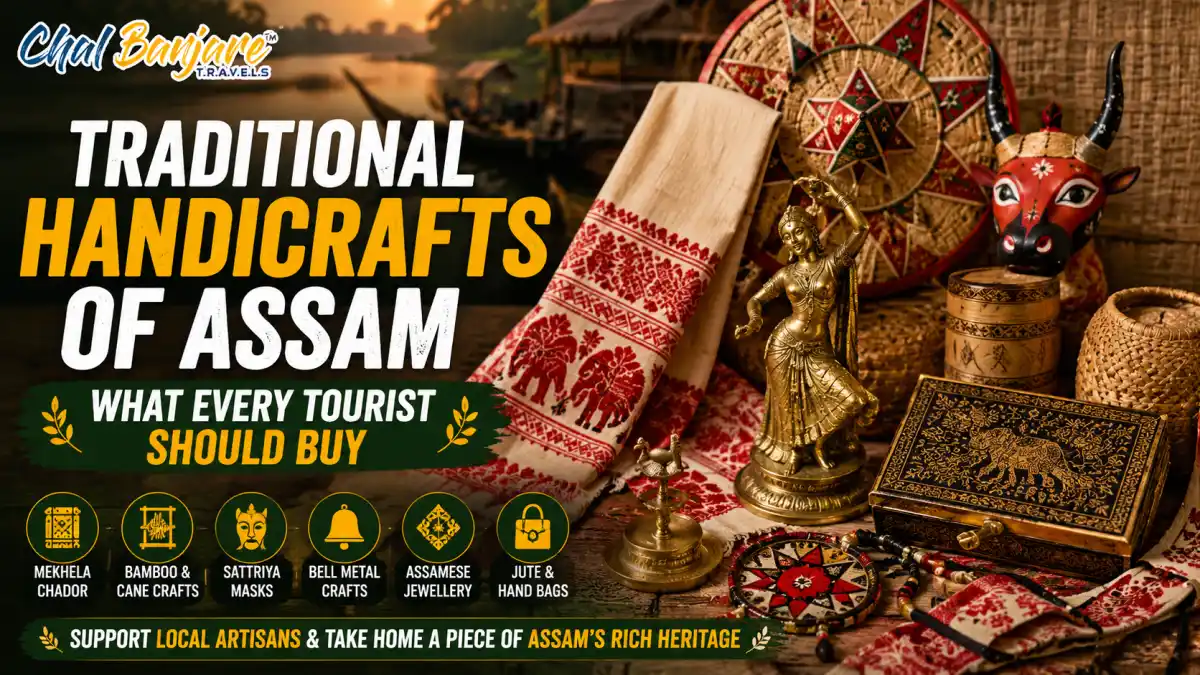
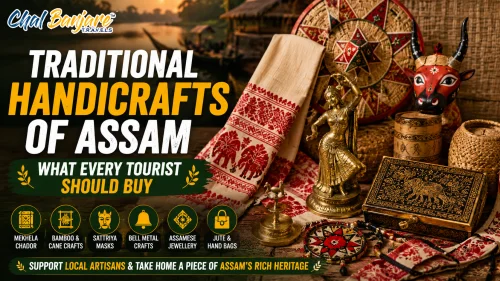
Traditional handicrafts of Assam showcase the state’s rich culture through handwoven textiles, bamboo crafts, bell metal products, silk items, and artisan-made souvenirs.
Traditional handicrafts are among the strongest expressions of Assam's rich cultural heritage. For centuries, different communities across the state have preserved unique weaving techniques, bamboo craftsmanship, metalwork, pottery, wood carving, mask making, and textile traditions that continue to play an important role in everyday life. Unlike factory-made souvenirs, Assamese handicrafts reflect the skills, customs, beliefs, and artistic identity of the people who create them. Every handcrafted product carries generations of knowledge that has been passed from one artisan family to another.
The state's diverse tribal communities, rural villages, monasteries, and weaving households each contribute distinctive craft traditions. Handwoven textiles, bamboo baskets, cane furniture, brass utensils, bell metal artefacts, silk garments, jewellery, and ceremonial masks are not only beautiful products but also symbols of Assam's festivals, agriculture, spirituality, and social customs. Many handicrafts continue to be used in weddings, religious ceremonies, cultural performances, and household life, making them an integral part of Assamese identity rather than simply decorative objects.
Travellers exploring Assam quickly discover that handicrafts are closely connected with the state's landscapes and natural resources. Bamboo forests provide raw material for household products, silkworm cultivation supports the famous weaving industry, and traditional metalworking centres continue producing utensils using centuries-old techniques. Purchasing these crafts allows visitors to take home a genuine piece of Assam's living heritage.
Traditional handicrafts provide far more than attractive souvenirs. They preserve Assam's history, celebrate regional identity, and demonstrate the remarkable craftsmanship that continues to flourish across villages, towns, and cultural centres throughout the state.
Local artisans are the foundation of Assam's handicraft industry. Thousands of families across the state continue practising weaving, bamboo work, mask making, bell metal production, pottery, and traditional jewellery making as both a livelihood and a cultural responsibility. These crafts require years of training, patience, and practical experience, with many skills being passed from parents to children over several generations.
Unlike mass-produced souvenirs, handmade Assamese products often require many hours or even weeks of careful work. A single handwoven silk garment, bamboo furniture piece, or decorative bell metal item represents detailed craftsmanship that cannot be replicated by machines. Artisans carefully select raw materials, prepare traditional tools, and complete every stage of production by hand while maintaining the quality standards established within their communities.
Supporting these artisans helps preserve traditional knowledge while contributing directly to rural livelihoods. Purchasing authentic handmade products encourages younger generations to continue practising these crafts, ensuring that Assam's cultural heritage remains vibrant for future generations.
| Handmade Craft | Importance to Local Communities |
|---|---|
| Handwoven Textiles | Preserve traditional weaving skills and family livelihoods. |
| Bamboo Crafts | Support sustainable rural craftsmanship. |
| Bell Metal Products | Continue centuries-old metalworking traditions. |
| Traditional Jewellery | Maintain cultural designs used during festivals. |
| Masks and Cultural Art | Protect artistic and religious heritage. |
Every authentic handmade product reflects the dedication of skilled artisans who continue preserving Assam's traditional craftsmanship. Supporting their work helps sustain both cultural heritage and local economies across the state.
Handicrafts are among the most meaningful souvenirs travellers can purchase because they represent the culture, history, and artistic traditions of the destination. Instead of generic gifts manufactured elsewhere, Assamese handicrafts carry stories of local communities, natural resources, traditional skills, and regional identity. Whether purchasing handwoven silk, bamboo décor, brass utensils, or traditional masks, visitors take home products that reflect the character of Assam.
Many handicrafts are both decorative and practical. Silk garments can be worn during festivals and special occasions, bamboo baskets remain useful household items, handcrafted jewellery becomes a lasting reminder of the journey, and decorative artefacts display the artistic heritage of Northeast India. Because many products are handmade in limited quantities, every purchase often has unique characteristics that distinguish it from mass-produced souvenirs.
Buying authentic handicrafts also creates memorable interactions with local artisans and craftspeople. Visitors frequently learn about weaving techniques, natural materials, and cultural traditions while shopping, making the purchase itself an enriching travel experience rather than simply a commercial transaction.
Authentic Assamese handicrafts combine artistic beauty with cultural value. Every handcrafted souvenir preserves a small part of the state's living heritage while reminding travellers of the traditions, craftsmanship, and hospitality experienced during their journey.
Muga silk is one of Assam's most celebrated cultural treasures and has earned worldwide recognition for its natural golden colour, exceptional durability, and luxurious texture. Produced exclusively in Assam from the Muga silkworm, this remarkable silk has been woven into traditional garments for centuries and remains one of India's most prestigious textile products. Unlike dyed fabrics, Muga silk possesses a naturally golden shine that becomes richer with age, making every piece both elegant and unique.
The cultivation of Muga silk involves specialised knowledge passed through generations of farming and weaving communities. Silkworms are carefully reared under suitable climatic conditions before the silk fibres are harvested, processed, spun, dyed where required, and woven into beautiful textiles using traditional handlooms. This detailed process requires considerable skill, patience, and craftsmanship, contributing to the high value of authentic Muga silk products.
Travellers visiting Assam often consider Muga silk one of the finest souvenirs because it represents the state's textile heritage, weaving traditions, and cultural identity. Genuine Muga silk combines beauty, durability, and historical significance, making it a treasured keepsake for generations.
Muga silk represents one of Assam's greatest artistic achievements. Its natural beauty, remarkable durability, and deep cultural heritage continue attracting travellers who wish to own one of India's most distinctive traditional textiles.
Muga silk is transformed into a wide variety of elegant products, with the Mekhela Chador being the most iconic traditional Assamese attire. Worn during weddings, festivals, religious ceremonies, and important cultural occasions, these beautifully handwoven garments display intricate motifs inspired by nature, Assamese traditions, and regional artistic styles. Sarees made from Muga silk are equally admired for their graceful appearance and timeless appeal.
In addition to traditional clothing, Muga silk is woven into scarves, shawls, stoles, dress materials, decorative fabrics, home furnishings, and gift items suitable for modern lifestyles. Skilled artisans combine traditional weaving methods with contemporary designs, allowing travellers to choose products that preserve cultural authenticity while remaining practical for everyday use.
Visitors shopping for Muga silk should examine weaving quality, texture, craftsmanship, and authenticity before making a purchase. Genuine handwoven products display remarkable attention to detail and showcase the exceptional skills of Assam's weaving communities.
Muga silk products combine timeless craftsmanship with practical elegance. Whether choosing traditional clothing or contemporary accessories, travellers can appreciate the remarkable artistry that has made Assam's silk famous around the world.
Muga silk is far more than a luxury fabric in Assam. It represents cultural identity, social traditions, family celebrations, and the remarkable weaving heritage of the state. Traditional garments woven from Muga silk are commonly presented during weddings, religious ceremonies, festivals, and important family occasions, symbolising respect, prosperity, and cultural pride.
Many Assamese families preserve Muga silk garments for decades because of their durability and sentimental value. These textiles are often passed from one generation to another, becoming treasured family heirlooms that preserve memories alongside craftsmanship. Their natural golden sheen and exceptional longevity distinguish them from many other silk varieties produced elsewhere in India.
Purchasing authentic Muga silk supports traditional weaving communities while helping preserve one of Assam's most important cultural industries. Every handcrafted textile reflects the combined efforts of silkworm farmers, yarn processors, designers, and skilled weavers whose expertise continues sustaining this remarkable heritage.
| Cultural Feature | Importance |
|---|---|
| Traditional Attire | Used during weddings and cultural celebrations. |
| Family Heritage | Often preserved as treasured heirlooms. |
| Handwoven Craftsmanship | Reflects generations of weaving expertise. |
| Natural Golden Colour | Unique characteristic found only in genuine Muga silk. |
| Local Livelihoods | Supports Assam's traditional silk-producing communities. |
Muga silk beautifully represents Assam's artistic excellence and cultural identity. Owning an authentic Muga silk product allows travellers to preserve a lasting connection with one of the state's most treasured traditional crafts.
Eri silk is one of Assam's most distinctive traditional textiles and is widely appreciated for its sustainability, comfort, and cultural importance. Unlike many other silk varieties, Eri silk is produced through methods that allow the silkworm to complete its life cycle before the fibre is collected. Because of this ethical production process, Eri silk is often referred to as peace silk and has gained popularity among travellers seeking environmentally responsible and handcrafted products.
Communities across Assam have practised Eri silk weaving for generations, combining locally cultivated fibres with traditional handloom techniques. Rural households, women's weaving groups, and artisan cooperatives continue producing beautiful fabrics using skills passed down through families over many decades. The weaving process involves spinning the fibre, preparing natural yarns, colouring them where required, and weaving them into durable textiles suitable for daily use as well as special occasions.
Purchasing Eri silk products allows visitors to support sustainable livelihoods while preserving one of Assam's oldest textile traditions. Every handcrafted fabric represents patience, craftsmanship, and a deep respect for nature, making Eri silk an excellent souvenir for travellers who value authentic handmade products.
Eri silk combines sustainability with exceptional craftsmanship. Its ethical production methods and traditional weaving heritage make it one of Assam's most meaningful and environmentally responsible handicraft products.
Eri silk is transformed into a wide range of elegant textile products suitable for both traditional and modern lifestyles. Shawls remain among the most popular purchases because of their soft texture, warmth, and timeless appearance. Scarves, stoles, wraps, dress materials, jackets, cushion covers, table runners, and decorative textile products are also widely available in markets, government emporiums, and artisan workshops throughout Assam.
Unlike highly glossy silk fabrics, Eri silk has a natural matte finish that gives it a distinctive appearance and comfortable feel. It is breathable during warmer weather while also providing warmth in cooler seasons, making it suitable for year-round use. Skilled weavers often incorporate traditional Assamese motifs, geometric patterns, floral designs, and regional artistic influences that reflect local culture and craftsmanship.
Visitors shopping for Eri silk should look for handwoven texture, fine weaving quality, balanced finishing, and authentic craftsmanship rather than simply choosing products based on appearance alone. Genuine handmade fabrics showcase subtle variations that highlight the skill of individual artisans.
Eri silk textiles combine beauty, comfort, and practicality. Their handcrafted quality and traditional designs allow travellers to own elegant products that reflect Assam's remarkable weaving heritage.
Eri silk provides travellers with an excellent introduction to Assam's rich weaving heritage. Across villages and weaving centres, artisans continue using handlooms that have remained part of Assamese households for generations. Every stage of weaving requires precision, from preparing the yarn and arranging the loom to creating decorative borders, motifs, and intricate patterns that distinguish each finished product.
Many villages encourage visitors to observe traditional weaving demonstrations where local women and skilled artisans showcase their techniques. Watching these craftsmen at work offers valuable insight into the patience and dedication required to produce authentic handwoven textiles. Visitors also gain a deeper appreciation for the role weaving plays in Assamese family life, cultural celebrations, and rural livelihoods.
Buying Eri silk directly from artisan groups, weaving cooperatives, or government-recognised outlets ensures that the benefits of tourism reach local communities. It also provides travellers with confidence that they are purchasing genuine handmade products created using traditional Assamese methods.
| Weaving Experience | What Visitors Learn |
|---|---|
| Handloom Demonstrations | Traditional weaving techniques used by local artisans. |
| Yarn Preparation | Understanding how natural fibres become woven fabric. |
| Traditional Motifs | Cultural patterns inspired by Assamese heritage. |
| Artisan Workshops | Direct interaction with skilled weaving communities. |
| Authentic Purchases | Support for local craftsmen and rural livelihoods. |
Experiencing Eri silk weaving allows visitors to appreciate the remarkable craftsmanship that continues to define Assam's textile traditions. Every handcrafted fabric reflects the dedication, creativity, and cultural pride of the artisans who preserve this centuries-old heritage.
The Mekhela Chador is the traditional attire of Assamese women and stands among the finest examples of the state's weaving heritage. Consisting of two beautifully coordinated pieces of handwoven fabric, it reflects centuries of craftsmanship, artistic expression, and cultural identity. Worn during weddings, festivals, religious ceremonies, family celebrations, and important social occasions, the Mekhela Chador remains one of Assam's most recognisable cultural symbols.
Each garment is carefully woven on traditional handlooms using Muga silk, Eri silk, Pat silk, or fine cotton depending on the desired style and purpose. Skilled weavers spend considerable time creating elegant borders, floral patterns, geometric motifs, and traditional Assamese designs inspired by nature, local architecture, and cultural traditions. The weaving process requires patience, precision, and years of practical experience.
Travellers interested in authentic Assamese textiles often visit weaving villages, artisan cooperatives, government emporiums, and cultural centres to observe these traditional techniques and purchase genuine handwoven garments directly from local producers.
The Mekhela Chador beautifully represents Assam's artistic excellence and textile traditions. Every handcrafted garment reflects generations of weaving knowledge preserved by skilled artisans throughout the state.
Handwoven Assamese textiles are admired for their elegant designs, carefully balanced colour combinations, and traditional motifs that distinguish them from fabrics produced elsewhere in India. Weavers incorporate floral patterns, birds, leaves, geometric borders, cultural symbols, and nature-inspired artwork that celebrate the landscapes and traditions of Assam. Every weaving region also contributes its own distinctive artistic style, making each textile unique.
Some Mekhela Chadors feature intricate borders woven with gold-coloured Muga silk, while others emphasise subtle patterns created using Eri silk, Pat silk, or cotton. Contemporary designers often blend traditional motifs with modern colour palettes to create garments suitable for both cultural events and everyday wear without compromising Assamese identity.
Travellers comparing different weaving styles quickly notice variations in weaving density, border patterns, colour arrangements, and decorative details. These subtle differences reflect the creativity of individual artisans and the regional traditions preserved by different weaving communities.
| Design Feature | Traditional Characteristic |
|---|---|
| Floral Motifs | Inspired by Assam's natural beauty. |
| Geometric Borders | Reflect traditional weaving styles. |
| Bird and Nature Patterns | Celebrate regional wildlife and culture. |
| Silk Combinations | Created using Muga, Eri, or Pat silk. |
| Regional Styles | Represent different weaving communities. |
The remarkable variety of Assamese handwoven textiles allows every traveller to discover unique artistic styles while appreciating the creativity and technical skill of the state's traditional weaving communities.
Handwoven Assamese textiles make exceptional souvenirs because they combine practical use with lasting cultural value. Unlike factory-produced fabrics, genuine handloom products represent hours of careful craftsmanship and preserve weaving traditions that have remained part of Assamese society for generations. Purchasing authentic textiles allows visitors to take home meaningful reminders of their journey while supporting local artisan communities.
When selecting handwoven products, travellers should examine weaving consistency, fabric quality, finishing, and craftsmanship rather than focusing only on price. Government emporiums, recognised weaving cooperatives, artisan workshops, and reputable textile stores provide reliable options for purchasing authentic products. Speaking with artisans also helps visitors understand the weaving process and the significance of different motifs and materials.
Whether choosing a Mekhela Chador, silk stole, cotton shawl, scarf, or decorative textile, authentic handwoven products remain timeless souvenirs that continue representing Assam's artistic heritage long after the journey has ended.
Authentic handwoven textiles beautifully combine craftsmanship, tradition, and everyday usefulness. They remain among the finest souvenirs travellers can purchase while exploring Assam's rich cultural and artistic heritage.
Bamboo and cane handicrafts are among the oldest and most widely practised traditional crafts in Assam. Blessed with abundant bamboo forests and natural cane resources, the state has developed an extraordinary craftsmanship tradition that transforms these sustainable materials into practical household products, decorative items, and artistic creations. For generations, rural communities have relied on bamboo and cane not only for daily necessities but also for architecture, agriculture, fishing, storage, and cultural ceremonies.
Visitors exploring Assam will find an impressive variety of handcrafted products including storage baskets, fruit baskets, trays, floor mats, furniture, lampshades, wall décor, flower vases, woven containers, pen holders, tissue boxes, serving trays, and beautifully designed gift articles. Skilled artisans combine traditional weaving techniques with modern designs, creating products suitable for both contemporary homes and traditional interiors. Every item reflects careful craftsmanship and the remarkable versatility of bamboo and cane.
Many of these handicrafts are lightweight, durable, and easy to carry, making them popular souvenirs for travellers. Purchasing authentic bamboo and cane products provides visitors with useful handmade items while supporting one of Assam's most important rural craft traditions.
Bamboo and cane handicrafts beautifully combine practicality with artistic craftsmanship. Their sustainable nature, traditional designs, and everyday usefulness make them some of the most popular cultural souvenirs available throughout Assam.
One of the greatest strengths of Assam's bamboo and cane handicraft industry is its commitment to environmentally friendly production. Bamboo grows rapidly and is considered one of the world's most sustainable natural resources, making it an ideal material for handcrafted products. Local artisans harvest mature bamboo responsibly before carefully treating, shaping, weaving, and polishing it into attractive household items without depending heavily on industrial manufacturing processes.
Today's craftsmen produce an impressive range of eco-friendly products including reusable shopping baskets, kitchen accessories, dining items, decorative lighting, office organisers, handcrafted gift boxes, furniture, wall hangings, and garden décor. Many products combine traditional weaving patterns with contemporary designs, allowing visitors to purchase environmentally responsible souvenirs that suit modern lifestyles while preserving cultural authenticity.
Supporting these craftsmen encourages sustainable tourism and helps maintain traditional livelihoods in rural communities. Each purchase contributes to the continued use of renewable materials while reducing dependence on synthetic alternatives and factory-produced goods.
| Eco-Friendly Product | Traditional Use |
|---|---|
| Baskets | Storage, shopping, and household organisation. |
| Mats | Floor coverings and decorative household use. |
| Furniture | Chairs, tables, stools, and home furnishings. |
| Decorative Items | Wall décor, lamps, and gift articles. |
| Kitchen Accessories | Serving trays and storage containers. |
Eco-friendly bamboo and cane handicrafts demonstrate how traditional craftsmanship and environmental responsibility work together. Their sustainable production methods make them excellent choices for travellers seeking meaningful and environmentally conscious souvenirs.
Bamboo has been deeply woven into Assamese life for centuries, extending far beyond decorative handicrafts. Rural households traditionally use bamboo for building homes, constructing bridges, fencing agricultural land, making fishing equipment, storing grain, preparing household utensils, and creating furniture. Because of its strength, flexibility, and availability, bamboo continues to play a significant role in both everyday life and traditional occupations across the state.
Artisans have transformed this practical material into an artistic tradition that reflects Assam's cultural identity. During festivals, community celebrations, and village events, bamboo products often appear in ceremonial decorations, cultural performances, and household preparations. Many weaving communities continue preserving specialised techniques that have remained largely unchanged for generations, demonstrating the enduring importance of bamboo craftsmanship within Assamese society.
Travellers purchasing bamboo handicrafts gain more than attractive souvenirs—they take home products that represent sustainable living, traditional knowledge, and the close relationship between Assam's people and its natural environment. Every handcrafted piece reflects both practical utility and cultural heritage.
Bamboo craftsmanship represents the resourcefulness and creativity of Assamese communities. Every handmade product preserves traditional knowledge while celebrating the sustainable relationship between local people and the natural resources that shape their daily lives.
Bell metal craftsmanship is one of Assam's oldest traditional industries and remains an important part of the state's artistic heritage. For centuries, skilled craftsmen have produced high-quality utensils, ceremonial objects, decorative items, and household articles using specialised metalworking techniques passed through generations. Bell metal products are admired for their durability, elegant appearance, and deep cultural significance, making them highly valued both within Assam and across India.
Traditional bell metal production requires exceptional precision. Artisans carefully prepare metal alloys, shape each piece using specialised tools, and complete detailed finishing by hand. The process demands years of practical experience and an understanding of techniques that have been preserved within artisan communities for generations. Many production centres continue using traditional methods while adapting selected designs to meet modern customer preferences.
Visitors exploring Assam often include bell metal products among their preferred purchases because they combine practical usefulness with historical value. Authentic handcrafted pieces provide lasting reminders of the state's remarkable metalworking heritage.
Bell metal products represent an enduring symbol of Assamese craftsmanship. Their exceptional durability, artistic quality, and cultural significance continue attracting visitors interested in authentic handmade heritage products.
Bell metal and brass artisans create an extensive collection of products that combine everyday functionality with decorative beauty. Traditional utensils such as plates, bowls, serving vessels, water pots, lamps, and containers remain popular household items throughout Assam. Decorative sculptures, religious artefacts, wall hangings, candle stands, miniature replicas, and ornamental display pieces further demonstrate the versatility of traditional metal craftsmanship.
Many handcrafted products feature elegant engraved designs, polished finishes, and traditional Assamese artistic motifs inspired by religious beliefs, floral patterns, and regional cultural symbols. Modern artisans also create contemporary decorative pieces while preserving the essential techniques that define traditional metalworking. This balance between heritage and innovation allows visitors to choose products suited to both traditional and modern homes.
When purchasing bell metal or brass handicrafts, travellers should examine finishing quality, weight, craftsmanship, and detailing. Authentic handmade products often display subtle variations that reflect individual artisan skills rather than machine-based manufacturing.
| Product Type | Traditional Purpose |
|---|---|
| Utensils | Everyday cooking, serving, and dining. |
| Lamps | Religious ceremonies and decorative use. |
| Decorative Artefacts | Home decoration and cultural displays. |
| Religious Items | Temple and household worship traditions. |
| Gift Articles | Cultural souvenirs and special occasions. |
Bell metal and brass handicrafts beautifully combine utility and artistry. Their handcrafted quality, elegant appearance, and traditional significance make them excellent souvenirs for travellers exploring Assam's cultural heritage.
Metal craftsmanship has played an important role in Assamese society for hundreds of years, supporting religious practices, domestic life, cultural ceremonies, and royal traditions. Historical kingdoms encouraged skilled artisans to develop advanced metalworking techniques, resulting in a rich legacy that continues through present-day craft communities. Many traditional products remain closely associated with Assamese festivals, temples, weddings, and family celebrations.
The continued survival of this craft reflects the dedication of artisan families who have protected their specialised knowledge despite changing markets and modern manufacturing methods. Younger generations increasingly combine traditional craftsmanship with contemporary product designs, ensuring that the industry remains relevant while preserving its historical identity.
Purchasing authentic bell metal and brass handicrafts directly supports these artisan communities and helps protect one of Assam's oldest artistic traditions. Every handcrafted object carries historical value while demonstrating the remarkable skills that continue defining Assamese metal craftsmanship today.
Bell metal and brass craftsmanship remains a proud symbol of Assam's artistic history. Supporting authentic artisans helps preserve this remarkable tradition while allowing travellers to own handcrafted products that reflect centuries of cultural excellence.
Traditional Assamese jewellery is one of the finest expressions of the state's artistic heritage and cultural identity. Skilled craftsmen have created handcrafted ornaments for centuries using gold, silver, brass, and other precious materials, producing elegant pieces inspired by nature, local traditions, religious symbolism, and royal history. Unlike mass-produced jewellery, authentic Assamese ornaments are recognised for their detailed craftsmanship, distinctive motifs, and strong connection with the cultural life of the region.
Many traditional jewellery designs feature lotus flowers, orchids, peacocks, birds, leaves, musical instruments, and symbols associated with Assamese folklore and festivals. These intricate designs are carefully crafted by experienced artisans who continue preserving techniques passed down through generations. Every ornament reflects patience, precision, and remarkable artistic skill, making Assamese jewellery much more than a decorative accessory.
Visitors travelling through Assam often choose traditional jewellery as a memorable souvenir because it combines beauty with cultural significance. Whether purchased as a gift or personal keepsake, every handcrafted ornament carries a story that represents the state's rich artistic traditions and skilled craftsmanship.
Traditional Assamese jewellery beautifully combines artistic excellence with cultural heritage. Every handcrafted ornament reflects the creativity, history, and craftsmanship that continue defining Assam's jewellery traditions today.
Traditional jewellery plays an important role during Assamese weddings, Bihu celebrations, religious ceremonies, and cultural festivals. These ornaments are often worn alongside the elegant Mekhela Chador, creating a complete traditional attire that celebrates Assamese identity. Families preserve many jewellery pieces for generations, passing them from one generation to the next as treasured heirlooms associated with important life events and family traditions.
Popular jewellery styles include necklaces, earrings, bangles, bracelets, rings, pendants, waist ornaments, and decorative hair accessories. Many pieces incorporate traditional Assamese motifs such as the Joonbiri crescent moon design, Lokaparo bird motif, Kopou flower inspiration, and floral patterns that symbolise prosperity, beauty, and cultural pride. These timeless designs continue inspiring both traditional jewellers and contemporary artisans across the state.
Visitors exploring jewellery collections in Assam gain valuable insight into how artistic traditions remain closely connected with community celebrations and cultural customs. Every ornament reflects the importance of craftsmanship within Assamese social and ceremonial life.
| Jewellery Type | Traditional Occasion |
|---|---|
| Necklaces | Weddings, festivals, and cultural ceremonies. |
| Earrings | Traditional daily and festive attire. |
| Bangles | Family celebrations and special occasions. |
| Pendants | Traditional cultural and ceremonial wear. |
| Hair Accessories | Festivals and classical cultural performances. |
Traditional Assamese jewellery remains deeply connected with the state's festivals and celebrations. Its elegant designs continue preserving cultural traditions while representing generations of remarkable craftsmanship.
Travellers interested in purchasing Assamese jewellery should focus on authenticity, craftsmanship, and cultural significance rather than appearance alone. Government handicraft emporiums, recognised jewellery stores, artisan cooperatives, and trusted cultural markets provide reliable opportunities to purchase genuine handcrafted ornaments created by experienced local craftsmen. These outlets often provide information about the materials, production techniques, and cultural meaning behind each design.
Before purchasing, visitors should examine the finishing quality, detailing, weight, craftsmanship, and overall balance of the ornament. Handcrafted jewellery frequently displays fine artistic work that distinguishes it from machine-produced alternatives. Speaking directly with artisans or knowledgeable shopkeepers also helps travellers understand the inspiration behind traditional motifs and the history of Assamese jewellery-making.
Selecting authentic jewellery supports local artisan communities while allowing visitors to own meaningful cultural keepsakes. Every handcrafted ornament becomes a lasting reminder of Assam's artistic heritage and the remarkable skills preserved by generations of traditional jewellers.
Authentic Assamese jewellery represents elegance, craftsmanship, and cultural pride. Choosing handmade ornaments from reliable sources ensures visitors preserve meaningful memories while supporting one of Assam's finest artistic traditions.
Traditional mask making is one of Assam's most distinctive artistic traditions and is closely associated with the cultural heritage of Majuli and the state's historic Vaishnavite monasteries known as Satras. These beautifully handcrafted masks are created using bamboo, clay, cloth, natural fibres, and traditional painting techniques. Originally developed for religious performances and storytelling, the masks continue preserving centuries-old artistic practices that remain central to Assamese cultural identity.
Artisans carefully shape each mask by hand before applying multiple layers of natural materials, detailed carving, painting, and decorative finishing. Many masks portray mythological characters, animals, spiritual figures, and scenes from ancient Indian epics that are performed during religious festivals and traditional theatrical presentations. The remarkable expressions, vibrant colours, and intricate detailing make every mask a unique work of art.
Visitors travelling to Majuli and other cultural centres often have opportunities to observe artisans creating these masks using traditional techniques. Purchasing authentic handcrafted masks allows travellers to support artisan families while preserving one of Assam's most celebrated cultural art forms.
Traditional Assamese masks beautifully combine sculpture, painting, and storytelling. They remain powerful symbols of the state's cultural heritage and continue attracting travellers interested in authentic handcrafted art.
Sattriya is one of India's recognised classical dance traditions and originated within Assam's Vaishnavite Satras several centuries ago. Alongside dance and theatre, this cultural tradition has inspired a wide range of artistic products including miniature masks, paintings, sculptures, decorative panels, handcrafted figurines, musical instrument replicas, and cultural souvenirs representing scenes from traditional performances.
Many artisan workshops create decorative products inspired by Sattriya costumes, mythology, devotional themes, and traditional performance characters. These handcrafted items preserve the visual identity of Assam's performing arts while allowing visitors to take home artistic reminders of the state's remarkable cultural legacy. Museums, cultural centres, and artisan workshops frequently display these products alongside demonstrations explaining their historical significance.
Travellers interested in Assamese performing arts often include Sattriya-inspired handicrafts in their shopping list because they combine artistic beauty with educational value. Each handcrafted item reflects the close relationship between visual arts, dance, theatre, and religious traditions within Assamese culture.
| Art Product | Cultural Inspiration |
|---|---|
| Miniature Masks | Traditional theatrical performances. |
| Paintings | Sattriya themes and mythology. |
| Decorative Panels | Religious and cultural storytelling. |
| Figurines | Classical dance and performance characters. |
| Handcrafted Souvenirs | Assamese performing arts heritage. |
Sattriya-inspired handicrafts provide travellers with an artistic connection to Assam's classical performing traditions. These beautifully crafted products celebrate the creativity, spirituality, and cultural richness preserved within the state's historic monasteries.
Traditional masks and Sattriya art products represent far more than decorative handicrafts. They preserve stories, religious teachings, community traditions, and artistic knowledge that have been carefully maintained for centuries. Every handcrafted mask reflects not only exceptional craftsmanship but also the cultural philosophy and devotional practices that continue shaping Assamese society.
Many artisan families learn these specialised techniques from childhood, ensuring that each generation contributes to preserving the authenticity of the craft. Cultural festivals, museum exhibitions, theatre performances, and artisan workshops all help introduce younger generations and visitors to these remarkable traditions. Tourism has also encouraged renewed appreciation for handcrafted cultural products, creating valuable economic opportunities for local artisans while supporting heritage conservation.
By purchasing authentic masks and Sattriya-inspired handicrafts from recognised artisan communities, visitors contribute directly to preserving one of Assam's most valuable cultural traditions. These meaningful souvenirs serve as lasting reminders of the state's extraordinary artistic and spiritual heritage.
Traditional masks and Sattriya art products remain among Assam's most culturally significant handicrafts. Their artistic beauty, historical value, and enduring spiritual connection make them exceptional souvenirs for travellers seeking authentic cultural experiences.
Assam offers numerous destinations where travellers can purchase authentic handicrafts directly from artisans, government-recognised outlets, and traditional markets. Guwahati serves as the state's primary shopping hub, offering the widest variety of handwoven textiles, Muga silk, Eri silk, bamboo products, bell metal items, jewellery, masks, and decorative handicrafts. Visitors can compare different products, learn about traditional craftsmanship, and find souvenirs that suit every budget while exploring the city's shopping districts and cultural centres.
Majuli provides a completely different shopping experience centred on artisan communities and traditional Vaishnavite culture. Visitors can purchase handcrafted masks, handwoven textiles, bamboo products, pottery, and locally made decorative items directly from craftsmen working within villages and Satras. Shopping in Majuli often includes opportunities to observe artisans creating products by hand, making every purchase more meaningful and educational.
Several cultural centres across Assam also organise exhibitions, handicraft fairs, and artisan markets where visitors can discover authentic handmade products representing different districts of the state. These locations allow travellers to explore the remarkable diversity of Assamese craftsmanship while supporting traditional artisan communities.
Shopping in Guwahati, Majuli, and cultural centres allows travellers to experience Assam's remarkable handicraft traditions while purchasing authentic handmade products that genuinely represent the state's artistic and cultural heritage.
Government handicraft emporiums remain among the most reliable places for purchasing authentic Assamese handicrafts because they work closely with recognised artisan groups, weaving cooperatives, and traditional craft communities. These outlets generally maintain quality standards while offering certified handwoven textiles, bamboo handicrafts, bell metal products, traditional jewellery, silk garments, masks, and decorative souvenirs representing different regions of Assam.
Artisan workshops provide an even more immersive experience by allowing visitors to observe the complete production process. Whether watching silk weaving, bamboo crafting, bell metal shaping, or traditional mask making, travellers gain valuable appreciation for the skill, patience, and expertise required to produce every handmade item. Many workshops also allow visitors to interact directly with artisans, ask questions about production methods, and understand the cultural importance of each craft.
Buying directly from artisan workshops ensures that a larger share of the purchase reaches the craftsmen themselves. This helps preserve traditional industries while encouraging younger generations to continue practising Assam's historic handicraft traditions.
| Shopping Location | Main Advantage |
|---|---|
| Government Emporiums | Reliable quality and authentic handicraft collections. |
| Artisan Workshops | Direct interaction with skilled craftsmen. |
| Weaving Cooperatives | Authentic handwoven silk and textile products. |
| Craft Villages | Traditional handmade products from local communities. |
| Cultural Centres | Diverse handicrafts representing multiple districts. |
Government emporiums and artisan workshops provide trustworthy shopping experiences for visitors seeking genuine Assamese handicrafts. They combine authenticity, quality, and cultural knowledge while directly supporting local craftsmen and traditional industries.
Selecting the right shopping location is just as important as choosing the handicraft itself. Visitors interested in premium silk products should prioritise recognised weaving centres and government-approved textile outlets, while travellers looking for bamboo handicrafts, traditional masks, or bell metal products may benefit from visiting artisan villages where these crafts are produced locally. Shopping close to the place of origin often provides better authenticity and a deeper understanding of traditional craftsmanship.
Travellers should compare craftsmanship, material quality, finishing, and design rather than purchasing the first product they encounter. Authentic handmade items often display subtle individual characteristics that distinguish them from machine-produced alternatives. Asking sellers about production methods, artisan communities, and regional specialities also helps buyers make informed decisions.
Planning shopping according to the destinations included in the travel itinerary saves time and allows visitors to purchase products from their traditional production centres. This approach creates a richer cultural experience while ensuring that souvenirs genuinely represent the heritage of Assam.
Choosing trusted shopping locations helps travellers purchase genuine Assamese handicrafts with confidence. Authentic products not only preserve cultural traditions but also provide lasting reminders of Assam's remarkable artistic heritage.
Traditional markets across Assam provide vibrant shopping experiences where visitors can discover authentic handicrafts alongside local culture, food, textiles, and everyday community life. Unlike modern shopping malls, these markets reflect the region's rich traditions and offer direct access to handmade products created by local artisans. Walking through these colourful marketplaces allows travellers to appreciate the diversity of Assamese craftsmanship while interacting with shopkeepers and craftspeople who possess extensive knowledge of their products.
Local markets feature an impressive variety of souvenirs including Muga silk garments, Eri silk shawls, bamboo baskets, cane furniture, bell metal utensils, traditional jewellery, decorative masks, pottery, handwoven textiles, wooden crafts, and locally produced gift items. Seasonal fairs and cultural festivals often introduce additional artisan stalls where visitors can explore regional handicrafts rarely found in commercial shopping centres.
Shopping in these traditional markets is more than a commercial activity. It offers travellers opportunities to experience Assam's hospitality, observe local lifestyles, and understand how handicrafts remain closely connected with everyday community life throughout the state.
Traditional markets provide one of the most enjoyable ways to explore Assam's handicraft heritage. Every visit combines shopping, cultural discovery, and meaningful interaction with the communities that continue preserving these remarkable artistic traditions.
Many local markets in Assam feature stalls operated directly by artisans or their families, allowing visitors to purchase handcrafted products from the people who create them. These interactions offer valuable opportunities to learn about weaving, bamboo craftsmanship, jewellery making, silk production, mask carving, and other traditional techniques that have been preserved for generations. Visitors often hear fascinating stories about how individual products are designed, produced, and used within Assamese culture.
Artisan collections vary according to the region and season, with many craftsmen presenting limited handmade pieces rather than mass-produced merchandise. This uniqueness gives every purchase additional value because no two handcrafted products are exactly alike. Visitors interested in authentic craftsmanship should spend time comparing designs, materials, weaving quality, finishing, and artistic details before making their selection.
Purchasing directly from local artisans provides fairer economic benefits to craft communities while encouraging the continuation of traditional skills. These meaningful shopping experiences often become one of the most memorable aspects of travelling through Assam.
Buying directly from local artisans creates a deeper appreciation for Assam's handicraft traditions. Every handcrafted purchase supports skilled craftsmen while preserving artistic knowledge that has been passed down through generations.
Community shopping in Assam allows travellers to experience much more than traditional handicrafts. Local markets bring together artisans, farmers, weavers, musicians, and food vendors, creating lively environments where visitors can observe the rhythms of everyday Assamese life. Shopping becomes an opportunity to appreciate regional customs, traditional hospitality, local languages, and the close relationship between culture and craftsmanship.
Many cultural festivals and weekly markets include live craft demonstrations where artisans weave silk, shape bamboo, polish bell metal, or carve traditional masks while explaining their work to visitors. Watching these demonstrations provides valuable insight into the patience and expertise required to produce authentic handmade products. Travellers also gain greater confidence in recognising genuine craftsmanship when making purchases.
Supporting community markets contributes directly to sustainable tourism by strengthening local economies and encouraging the preservation of traditional industries. Every purchase helps maintain Assam's living craft heritage while creating meaningful connections between visitors and local communities.
| Community Shopping Experience | Visitor Benefit |
|---|---|
| Artisan Demonstrations | Observe traditional craftsmanship in action. |
| Direct Purchases | Support local artisans and families. |
| Cultural Interaction | Learn about Assamese traditions and customs. |
| Regional Handicrafts | Discover authentic locally made products. |
| Traditional Markets | Experience everyday community life. |
Community shopping provides travellers with an authentic introduction to Assam's culture, craftsmanship, and hospitality. Every market visit offers opportunities to discover beautiful handmade products while supporting the communities that continue preserving the state's remarkable artistic traditions.
Choosing the right handicraft is one of the most rewarding parts of travelling through Assam because every authentic product reflects the state's history, craftsmanship, and cultural identity. Rather than purchasing ordinary souvenirs, visitors should look for items that showcase the traditions of Assamese communities and the remarkable skills of local artisans. Products such as Muga silk Mekhela Chadors, Eri silk shawls, bamboo and cane handicrafts, traditional jewellery, bell metal utensils, handcrafted masks, and handwoven textiles all represent different aspects of Assam's rich artistic heritage.
Each region of Assam has developed its own craft specialities over centuries. Weaving communities preserve unique textile traditions, bamboo artisans continue creating practical and decorative products, while skilled metal craftsmen produce elegant household items using traditional techniques. Selecting products from their place of origin provides greater confidence in authenticity while allowing travellers to appreciate the stories and traditions associated with every handcrafted item.
Visitors should also consider the long-term value of their purchases. High-quality handmade products remain useful for many years while preserving memories of the journey. Whether displayed as decorative pieces or used in everyday life, authentic Assamese handicrafts continue reflecting the state's culture long after the trip has ended.
Authentic Assamese handicrafts represent far more than attractive souvenirs. They celebrate generations of craftsmanship, preserve cultural traditions, and create lasting connections between travellers and the remarkable artistic heritage of Assam.
Planning handicraft shopping alongside sightseeing makes travelling through Assam more convenient and rewarding. Many popular tourist destinations are located close to traditional markets, artisan workshops, weaving centres, and government handicraft emporiums. Including shopping stops within the travel itinerary allows visitors to explore cultural attractions while also discovering locally made products without making separate journeys.
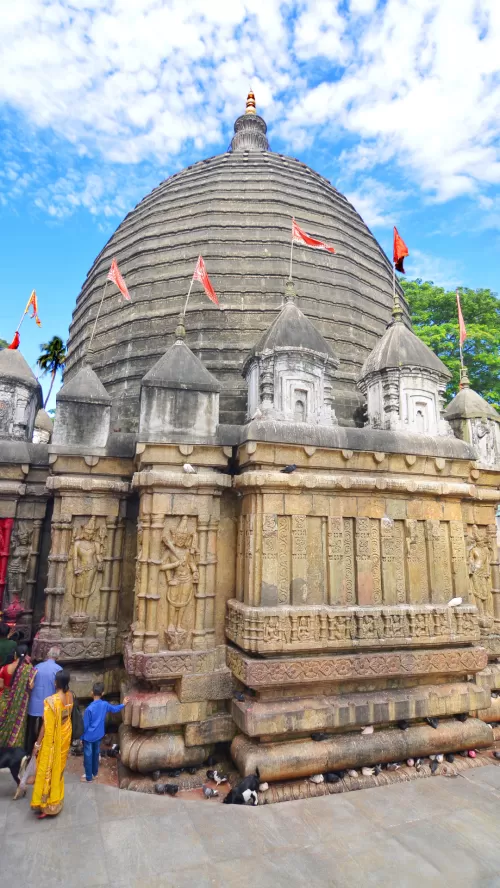
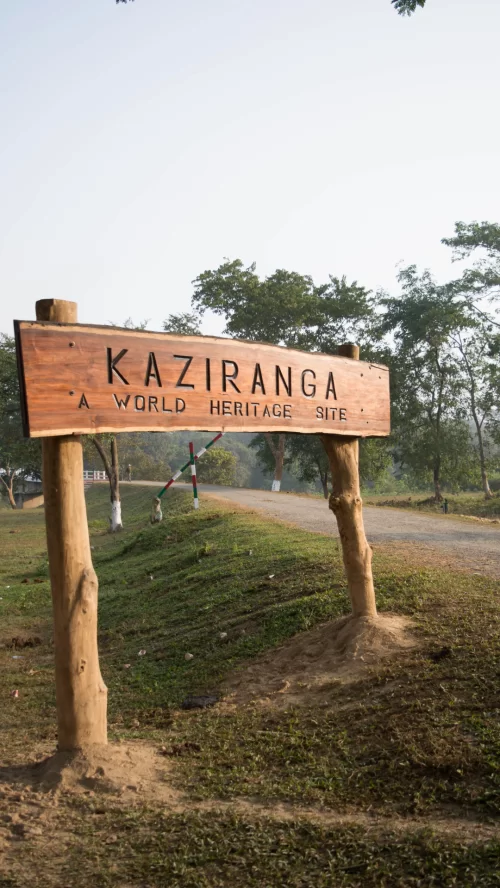
Travellers visiting Guwahati can combine shopping with visits to temples, museums, and riverfront attractions before exploring handicraft markets and government emporiums. Those travelling to Majuli can include artisan villages and traditional mask-making workshops alongside monastery visits and cultural experiences. Wildlife travellers visiting Kaziranga or Manas may also find local craft outlets selling bamboo products, handwoven textiles, and regional souvenirs near major tourist areas.
Allowing sufficient time for shopping is equally important because authentic handicrafts deserve careful selection. Comparing products, interacting with artisans, understanding production techniques, and learning about regional craftsmanship enrich the overall travel experience while helping visitors make informed purchasing decisions.
| Travel Destination | Shopping Opportunity |
|---|---|
| Guwahati | Government emporiums, handicraft markets, silk stores, and jewellery shops. |
| Majuli | Traditional masks, handwoven textiles, pottery, and artisan workshops. |
| Kaziranga Region | Regional bamboo crafts, textiles, and local souvenir outlets. |
| Cultural Centres | Craft exhibitions, artisan cooperatives, and traditional handicraft collections. |
| Weaving Villages | Direct purchases from handloom artisans and weaving families. |
Integrating handicraft shopping into your sightseeing itinerary provides a deeper understanding of Assam's living traditions. Every shopping stop becomes an opportunity to meet artisans, appreciate local craftsmanship, and discover authentic cultural treasures.
Before completing your shopping in Assam, it is helpful to review a few essential points that ensure every purchase is genuine and worthwhile. Authentic handicrafts should demonstrate skilled workmanship, quality materials, and a clear connection with Assamese traditions. Travellers should avoid making rushed decisions and instead compare products from different outlets while asking questions about craftsmanship, production methods, and regional origins.
Purchasing directly from artisan cooperatives, recognised weaving centres, government emporiums, or trusted workshops remains the safest approach for obtaining genuine handmade products. Visitors should also inspect weaving quality, finishing, durability, and overall craftsmanship before purchasing. Supporting responsible businesses helps preserve Assam's traditional industries while ensuring that artisan communities benefit directly from tourism.
Most importantly, travellers should choose handicrafts that create meaningful memories rather than simply filling luggage with decorative items. Carefully selected handmade products become lasting reminders of Assam's culture, hospitality, and extraordinary artistic heritage.
Assam's handicrafts preserve centuries of artistic excellence, traditional knowledge, and cultural pride. By choosing authentic handmade products and supporting local artisans, travellers return home with meaningful souvenirs while contributing to the continued preservation of one of Northeast India's richest craft traditions.


Get customized Assam tour planning designed around seasonal weather patterns, river conditions, wildlife safari timing, and realistic road travel flow. Whether you are visiting for national parks, tea estate stays, cultural experiences, spiritual sites, o
⚡ Quick Response | 💰 Free consultation | 🕒 24×7 expert support