


How Tea is Made in Assam – A Tourist's Guide
Understanding how tea is made in Assam allows travellers to explore plantations, learn traditional processing methods, and experience the journey from fresh tea leaves to the final product.
+91 9910402252
admin@chalbanjare.com


Understanding how tea is made in Assam allows travellers to explore plantations, learn traditional processing methods, and experience the journey from fresh tea leaves to the final product.
Assam tea production is a carefully coordinated process that begins in the lush tea gardens of the Brahmaputra Valley and ends with freshly packed tea reaching consumers across the world. Every cup of Assam tea represents months of cultivation, careful harvesting, scientific processing, strict quality control, and efficient packaging. Unlike many agricultural products, tea undergoes multiple specialised stages after harvesting, with each step directly influencing its aroma, colour, strength, and flavour.
The journey starts with healthy tea bushes growing in well-maintained plantations where experienced workers regularly monitor plant growth. Only tender leaves and unopened buds are harvested because these contain the highest concentration of desirable compounds. Once collected, the leaves are transported quickly to nearby tea factories where they undergo withering, rolling, oxidation, drying, grading, and packaging. Each stage must be completed within carefully controlled conditions to maintain the distinctive qualities that make Assam tea internationally respected.
Visitors exploring tea estates during organised plantation tours can observe many of these stages firsthand. Guided experiences help travellers understand how traditional agricultural practices combine with modern manufacturing techniques to create one of India's most famous export products. From the quiet plantation fields to the busy factory floor, every stage reflects the expertise developed by Assam's tea industry over generations.
Understanding the complete production process helps visitors appreciate the enormous effort behind every cup of Assam tea. Tea tourism becomes far more meaningful when travellers witness how careful cultivation, skilled processing, and continuous quality monitoring transform fresh green leaves into premium black tea enjoyed around the world.
The exceptional reputation of Assam tea begins with the region's natural environment. Assam enjoys a humid subtropical climate with abundant rainfall, warm temperatures, fertile alluvial soil, and high atmospheric humidity. These natural conditions create an ideal environment for vigorous tea plant growth throughout much of the year. The long growing season allows multiple harvests while encouraging the development of the rich, malty flavour for which Assam tea is famous.
Tea cultivation also depends on careful plantation management. Estate workers regularly prune tea bushes to encourage healthy new growth, maintain drainage systems to manage heavy rainfall, and monitor soil health through sustainable agricultural practices. Proper spacing between bushes, timely fertilisation, weed management, and pest monitoring all contribute to consistent tea quality. Without these ongoing cultivation methods, even favourable climatic conditions would not produce premium-quality tea.
Estate guides often explain that nature and human expertise work together throughout the growing season. Climate provides favourable conditions, but experienced plantation management ensures that tea bushes remain productive while maintaining the quality expected from Assam's internationally recognised tea industry.
The unique combination of climate, soil, and skilled cultivation explains why Assam continues to produce some of the world's finest black tea. Visitors gain a deeper appreciation of how natural geography directly influences the quality of every tea leaf harvested across the region.
Assam has earned worldwide recognition because its tea possesses a distinctive flavour profile that differs significantly from teas produced in many other regions. The combination of warm temperatures, abundant rainfall, fertile plains, and specialised cultivation techniques creates tea with a naturally rich body, bright liquor, strong aroma, and characteristic malty taste. These qualities have made Assam tea a preferred choice for both domestic consumption and international blending for generations.
In addition to favourable natural conditions, Assam's reputation is built upon decades of agricultural research, experienced tea growers, modern processing facilities, and strict quality standards maintained throughout production. Many estates have been cultivating tea for well over a century, allowing generations of expertise to be passed from one workforce to the next. Continuous innovation alongside traditional knowledge has helped Assam maintain its position among the world's leading tea-producing regions.
Visitors participating in tea factory tours and tasting sessions often discover that every estate produces tea with subtle differences while maintaining the bold characteristics associated with Assam. These variations make tea tourism particularly rewarding for travellers interested in agriculture, food culture, and regional traditions.
The worldwide reputation of Assam tea reflects both exceptional natural conditions and the dedication of the people who cultivate and process it. Learning about these factors gives visitors a greater appreciation for the remarkable journey behind every cup of authentic Assam tea.
Tea cultivation in Assam begins with carefully maintained plantations spread across the fertile plains of the Brahmaputra Valley. Tea bushes are planted in organised rows that allow efficient maintenance, harvesting, and drainage during the region's heavy rainfall. Once established, tea plants remain productive for many decades when properly managed through regular pruning, soil care, and careful agricultural practices.
Plantation managers continuously monitor the health of tea bushes throughout the year. Young plants require careful attention during their early growth stages, while mature bushes are pruned regularly to encourage fresh shoots suitable for harvesting. Estate workers also maintain pathways, drainage channels, shade trees where required, and irrigation support in specific conditions to keep plantations healthy and productive.
Visitors walking through tea gardens quickly notice the remarkable uniformity of the plantations. This organised appearance reflects years of careful planning and continuous maintenance rather than naturally growing vegetation. Guided plantation tours explain how scientific cultivation methods help maximise both productivity and long-term sustainability.
Tea cultivation is a continuous process that requires knowledge, planning, and daily attention. Plantation visits allow travellers to appreciate the agricultural expertise responsible for sustaining one of Assam's most important industries while enjoying the region's beautiful green landscapes.
Assam's natural environment provides nearly ideal conditions for growing premium-quality tea. The region receives abundant annual rainfall, warm temperatures, high humidity, and long periods of sunlight that encourage vigorous plant growth. These climatic conditions allow tea bushes to produce fresh shoots repeatedly throughout the growing season while developing the rich flavour characteristics associated with Assam tea.
Equally important is the fertile alluvial soil found across much of the Brahmaputra Valley. These nutrient-rich soils provide excellent support for healthy root development while allowing efficient drainage during periods of heavy rainfall. Plantation managers regularly monitor soil quality and apply sustainable cultivation practices to maintain long-term productivity without exhausting the land.
Visitors often learn that climate alone is not enough to produce premium tea. Successful cultivation depends upon balancing natural conditions with careful plantation management, ensuring that tea bushes remain healthy through every season.
The combination of favourable climate and careful land management allows Assam to remain one of the world's leading tea-producing regions. Visitors gain valuable insight into how natural geography and agricultural expertise work together throughout the cultivation process.
Tea cultivation involves far more than harvesting leaves. Every day, plantation workers carry out numerous activities to maintain healthy tea bushes and prepare them for future harvests. These tasks include pruning mature bushes, removing weeds, maintaining estate roads, repairing drainage systems, monitoring plant health, applying approved fertilisers where necessary, and inspecting fields for seasonal changes.
During harvesting periods, teams begin work early in the day to collect fresh leaves before they lose moisture. Supervisors inspect harvested leaves, coordinate transportation to nearby factories, and ensure that quality standards are maintained throughout collection. Meanwhile, maintenance teams continue caring for other sections of the plantation so that future harvests remain productive. These coordinated daily operations demonstrate the scale and organisation required to operate Assam's large tea estates successfully.
Daily plantation activities illustrate the continuous effort required to produce premium Assam tea. By observing these operations during estate visits, travellers develop a much deeper appreciation for the people, planning, and agricultural expertise that support one of India's most celebrated tea industries.
Tea leaf plucking is one of the most important stages of Assam tea production because the quality of the finished tea depends largely on the freshness and condition of the harvested leaves. Across Assam's tea estates, plucking is carried out during the growing season when the tea bushes continuously produce fresh shoots. Harvesting usually begins early in the morning when temperatures are cooler and the leaves retain their natural freshness. This helps preserve the moisture and chemical composition that contribute to the final flavour of Assam tea.
Tea workers move systematically through the plantation, collecting leaves from carefully maintained rows of bushes. Rather than harvesting every leaf, only the young shoots are selected while allowing the plant to continue producing new growth for future harvests. The collected leaves are placed into baskets carried by the workers before being transported to collection centres within the estate. From there, they are quickly moved to the tea factory so processing can begin without unnecessary delay.
Visitors participating in guided plantation tours often have the opportunity to observe this process from designated pathways. Estate guides explain how organised harvesting ensures consistent production while protecting the long-term health of the tea bushes.
The tea leaf plucking process demonstrates the combination of skill, experience, and careful planning required to maintain the high standards associated with Assam tea. Every harvested leaf begins a carefully controlled journey that ultimately determines the quality of the finished product.
Not every leaf growing on a tea bush is suitable for producing premium-quality Assam tea. Tea workers are trained to identify and harvest only the tender young leaves and unopened buds, commonly known as the finest plucking standard. These younger leaves contain the natural compounds that produce the rich flavour, bright colour, and pleasant aroma expected from high-quality Assam tea.
Harvesting mature or damaged leaves can reduce the consistency of the finished tea, making careful selection one of the most important responsibilities during cultivation. Estate supervisors regularly monitor harvesting standards to ensure that only suitable leaves enter the production process. This careful approach helps maintain the reputation of individual tea estates while meeting strict domestic and international quality requirements.
Visitors often discover that leaf selection requires considerable experience because workers must recognise subtle differences in leaf maturity while harvesting efficiently across thousands of tea bushes.
Careful leaf selection forms the foundation of premium Assam tea production. Before any processing begins inside the factory, the quality of the harvested leaves already determines much of the final tea's character, making this one of the most critical stages in the entire production process.
Although tea manufacturing has become increasingly modern, the leaf plucking process in many Assam tea estates continues to rely on traditional manual harvesting techniques. Experienced tea workers carefully pluck fresh shoots by hand using methods refined through generations of practical experience. Manual harvesting allows greater control over leaf selection compared with mechanical methods and helps preserve the quality required for premium Assam tea.
Tea workers carry collection baskets while moving through the plantations in organised groups. Harvested leaves are regularly weighed at designated collection points before being transported to the factory. Estate management coordinates harvesting schedules according to weather conditions, plant growth, and factory capacity to ensure that freshly collected leaves enter processing at the appropriate time.
Visitors observing these traditional practices gain valuable insight into the human expertise behind Assam's tea industry. The knowledge and precision demonstrated by experienced tea workers remain essential despite advances in factory technology.
Traditional harvesting methods remain an important part of Assam's tea heritage. By preserving careful hand-plucking techniques alongside modern processing technology, tea estates continue producing the premium-quality tea that has earned Assam worldwide recognition.
Once freshly harvested tea leaves arrive at the factory, they immediately enter the withering stage, which is the first step in tea processing. Because fresh tea leaves contain a high level of natural moisture, they cannot move directly into rolling and oxidation. Withering prepares the leaves by gradually reducing their moisture content while making them softer and more flexible for the next stages of production.
Inside the factory, freshly collected leaves are spread evenly across long withering troughs where carefully controlled air circulation passes through the leaves. Depending on weather conditions, humidity, and the characteristics of the harvested crop, the withering process may take several hours. Factory staff continuously monitor the condition of the leaves to ensure that the correct level of moisture is removed without affecting quality.
Visitors touring tea factories often observe these large withering sections and learn how this seemingly simple stage plays a major role in determining the final characteristics of Assam tea.
The withering stage lays the foundation for every subsequent processing step. Proper preparation during this stage ensures that the tea leaves are ready for rolling while preserving the natural qualities that contribute to Assam tea's distinctive flavour.
Freshly harvested tea leaves naturally contain a significant amount of moisture that must be reduced before rolling begins. During withering, carefully regulated airflow gradually removes excess moisture without causing the leaves to dry too quickly. This controlled process helps preserve the natural chemical composition of the leaves while making them flexible enough for further processing.
Factory operators monitor temperature, humidity, airflow, and the condition of the leaves throughout the process. If moisture is removed too rapidly or insufficiently, the quality of the finished tea may be affected. Experienced factory staff therefore adjust operating conditions according to seasonal weather, harvest quality, and production requirements.
Visitors learn that moisture removal is not simply about drying the leaves but about achieving the correct balance that supports the remaining stages of tea production.
Carefully managed moisture removal prepares the tea leaves for successful rolling while preserving the qualities that eventually produce Assam tea's famous strength, colour, and aroma. This stage highlights the precision required throughout modern tea manufacturing.
The purpose of withering extends beyond reducing moisture. As the leaves soften, they become flexible enough to withstand rolling without breaking unnecessarily. This flexibility allows the rolling stage to release natural juices and enzymes efficiently, helping develop the flavour characteristics that define Assam tea.
Factory experts carefully determine when withering has reached the ideal stage before transferring the leaves to rolling machines. The timing varies according to weather conditions, leaf quality, and production objectives. Once properly withered, the leaves are ready for the next critical stages that gradually transform fresh green leaves into finished black tea.
Visitors following the complete production process gain a clear understanding of how every processing stage depends on the success of the previous one. Proper withering ensures smooth progression through the remaining manufacturing stages while supporting consistent tea quality.
Withering is one of the most important preparation stages in Assam tea production because it creates the ideal condition for rolling, oxidation, and subsequent processing. Careful control during this stage contributes directly to the exceptional quality and consistency for which Assam tea is known worldwide.
After the withering stage is completed, the softened tea leaves move to the rolling section of the factory. Rolling is one of the most significant stages in Assam tea production because it begins the transformation of fresh green leaves into tea with the characteristic flavour and aroma that Assam is famous for. During this process, the leaves are gently twisted, pressed, and rolled so that their internal cell structure breaks naturally. This releases plant juices and enzymes that later react with oxygen during oxidation.
In modern tea factories across Assam, rolling is carried out using specially designed machines that apply consistent pressure while protecting the quality of the leaves. The amount of rolling depends on the type of tea being produced and the desired flavour profile. Factory supervisors continuously monitor the condition of the leaves to ensure they are neither under-processed nor excessively damaged. Visitors touring tea factories often find this stage fascinating because the appearance and texture of the leaves begin changing noticeably after rolling.
Rolling not only prepares the tea leaves for oxidation but also helps distribute natural compounds evenly throughout the leaf mass. This careful preparation contributes to the rich colour, full-bodied flavour, and strong aroma associated with authentic Assam tea.
The rolling stage marks the beginning of the tea's transformation from a freshly harvested agricultural product into a carefully processed beverage. By releasing natural compounds inside the leaves, rolling creates the foundation for the distinctive taste and aroma that make Assam tea recognised around the world.
Tea production in Assam combines traditional expertise with advanced processing technology. Historically, many stages of tea production relied heavily on manual observation and mechanical equipment requiring constant supervision. Although modern factories now use automated machinery for improved consistency and efficiency, experienced tea professionals continue to play a crucial role in monitoring every stage of production.
Traditional knowledge remains valuable because weather conditions, seasonal variations, and differences in harvested leaves require continuous adjustments during processing. Modern rolling machines provide uniform pressure and speed, but factory supervisors determine operating settings based on the condition of each batch. This balance between technology and experience helps maintain the high standards associated with Assam tea while increasing production efficiency.
Visitors often gain a greater appreciation for tea manufacturing when they understand that advanced machinery complements rather than replaces the practical knowledge developed through generations of tea production in Assam.
The successful production of Assam tea depends on both modern technology and experienced human judgement. Together, they ensure that every batch maintains the quality, flavour, and consistency expected from one of the world's leading tea-producing regions.
The quality of rolling has a direct influence on the finished tea because it determines how effectively the natural compounds inside the leaves become available for oxidation. Proper rolling allows enzymes and plant juices to interact evenly, creating balanced flavour development throughout the production process. Poor rolling, on the other hand, can result in uneven oxidation and inconsistent tea quality.
Tea factories carefully monitor rolling duration, pressure, and leaf condition to achieve the desired result. Depending on the variety of tea being produced, adjustments may be made to ensure the finished product develops the correct colour, strength, aroma, and texture. Quality inspections continue throughout the process so that only well-processed leaves proceed to the next stage of manufacturing.
Rolling represents far more than a mechanical process. It is a carefully controlled stage that determines how successfully the tea develops its characteristic flavour during later processing, making it one of the most important steps in Assam tea manufacturing.
Following the rolling stage, tea leaves enter oxidation, one of the most important processes responsible for creating the rich colour, aroma, and flavour that distinguish Assam black tea. During oxidation, the natural enzymes released during rolling react with oxygen in the surrounding air. This carefully controlled reaction gradually changes the chemical composition of the leaves, transforming their fresh green appearance into the familiar brownish colour associated with processed black tea.
Inside Assam tea factories, oxidation takes place under carefully monitored environmental conditions. The rolled leaves are spread evenly across processing surfaces where temperature, humidity, and exposure time are closely observed by experienced factory staff. The process is not left to chance because even slight variations can significantly influence the final quality of the tea. Visitors touring tea factories often notice the gradual change in both colour and aroma during this fascinating stage.
Oxidation is one of the defining processes that separates black tea production from other varieties of tea. Properly managed oxidation creates the rich, full-bodied characteristics that have made Assam tea internationally recognised.
Oxidation is often considered the stage where Assam tea develops its unique identity. Careful control throughout this process ensures the rich flavour, attractive colour, and characteristic aroma expected from premium-quality black tea.
The strength, brightness, flavour, and aroma of Assam tea depend greatly on successful oxidation. During this stage, naturally occurring compounds inside the leaves undergo chemical changes that influence the appearance and taste of the finished tea. The rich malty flavour associated with Assam tea begins developing as oxidation progresses under carefully monitored factory conditions.
Factory specialists continually inspect the leaves throughout oxidation to determine when the desired characteristics have developed. Seasonal weather, leaf quality, and production goals all influence how long oxidation continues. Properly controlled oxidation results in balanced flavour and attractive liquor colour, while incorrect timing may reduce the quality and consistency of the finished tea.
Visitors often discover that oxidation requires considerable expertise because factory professionals rely on both scientific knowledge and practical experience when deciding the appropriate processing duration.
Successful oxidation creates the flavour profile that tea lovers associate with authentic Assam tea. This carefully managed stage demonstrates the combination of science, experience, and precision that supports the region's international reputation for premium black tea.
Timing is one of the most critical factors during oxidation because every batch of tea responds differently depending on weather conditions, leaf maturity, and harvesting season. Factory experts continuously observe the changing colour, aroma, and texture of the leaves before deciding when oxidation should stop. The process must be completed at exactly the right stage to achieve the desired quality.
Once oxidation reaches its optimum point, the leaves are transferred immediately to the drying section where heat stops further chemical reactions. Delaying this transition can affect flavour development, while stopping too early may prevent the tea from reaching its full potential. Careful timing therefore ensures that every batch maintains the consistent quality expected from Assam's leading tea estates.
The timing of oxidation determines many of the qualities that define premium Assam tea. Through continuous monitoring and experienced judgement, tea factories ensure that every batch reaches the ideal stage before moving to the final processing steps, preserving the consistency and excellence for which Assam tea is celebrated.
Once oxidation reaches the desired stage, the tea leaves immediately move to the drying process, which is one of the final manufacturing stages inside an Assam tea factory. Drying stops the natural oxidation process by applying carefully controlled heat, ensuring that the flavour, colour, and aroma developed during earlier stages remain stable. Without this step, oxidation would continue, leading to inconsistent quality and reducing the shelf life of the finished tea.
Modern tea factories in Assam use specialised drying equipment where warm air passes through the processed leaves under closely monitored conditions. Factory technicians continuously regulate temperature, airflow, and drying duration according to the characteristics of each batch. The objective is to reduce the remaining moisture to an appropriate level while preserving the distinctive flavour profile that Assam tea is known for. Visitors touring tea factories can often observe this stage through designated viewing areas while learning how precision plays a major role in maintaining tea quality.
During drying, the leaves become lighter, crisper, and easier to handle for grading and packaging. This stage also enhances the characteristic appearance of finished Assam black tea, preparing it for the final quality inspection before it reaches consumers.
The drying stage preserves all the qualities developed during cultivation, harvesting, rolling, and oxidation. Careful control during this process ensures that Assam tea maintains its internationally recognised flavour, aroma, and consistency while remaining suitable for long-term storage and transportation.
Drying is not only about removing moisture but also about protecting the finished tea from deterioration after processing. Proper moisture reduction prevents unwanted microbial growth, preserves freshness, and allows the tea to retain its characteristic aroma for extended periods. This makes drying one of the most important quality-control stages before grading and packaging begin.
Factory supervisors regularly inspect the condition of the tea leaves throughout drying to ensure that every batch reaches the required moisture level. Excessive drying can reduce flavour intensity, while insufficient drying may affect storage quality. By carefully balancing temperature and drying duration, tea factories consistently produce tea that meets domestic and international quality standards.
Visitors often learn that successful tea production depends on maintaining accuracy throughout every processing stage rather than relying on a single manufacturing step. Drying completes the chemical transformation while protecting the flavour developed earlier in the production process.
Proper drying ensures that Assam tea retains its premium characteristics long after leaving the factory. By carefully preserving flavour, colour, and aroma, this stage guarantees that consumers experience the same quality intended by the tea estate when brewing every cup.
After drying, the tea enters the final preparation stage where it is sorted, graded, inspected, and packed for distribution. Modern grading equipment separates tea according to leaf size and appearance, while trained quality experts examine every batch for consistency, aroma, colour, and overall quality. These inspections ensure that only tea meeting the required standards progresses to packaging.
Packaging plays a vital role in preserving freshness during transportation and storage. Tea is packed using materials designed to protect it from moisture, air, light, and external contamination. Once packaged, the finished tea is labelled, stored under suitable conditions, and prepared for shipment to wholesalers, retailers, auction centres, and international export markets. Visitors often gain a new appreciation for the complexity of the tea industry after seeing how many quality checks take place before a finished product leaves the factory.
| Final Stage | Purpose |
|---|---|
| Grading | Separate tea according to leaf size and quality. |
| Quality Inspection | Verify flavour, aroma, colour, and consistency. |
| Packaging | Protect tea from moisture and preserve freshness. |
| Storage | Maintain quality before distribution. |
| Distribution | Supply domestic and international markets. |
The final preparation stage completes the remarkable journey from fresh tea leaves to finished Assam tea. Careful grading, inspection, packaging, and storage ensure that every package reflects the quality, craftsmanship, and reputation that Assam tea has earned throughout the world.
Professional tea tasting is one of the most enjoyable experiences offered during plantation visits in Assam. After learning about cultivation and factory processing, visitors have the opportunity to taste freshly produced teas under the guidance of experienced tea professionals. These organised sessions introduce travellers to the techniques used within the tea industry to evaluate flavour, aroma, appearance, and overall quality.
Tea tasting usually takes place inside estate visitor centres, tasting rooms, or heritage bungalows where multiple tea samples are prepared under standard brewing conditions. Guides explain how different harvest seasons, plantation locations, processing methods, and leaf grades influence the final characteristics of the tea. Visitors are encouraged to compare samples while paying attention to colour, fragrance, body, and aftertaste. Even first-time participants quickly notice the remarkable differences between individual teas.
These interactive experiences combine education with enjoyment, allowing tourists to develop a deeper understanding of Assam's tea heritage while appreciating the craftsmanship behind every cup.
Tea tasting transforms a plantation visit into a memorable learning experience. Rather than simply drinking tea, visitors gain the skills to recognise quality differences while developing a greater appreciation for Assam's world-famous tea industry.
One of the highlights of tea tasting is discovering the wide variety of flavours produced within Assam itself. Although Assam tea is generally known for its bold, malty character, different estates and harvest seasons produce noticeable variations in aroma, strength, brightness, sweetness, and finish. These differences result from local climate, soil conditions, cultivation practices, and factory processing methods.
During guided tasting sessions, visitors compare several tea varieties while learning the characteristics that distinguish each sample. Estate experts explain how first flush, second flush, and seasonal harvests develop unique flavour profiles. Participants also learn to identify natural fragrances, liquor colour, mouthfeel, and aftertaste, helping them appreciate the diversity found within Assam's tea industry.
By tasting multiple teas side by side, visitors understand that Assam produces far more than a single flavour profile, making tea tourism an educational journey as well as a relaxing travel experience.
Exploring different flavours and aromas helps visitors understand why Assam tea enjoys worldwide recognition. Every tasting session highlights the remarkable diversity that can be achieved through careful cultivation, processing, and regional expertise.
Professional tea evaluation follows a systematic process that examines every aspect of the finished product. Experienced tea tasters assess dry leaf appearance before brewing, followed by careful observation of liquor colour, aroma, flavour, body, and aftertaste. Each characteristic contributes to the overall quality assessment used by tea estates and buyers throughout the industry.
Visitors attending professional tasting demonstrations learn how small differences in processing, harvesting, or seasonal conditions influence the final evaluation. Estate experts explain how consistency, balance, freshness, and flavour intensity determine premium-quality Assam tea. These demonstrations provide valuable insight into the standards maintained before tea enters domestic and international markets.
| Evaluation Aspect | What Experts Examine |
|---|---|
| Dry Leaves | Colour, size, cleanliness, and uniformity. |
| Aroma | Freshness, fragrance, and natural scent. |
| Liquor Colour | Brightness, clarity, and richness. |
| Flavour | Strength, balance, body, and finish. |
| Overall Quality | Consistency across every evaluation stage. |
Understanding professional tea evaluation allows visitors to appreciate the expertise behind Assam's internationally respected tea industry. After experiencing these demonstrations, travellers often develop a greater ability to recognise quality whenever they enjoy Assam tea in the future.
Dibrugarh, Jorhat, and Golaghat are among the finest destinations for travellers who want to understand how Assam tea is cultivated and processed. These districts form the core of Assam's tea-growing region and are home to hundreds of tea estates ranging from historic colonial plantations to modern commercial gardens. Visitors travelling through these regions can observe the complete journey of tea, from carefully maintained plantations to advanced processing factories and professional tasting rooms.
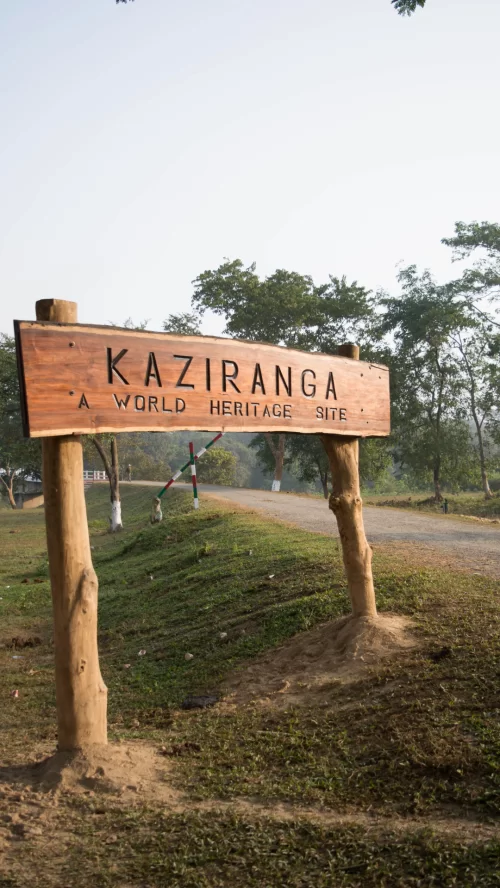
Dibrugarh is widely recognised as the Tea City of India and serves as one of the country's most important tea production centres. The district offers numerous tea estates where guided plantation walks, factory visits, and tea tasting sessions are available during the operational season. Jorhat combines tea tourism with educational opportunities because several tea research institutions and long-established estates are located here. Golaghat, situated close to Kaziranga National Park, provides visitors with the opportunity to combine wildlife tourism with plantation experiences, making it a popular stop on longer Assam itineraries.
Each district offers a slightly different perspective on Assam's tea industry. While Dibrugarh focuses heavily on production and plantation landscapes, Jorhat introduces visitors to tea research and heritage, and Golaghat combines tea cultivation with some of Assam's most famous natural attractions.
Travelling through these three tea-growing districts provides one of the most complete introductions to Assam's tea industry. Together, they showcase the region's agricultural heritage, natural beauty, and long-standing reputation for producing some of the world's finest black tea.
Many tea estates in Assam have developed organised visitor programmes that allow travellers to understand tea production in a structured and engaging manner. These tours usually begin with a walk through the tea gardens, where guides explain cultivation methods, seasonal harvesting, plantation maintenance, and the history of the estate. Visitors then continue to the processing factory, where different manufacturing stages are demonstrated through guided explanations and designated observation areas.
Educational experiences vary between tea estates, but many include demonstrations of tea leaf plucking, explanations of withering, rolling, oxidation, drying, grading, and packaging, followed by professional tea tasting sessions. Some heritage estates also introduce guests to colonial architecture, estate history, Assamese hospitality, and traditional plantation lifestyles. These programmes provide practical knowledge while ensuring that visitors remain safe and do not interfere with factory operations.
Families, students, photographers, and tea enthusiasts all benefit from these educational experiences because they combine agriculture, history, science, and culture within a single visit. Estate guides encourage questions throughout the tour, making the experience suitable even for first-time visitors with little prior knowledge of tea production.
Educational plantation tours offer much more than sightseeing. They provide visitors with valuable insight into the science, craftsmanship, and cultural importance of tea production while creating memorable experiences that highlight the unique identity of Assam's tea-growing regions.
Planning tea tourism according to transport routes helps visitors experience multiple tea-growing regions without unnecessary travel. Dibrugarh Airport and Jorhat Airport provide convenient access to Upper Assam, while National Highway networks connect major tea-producing districts with Guwahati, Kaziranga National Park, Sivasagar, Tinsukia, and Majuli Island. Most organised tea tourism itineraries begin in Dibrugarh or Jorhat before continuing towards nearby attractions.
Travellers with limited time may focus on a single tea-growing district, while longer itineraries allow exploration of several plantation regions. Combining plantation visits with wildlife safaris, cultural attractions, and heritage sites creates a balanced travel experience. Since some tea estates require prior permission or organised tours, advance planning is recommended, particularly during the peak tourist season.
| Tea Tourism Region | Nearest Access Point | Nearby Attractions |
|---|---|---|
| Dibrugarh | Dibrugarh Airport | Dibru Saikhowa, Tinsukia |
| Jorhat | Jorhat Airport | Majuli Island |
| Golaghat | Road access via Kaziranga | Kaziranga National Park |
Careful route planning allows visitors to maximise their tea tourism experience while comfortably exploring Assam's diverse attractions. By selecting destinations according to accessibility and nearby sightseeing opportunities, travellers can enjoy a rewarding journey through the heart of India's famous tea country.
Tea production in Assam continues for a significant part of the year, but the activities visitors witness vary according to the season. Every stage of tea cultivation, from the emergence of fresh shoots to harvesting and factory processing, follows a natural cycle influenced by rainfall, temperature, humidity, and daylight hours. Understanding these seasonal patterns helps travellers plan their visit when tea gardens are most active and educational experiences are at their best.
As temperatures begin rising after winter, tea bushes produce fresh new growth that marks the beginning of the harvesting season. Estate workers become increasingly active in the plantations, carefully plucking tender leaves and transporting them to nearby factories for immediate processing. During this period, visitors can observe the complete journey of tea production, including harvesting, factory operations, grading, and tea tasting sessions. The plantations appear vibrant with fresh green foliage, making it one of the most attractive periods for photography.
The monsoon months bring abundant rainfall that encourages rapid plant growth, resulting in lush landscapes across Assam's tea-growing districts. Although heavy showers may occasionally interrupt outdoor activities, the tea gardens remain extremely productive. Winter offers calmer plantation surroundings with pleasant temperatures, making it an excellent time for sightseeing, heritage stays, and learning about tea cultivation, even though harvesting activities may be less intensive than during peak production periods.
Every season offers a unique perspective on Assam's tea industry. Visitors interested in learning about cultivation and processing benefit from understanding the annual production cycle, allowing them to experience plantation life according to their travel interests and preferred weather conditions.
Although tea tourism can be enjoyed throughout much of the year, the most comfortable months for plantation visits generally fall between October and April. During this period, pleasant temperatures, lower humidity, and improved road conditions allow visitors to explore tea gardens comfortably while participating in guided walks, factory tours, and tea tasting experiences. Clear skies and soft sunlight also provide excellent conditions for landscape photography across Assam's scenic tea estates.
Travellers interested in witnessing active tea production often plan their visit during the harvesting season when plantation activities are at their busiest. Estate guides explain tea plucking, leaf transportation, and factory processing in real time, providing visitors with an authentic understanding of how Assam tea is produced. During the monsoon season, although rainfall becomes more frequent, the gardens display exceptional greenery and continue active production. Visitors travelling during this period should simply remain flexible with outdoor schedules and carry suitable rain protection.
Many heritage tea estates also receive a higher number of guests during the pleasant winter months, making advance accommodation bookings advisable. Planning travel according to both seasonal weather and tea production activities allows visitors to enjoy a richer and more rewarding experience.
Selecting the right travel period helps visitors enjoy every aspect of Assam tea tourism, from scenic plantation walks to educational factory visits. Matching your itinerary with seasonal activities creates a more complete understanding of the tea production process.
Planning a tea tourism itinerary requires consideration of both local weather conditions and estate operating schedules. Since tea estates remain active agricultural properties, guided plantation tours and factory visits are usually organised during working hours when production activities are taking place. Checking visitor timings in advance ensures that travellers can observe live tea processing rather than empty facilities after operational hours.
Weather also influences travel comfort across Assam. During the monsoon, occasional heavy rainfall may temporarily affect plantation walks or road journeys, while winter provides cooler temperatures ideal for outdoor exploration. Visitors should carry comfortable walking shoes, lightweight clothing suitable for humid conditions, sun protection, and rain gear depending on the season. Flexible travel planning allows adjustments if weather conditions change unexpectedly during the journey.
| Travel Factor | Planning Recommendation |
|---|---|
| Estate Timings | Visit during working hours for live production activities. |
| Weather | Check forecasts before travelling to tea-growing districts. |
| Accommodation | Book heritage tea estates during peak tourism months. |
| Clothing | Carry comfortable footwear and seasonal clothing. |
| Transportation | Allow extra travel time during the monsoon season. |
Careful planning allows travellers to experience Assam's tea industry at its most active while enjoying comfortable travel throughout the region. A well-organised itinerary ensures that plantation visits, factory tours, and sightseeing combine smoothly into a memorable tea tourism experience.
An Assam tea-making experience offers visitors the opportunity to witness one of the world's most respected agricultural industries from beginning to end. Starting in the lush tea plantations, travellers observe how carefully maintained tea bushes produce tender leaves that are harvested by skilled workers before being transported to nearby factories. Inside the factories, the leaves pass through withering, rolling, oxidation, drying, grading, and packaging before finally reaching professional tea tasting rooms where visitors sample the finished product.
Each stage demonstrates the combination of favourable natural conditions, scientific processing, and generations of expertise that have built Assam's international reputation. Rather than viewing tea simply as a beverage, visitors gain a comprehensive understanding of the planning, labour, and quality control involved in producing every batch. Guided tours, factory demonstrations, plantation walks, and tasting sessions together create one of Assam's most educational travel experiences.
Whether visiting historic estates in Dibrugarh, exploring plantations near Jorhat, or combining tea tourism with Kaziranga National Park, travellers leave with lasting memories of both the beautiful landscapes and the remarkable production process behind Assam tea.
Following the complete tea-making journey helps visitors appreciate why Assam remains one of the world's leading tea-producing regions. Every stage reveals the dedication, expertise, and heritage that contribute to the distinctive quality of Assam tea enjoyed across the globe.
A well-planned tea tourism itinerary becomes even more rewarding when combined with Assam's cultural, historical, and wildlife attractions. Visitors exploring Dibrugarh can continue towards Dibru Saikhowa National Park, while travellers staying in Jorhat often include Majuli Island in their journey. Those visiting Golaghat frequently combine plantation experiences with wildlife safaris in Kaziranga National Park, creating a balanced itinerary that showcases the diversity of Upper Assam.
Staying in heritage tea estate accommodations further enhances the experience by allowing visitors to enjoy plantation landscapes beyond daytime tours. Early morning walks, traditional Assamese cuisine, professional tea tasting sessions, and peaceful surroundings provide a slower pace of travel compared with conventional sightseeing. Combining these experiences with nearby heritage destinations creates a complete introduction to Assam's natural beauty and cultural identity.
Combining tea estates with nearby attractions creates a richer travel experience while reducing unnecessary travel. Visitors enjoy Assam's agriculture, wildlife, culture, and heritage together, making the journey more memorable and rewarding.
Preparing in advance ensures a smooth and enjoyable tea tourism experience. Visitors should plan estate visits during operational hours, wear comfortable footwear suitable for plantation walks, and carry light clothing appropriate for Assam's climate. Booking heritage accommodations and guided factory tours in advance is recommended, especially during the peak travel season. A camera, drinking water, sunscreen, and rain protection during the monsoon will further improve the overall experience.
Travellers should also remember that tea estates are active workplaces. Respecting plantation rules, following guide instructions, remaining within visitor areas, and behaving responsibly around workers and factory equipment contribute to a safe and meaningful visit. Taking time to participate in tea tasting sessions and asking questions throughout the tour greatly enhances understanding of the tea-making process.
By following this checklist and planning carefully, visitors can experience every important stage of Assam tea production while enjoying the region's beautiful landscapes and welcoming hospitality. The journey offers not only an understanding of tea manufacturing but also a deeper appreciation of one of Assam's most treasured traditions.


Get customized Assam tour planning designed around seasonal weather patterns, river conditions, wildlife safari timing, and realistic road travel flow. Whether you are visiting for national parks, tea estate stays, cultural experiences, spiritual sites, o
⚡ Quick Response | 💰 Free consultation | 🕒 24×7 expert support