


How Tea is Made in Assam – A Tourist's Guide
Understanding how tea is made in Assam allows travellers to explore plantations, learn traditional processing methods, and experience the journey from fresh tea leaves to the final product.
+91 9910402252
admin@chalbanjare.com


Kaziranga National Park is famous for its one-horned rhinoceros, diverse wildlife, grassland ecosystem, successful conservation efforts, and unforgettable safari experiences in Assam.
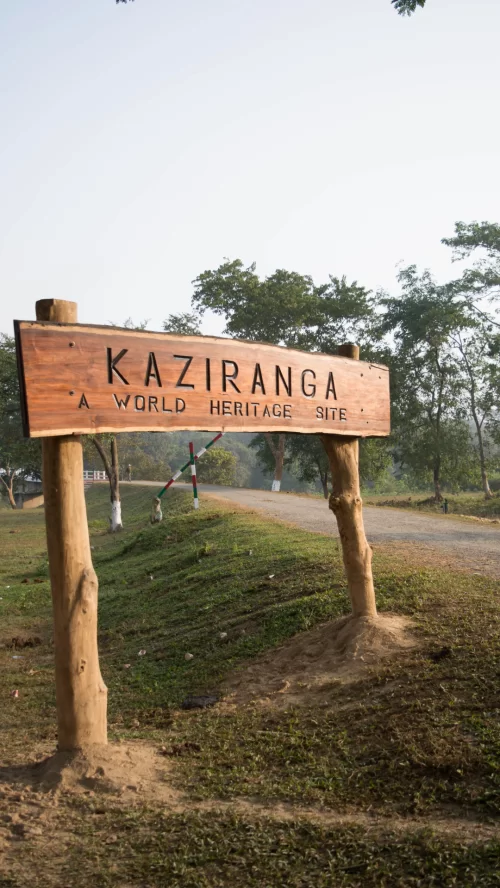
Kaziranga National Park is one of India's most celebrated wildlife destinations, attracting visitors from around the world for its remarkable biodiversity, scenic landscapes, and successful conservation achievements. Located in Assam, the park is recognised for protecting some of the country's most iconic wildlife while offering visitors unforgettable safari experiences through grasslands, wetlands, forests, and riverine habitats. Its rich natural environment makes Kaziranga a must-visit destination for wildlife enthusiasts, photographers, and nature lovers.
Unlike many other protected areas, Kaziranga combines exceptional wildlife density with excellent safari opportunities, allowing visitors to experience animals in their natural habitats. The park's varied ecosystems support numerous mammals, reptiles, birds, and aquatic species, making every safari unique. Its international recognition, conservation success, and natural beauty have firmly established Kaziranga among India's premier national parks.
Kaziranga's outstanding biodiversity and remarkable wildlife experiences continue to make it one of the country's most admired protected landscapes.
Its combination of wildlife conservation, scenic beauty, and unforgettable safari experiences makes Kaziranga one of India's finest national parks.
Kaziranga plays an essential role in protecting India's wildlife by conserving critical habitats that support numerous rare and endangered species. The park serves as a secure refuge where animals can thrive within carefully managed ecosystems. Continuous conservation initiatives have helped maintain healthy populations of mammals, birds, reptiles, and aquatic life while preserving the ecological balance of the region.
Habitat protection, scientific management, anti-poaching efforts, and sustainable tourism all contribute to Kaziranga's long-term conservation success. These combined efforts not only safeguard wildlife but also protect forests, wetlands, and grasslands that support the park's remarkable biodiversity. As a result, Kaziranga has become an internationally respected example of effective wildlife conservation.
The park's conservation achievements demonstrate how habitat protection and responsible management can successfully preserve biodiversity for future generations.
| Conservation Focus | Importance |
|---|---|
| Wildlife Protection | Safeguards endangered species. |
| Habitat Conservation | Maintains natural ecosystems. |
| Wetland Preservation | Supports aquatic biodiversity. |
| Grassland Management | Provides habitat for herbivores. |
| Sustainable Tourism | Encourages responsible conservation. |
Kaziranga's commitment to biodiversity protection continues to benefit wildlife while inspiring conservation efforts across India.
Several factors distinguish Kaziranga from other national parks in India. Its globally recognised conservation achievements, extensive grasslands, wetlands, and exceptionally high wildlife density create a safari experience unlike any other. The opportunity to observe iconic species within open landscapes significantly enhances wildlife viewing while allowing visitors to appreciate the park's ecological richness.
The coexistence of diverse ecosystems within a relatively compact protected area enables numerous species to flourish together. Combined with scenic river landscapes, seasonal wetlands, and excellent safari infrastructure, Kaziranga provides visitors with an outstanding introduction to India's natural heritage. Every safari offers new opportunities to witness wildlife behaviour within carefully protected habitats.
Kaziranga's remarkable ecosystems, conservation success, and outstanding wildlife diversity make it one of India's most exceptional national parks.
Its extraordinary combination of wildlife, landscapes, and conservation achievements ensures Kaziranga remains one of India's most remarkable protected areas.
Kaziranga National Park is internationally recognised as the most important stronghold of the greater one-horned rhinoceros. The park protects the world's largest population of this iconic species, making it the primary reason many travellers choose to visit Kaziranga. The open grasslands and wetlands provide ideal habitats where rhinos can be observed feeding, resting, and moving naturally across the landscape during safari excursions.
For wildlife enthusiasts and photographers, the opportunity to witness these magnificent animals in their natural environment is one of the most memorable experiences offered anywhere in India. Kaziranga's long-standing conservation success has transformed it into a global symbol of rhinoceros protection and wildlife preservation.
The one-horned rhinoceros remains the defining symbol of Kaziranga and the park's greatest international wildlife attraction.
Observing the one-horned rhinoceros in its natural habitat is one of the most unforgettable experiences available in Kaziranga National Park.
The remarkable recovery of the one-horned rhinoceros population reflects decades of dedicated conservation work within Kaziranga National Park. Continuous habitat management, strict wildlife protection measures, scientific monitoring, and anti-poaching initiatives have helped safeguard this endangered species while allowing its population to grow steadily over the years.
Park authorities, conservation organisations, local communities, and wildlife experts work together to maintain suitable habitats and minimise threats to the species. These long-term efforts have made Kaziranga one of the world's most successful examples of large mammal conservation and habitat protection.
The continued protection of the one-horned rhinoceros highlights the importance of long-term conservation and responsible wildlife management.
| Conservation Activity | Contribution |
|---|---|
| Habitat Protection | Maintains healthy rhino populations. |
| Anti-Poaching Measures | Protects endangered wildlife. |
| Wildlife Monitoring | Tracks population health. |
| Scientific Management | Supports long-term conservation. |
| Community Participation | Encourages sustainable protection. |
Kaziranga's conservation efforts continue to provide hope for the long-term survival of the greater one-horned rhinoceros.
Rhino sightings remain one of the biggest highlights of every Kaziranga safari. The park's extensive grasslands, wetlands, and open landscapes significantly improve the chances of observing these impressive animals throughout different safari zones. Visitors often witness rhinos grazing peacefully, cooling themselves in wetlands, or moving across open plains during wildlife excursions.
Although every safari experience is different, Kaziranga consistently provides excellent opportunities for observing rhinos because of its healthy wildlife population and well-managed habitats. Combined with sightings of elephants, deer, wild buffalo, and numerous bird species, rhino encounters create memorable experiences for visitors from around the world.
Rhino sightings remain one of the primary reasons why Kaziranga continues to attract wildlife lovers, photographers, and conservation enthusiasts every year.
Experiencing rhinos in their natural habitat perfectly showcases why Kaziranga National Park enjoys worldwide recognition among wildlife destinations.
Kaziranga National Park is home to an extraordinary variety of wildlife that extends far beyond its famous one-horned rhinoceros. Visitors exploring the park on safari have opportunities to observe Asian elephants, Royal Bengal tigers, wild water buffalo, swamp deer, hog deer, wild boar, primates, and numerous smaller mammals living within diverse natural habitats. The remarkable concentration of wildlife makes every safari unique, with different species appearing across grasslands, forests, wetlands, and riverbanks.
The park's rich biodiversity is supported by carefully protected ecosystems that provide food, water, shelter, and breeding grounds for numerous animal species. Each safari zone offers different wildlife viewing opportunities depending on habitat characteristics, seasonal conditions, and animal movement. This incredible diversity makes Kaziranga one of India's finest destinations for wildlife enthusiasts and photographers.
Observing multiple iconic species during a single safari is one of the reasons why Kaziranga continues to enjoy international recognition among wildlife destinations.
The exceptional variety of wildlife found throughout Kaziranga ensures that every safari delivers exciting and memorable nature experiences.
In addition to its famous mammals, Kaziranga supports an impressive diversity of birdlife that attracts birdwatchers from across India and around the world. The park's wetlands, grasslands, forests, and river systems provide ideal habitats for numerous resident and migratory birds throughout the year. Waterbirds, raptors, forest birds, and grassland specialists contribute to the remarkable avian diversity that enhances every safari experience.
Bird activity changes with seasons, making different times of the year rewarding for bird enthusiasts. Whether observing birds around wetlands, photographing colourful species, or listening to birdsong while exploring the park, visitors discover another fascinating dimension of Kaziranga's biodiversity beyond its larger mammals.
The rich birdlife adds tremendous ecological value to Kaziranga while creating rewarding opportunities for nature observation and wildlife photography.
| Habitat | Bird Activity |
|---|---|
| Wetlands | Waterbirds and aquatic species. |
| Grasslands | Ground-dwelling bird species. |
| Forests | Woodland and canopy birds. |
| Riverbanks | Wading and fishing birds. |
| Open Landscapes | Raptors and soaring birds. |
Kaziranga's impressive bird diversity makes it an equally rewarding destination for birdwatchers, photographers, and wildlife enthusiasts.
Kaziranga's remarkable biodiversity is possible because the park contains several interconnected ecosystems that together support a wide range of wildlife. Vast grasslands provide grazing areas for herbivores, wetlands supply water and aquatic habitats, forests offer shelter for numerous mammals and birds, while riverine environments contribute to the overall ecological balance of the park. These diverse habitats allow many species to coexist successfully within the protected landscape.
The interaction between these ecosystems creates a healthy environment where animals can feed, reproduce, migrate, and survive throughout changing seasons. Ongoing habitat management ensures these natural systems remain productive while supporting both common and endangered wildlife. Understanding this ecological balance helps visitors appreciate why protecting every habitat is essential for long-term conservation success.
The diversity of Kaziranga's ecosystems forms the foundation of its globally recognised wildlife population and extraordinary natural heritage.
The close relationship between Kaziranga's ecosystems and wildlife highlights the importance of protecting every natural habitat within the park.
Kaziranga National Park is renowned for its remarkable landscape diversity, where expansive grasslands, dense forests, seasonal wetlands, river channels, and open floodplains combine to create one of India's richest wildlife habitats. These varied environments support different species while allowing animals to move naturally between habitats according to food availability, breeding needs, and seasonal changes.
The constantly evolving landscape shaped by the Brahmaputra River contributes significantly to the ecological richness of the park. Seasonal flooding renews grasslands, replenishes wetlands, and maintains fertile habitats that support countless species throughout the year. This dynamic natural environment is one of the defining features that distinguishes Kaziranga from many other protected areas.
The diversity of Kaziranga's landscapes creates ideal living conditions for wildlife while contributing to the park's exceptional ecological importance.
The park's varied landscapes provide the ecological foundation that supports Kaziranga's extraordinary biodiversity and conservation success.
Grasslands and wetlands are among the most important habitats within Kaziranga because they provide food, shelter, and breeding areas for numerous animal species. Herbivores depend on nutrient-rich grasslands for grazing, while wetlands support aquatic plants, fish, reptiles, amphibians, birds, and mammals. Together, these habitats create a balanced ecosystem that sustains wildlife throughout the year.
Seasonal flooding enriches these habitats by depositing fresh nutrients that encourage healthy vegetation growth. This natural cycle maintains productive ecosystems capable of supporting large populations of grazing animals, predators, and aquatic life. Visitors exploring the park can easily observe how these interconnected habitats contribute to the remarkable abundance of wildlife.
The relationship between grasslands and wetlands plays a crucial role in maintaining Kaziranga's thriving wildlife populations.
| Ecosystem | Wildlife Benefit |
|---|---|
| Grasslands | Food for grazing mammals. |
| Wetlands | Supports aquatic biodiversity. |
| River Channels | Provide freshwater resources. |
| Floodplains | Renew fertile habitats. |
| Forest Edges | Shelter for numerous species. |
The interaction between these ecosystems creates one of India's richest wildlife habitats while supporting remarkable biodiversity.
The long-term survival of Kaziranga's wildlife depends on protecting its natural ecosystems from environmental threats and human disturbance. Healthy grasslands, forests, wetlands, and river systems work together to sustain countless species while maintaining ecological balance throughout the park. Conservation efforts therefore focus not only on protecting individual animals but also on preserving the habitats that support them.
Habitat conservation benefits future generations by ensuring that wildlife continues to thrive within secure natural environments. Responsible tourism, scientific management, habitat restoration, and community participation all contribute to maintaining these valuable ecosystems. Visitors who understand the importance of ecosystem conservation gain a deeper appreciation for Kaziranga's global significance.
Protecting Kaziranga's ecosystems safeguards its remarkable biodiversity while ensuring that future visitors can continue experiencing one of India's greatest wildlife destinations.
Conserving Kaziranga's ecosystems remains essential for protecting its wildlife, biodiversity, and internationally recognised natural heritage.
A safari through Kaziranga National Park is the highlight of every visit, offering travellers an opportunity to observe wildlife in its natural habitat while exploring the park's spectacular landscapes. Jeep safaris cover larger areas of the park through designated routes, allowing visitors to experience grasslands, wetlands, forests, and riverine habitats. Elephant safaris, conducted in selected areas, provide a quieter and more intimate wildlife viewing experience during the early hours of the day.
Both safari options offer unique advantages depending on personal interests. Jeep safaris are ideal for covering greater distances and visiting multiple habitats, while elephant safaris provide elevated views across grasslands where wildlife may be easier to observe. Together, these experiences allow visitors to appreciate Kaziranga's extraordinary biodiversity from different perspectives while enjoying safe and well-managed wildlife exploration.
Choosing one or both safari experiences greatly enhances the opportunity to appreciate Kaziranga's remarkable wildlife and scenic beauty.
Both safari options provide unforgettable opportunities to experience Kaziranga's wildlife while exploring its beautiful natural landscapes.
Kaziranga National Park is divided into multiple safari zones, each offering its own landscape characteristics and wildlife viewing opportunities. Some zones feature extensive grasslands where herbivores are commonly observed, while others include wetlands, forests, and river systems that attract different species throughout the year. Exploring different zones increases the variety of wildlife encounters during a visit.
Every safari is unique because animal movements depend on habitat conditions, weather, and natural behaviour. Visiting more than one safari zone allows travellers to experience different ecosystems while increasing opportunities to observe rhinos, elephants, deer, birds, wild buffalo, and occasionally large predators. The diversity of habitats ensures that every zone contributes something special to the overall safari experience.
Exploring multiple safari zones offers visitors a broader understanding of Kaziranga's remarkable biodiversity and natural ecosystems.
| Safari Zone Feature | Experience |
|---|---|
| Grasslands | Excellent herbivore sightings. |
| Wetlands | Birdlife and aquatic wildlife. |
| Forest Areas | Diverse mammal habitats. |
| Riverine Sections | Scenic landscapes and wildlife. |
| Multiple Zones | Greater wildlife diversity. |
Visiting different safari zones provides a richer wildlife experience while showcasing the ecological diversity of Kaziranga National Park.
Safaris remain the safest and most effective way to experience Kaziranga National Park because they allow visitors to explore protected habitats under carefully managed conditions. Designated safari routes minimise disturbance to wildlife while providing excellent opportunities to observe animals behaving naturally within their environment. Experienced guides also help visitors identify species and understand the ecological importance of the park.
Unlike ordinary sightseeing, safaris immerse travellers in the natural surroundings where every journey offers new wildlife encounters and scenic landscapes. The combination of open grasslands, wetlands, forests, and riverbanks ensures that each safari provides a unique experience, making repeated visits equally rewarding. For most visitors, the safari becomes the defining memory of their trip to Kaziranga.
A well-planned safari allows travellers to experience Kaziranga's wildlife responsibly while appreciating one of India's finest protected natural environments.
Safari experiences combine adventure, education, and conservation, making them the most rewarding way to explore Kaziranga National Park.
Although Kaziranga National Park is internationally famous for its one-horned rhinoceros, it also serves as one of India's most significant habitats for the Royal Bengal tiger. The park's extensive grasslands, forests, wetlands, and abundant prey populations create favourable conditions that support a healthy tiger population. This ecological richness has strengthened Kaziranga's reputation as an important landscape for large carnivore conservation.
The availability of natural prey species and well-protected habitats allows tigers to thrive while maintaining the ecological balance of the park. As apex predators, tigers play an essential role in regulating wildlife populations and preserving healthy ecosystems. Their presence reflects the overall health and stability of Kaziranga's natural environment.
Kaziranga's thriving tiger habitat highlights the park's ecological importance beyond its globally recognised rhinoceros population.
The presence of tigers demonstrates the strength of Kaziranga's ecosystems and its success in conserving diverse wildlife.
While tiger sightings are never guaranteed, visitors occasionally encounter these elusive predators during jeep safaris in suitable habitats. The excitement of searching for one of India's most iconic big cats adds another dimension to the Kaziranga safari experience. In addition to tigers, visitors may observe other predators and carnivorous species that contribute to the park's balanced ecosystem.
Wildlife sightings depend on many natural factors including animal behaviour, habitat conditions, weather, and time of day. Even when tigers remain hidden, the possibility of encountering one enhances the excitement of every safari. The diversity of wildlife ensures that every expedition offers memorable experiences regardless of which species are observed.
The possibility of spotting a tiger adds excitement and anticipation to every wildlife safari through Kaziranga National Park.
| Wildlife Experience | Observation Opportunity |
|---|---|
| Tiger | Occasional sightings during safaris. |
| Predators | Natural wildlife encounters. |
| Herbivores | Frequently observed across habitats. |
| Birdlife | Visible throughout the park. |
| Safari Experience | Every journey remains unique. |
Every safari provides exciting opportunities to observe Kaziranga's remarkable wildlife while respecting the unpredictable nature of wild animals.
Wildlife visibility in Kaziranga depends on several natural factors including weather, vegetation, water availability, animal movement, and the time of day. Since wild animals roam freely throughout the park, sightings vary from one safari to another. Early morning and suitable weather conditions often provide excellent opportunities for observing wildlife while temperatures remain comfortable for many species.
Visitors should approach every safari with realistic expectations, appreciating that wildlife viewing is based on natural behaviour rather than certainty. Experienced guides monitor recent animal movements and habitat conditions to improve viewing opportunities, but every safari remains a unique adventure shaped by nature itself.
Understanding the natural factors that influence wildlife sightings helps visitors appreciate every safari experience while respecting the behaviour of wild animals.
Accepting the unpredictable nature of wildlife viewing allows visitors to enjoy every safari while appreciating Kaziranga's remarkable natural ecosystems.
Kaziranga National Park is one of India's most rewarding destinations for birdwatching, supporting an impressive variety of bird species across its grasslands, wetlands, forests, and riverine habitats. The rich ecological diversity of the park creates ideal conditions for numerous resident and seasonal birds, making every safari an exciting opportunity for bird enthusiasts. Whether you are an experienced birder or a casual nature lover, Kaziranga offers excellent opportunities to observe colourful and fascinating birdlife.
Different habitats attract different groups of birds throughout the year. Wetlands support aquatic birds, grasslands provide shelter for ground-dwelling species, while forests and woodland areas host numerous songbirds and raptors. This remarkable habitat diversity makes Kaziranga one of Northeast India's leading birdwatching destinations and adds another dimension to the overall wildlife experience.
The abundance of birdlife enhances every safari, allowing visitors to appreciate Kaziranga's extraordinary biodiversity beyond its famous large mammals.
Kaziranga's rich bird population offers unforgettable opportunities for wildlife observation while complementing the park's famous safari experiences.
One of the highlights of birdwatching in Kaziranga is the opportunity to observe both resident and migratory bird species throughout different seasons. Permanent residents occupy the park year-round, while migratory birds arrive during favourable seasons, increasing the diversity of species visible across wetlands, riverbanks, grasslands, and open water bodies.
The arrival of migratory birds creates exciting opportunities for photographers and birdwatchers to experience changing wildlife throughout the year. Seasonal movements contribute significantly to the ecological richness of the park while demonstrating the importance of Kaziranga's protected wetlands and natural habitats within larger migratory bird routes.
The combination of resident and migratory birds makes Kaziranga a dynamic destination where every season offers unique birdwatching opportunities.
| Bird Category | Typical Habitat |
|---|---|
| Resident Birds | Grasslands, forests, and wetlands. |
| Migratory Birds | Wetlands and open water areas. |
| Waterbirds | Lakes, marshes, and riverbanks. |
| Raptors | Open landscapes and woodland edges. |
| Forest Birds | Dense woodland habitats. |
The seasonal arrival of migratory birds further strengthens Kaziranga's reputation as one of India's premier birdwatching destinations.
Kaziranga offers exceptional opportunities for wildlife photography and nature observation because birds can be found across almost every ecosystem within the park. Early morning safaris often provide beautiful natural lighting, active bird behaviour, and peaceful surroundings that create ideal conditions for photography. The combination of colourful birds, scenic wetlands, and open grasslands results in spectacular photographic opportunities.
Even visitors without professional photography equipment can enjoy observing birds through binoculars while learning about their habitats and behaviours. Patience, quiet observation, and respect for wildlife greatly enhance the overall experience. Birdwatching also encourages visitors to appreciate the smaller details of Kaziranga's ecosystems beyond its famous mammals.
Photography and bird observation provide peaceful yet rewarding experiences that beautifully complement Kaziranga's wildlife safaris.
Birdwatching adds depth to every Kaziranga visit while allowing travellers to experience the park's remarkable ecological diversity from a different perspective.
Kaziranga National Park is internationally recognised as one of India's greatest wildlife conservation success stories. Decades of dedicated habitat management, scientific research, wildlife monitoring, and environmental protection have transformed the park into one of the world's most successful examples of biodiversity conservation. These continuous efforts have enabled numerous species to thrive within carefully protected natural ecosystems.
Protecting grasslands, forests, wetlands, and river systems remains equally important because healthy habitats provide food, shelter, breeding areas, and migration routes for countless species. Conservation in Kaziranga therefore focuses on preserving complete ecosystems rather than protecting individual animals alone. This integrated approach has contributed significantly to the park's global reputation.
Kaziranga's long-term conservation efforts demonstrate how effective habitat protection can secure the future of wildlife and biodiversity.
Protecting entire ecosystems ensures Kaziranga remains one of India's most successful wildlife conservation landscapes.
Anti-poaching initiatives play a vital role in protecting Kaziranga's valuable wildlife populations, particularly endangered species such as the greater one-horned rhinoceros. Continuous surveillance, dedicated forest personnel, modern monitoring techniques, and coordinated conservation strategies help reduce threats while maintaining a safe environment for wildlife across the park.
These protection measures strengthen conservation efforts by discouraging illegal activities and ensuring that animals can thrive within secure habitats. Effective anti-poaching operations have become one of the major reasons behind Kaziranga's remarkable conservation achievements and international recognition as a successful protected area.
Strong anti-poaching efforts continue to safeguard Kaziranga's wildlife while supporting long-term biodiversity conservation across the park.
| Protection Measure | Purpose |
|---|---|
| Forest Patrols | Protect wildlife habitats. |
| Monitoring Systems | Track conservation activities. |
| Wildlife Surveillance | Reduce illegal threats. |
| Habitat Protection | Maintain biodiversity. |
| Conservation Management | Support long-term wildlife survival. |
Consistent wildlife protection measures remain essential for preserving Kaziranga's internationally significant biodiversity.
Responsible tourism contributes positively to Kaziranga's long-term conservation by increasing awareness about wildlife protection while supporting sustainable management of the park. Visitors who participate in regulated safaris gain a deeper understanding of biodiversity conservation and the importance of protecting natural ecosystems for future generations.
Tourism also benefits nearby communities by encouraging nature-based livelihoods, promoting environmental awareness, and strengthening support for wildlife conservation initiatives. When visitors follow park regulations and respect wildlife, tourism becomes an important partner in preserving Kaziranga's natural heritage. Responsible travel helps ensure that both wildlife and local communities benefit from conservation efforts.
Sustainable tourism strengthens conservation while allowing visitors to experience Kaziranga's remarkable wildlife in a responsible and meaningful way.
Responsible tourism helps preserve Kaziranga National Park while ensuring future generations can continue enjoying its extraordinary wildlife and biodiversity.
Seasonal changes play an important role in shaping the overall experience at Kaziranga National Park. The park's grasslands, wetlands, forests, and river systems undergo natural transformations throughout the year, influencing wildlife movement, vegetation, water levels, and safari conditions. Understanding these seasonal variations helps travellers choose the most suitable time for wildlife observation and outdoor exploration.
As weather conditions change, animals adjust their daily behaviour and habitat use according to the availability of food, water, and shelter. Visitors who plan their journey with seasonal conditions in mind often enjoy more comfortable safaris, improved photography opportunities, and a better appreciation of Kaziranga's dynamic ecosystems. Careful timing enhances both wildlife viewing and the overall travel experience.
Planning according to seasonal conditions allows visitors to experience Kaziranga's remarkable biodiversity while enjoying safe and comfortable safari adventures.
Understanding seasonal variations helps visitors experience Kaziranga National Park at its most rewarding while appreciating its ever-changing natural beauty.
Choosing the right time for a visit significantly enhances the overall Kaziranga experience. Different periods of the tourism season offer favourable conditions for jeep safaris, elephant safaris, birdwatching, wildlife photography, and nature observation. Visitors should plan their itinerary according to the park's operating season and expected weather conditions to maximise sightseeing opportunities.
Nature lovers, photographers, and wildlife enthusiasts often select travel dates based on their preferred activities. Comfortable temperatures, accessible safari routes, and active wildlife all contribute to a rewarding visit. Planning in advance also improves accommodation availability and provides greater flexibility when booking safari sessions across different park zones.
Selecting suitable travel months allows visitors to enjoy Kaziranga's wildlife, landscapes, and outdoor activities under favourable conditions.
| Activity | Planning Consideration |
|---|---|
| Jeep Safari | Choose the operational tourism season. |
| Elephant Safari | Book according to availability. |
| Birdwatching | Consider seasonal bird activity. |
| Photography | Select comfortable weather conditions. |
| Nature Exploration | Plan around favourable park conditions. |
Good seasonal planning ensures visitors experience Kaziranga's wildlife and landscapes under enjoyable travel conditions.
Weather conditions influence safari schedules, road accessibility, wildlife visibility, and visitor comfort throughout Kaziranga National Park. Before finalising travel plans, visitors should check current weather forecasts, park operating schedules, and local travel conditions. This preparation helps minimise unexpected disruptions while ensuring a smooth wildlife experience.
Flexible planning is particularly beneficial because weather patterns can occasionally influence daily safari operations. Travellers should also pack suitable clothing for early morning safaris, comfortable walking footwear, and protective gear according to the expected climate. Proper preparation allows visitors to enjoy every aspect of the park while remaining comfortable throughout their journey.
Planning visits according to weather and park conditions creates a safer, more enjoyable, and well-organised wildlife holiday.
Careful preparation according to weather and park conditions helps visitors make the most of every safari experience in Kaziranga.
One of the most common mistakes travellers make is planning a visit to Kaziranga National Park without confirming safari availability and the park's operational season. Safari timings, entry schedules, and visitor access depend on seasonal conditions and park management decisions. Travelling without verifying this information may lead to disappointment if preferred safari sessions are unavailable or certain areas remain inaccessible.
Visitors should always check official safari schedules, accommodation availability, and local travel conditions before finalising their itinerary. Booking safari sessions in advance is particularly important during popular travel periods when visitor demand is high. Careful planning allows travellers to secure preferred safari timings while enjoying a smooth and organised wildlife experience.
Verifying safari availability before travelling ensures visitors can fully enjoy Kaziranga's famous wildlife experiences without unnecessary scheduling problems.
Good preparation helps visitors maximise their wildlife experience while avoiding preventable travel inconveniences during their Kaziranga holiday.
Advance planning significantly improves the overall travel experience at Kaziranga National Park. Organising accommodation, transportation, safari bookings, and daily schedules before arrival allows visitors to spend more time enjoying wildlife rather than arranging logistics. Early preparation is especially valuable for travellers visiting during busy tourism periods when accommodation and safari slots fill quickly.
Planning ahead also provides flexibility to compare accommodation options, choose preferred safari zones, and organise comfortable road journeys. Visitors who prepare their itinerary in advance generally experience a more relaxed holiday with fewer unexpected disruptions. A well-organised plan creates the foundation for a memorable wildlife adventure.
Thoughtful advance planning allows travellers to explore Kaziranga comfortably while making the most of every safari opportunity.
| Planning Item | Benefit |
|---|---|
| Accommodation | Greater choice of stays. |
| Safari Booking | Preferred timing availability. |
| Transportation | Smoother regional travel. |
| Travel Schedule | Better sightseeing balance. |
| Overall Itinerary | Reduced travel stress. |
Preparing every aspect of the journey before departure helps visitors enjoy a smooth, organised, and rewarding experience in Kaziranga National Park.
Although Kaziranga is one of India's best wildlife destinations, visitors should remember that wildlife sightings are never guaranteed. Animals move freely across large natural habitats, and their behaviour depends on weather, habitat conditions, food availability, and natural instincts. Every safari therefore offers a unique experience that cannot be predicted in advance.
Travellers who approach their safari with realistic expectations often enjoy the experience much more because they appreciate the entire ecosystem rather than focusing only on a single species. Observing birds, wetlands, grasslands, forests, reptiles, and a variety of mammals creates a richer understanding of the park's biodiversity. Every safari becomes memorable even when certain animals remain hidden.
Respecting the unpredictable nature of wildlife makes every Kaziranga safari an authentic and rewarding encounter with nature.
Accepting that wildlife sightings depend on nature allows visitors to fully appreciate the beauty, diversity, and authenticity of Kaziranga National Park.
Kaziranga National Park offers much more than exciting wildlife safaris. It represents one of India's greatest conservation achievements, where successful habitat protection and responsible tourism work together to preserve extraordinary biodiversity. Visitors who understand the park's conservation significance gain a deeper appreciation for every safari while recognising the importance of protecting endangered species and natural ecosystems.
Combining wildlife observation with an understanding of conservation efforts transforms a simple safari into a meaningful educational experience. Every journey through Kaziranga's grasslands, wetlands, and forests highlights the close relationship between healthy ecosystems and thriving wildlife populations. This combination of adventure and conservation makes Kaziranga one of India's most inspiring national parks.
Experiencing both wildlife and conservation together provides visitors with a complete understanding of why Kaziranga enjoys worldwide recognition.
Understanding Kaziranga's conservation story enriches every safari while highlighting the importance of preserving India's remarkable wildlife heritage.
Careful preparation before visiting Kaziranga ensures a comfortable and well-organised wildlife holiday. Travellers should arrange accommodation close to the preferred safari zones, organise transportation in advance, and reserve safari sessions according to their travel schedule. Completing these arrangements before arrival reduces unnecessary stress and allows more time to enjoy the park's natural attractions.
Visitors should also prepare suitable clothing for outdoor activities, carry essential travel documents, and allow flexibility for weather conditions and safari timings. Organising the itinerary carefully helps maximise sightseeing opportunities while creating a relaxed pace throughout the journey. Good planning ensures every aspect of the visit runs smoothly.
Advance preparation allows visitors to experience Kaziranga comfortably while making the most of every wildlife and nature activity available.
| Travel Planning | Recommendation |
|---|---|
| Accommodation | Book near safari entry points. |
| Transportation | Arrange travel before arrival. |
| Safari | Reserve preferred sessions early. |
| Packing | Carry suitable outdoor clothing. |
| Daily Itinerary | Balance activities and relaxation. |
Thoughtful planning allows travellers to enjoy Kaziranga's wildlife, landscapes, and conservation experiences without unnecessary travel concerns.
Before beginning your journey, review every aspect of your travel plan to ensure a smooth and enjoyable visit. Confirm accommodation reservations, transportation arrangements, safari bookings, weather forecasts, and important travel documents. Packing comfortable clothing, binoculars, cameras, and personal essentials also enhances the overall wildlife experience while preparing you for outdoor exploration.
Most importantly, approach every safari with patience and respect for nature. Appreciate the park's remarkable biodiversity, observe wildlife responsibly, follow park regulations, and support conservation through responsible tourism. These simple preparations allow visitors to fully understand why Kaziranga National Park is regarded as one of India's greatest wildlife destinations and an internationally respected conservation success story.
A well-prepared itinerary and a responsible attitude ensure visitors experience everything that makes Kaziranga National Park truly famous across the world.
Following this final checklist helps travellers experience Kaziranga National Park safely, comfortably, and responsibly while discovering the extraordinary wildlife and conservation achievements that make it famous worldwide.


Get customized Assam tour planning designed around seasonal weather patterns, river conditions, wildlife safari timing, and realistic road travel flow. Whether you are visiting for national parks, tea estate stays, cultural experiences, spiritual sites, o
⚡ Quick Response | 💰 Free consultation | 🕒 24×7 expert support