
How Tea is Made in Assam – A Tourist's Guide
Understanding how tea is made in Assam allows travellers to explore plantations, learn traditional processing methods, and experience the journey from fresh tea leaves to the final product.
+91 9910402252
admin@chalbanjare.com


Assam becomes lush and scenic during the monsoon season, but heavy rainfall, flooding in certain regions and weather-related travel disruptions can make travel challenging for some visitors.
Monsoon significantly changes the travel experience across Assam. The state receives substantial rainfall during the season, transforming tea gardens, forests, wetlands, rivers, and countryside landscapes into lush green environments. While this creates beautiful scenery, it also affects transportation, sightseeing schedules, wildlife tourism, and outdoor activities. Travelers should understand that monsoon travel focuses more on experiencing nature and seasonal landscapes rather than uninterrupted sightseeing.
The Brahmaputra River and its tributaries become more active during this period, influencing many parts of the state. Rainfall supports the ecological systems that make Assam famous, but it can also create temporary travel challenges in certain regions. Visitors should expect a slower travel pace and be prepared for changing weather conditions throughout their journey.
Understanding these seasonal changes helps travelers approach monsoon travel with realistic expectations and enjoy the unique beauty that Assam offers during the rainy season.
The most common challenge travelers encounter during monsoon is frequent rainfall. Rain showers can occur unexpectedly and may vary from light drizzle to heavy downpours. Travelers spending significant time outdoors often need waterproof clothing, rain protection, and flexible sightseeing plans.
Humidity is another factor that influences comfort levels. The combination of warm temperatures and moisture can make outdoor exploration more physically demanding than during cooler seasons. Travelers who are sensitive to humid conditions may find extended sightseeing less comfortable.
Weather can also influence transportation. Although major routes generally remain functional, occasional delays, slower driving conditions, and temporary disruptions may occur depending on local rainfall intensity and regional conditions.
These challenges do not prevent travel but require realistic expectations and proper preparation. Travelers who plan accordingly often enjoy a smoother monsoon experience.
The key to enjoying Assam during monsoon is understanding that the season offers a different type of travel experience. Travelers expecting uninterrupted sightseeing, perfect weather, and highly predictable schedules may find the season challenging. Those who appreciate nature, greenery, and slower-paced exploration often find it highly rewarding.
Monsoon should be viewed as a season of landscapes and environmental beauty rather than a season focused entirely on convenience. Visitors should allow additional travel time, avoid overpacked itineraries, and remain open to adjustments when weather conditions change.
| Expectation | Monsoon Reality |
|---|---|
| Weather | Frequent rainfall and changing conditions. |
| Sightseeing | May require flexible planning. |
| Landscapes | Exceptionally green and scenic. |
| Travel Pace | Generally slower than winter. |
| Outdoor Activities | Weather dependent. |
| Nature Experiences | Excellent during monsoon. |
Travelers who approach monsoon with realistic expectations are often rewarded with beautiful scenery, fewer crowds, and a deeper appreciation of Assam's natural environment.
Travelers who strongly dislike rainy weather may find Assam's monsoon season challenging. Rainfall is a defining characteristic of this period, and outdoor sightseeing frequently occurs alongside changing weather conditions. Visitors should expect occasional interruptions to walking tours, photography sessions, tea garden visits, and nature exploration.
Unlike destinations where rainfall is limited to brief periods, Assam's monsoon can produce extended wet conditions over multiple days. Although rain does not fall continuously, visitors often need to carry umbrellas, rain jackets, and waterproof footwear throughout the trip.
Travelers who prefer consistently dry weather generally enjoy Assam more during cooler months when outdoor activities are easier to plan and weather conditions are more predictable.
Daily itineraries often require adjustments during monsoon because weather conditions can change unexpectedly. Sightseeing plans may need to be rearranged, outdoor activities postponed, or travel schedules modified to accommodate rainfall patterns. Travelers who prefer strict schedules may find this unpredictability frustrating.
Long road journeys can occasionally take more time because of reduced visibility and slower driving conditions. While major tourism routes generally remain operational, travel efficiency is often lower than during winter months.
Travelers who enjoy structured schedules should consider whether they are comfortable adapting to weather-related changes before planning a monsoon visit.
Monsoon travel is not ideal for everyone. Travelers who prioritize convenience, predictable weather, and uninterrupted sightseeing may enjoy Assam more during winter. Those who appreciate lush landscapes and do not mind occasional disruptions are generally better suited to monsoon travel.
The decision should be based on personal tolerance for rainy conditions. Visitors who enjoy the atmosphere created by rainfall often find the season rewarding, while those who dislike wet weather frequently prefer alternative travel periods.
| Traveler Preference | Monsoon Suitability |
|---|---|
| Loves Green Landscapes | Excellent |
| Dislikes Rain | Limited |
| Flexible Itinerary | Excellent |
| Strict Schedule | Moderate |
| Nature Focused Travel | Excellent |
| Comfort Focused Travel | Moderate |
Travelers uncomfortable with regular rainfall should carefully evaluate whether monsoon conditions align with their travel style before choosing this season for an Assam trip.
Senior citizens can certainly travel to Assam during the monsoon season, but prolonged wet weather may create additional challenges compared to cooler and drier months. Frequent rainfall often results in slippery walking surfaces, muddy pathways, wet staircases, and uneven ground around outdoor attractions. These conditions can increase discomfort and require greater caution while moving between sightseeing locations.
Destinations such as tea gardens, river viewpoints, rural attractions, and nature-based sites may become more difficult to explore during periods of heavy rainfall. Even when accessibility remains good, travelers may need to walk more carefully and allow additional time for movement. For senior visitors who already experience mobility limitations, these factors can make sightseeing more physically demanding.
Weather-related travel delays may also extend daily schedules. Longer road journeys and waiting periods caused by rainfall can create additional fatigue, particularly during multi-destination itineraries. Travelers should consider these realities when evaluating whether monsoon travel is suitable for their comfort level.
Senior travelers who prefer easy movement and predictable travel conditions often find winter more comfortable. Monsoon remains possible but generally requires additional preparation and realistic expectations.
Comfort becomes especially important for senior travelers during monsoon because weather conditions can influence energy levels throughout the day. High humidity, periodic rainfall, and changing temperatures may make outdoor exploration feel more demanding than during cooler months. Planning shorter sightseeing days and allowing adequate rest periods can significantly improve the overall experience.
Many of Assam's attractions involve outdoor environments, including tea plantations, wildlife destinations, riverfront areas, and cultural sites. Senior visitors may benefit from prioritizing destinations with easy accessibility and comfortable transportation arrangements. Choosing accommodation close to major attractions can also reduce unnecessary travel fatigue.
Proper clothing, waterproof footwear, and weather protection become especially valuable during this season. Maintaining comfort throughout the journey helps ensure that visitors can enjoy the destination without becoming overwhelmed by environmental conditions.
With thoughtful planning, many senior travelers can still enjoy Assam during monsoon. However, those seeking maximum comfort often prefer traveling during drier seasons when conditions are easier and more predictable.
Senior citizens with mobility concerns, joint discomfort, or health conditions that are affected by humidity should carefully evaluate monsoon travel before finalizing plans. The season does not make travel impossible, but it can introduce limitations that are less noticeable during winter or post-monsoon periods.
Travelers should consider the amount of walking involved, expected weather conditions, transportation requirements, and personal health needs before selecting an itinerary. Flexible planning becomes particularly important because weather-related changes can occasionally affect sightseeing schedules.
| Travel Factor | Monsoon Consideration |
|---|---|
| Walking Conditions | Can become slippery during rainfall. |
| Humidity Levels | Often higher than winter months. |
| Travel Comfort | Depends on weather tolerance. |
| Outdoor Sightseeing | May require additional caution. |
| Road Travel | Occasionally slower during heavy rain. |
| Schedule Flexibility | Highly recommended. |
Senior travelers who value convenience and comfort often choose winter, while those comfortable with changing conditions can still enjoy Assam's monsoon beauty with careful planning and realistic expectations.
Families traveling with infants and toddlers may find Assam's monsoon season more challenging than other times of the year. Frequent rainfall often means carrying additional supplies, managing wet clothing, protecting strollers and bags, and adjusting outdoor plans throughout the journey. Parents frequently need to dedicate more attention to weather-related logistics than they would during drier seasons.
Young children generally spend more time outdoors during family vacations, but monsoon weather can occasionally limit these opportunities. Rainfall may shorten sightseeing sessions, reduce the amount of time spent at outdoor attractions, and require families to seek shelter unexpectedly. These interruptions can affect the overall rhythm of the trip.
The combination of rain, humidity, and changing weather conditions may also make longer sightseeing days less comfortable for infants and toddlers. Families planning monsoon travel should allow extra flexibility and avoid overly ambitious schedules.
Parents who prefer simple and predictable travel conditions often find winter easier. Monsoon travel remains possible, but it generally requires more planning and adaptability when traveling with very young children.
Heavy rainfall occasionally affects transportation schedules, sightseeing opportunities, and outdoor activities across Assam. While major tourism routes usually remain accessible, weather-related delays can still occur. Families traveling with infants and toddlers may find these disruptions more challenging because young children often respond less comfortably to extended travel times and unexpected schedule changes.
Road journeys may occasionally take longer during periods of heavy rain, and some outdoor attractions may become less enjoyable when weather conditions deteriorate. Families should therefore avoid tightly packed itineraries and allow additional time between destinations.
Accommodation selection becomes particularly important during monsoon travel. Comfortable hotels and resorts with family-friendly facilities can provide valuable flexibility when weather conditions limit outdoor activities for part of the day.
Families who understand and prepare for these realities often enjoy smoother monsoon trips. The key is maintaining realistic expectations and avoiding excessive daily travel commitments.
For many families traveling with infants and toddlers, winter is often considered the more comfortable season for visiting Assam. Cooler temperatures, lower humidity, easier sightseeing conditions, and more predictable weather allow parents to focus on enjoying attractions rather than managing environmental challenges.
Monsoon may still appeal to families who enjoy lush landscapes and quieter travel environments, but it generally requires greater flexibility and patience. Parents should carefully consider the age of their children, travel style, and comfort expectations before deciding on a monsoon itinerary.
| Family Travel Factor | Monsoon Reality |
|---|---|
| Outdoor Comfort | Moderate |
| Weather Predictability | Variable |
| Travel Flexibility Needed | High |
| Sightseeing Convenience | Moderate |
| Landscape Beauty | Excellent |
| Family Comfort | Depends on weather tolerance. |
Families seeking maximum comfort often choose winter, while those comfortable with changing weather conditions may still enjoy the greenery and peaceful atmosphere that monsoon brings to Assam. The decision ultimately depends on family priorities and travel expectations.
Humidity is one of the most noticeable characteristics of Assam's monsoon season. As rainfall increases across the region, moisture levels in the air rise significantly, creating a climate that feels very different from the cooler and drier months. Travelers who are accustomed to low-humidity destinations may find the weather noticeably heavier, particularly during long periods outdoors.
The combination of rainfall, river systems, wetlands, forests, and agricultural landscapes contributes to the high humidity levels experienced across much of the state. While this moisture supports the lush greenery and biodiversity that define Assam's natural beauty, it can also influence overall travel comfort depending on individual preferences.
Many visitors adapt quickly to these conditions, but travelers who are especially sensitive to warm and humid environments should be aware that the weather can feel physically demanding during extended sightseeing sessions. Understanding this reality helps visitors plan more comfortable and enjoyable itineraries.
Travelers comfortable with humid environments generally adapt well, while those who prefer cooler and drier weather often find winter a more pleasant time to explore Assam.
Damp weather can influence comfort levels throughout a journey, particularly for travelers planning extensive outdoor exploration. Walking through tea gardens, visiting riverside attractions, exploring villages, and spending time in nature reserves may feel more tiring when humidity remains consistently high.
Clothing may take longer to dry, outdoor seating areas may occasionally be damp, and extended sightseeing sessions may require more frequent breaks. While these factors are generally manageable, they can affect the overall pace and enjoyment of travel for visitors who strongly prefer dry conditions.
Travelers should also expect varying weather conditions throughout the day. Periods of sunshine may be followed by rain showers, creating a constantly changing environment that requires appropriate clothing and flexible planning.
Travelers who understand and prepare for humid conditions generally enjoy a smoother experience. Proper planning helps minimize discomfort and allows visitors to focus on Assam's scenery and attractions.
Preparation plays a major role in determining how comfortable monsoon travel feels. Travelers sensitive to humidity should prioritize lightweight clothing, waterproof protection, comfortable footwear, and flexible sightseeing schedules. These simple adjustments can greatly improve the overall experience.
It is also helpful to avoid overly demanding itineraries that require continuous outdoor activity. Planning a balanced schedule with a mix of sightseeing, rest periods, and indoor attractions allows travelers to adapt more easily to changing weather conditions.
| Comfort Factor | Monsoon Consideration |
|---|---|
| Humidity | High across most regions. |
| Outdoor Comfort | Depends on personal tolerance. |
| Clothing Choice | Lightweight and quick-drying recommended. |
| Travel Pace | Often slower than winter. |
| Weather Variability | Frequent changes possible. |
| Preparation Importance | Very High |
Travelers who are highly sensitive to humidity may prefer visiting during cooler months. Those willing to adapt to changing conditions can still enjoy Assam's vibrant landscapes and unique monsoon atmosphere with proper preparation.
Wildlife travelers often visit Assam with expectations of frequent safari opportunities and regular wildlife sightings. However, monsoon significantly changes the nature of wildlife tourism across the state. Seasonal rainfall, rising water levels, and ecological changes influence how wildlife reserves operate and how animals move throughout their habitats.
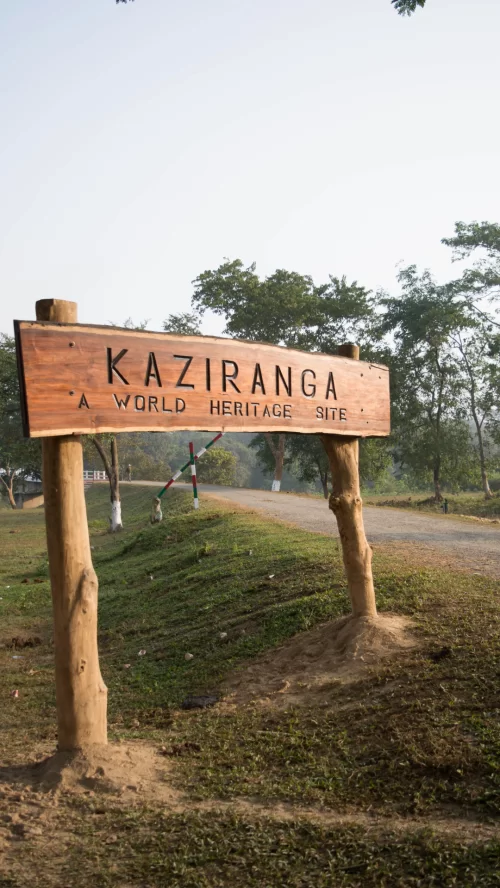
Many of Assam's most famous wildlife destinations, including Kaziranga National Park and other protected areas, experience seasonal environmental changes that are essential for maintaining ecological balance. Flooding and rainfall help sustain grasslands, wetlands, forests, and river ecosystems, but they also create different conditions for visitors compared to the traditional safari season.
Travelers who are unaware of these seasonal realities may arrive expecting the same wildlife experience available during winter months. Understanding the ecological role of monsoon helps set more realistic expectations and improves overall satisfaction.
Monsoon remains important for wildlife conservation, but it is not always the best period for travelers whose primary goal is maximizing safari experiences and animal sightings.
Accessibility is one of the most important factors wildlife travelers should consider before planning a monsoon trip. Rainfall and seasonal flooding can influence access to certain wildlife destinations and affect the availability of tourism activities. Conditions vary from year to year depending on rainfall intensity and local environmental factors.
Travelers should understand that some wildlife experiences may be limited compared to peak tourism seasons. Transportation routes, sightseeing opportunities, and access to specific areas may occasionally be influenced by weather conditions. This does not mean wildlife tourism stops entirely, but expectations should be adjusted accordingly.
Visitors who are flexible and interested in observing landscapes, wetlands, birdlife, and ecological processes often continue to enjoy these destinations during monsoon. Those focused exclusively on safari experiences may find the season less satisfying than winter.
Wildlife travelers should evaluate whether their primary interest is wildlife sightings or broader nature experiences. This distinction often determines whether monsoon travel feels rewarding or disappointing.
For travelers whose main goal is wildlife observation, winter generally remains the preferred season. Cooler weather, improved visibility, more accessible habitats, and stronger tourism infrastructure typically create more favorable conditions for wildlife tourism. This is the period most commonly recommended for first-time visitors interested in safari experiences.
Monsoon, by contrast, appeals more to nature enthusiasts who appreciate ecological processes, lush landscapes, and environmental transformation. While wildlife remains present throughout the ecosystem, the overall travel experience becomes less focused on traditional safari tourism and more focused on understanding the natural environment.
| Wildlife Travel Goal | Recommended Season |
|---|---|
| Safari Experiences | Winter |
| Wildlife Photography | Winter |
| Nature Observation | Monsoon or Winter |
| Landscape Exploration | Monsoon |
| First Wildlife Trip | Winter |
| Ecological Interest | Monsoon |
Travelers expecting regular safari experiences should generally consider winter for their visit. Monsoon is better suited to visitors who appreciate landscapes, ecological diversity, and the environmental processes that sustain Assam's remarkable wildlife habitats.
Travelers planning highly structured itineraries often face the greatest challenges during Assam's monsoon season. Rainfall can influence road conditions, sightseeing schedules, transportation timings, and the pace of travel between destinations. While major routes generally remain operational, weather-related delays occasionally occur and may affect carefully planned travel schedules.
A common mistake is assuming that travel times during monsoon will be identical to those during winter. Rain can reduce driving speeds, increase travel durations, and occasionally require adjustments to planned sightseeing activities. Travelers moving between multiple destinations within a limited timeframe may find these delays particularly frustrating.
Multi-destination itineraries that involve long road journeys are usually more vulnerable to weather-related disruptions. Visitors should therefore avoid creating schedules that leave little room for flexibility or unexpected changes during the rainy season.
Travelers who prefer highly predictable schedules often enjoy Assam more during drier months. Monsoon rewards flexibility rather than strict itinerary management.
Flexibility is one of the most valuable qualities for travelers visiting Assam during monsoon. Rather than attempting to follow a tightly structured timetable, visitors often benefit from allowing extra time between destinations and keeping alternative sightseeing options available.
Weather conditions can vary considerably from one day to the next. Attractions that are difficult to enjoy during heavy rain may become accessible again after conditions improve. Travelers who adapt their plans accordingly are usually able to enjoy a smoother and less stressful experience.
Flexible itineraries also allow visitors to appreciate unexpected opportunities. Rainfall often creates beautiful landscapes, dramatic skies, and unique photography conditions that would not be available during other seasons. Travelers who remain adaptable often discover rewarding experiences beyond their original plans.
Visitors who embrace flexibility often enjoy Assam's monsoon season far more than those attempting to maintain rigid travel schedules. Adaptability becomes an important part of the overall travel experience.
Seasonal travel disruptions are a normal part of monsoon travel in many parts of Northeast India. While these disruptions are usually manageable, travelers should understand that weather occasionally influences transportation, accessibility, and sightseeing opportunities.
The goal is not to avoid travel but to prepare realistically. Travelers who recognize that monsoon journeys operate differently from winter itineraries are often better equipped to enjoy the experience. Expectations should focus on exploration and nature rather than strict adherence to schedules.
| Planning Factor | Monsoon Reality |
|---|---|
| Travel Times | May occasionally increase. |
| Sightseeing Schedules | Sometimes require adjustment. |
| Flexibility Requirement | High |
| Travel Predictability | Moderate |
| Nature Experiences | Excellent |
| Schedule Reliability | Variable |
Travelers with highly fixed itineraries may find monsoon conditions challenging. Those willing to travel at a slower pace and adapt to changing circumstances generally have a more enjoyable experience.
Seasonal flooding is a natural part of Assam's environmental system and plays an important role in maintaining the state's wetlands, grasslands, agricultural regions, and wildlife habitats. During monsoon, rising water levels influence many parts of the landscape, particularly areas connected to the Brahmaputra River and its tributaries.
Although flooding is often discussed in relation to Assam, its effects vary significantly depending on location and seasonal conditions. Many tourism destinations continue functioning normally, while some regions may experience temporary accessibility challenges. Travelers unfamiliar with the realities of monsoon conditions sometimes find these environmental changes surprising.
Visitors who are uncomfortable with the idea of seasonal flooding or changing environmental conditions may prefer traveling during winter when water levels are lower and travel conditions are generally more predictable.
Understanding the role of seasonal flooding helps travelers better appreciate Assam's natural environment while making informed decisions about when and where to travel.
Rising water levels occasionally influence transportation networks, ferry operations, rural roads, and access routes to certain destinations. While major highways and important tourism corridors usually remain functional, local travel conditions can vary depending on rainfall intensity and regional geography.
Travelers visiting remote areas, river islands, countryside destinations, or wildlife regions should remain aware that transportation conditions may differ from those experienced during drier seasons. In some cases, additional travel time or alternative routes may be necessary.
Visitors who strongly prefer predictable transportation systems and highly reliable accessibility often feel more comfortable traveling outside the monsoon season. Those comfortable with changing conditions generally adapt more easily to seasonal travel realities.
Travelers who understand these transportation realities are usually able to plan more effectively and avoid unnecessary surprises during their trip.
Carefully evaluating route conditions is one of the most important steps when planning a monsoon trip to Assam. Travelers should consider destination accessibility, transportation options, travel distances, and weather forecasts before finalizing their itinerary. This is particularly important for visitors planning to explore multiple regions within a limited timeframe.
Those uncomfortable with rural environments, changing road conditions, or seasonal environmental factors may find winter more suitable. Travelers who enjoy nature and understand the realities of monsoon travel are often more comfortable exploring Assam during this period.
| Travel Preference | Monsoon Suitability |
|---|---|
| Comfort with Rural Travel | Important |
| Flexibility with Route Changes | Highly Recommended |
| Preference for Predictable Travel | Moderate |
| Nature-Oriented Exploration | Excellent |
| Tolerance for Seasonal Conditions | Important |
| Comfort with Environmental Variability | Beneficial |
Travelers uncomfortable with rural and flood-prone environments may prefer visiting Assam during drier months. Those who appreciate natural landscapes and understand seasonal conditions often find monsoon travel rewarding despite occasional logistical challenges.
Photographers visiting Assam during monsoon should understand that visibility conditions differ significantly from those experienced during winter. Cloud cover becomes a regular feature of the landscape, and skies often remain partially or fully overcast for extended periods. While this creates dramatic moods and atmospheric scenes, it may not suit travelers expecting consistently bright conditions and uninterrupted visibility.
Rainfall, mist, low clouds, and changing light conditions become part of the photographic experience. Certain landscapes may appear completely different from one hour to the next as weather systems move through the region. This unpredictability can either be an exciting creative opportunity or a challenge depending on individual photography goals.
Travelers seeking postcard-style blue skies and maximum visibility often find winter more suitable. Monsoon, however, offers a unique opportunity to capture a softer, more atmospheric side of Assam's natural environment.
Photographers should approach monsoon with realistic expectations. Rather than expecting perfect visibility every day, it is better to focus on capturing the unique environmental character that the season creates.
Monsoon transforms Assam into one of the greenest landscapes in India. Tea gardens appear more vibrant, forests become denser, wetlands expand, and river systems become visually impressive. These conditions create exceptional opportunities for landscape photography, particularly for photographers interested in environmental storytelling and seasonal change.
The season favors images that emphasize atmosphere, weather, reflections, clouds, water, and lush vegetation. Photographers interested in these subjects often find monsoon highly rewarding. However, those focused on wildlife photography or clear panoramic views may encounter more limitations than during winter.
Each season offers different strengths. Winter provides clarity and visibility, while monsoon offers mood, color, and dramatic environmental conditions. The better season depends entirely on the type of images a photographer wishes to create.
Photographers who enjoy documenting weather, nature, and seasonal transformation often find monsoon highly inspiring. The landscapes may be less predictable, but they are frequently more dramatic.
The ideal photography season depends entirely on personal objectives. Wildlife photographers generally prefer winter because of clearer conditions and easier wildlife observation opportunities. Landscape photographers may enjoy both seasons, but for different reasons. Winter provides clarity, while monsoon offers atmosphere and environmental richness.
Travelers expecting consistently clear views every day may be disappointed by monsoon conditions. Those willing to embrace changing weather often discover unique photographic opportunities unavailable during other parts of the year.
| Photography Goal | Recommended Season |
|---|---|
| Wildlife Photography | Winter |
| Landscape Photography | Winter or Monsoon |
| Clear Visibility | Winter |
| Atmospheric Landscapes | Monsoon |
| Tea Garden Photography | Monsoon |
| Nature Documentation | Monsoon |
Photographers expecting consistently clear views should generally choose winter. Those interested in dramatic weather, lush greenery, and environmental storytelling often find monsoon equally rewarding in a different way.
Although monsoon may not suit every traveler, it can be an excellent season for nature lovers who appreciate greenery, changing landscapes, and seasonal beauty. During this period, Assam transforms into one of the most vibrant regions in India. Tea gardens become intensely green, forests appear refreshed, wetlands expand, and rivers create dramatic scenery across the countryside.
Travelers who enjoy observing nature rather than simply checking attractions off an itinerary often find monsoon particularly rewarding. The season highlights the ecological richness that makes Assam unique. Every journey through tea estates, rural areas, wetlands, and river valleys reveals landscapes shaped by rainfall and natural processes.
Photography enthusiasts interested in environmental storytelling also benefit from monsoon conditions. Cloud formations, reflections, rain-soaked landscapes, misty countryside scenes, and vibrant vegetation create opportunities that are rarely available during drier months.
Travelers who prioritize natural beauty over convenience often discover that monsoon reveals a side of Assam that many visitors never experience during peak tourism seasons.
Monsoon is often best suited to travelers who do not mind adapting their plans according to weather conditions. Visitors who are comfortable modifying sightseeing schedules, adjusting travel times, and embracing occasional changes generally enjoy the season far more than those who expect complete predictability.
Flexible travelers tend to appreciate the unique atmosphere created by rainfall. Instead of viewing weather as an obstacle, they treat it as part of the overall experience. Rainy landscapes, dramatic skies, quieter tourism destinations, and slower-paced exploration often become memorable highlights of the journey.
The ability to adapt also reduces travel stress. Rather than focusing on potential disruptions, flexible travelers often concentrate on enjoying the destination as it naturally appears during the rainy season. This mindset significantly improves overall satisfaction.
Travelers who embrace uncertainty and enjoy slower exploration often find monsoon one of the most interesting times to experience Assam's landscapes and culture.
The appeal of monsoon travel lies in experiencing Assam in its most natural and ecologically active state. Rivers, wetlands, forests, agricultural regions, and tea plantations all respond dramatically to seasonal rainfall. Visitors gain insight into the environmental processes that shape the region throughout the year.
Monsoon also offers a quieter atmosphere compared to peak tourism seasons. Many destinations feel less crowded, allowing travelers to spend more time appreciating nature, local culture, and rural landscapes. The overall experience often feels slower, calmer, and more connected to the environment.
| Traveler Type | Monsoon Suitability |
|---|---|
| Nature Lover | Excellent |
| Landscape Photographer | Excellent |
| Flexible Traveler | Excellent |
| Wildlife-Focused Visitor | Moderate |
| Strict Itinerary Traveler | Limited |
| First-Time Visitor Seeking Convenience | Moderate |
For the right traveler, monsoon can be one of the most rewarding times to visit Assam. The season emphasizes nature, atmosphere, and environmental beauty rather than conventional sightseeing convenience.
The most important step before planning an Assam monsoon trip is determining whether the season aligns with your travel style. Monsoon is ideal for travelers who enjoy nature, greenery, photography, and flexible exploration. It is less suitable for visitors seeking completely predictable weather, uninterrupted sightseeing, and tightly structured itineraries.
Travelers who appreciate environmental beauty often find monsoon highly rewarding because it showcases Assam's landscapes at their most vibrant. However, those who prioritize convenience and efficient sightseeing generally prefer cooler and drier months when transportation and outdoor activities are easier to manage.
Understanding personal expectations helps avoid disappointment. Visitors who arrive expecting a nature-focused experience usually enjoy monsoon far more than those expecting the same conditions available during winter tourism seasons.
The success of a monsoon trip depends less on the weather itself and more on how well the season matches the traveler's interests and expectations.
Different destinations within Assam offer different experiences during monsoon. Travelers should select locations according to their comfort levels, interests, and willingness to adapt to seasonal conditions. Tea estate regions, cultural destinations, countryside areas, and nature-focused locations often provide rewarding experiences during this period.
Visitors who are sensitive to humidity, frequent rainfall, or changing travel conditions may wish to prioritize destinations with strong tourism infrastructure and comfortable accommodation options. Travelers who are comfortable with environmental variability often enjoy a broader range of experiences during the season.
Careful destination selection helps maximize enjoyment while minimizing potential challenges. Matching expectations with regional conditions remains one of the most important planning considerations.
| Travel Preference | Recommended Approach |
|---|---|
| Comfort-Focused Travel | Choose well-developed tourism destinations. |
| Nature Exploration | Explore tea gardens and countryside regions. |
| Photography | Focus on landscapes and seasonal scenery. |
| Flexible Itinerary | Allow room for weather-related changes. |
| Family Travel | Prioritize comfort and accessibility. |
| Wildlife Interest | Understand seasonal limitations. |
The right destination choices can significantly improve the monsoon travel experience and help travelers focus on the season's strengths rather than its challenges.
Before finalizing travel plans, visitors should carefully evaluate weather expectations, destination accessibility, accommodation choices, transportation arrangements, and personal comfort preferences. Proper preparation allows travelers to adapt more easily to changing conditions and enjoy the unique experiences available during monsoon.
Packing appropriate clothing, maintaining schedule flexibility, monitoring weather forecasts, and allowing additional travel time are all valuable strategies. Travelers should also remember that monsoon travel is fundamentally different from winter travel and should be approached with a different mindset.
| Planning Checklist | Importance |
|---|---|
| Check seasonal weather conditions | Essential |
| Pack rain protection | Essential |
| Maintain flexible schedules | Highly Recommended |
| Choose suitable accommodation | Important |
| Allow extra travel time | Important |
| Set realistic expectations | Essential |
| Focus on nature experiences | Highly Recommended |
Assam during monsoon is not the ideal season for every traveler, but it offers extraordinary rewards for those who appreciate nature, environmental beauty, and slower-paced exploration. By understanding the realities of the season and planning accordingly, visitors can enjoy a unique side of Assam that remains unseen by many travelers who visit only during peak tourism months.


Get customized Assam tour planning designed around seasonal weather patterns, river conditions, wildlife safari timing, and realistic road travel flow. Whether you are visiting for national parks, tea estate stays, cultural experiences, spiritual sites, o
⚡ Quick Response | 💰 Free consultation | 🕒 24×7 expert support