

How Tea is Made in Assam – A Tourist's Guide
Understanding how tea is made in Assam allows travellers to explore plantations, learn traditional processing methods, and experience the journey from fresh tea leaves to the final product.
+91 9910402252
admin@chalbanjare.com


Choosing the right national park in Assam depends on wildlife interests, travel duration, safari preferences, accessibility, and the type of nature experience you want during your journey.
Assam is home to several national parks, each offering a completely different wildlife experience. While every protected area contributes to biodiversity conservation, no two parks are identical in terms of landscapes, ecosystems, or wildlife habitats. Some parks are internationally recognised for their grassland mammals, while others protect dense rainforests, wetlands, river ecosystems, or Himalayan foothill forests. This diversity allows travellers to select destinations that match their individual interests rather than following a one-size-fits-all itinerary.
Visitors may enjoy jeep safaris through expansive grasslands, peaceful forest exploration, birdwatching beside wetlands, or photography in rainforest environments depending on the park they choose. Each destination provides its own combination of scenery, wildlife, and conservation significance, making Assam one of India's most rewarding states for nature tourism. Exploring different parks also helps visitors understand the remarkable ecological diversity that exists across the region.
Understanding the unique character of every national park helps travellers design a wildlife itinerary that offers meaningful experiences while showcasing Assam's extraordinary natural heritage.
Choosing parks based on their individual strengths allows visitors to enjoy richer wildlife experiences while discovering the diversity of Assam's protected landscapes.
Every national park differs not only in wildlife but also in landscape and accessibility. Some parks feature open grasslands that provide excellent visibility during safaris, while others preserve dense forests or extensive wetlands where wildlife observation takes place in completely different surroundings. River ecosystems, rainforest vegetation, and floodplain habitats all contribute to the varied character of Assam's protected areas.
Accessibility also varies depending on location and infrastructure. Certain parks are well connected to major cities and transport hubs, while others require longer road journeys that reward visitors with quieter and less crowded experiences. Understanding these differences allows travellers to balance travel time, comfort, and wildlife interests when planning their itinerary.
Comparing landscapes, wildlife, and accessibility helps visitors select national parks that best suit their travel style and available holiday duration.
| Comparison | Variation Across Parks |
|---|---|
| Landscape | Grasslands, forests, wetlands, and rainforests. |
| Wildlife | Different mammals, birds, and reptiles. |
| Accessibility | Ranges from easily accessible to remote. |
| Safari Style | Different habitats create unique experiences. |
| Visitor Experience | Popular parks and peaceful offbeat destinations. |
Understanding these differences helps visitors create realistic itineraries while enjoying wildlife experiences that match their expectations.
The best national park depends entirely on what you hope to experience during your trip. Wildlife enthusiasts seeking iconic mammals may prioritise grassland parks, while birdwatchers often prefer wetlands and river ecosystems. Travellers interested in rainforest biodiversity, peaceful landscapes, or offbeat destinations can select parks that specialise in those experiences. Matching destinations with personal interests results in a far more enjoyable holiday.
Instead of attempting to visit every national park, travellers benefit from selecting two or three destinations that complement each other. Combining famous wildlife parks with quieter nature reserves often provides a balanced itinerary featuring diverse ecosystems, varied wildlife, and comfortable travel schedules. Careful planning ensures that every destination receives sufficient exploration time.
Choosing national parks according to individual interests creates memorable wildlife journeys while allowing visitors to appreciate Assam's incredible ecological diversity.
A carefully selected itinerary helps visitors experience Assam's wildlife more comfortably while making every national park visit rewarding and memorable.
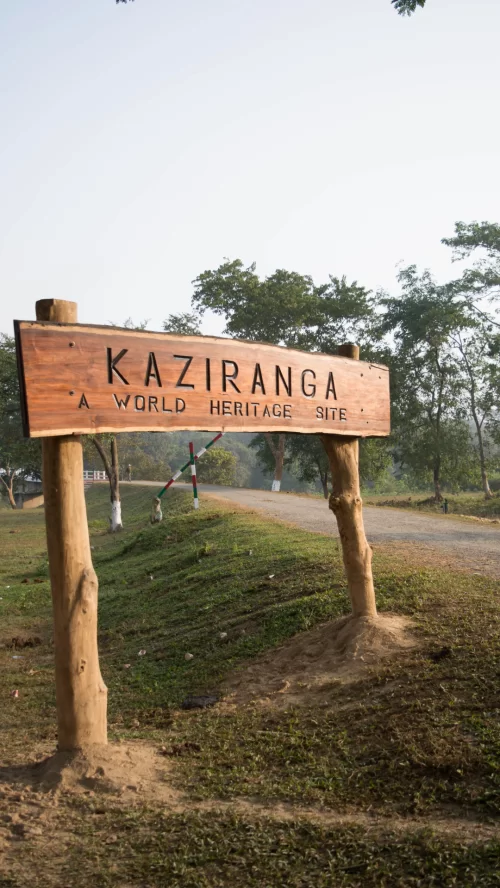
Kaziranga National Park is widely regarded as the ideal introduction to Assam's wildlife because it combines exceptional biodiversity, organised safari experiences, and convenient accessibility. Its international reputation, outstanding conservation success, and remarkable grassland landscapes attract travellers from across India and around the world. For many visitors, Kaziranga becomes the highlight of an Assam wildlife itinerary due to its impressive variety of animals and well-developed tourism facilities.
The park offers an excellent balance between conservation and visitor experience. Organised safari routes, experienced guides, and diverse habitats allow first-time travellers to enjoy wildlife observation comfortably while learning about the ecological importance of Assam's protected landscapes. Its popularity also makes travel planning relatively straightforward compared to more remote destinations.
Kaziranga provides first-time visitors with an unforgettable introduction to Assam's wildlife while showcasing one of India's greatest conservation achievements.
For travellers visiting Assam for the first time, Kaziranga remains the most complete and rewarding national park experience.
Kaziranga is globally recognised for protecting the world's largest population of one-horned rhinoceroses. Visitors also have opportunities to observe Asian elephants, Bengal tigers, wild water buffalo, swamp deer, hog deer, and numerous smaller mammals throughout the park's extensive grasslands and wetlands. The combination of iconic mammals and healthy ecosystems creates one of India's finest wildlife viewing destinations.
The park also supports an impressive variety of resident and migratory bird species, making it highly attractive for birdwatchers and wildlife photographers. Wetlands, open grasslands, woodland patches, and river systems provide diverse habitats that support remarkable biodiversity throughout the tourism season.
The extraordinary diversity of wildlife ensures that Kaziranga offers memorable safari experiences for both first-time visitors and experienced wildlife enthusiasts.
| Wildlife Category | Highlights |
|---|---|
| Iconic Mammals | One-horned rhinoceros. |
| Large Mammals | Asian elephants and wild water buffalo. |
| Predators | Bengal tiger. |
| Herbivores | Swamp deer and hog deer. |
| Birdlife | Resident and migratory species. |
Kaziranga's outstanding wildlife diversity continues to establish it as one of Asia's premier conservation and safari destinations.
Kaziranga is often recommended to first-time visitors because it combines world-class wildlife viewing with relatively convenient accessibility from Guwahati and other major transport hubs. Organised jeep safaris allow travellers to explore different tourism zones while observing wildlife responsibly within carefully managed conservation areas. Comfortable accommodation options near the park further simplify travel planning.
The combination of well-developed tourism infrastructure and exceptional biodiversity allows visitors to experience wildlife without complicated logistics. Travellers can combine Kaziranga with nearby destinations such as tea estates, Guwahati, or Majuli to create a balanced Assam itinerary featuring wildlife, culture, and scenic landscapes. This versatility makes Kaziranga suitable for families, couples, photographers, and solo travellers alike.
Kaziranga's accessibility and extraordinary safari experiences make it the perfect starting point for exploring Assam's remarkable wildlife heritage.
Travellers seeking an unforgettable first wildlife experience in Assam will find Kaziranga to be the state's most accessible and rewarding national park.
Manas National Park is one of Assam's most diverse wildlife destinations, combining dense forests, open grasslands, river valleys, and Himalayan foothill landscapes within a single protected ecosystem. These varied habitats support an extraordinary range of wildlife while creating beautiful scenery that differs significantly from other national parks in the state. Visitors experience lush forests, wide grasslands, flowing rivers, and peaceful natural surroundings throughout the park.
The diversity of landscapes allows wildlife to thrive across multiple ecosystems, making every safari unique. Travellers exploring Manas can appreciate changing scenery as they move through different habitats, each supporting its own collection of mammals, birds, reptiles, and native vegetation. This ecological richness makes the park especially rewarding for visitors interested in understanding Assam's remarkable biodiversity.
Manas offers an outstanding combination of scenic beauty and ecological diversity, making it one of the most complete wildlife experiences in Northeast India.
The remarkable variety of habitats allows visitors to enjoy both spectacular landscapes and exceptional wildlife experiences throughout the park.
Manas National Park supports a wide variety of wildlife within its forests and grasslands, providing opportunities to observe numerous mammals, birds, reptiles, and smaller forest species. The park's healthy ecosystems contribute to its outstanding biodiversity while offering visitors rewarding wildlife encounters throughout different seasons. Bird enthusiasts also appreciate the diversity of resident and seasonal birdlife found across the park's varied habitats.
Unlike more heavily visited wildlife destinations, Manas often provides a quieter safari experience where visitors can spend more time appreciating nature without large tourist crowds. The peaceful surroundings allow photographers, wildlife enthusiasts, and nature lovers to observe animals in a calm environment while enjoying the park's scenic landscapes and conservation-focused tourism.
Manas combines rich biodiversity with tranquil safari experiences, creating an unforgettable destination for wildlife enthusiasts seeking peaceful exploration.
| Wildlife Experience | Highlights |
|---|---|
| Forest Wildlife | Diverse mammals and birds. |
| Grassland Species | Large herbivores and natural habitats. |
| Birdwatching | Resident and migratory birds. |
| Nature Photography | Scenic landscapes and wildlife. |
| Safari Experience | Peaceful and less crowded exploration. |
The park's peaceful atmosphere allows visitors to experience wildlife at a relaxed pace while appreciating the beauty of Assam's protected forests.
Travellers who prefer peaceful wildlife holidays often select Manas National Park because it offers beautiful landscapes without the larger visitor numbers found at some other parks. Nature enthusiasts can spend extended periods exploring forests, observing birds, photographing landscapes, and appreciating the calm environment that defines the park. The combination of biodiversity and tranquillity creates an ideal destination for relaxed nature tourism.
Manas is particularly suitable for travellers seeking immersive wildlife experiences rather than fast-paced sightseeing. Its scenic surroundings encourage visitors to slow down, appreciate natural ecosystems, and enjoy meaningful interactions with Assam's remarkable biodiversity. The park rewards patient wildlife observation while offering a refreshing escape into nature.
Choosing Manas provides travellers with an exceptional balance of biodiversity, scenic beauty, and peaceful wildlife exploration.
Manas National Park remains one of Assam's finest destinations for travellers seeking authentic wildlife experiences within peaceful natural surroundings.
Nameri National Park offers a unique combination of forests, rivers, and outdoor experiences that distinguish it from Assam's grassland wildlife destinations. Situated near the Jia Bhoroli River, the park preserves lush evergreen forests and peaceful river ecosystems where visitors can immerse themselves in nature. The scenic surroundings make Nameri particularly attractive for travellers interested in combining wildlife observation with outdoor recreation.
Rather than focusing solely on large mammals, Nameri encourages visitors to appreciate forest biodiversity, flowing rivers, and natural landscapes through various eco-tourism activities. The park's peaceful atmosphere, rich vegetation, and beautiful scenery create an ideal setting for travellers who enjoy spending time outdoors while exploring Assam's diverse ecosystems.
Nameri provides an excellent destination for travellers seeking both adventure and peaceful nature experiences within Assam's protected forests.
The park's forests and rivers combine to create one of Assam's most refreshing destinations for outdoor exploration.
Nameri National Park is highly regarded for its outstanding birdwatching opportunities. The combination of forests, riverbanks, and wetlands attracts numerous resident and migratory bird species throughout the wildlife season. Bird enthusiasts often spend extended periods observing different species while enjoying the peaceful environment created by the surrounding forests and flowing rivers.
The park also offers rewarding opportunities for trekking through designated forest areas where visitors can observe butterflies, native vegetation, reptiles, and smaller mammals. Walking through these forest landscapes allows travellers to experience nature closely while appreciating the ecological richness that makes Nameri one of Assam's most attractive destinations for eco-tourism and wildlife appreciation.
Birdwatching, forest exploration, and peaceful surroundings combine to create memorable experiences for visitors who appreciate slow-paced nature travel.
| Nature Activity | Experience |
|---|---|
| Birdwatching | Diverse resident and migratory birds. |
| Forest Exploration | Dense woodland environments. |
| Nature Walks | Observe flora and smaller wildlife. |
| Photography | Forest and river landscapes. |
| Wildlife Observation | Peaceful natural habitats. |
Every activity in Nameri encourages visitors to experience nature at a relaxed pace while appreciating Assam's rich forest ecosystems.
Nameri is an excellent choice for travellers who prefer active outdoor exploration alongside wildlife experiences. The park appeals to adventure enthusiasts looking for more than traditional jeep safaris by offering opportunities to enjoy forest environments, riverside scenery, birdwatching, and nature walks within protected landscapes. Its peaceful atmosphere makes every activity enjoyable without the pressure of crowded tourist destinations.
The combination of outdoor recreation and wildlife conservation creates a balanced travel experience suitable for photographers, birdwatchers, families, couples, and solo travellers alike. Visitors seeking quiet adventure within beautiful natural surroundings will find Nameri to be one of Assam's most rewarding national parks.
Choosing Nameri allows travellers to combine adventure, biodiversity, and peaceful forest exploration while experiencing one of Assam's finest eco-tourism destinations.
Nameri National Park offers a refreshing combination of adventure and nature, making it an excellent destination for travellers seeking immersive outdoor wildlife experiences.
Orang National Park is one of Assam's most significant protected wildlife areas and is widely recognised as an important habitat for the Indian one-horned rhinoceros. Although smaller than some of the state's larger national parks, Orang plays a crucial role in conserving this iconic species while protecting a healthy grassland ecosystem along the northern bank of the Brahmaputra River. Its conservation importance has made it an increasingly popular destination among wildlife enthusiasts.
The park offers visitors an opportunity to experience Assam's famous rhinoceros habitat in a peaceful setting surrounded by natural grasslands, wetlands, and woodland patches. Every safari provides opportunities to appreciate not only the remarkable rhinoceros population but also the balanced ecosystem that supports numerous other species. Orang demonstrates how effective conservation has helped preserve one of India's most valuable wildlife landscapes.
Exploring Orang National Park allows visitors to witness one of Assam's most important rhinoceros conservation success stories while enjoying an authentic wildlife experience.
Orang offers an outstanding opportunity to observe one-horned rhinoceroses while experiencing one of Assam's most valuable protected ecosystems.
The landscape of Orang National Park consists of extensive grasslands, seasonal wetlands, woodland patches, and riverine habitats that together support remarkable biodiversity. These varied ecosystems provide suitable conditions for numerous mammals, birds, reptiles, and aquatic species while maintaining ecological balance throughout the protected area. Visitors experience changing scenery as safaris move through different habitats during wildlife exploration.
Besides rhinoceroses, the park supports Asian elephants, wild water buffalo, deer species, predators, reptiles, and an impressive variety of resident and migratory birds. Wetlands attract numerous waterbirds while grasslands provide excellent opportunities to observe grazing mammals. This ecological diversity makes Orang a rewarding destination for birdwatchers, photographers, and wildlife enthusiasts seeking varied safari experiences.
The combination of wetlands, grasslands, and diverse wildlife creates one of Assam's most attractive wildlife destinations for nature lovers.
| Habitat | Wildlife Experience |
|---|---|
| Grasslands | Rhinoceroses and grazing mammals. |
| Wetlands | Waterbirds and aquatic ecosystems. |
| Woodlands | Forest birds and mammals. |
| Riverine Areas | Diverse natural landscapes. |
| Mixed Habitats | Rich biodiversity throughout the park. |
Orang's diverse habitats ensure that visitors experience far more than rhinoceros sightings while exploring this beautiful protected landscape.
Travellers looking for a more peaceful wildlife destination often choose Orang National Park because it generally offers a quieter safari experience than some of Assam's more famous parks. The smaller visitor numbers allow guests to enjoy natural surroundings without feeling rushed, creating excellent conditions for wildlife observation, photography, and birdwatching. The calm atmosphere enhances the overall quality of every safari.
Visitors who appreciate slower-paced exploration often find Orang particularly rewarding because they can spend more time observing wildlife behaviour and enjoying the park's scenic landscapes. The relaxed environment makes it suitable for families, photographers, couples, and travellers seeking meaningful interactions with nature away from larger tourist crowds.
Choosing Orang provides an enjoyable balance of exceptional wildlife, peaceful surroundings, and authentic safari experiences within Assam's protected landscapes.
Orang National Park rewards visitors with tranquil wildlife experiences while showcasing Assam's remarkable conservation achievements.
Dibru Saikhowa National Park is one of Assam's most distinctive protected areas, preserving an exceptional combination of wetlands, river islands, forests, grasslands, and floodplain ecosystems. Located near the confluence of major rivers, the park offers visitors a landscape that differs significantly from Assam's other wildlife destinations. Its constantly evolving river environment supports a remarkable variety of habitats that make every visit unique.
The interaction between forests, rivers, wetlands, and seasonal floodplains creates ideal conditions for diverse wildlife while providing spectacular natural scenery. Visitors exploring Dibru Saikhowa experience peaceful waterways, lush vegetation, and rich ecological diversity that highlight the importance of river-based ecosystems in wildlife conservation. The park is especially attractive for travellers seeking lesser-known destinations away from mainstream tourism.
Dibru Saikhowa offers an unforgettable opportunity to explore one of Assam's most unique riverine wildlife landscapes while experiencing untouched natural beauty.
The park's exceptional combination of rivers, forests, and wetlands creates one of Assam's most distinctive wildlife experiences.
Dibru Saikhowa National Park is highly valued by birdwatchers because its wetlands and river habitats support numerous resident and migratory bird species throughout the year. The diversity of aquatic environments attracts waterbirds, waders, raptors, and forest birds, making the park one of Assam's most rewarding destinations for avian observation and wildlife photography.
Beyond birdlife, visitors enjoy beautiful landscapes featuring wide rivers, marshes, forested areas, and open grasslands. The peaceful environment allows travellers to appreciate wildlife at a relaxed pace while capturing scenic photographs of one of Northeast India's most impressive wetland ecosystems. Every visit offers a different experience as seasonal water levels naturally influence the landscape.
The combination of outstanding birdlife and spectacular natural scenery makes Dibru Saikhowa an exceptional destination for nature enthusiasts.
| Natural Feature | Visitor Experience |
|---|---|
| Wetlands | Excellent birdwatching. |
| River Systems | Unique aquatic landscapes. |
| Forests | Diverse wildlife habitats. |
| Grasslands | Open scenic environments. |
| Floodplains | Seasonally changing ecosystems. |
Dibru Saikhowa's changing landscapes ensure that every visit provides fresh opportunities for wildlife observation and photography.
Travellers seeking quiet and immersive wildlife experiences often choose Dibru Saikhowa because of its remote location and relatively low visitor numbers. The peaceful atmosphere allows visitors to spend more time appreciating wetlands, forests, birds, and river landscapes without the distractions of crowded tourism. Nature enthusiasts often consider the park one of Assam's hidden gems for eco-tourism.
Dibru Saikhowa is particularly suitable for photographers, birdwatchers, conservation enthusiasts, and travellers interested in exploring unique ecosystems rather than focusing solely on large mammals. Its tranquil environment encourages slow-paced exploration while providing meaningful opportunities to understand the ecological importance of Assam's riverine landscapes.
Choosing Dibru Saikhowa rewards visitors with peaceful wildlife experiences, exceptional biodiversity, and some of Assam's most beautiful natural scenery.
Dibru Saikhowa National Park offers an unforgettable journey into Assam's remarkable wetlands while providing one of the state's most peaceful wildlife experiences.
Dehing Patkai National Park protects one of Assam's most remarkable rainforest ecosystems and offers visitors a completely different wildlife experience from the state's grassland and wetland national parks. Often referred to as the rainforest of Assam, the park preserves dense evergreen forests, rolling hills, streams, and rich vegetation that support an extraordinary variety of plant and animal life. The lush environment creates a refreshing destination for travellers who enjoy forest landscapes and biodiversity.
Walking through or exploring the forest areas around the park reveals towering trees, thick vegetation, and peaceful natural surroundings that demonstrate the ecological importance of tropical rainforest habitats. The dense canopy, diverse plant communities, and untouched wilderness provide visitors with an immersive experience where every section of the forest contributes to the overall richness of the ecosystem.
Exploring Dehing Patkai allows travellers to discover one of Northeast India's finest rainforest landscapes while appreciating the importance of forest conservation.
The park offers a refreshing rainforest experience that showcases an entirely different side of Assam's remarkable natural heritage.
Dehing Patkai National Park supports a wide variety of plant and animal species that thrive within its dense rainforest environment. The complex forest ecosystem provides habitat for mammals, reptiles, amphibians, insects, butterflies, and countless bird species while protecting an extraordinary diversity of native flora. Every layer of the rainforest contributes to maintaining ecological balance and supporting wildlife throughout the protected landscape.
The rich vegetation also creates ideal conditions for nature photography, birdwatching, and forest exploration. Visitors can appreciate towering trees, colourful butterflies, unique forest plants, and numerous bird species while enjoying the peaceful atmosphere of one of Assam's most biodiverse regions. The diversity of life found within the rainforest makes every visit rewarding for nature enthusiasts.
Dehing Patkai's exceptional biodiversity demonstrates the ecological importance of preserving tropical rainforest ecosystems for future generations.
| Rainforest Feature | Highlights |
|---|---|
| Evergreen Forests | Dense natural vegetation. |
| Wildlife | Diverse mammals and reptiles. |
| Birdlife | Numerous forest bird species. |
| Plant Diversity | Rich native flora. |
| Butterflies and Insects | Healthy rainforest biodiversity. |
The diversity of wildlife and vegetation makes Dehing Patkai one of Assam's most fascinating destinations for forest exploration.
Travellers who enjoy dense forests, peaceful landscapes, and immersive nature experiences often choose Dehing Patkai National Park instead of traditional grassland safari destinations. The park appeals to birdwatchers, photographers, researchers, and eco-tourists seeking to experience Assam's rainforest biodiversity in a calm and undisturbed environment. Its scenic beauty rewards visitors who appreciate slow-paced exploration.
Unlike destinations focused primarily on large mammal sightings, Dehing Patkai encourages visitors to observe entire ecosystems, including plants, birds, insects, and forest wildlife. The peaceful atmosphere allows travellers to connect with nature while understanding the importance of rainforest conservation. It is an excellent destination for visitors who value biodiversity as much as wildlife sightings.
Choosing Dehing Patkai provides a rewarding rainforest adventure while showcasing one of Assam's richest and most valuable forest ecosystems.
Dehing Patkai National Park offers an unforgettable rainforest journey for travellers seeking peaceful and biodiversity-rich wildlife experiences.
Raimona National Park represents one of Assam's newest conservation achievements and has quickly become an important destination for travellers interested in emerging wildlife tourism. Located in western Assam near the foothills of the eastern Himalayas, the park protects extensive forests that contribute significantly to regional biodiversity conservation. Its establishment has strengthened Assam's network of protected areas while preserving valuable wildlife habitats for future generations.
The park's landscapes combine forests, hills, rivers, and natural vegetation to create a scenic environment that differs from the grassland ecosystems of central Assam. Visitors exploring Raimona experience peaceful surroundings while learning about one of the state's newest national parks and its growing role in conservation-focused tourism. The untouched character of the park adds to its appeal among nature lovers.
Raimona provides visitors with an opportunity to explore a newly protected landscape while supporting one of Assam's most promising conservation initiatives.
The park introduces travellers to a fresh wildlife destination that highlights Assam's continuing commitment to conservation.
Raimona National Park preserves extensive forest ecosystems that form an important part of larger regional wildlife landscapes. These forests act as valuable wildlife corridors, allowing animals to move naturally between protected habitats while maintaining ecological balance across the region. Healthy forests, diverse vegetation, and interconnected habitats contribute significantly to long-term wildlife conservation.
Visitors can experience dense woodland environments that support mammals, birds, reptiles, butterflies, and numerous smaller forest species. The biodiversity found throughout Raimona reflects the ecological richness of western Assam while providing rewarding opportunities for nature observation, birdwatching, and forest photography. The park's conservation value extends well beyond its own boundaries by strengthening wider landscape protection.
Exploring Raimona's forests allows visitors to appreciate how connected ecosystems contribute to wildlife conservation across Northeast India.
| Conservation Feature | Importance |
|---|---|
| Forest Ecosystems | Support diverse wildlife habitats. |
| Wildlife Corridors | Enable natural animal movement. |
| Biodiversity | Protect numerous native species. |
| Natural Vegetation | Maintain ecological stability. |
| Protected Landscapes | Strengthen conservation efforts. |
Raimona's interconnected forests demonstrate the importance of landscape-level conservation in preserving Assam's biodiversity.
Travellers looking beyond Assam's most popular safari destinations often choose Raimona National Park for its peaceful atmosphere and relatively unexplored landscapes. The park appeals to visitors who enjoy discovering lesser-known destinations where nature remains largely undisturbed. Its scenic forests, quiet environment, and growing conservation significance create rewarding experiences for eco-tourists and wildlife enthusiasts.
Photographers, birdwatchers, conservation enthusiasts, and travellers seeking authentic forest exploration will appreciate Raimona's tranquil surroundings. Rather than focusing solely on famous wildlife sightings, visitors can enjoy complete forest ecosystems while understanding the importance of newly protected conservation landscapes. The experience is ideal for travellers who value biodiversity and responsible tourism.
Choosing Raimona rewards visitors with peaceful exploration, beautiful forests, and an opportunity to experience one of Assam's newest wildlife destinations.
Raimona National Park offers a refreshing wildlife experience for travellers seeking quiet forests, biodiversity, and authentic nature exploration.
Families planning a wildlife holiday in Assam should choose national parks that combine rewarding safari experiences with comfortable travel infrastructure. Parks that offer organised safari operations, well-maintained access roads, nearby accommodation, and reliable visitor facilities generally provide a smoother experience for travellers of all ages. These destinations allow families to focus on enjoying wildlife rather than managing difficult logistics during the journey.
Comfortable safari vehicles, experienced guides, clearly managed tourism zones, and convenient transportation make wildlife exploration enjoyable for parents, children, and senior family members. Selecting a park with established tourism facilities also provides greater flexibility when planning accommodation, meal options, and sightseeing schedules. A balanced itinerary allows families to experience Assam's biodiversity without unnecessary travel fatigue.
Choosing parks with family-friendly infrastructure helps create enjoyable wildlife holidays while ensuring comfort throughout the journey.
Family-friendly national parks allow visitors of every age to enjoy Assam's wildlife comfortably while creating memorable travel experiences together.
When travelling with children or senior family members, comfort and accessibility become important considerations alongside wildlife experiences. Parks with organised entry systems, nearby hotels, convenient transportation, and shorter transfers between accommodation and safari points usually provide a more relaxed holiday. Families should also consider the duration of safaris and the availability of essential travel services when selecting destinations.
Choosing parks that minimise long road journeys and provide comfortable surroundings allows every family member to enjoy wildlife exploration without unnecessary physical strain. Travellers can combine safari experiences with local sightseeing, cultural attractions, and relaxing evenings, creating a balanced itinerary suitable for multiple generations travelling together.
Considering family comfort alongside wildlife opportunities ensures a pleasant and stress-free national park holiday in Assam.
| Family Consideration | Recommended Planning |
|---|---|
| Accommodation | Stay close to park entrances. |
| Safari Duration | Choose comfortable timings. |
| Road Travel | Reduce long transfers. |
| Travel Comfort | Plan adequate rest periods. |
| Visitor Facilities | Select well-developed destinations. |
Careful planning helps families enjoy wildlife experiences while ensuring comfort for both children and senior travellers.
Every family has different travel priorities, making it important to choose national parks according to comfort requirements rather than popularity alone. Families with young children may prefer parks that are easy to access, while those travelling with older children may include destinations offering longer wildlife experiences and varied ecosystems. Matching the park to the family's travel style results in a more enjoyable holiday.
Visitors should also allow sufficient time between destinations rather than rushing through multiple parks. A well-paced itinerary gives children time to enjoy safaris and allows senior travellers to explore comfortably without feeling tired. Combining wildlife experiences with cultural attractions or scenic locations further creates a balanced Assam family holiday.
Selecting parks according to family needs allows every traveller to enjoy Assam's wildlife while travelling comfortably and safely.
A thoughtfully planned family wildlife holiday ensures unforgettable experiences while allowing everyone to appreciate Assam's remarkable national parks.
The experience of visiting Assam's national parks changes considerably throughout the year because seasonal weather influences vegetation, wildlife movement, accessibility, and overall travel conditions. Different parks respond differently to rainfall, river levels, and changing temperatures, making seasonal planning an important part of every wildlife itinerary. Understanding these variations helps travellers select the most suitable period for their preferred activities.
During favourable tourism seasons, grasslands become easier to explore, forest trails remain accessible, and wildlife observation generally becomes more comfortable. Seasonal changes also affect birdwatching opportunities, landscape photography, and the overall atmosphere within each park. Rather than choosing dates randomly, visitors benefit from understanding how Assam's changing climate influences every wildlife destination.
Seasonal awareness allows travellers to enjoy Assam's national parks under comfortable conditions while making the most of wildlife viewing opportunities.
Choosing the right season enhances every aspect of a national park visit while providing a more enjoyable wildlife experience.
Travellers planning wildlife holidays should schedule their visits during periods when national parks are generally open for tourism and safari activities. Comfortable weather, improved road conditions, and better visibility make these months suitable for jeep safaris, birdwatching, wildlife photography, and forest exploration. Visitors also benefit from pleasant outdoor conditions that allow longer periods of nature observation.
Nature enthusiasts should verify park operating schedules before finalising their itinerary, as safari availability may vary depending on local conditions and conservation management. Early planning also makes it easier to reserve accommodation and safari sessions during busy tourism periods. Proper scheduling contributes to a smoother and more rewarding wildlife holiday.
Travelling during favourable safari months allows visitors to experience Assam's biodiversity while enjoying comfortable outdoor conditions.
| Travel Activity | Planning Recommendation |
|---|---|
| Jeep Safari | Visit during operational tourism season. |
| Birdwatching | Choose favourable observation months. |
| Photography | Plan for good visibility. |
| Nature Exploration | Select comfortable weather periods. |
| Accommodation | Book early during popular seasons. |
Planning wildlife activities during suitable travel months helps visitors maximise both comfort and wildlife experiences across Assam.
Weather conditions influence travel throughout Assam and should always be considered while planning a national park itinerary. Rainfall, changing temperatures, and natural seasonal events may affect road conditions, safari schedules, and wildlife activity. Monitoring weather forecasts before travelling allows visitors to prepare appropriate clothing, equipment, and flexible travel arrangements.
Travellers should also carry suitable outdoor clothing, comfortable footwear, drinking water, and weather-appropriate accessories throughout the journey. Allowing additional travel time between destinations further reduces unnecessary stress when weather conditions change unexpectedly. Careful preparation ensures visitors enjoy wildlife exploration comfortably regardless of minor seasonal variations.
Planning according to weather and park conditions creates safer, more enjoyable wildlife experiences while improving overall travel comfort.
Proper weather planning ensures travellers enjoy Assam's national parks comfortably while experiencing the state's remarkable wildlife and natural beauty.
Selecting the ideal national park in Assam begins with understanding your travel priorities, available holiday duration, and the type of wildlife experience you wish to enjoy. Every protected area offers something different, from iconic grassland safaris and rhinoceros habitats to rainforest ecosystems, wetlands, river landscapes, and peaceful forest exploration. Rather than selecting destinations solely because they are well known, travellers should match their itinerary with their personal interests to create a rewarding wildlife holiday.
Visitors interested in seeing famous large mammals may prioritise grassland parks, while birdwatchers and photographers can include destinations known for wetlands and forest biodiversity. Nature lovers seeking quieter experiences may prefer less crowded parks where they can spend more time appreciating landscapes and wildlife without rushing. A carefully planned itinerary ensures that every destination contributes something unique to the overall journey.
Choosing national parks according to individual interests allows travellers to enjoy Assam's extraordinary biodiversity while creating a balanced and memorable wildlife itinerary.
A personalised itinerary provides richer wildlife experiences while allowing visitors to appreciate the remarkable diversity of Assam's national parks.
Advance planning is one of the most important factors in ensuring a successful wildlife holiday. Visitors should organise safari bookings, accommodation, transportation, and daily travel schedules well before departure, especially during popular tourism periods. Early reservations provide greater flexibility in choosing preferred safari timings and accommodation located close to national park entrances.
Travellers should also estimate road travel times between destinations to avoid overly demanding schedules. Staying near wildlife parks reduces unnecessary transfers and allows more time for early morning or afternoon safaris. Careful planning improves overall comfort while giving visitors more opportunities to enjoy wildlife observation, photography, and nature exploration throughout their journey.
Well-organised travel arrangements allow visitors to focus entirely on wildlife experiences while enjoying a comfortable and stress-free holiday across Assam.
| Travel Planning Area | Recommendation |
|---|---|
| Safari Bookings | Reserve before travelling. |
| Accommodation | Stay near park entrances. |
| Transportation | Plan road journeys in advance. |
| Travel Schedule | Allow realistic transfer times. |
| Weather Planning | Check forecasts before departure. |
Careful preparation helps visitors enjoy Assam's wildlife comfortably while making every safari and nature experience more rewarding.
Before confirming your itinerary, review each aspect of your wildlife holiday to ensure it matches your travel expectations. Consider the type of wildlife you wish to observe, travel distances, accommodation availability, safari schedules, seasonal conditions, and the amount of time available for exploration. Choosing parks that complement one another creates a varied itinerary featuring different ecosystems and memorable wildlife encounters.
Travellers should also remain flexible, prepare suitable outdoor clothing, carry essential travel documents, and respect conservation guidelines throughout their visit. Responsible tourism helps protect Assam's remarkable biodiversity while ensuring future visitors can continue enjoying these extraordinary protected landscapes. A well-balanced itinerary ultimately provides the most enjoyable wildlife experience.
With thoughtful planning, realistic expectations, and responsible travel practices, visitors can confidently select the ideal national parks and experience the very best of Assam's extraordinary wildlife heritage.
Following this practical selection guide allows travellers to enjoy a comfortable, well-planned, and unforgettable wildlife journey through Assam's magnificent national parks.


Get customized Assam tour planning designed around seasonal weather patterns, river conditions, wildlife safari timing, and realistic road travel flow. Whether you are visiting for national parks, tea estate stays, cultural experiences, spiritual sites, o
⚡ Quick Response | 💰 Free consultation | 🕒 24×7 expert support