
How Tea is Made in Assam – A Tourist's Guide
Understanding how tea is made in Assam allows travellers to explore plantations, learn traditional processing methods, and experience the journey from fresh tea leaves to the final product.
+91 9910402252
admin@chalbanjare.com


Assam is famous for its tea gardens, one-horned rhinoceros, wildlife reserves, Brahmaputra River, traditional culture, festivals, handicrafts, and unique natural landscapes.
Assam is one of Northeast India's most remarkable destinations, known for its extraordinary combination of natural beauty, cultural richness, historical significance, and wildlife diversity. Located in the fertile Brahmaputra Valley, the state is surrounded by rolling tea gardens, dense forests, mighty rivers, wetlands, and scenic hills that create landscapes unlike anywhere else in India. Over centuries, Assam has developed a unique identity shaped by indigenous communities, ancient kingdoms, vibrant traditions, and close connections with nature.
The state's historical importance can be seen through its ancient temples, monasteries, archaeological sites, traditional villages, and cultural institutions that preserve centuries of heritage. Assam has also played an important role in India's tea industry, wildlife conservation, silk production, and regional trade. These diverse elements combine to create a destination where history, culture, and nature exist together, offering travellers experiences that extend far beyond conventional sightseeing.
Understanding Assam's natural, cultural, and historical importance helps visitors appreciate why the state remains one of India's most fascinating and distinctive travel destinations.
Assam's identity has been shaped by generations of cultural traditions and remarkable natural diversity, making it a destination with lasting appeal for every traveller.
Travellers visit Assam for many different reasons, as the state offers experiences suitable for wildlife enthusiasts, photographers, nature lovers, cultural explorers, spiritual travellers, families, and adventure seekers. International recognition of Kaziranga National Park, the famous one-horned rhinoceros, world-renowned Assam tea, and the Brahmaputra River has made the state one of Northeast India's most recognised tourism destinations.
Beyond its famous attractions, Assam appeals to visitors through peaceful villages, tea estates, birdwatching locations, cultural festivals, river islands, traditional handicrafts, and welcoming local communities. The combination of authentic experiences, beautiful scenery, and diverse attractions encourages travellers to spend several days exploring different regions rather than visiting a single destination.
The variety of attractions available across Assam makes the state an ideal destination for visitors seeking meaningful travel experiences connected with both culture and nature.
| Travel Interest | Why Visitors Choose Assam |
|---|---|
| Wildlife | National parks and rare animal species. |
| Nature | Tea gardens, rivers, forests, and wetlands. |
| Culture | Festivals, monasteries, and traditions. |
| Photography | Diverse landscapes and wildlife. |
| Relaxation | Peaceful countryside and scenic destinations. |
Assam attracts visitors by offering an exceptional balance of wildlife, culture, scenic beauty, and authentic regional experiences throughout the year.
Several experiences collectively define Assam's identity as a travel destination. Visiting tea plantations, exploring Kaziranga National Park, cruising along the Brahmaputra River, discovering Majuli Island, attending Bihu celebrations, tasting traditional Assamese cuisine, and interacting with local communities all contribute to a deeper understanding of the state's unique character. Each experience highlights a different aspect of Assam while creating memorable connections between visitors and the destination.
Travellers often discover that Assam cannot be understood through a single attraction alone. Instead, its identity emerges through the combination of wildlife conservation, agricultural traditions, cultural diversity, indigenous heritage, scenic landscapes, and warm hospitality. Exploring multiple destinations across the state provides a complete picture of what makes Assam different from any other region in India.
Experiencing Assam through its landscapes, traditions, wildlife, and communities allows visitors to appreciate the remarkable diversity that defines the state's identity.
These iconic experiences together create the unique identity that has made Assam one of India's most distinctive and rewarding travel destinations.
Assam is internationally recognised as one of the world's leading tea-producing regions. Its fertile soil, abundant rainfall, humid climate, and favourable growing conditions create an environment ideal for cultivating tea that is appreciated across global markets. Assam tea is particularly famous for its rich flavour, deep colour, and strong aroma, making it one of the most recognised tea varieties produced anywhere in the world.
Tea cultivation has shaped Assam's economy, culture, and landscapes for generations. Vast plantations spread across the countryside create beautiful green scenery while supporting thousands of livelihoods through cultivation, processing, transportation, and tourism. Visitors exploring Assam frequently include tea gardens in their itineraries because they represent one of the state's most iconic attractions.
Assam's global reputation as a tea-producing region continues to attract travellers interested in agriculture, history, scenic landscapes, and authentic plantation experiences.
The worldwide reputation of Assam tea has become one of the state's strongest cultural and economic identities while attracting visitors from across the globe.
Tea estates across Assam provide visitors with opportunities to experience plantation life beyond simply viewing tea gardens. Many heritage tea estates welcome travellers through guided plantation walks, tea factory visits during production seasons, tea tasting sessions, and accommodation within beautifully restored colonial-era bungalows. These experiences introduce visitors to every stage of tea production while allowing them to appreciate the scale and history of Assam's tea industry.
Walking through endless rows of neatly maintained tea bushes, observing workers during harvesting seasons, and tasting freshly prepared Assam tea creates memorable experiences for visitors interested in agriculture, photography, and cultural tourism. Many tea estates also showcase traditional hospitality while offering peaceful surroundings ideal for relaxation.
Tea estate tourism combines beautiful landscapes, educational experiences, and regional hospitality, making it one of Assam's most popular attractions.
Exploring Assam's tea estates allows visitors to understand the traditions and craftsmanship behind one of the world's most celebrated tea regions.
Tea is much more than an agricultural product in Assam because it influences the state's economy, employment, tourism, and cultural identity. The tea industry supports numerous communities through cultivation, manufacturing, transportation, exports, and hospitality while contributing significantly to Assam's economic development. Tea estates have also shaped regional architecture, local traditions, and settlement patterns over many generations.
For travellers, tea represents an opportunity to experience Assam's heritage through plantation visits, local conversations, tasting sessions, and scenic exploration. The industry continues to preserve historical traditions while adapting to modern tourism, making tea an essential part of understanding Assam's identity. Visiting tea gardens provides valuable insight into the state's history, economy, and everyday life.
The enduring importance of tea continues to define Assam as one of the world's most respected tea-producing destinations while enriching every visitor's travel experience.
Understanding the importance of tea helps visitors appreciate why it remains one of the strongest symbols of Assam's heritage, economy, and worldwide recognition.
Assam is internationally recognised for protecting the world's largest population of the Indian one-horned rhinoceros, making the state one of the most important wildlife conservation destinations in Asia. The successful recovery of this iconic species reflects decades of dedicated conservation, habitat management, anti-poaching initiatives, and continuous ecological monitoring. Today, the one-horned rhinoceros has become a symbol of Assam's commitment to preserving its extraordinary natural heritage.
Visitors from across India and around the world travel to Assam specifically to observe these magnificent animals in their natural grassland habitats. Watching a rhinoceros grazing peacefully across floodplain grasslands or moving through wetlands provides an unforgettable wildlife experience while highlighting the importance of protecting biodiversity. The success of rhino conservation has also encouraged the protection of many other species that share the same ecosystems.
Exploring Assam's rhinoceros conservation story offers travellers both an inspiring wildlife experience and a deeper appreciation of the state's environmental achievements.
The remarkable conservation of the one-horned rhinoceros has become one of Assam's defining achievements while attracting wildlife enthusiasts from around the world.
Although Kaziranga National Park is the most famous destination for observing one-horned rhinoceroses, Assam offers several outstanding wildlife areas that protect diverse ecosystems and rare species. Manas National Park, Orang National Park, Dibru Saikhowa National Park, Nameri National Park, and numerous wildlife sanctuaries contribute to the state's exceptional biodiversity while providing varied nature experiences for visitors.
Each protected area offers unique landscapes including river floodplains, dense forests, wetlands, grasslands, and foothill ecosystems that support elephants, wild buffalo, deer, tigers, primates, reptiles, and hundreds of bird species. Exploring multiple wildlife destinations allows travellers to appreciate the remarkable ecological diversity that extends well beyond Assam's famous rhinoceros population.
Visiting Assam's protected wildlife areas provides opportunities to experience some of India's richest natural habitats while supporting conservation-focused tourism.
| Wildlife Destination | Main Attraction |
|---|---|
| Kaziranga National Park | One-horned rhinoceros and grassland wildlife. |
| Manas National Park | Forests, biodiversity, and scenic landscapes. |
| Orang National Park | Rhinos, wetlands, and birdlife. |
| Dibru Saikhowa National Park | River ecosystems and diverse wildlife. |
| Nameri National Park | Forest habitats and bird watching. |
Exploring Assam's network of protected areas allows visitors to experience exceptional biodiversity while understanding the importance of wildlife conservation across the region.
Wildlife safaris are among the most memorable experiences available in Assam. Jeep safaris, guided nature drives, forest exploration, and birdwatching excursions allow visitors to observe animals within their natural habitats while learning about the ecosystems that support them. Grasslands, forests, wetlands, rivers, and floodplains combine to create ideal environments for an impressive variety of wildlife throughout the state.
Beyond observing large mammals, travellers frequently encounter colourful bird species, reptiles, butterflies, and diverse plant life that contribute to Assam's remarkable biodiversity. Every safari offers different wildlife sightings depending on the season, weather conditions, and habitat visited, making each journey through Assam's protected forests a unique experience for nature enthusiasts and photographers alike.
Experiencing Assam's wildlife through responsible safaris provides unforgettable opportunities to appreciate the state's extraordinary natural diversity while supporting long-term conservation efforts.
Wildlife safaris showcase the incredible biodiversity that has established Assam as one of India's leading destinations for nature tourism and conservation.
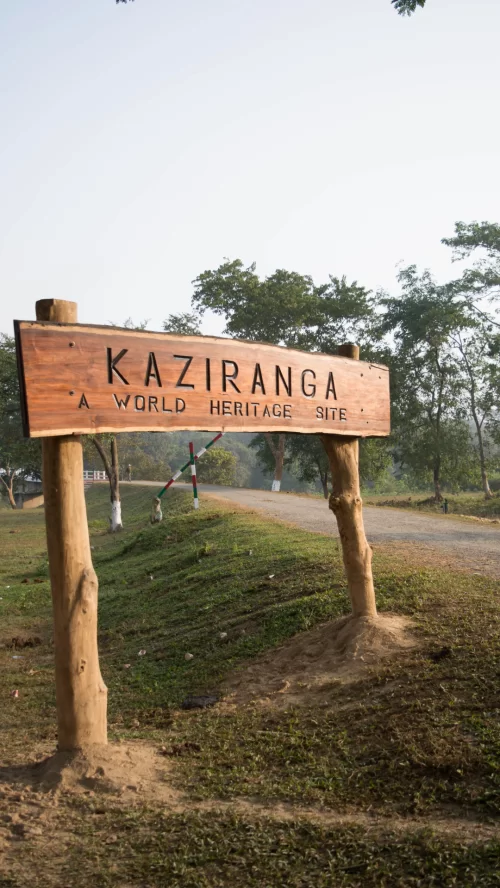
Kaziranga National Park is one of India's most celebrated wildlife destinations and is internationally recognised for its outstanding conservation achievements and remarkable biodiversity. Situated within the fertile floodplains of the Brahmaputra River, the park protects vast expanses of tall grasslands, wetlands, forests, and riverine ecosystems that support an extraordinary variety of wildlife. Its global reputation has made Kaziranga one of the most visited national parks in Northeast India.
Visitors travel to Kaziranga throughout the tourism season to experience its unique landscapes, organised wildlife safaris, and opportunities to observe rare species in their natural habitats. The park's carefully protected ecosystems provide ideal conditions for numerous mammals, birds, reptiles, and aquatic life while offering unforgettable experiences for photographers, families, researchers, and wildlife enthusiasts.
Exploring Kaziranga introduces visitors to one of India's greatest conservation success stories while showcasing the natural beauty that has made Assam famous across the world.
Kaziranga continues to represent Assam's commitment to wildlife conservation while attracting visitors seeking exceptional nature experiences.
Kaziranga supports one of the richest concentrations of wildlife found anywhere in India. The park is most famous for its one-horned rhinoceros population, but visitors may also encounter Asian elephants, wild water buffalo, deer species, tigers, primates, reptiles, and countless bird species that inhabit its diverse ecosystems. These varied habitats create excellent opportunities for wildlife observation throughout the tourism season.
Birdwatchers also appreciate Kaziranga for its impressive diversity of resident and migratory birds found around wetlands, forests, and open grasslands. The combination of large mammals, colourful birdlife, aquatic habitats, and scenic landscapes makes every safari unique while encouraging repeat visits by wildlife enthusiasts interested in observing different species and seasonal changes.
The remarkable diversity of wildlife within Kaziranga demonstrates why it remains one of the most celebrated protected areas in India's national park network.
| Wildlife Category | Notable Species |
|---|---|
| Large Mammals | One-horned rhinoceros, elephants, tigers. |
| Herbivores | Wild buffalo and deer species. |
| Birdlife | Resident and migratory birds. |
| Reptiles | Various reptiles in wetland habitats. |
| Aquatic Life | Species supported by rivers and wetlands. |
Kaziranga's remarkable wildlife diversity provides unforgettable experiences for nature lovers while highlighting the importance of habitat conservation.
Kaziranga has become synonymous with Assam because it represents the state's greatest strengths in wildlife conservation, biodiversity, and sustainable nature tourism. Its international recognition, successful protection of endangered species, and outstanding safari experiences have made it one of the first destinations included in most Assam travel itineraries. The park also contributes significantly to regional tourism and environmental education.
Beyond wildlife sightings, visitors appreciate Kaziranga for its scenic landscapes, peaceful natural surroundings, and opportunities to experience Assam's ecological richness. Whether travelling as a family, photographer, researcher, or adventure enthusiast, the park offers rewarding experiences that showcase the state's remarkable natural heritage while encouraging responsible tourism and conservation awareness.
Kaziranga remains one of the strongest reasons travellers choose Assam, combining unforgettable wildlife encounters with world-class conservation achievements and spectacular natural landscapes.
Visiting Kaziranga allows travellers to experience the wildlife heritage that has made Assam one of India's most respected nature tourism destinations.
The Brahmaputra River is the lifeline of Assam and one of the most significant rivers in Asia. Flowing across the length of the state, it shapes Assam's geography, agriculture, biodiversity, economy, and cultural identity. The fertile floodplains created by the river support tea plantations, forests, wetlands, farming communities, and wildlife habitats that have sustained life in the region for centuries. Its immense width and constantly changing course make it one of the most distinctive rivers in the world.
Beyond its geographical importance, the Brahmaputra has influenced Assamese traditions, folklore, festivals, transportation, and settlement patterns throughout history. Numerous towns, villages, temples, and cultural centres have developed along its banks, making the river an integral part of everyday life. Travellers quickly realise that understanding the Brahmaputra is essential to understanding Assam itself.
The Brahmaputra River represents the natural and cultural heart of Assam while connecting its landscapes, people, and traditions into one remarkable destination.
Exploring the Brahmaputra helps visitors appreciate the natural forces that have shaped Assam's culture, economy, and extraordinary biodiversity for generations.
The Brahmaputra River is famous for its expansive floodplains, sandbars, wetlands, and river islands that create constantly changing landscapes throughout the year. These environments support unique ecosystems while providing homes to farming communities, fishing villages, wildlife habitats, and culturally important settlements. The river's dynamic nature contributes significantly to Assam's remarkable geographical diversity.
Among the river's most famous attractions is Majuli, one of the world's largest inhabited river islands, which reflects Assam's deep spiritual and cultural heritage. Smaller islands, riverside villages, and scenic viewpoints also provide opportunities to observe traditional lifestyles closely connected to the river. These landscapes combine natural beauty with centuries of cultural history, making the Brahmaputra an essential part of every Assam itinerary.
The river's islands and surrounding landscapes illustrate the close relationship between Assam's natural environment and its cultural traditions.
| River Feature | Travel Experience |
|---|---|
| River Islands | Cultural exploration and village experiences. |
| Floodplains | Scenic landscapes and wildlife habitats. |
| Wetlands | Bird watching and biodiversity. |
| Riverside Villages | Traditional Assamese lifestyles. |
| Natural Viewpoints | Photography and relaxation. |
Exploring the diverse landscapes created by the Brahmaputra allows travellers to experience Assam's unique combination of nature, history, and living culture.
River cruises along the Brahmaputra offer one of the most relaxing and scenic ways to experience Assam. Travellers can enjoy panoramic views of forests, wetlands, sandbars, villages, tea-growing landscapes, and distant hills while observing everyday life along the riverbanks. The peaceful atmosphere provides excellent opportunities for photography, bird watching, and appreciating the immense scale of one of Asia's great rivers.
Depending on the itinerary, river journeys may include cultural visits, village interactions, wildlife observation, sunset viewing, and exploration of important river islands. Cruising the Brahmaputra provides a completely different perspective of Assam, allowing visitors to experience landscapes that are often inaccessible by road while appreciating the natural beauty that has defined the state for centuries.
River cruises combine relaxation, scenic exploration, and cultural discovery, making them one of Assam's most memorable travel experiences.
Exploring Assam by river allows travellers to experience the state's breathtaking natural beauty while gaining a deeper appreciation of its landscapes and cultural heritage.
Majuli is internationally recognised as one of the world's largest inhabited river islands and stands among Assam's most celebrated cultural destinations. Situated within the Brahmaputra River, the island is known for its peaceful rural landscapes, fertile agricultural fields, traditional villages, and strong spiritual heritage. Unlike crowded tourist centres, Majuli offers a slower pace of travel where visitors can experience authentic Assamese culture surrounded by beautiful natural scenery.
The island's unique geographical setting has shaped its traditions, architecture, festivals, and way of life for centuries. Travellers visiting Majuli enjoy quiet village roads, scenic river views, handcrafted local products, and welcoming communities that preserve long-standing cultural practices. The combination of natural beauty and living heritage makes Majuli one of the most distinctive destinations in Northeast India.
Exploring Majuli introduces visitors to a remarkable blend of river landscapes, traditional lifestyles, and cultural heritage that cannot be experienced anywhere else in Assam.
Majuli's combination of natural beauty and living traditions creates an unforgettable travel experience that reflects the cultural soul of Assam.
Majuli is widely respected as an important centre of Assamese spirituality and cultural preservation. The island is home to historic monasteries that have safeguarded traditional art, music, dance, literature, and religious practices for generations. These institutions continue to play an important role in preserving Assam's cultural identity while welcoming visitors interested in learning about the region's heritage.
Beyond its spiritual significance, Majuli's villages provide opportunities to observe traditional craftsmanship, agriculture, local cuisine, and everyday community life. Visitors often interact with artisans, farmers, and local families while exploring quiet settlements connected by scenic rural roads. These experiences offer meaningful insights into Assamese traditions while creating a deeper appreciation of the island's cultural importance.
Majuli's monasteries and villages together preserve a remarkable cultural legacy that continues to attract travellers from across India and around the world.
| Cultural Attraction | Visitor Experience |
|---|---|
| Monasteries | Traditional spiritual and cultural heritage. |
| Villages | Authentic rural lifestyles. |
| Local Crafts | Handmade artistic traditions. |
| Traditional Cuisine | Regional Assamese flavours. |
| Community Life | Meaningful cultural interaction. |
Discovering Majuli's spiritual centres and traditional villages allows travellers to experience one of Assam's richest cultural landscapes.
Majuli occupies a special place in Assam's cultural identity because it has preserved centuries of artistic, religious, and community traditions despite changing environmental conditions. The island continues to celebrate festivals, maintain traditional performance arts, support local craftsmanship, and protect customs that have been passed from generation to generation. This living heritage distinguishes Majuli from many other cultural destinations in India.
For travellers, Majuli represents an opportunity to experience Assamese culture through direct interaction rather than museum displays or historical exhibits alone. Exploring its villages, monasteries, festivals, and natural surroundings creates a deeper understanding of the traditions that continue to shape everyday life on the island. These experiences make Majuli one of the most meaningful destinations included in an Assam itinerary.
Majuli's enduring cultural significance continues to inspire visitors while preserving the traditions that form an essential part of Assam's identity.
Visiting Majuli allows travellers to experience the cultural traditions that have made the island one of Assam's most treasured and distinctive destinations.
Assamese culture is deeply rooted in community celebrations, traditional arts, and centuries-old customs that continue to thrive across the state. Among all cultural events, the Bihu festivals are the most recognised and celebrated, symbolising different stages of the agricultural cycle while bringing people together through music, dance, food, and shared traditions. These festivals showcase the warmth, hospitality, and collective spirit that define Assamese society.
Traditional Bihu dance performances, accompanied by instruments such as the dhol, pepa, gogona, and taal, create lively cultural experiences that attract both domestic and international visitors. Villages, towns, and cities participate enthusiastically, making Bihu one of the best opportunities for travellers to witness authentic Assamese heritage. Beyond entertainment, these celebrations preserve cultural values and strengthen community bonds across generations.
Experiencing Bihu allows visitors to understand the joyful traditions that have shaped Assam's cultural identity for centuries while creating unforgettable memories.
Bihu celebrations beautifully represent Assam's traditions, community spirit, and cultural pride, making them an essential experience for every visitor.
Assam is home to numerous communities that have contributed to the state's remarkable cultural diversity over many centuries. Each region reflects its own customs, languages, traditional attire, festivals, art forms, and local practices while collectively forming the rich cultural identity of Assam. Travellers exploring different districts often notice unique variations in architecture, food, handicrafts, music, and daily life.
Traditional hospitality remains an important part of Assamese culture, with visitors frequently welcomed warmly by local communities. Seasonal festivals, village gatherings, religious ceremonies, and family traditions continue to preserve cultural practices that have been passed down through generations. This diversity gives travellers opportunities to experience authentic regional traditions beyond popular tourist attractions.
Discovering Assam's cultural diversity provides valuable insight into the traditions and lifestyles that make the state one of India's most culturally vibrant regions.
| Cultural Element | Visitor Experience |
|---|---|
| Festivals | Traditional celebrations and community gatherings. |
| Music and Dance | Folk performances and cultural programmes. |
| Traditional Clothing | Regional handwoven garments and textiles. |
| Village Life | Authentic local customs and hospitality. |
| Art and Crafts | Traditional handmade products. |
Exploring local customs across Assam allows visitors to appreciate the remarkable cultural diversity that enriches every journey through the state.
Festivals and cultural events provide some of the most rewarding opportunities to experience Assam's heritage firsthand. Throughout the year, visitors can observe traditional performances, community gatherings, religious celebrations, local fairs, and seasonal festivals that reflect the state's agricultural traditions, spiritual beliefs, and artistic heritage. These occasions allow travellers to interact with local communities while witnessing living traditions rather than historical displays alone.
Cultural events also highlight Assamese cuisine, music, handicrafts, and folk performances, creating immersive experiences that combine entertainment with education. Whether visiting during major festivals or smaller regional celebrations, travellers gain a deeper understanding of Assam's identity through direct participation and observation. Such experiences often become the most memorable highlights of an Assam itinerary.
Experiencing festivals and cultural events enables visitors to connect with Assam's traditions while appreciating the vibrant heritage that continues to flourish across the state.
Participating in Assamese festivals offers visitors an authentic and meaningful introduction to the state's enduring cultural traditions.
Assamese cuisine reflects the state's agricultural traditions, natural resources, and cultural diversity. Prepared using fresh local ingredients, regional recipes focus on balanced flavours that highlight the natural taste of vegetables, herbs, fish, meat, and rice. Among the most recognised dishes are Khar, Masor Tenga, and numerous regional specialities that represent the culinary identity of Assam while introducing visitors to flavours distinct from other parts of India.
Food varies across different regions of the state, with local communities contributing their own cooking styles and traditional recipes. Meals often include seasonal vegetables, freshwater fish, aromatic herbs, bamboo shoot preparations, rice-based dishes, and homemade pickles that showcase Assam's rich agricultural heritage. Exploring regional cuisine becomes an essential part of understanding the state's culture.
Tasting traditional Assamese dishes allows travellers to experience the authentic flavours that have been preserved through generations of local culinary traditions.
Traditional Assamese cuisine offers visitors an authentic taste of the state's culture while highlighting the richness of its local ingredients and culinary heritage.
Traditional Assamese cooking emphasises simplicity, freshness, and careful preparation rather than heavy spices. Local kitchens use ingredients such as rice, mustard oil, leafy vegetables, bamboo shoots, herbs, freshwater fish, lentils, and naturally fermented products to create balanced meals. These ingredients reflect the agricultural richness of the Brahmaputra Valley and the close relationship between Assamese communities and their natural surroundings.
Cooking techniques have been refined over generations and continue to preserve the original flavours of locally grown produce. Traditional recipes often vary between communities, creating remarkable culinary diversity across the state. Visitors exploring villages, tea estates, and local restaurants frequently discover recipes that cannot easily be found elsewhere in India, making food an important cultural experience throughout the journey.
Understanding traditional cooking methods helps travellers appreciate the authenticity and regional character that define Assamese cuisine.
| Traditional Ingredient | Common Use |
|---|---|
| Rice | Staple food in daily meals. |
| Freshwater Fish | Traditional Assamese recipes. |
| Bamboo Shoots | Regional vegetable preparations. |
| Local Herbs | Natural flavour enhancement. |
| Mustard Oil | Traditional cooking medium. |
Traditional Assamese cooking combines fresh ingredients with time-honoured techniques that preserve the authentic flavours of the region.
Food offers one of the most enjoyable ways to experience Assam because every meal reflects local traditions, seasonal produce, and community heritage. Travellers can enjoy authentic cuisine in city restaurants, rural homestays, tea estates, village households, and local eateries, each offering its own interpretation of Assamese cooking. These experiences create memorable connections between visitors and the communities they explore.
Beyond tasting individual dishes, experiencing Assamese cuisine allows travellers to understand local hospitality, agricultural practices, and cultural traditions that have shaped the region's food culture for centuries. Sampling a variety of traditional recipes during the journey adds depth to every itinerary while complementing wildlife, cultural, and sightseeing experiences across Assam.
Exploring authentic regional flavours transforms every meal into an opportunity to discover another important aspect of Assam's rich cultural identity.
Authentic Assamese cuisine enriches every journey by allowing travellers to experience the state's culture through its distinctive regional flavours and traditional hospitality.
Assam is internationally recognised for its exceptional silk traditions, particularly the production of Muga silk and Eri silk, which have become symbols of the state's artistic heritage. Muga silk is admired for its natural golden sheen and durability, while Eri silk is appreciated for its soft texture and warmth. These unique varieties have been woven by skilled artisans for generations and continue to play an important role in Assamese culture, ceremonies, and traditional clothing.
Visitors travelling across Assam often explore weaving villages, local textile centres, and craft markets where handwoven fabrics are produced using traditional techniques passed down through families. Watching skilled weavers transform silk threads into beautiful garments offers valuable insight into one of India's oldest textile traditions. Purchasing authentic handwoven products also supports local artisans while allowing travellers to take home meaningful souvenirs that reflect Assam's cultural identity.
Exploring Assam's silk heritage provides visitors with an appreciation of the craftsmanship, dedication, and artistic excellence that have made the state's textiles famous throughout India and beyond.
The remarkable silk traditions of Assam continue to preserve centuries of craftsmanship while showcasing the state's rich artistic heritage to visitors from around the world.
Beyond its famous silk, Assam is equally celebrated for its diverse handicrafts created by talented artisans across different regions. Bamboo and cane products are among the most widely recognised, reflecting the abundance of natural resources available throughout the state. Skilled craftsmen produce baskets, furniture, decorative items, household products, and artistic creations that combine functionality with traditional design.
Bell metal craftsmanship also occupies an important place in Assamese heritage, with artisans producing utensils, ceremonial objects, decorative pieces, and cultural artefacts using techniques preserved over generations. Local artwork, woodcraft, pottery, and handmade decorative items further enrich Assam's craft traditions. Exploring these products provides travellers with opportunities to understand the creativity and practical skills that define Assamese artisan communities.
Discovering Assam's handicrafts allows visitors to appreciate the artistic traditions that continue to thrive alongside the state's cultural and natural attractions.
| Traditional Craft | Popular Products |
|---|---|
| Muga Silk | Traditional garments and textiles. |
| Eri Silk | Handwoven clothing and fabrics. |
| Bamboo and Cane | Furniture, baskets, and decorative items. |
| Bell Metal | Utensils and ceremonial products. |
| Local Artwork | Handmade decorative crafts. |
Assam's handicraft traditions demonstrate remarkable creativity while preserving techniques that continue to support artisan communities throughout the state.
Traditional craftsmanship represents far more than artistic expression in Assam because it supports livelihoods, preserves cultural identity, and strengthens community traditions. Many artisan families continue practising weaving, bamboo work, bell metal production, and other crafts using knowledge inherited across generations. These skills have become an essential part of Assam's cultural heritage while contributing to tourism and local economic development.
Travellers visiting handicraft centres gain valuable insight into the dedication required to produce handmade products using traditional methods. Purchasing authentic local crafts not only provides meaningful souvenirs but also encourages the continuation of these valuable traditions. Supporting local artisans helps preserve Assam's rich artistic heritage for future generations while creating sustainable opportunities within rural communities.
Understanding the significance of traditional craftsmanship allows visitors to appreciate the cultural value behind every handmade product they encounter during their Assam journey.
Traditional craftsmanship continues to define Assam's cultural identity while connecting visitors with generations of artistic excellence and community heritage.
Assam is one of India's finest destinations for bird watching because of its remarkable variety of habitats that support hundreds of resident and migratory bird species. The state's forests, wetlands, grasslands, riverbanks, tea gardens, and floodplain ecosystems create ideal conditions for birds throughout the year. These diverse environments attract bird enthusiasts, wildlife photographers, researchers, and nature lovers who wish to experience one of the country's richest avian landscapes.
Every habitat offers unique birdwatching opportunities. Dense forests shelter woodland species, while wetlands and rivers attract water birds, migratory visitors, and numerous aquatic species. Seasonal changes further increase the diversity of birds visible across Assam, making every visit slightly different. The combination of exceptional biodiversity and beautiful natural surroundings establishes Assam as an outstanding destination for wildlife observation.
Exploring Assam's birdlife introduces visitors to an extraordinary natural world where forests, wetlands, and rivers support thriving ecosystems filled with remarkable species.
Assam's exceptional birdlife reflects the health of its ecosystems while offering unforgettable experiences for visitors interested in wildlife and nature.
Many of Assam's national parks and wildlife sanctuaries are recognised for their impressive bird diversity. Wetlands, river islands, grasslands, forests, and protected reserves provide safe habitats where numerous bird species thrive alongside mammals, reptiles, and aquatic life. These protected ecosystems demonstrate the importance of conservation in maintaining Assam's extraordinary biodiversity.
Destinations such as Kaziranga National Park, Manas National Park, Nameri National Park, Dibru Saikhowa National Park, Orang National Park, and various wetlands attract birdwatchers from across India and abroad. Exploring multiple protected areas allows visitors to observe different habitats while appreciating the ecological diversity that makes Assam one of Northeast India's premier wildlife destinations.
Protected forests and wetlands provide ideal opportunities to experience Assam's remarkable birdlife while supporting responsible conservation tourism.
| Protected Area | Nature Experience |
|---|---|
| Kaziranga National Park | Grasslands, wetlands, and birdlife. |
| Manas National Park | Forest biodiversity and wildlife. |
| Nameri National Park | Forest birds and river ecosystems. |
| Dibru Saikhowa National Park | Wetlands and migratory birds. |
| Orang National Park | Wetland habitats and diverse wildlife. |
Exploring Assam's protected natural areas allows visitors to witness thriving ecosystems while appreciating the importance of preserving wildlife habitats.
Nature exploration in Assam extends beyond traditional wildlife safaris. Guided birdwatching walks, forest trails, wetland visits, river excursions, and scenic observation points allow visitors to experience the state's remarkable biodiversity at a slower pace. These activities provide opportunities to observe birds, butterflies, reptiles, and other wildlife while enjoying peaceful natural surroundings far from busy urban environments.
Wildlife photographers particularly appreciate Assam for its varied landscapes and exceptional species diversity. Morning light across wetlands, forests, and grasslands creates excellent conditions for capturing memorable images of birds and wildlife in their natural habitats. Responsible photography combined with respectful wildlife observation helps preserve these ecosystems while allowing travellers to enjoy meaningful outdoor experiences.
Experiencing Assam through birdwatching and nature photography creates lasting memories while encouraging greater appreciation for the state's extraordinary natural heritage.
Nature exploration allows travellers to discover the remarkable biodiversity that has made Assam one of India's leading wildlife destinations.
Assam offers one of the most balanced travel experiences in India because it combines wildlife, tea tourism, cultural heritage, river landscapes, traditional villages, and authentic regional cuisine within a single destination. Rather than focusing on only one attraction, travellers should plan an itinerary that includes several different experiences. Visiting Kaziranga National Park, exploring the famous tea gardens, cruising along the Brahmaputra River, discovering Majuli Island, attending cultural events where possible, and tasting Assamese cuisine together creates a complete understanding of the state.
Combining multiple attractions also allows visitors to appreciate the diversity that makes Assam unique. Wildlife enthusiasts can enjoy national parks and birdwatching, while cultural travellers can explore monasteries, villages, handicrafts, and traditional festivals. Nature lovers will appreciate scenic river landscapes and tea estates, making every day of the itinerary different from the previous one. This balanced approach ensures travellers experience Assam's many strengths instead of limiting themselves to a single destination.
Exploring Assam through a combination of wildlife, culture, tea heritage, rivers, and natural beauty creates a rewarding journey that reflects the true character of the state.
A well-planned itinerary combining Assam's famous attractions provides visitors with a complete and memorable travel experience that showcases the state's extraordinary diversity.
Every traveller visits Assam with different expectations, so selecting experiences according to personal interests helps create a more satisfying journey. Wildlife enthusiasts may spend more time exploring Kaziranga, Manas, and other protected areas, while tea lovers can include plantation tours, tea tasting sessions, and heritage tea estate stays. Travellers interested in culture may prioritise Majuli Island, monasteries, festivals, handicrafts, and traditional village experiences.
Families often enjoy combining wildlife parks with river cruises and tea gardens, while photographers can focus on birdwatching, scenic landscapes, and sunrise or sunset viewpoints along the Brahmaputra. Adventure travellers may include nature walks, outdoor activities, and multiple national parks within their itinerary. Matching destinations with personal interests allows every visitor to enjoy Assam at a comfortable pace while making the most of their available travel time.
Selecting attractions according to travel interests creates a personalised itinerary that reflects individual preferences while showcasing the diverse experiences available across Assam.
| Traveller Interest | Recommended Experiences |
|---|---|
| Wildlife Lovers | Kaziranga, Manas, safaris, birdwatching. |
| Nature Enthusiasts | Tea gardens, Brahmaputra, wetlands. |
| Cultural Travellers | Majuli, monasteries, festivals, villages. |
| Families | Wildlife parks, cruises, scenic attractions. |
| Photographers | Wildlife, landscapes, tea estates, river views. |
Choosing experiences that match personal travel interests ensures every visitor enjoys a fulfilling journey while exploring Assam in a meaningful and enjoyable way.
Before beginning your journey, prepare a practical travel checklist that covers transportation, accommodation, permits where applicable, seasonal clothing, and advance bookings for wildlife safaris or popular stays. Planning ahead helps visitors travel comfortably while reducing unnecessary delays during the trip. It is equally important to leave enough time in the itinerary to experience Assam without rushing between destinations.
A complete Assam holiday should include the state's defining attractions such as the one-horned rhinoceros, Kaziranga National Park, tea plantations, the Brahmaputra River, Majuli Island, traditional Assamese cuisine, handicrafts, birdlife, and local cultural experiences. By combining these highlights with responsible travel practices and respect for local traditions, visitors can fully appreciate the remarkable diversity that has made Assam one of Northeast India's most celebrated destinations.
Following a thoughtful travel plan ensures visitors experience everything that makes Assam famous while creating lasting memories through wildlife, culture, nature, and authentic local hospitality.
A carefully planned itinerary allows travellers to experience the very best of Assam while discovering why the state is famous for its wildlife, tea, culture, rivers, biodiversity, and warm hospitality.


Get customized Assam tour planning designed around seasonal weather patterns, river conditions, wildlife safari timing, and realistic road travel flow. Whether you are visiting for national parks, tea estate stays, cultural experiences, spiritual sites, o
⚡ Quick Response | 💰 Free consultation | 🕒 24×7 expert support