How Tea is Made in Assam – A Tourist's Guide
Understanding how tea is made in Assam allows travellers to explore plantations, learn traditional processing methods, and experience the journey from fresh tea leaves to the final product.
+91 9910402252
admin@chalbanjare.com


Traditional music and dance of Assam reflect the state’s diverse communities through folk performances, devotional traditions, festivals, instruments, and cultural celebrations.
Music and dance have always been an integral part of Assam's cultural identity, reflecting the traditions, beliefs, festivals, and everyday lives of its people. Across the Brahmaputra Valley and the surrounding hill regions, performing arts have evolved alongside agriculture, spirituality, community celebrations, and seasonal changes. Whether performed during colourful festivals, religious ceremonies, weddings, or village gatherings, traditional music and dance continue bringing communities together while preserving generations of cultural knowledge.
Assam's rich performing arts include the energetic Bihu dance, the graceful classical Sattriya dance, the storytelling tradition of Ojapali, the spiritual Deodhani dance, and numerous tribal dance forms practised by communities such as the Bodo, Mising, Karbi, Rabha, Tiwa, and Deori. Every performance has its own distinctive costumes, musical instruments, rhythms, songs, and symbolic meanings that reflect the cultural diversity of the state.
For travellers, experiencing traditional performances offers much more than entertainment. It provides an opportunity to understand Assamese history, community values, artistic creativity, and the deep relationship between people, nature, agriculture, and spirituality that continues shaping the state's cultural heritage.
Traditional music and dance remain among Assam's most treasured cultural expressions. They continue connecting generations through artistic performances that celebrate history, identity, and community life across the state.
Traditional performances play a vital role in preserving Assam's cultural heritage by passing songs, dances, folklore, rituals, and artistic traditions from one generation to the next. Many performances are taught within families, village communities, monasteries, and cultural institutions where experienced artists guide younger performers through years of practice. This continuous learning process ensures that centuries-old traditions remain alive despite changing lifestyles and modern influences.
Community festivals, village celebrations, temple ceremonies, cultural competitions, and educational programmes all contribute to safeguarding these performing arts. Traditional costumes, indigenous musical instruments, and local languages remain essential parts of every performance, preserving both artistic techniques and cultural identity. Government organisations, cultural academies, and local communities also organise festivals and workshops that encourage wider appreciation for Assam's remarkable artistic heritage.
Visitors attending authentic performances gain valuable insight into how performing arts continue serving as living traditions rather than museum exhibits. Every performance reflects the dedication of communities committed to preserving their unique cultural legacy.
| Cultural Element | How It Is Preserved |
|---|---|
| Traditional Dance | Passed through community and family training. |
| Folk Songs | Performed during festivals and village gatherings. |
| Musical Instruments | Used continuously in cultural celebrations. |
| Traditional Costumes | Maintained through cultural performances. |
| Community Festivals | Strengthen cultural continuity across generations. |
Community participation remains the foundation of Assam's performing arts. Through regular festivals and cultural programmes, traditional music and dance continue preserving the state's unique artistic identity for future generations.
Festivals and rituals provide the natural setting for many of Assam's traditional music and dance performances. Agricultural celebrations, seasonal festivals, religious ceremonies, temple rituals, and community gatherings all feature performances that express gratitude, celebrate prosperity, honour spiritual beliefs, and strengthen social unity. Rather than existing separately, performing arts are deeply woven into the cultural fabric of Assamese society.
During festivals such as Rongali Bihu and various tribal celebrations, music and dance become central to community life. Performers wear traditional attire, musicians play indigenous instruments, and audiences actively participate in celebrations through singing, dancing, and shared cultural experiences. Religious institutions such as the Satras preserve classical traditions like Sattriya, while village communities continue practising folk performances linked with local customs and agricultural cycles.
Travellers planning cultural visits during major festivals experience Assam at its most vibrant. Respectful participation allows visitors to appreciate the deeper cultural meanings behind each performance while supporting the preservation of these living artistic traditions.
The connection between festivals, rituals, and performing arts makes Assam's cultural traditions truly distinctive. Every celebration demonstrates how music and dance continue enriching community life while preserving centuries of heritage.
Bihu Dance is the most recognised folk dance of Assam and serves as a vibrant symbol of the state's cultural identity. Closely associated with the Rongali Bihu festival, which celebrates the Assamese New Year and the arrival of spring, the dance reflects joy, prosperity, youth, and the beginning of a new agricultural season. Performed by men and women in colourful traditional attire, Bihu Dance is admired for its energetic movements, graceful expressions, rhythmic footwork, and lively musical accompaniment.
The dance originated in rural agricultural communities where villagers celebrated successful harvests and welcomed the sowing season with songs, music, and collective festivities. Over time, Bihu Dance evolved into one of India's most celebrated folk traditions while retaining its strong connection with Assamese village life. Today it is performed across Assam during festivals, cultural programmes, educational institutions, tourism events, and national celebrations.
Visitors travelling during Rongali Bihu experience the state at its most colourful, with performances taking place in villages, towns, public grounds, cultural centres, and open community spaces throughout Assam.
Bihu Dance beautifully represents the joy, energy, and cultural pride of Assam. It continues bringing communities together through lively performances that celebrate nature, agriculture, and the beginning of a new season.
Bihu performances combine energetic dance with lively folk songs and traditional musical instruments that create the distinctive sound of Assam's most celebrated festival. Performers sing Bihu songs that often express themes of love, youth, seasonal beauty, farming life, and happiness. These songs are accompanied by instruments such as the dhol, pepa, gogona, toka, taal, and bamboo flute, each contributing unique rhythms that encourage enthusiastic participation from both performers and audiences.
Festival performances take place in villages, community grounds, educational institutions, cultural festivals, and urban celebrations throughout the state. Dancers wear colourful traditional clothing while musicians perform rhythmic melodies that have been preserved across generations. Community participation remains one of the defining features of Bihu celebrations, making the performances lively, interactive, and deeply rooted in Assamese cultural traditions.
Travellers attending Bihu festivals witness authentic cultural expressions where music, dance, traditional attire, and festive enthusiasm combine to create one of Northeast India's most memorable cultural experiences.
| Performance Element | Role During Bihu |
|---|---|
| Bihu Songs | Celebrate love, youth, and seasonal joy. |
| Dhol | Provides energetic rhythmic beats. |
| Pepa | Adds the distinctive Assamese melody. |
| Gogona | Enhances traditional musical rhythm. |
| Traditional Costumes | Represent Assamese cultural identity. |
Bihu music combines traditional instruments, folk songs, and energetic performances into a joyful celebration that reflects the spirit and artistic heritage of Assam.
Bihu is much more than a dance festival—it represents the cultural heart of Assamese society. Celebrated during different agricultural seasons, Bihu strengthens community relationships, honours farming traditions, welcomes seasonal change, and preserves artistic heritage through music, dance, cuisine, and local customs. Families gather to celebrate together, villages organise cultural programmes, and performers proudly showcase traditions that have continued for centuries.
The festival also serves as an important platform for preserving Assamese language, folk music, handloom traditions, indigenous musical instruments, and community participation. Schools, universities, cultural organisations, and local communities actively encourage younger generations to learn Bihu songs and dance, ensuring that these traditions remain vibrant despite modern influences. For visitors, Bihu provides one of the finest introductions to the warmth, hospitality, and cultural richness of Assam.
Experiencing Bihu allows travellers to understand how performing arts continue shaping Assamese identity while bringing together people of all ages through joyful community celebrations that remain deeply connected with the state's agricultural heritage.
Bihu remains the most iconic celebration of Assam's music, dance, and community spirit. Its enduring popularity continues preserving one of India's richest folk traditions while welcoming visitors into the heart of Assamese culture.
Sattriya is the classical dance form of Assam and one of the eight officially recognised classical dance traditions of India. It originated within the Vaishnavite monasteries, locally known as Satras, established by the great saint and social reformer Srimanta Sankardeva during the fifteenth and sixteenth centuries. Initially performed by monks as a devotional offering, Sattriya gradually evolved into a refined performing art while preserving its spiritual foundations and deep connection with Assamese culture.
The dance combines graceful movements, expressive storytelling, devotional music, rhythmic footwork, and dramatic expressions to narrate episodes from Hindu scriptures, particularly those associated with Lord Krishna and Vaishnavite philosophy. Performances were traditionally held inside monastery prayer halls during religious festivals and ceremonial occasions, allowing devotees to understand spiritual teachings through artistic presentation.
Today, Sattriya is performed by both male and female dancers on cultural stages, at national festivals, and within traditional Satras across Assam. Although it has adapted to modern performance venues, it continues preserving the devotional spirit and artistic discipline that define its historical origins.
Sattriya beautifully combines spirituality, classical technique, and Assamese cultural identity. Its continued practice preserves one of the state's most significant artistic achievements while introducing visitors to a remarkable tradition rooted in devotion and history.
Sattriya performances are distinguished by graceful body movements, precise rhythmic patterns, expressive facial gestures, and carefully choreographed storytelling. Every movement follows established classical principles while conveying devotional themes through elegance and emotional expression. Dancers undergo years of rigorous training to master posture, rhythm, balance, hand gestures, and dramatic interpretation that together define this sophisticated art form.
Traditional costumes play an important role in every performance. Dancers wear beautifully crafted Assamese silk garments, often woven from Muga or Pat silk, complemented by traditional jewellery and carefully designed accessories. Live music accompanies the performance using classical Assamese instruments, devotional singing, cymbals, and percussion that create a spiritual atmosphere while supporting the rhythm of the dance. Together, music, costume, and movement create a harmonious artistic presentation deeply connected with Assamese heritage.
Visitors attending Sattriya performances experience a refined classical tradition where every costume, gesture, melody, and movement carries symbolic meaning rooted in centuries of devotional practice.
| Performance Element | Significance |
|---|---|
| Dance Movements | Express devotion through graceful choreography. |
| Traditional Costumes | Reflect Assamese silk weaving traditions. |
| Music | Supports storytelling and devotional atmosphere. |
| Hand Gestures | Communicate symbolic meanings and emotions. |
| Expressions | Bring religious narratives to life. |
The beauty of Sattriya lies in the seamless harmony between movement, costume, music, and storytelling. Every performance reflects centuries of artistic discipline preserved through Assam's rich classical tradition.
Sattriya occupies a unique place in Indian performing arts because of its direct connection with Assam's religious, literary, and cultural history. Developed within the Vaishnavite movement led by Srimanta Sankardeva, the dance became an important medium for educating communities about moral values, devotional philosophy, and sacred literature through artistic performances. Monasteries served not only as spiritual centres but also as institutions preserving dance, music, theatre, literature, and visual arts.
The recognition of Sattriya as one of India's classical dance forms brought international attention to Assam's cultural heritage while encouraging wider preservation efforts. Today, cultural academies, universities, dance schools, and traditional Satras continue training performers who uphold the discipline and authenticity of this remarkable tradition. Performances are now enjoyed by audiences across India and abroad while maintaining the devotional principles established centuries ago.
For travellers interested in cultural tourism, witnessing Sattriya at a traditional Satra or cultural festival provides valuable insight into Assam's religious history, artistic excellence, and enduring commitment to preserving its classical heritage.
Sattriya continues representing the spiritual and artistic legacy of Assam. Its historical importance extends far beyond performance, serving as a living symbol of the state's classical heritage and cultural identity.
Assamese folk music represents the collective voice of the state's rural communities, preserving stories, emotions, traditions, and everyday experiences through melodious songs passed from one generation to another. Unlike classical music, folk songs evolved naturally within villages where they accompanied agricultural activities, festivals, religious ceremonies, weddings, river journeys, and seasonal celebrations. Every region of Assam has contributed unique musical traditions, creating a remarkably diverse folk heritage.
Among the best-known forms are Bihu songs, Goalpariya folk songs, Tokari Geet, Zikir, Jari songs, and numerous tribal musical traditions practised by indigenous communities. Each style reflects different historical influences, regional dialects, occupations, and cultural identities while maintaining a strong connection with local life. Folk singers traditionally perform without elaborate stage settings, allowing the emotional depth of the lyrics and melodies to remain the central focus.
Travellers attending village festivals or cultural programmes have excellent opportunities to experience authentic folk music performed in its original social setting. These performances provide valuable insights into the everyday lives and cultural values of Assamese communities.
Traditional folk songs continue preserving Assam's cultural memory through melodies that celebrate everyday life, community relationships, and the natural beauty of the region. They remain an essential part of the state's artistic identity.
The themes of Assamese folk music are closely connected with the environment and the experiences of ordinary people. Rivers, forests, rain, changing seasons, farming, village life, love, family relationships, festivals, and spiritual beliefs all inspire traditional songs that have been preserved through oral tradition for centuries. Agriculture plays a particularly important role, with many songs celebrating sowing, harvesting, and the arrival of spring during Bihu festivities.
Nature is often portrayed as a living companion rather than simply a backdrop, reflecting the deep respect Assamese communities have traditionally shown towards their surroundings. Birds, flowers, mountains, rivers, and changing weather become poetic symbols expressing joy, longing, celebration, and hope. Songs also capture the routines of rural life, including weaving, fishing, boat journeys, and social gatherings that shape community identity.
For visitors, listening to these traditional melodies provides a meaningful introduction to Assam's cultural landscape. The themes reveal how closely music remains connected with the rhythms of daily life and the natural world.
| Common Theme | Cultural Meaning |
|---|---|
| Nature | Celebrates rivers, forests, and seasonal beauty. |
| Agriculture | Marks farming activities and harvest festivals. |
| Love | Expresses emotions and relationships. |
| Village Life | Reflects everyday rural experiences. |
| Festivals | Strengthens community identity and celebration. |
The timeless themes found in Assamese folk music continue connecting communities with their environment, traditions, and shared cultural heritage. Every song preserves stories that remain relevant across generations.
Folk music serves as an important expression of the identity of Assam's many communities. Different regions and cultural groups have developed their own musical styles, languages, rhythms, and lyrical traditions that reflect local history and social values. Whether performed by Assamese-speaking communities or indigenous tribes such as the Bodo, Mising, Karbi, Rabha, and Tiwa, folk music remains closely connected with community life and cultural continuity.
Traditional songs are commonly performed during festivals, weddings, religious ceremonies, village gatherings, and cultural competitions, ensuring that younger generations continue learning local traditions. Community participation is central to these performances, with audiences often joining singers through clapping, dancing, or chorus singing. This shared involvement strengthens social relationships while preserving artistic traditions in a natural and inclusive manner.
Travellers attending authentic performances quickly recognise that Assamese folk music is more than entertainment—it is a living cultural tradition that reflects the values, memories, and collective experiences of the communities that continue preserving it.
Traditional folk music continues representing the cultural soul of Assam. Through community participation and oral tradition, these songs preserve local identity while celebrating the diversity that makes the state culturally unique.
Ojapali is one of Assam's oldest traditional performing arts, combining storytelling, music, dance, rhythmic movements, and dramatic expressions into a single cultural presentation. This unique art form developed centuries ago as a medium for narrating religious stories, moral lessons, historical events, and folklore to local communities. Unlike standalone dance or musical performances, Ojapali blends several artistic elements together, creating an engaging experience where performers sing, narrate, dance, and interact with the audience simultaneously.
A traditional Ojapali performance is led by the Oja, who acts as the chief storyteller, singer, and guide throughout the presentation. Supporting performers, known as Palis, accompany the Oja with chorus singing, synchronized movements, rhythmic clapping, and dramatic gestures that enhance the narrative. Together they create lively performances that educate, entertain, and preserve Assamese literary and cultural traditions. The combination of expressive storytelling and coordinated performance makes Ojapali one of the most distinctive art forms found in Northeast India.
Visitors attending authentic Ojapali performances gain valuable insight into Assam's literary heritage, oral traditions, and performing arts while witnessing an artistic style that has survived through continuous community preservation over many centuries.
Ojapali beautifully combines literature, music, dance, and dramatic storytelling into a living cultural tradition that continues preserving Assam's rich artistic heritage through community performances and religious celebrations.
Many Ojapali performances are closely associated with Hindu religious traditions and are based on sacred texts, mythological stories, and devotional literature. Episodes from the Ramayana, Mahabharata, Puranas, and other religious scriptures are interpreted through songs, narration, gestures, and symbolic dance movements that help audiences understand spiritual teachings. Historically, these performances served as an important educational medium when written literature was not widely accessible.
Religious festivals, temple celebrations, village ceremonies, and cultural gatherings continue providing important platforms for Ojapali performances. The lead performer narrates complex stories with expressive voice modulation while supporting artists reinforce dramatic moments through synchronized singing and movement. Traditional costumes, hand gestures, and rhythmic accompaniment further enrich the spiritual atmosphere of every presentation.
For travellers, witnessing Ojapali during religious or cultural festivals offers a meaningful opportunity to appreciate the close relationship between faith, literature, and performing arts in Assamese society. Respectful observation allows visitors to better understand the deeper cultural significance of these performances.
| Performance Element | Cultural Importance |
|---|---|
| Storytelling | Communicates religious and historical narratives. |
| Lead Performer | Guides the complete performance. |
| Supporting Artists | Enhance rhythm, music, and dramatic presentation. |
| Religious Themes | Preserve devotional traditions. |
| Festival Performances | Strengthen cultural and spiritual identity. |
Religious themes remain central to Ojapali, making every performance both an artistic presentation and a cultural expression of Assam's devotional traditions that continue inspiring audiences today.
Ojapali represents far more than an artistic performance—it is a living tradition that preserves Assamese literature, mythology, music, language, and community values. Through centuries of continuous practice, this performance tradition has helped transmit religious knowledge, moral teachings, historical narratives, and cultural identity from one generation to another. Its ability to combine education with entertainment has allowed it to remain relevant even as modern forms of communication have developed.
Today, cultural organisations, educational institutions, and heritage festivals continue supporting Ojapali by organising performances, workshops, and documentation projects that encourage younger generations to learn this traditional art. Visitors attending these events contribute to cultural preservation by appreciating authentic performances and encouraging continued interest in Assam's indigenous artistic traditions.
Experiencing Ojapali allows travellers to understand the depth of Assam's performing arts heritage while recognising the importance of safeguarding these remarkable cultural traditions for future generations.
Ojapali continues serving as one of Assam's most distinctive cultural treasures, preserving literature, spirituality, music, and storytelling through performances that remain relevant and meaningful in modern times.
Deodhani Dance is one of Assam's most fascinating traditional ritual dances, closely associated with spiritual ceremonies, temple festivals, and indigenous religious beliefs. The performance is traditionally linked with the worship of Goddess Manasa and other local deities, where dancers perform expressive movements believed to represent divine blessings and spiritual devotion. Unlike recreational folk dances, Deodhani Dance carries strong ritualistic significance and continues to be performed during important religious occasions in various parts of Assam.
The performance is characterised by energetic choreography, devotional music, symbolic gestures, and ceremonial costumes that together create an atmosphere of spiritual reverence. Traditionally, dancers perform under the guidance of temple authorities or community elders during festivals and religious gatherings. Every movement follows established customs that have been preserved through generations, reflecting the deep relationship between Assamese spirituality and performing arts.
Visitors attending Deodhani performances should approach the event with respect, recognising that these presentations are sacred cultural traditions rather than purely theatrical performances. Responsible observation allows travellers to appreciate the artistic beauty while respecting the religious importance of the ceremony.
Deodhani Dance represents the close relationship between spirituality and artistic expression in Assam, preserving centuries-old ceremonial traditions that continue enriching the state's cultural heritage.
Every Deodhani performance follows a sequence of traditional rituals that combine devotional music, symbolic gestures, rhythmic movements, and ceremonial expressions. The choreography is deeply connected with religious beliefs and often represents spiritual devotion, protection, and blessings associated with local deities. Accompanying musicians create rhythmic patterns using traditional percussion instruments, helping establish the sacred atmosphere that defines the performance.
Traditional costumes, ornaments, and ceremonial accessories contribute significantly to the visual identity of the dance. Performers display remarkable control, expressive body language, and rhythmic coordination while following customs preserved through generations of religious practice. Community participation also remains important, as local residents gather to witness and support these ceremonies during annual temple festivals and village celebrations.
Travellers observing these performances gain insight into how ritual, faith, and artistic expression have remained interconnected throughout Assamese cultural history. Every performance reflects centuries of inherited knowledge and community devotion.
| Performance Feature | Role in the Ceremony |
|---|---|
| Traditional Movements | Express devotion and spiritual symbolism. |
| Music | Creates the ceremonial atmosphere. |
| Costumes | Reflect religious and cultural identity. |
| Temple Rituals | Preserve spiritual traditions. |
| Community Participation | Strengthens cultural continuity. |
Ritual movements and ceremonial expressions remain central to Deodhani Dance, allowing the performance to preserve both spiritual traditions and Assam's rich performing arts heritage.
Deodhani Dance demonstrates how performing arts have traditionally served as an expression of religious devotion in Assam. Rather than existing independently from spiritual life, music, dance, rituals, and ceremonial performances have historically formed an integral part of temple traditions and community worship. These performances preserve religious narratives while strengthening cultural identity and encouraging collective participation during important festivals.
Today, Deodhani continues to be presented during selected religious celebrations where local communities maintain traditional customs with great respect. Cultural researchers, heritage organisations, and tourism initiatives increasingly recognise the importance of documenting and preserving these performances while ensuring that their sacred character remains protected. Visitors can contribute positively by observing respectfully, following local guidance, and appreciating the deeper meaning behind every ritual.
Experiencing Deodhani Dance provides travellers with a unique opportunity to understand the spiritual foundations of Assamese performing arts while witnessing a remarkable tradition that continues connecting faith, culture, and artistic expression.
Deodhani Dance continues preserving the spiritual essence of Assamese performing arts, offering visitors a meaningful cultural experience rooted in faith, tradition, and community heritage.
Assam's tribal communities have preserved a remarkable variety of music and dance traditions that reflect their history, beliefs, agricultural lifestyle, and close relationship with nature. Every indigenous community, including the Bodo, Mising, Karbi, Rabha, Tiwa, Deori, Dimasa, Sonowal Kachari, and several others, has developed its own distinctive performance styles that continue to be practised during festivals, harvest celebrations, marriages, religious ceremonies, and important community gatherings. These traditions have been passed through generations, making them an essential part of Assam's living cultural heritage.
Bodo performances are closely associated with the colourful Bwisagu festival, while the Mising community celebrates Ali Ai Ligang through energetic dances and traditional songs. Karbi festivals feature graceful folk dances accompanied by indigenous instruments, and Rabha, Tiwa, and Deori communities preserve their own ceremonial performances connected with agriculture and seasonal celebrations. Every performance reflects local customs, artistic creativity, and strong community participation, ensuring that traditional knowledge continues to thrive in both rural villages and cultural festivals.
Visitors travelling through Assam during major festival seasons can experience authentic tribal performances in their original community settings. These performances provide valuable opportunities to understand the diversity of indigenous traditions while appreciating the unique cultural identities of different tribal groups.
Tribal music and dance remain among Assam's greatest cultural treasures. Their diversity reflects the remarkable heritage of indigenous communities that continue preserving centuries-old artistic traditions through festivals, ceremonies, and village life.
Each tribal community in Assam has developed distinctive musical styles using traditional instruments crafted from bamboo, wood, animal hide, cane, and natural materials available within their environment. Percussion instruments, flutes, horns, bamboo idiophones, and rhythmic accessories accompany songs that celebrate agriculture, nature, family life, and spiritual beliefs. The melodies and rhythms vary between communities, creating unique musical identities while maintaining strong cultural connections.
Dance styles are equally diverse, with some performances featuring energetic group formations while others emphasise graceful circular movements, symbolic gestures, or ceremonial rituals. Traditional attire woven by local artisans enhances every performance through colourful patterns and indigenous designs that identify individual communities. Songs are commonly performed in native languages and dialects, preserving oral traditions that continue transmitting local history, folklore, and social values across generations.
Travellers attending village festivals or cultural exhibitions gain valuable insight into the richness of Assam's indigenous performing arts by observing how music, dance, costume, and storytelling come together during authentic community celebrations.
| Performance Element | Role in Tribal Culture |
|---|---|
| Traditional Songs | Preserve language, folklore, and history. |
| Musical Instruments | Create distinctive regional rhythms. |
| Traditional Dance | Celebrate festivals and community identity. |
| Traditional Costumes | Represent individual tribal heritage. |
| Community Participation | Strengthens cultural continuity. |
Traditional instruments, songs, and dance styles continue defining the artistic identity of Assam's tribal communities. Their preservation ensures that indigenous culture remains vibrant and meaningful for future generations.
One of the most rewarding aspects of cultural travel in Assam is experiencing the diversity of its indigenous performing arts. No two tribal communities perform music or dance in exactly the same way, allowing visitors to appreciate a wide range of artistic traditions within a single state. Every festival, village celebration, and cultural programme offers a unique combination of songs, costumes, rituals, and performances that reflect local history and community identity.
Responsible tourism encourages meaningful interactions between visitors and indigenous communities through cultural festivals, village visits, artisan workshops, and community-led performances. Travellers should always respect local customs, request permission before photography, avoid interrupting ceremonies, and support local artisans by purchasing authentic handmade products. Such practices help ensure that tourism contributes positively to cultural preservation rather than disrupting traditional ways of life.
Experiencing tribal music and dance allows visitors to understand Assam beyond its famous wildlife and landscapes. These artistic traditions reveal the extraordinary cultural richness that continues making the state one of Northeast India's most fascinating cultural destinations.
The diversity of Assam's tribal performing arts reflects the strength of its indigenous heritage. Every respectful cultural experience helps preserve these remarkable traditions while creating meaningful connections between travellers and local communities.
Traditional musical instruments are at the heart of Assamese music, creating the distinctive sounds that accompany folk dances, religious ceremonies, cultural festivals, and village celebrations throughout the state. Many of these instruments have been crafted and performed for centuries using bamboo, wood, buffalo horn, animal hide, cane, and other natural materials. Their unique construction produces melodies and rhythms that immediately evoke the cultural identity of Assam.
The dhol is perhaps the most recognisable instrument, providing energetic percussion during Bihu performances and other celebrations. The pepa, made from buffalo horn, produces a powerful melodic sound closely associated with Rongali Bihu festivities. Other important instruments include the bamboo flute, gogona, toka, taal, xutuli, and various tribal percussion instruments, each contributing a unique musical texture during performances. Together they create the lively rhythms that define Assamese folk music.
Visitors attending cultural festivals quickly recognise these traditional instruments through their distinctive sounds and their close association with community celebrations. Many artisans continue handcrafting these instruments using traditional methods, preserving valuable musical craftsmanship across generations.
Traditional instruments remain an essential part of Assamese cultural identity. Their distinctive sounds continue bringing life to festivals, dances, and community celebrations across the state.
Musical instruments play an essential role in every major cultural celebration across Assam. During Bihu festivals, the rhythmic beats of the dhol combine with the melodies of the pepa, flute, gogona, and cymbals to accompany energetic dance performances. Religious ceremonies, classical Sattriya performances, tribal festivals, village gatherings, and temple rituals also depend upon traditional instruments to establish rhythm, atmosphere, and emotional expression throughout the event.
Musicians often begin learning these instruments from childhood under the guidance of experienced family members or local performers. Their skills are refined through years of participation in festivals and community programmes, ensuring traditional performance practices continue across generations. In many villages, musicians are highly respected because they preserve an important part of Assam's artistic and cultural heritage through their dedication and craftsmanship.
Travellers attending cultural events gain a deeper appreciation for Assamese music by recognising how different instruments contribute to various dance forms, ceremonies, and regional traditions. Every performance reflects the close partnership between musicians and dancers that defines the state's performing arts.
| Instrument | Primary Cultural Role |
|---|---|
| Dhol | Provides rhythm during festivals and dances. |
| Pepa | Creates the iconic melody of Bihu. |
| Gogona | Adds rhythmic accompaniment. |
| Flute | Enhances folk and devotional performances. |
| Taal | Maintains rhythm during musical presentations. |
Traditional instruments remain inseparable from Assamese cultural performances. Their rhythmic and melodic contributions continue preserving the authenticity of the state's music and dance traditions.
The distinctive sound of Assamese music is created through the harmonious combination of percussion, wind instruments, bamboo idiophones, and rhythmic accessories that have evolved over centuries. Every instrument contributes its own tone and character, allowing musicians to produce lively festival music, devotional melodies, folk performances, and ceremonial compositions that immediately reflect the identity of Assam. This combination of sounds distinguishes Assamese music from other regional traditions across India.
Traditional craftsmen continue using natural materials such as bamboo, buffalo horn, cane, wood, and animal hide to produce instruments that preserve their original acoustic qualities. Cultural institutions, artisan workshops, and music schools actively encourage younger generations to learn both instrument making and traditional performance techniques. Visitors interested in music heritage can often observe instrument demonstrations at festivals, museums, and cultural exhibitions held throughout Assam.
Understanding these traditional instruments allows travellers to appreciate the remarkable craftsmanship and musical knowledge that continue shaping Assamese performing arts. Every melody reflects generations of artistic innovation rooted in local culture and community traditions.
Traditional musical instruments continue defining the soundscape of Assam's festivals and performing arts. Their enduring presence ensures that the state's musical heritage remains vibrant, authentic, and deeply connected with community life.
Festivals in Assam are incomplete without traditional music and dance, which bring communities together through colourful performances, cultural pride, and shared celebrations. Whether it is the energetic Rongali Bihu, the devotional gatherings held in Vaishnavite Satras, or indigenous tribal festivals celebrated across rural villages, music and dance remain at the centre of every important occasion. These performances are not organised merely for entertainment but serve as living expressions of community identity, agricultural traditions, and spiritual beliefs that have been preserved for centuries.
During Rongali Bihu, villages, towns, educational institutions, and cultural organisations organise vibrant performances featuring Bihu songs, traditional dances, indigenous musical instruments, and colourful Assamese attire. Tribal communities similarly celebrate festivals such as Bwisagu, Ali Ai Ligang, Baikho, Jonbeel Mela, and many others through distinctive songs, ceremonial dances, and community gatherings. Religious festivals also include devotional performances such as Sattriya and Ojapali, reflecting Assam's diverse cultural landscape.
Visitors travelling during festival seasons experience Assam at its most lively and welcoming. Every celebration provides opportunities to witness authentic performances while learning about the traditions, customs, and artistic heritage that continue shaping Assamese society.
Festival performances beautifully showcase Assam's cultural diversity through music, dance, costumes, and community celebrations. They remain one of the finest ways to experience the state's living artistic traditions.
Community gatherings are an essential feature of Assamese festivals, bringing together people of all ages to celebrate music, dance, food, religion, and local traditions. Families, neighbours, artists, musicians, and visitors participate in colourful cultural programmes where performances strengthen social bonds and preserve centuries-old customs. These gatherings often continue throughout the day with singing, dancing, traditional games, community feasts, and artisan exhibitions.
Traditional attire plays an important role during these celebrations. Women commonly wear elegant Mekhela Chadors woven from Muga, Pat, or Eri silk, while men wear dhotis, kurtas, and traditional gamusas. Tribal communities proudly wear their own distinctive woven garments that reflect individual cultural identities. Rituals, ceremonial prayers, and symbolic performances further enrich the festive atmosphere while maintaining the spiritual significance of many celebrations.
Visitors attending these community events gain valuable insight into Assamese hospitality, craftsmanship, and cultural values. Respectful participation allows travellers to appreciate the deeper meanings behind costumes, rituals, and artistic performances rather than viewing them simply as cultural displays.
| Festival Element | Cultural Importance |
|---|---|
| Traditional Costumes | Represent regional and tribal identities. |
| Community Gatherings | Strengthen social relationships. |
| Dance Performances | Celebrate seasonal and cultural traditions. |
| Music | Accompanies rituals and celebrations. |
| Ceremonies | Preserve religious and cultural customs. |
Community gatherings remain at the heart of Assamese festivals, creating joyful occasions where music, dance, traditional attire, and rituals together preserve the state's rich cultural identity.
The festive atmosphere of Assam is best experienced through its lively performing arts. As celebrations begin, villages and cities fill with the sounds of traditional drums, flutes, folk songs, and enthusiastic audiences enjoying performances that have been preserved for generations. Open community grounds, temple courtyards, Satras, village squares, and cultural venues become vibrant stages where artists proudly showcase their heritage through dance, music, and storytelling.
Travellers planning cultural journeys during major festivals can enjoy a wide variety of performances ranging from energetic Bihu dances to devotional Sattriya recitals and colourful tribal celebrations. Every event reflects local traditions while providing opportunities to observe authentic costumes, indigenous instruments, handmade decorations, and community participation. Responsible visitors contribute positively by respecting local customs, seeking permission before photography, and supporting local artisans whenever possible.
Experiencing Assamese festivals through performing arts creates unforgettable cultural memories while offering a deeper understanding of the traditions that continue uniting communities across the state. These celebrations remain among the most rewarding cultural experiences available to travellers visiting Assam.
Assam's festive atmosphere comes alive through its performing arts, creating joyful celebrations that preserve cultural traditions while welcoming visitors to experience the state's remarkable artistic heritage.
Traditional music and dance provide one of the most rewarding ways to understand Assam's remarkable cultural heritage. Every performance reflects centuries of history, artistic creativity, religious beliefs, agricultural traditions, and community values that continue shaping everyday life across the state. From the lively rhythms of Bihu to the graceful elegance of Sattriya, from the storytelling of Ojapali to the colourful celebrations of indigenous tribal communities, Assam offers an extraordinary variety of performing arts that few destinations can match.
Travellers interested in meaningful cultural experiences should look beyond popular tourist attractions and include village festivals, heritage events, Satra visits, and local cultural programmes within their itinerary. These experiences offer opportunities to interact with communities, observe authentic performances, appreciate traditional craftsmanship, and better understand the diversity that defines Assamese culture. Every destination presents a unique perspective on the state's artistic identity.
Exploring Assam through its music and dance creates lasting memories while encouraging appreciation for traditions that have been carefully preserved through generations. These living cultural expressions remain among the state's greatest attractions for visitors seeking authentic travel experiences.
Music and dance offer an authentic gateway into Assam's cultural heritage. Every performance reveals traditions, values, and artistic excellence that continue enriching the identity of the state.
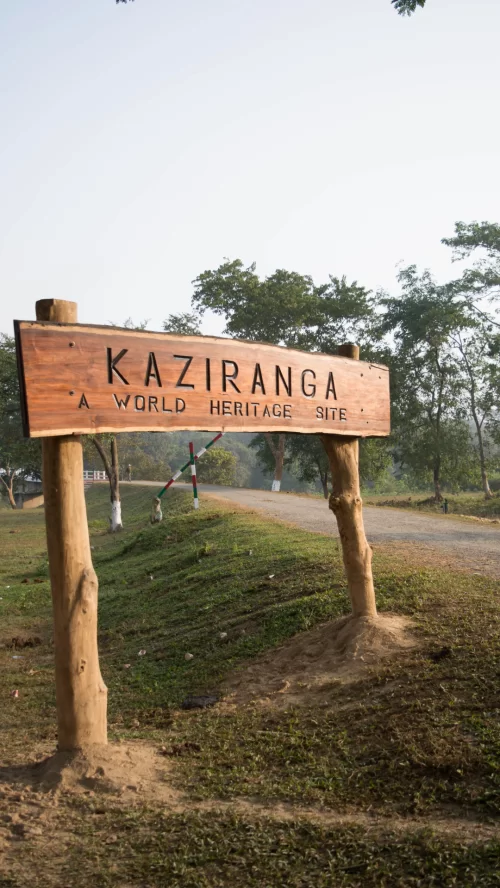
A well-planned Assam itinerary combines cultural experiences with the state's famous wildlife, tea gardens, river islands, temples, and scenic landscapes. Visitors can explore Kaziranga National Park, Majuli, Guwahati, Sivasagar, Manas National Park, and other destinations while scheduling visits around local festivals or cultural programmes. This balanced approach allows travellers to experience both the natural beauty and the vibrant traditions that make Assam unique.
Planning trips during Rongali Bihu or other major community celebrations significantly enhances opportunities to witness authentic performances. It is also advisable to allow extra time for village visits, museums, heritage centres, and monastery complexes where traditional music and dance continue to be practised. Flexible travel schedules provide greater chances of attending local events that may not always follow fixed tourist timetables.
Combining sightseeing with cultural exploration creates a richer travel experience by introducing visitors to Assam's landscapes, communities, traditions, and artistic heritage within a single journey.
| Travel Focus | Recommended Experience |
|---|---|
| Guwahati | Cultural centres, museums, and Bihu celebrations. |
| Majuli | Sattriya performances and Vaishnavite heritage. |
| Kaziranga | Wildlife with nearby cultural experiences. |
| Tribal Regions | Village festivals and indigenous performances. |
| Festival Season | Traditional music and dance celebrations. |
Integrating cultural experiences with sightseeing ensures a well-rounded Assam journey where visitors enjoy wildlife, heritage, landscapes, and authentic performing arts together.
Before travelling, research festival dates, cultural programmes, and heritage events that match your itinerary. Carry comfortable clothing suitable for both sightseeing and attending traditional performances, while also respecting local dress customs during religious ceremonies. Booking accommodation early during major festivals can help avoid last-minute availability issues, especially in popular destinations such as Guwahati and Majuli.
During performances, arrive on time, respect local etiquette, seek permission before photography, support local artisans, and purchase authentic handicrafts directly from community members whenever possible. Learning a few basic facts about Assamese traditions before your visit will greatly enhance your understanding of the performances and encourage meaningful interactions with local residents. Responsible travel helps preserve these valuable cultural traditions for future generations.
With thoughtful planning and respectful participation, travellers can enjoy unforgettable cultural experiences while contributing positively to the preservation of Assam's extraordinary music and dance heritage.
Following these simple travel tips will help visitors experience the best of Assamese music and dance while supporting the communities that continue preserving one of India's richest cultural traditions.


Get customized Assam tour planning designed around seasonal weather patterns, river conditions, wildlife safari timing, and realistic road travel flow. Whether you are visiting for national parks, tea estate stays, cultural experiences, spiritual sites, o
⚡ Quick Response | 💰 Free consultation | 🕒 24×7 expert support