
How Tea is Made in Assam – A Tourist's Guide
Understanding how tea is made in Assam allows travellers to explore plantations, learn traditional processing methods, and experience the journey from fresh tea leaves to the final product.
+91 9910402252
admin@chalbanjare.com


A Kaziranga safari is one of India’s most popular wildlife experiences, but understanding safari zones, timings, seasons and travel realities can help visitors plan a more rewarding trip.
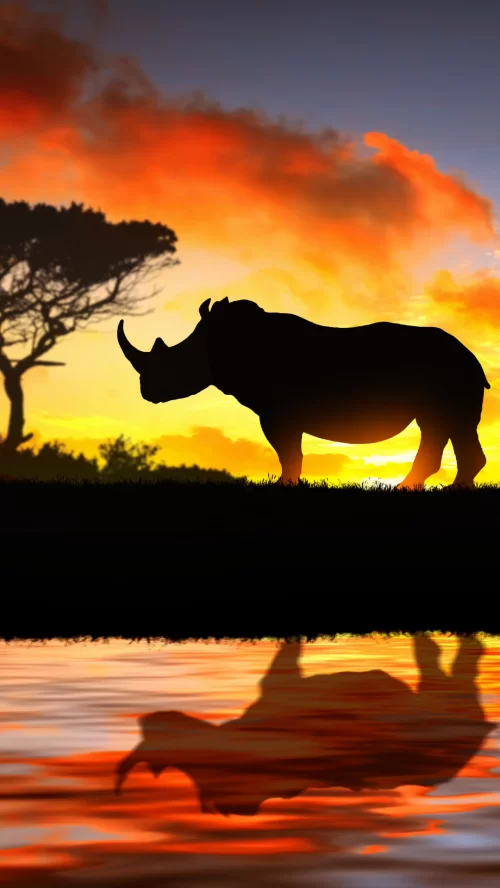
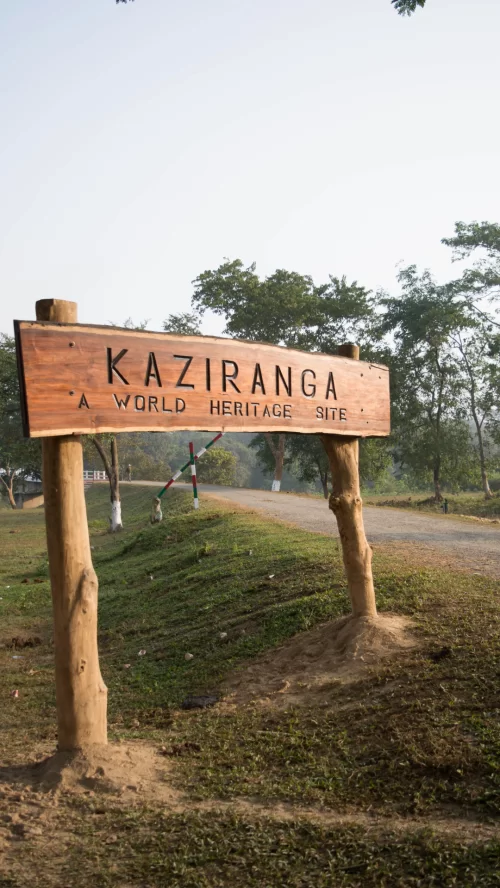
Kaziranga National Park is one of India's most celebrated wildlife destinations and is internationally recognized for its remarkable biodiversity and conservation success. Located in Assam, the park is particularly known for its population of the Indian one-horned rhinoceros, although it also supports elephants, wild buffalo, deer species, numerous bird species, and a wide range of other wildlife. The combination of grasslands, wetlands, forests, and riverine habitats creates an environment that supports exceptional wildlife diversity.
Unlike many wildlife destinations where landscapes remain relatively uniform, Kaziranga offers varied ecosystems across different regions of the park. Visitors experience open grasslands, water bodies, woodland areas, and floodplain environments during safaris. These varied habitats contribute significantly to the park's reputation and provide opportunities to observe wildlife in different settings.
The park attracts nature enthusiasts, photographers, conservation supporters, birdwatchers, and families seeking wildlife experiences. Its accessibility and reputation make it one of the most important tourism destinations in Northeast India.
Kaziranga's reputation comes not only from its wildlife but also from the overall experience of exploring one of India's most significant protected landscapes. The combination of nature, conservation, and adventure creates a memorable destination for visitors of all interests.
A safari in Kaziranga is very different from visiting a zoo or wildlife exhibition. Visitors enter natural habitats where animals move freely according to their own patterns and behaviors. The experience revolves around observing nature rather than following a guaranteed sightseeing schedule.
The atmosphere during a safari is often peaceful, with long stretches of grassland, distant bird calls, wetlands filled with wildlife activity, and occasional animal encounters. Some safaris may feature multiple wildlife sightings within a short period, while others may focus more on landscapes and environmental observation.
Visitors should approach the experience with patience and appreciation for the natural environment. Wildlife sightings are influenced by factors such as weather, habitat conditions, and animal movement patterns, making every safari unique.
Travelers who appreciate the broader natural environment generally enjoy Kaziranga more than those focused solely on specific wildlife sightings. The journey through the landscape is as important as the animals encountered along the way.
Planning a successful Kaziranga visit requires more than simply booking a safari. Travelers should allocate sufficient time for wildlife exploration, understand seasonal conditions, choose suitable accommodations, and create realistic schedules that allow flexibility for nature experiences.
Wildlife-focused trips often benefit from slower itineraries. Spending additional time in and around Kaziranga provides opportunities to experience different safari zones, varying landscapes, and changing wildlife activity patterns. Visitors who rush through the destination frequently miss many aspects that make the park special.
| Planning Element | Importance |
|---|---|
| Safari Experience | Core attraction of the trip. |
| Accommodation Location | Improves travel convenience. |
| Seasonal Research | Enhances wildlife opportunities. |
| Flexible Scheduling | Supports better experiences. |
| Wildlife Expectations | Should remain realistic. |
| Trip Duration | Longer stays often improve experiences. |
A well-planned Kaziranga trip focuses on wildlife, nature, and patience rather than rushing between activities. Travelers who prepare carefully usually enjoy richer and more rewarding safari experiences.
Kaziranga offers two distinct safari experiences that appeal to different types of travelers. Jeep safaris provide broader exploration across designated routes and cover larger areas of the park, while elephant safaris offer a slower and more intimate experience through grassland habitats. Both options allow visitors to observe wildlife, but they create very different travel experiences.
Jeep safaris typically involve traveling through multiple habitat types and provide opportunities to explore extensive sections of the park. Elephant safaris focus more on close interaction with the landscape and offer a unique perspective from an elevated position above the grasslands.
Neither option is universally better than the other. The choice depends on personal preferences, comfort expectations, photography goals, and the type of wildlife experience travelers wish to enjoy.
Understanding the strengths of each safari option helps travelers choose experiences that align with their interests and expectations before arriving at Kaziranga.
Wildlife viewing opportunities depend on habitat conditions, animal movements, and seasonal factors rather than the safari type alone. Jeep safaris provide access to a broader range of landscapes and allow visitors to cover larger distances. This increases opportunities to observe different habitats and species within a single excursion.
Elephant safaris offer a different perspective by moving through grassland environments where visibility may differ from vehicle-based experiences. The slower pace allows visitors to focus on details of the landscape and appreciate wildlife encounters from a unique vantage point.
Both safari options can be rewarding when approached with realistic expectations. Wildlife sightings are never guaranteed, and the overall experience should be appreciated as part of a broader exploration of nature.
The most rewarding wildlife experiences often come from appreciating the entire environment rather than focusing solely on a checklist of animals.
The ideal safari choice depends on what travelers hope to experience. Visitors seeking broader exploration and longer route coverage often prefer jeep safaris, while those interested in a traditional wildlife experience may appreciate elephant safaris.
Families, photographers, nature enthusiasts, and first-time wildlife travelers should consider factors such as comfort, duration, accessibility, and personal interests when making their decision. Some travelers even choose to experience both options to gain a more complete understanding of the park.
| Preference | Suitable Option |
|---|---|
| Larger Area Coverage | Jeep Safari |
| Traditional Wildlife Experience | Elephant Safari |
| Landscape Exploration | Jeep Safari |
| Unique Perspective | Elephant Safari |
| Extended Route Experience | Jeep Safari |
| Immersive Grassland Experience | Elephant Safari |
Both safari types offer memorable experiences. The best choice is the one that matches the traveler's interests, comfort expectations, and wildlife exploration goals.
Kaziranga National Park is a vast protected area covering a large and environmentally diverse landscape. To manage tourism, conservation activities, wildlife protection, and visitor movement effectively, the park is divided into multiple safari zones. These zones help distribute visitor traffic while ensuring that sensitive wildlife habitats receive appropriate protection.
The division of the park into different zones also allows visitors to experience varied landscapes rather than concentrating tourism activities in a single area. Each zone offers its own combination of grasslands, wetlands, forests, riverine habitats, and wildlife viewing opportunities. This structure helps maintain ecological balance while improving the overall safari experience.
Many first-time visitors mistakenly assume that all safari routes offer identical experiences. In reality, each zone showcases different environmental characteristics and wildlife habitats, making every safari area unique.
Understanding the purpose of safari zones helps travelers appreciate the scale and complexity of Kaziranga. The park functions as a collection of interconnected habitats rather than a single sightseeing area.
One of the reasons Kaziranga is so highly regarded among wildlife enthusiasts is the variety of habitats found throughout the park. Different safari zones contain varying combinations of tall grasslands, open plains, wetlands, woodland areas, river channels, and floodplain ecosystems. These environmental differences influence the wildlife species commonly observed in each area.
Grasslands often support large herbivores and provide iconic Kaziranga scenery, while wetlands attract water birds and other wildlife associated with aquatic habitats. Forested sections offer different viewing experiences and contribute to the park's ecological diversity. Because habitats vary across zones, wildlife activity patterns also differ from one area to another.
Visitors who understand habitat diversity tend to appreciate safaris more fully because they recognize that each landscape contributes to the broader ecological story of Kaziranga.
Rather than focusing only on wildlife sightings, travelers should also appreciate the remarkable diversity of habitats that make Kaziranga one of India's most important conservation landscapes.
Travelers who spend sufficient time in Kaziranga often consider exploring more than one safari zone. Since each area offers different landscapes and wildlife opportunities, visiting multiple zones can create a broader and more rewarding understanding of the park.
Careful planning becomes important when choosing safari zones. Factors such as accommodation location, travel schedules, available time, and personal interests influence which areas visitors may wish to explore. Wildlife enthusiasts and photographers frequently appreciate the variety that comes from experiencing different habitats during the same trip.
Visitors with limited time may choose a single safari experience, while longer stays provide opportunities to explore additional regions of the park and enjoy a more comprehensive wildlife journey.
| Safari Planning Factor | Importance |
|---|---|
| Zone Selection | Influences safari experience. |
| Habitat Diversity | Provides varied wildlife opportunities. |
| Trip Duration | Determines exploration possibilities. |
| Photography Goals | May influence zone choices. |
| Accommodation Location | Affects travel convenience. |
| Wildlife Interests | Guide safari planning decisions. |
Exploring different safari zones helps travelers experience the full diversity of Kaziranga. The variety of habitats and landscapes often becomes one of the most memorable aspects of the visit.
The quality of the safari experience in Kaziranga changes throughout the year because seasonal conditions influence wildlife habitats, vegetation, water levels, and visitor accessibility. Understanding these seasonal differences is one of the most important aspects of planning a successful trip.
Different periods of the year highlight different aspects of the park. Some seasons are favored by wildlife enthusiasts because of easier viewing conditions, while others appeal to travelers interested in lush landscapes, birdlife, or seasonal environmental changes. No single season suits every traveler equally, making it important to match travel goals with seasonal conditions.
Visitors who research seasonal patterns before planning their trip are generally better prepared and more likely to enjoy experiences that align with their expectations.
Understanding seasonal variation allows travelers to choose travel dates that support their specific interests, whether wildlife observation, photography, birdwatching, or general nature exploration.
Weather plays a major role in shaping safari experiences. Temperature, rainfall, humidity, visibility, and vegetation conditions all influence how visitors experience the park. Comfortable weather often enhances sightseeing opportunities and contributes to more enjoyable outdoor exploration.
Travelers should understand that weather conditions affect not only visitor comfort but also the appearance of landscapes and wildlife activity patterns. Open grasslands, wetlands, and forest environments can look very different depending on the season, creating unique experiences at different times of the year.
Planning according to weather conditions helps visitors prepare appropriate clothing, equipment, and daily schedules while improving overall travel comfort.
Travelers who understand seasonal weather patterns can make more informed decisions regarding trip timing and enjoy a more comfortable safari experience.
The ideal month to visit Kaziranga depends largely on what travelers hope to experience. Wildlife enthusiasts, photographers, birdwatchers, families, and nature lovers often prioritize different aspects of the destination. Understanding personal interests helps determine the most suitable travel period.
Rather than simply asking when to visit, travelers should ask what type of experience they want. Some visitors prioritize wildlife viewing, while others focus on photography, landscapes, comfortable weather, or nature exploration. Matching travel dates to these goals often results in a more satisfying journey.
| Travel Goal | Planning Consideration |
|---|---|
| Wildlife Observation | Research viewing conditions carefully. |
| Photography | Consider seasonal landscape changes. |
| Birdwatching | Understand seasonal bird activity. |
| Family Travel | Prioritize comfort and accessibility. |
| Nature Exploration | Match season to landscape preferences. |
| General Sightseeing | Choose comfortable travel periods. |
There is no single perfect month for every traveler. The best time to visit Kaziranga is the period that aligns most closely with personal interests, travel expectations, and the type of safari experience visitors wish to enjoy.
Early morning safaris are among the most popular wildlife experiences in Kaziranga because the park feels calm, fresh, and highly active during the first hours of the day. As sunlight gradually spreads across the grasslands and wetlands, visitors often experience a unique atmosphere that highlights the natural beauty of the landscape. The cooler temperatures also make outdoor exploration more comfortable for many travelers.
Morning safaris provide opportunities to observe the park awakening for the day. Bird activity is often noticeable, mist may linger across open grasslands, and the overall environment feels peaceful and undisturbed. Photographers frequently appreciate the softer light conditions that occur shortly after sunrise, which can create visually appealing landscapes and wildlife scenes.
Many wildlife enthusiasts prefer morning departures because they enjoy experiencing the park before daily temperatures rise. However, visitors should remember that wildlife behavior remains unpredictable and every safari experience will differ.
Morning safaris appeal to travelers who enjoy cooler weather, peaceful surroundings, and the opportunity to experience Kaziranga as the day begins. The atmosphere itself is often a major highlight of the experience.
Afternoon safaris offer a different perspective on Kaziranga and can be equally rewarding for visitors. The park takes on a different character as sunlight changes throughout the day, creating new opportunities to appreciate landscapes, wetlands, forests, and wildlife habitats. Travelers who participate in afternoon safaris often enjoy a more relaxed pace and different environmental conditions compared to morning excursions.
As the day progresses, lighting conditions change dramatically, influencing photography opportunities and the appearance of the landscape. The golden tones that develop later in the afternoon often create attractive scenery, particularly across grasslands and open habitats. Many visitors enjoy the visual contrast between morning freshness and afternoon warmth.
Afternoon safaris also provide flexibility for travelers who wish to spend their mornings resting, exploring nearby attractions, or preparing photography equipment before heading into the park.
Afternoon safaris demonstrate that Kaziranga changes throughout the day. Travelers who appreciate shifting light and landscape conditions often find afternoon excursions highly enjoyable.
Choosing between morning and afternoon safaris depends on personal preferences rather than a universal rule. Some visitors prioritize cooler temperatures and sunrise conditions, while others enjoy the changing colors and relaxed atmosphere of afternoon exploration. Both experiences provide opportunities to enjoy Kaziranga's landscapes and wildlife habitats.
Travelers with sufficient time often choose to experience both sessions because each offers unique environmental conditions and perspectives on the park. Those with limited schedules should consider comfort preferences, photography goals, and daily travel plans when selecting a safari timing.
Ultimately, the quality of the safari experience depends less on the time of day and more on the visitor's willingness to appreciate nature and remain open to the unpredictability of wildlife observation.
| Preference | Suitable Safari Timing |
|---|---|
| Cooler Temperatures | Morning |
| Sunrise Atmosphere | Morning |
| Golden Photography Light | Afternoon |
| Flexible Daily Schedule | Afternoon |
| Experiencing Both Atmospheres | Morning and Afternoon |
| General Wildlife Exploration | Either Option |
Both safari timings offer rewarding experiences. The best choice depends on travel style, comfort preferences, and the type of atmosphere visitors hope to enjoy while exploring Kaziranga.
One of the most important things visitors should understand before entering Kaziranga is that wildlife sightings are never guaranteed. The park is a natural ecosystem where animals move freely according to their own behavior, habitat needs, weather conditions, and daily activity patterns. Unlike controlled environments, wildlife cannot be predicted with complete accuracy.
Many first-time travelers arrive expecting constant animal sightings throughout the safari. While Kaziranga is famous for its rich biodiversity and wildlife viewing opportunities, the exact experience varies from day to day and from visitor to visitor. Some safaris may include multiple memorable encounters, while others focus more heavily on landscapes, birdlife, and habitat exploration.
The unpredictability of wildlife is actually one of the aspects that makes safaris exciting. Every excursion offers a different experience, and no two visits to the park are exactly alike.
Visitors who understand and accept the natural unpredictability of wildlife often enjoy safaris far more than those focused solely on specific animal sightings.
A common mistake among first-time wildlife travelers is measuring the success of a safari only by the number of animals observed. In reality, Kaziranga offers much more than wildlife encounters. The park's grasslands, wetlands, forests, rivers, birdlife, and changing landscapes are all important components of the experience.
Many experienced travelers view safaris as opportunities to observe ecosystems rather than simply searching for individual species. The scenery, sounds, weather conditions, and overall atmosphere contribute significantly to the enjoyment of the journey. Birdwatching, landscape photography, and environmental observation often become memorable highlights even when wildlife activity is less intense.
Travelers who appreciate the broader natural environment typically leave with a deeper understanding of the park and its conservation importance.
The most rewarding safaris often involve appreciating the entire ecosystem rather than focusing exclusively on a checklist of species. Kaziranga's landscapes and habitats are attractions in their own right.
Realistic expectations are one of the most important factors contributing to a successful safari experience. Visitors should arrive prepared to enjoy whatever nature chooses to reveal rather than expecting specific outcomes. This mindset creates a more relaxed and rewarding journey through the park.
Travelers who understand that wildlife observation requires patience are usually more satisfied with their experience. They appreciate the scenery, environmental diversity, and sense of exploration regardless of how many animals they encounter during the safari.
Preparing mentally for uncertainty allows visitors to enjoy the authentic nature of wildlife tourism and helps prevent disappointment caused by unrealistic assumptions.
| Expectation | Recommended Approach |
|---|---|
| Wildlife Sightings | Remain flexible and patient. |
| Safari Experience | Appreciate the entire ecosystem. |
| Photography | Focus on landscapes and habitats too. |
| Nature Observation | Expect variation between safaris. |
| Travel Satisfaction | Value the overall experience. |
| Wildlife Tourism | Accept natural unpredictability. |
Visitors who approach Kaziranga with realistic expectations generally enjoy richer and more meaningful safari experiences. The goal is not simply to see wildlife but to experience one of India's most remarkable natural environments in a thoughtful and respectful way.
Accommodation location plays a major role in the overall Kaziranga safari experience. Many first-time visitors focus primarily on room quality and overlook the importance of staying close to safari access areas. Choosing accommodation near major safari entry points can significantly improve travel convenience, reduce early morning transportation stress, and allow visitors to make the most of their wildlife exploration time.
Kaziranga attracts travelers with different budgets and travel styles, resulting in a wide variety of accommodation options ranging from resorts and wildlife lodges to guesthouses and homestays. While comfort and amenities remain important, proximity to safari activities often becomes equally valuable, particularly for visitors planning early morning departures.
Staying close to safari operations allows travelers to begin their wildlife experiences with minimal travel requirements. This is especially useful for families, photographers, and visitors planning multiple safari sessions during their stay.
Travelers who prioritize accommodation location alongside comfort often enjoy smoother safari experiences and spend less time managing transportation logistics during their visit.
Safari experiences often begin early in the day, making transportation planning an important consideration. Visitors staying far from safari entry areas may need to start their day significantly earlier in order to reach departure points on time. This can reduce comfort and increase travel-related fatigue.
Choosing accommodations with convenient access to safari activities helps create a more relaxed schedule. Travelers can spend more time preparing equipment, enjoying breakfast, organizing photography gear, or simply relaxing before the excursion begins.
Convenience becomes particularly important for visitors participating in multiple safari experiences over several days. Small reductions in travel time can have a significant impact on overall comfort and trip enjoyment.
Accommodation convenience is often overlooked during planning, yet it can greatly influence the quality of the overall wildlife tourism experience.
Comfort should remain an important factor when selecting accommodation around Kaziranga. Wildlife exploration often involves early departures, outdoor activities, and long periods spent observing nature. Returning to a comfortable environment at the end of the day contributes significantly to overall travel satisfaction.
Visitors should consider factors such as room comfort, meal availability, transportation access, family requirements, and personal travel preferences when selecting accommodation. Different travelers prioritize different features, making it important to match accommodation choices with individual expectations.
| Accommodation Factor | Importance |
|---|---|
| Location | Improves safari convenience. |
| Comfort | Supports overall travel experience. |
| Transportation Access | Simplifies movement. |
| Family Requirements | Improves travel comfort. |
| Meal Facilities | Adds convenience. |
| Safari Accessibility | Enhances trip planning. |
Accommodation should support the overall purpose of the trip rather than simply provide a place to sleep. Well-chosen lodging improves convenience, comfort, and the quality of the entire Kaziranga experience.
Kaziranga is one of India's most rewarding destinations for wildlife and nature photography. The park's grasslands, wetlands, birdlife, large mammals, and scenic landscapes provide diverse photographic opportunities throughout the safari experience. Proper preparation before entering the park helps photographers maximize these opportunities while minimizing equipment-related challenges.
Wildlife photography often requires flexibility because animal encounters occur unpredictably. Visitors should ensure that cameras, batteries, memory storage, and essential accessories are organized before departure. Preparation becomes particularly important during early morning safaris when opportunities may appear unexpectedly and disappear quickly.
Even casual photographers benefit from basic preparation. A well-organized camera setup allows visitors to focus on observing wildlife rather than managing equipment issues during important moments.
Preparation improves photography opportunities and allows visitors to concentrate on enjoying the safari experience rather than worrying about equipment management.
Many visitors arrive expecting wildlife photography to be the primary focus of a Kaziranga safari. While wildlife remains a major attraction, the park also offers outstanding opportunities to photograph landscapes, wetlands, grasslands, birds, natural light conditions, and environmental details. Travelers who broaden their photographic perspective often return with more diverse and compelling images.
Different times of day create different photographic conditions. Morning light, mist-covered grasslands, reflections in wetlands, and changing sky conditions all contribute to the visual appeal of the park. Photography opportunities often extend far beyond animal encounters.
Visitors should remain alert throughout the safari because interesting scenes can emerge at any moment. Landscapes, birds, and environmental details frequently become some of the most memorable images from a Kaziranga trip.
Successful wildlife photographers often appreciate the entire environment rather than focusing solely on animals. Kaziranga's landscapes contribute significantly to the overall photographic experience.
Responsible wildlife photography should always prioritize animal welfare and environmental respect. Visitors should remember that Kaziranga is a protected natural habitat where wildlife takes precedence over photography objectives. Ethical behavior helps protect the park while creating more authentic and meaningful images.
Photographers should avoid behavior that may disturb animals or interfere with their natural activities. Patience, observation, and respect often result in better photographs than attempting to force close encounters. Wildlife images are most rewarding when they capture animals behaving naturally within their environment.
Respecting park guidelines also supports conservation efforts and ensures that future visitors can enjoy the same high-quality wildlife experiences. Responsible photography benefits both travelers and the ecosystems they are documenting.
| Photography Principle | Recommended Approach |
|---|---|
| Wildlife Welfare | Always prioritize animal well-being. |
| Photography Distance | Respect natural boundaries. |
| Environmental Respect | Follow park regulations. |
| Wildlife Observation | Allow natural behavior. |
| Conservation Awareness | Support responsible tourism. |
| Photography Ethics | Prioritize authenticity. |
The best wildlife photographs often come from patience and respect rather than aggressive pursuit of subjects. Responsible photography enhances both the safari experience and the long-term protection of Kaziranga's remarkable wildlife.
One of the most common mistakes visitors make is delaying safari planning until the final stages of trip preparation. Kaziranga is one of India's most popular wildlife destinations, and safari demand can increase significantly during peak tourism periods. Travelers who wait too long may discover that preferred safari timings or travel schedules become more difficult to arrange.
Advance planning provides greater flexibility and allows visitors to design itineraries that fit their interests and travel goals. Early preparation also reduces last-minute stress and helps travelers focus on enjoying the destination rather than managing logistical challenges.
Many first-time visitors underestimate the popularity of wildlife tourism in Kaziranga and assume arrangements can be made easily at any time. Planning ahead is usually a more effective approach.
Visitors who arrange key aspects of their safari experience in advance generally enjoy greater flexibility and a more relaxed overall journey.
Many travelers focus on the safari itself while overlooking transportation requirements, accommodation locations, preparation time, and overall daily schedules. This often leads to rushed mornings, missed opportunities, or unnecessary stress during the trip.
Kaziranga experiences are most enjoyable when visitors allow sufficient time for travel, meals, photography preparation, and relaxation. Attempting to fit too many activities into a single day often reduces the quality of the wildlife experience and increases fatigue.
Realistic scheduling helps travelers appreciate the destination more fully and prevents transportation logistics from dominating the trip.
Travelers who plan realistic schedules typically enjoy more relaxed wildlife experiences and have greater opportunities to appreciate Kaziranga's landscapes and biodiversity.
Weather and seasonal conditions play an important role in shaping wildlife experiences. Some visitors arrive without researching seasonal factors and are surprised by differences in landscape appearance, visibility, travel conditions, or overall safari atmosphere. Understanding these factors helps travelers prepare appropriately and set realistic expectations.
Seasonal planning should influence clothing choices, photography preparation, travel schedules, and wildlife expectations. Different times of the year emphasize different aspects of Kaziranga, making it important to match travel goals with seasonal realities.
Visitors who research weather conditions before arrival are generally better prepared and more likely to enjoy experiences that align with their expectations.
| Common Mistake | Better Approach |
|---|---|
| Late Safari Planning | Arrange activities in advance. |
| Rushed Scheduling | Allow adequate preparation time. |
| Ignoring Travel Logistics | Plan transportation carefully. |
| Overpacked Itineraries | Focus on quality experiences. |
| Ignoring Seasonal Conditions | Research before travel. |
| Unrealistic Expectations | Remain flexible and patient. |
Avoiding these common mistakes significantly improves the overall safari experience. Thoughtful preparation allows travelers to focus on wildlife, landscapes, and nature rather than preventable travel challenges.
Choosing appropriate clothing is an important part of preparing for a Kaziranga safari. Since safaris take place in open natural environments, visitors should prioritize comfort, practicality, and weather suitability. Clothing should allow travelers to remain comfortable during extended periods of outdoor exploration while adapting to changing environmental conditions.
Lightweight and comfortable clothing is generally preferred for safari activities. Early morning excursions may feel cooler than expected, while daytime temperatures can gradually increase. Dressing in layers often helps visitors adapt more easily throughout the safari. Comfortable footwear is equally important because travelers may spend significant time outdoors before and after safari activities.
Accessories can also improve comfort during wildlife excursions. Sun protection, suitable headwear, and weather-appropriate items contribute to a more enjoyable experience and help visitors focus on wildlife observation rather than environmental discomfort.
Proper clothing preparation improves comfort throughout the safari and allows travelers to focus on wildlife and landscapes rather than environmental conditions.
Visitors often underestimate the importance of carrying basic personal essentials during wildlife excursions. Even relatively short safari experiences become more comfortable when travelers are properly prepared with hydration and essential personal items.
Water is one of the most important items to carry because outdoor exploration can involve extended exposure to natural conditions. Travelers should also consider personal requirements such as identification documents, communication devices, medications, and any items needed for comfort during the excursion.
Keeping personal belongings organized before departure helps reduce stress and ensures visitors can focus fully on enjoying the safari experience.
Simple preparation often makes a significant difference during wildlife excursions. Travelers who carry essential items thoughtfully are generally more comfortable throughout the safari.
Weather conditions can change throughout the day, making flexibility an important part of safari preparation. Early mornings may feel cooler, afternoons may become warmer, and seasonal conditions can influence overall comfort. Visitors who prepare for a range of weather conditions generally enjoy a smoother experience.
Travelers should check local forecasts before departure and pack accordingly. Weather preparation does not require carrying excessive equipment but rather selecting a few practical items that improve comfort if conditions change during the excursion.
Being prepared for weather variations allows visitors to remain focused on wildlife observation and photography rather than dealing with preventable discomfort during the safari.
| Essential Item | Purpose |
|---|---|
| Comfortable Clothing | Supports outdoor comfort. |
| Appropriate Footwear | Improves mobility and convenience. |
| Water | Maintains hydration. |
| Weather Protection | Supports changing conditions. |
| Personal Essentials | Improves preparedness. |
| Photography Equipment | Supports wildlife photography goals. |
Visitors who prepare for weather variations generally enjoy more comfortable and stress-free safaris. Simple planning allows travelers to focus entirely on the wildlife and natural beauty that make Kaziranga special.
A successful Kaziranga safari begins long before entering the national park. Proper preparation involves understanding seasonal conditions, selecting suitable accommodation, planning transportation, choosing safari experiences, and setting realistic expectations regarding wildlife observation. Visitors who prepare carefully often enjoy more rewarding and memorable journeys.
Wildlife tourism differs from conventional sightseeing because nature remains unpredictable. Travelers should approach Kaziranga with patience, curiosity, and an appreciation for the broader ecosystem rather than focusing exclusively on specific wildlife encounters. This mindset significantly improves overall satisfaction and helps visitors enjoy every aspect of the experience.
Preparation should also include practical considerations such as travel schedules, weather conditions, personal comfort requirements, and photography goals. These factors collectively influence the quality of the safari experience.
Travelers who prepare thoughtfully usually gain a deeper appreciation of Kaziranga's wildlife, landscapes, and conservation importance while enjoying a smoother overall journey.
Every traveler approaches Kaziranga with different interests. Wildlife enthusiasts may focus on maximizing safari opportunities, photographers may prioritize lighting conditions and habitat diversity, while families may emphasize comfort and convenience. Understanding these priorities helps visitors select experiences that align with their travel goals.
Jeep safaris, elephant safaris, different safari zones, morning departures, and afternoon excursions each offer distinct advantages. There is no universally perfect combination because the ideal experience depends entirely on personal preferences and travel style.
Visitors should evaluate available time, comfort requirements, mobility considerations, and photography interests before finalizing plans. Matching safari choices to individual priorities often results in a more satisfying experience.
| Traveler Type | Planning Focus |
|---|---|
| Wildlife Enthusiast | Maximize safari opportunities. |
| Photographer | Prioritize lighting and habitat diversity. |
| Family Traveler | Focus on comfort and convenience. |
| Senior Traveler | Plan manageable schedules. |
| First-Time Visitor | Choose balanced safari experiences. |
| Nature Lover | Appreciate the entire ecosystem. |
Choosing safari experiences based on personal interests creates a more meaningful and enjoyable visit. The most rewarding trips are usually those designed around individual travel goals rather than generic expectations.
Before finalizing travel plans, visitors should review accommodation arrangements, transportation logistics, safari schedules, seasonal conditions, clothing requirements, and photography preparation. A final planning review often helps identify potential issues before the trip begins.
Travelers should also ensure that their itinerary remains realistic. Allowing sufficient time for wildlife exploration, avoiding rushed schedules, and maintaining flexibility are among the most important factors contributing to a successful safari experience.
Kaziranga rewards patience, preparation, and curiosity. Visitors who arrive with realistic expectations and a willingness to appreciate nature often leave with some of their most memorable wildlife travel experiences.
| Safari Checklist | Status Before Travel |
|---|---|
| Accommodation Booked | Confirmed |
| Transportation Planned | Confirmed |
| Safari Schedule Reviewed | Completed |
| Weather Conditions Checked | Completed |
| Essential Items Packed | Ready |
| Wildlife Expectations Set | Realistic |
| Itinerary Flexibility Maintained | Recommended |
Kaziranga National Park is one of India's most remarkable wildlife destinations, offering opportunities to experience extraordinary landscapes, biodiversity, and conservation success. Travelers who combine preparation with realistic expectations are most likely to enjoy a safe, comfortable, and unforgettable safari adventure.


Get customized Assam tour planning designed around seasonal weather patterns, river conditions, wildlife safari timing, and realistic road travel flow. Whether you are visiting for national parks, tea estate stays, cultural experiences, spiritual sites, o
⚡ Quick Response | 💰 Free consultation | 🕒 24×7 expert support