
How Tea is Made in Assam – A Tourist's Guide
Understanding how tea is made in Assam allows travellers to explore plantations, learn traditional processing methods, and experience the journey from fresh tea leaves to the final product.
+91 9910402252
admin@chalbanjare.com


Tea tourism in Assam offers travellers opportunities to explore tea gardens, learn plantation processes, experience local culture, and enjoy peaceful stays surrounded by lush green landscapes.
Tea tourism in Assam offers travellers an opportunity to understand one of India's most significant agricultural traditions while experiencing some of the country's most beautiful natural landscapes. Assam is internationally recognised for producing strong, full-bodied black tea, and its tea industry has shaped the economy, culture, architecture, and identity of the region for nearly two centuries. Vast tea plantations stretching across rolling landscapes, colonial-era bungalows, processing factories, and traditional worker settlements together create an experience that goes far beyond simply drinking a cup of tea.
The history of Assam tea dates back to the early nineteenth century when indigenous tea plants growing naturally in the forests were identified and commercial cultivation gradually expanded across Upper Assam. Over time, tea estates became carefully planned communities with plantations, factories, residential quarters, schools, hospitals, and heritage buildings. Today, many of these estates welcome visitors interested in learning about tea production, plantation life, local history, and the natural beauty that surrounds the gardens.
For travellers, tea tourism combines history, culture, agriculture, and scenic exploration into one memorable journey. Whether visiting famous estates near Dibrugarh, Jorhat, or Golaghat, understanding the background of Assam's tea industry makes every plantation visit more meaningful while providing deeper insight into one of the state's most iconic traditions.
Originally developed exclusively for commercial tea cultivation, Assam's tea gardens have gradually evolved into attractive tourism destinations due to their remarkable landscapes, heritage architecture, and authentic rural experiences. Endless rows of carefully maintained tea bushes spread across gentle hills and plains create picturesque scenery that appeals to photographers, nature lovers, and travellers seeking peaceful surroundings away from busy cities.
Many historic tea estates have preserved their colonial-era manager bungalows, gardens, and traditional factory buildings, allowing visitors to experience both the historical and modern aspects of plantation life. Improved road connectivity, heritage accommodation, guided plantation walks, and organised tea experiences have further increased the popularity of tea tourism across Assam.
Tea gardens appeal to visitors because they offer authentic experiences rather than artificial attractions. Travellers gain a better appreciation of Assam's agricultural heritage while enjoying calm surroundings, fresh air, and opportunities to interact respectfully with local communities connected to the tea industry.
Tea tourism in Assam offers a wide range of experiences that allow visitors to actively participate rather than simply observe. Depending on the estate and season, travellers may walk through plantations with experienced guides, learn about tea leaf harvesting, visit processing factories, participate in tea tasting sessions, stay in heritage bungalows, or simply relax while overlooking endless green plantations.
Every tea estate offers slightly different experiences depending on its history, size, accessibility, and visitor facilities. Some estates focus on educational tours explaining tea production, while others emphasise luxury stays, photography opportunities, wellness experiences, birdwatching, or cultural interactions with local communities.
These experiences make tea tourism suitable for families, couples, photographers, nature enthusiasts, and travellers interested in learning about one of Assam's most important industries. Rather than being limited to sightseeing, visitors leave with a much deeper understanding of how tea reaches homes around the world while enjoying the tranquil atmosphere unique to Assam's tea-growing regions.
Upper Assam is home to many of the state's most famous tea-growing districts, each offering a distinctive combination of plantation landscapes, heritage estates, and tourism opportunities. Dibrugarh is widely regarded as the Tea City of India because of its extensive concentration of tea gardens, historic estates, research institutions, and tea factories. Travellers can easily spend several days exploring plantations while also visiting nearby cultural attractions.
Jorhat is another major tea destination where visitors find well-established estates, educational institutions connected with tea research, heritage bungalows, and convenient transport facilities. Sivasagar combines tea tourism with the rich heritage of the Ahom Kingdom, allowing visitors to experience plantation landscapes alongside historic temples, tanks, and monuments. Together, these regions provide an excellent introduction to Assam's tea industry.
Selecting among these destinations depends on individual travel plans, available time, and nearby attractions. Many travellers combine multiple tea regions within one itinerary to appreciate the diversity of plantation landscapes and local culture across Upper Assam.
The scenic beauty of Assam's tea plantations comes from vast stretches of neatly trimmed tea bushes extending across gently undulating landscapes, intersected by shaded roads, drainage channels, flowering trees, and distant forests. Early morning mist, soft sunlight, and the vibrant green colour of fresh tea bushes create ideal conditions for nature photography throughout much of the year.
Traditional plantation landscapes remain active agricultural environments where visitors can observe daily operations without disturbing routine work. Depending on the season, tea workers may be seen carefully harvesting young tea leaves while transport vehicles carry freshly collected leaves towards nearby processing factories.
Unlike landscaped parks created specifically for tourism, Assam's tea estates remain functioning agricultural landscapes. This authenticity provides visitors with genuine insight into tea cultivation while offering exceptionally peaceful surroundings rarely found in crowded tourist destinations.
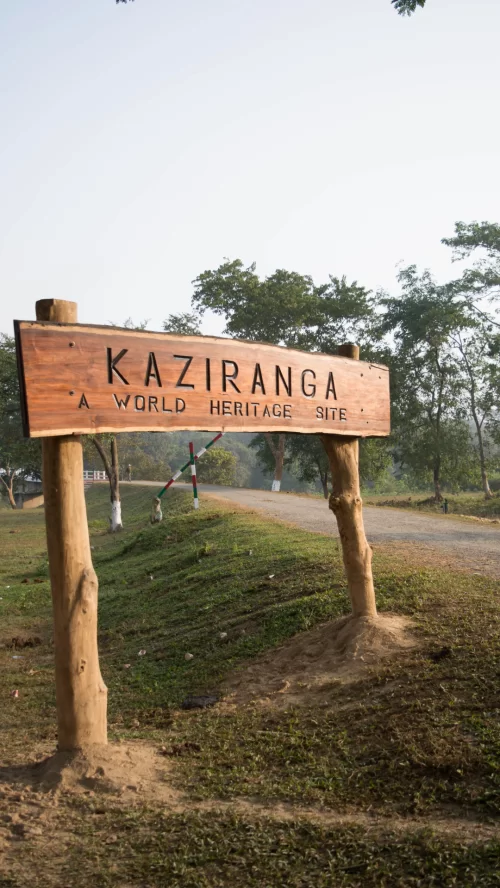
Planning tea tourism according to travel routes helps maximise both sightseeing opportunities and travel efficiency. Visitors entering Assam through Dibrugarh Airport often begin their journey by exploring nearby tea estates before travelling towards Tinsukia or Sivasagar. Those arriving through Jorhat can combine tea gardens with Majuli Island, while travellers visiting Kaziranga National Park frequently include nearby plantations in Golaghat district.
Each region offers different travel experiences. Some focus primarily on heritage tea estates, others provide better access to wildlife, while certain areas are known for cultural attractions, photography opportunities, or quieter plantation environments.
| Region | Tea Tourism Experience | Nearby Attractions |
|---|---|---|
| Dibrugarh | Historic estates, factories, plantation stays | Tinsukia, Dibru Saikhowa region |
| Jorhat | Tea gardens, heritage, research institutions | Majuli Island |
| Sivasagar | Tea estates with historic monuments | Ahom heritage sites |
| Golaghat | Plantations combined with wildlife tourism | Kaziranga National Park |
Choosing tea regions based on nearby destinations allows travellers to create balanced itineraries that combine plantations, wildlife, cultural heritage, river islands, and local experiences without unnecessary long-distance travel across Assam.
Walking through a working tea plantation is one of the most rewarding experiences of tea tourism in Assam. Unlike city parks or botanical gardens, tea estates are active agricultural landscapes where carefully maintained rows of tea bushes extend across gentle slopes and open plains. Well-maintained internal roads, shaded pathways, drainage canals, flowering trees, and occasional viewpoints create a peaceful environment that allows visitors to appreciate the scale and beauty of Assam's tea industry. Guided plantation walks are usually conducted during daylight hours when visitors can safely explore designated sections without interfering with plantation operations.
Every tea garden has its own character depending on its age, terrain, and surrounding environment. Some estates are bordered by forests, while others overlook rivers or open countryside. During early mornings, mist often settles over the plantations, creating spectacular scenery for photography. Birds, butterflies, and seasonal flowers add to the natural charm, making plantation walks suitable not only for tea enthusiasts but also for nature lovers and photographers seeking quiet outdoor experiences.
Plantation walks provide much more than beautiful scenery. They help visitors understand how large tea estates are managed while offering a close connection with Assam's rural landscapes. Exploring the gardens slowly allows travellers to appreciate the careful planning and continuous maintenance required to keep tea bushes healthy and productive throughout the year.
Tea cultivation in Assam follows a carefully organised routine that changes with weather conditions and harvesting seasons. During guided visits, travellers can observe various plantation activities including pruning, maintenance of tea bushes, irrigation where necessary, weed control, and seasonal harvesting. Depending on the time of year, visitors may witness experienced tea workers carefully selecting only the young leaves and buds that produce premium-quality Assam tea.
Beyond harvesting, tea estates function as complete agricultural communities. Freshly plucked leaves are transported quickly to nearby factories where processing begins soon after collection. Visitors also gain insight into estate management, quality control, worker welfare facilities, machinery maintenance, and environmental conservation practices adopted by many plantations. Understanding these daily operations helps travellers appreciate the significant effort involved before tea reaches consumers worldwide.
Watching real plantation activities creates a much deeper appreciation for Assam tea than simply reading about its production. Visitors leave with a better understanding of the agricultural knowledge, skilled labour, and continuous attention required to produce consistently high-quality tea from every harvest.
Tea estates are among Assam's most picturesque landscapes, combining agricultural beauty with natural surroundings. Endless green plantations bordered by bamboo groves, forests, rivers, and distant hills create panoramic views that change throughout the day with shifting sunlight and seasonal weather. During the monsoon, the gardens appear especially vibrant, while winter offers pleasant temperatures and excellent visibility for sightseeing and photography.
Many plantations are home to diverse bird species, butterflies, and native trees that enhance the ecological richness of the region. Quiet estate roads with very little traffic allow visitors to enjoy leisurely walks, cycling in permitted areas, or simply relax while overlooking the plantations from heritage bungalows and garden viewpoints. The absence of urban noise makes tea estates ideal destinations for travellers seeking peace and natural surroundings.
The natural beauty of Assam's tea estates is one of the main reasons travellers include tea tourism in their itinerary. Beyond the plantations themselves, the surrounding forests, rivers, wildlife, and rural landscapes create memorable experiences that perfectly complement the cultural and agricultural significance of the region.
Guided tea garden tours provide visitors with a comprehensive introduction to the complete journey of Assam tea, beginning in the plantation and continuing through the factory until the finished product is ready for distribution. Experienced estate guides explain the history of the plantation, cultivation techniques, harvesting practices, factory operations, grading systems, and quality standards while ensuring that visitors follow safe routes through working agricultural and industrial areas.
Most organised tours begin with a walk through the tea fields before moving to the processing factory. Visitors learn why climate, soil conditions, rainfall, elevation, and harvesting schedules influence the flavour and quality of Assam tea. Depending on factory operations and visitor permissions, travellers may observe different production stages from specially designated viewing areas without interrupting normal processing activities.
Guided tours are highly recommended because they transform a scenic plantation visit into an educational experience. Professional explanations help travellers appreciate the scientific, agricultural, and cultural aspects of Assam's tea industry while ensuring a safe and informative visit throughout the estate.
Many tea estates combine plantation walks with demonstrations of tea plucking, factory visits, and guided tasting sessions to give visitors a complete understanding of tea production. During harvesting seasons, travellers may observe skilled workers selecting only tender leaves and buds using traditional techniques that preserve the quality of the crop. Estate guides explain why timing, weather, and leaf selection play an essential role in producing premium Assam tea.
After visiting the plantations, guests are introduced to various stages of factory processing, followed by tea tasting sessions where different grades and varieties are sampled. Tea experts explain colour, aroma, strength, body, and flavour while demonstrating professional tasting techniques. Visitors often discover how subtle differences in processing create noticeably different tea characteristics despite originating from the same region.
These combined experiences provide visitors with a complete appreciation of Assam tea, connecting every stage from cultivation to tasting. Rather than simply observing plantations, travellers actively engage with the production process and gain practical knowledge about one of the world's most respected tea-producing regions.
Authentic tea tourism extends beyond plantation sightseeing by allowing visitors to experience the traditions and lifestyle associated with Assam's tea-growing communities. Many estates preserve historic bungalows, traditional gardens, and colonial architecture while also introducing guests to local hospitality, Assamese cuisine, cultural practices, and the rhythm of plantation life. These experiences create a deeper understanding of how tea has shaped the social and economic fabric of the region.
Depending on the estate, visitors may interact with tea professionals, estate managers, hospitality staff, and local artisans who share stories about plantation history and daily life. Respectful engagement with local communities helps create meaningful tourism while supporting heritage preservation and sustainable rural development.
Experiencing authentic tea culture allows travellers to appreciate Assam beyond its famous plantations. By combining history, hospitality, agriculture, and local traditions, tea tourism becomes a rich cultural journey that leaves visitors with lasting memories and a deeper connection to the region.
One of the most fascinating aspects of tea tourism in Assam is witnessing how freshly harvested tea leaves are converted into the finished tea that reaches homes across India and around the world. After skilled workers carefully pluck the tender leaves and buds from the plantations, the leaves are transported to nearby tea factories within a short period to preserve their freshness. This quick movement from field to factory is essential because delays can affect the quality, flavour, and aroma of the final product.
Tea factories in Assam are designed to handle large volumes of freshly harvested leaves while maintaining consistent quality standards. Visitors on guided factory tours can observe different processing sections where machinery and skilled workers perform various stages of production. Although visitors usually follow designated viewing areas for safety, they gain an excellent understanding of how raw green leaves gradually change in appearance, texture, moisture content, and aroma before becoming finished Assam tea.
Each processing stage contributes to the unique characteristics that make Assam tea internationally recognised. Estate guides explain why timing, temperature, humidity, and careful monitoring are important throughout production. Rather than being a simple mechanical process, tea manufacturing combines agricultural knowledge, scientific precision, and decades of experience.
Watching tea production transforms an ordinary plantation visit into a highly educational experience. Visitors leave with a much greater appreciation for the skill, technology, and careful attention required before a simple cup of Assam tea reaches consumers worldwide.
Tea production in Assam has evolved significantly over the decades while continuing to preserve many traditional principles of quality tea manufacturing. Older estates often showcase the history of tea processing through heritage machinery, historical factory buildings, and stories passed down through generations. These traditional methods relied heavily on skilled manual supervision and careful observation throughout every stage of production.
Modern tea factories now combine advanced machinery with experienced technicians to improve efficiency while maintaining the distinctive characteristics of Assam tea. Automated systems help regulate temperature, moisture levels, rolling intensity, and drying conditions with greater precision. Despite technological improvements, human expertise remains essential because experienced tea professionals continuously monitor leaf quality and make adjustments according to seasonal conditions and harvest characteristics.
Visitors often find it interesting that both traditional knowledge and modern technology work together in today's tea industry. The goal is not simply to increase production but to preserve the rich flavour, colour, aroma, and consistency that Assam tea is famous for.
The combination of traditional craftsmanship and modern manufacturing demonstrates how Assam's tea industry continues to adapt while preserving its reputation for producing premium-quality tea. This blend of history and innovation makes factory visits especially rewarding for travellers interested in agriculture and industry.
The production of Assam tea involves several carefully managed stages, each influencing the quality of the final product. After harvesting, fresh leaves undergo withering to reduce moisture before being rolled to break the leaf structure and prepare them for oxidation. Oxidation develops the colour, strength, and characteristic flavour associated with Assam black tea. The leaves are then dried, graded according to size and quality, and finally packed for storage and distribution.
During factory tours, visitors learn that every stage requires careful monitoring. Even small changes in humidity, processing duration, or drying temperature can influence the final taste. Quality testing is carried out throughout production to ensure consistency before tea is packaged for domestic and international markets. Packaging also plays an important role in preserving freshness by protecting tea from moisture, air, and external contamination.
| Processing Stage | Purpose |
|---|---|
| Leaf Harvesting | Collect young leaves and buds for premium-quality tea. |
| Withering | Reduce moisture and prepare leaves for rolling. |
| Rolling | Release natural compounds that influence flavour. |
| Oxidation | Develop colour, aroma, and characteristic taste. |
| Drying | Stop oxidation and preserve tea quality. |
| Grading and Packaging | Sort tea according to quality before distribution. |
Understanding each production stage helps visitors appreciate why Assam tea is regarded as one of the world's finest black teas. The process combines natural conditions, skilled labour, scientific precision, and careful quality control to produce tea with exceptional flavour and consistency.
Staying at a tea estate is one of the most immersive ways to experience tea tourism in Assam. Several historic plantations have converted beautifully maintained manager bungalows and guest residences into heritage accommodations while preserving their original architectural character. These elegant properties often feature spacious rooms, large verandas, landscaped gardens, antique furnishings, and panoramic views of surrounding tea plantations, allowing visitors to experience the charm of Assam's tea-growing heritage.
Unlike conventional hotels, tea estate accommodations focus on providing a peaceful environment closely connected with plantation life. Guests wake up to views of endless tea gardens, enjoy fresh air throughout the day, and often have direct access to guided plantation walks, tea tasting sessions, and estate tours. Many heritage properties also serve traditional Assamese cuisine prepared with locally sourced ingredients, adding another authentic element to the stay.
Accommodation standards vary between estates, ranging from boutique heritage experiences to comfortable plantation guesthouses. Advance reservations are recommended, especially during the peak tourism season, as many tea estates have a limited number of rooms to preserve their exclusive atmosphere.
Heritage tea estate stays combine history, comfort, and nature into a memorable travel experience. Rather than simply providing accommodation, these properties allow travellers to become part of Assam's plantation lifestyle while enjoying the tranquillity that tea gardens are famous for.
The greatest attraction of staying inside a tea estate is the peaceful atmosphere created by thousands of acres of carefully maintained plantations. Away from city traffic and commercial development, visitors experience quiet mornings, birdsong, cool breezes, and scenic views that change beautifully throughout the day. Whether enjoying breakfast on a veranda overlooking tea bushes or taking an evening walk along plantation roads, every moment feels closely connected to nature.
Many tea estates are located near forests, rivers, or rural villages, adding to the scenic beauty of the surroundings. Guests can spend their time reading, photographing landscapes, watching local birdlife, or simply relaxing while enjoying freshly brewed Assam tea produced within the same estate. The calm environment also makes tea plantations popular among honeymooners, families, senior travellers, and anyone seeking a slower pace of travel.
Tea estate accommodation is ideal for travellers who value relaxation as much as sightseeing. The peaceful setting encourages visitors to slow down, appreciate nature, and enjoy the unique charm that has made Assam's tea plantations famous across the world.
Guests staying at tea estates can expect experiences that combine comfort, education, and authentic plantation life. Most estates offer guided plantation walks, factory visits, tea tasting sessions, and opportunities to learn about tea cultivation directly from knowledgeable guides. Depending on the property, visitors may also enjoy cultural performances, nature walks, cycling, birdwatching, or evening discussions about the history of the tea industry.
Facilities vary between estates, but many provide comfortable rooms, landscaped gardens, dining areas serving regional cuisine, and common spaces overlooking the plantations. Since these are working tea estates rather than conventional resorts, visitors should also expect to respect plantation schedules, restricted operational areas, and the privacy of estate workers. Responsible behaviour ensures a pleasant experience for both guests and the local community.
Staying at a tea estate offers much more than overnight accommodation. It provides a complete cultural and agricultural experience where visitors can understand the heritage of Assam's tea industry while enjoying some of the state's most scenic and peaceful landscapes.
Assam offers several outstanding destinations for tea tourism, with Dibrugarh, Jorhat, and Golaghat forming the heart of the state's tea-growing landscape. Each region has developed its own identity based on plantation history, scenic beauty, accessibility, and nearby attractions. Travellers interested in experiencing authentic tea culture often begin their journey in Upper Assam, where some of the state's oldest and most renowned tea estates continue to operate today.
Dibrugarh is widely known as the Tea City of India because of its extensive network of tea gardens and historic plantations. The district is home to numerous tea estates spread across lush green landscapes, making it one of the most popular destinations for plantation tours, heritage stays, and tea factory visits. Jorhat offers a combination of beautiful tea gardens, cultural heritage, and easy access to Majuli Island, allowing visitors to experience both Assam's tea traditions and its rich cultural diversity. Golaghat, located near Kaziranga National Park, attracts travellers looking to combine wildlife experiences with scenic tea plantations during the same journey.
Good road connectivity between these districts allows visitors to travel comfortably while exploring multiple tea-growing regions. Depending on the itinerary, travellers can spend one or more days in each destination to experience plantation walks, tea tasting sessions, and heritage accommodations.
Choosing between these destinations depends on the traveller's interests and available time. Many visitors combine all three regions to experience the diversity of Assam's tea industry while enjoying scenic drives through the state's beautiful plantation landscapes.
Some of Assam's most memorable tea tourism experiences come from visiting well-maintained tea estates that preserve both their agricultural importance and historical character. These plantations feature endless rows of tea bushes, tree-lined estate roads, heritage buildings, carefully maintained gardens, and working tea factories. Many estates have welcomed visitors by introducing guided experiences that explain plantation management while maintaining normal agricultural operations.
The scenic beauty of these plantations changes throughout the year. During the harvesting season, visitors can observe tea plucking activities across the fields, while the monsoon transforms the gardens into vibrant green landscapes. Winter provides pleasant temperatures and clear skies, making it one of the most comfortable periods for plantation sightseeing and photography. Many estates also offer excellent opportunities for birdwatching, peaceful walks, and landscape photography throughout the day.
Although every tea estate has its own unique history and management style, visitors consistently experience the calm atmosphere, fresh air, and beautiful surroundings that have made Assam's tea gardens internationally recognised.
Every tea estate reflects a unique chapter of Assam's tea-growing tradition. Visiting multiple plantations allows travellers to appreciate the diversity of landscapes, architecture, and agricultural practices while enjoying one of the state's most peaceful tourism experiences.
Planning tea tourism according to transport connections and nearby attractions helps travellers make the most of their journey across Assam. Visitors arriving through Dibrugarh Airport can easily begin exploring nearby plantations immediately after arrival, while Jorhat Airport provides convenient access to tea gardens, cultural attractions, and Majuli Island. Travellers visiting Kaziranga National Park frequently include nearby tea estates in Golaghat as part of their wildlife itinerary.
Road travel remains the most practical way to move between tea-growing regions, with well-connected highways linking Upper Assam's major districts. Depending on the duration of the trip, travellers may choose a tea-focused itinerary covering multiple plantations or combine tea tourism with wildlife, river islands, heritage sites, and local cultural experiences. Spending at least one night inside a tea estate provides a much deeper understanding of plantation life than a short daytime visit.
| Destination | Main Experience | Suitable For |
|---|---|---|
| Dibrugarh | Historic tea estates and factory visits | Tea enthusiasts and heritage travellers |
| Jorhat | Tea gardens with cultural sightseeing | Families and first-time visitors |
| Golaghat | Tea plantations with wildlife experiences | Nature and wildlife travellers |
Carefully planning your travel route allows you to enjoy both the educational and scenic aspects of Assam's tea industry while reducing unnecessary travel time. Combining tea tourism with nearby destinations creates a balanced itinerary that showcases the state's remarkable natural and cultural diversity.
Tea gardens in Assam remain beautiful throughout the year, but every season offers a different experience for visitors. Understanding these seasonal variations helps travellers choose the most suitable time according to their interests, whether they wish to witness tea harvesting, enjoy comfortable weather, capture scenic photographs, or simply relax amid peaceful plantation landscapes.
During spring and early summer, fresh tea bushes become increasingly active as harvesting begins, making this period especially interesting for visitors who want to observe tea plucking and plantation operations. The monsoon transforms the gardens into exceptionally lush green landscapes, although heavy rainfall can occasionally affect outdoor activities and travel schedules. Winter offers cooler temperatures, clear skies, and pleasant conditions for sightseeing, photography, and comfortable plantation walks.
Each season presents a unique perspective on Assam's tea industry, and visitors can enjoy rewarding experiences throughout the year by planning activities according to local weather conditions.
Rather than having a single ideal season, tea tourism in Assam offers different attractions throughout the year. Selecting the right season depends on whether visitors prioritise tea production activities, landscape photography, comfortable weather, or peaceful plantation experiences.
The period between October and April is generally considered one of the most comfortable times for tea tourism because of pleasant daytime temperatures, relatively dry weather, and good road conditions. These months are particularly suitable for plantation walks, photography, heritage stays, and sightseeing across Upper Assam. Winter mornings often feature beautiful mist over the tea gardens, creating spectacular views for visitors.
Travellers interested in observing active tea harvesting may also consider visiting during the main production season when plantation activities become more visible. Although the monsoon brings heavy rainfall, it also creates the lush green appearance for which Assam's tea gardens are famous. Visitors travelling during the rainy season should allow additional travel time and remain flexible with outdoor plans if weather conditions change unexpectedly.
Choosing travel dates according to both weather and plantation activities helps visitors enjoy a richer tea tourism experience. Every season has its own advantages, making Assam an attractive destination throughout much of the year.
Weather plays an important role in shaping tea tourism experiences because many plantation activities take place outdoors. Before travelling, visitors should check regional weather forecasts, especially if planning visits during the monsoon months. Comfortable walking shoes, light clothing during warmer months, and rain protection are useful for exploring tea estates throughout the year.
Travellers combining tea tourism with Kaziranga National Park, Majuli Island, or Sivasagar should also consider seasonal accessibility, road conditions, and opening schedules while planning their itinerary. Booking heritage accommodations in advance is recommended during the peak tourist season, as many tea estates have limited guest rooms available. Allowing extra time between destinations helps create a relaxed travel experience while accommodating changing weather conditions.
Careful seasonal planning allows travellers to experience Assam's tea gardens at their best while ensuring comfortable travel throughout the region. Matching your itinerary with weather conditions and plantation activities creates a smoother and more rewarding tea tourism experience.
Tea tasting is one of the highlights of tea tourism in Assam because it allows visitors to appreciate the remarkable diversity found within the state's famous tea industry. Although Assam is globally recognised for its strong black tea, travellers quickly discover that individual estates produce teas with distinct aromas, flavours, colours, and strengths. These differences arise from variations in soil composition, rainfall, altitude, harvesting season, processing techniques, and the specific tea bushes cultivated across different plantations.
During organised tasting sessions, visitors are introduced to multiple tea varieties produced by individual estates or neighbouring plantations. Estate experts explain how first flush, second flush, and seasonal harvests develop unique characteristics throughout the year. Freshly brewed samples allow guests to compare rich malty flavours, smooth finishes, natural sweetness, briskness, and aromatic notes that make Assam tea highly valued by tea drinkers around the world.
Many heritage tea estates organise tasting experiences immediately after factory tours so visitors can connect the production process with the final flavour profile. This creates a much deeper appreciation of the work involved in producing premium-quality Assam tea.
Tea tasting transforms an ordinary plantation visit into an educational experience where visitors develop a greater understanding of flavour, quality, and craftsmanship. By comparing different teas side by side, travellers gain a much richer appreciation of why Assam continues to be one of the world's leading tea-producing regions.
Professional tea tasting sessions offered by many tea estates provide visitors with an opportunity to experience tea evaluation using methods followed by experts in the industry. Guided by experienced tea tasters or estate professionals, travellers learn how tea is examined for appearance, fragrance, liquor colour, flavour, and overall quality. Rather than simply drinking tea casually, participants understand the systematic approach used to assess different batches before they reach domestic and international markets.
During these sessions, multiple tea samples are brewed under controlled conditions to ensure fair comparison. Visitors are encouraged to observe the dry leaves, inhale the aroma after brewing, examine the colour of the liquor, and carefully taste each sample while noting differences in flavour intensity and finish. Estate experts explain why even small variations in processing or harvesting can significantly influence the final cup.
These interactive sessions are suitable for beginners as well as experienced tea enthusiasts, making tea tasting one of the most memorable educational experiences available during tea tourism in Assam.
Professional tasting sessions provide valuable insight into the science and expertise behind premium tea production. Visitors leave with a better understanding of how experts distinguish exceptional Assam tea through careful observation and tasting techniques developed over generations.
Tea quality is determined through a combination of visual inspection, aroma assessment, flavour evaluation, and manufacturing consistency. During tea tourism experiences in Assam, visitors learn that quality depends not only on the type of tea bush but also on harvesting standards, seasonal weather, processing methods, and storage conditions. Every stage of production influences the final characteristics found in the cup.
Tea experts carefully examine dry leaves for size, uniformity, colour, and cleanliness before brewing controlled samples for tasting. After brewing, attention shifts to liquor colour, fragrance, taste, strength, body, and aftertaste. Visitors often discover that subtle differences between samples become easier to identify with proper guidance, helping them appreciate why certain Assam teas command higher value in international markets.
| Evaluation Factor | What Tea Experts Observe |
|---|---|
| Dry Leaf Appearance | Size, colour, uniformity, and overall quality. |
| Aroma | Freshness, fragrance, and natural scent. |
| Liquor Colour | Brightness, clarity, and richness after brewing. |
| Flavour | Strength, balance, body, and aftertaste. |
| Overall Quality | Consistency across all evaluation stages. |
Understanding these evaluation methods helps visitors appreciate the expertise required to maintain the exceptional reputation of Assam tea. After experiencing professional tasting sessions, travellers often develop a deeper interest in recognising quality differences whenever they enjoy tea in the future.
Tea tourism becomes even more rewarding when combined with Assam's diverse natural and cultural attractions. Many of the state's famous tea-growing regions are conveniently connected with national parks, historic towns, river islands, temples, and heritage monuments, allowing travellers to enjoy multiple experiences within a single itinerary. Rather than focusing only on tea plantations, visitors can experience wildlife, history, local traditions, and scenic landscapes without travelling excessive distances.
Travellers beginning their journey in Dibrugarh often combine nearby tea estates with visits to Dibru Saikhowa National Park or continue towards Sivasagar to explore the architectural heritage of the Ahom Kingdom. Visitors staying in Jorhat can easily include Majuli Island, one of the world's largest inhabited river islands, while those travelling through Golaghat frequently combine tea plantations with wildlife safaris in Kaziranga National Park. These well-connected routes make tea tourism suitable for both short holidays and extended exploration across Upper Assam.
Good highway connectivity and comfortable driving conditions during the main tourist season make it practical to experience several destinations within a carefully planned travel schedule.
Combining tea tourism with sightseeing creates a richer travel experience by showcasing the diversity of Assam beyond its plantations. Visitors enjoy agriculture, wildlife, heritage, and local culture while travelling through some of the state's most scenic regions.
Several of Assam's leading tourist destinations complement tea tourism exceptionally well. Kaziranga National Park offers opportunities to observe the famous one-horned rhinoceros before or after visiting nearby tea estates in Golaghat district. The contrast between thrilling wildlife safaris and peaceful plantation landscapes creates a balanced travel experience suitable for families, photographers, and nature enthusiasts.
Majuli Island, accessible from Jorhat, introduces visitors to Assam's unique Vaishnavite culture, traditional monasteries, pottery villages, and river island life. Sivasagar provides another fascinating addition through its Ahom-era monuments, temples, and historic tanks that illustrate the region's royal heritage. These destinations can be comfortably integrated with tea tourism without requiring major detours, making them popular additions to Assam travel itineraries.
These destination combinations allow travellers to experience Assam from multiple perspectives. Rather than focusing solely on one attraction, visitors enjoy a well-rounded itinerary that highlights the state's remarkable natural beauty, cultural richness, and agricultural heritage.
A well-planned itinerary allows visitors to experience Assam's tea gardens without rushing between destinations. Rather than attempting to cover too many locations in a limited time, travellers benefit from spending at least one or two nights in important tea-growing regions while allowing additional time for nearby attractions. This relaxed pace makes plantation walks, tea tasting sessions, wildlife safaris, and cultural visits more enjoyable.
Travellers arriving through Dibrugarh or Jorhat can begin with tea estate experiences before gradually moving towards Kaziranga, Majuli, or Sivasagar. Road journeys between these destinations often pass through beautiful rural landscapes and additional tea plantations, making the travel itself an enjoyable part of the experience. Choosing accommodation within tea estates further enriches the itinerary by allowing visitors to experience plantation life beyond standard sightseeing hours.
Careful itinerary planning helps travellers experience the full diversity of Assam without unnecessary travel fatigue. By combining tea tourism with wildlife, heritage, and cultural attractions, visitors enjoy a memorable journey that reflects the true character of the state.
Planning a successful tea tourism experience begins with selecting destinations that match your interests, travel duration, and preferred style of exploration. Travellers interested in heritage tea estates and factory visits may prefer Dibrugarh, while those wishing to combine tea tourism with cultural experiences can include Jorhat and Majuli Island. Visitors looking for wildlife adventures alongside tea plantations often choose Golaghat because of its proximity to Kaziranga National Park.
The duration of the journey also influences destination choices. Short trips may focus on a single tea-growing region with a plantation stay, whereas longer holidays allow travellers to explore multiple districts while experiencing the diversity of Assam's tea landscapes. Road connectivity between major tea regions makes multi-destination itineraries convenient, especially when travelling by private vehicle or organised tour.
Choosing destinations according to personal interests ensures a balanced itinerary that combines education, relaxation, photography, cultural experiences, and nature without unnecessary travel.
Thoughtful destination selection allows travellers to experience Assam's tea heritage comfortably while enjoying the state's diverse natural and cultural attractions. A well-planned route creates a richer and more memorable tea tourism experience.
Accommodation plays an important role in tea tourism because staying within a tea estate offers experiences that day visitors often miss. Heritage bungalows surrounded by plantations provide peaceful surroundings, early morning views, estate-guided walks, and convenient access to tea tasting sessions. Booking these accommodations in advance is recommended, particularly during the peak travel season when room availability may be limited.
Travellers should also organise sightseeing routes logically by grouping nearby attractions together. Tea estates around Dibrugarh, Jorhat, Golaghat, Sivasagar, Kaziranga, and Majuli can be connected efficiently without excessive driving. Allowing sufficient time between destinations creates a relaxed itinerary while providing opportunities for photography, local cuisine, and unexpected discoveries during the journey.
Carefully planned accommodation and sightseeing routes improve the overall travel experience by reducing unnecessary travel time and allowing visitors to fully appreciate Assam's plantations, wildlife, heritage sites, and scenic countryside.
Before beginning your tea tourism journey, preparing a simple checklist helps ensure a comfortable and enjoyable experience. Comfortable walking shoes are essential because plantation tours often involve walking across estate roads and gardens. Light clothing suitable for Assam's climate, rain protection during the monsoon, sunscreen, hats, drinking water, and a camera are useful items for most visitors. Advance bookings for plantation stays and guided tours are advisable during busy travel periods.
Visitors should also confirm opening schedules, travel distances, and weather forecasts before departure. Carrying cash in smaller towns can be helpful, although digital payment options are increasingly available in larger destinations. Most importantly, approach tea tourism with patience and curiosity, allowing enough time to appreciate the landscapes, heritage, and people that make Assam one of the world's finest tea-producing regions.
With careful planning and responsible travel practices, tea tourism in Assam becomes much more than a sightseeing trip. It offers an opportunity to explore beautiful landscapes, learn about one of India's most celebrated agricultural traditions, and experience the warmth, heritage, and natural beauty that define Assam's famous tea-growing regions.


Get customized Assam tour planning designed around seasonal weather patterns, river conditions, wildlife safari timing, and realistic road travel flow. Whether you are visiting for national parks, tea estate stays, cultural experiences, spiritual sites, o
⚡ Quick Response | 💰 Free consultation | 🕒 24×7 expert support