

How Tea is Made in Assam – A Tourist's Guide
Understanding how tea is made in Assam allows travellers to explore plantations, learn traditional processing methods, and experience the journey from fresh tea leaves to the final product.
+91 9910402252
admin@chalbanjare.com


Shopping in Assam offers travellers a chance to take home traditional silk, handicrafts, tea products, cultural items, and locally made souvenirs representing the state’s rich heritage.
Shopping in Assam is much more than purchasing souvenirs. It offers travellers an opportunity to experience the state's rich cultural heritage, traditional craftsmanship, agricultural wealth, and artistic excellence. Every market, artisan workshop, weaving village, tea outlet, and handicraft store reflects a different aspect of Assamese life. From world-famous tea and luxurious Muga silk to handcrafted bamboo products and traditional jewellery, the shopping experience introduces visitors to products that have been part of Assam's identity for generations.
Unlike many tourist destinations where souvenirs are mass-produced, Assam continues to preserve strong artisan traditions. Skilled craftsmen create handwoven textiles, bamboo furniture, bell metal utensils, decorative masks, pottery, and jewellery using techniques that have been passed from one generation to another. Similarly, tea estates produce premium-quality Assam tea that has earned worldwide recognition for its bold flavour and exceptional quality.
Shopping also provides opportunities to interact with local communities, understand the stories behind traditional products, and appreciate the effort required to create handmade items. Whether exploring a busy market in Guwahati or visiting an artisan village in Majuli, travellers discover products that genuinely represent the state's culture rather than generic tourist merchandise.
Shopping in Assam becomes an enriching cultural experience that connects travellers with local traditions, craftsmanship, and community life. Every authentic purchase preserves a small piece of the state's remarkable artistic and cultural heritage.
Travellers shopping in Assam will encounter several types of retail experiences, each offering unique advantages. Local markets are lively commercial centres where visitors can browse a wide range of handicrafts, textiles, tea products, spices, and household items while experiencing everyday Assamese life. Prices often vary between shops, allowing visitors to compare products and explore different styles before making purchases.
Artisan shops and village workshops provide a more personal shopping experience. These establishments often sell products directly from the craftsmen who create them, giving visitors opportunities to observe traditional production methods and learn about the cultural significance of individual crafts. Government handicraft emporiums, on the other hand, specialise in authenticated products sourced from recognised artisan cooperatives and weaving communities, making them reliable places to purchase genuine Assamese handicrafts.
Understanding these differences helps travellers choose shopping locations according to their interests. Visitors looking for authentic handmade products may prefer artisan workshops, while those seeking variety and convenience often enjoy exploring larger city markets and government-operated stores.
| Shopping Place | Main Advantage |
|---|---|
| Local Markets | Wide variety of regional products and lively atmosphere. |
| Artisan Shops | Direct purchases from skilled craftsmen. |
| Government Emporiums | Authentic and quality-assured handicrafts. |
| Tea Boutiques | Premium Assam tea collections. |
| Weaving Centres | Traditional silk and handloom products. |
Each shopping destination offers a different perspective on Assam's traditions and craftsmanship. Exploring multiple types of markets allows visitors to enjoy a more complete and rewarding shopping experience.
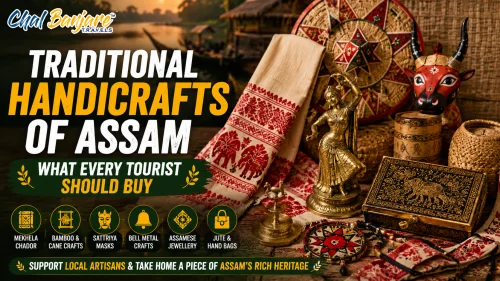
Meaningful souvenirs represent the culture and identity of the destination rather than simply serving as decorative keepsakes. Assam offers a remarkable collection of products that reflect its agricultural heritage, artistic traditions, and skilled craftsmanship. Authentic Muga silk garments, premium Assam tea, bamboo handicrafts, traditional jewellery, handwoven textiles, bell metal utensils, handmade masks, and locally produced food items all provide lasting reminders of the journey.
Many of these products continue serving practical purposes long after travellers return home. Tea can be enjoyed with family, silk garments become treasured clothing, handcrafted baskets remain useful household items, and decorative handicrafts preserve memories of Assam's artistic heritage. Choosing products with genuine cultural significance creates stronger emotional connections than purchasing generic souvenirs available in many destinations.
Visitors who spend time learning about regional traditions often appreciate their purchases more deeply because every handcrafted item carries a story of local communities, natural resources, and centuries of cultural development.
Meaningful souvenirs preserve far more than memories. They represent Assam's living traditions, artistic excellence, and cultural identity while supporting the communities that continue protecting these remarkable crafts.
Assam is internationally recognised as one of the world's finest tea-producing regions, making premium tea one of the most popular purchases for travellers visiting the state. Grown across vast tea estates stretching through the Brahmaputra Valley, Assam tea is admired for its bold flavour, rich colour, strong aroma, and full-bodied character. Visitors can choose from an extensive range of black tea, green tea, orthodox tea, CTC tea, speciality blends, organic varieties, and flavoured teas produced by renowned gardens throughout the region.
Packaged tea products are widely available in tea boutiques, estate outlets, supermarkets, airport stores, government emporiums, and speciality tea shops. Many brands offer beautifully packed gift boxes containing premium loose-leaf teas, assorted tasting collections, and elegant souvenir packaging suitable for carrying home or presenting as gifts. Some tea estates also provide freshly packed tea harvested directly from their own gardens, allowing visitors to purchase exceptionally fresh products.
Travellers interested in understanding tea production can combine shopping with tea estate visits, where they learn about cultivation, plucking, processing, grading, and packaging before selecting products from estate stores. This creates a much deeper appreciation for Assam's globally celebrated tea industry.
Premium Assam tea remains one of the finest souvenirs travellers can purchase. Its exceptional quality, international reputation, and deep connection with the state's history make it a timeless reminder of an unforgettable journey through Assam.
One of the greatest advantages of shopping in Assam is the opportunity to purchase tea directly from local gardens and trusted regional brands. Tea estates across the state carefully process fresh leaves before packaging them for domestic and international markets. Buying tea close to its place of origin allows visitors to enjoy fresher products while learning about the unique characteristics of individual tea-growing regions.
Different tea gardens produce teas with varying flavour profiles depending on altitude, soil conditions, climate, harvesting season, and processing methods. Some gardens specialise in robust breakfast teas, while others produce delicate orthodox teas suitable for connoisseurs. Visitors can compare aromas, leaf appearance, brewing characteristics, and flavour intensity before selecting products that best match their personal preferences.
Many trusted regional brands maintain dedicated retail outlets where knowledgeable staff explain tea grades, brewing techniques, storage methods, and recommended serving styles. These personalised experiences help travellers make informed purchases while appreciating the craftsmanship involved in premium tea production.
Purchasing tea directly from local gardens and trusted brands allows visitors to experience the freshness and authenticity that have made Assam one of the world's leading tea-producing destinations.
Tea is among the easiest and most meaningful souvenirs to carry home from Assam because it combines practicality with strong regional identity. Premium tea occupies little luggage space, remains travel-friendly, and can be enjoyed long after the journey has ended. Beautifully packaged tea collections also make thoughtful gifts for family, friends, and colleagues who appreciate quality beverages and regional specialities.
Travellers should select properly sealed packages to preserve freshness and aroma during transport. Vacuum-packed loose-leaf tea, premium gift tins, and moisture-resistant packaging help maintain quality over extended periods. Reading product labels carefully allows buyers to identify tea origin, production date, grade, and brewing recommendations before purchasing.
Combining tea purchases with visits to tea gardens provides a memorable shopping experience while helping visitors understand the dedication, expertise, and agricultural heritage behind every cup of authentic Assam tea.
Authentic Assam tea combines exceptional flavour with lasting cultural value. As one of the state's most celebrated products, it offers travellers a practical and memorable souvenir that continues sharing the taste of Assam long after the journey concludes.
Muga silk is one of Assam's most treasured cultural products and is recognised worldwide for its natural golden sheen, remarkable durability, and luxurious texture. Produced exclusively in Assam, this unique silk has been woven into elegant garments for centuries and continues to represent the state's rich textile heritage. Unlike artificially coloured fabrics, genuine Muga silk possesses a naturally golden appearance that becomes even more attractive with age, making every piece a valuable keepsake.
Visitors shopping for Muga silk will find an impressive selection of sarees, Mekhela Chadors, dress materials, shawls, scarves, stoles, dupattas, jackets, and decorative fabrics. Each product is carefully handwoven using traditional looms by skilled artisans who preserve weaving techniques passed down through generations. Many garments feature intricate floral borders, geometric motifs, and patterns inspired by Assamese culture and nature, making every piece distinctive.
Muga silk products are widely available in government handloom emporiums, weaving cooperatives, artisan centres, and trusted textile stores throughout Assam. Travellers often consider these textiles among the finest souvenirs because they combine elegance, cultural significance, and long-lasting quality.
Muga silk beautifully reflects Assam's artistic excellence and weaving heritage. Every handcrafted textile preserves centuries of craftsmanship while offering travellers a timeless souvenir that continues representing the state's cultural identity.
Muga silk occupies a special place in Assamese culture and has long been associated with celebrations, religious ceremonies, weddings, and important family occasions. Traditional garments woven from Muga silk are considered symbols of dignity, prosperity, and cultural pride. Many families preserve these garments for decades, passing them from one generation to another as treasured heirlooms that represent both artistic value and family history.
The production of Muga silk involves specialised knowledge beginning with silkworm cultivation and continuing through spinning, weaving, and finishing. Every stage requires patience, precision, and years of practical experience. Rural weaving communities continue preserving these traditional methods despite changing technologies, ensuring that authentic Muga silk remains one of India's most respected handloom products.
Travellers who learn about this heritage gain a much deeper appreciation for every handwoven textile they purchase. Beyond its beauty, each Muga silk product represents generations of knowledge, craftsmanship, and dedication maintained by Assamese artisan families.
| Cultural Aspect | Importance |
|---|---|
| Traditional Attire | Worn during weddings, festivals, and ceremonies. |
| Family Heritage | Often preserved as heirloom garments. |
| Handloom Craft | Represents generations of weaving expertise. |
| Natural Golden Colour | Unique feature exclusive to Muga silk. |
| Local Livelihoods | Supports traditional weaving communities. |
Muga silk weaving remains one of Assam's greatest cultural achievements. Purchasing authentic silk not only preserves beautiful craftsmanship but also supports the communities responsible for sustaining this remarkable tradition.
When purchasing Muga silk, choosing reliable sellers is essential to ensure authenticity and quality. Government handloom emporiums, recognised weaving cooperatives, artisan societies, and established silk showrooms are generally the safest places to purchase genuine handwoven products. These outlets source textiles directly from skilled weavers and often provide details regarding the silk type, weaving method, and production region.
Travellers should examine the texture, weaving quality, border finishing, and overall craftsmanship before making a purchase. Genuine Muga silk displays a natural golden shine rather than an artificial glossy appearance. Handwoven products may also exhibit subtle individual variations that demonstrate traditional craftsmanship instead of machine production.
Buying directly from trusted sellers provides confidence that the purchase supports authentic weaving communities while ensuring visitors receive products worthy of Assam's outstanding textile reputation.
Buying genuine Muga silk from trusted sources guarantees both authenticity and exceptional craftsmanship. Every carefully selected textile becomes a lasting reminder of Assam's remarkable weaving heritage and artistic excellence.
The Mekhela Chador is the traditional attire of Assamese women and represents one of the finest achievements of the state's weaving heritage. Consisting of two elegantly coordinated pieces, this graceful garment is woven using Muga silk, Eri silk, Pat silk, or fine cotton depending on the occasion and style. It remains an essential part of weddings, religious ceremonies, Bihu celebrations, cultural festivals, and family gatherings throughout Assam.
Handwoven Assamese textiles extend far beyond ceremonial clothing. Visitors can also purchase shawls, scarves, dupattas, dress materials, table runners, decorative fabrics, stoles, and handloom accessories created by experienced artisans. Every textile reflects remarkable attention to detail and demonstrates techniques that have remained part of Assamese households for generations.
Travellers visiting weaving villages, artisan cooperatives, and government textile emporiums often have opportunities to observe traditional handlooms in operation. Watching skilled weavers create intricate fabrics provides valuable insight into the patience, precision, and artistry required to produce authentic Assamese textiles.
Traditional Assamese textiles beautifully combine elegance, craftsmanship, and cultural identity. Every handwoven garment reflects the artistic dedication of generations of weavers who continue preserving Assam's remarkable textile traditions.
One of the defining features of Assamese handwoven textiles is the remarkable diversity of their designs and weaving styles. Skilled artisans create beautiful floral motifs, geometric borders, birds, leaves, traditional symbols, and nature-inspired patterns that celebrate the landscapes and culture of Assam. These artistic elements distinguish Assamese textiles from fabrics produced elsewhere in India.
Different weaving communities contribute their own regional styles while preserving traditional methods. Some textiles emphasise intricate borders woven with Muga silk, while others feature elegant cotton or Eri silk designs suitable for everyday use. Contemporary weavers also incorporate modern colour combinations without compromising traditional craftsmanship, allowing visitors to choose products suitable for both cultural and contemporary settings.
Carefully examining motifs, weaving density, colour harmony, and finishing helps travellers appreciate the skill involved in every handcrafted textile. These details highlight the individuality of each artisan and ensure that every purchase remains unique.
| Textile Feature | Traditional Characteristic |
|---|---|
| Floral Motifs | Inspired by Assam's natural beauty. |
| Geometric Borders | Reflect traditional weaving heritage. |
| Nature Designs | Birds, leaves, and regional symbols. |
| Silk Varieties | Muga, Eri, Pat, and cotton weaving. |
| Regional Styles | Unique artistic traditions from different communities. |
The rich diversity of Assamese weaving techniques allows visitors to discover textiles that beautifully combine artistic creativity with centuries of traditional craftsmanship.
Authentic Assamese textiles make meaningful souvenirs because they represent the state's history, artistry, and living cultural traditions. Unlike factory-made fabrics, genuine handloom products preserve skills developed over generations while supporting the livelihoods of weaving communities across Assam. Purchasing directly from recognised artisan groups or trusted textile stores ensures travellers receive authentic products that genuinely reflect regional craftsmanship.
When selecting textiles, visitors should consider weaving quality, fabric type, finishing, and cultural significance rather than focusing solely on appearance or price. Many handwoven products remain suitable for regular use while also serving as cherished reminders of an unforgettable journey through Assam. Properly cared for, these textiles can last for many years and often become treasured family keepsakes.
Whether purchasing a Mekhela Chador, silk stole, handwoven scarf, or decorative textile, travellers take home products that celebrate Assam's artistic excellence while supporting one of India's finest handloom traditions.
Authentic Assamese textiles combine lasting quality with exceptional cultural value. Every carefully chosen handwoven product preserves a piece of Assam's weaving heritage while creating meaningful memories for travellers.
Bamboo and cane products are among the most popular shopping items in Assam because they beautifully combine traditional craftsmanship with everyday practicality. Assam is blessed with abundant bamboo forests, and local communities have used these natural resources for centuries to create household goods, agricultural tools, decorative articles, and furniture. Today, visitors can explore an impressive collection of handcrafted bamboo and cane products that represent the state's sustainable lifestyle and rich artisan heritage.
Traditional markets, handicraft centres, and artisan villages display a wide variety of handmade baskets, storage boxes, serving trays, floor mats, lampshades, flower vases, pen holders, wall décor, fruit baskets, woven containers, decorative sculptures, and elegant home accessories. Larger furniture items such as chairs, stools, tables, swings, and shelves are also available in specialised workshops. Every product reflects remarkable weaving techniques that have been preserved by skilled craftsmen over generations.
Travellers appreciate bamboo and cane handicrafts because they are attractive, functional, and environmentally friendly. These handcrafted items serve as lasting reminders of Assam's artistic traditions while supporting the livelihoods of rural artisan communities across the state.
Bamboo and cane handicrafts showcase Assam's remarkable ability to transform natural resources into beautiful and useful products. Every handcrafted item preserves traditional knowledge while celebrating the creativity of local artisan communities.
One of the greatest advantages of shopping for bamboo and cane products in Assam is their environmentally friendly nature. Bamboo is one of the fastest-growing renewable resources in the world, making it an excellent material for sustainable handicraft production. Local artisans harvest mature bamboo responsibly before carefully treating, cutting, weaving, polishing, and finishing it using traditional methods that minimise environmental impact.
Today's craftsmen create an extensive range of eco-friendly products including reusable shopping baskets, kitchen organisers, tableware, decorative lighting, office accessories, planters, gift boxes, furniture, and home décor. These products combine traditional Assamese craftsmanship with modern functionality, allowing travellers to purchase souvenirs that are both practical and environmentally responsible. Many artisan groups also use natural polishing techniques and locally available materials, further supporting sustainable production.
Buying bamboo and cane products directly from artisan cooperatives or handicraft centres helps preserve traditional skills while promoting responsible tourism. Every purchase supports rural livelihoods and encourages the continued use of renewable natural resources instead of synthetic alternatives.
| Eco-Friendly Product | Common Use |
|---|---|
| Baskets | Shopping, storage, and household organisation. |
| Mats | Floor coverings and decorative interiors. |
| Furniture | Chairs, stools, tables, and shelves. |
| Lamps and Décor | Home decoration and ambient lighting. |
| Kitchen Accessories | Serving trays and storage containers. |
Eco-friendly bamboo and cane products demonstrate how traditional craftsmanship can support sustainable living. These handmade creations allow travellers to purchase beautiful souvenirs while contributing to environmental conservation and rural artisan livelihoods.
Bamboo and cane handicrafts are ideal souvenirs for travellers because many products are lightweight, durable, and easy to transport. Smaller handcrafted items fit comfortably into luggage without adding excessive weight, making them practical purchases for both domestic and international visitors. Decorative baskets, pen stands, coasters, serving trays, miniature sculptures, tissue holders, woven boxes, and home accessories are especially popular because they combine convenience with authentic craftsmanship.
Visitors should consider the size and fragility of products before purchasing. Foldable baskets, compact decorative pieces, and carefully packed bamboo accessories are easier to carry than large furniture items. Many shops also provide protective packaging to help safeguard delicate handicrafts during transport. Choosing products that are both functional and culturally significant ensures souvenirs remain useful long after the journey has ended.
Travellers purchasing bamboo handicrafts also support one of Assam's oldest traditional industries. Every carefully selected item reflects the creativity of local craftsmen while preserving sustainable production techniques that have served Assamese communities for generations.
Lightweight bamboo and cane handicrafts provide the perfect balance of practicality, beauty, and cultural value. They remain among the finest souvenirs travellers can purchase while exploring Assam's rich artisan heritage.
Bell metal and brass products represent one of Assam's oldest and most respected craft traditions. Skilled metal artisans have been creating beautifully handcrafted utensils, ceremonial objects, decorative artefacts, and household accessories for centuries using specialised techniques passed down through generations. These handcrafted products are admired for their durability, elegant appearance, and deep connection with Assamese culture, making them highly valued souvenirs for visitors exploring the state.
Travellers can browse a diverse collection of handcrafted plates, bowls, serving vessels, water pots, lamps, incense holders, candle stands, decorative sculptures, religious artefacts, wall hangings, miniature replicas, and ornamental display pieces. Every product is carefully shaped, polished, and finished by experienced craftsmen who combine traditional methods with artistic precision. Many items feature intricate engravings, floral patterns, and cultural motifs inspired by Assamese heritage.
Bell metal and brass handicrafts are available through government handicraft emporiums, artisan workshops, cultural centres, and traditional markets. Purchasing authentic products ensures visitors receive durable handcrafted items while directly supporting the artisan families responsible for preserving this remarkable craft.
Bell metal and brass products beautifully combine functionality with artistic heritage. Their timeless craftsmanship and cultural importance make them exceptional souvenirs representing Assam's rich history and traditional skills.
Metalworking has played a significant role in Assamese society for centuries, with specialised artisan communities developing exceptional skills in alloy preparation, shaping, engraving, polishing, and finishing. Traditional techniques continue to be practised in several craft centres where experienced craftsmen carefully produce every item by hand using methods that have remained largely unchanged for generations.
The craftsmanship involved in creating bell metal and brass products requires considerable patience and expertise. Each stage of production—from preparing the metal and shaping the vessel to engraving decorative motifs and polishing the final product—demands precision and years of practical experience. These handcrafted pieces often display subtle variations that highlight their handmade origin, distinguishing them from mass-produced alternatives.
Visitors who spend time learning about the production process develop a deeper appreciation for the value of authentic metal handicrafts. Purchasing directly from artisan workshops also helps preserve this important cultural industry while encouraging younger generations to continue practising traditional craftsmanship.
| Craftsmanship Stage | Traditional Process |
|---|---|
| Metal Preparation | Traditional alloy creation and heating techniques. |
| Shaping | Careful hand-forming using specialised tools. |
| Engraving | Decorative cultural and floral designs. |
| Polishing | Creating smooth and attractive finishes. |
| Final Inspection | Quality checking before sale. |
Assam's metalworking traditions continue to showcase extraordinary craftsmanship developed over centuries. Every handcrafted product reflects the dedication, skill, and cultural pride of the artisans who preserve this remarkable heritage.
Bell metal and brass handicrafts are excellent long-term investments because of their exceptional durability and timeless appeal. Unlike many decorative souvenirs that may lose relevance over time, handcrafted utensils, lamps, sculptures, and ceremonial objects continue serving practical or decorative purposes for decades. Many families preserve these items as heirlooms, passing them from one generation to another while maintaining their cultural significance.
Travellers should choose products based on craftsmanship, authenticity, and cultural value rather than appearance alone. Carefully examining finishing quality, balance, weight, engraving, and overall construction helps ensure the purchase represents genuine artisan work. Buying from recognised handicraft outlets or trusted workshops provides additional confidence regarding authenticity and quality.
Whether selected for home decoration, everyday use, or gifting, authentic bell metal and brass products remain enduring symbols of Assam's artistic excellence. Their combination of history, craftsmanship, and durability makes them some of the most valuable souvenirs available in the state.
Authentic bell metal and brass handicrafts preserve centuries of Assamese craftsmanship while providing travellers with elegant, durable, and culturally significant souvenirs that remain treasured for years to come.
Traditional Assamese jewellery is one of the finest examples of the state's artistic heritage and remains a popular purchase for visitors seeking authentic cultural souvenirs. Skilled goldsmiths and jewellery artisans have preserved distinctive jewellery-making techniques for generations, creating elegant ornaments inspired by Assamese traditions, nature, mythology, and royal history. Unlike mass-produced accessories, these handcrafted pieces reflect remarkable attention to detail and showcase the creativity of local craftsmen.
Many traditional jewellery designs feature motifs such as the Kopou orchid, Joonbiri crescent moon, Lokaparo twin birds, Jaapi-inspired patterns, and floral designs that symbolise prosperity, beauty, and Assamese identity. These motifs are carefully incorporated into necklaces, earrings, bangles, pendants, bracelets, rings, brooches, and decorative accessories using traditional craftsmanship. Modern artisans also create contemporary versions while preserving the cultural essence of these classic designs.
Visitors shopping for Assamese jewellery can explore government handicraft emporiums, reputed jewellery stores, artisan workshops, and cultural exhibitions where authentic handcrafted collections are displayed. Purchasing genuine jewellery allows travellers to own elegant ornaments that preserve the artistic traditions of Assam while supporting local craftsmen.
Handmade Assamese jewellery combines artistic beauty with deep cultural significance. Every carefully crafted ornament represents generations of traditional craftsmanship while serving as a lasting reminder of Assam's rich cultural heritage.
Traditional jewellery occupies a special place in Assamese festivals, weddings, religious ceremonies, and cultural celebrations. Ornaments are commonly worn with the Mekhela Chador during Bihu festivals, family functions, and important community gatherings, completing the elegant traditional attire of Assamese women. Many jewellery pieces are also presented as gifts during weddings and passed down through generations as treasured family heirlooms.
Popular traditional ornaments include Joonbiri necklaces inspired by the crescent moon, Lokaparo designs symbolising birds, Kopou flower-inspired jewellery, elegant bangles, traditional earrings, pendants, finger rings, waist ornaments, and decorative hair accessories. These handcrafted pieces reflect Assamese artistic traditions while maintaining strong cultural and emotional value for local families.
Travellers who understand the cultural significance of these ornaments gain a much deeper appreciation for Assamese jewellery. Every design represents centuries of artistic evolution, regional symbolism, and the enduring importance of handcrafted craftsmanship within the state's cultural identity.
| Traditional Ornament | Common Cultural Use |
|---|---|
| Joonbiri Necklace | Festivals, weddings, and celebrations. |
| Lokaparo Jewellery | Traditional ceremonial attire. |
| Kopou Motif Accessories | Cultural festivals and special occasions. |
| Bangles and Earrings | Traditional family functions. |
| Hair Accessories | Classical performances and celebrations. |
Traditional Assamese jewellery continues to preserve centuries-old cultural traditions. Every handcrafted ornament celebrates the state's festivals, artistic excellence, and the remarkable skills of its jewellery artisans.
Authentic jewellery and accessories make elegant souvenirs because they combine beauty, craftsmanship, and cultural value in a compact and travel-friendly form. Visitors can choose from handcrafted pendants, earrings, bracelets, brooches, scarves with traditional accessories, hair ornaments, and decorative jewellery inspired by Assamese heritage. These items are easy to carry and often become cherished reminders of an unforgettable journey.
When shopping, travellers should examine finishing quality, detailing, craftsmanship, and the authenticity of traditional motifs. Purchasing from recognised jewellers, artisan cooperatives, or government handicraft outlets provides greater confidence in product quality. Learning about the symbolism behind different designs also adds cultural value to every purchase and creates stronger memories of the travel experience.
Supporting authentic jewellery makers encourages the continuation of Assam's traditional craftsmanship while helping artisan communities maintain skills that have been preserved for generations. Every carefully selected ornament contributes to sustaining the state's artistic heritage.
Traditional jewellery and accessories provide visitors with timeless souvenirs that celebrate Assam's craftsmanship, cultural identity, and artistic excellence. Every handcrafted piece preserves memories of the journey while supporting local artisan communities.
Assam offers a delightful range of edible souvenirs that allow travellers to experience the region's unique culinary traditions even after returning home. Beyond its world-famous tea, the state produces numerous traditional food products including homemade pickles, aromatic spices, roasted snacks, locally processed herbs, sweet delicacies, jaggery products, rice-based snacks, and speciality condiments. These products reflect the agricultural richness of Assam and provide visitors with authentic regional flavours.
Local markets, speciality food stores, farmer cooperatives, and government-supported outlets stock a wide variety of packaged products suitable for travel. Visitors can browse bamboo shoot pickles, lemon pickles, chilli pickles, ginger products, traditional spice blends, roasted rice snacks, sesame sweets, puffed rice products, locally processed honey, and handcrafted food items prepared using regional recipes. Many products are made in small batches using locally sourced ingredients, preserving traditional flavours and production methods.
Food souvenirs are especially popular because they are practical, affordable, and easy to share with family and friends. Choosing properly sealed and packaged products ensures freshness while making transportation convenient during the journey home.
Edible souvenirs allow travellers to continue enjoying the flavours of Assam long after their journey ends. Every locally produced food item represents the state's rich agricultural heritage and traditional culinary practices.
Assamese cuisine is known for its balanced flavours, fresh ingredients, and distinctive regional recipes. Many packaged food products available across the state capture these authentic tastes, allowing visitors to recreate a small part of the Assamese culinary experience at home. Traditional spice blends, herbal teas, preserved fruits, pickles, roasted rice preparations, locally processed honey, and speciality snacks remain popular purchases among domestic and international travellers.
Different regions of Assam also produce unique speciality products based on locally available ingredients. Some markets focus on traditional rice products, while others offer handmade sweets, herbal preparations, or naturally processed condiments. Exploring these regional variations helps travellers appreciate the diversity of Assamese food culture while selecting souvenirs that genuinely represent the destination.
Purchasing from reputed stores or certified local producers ensures better product quality, freshness, and proper packaging. Carefully reading ingredient labels and checking manufacturing dates also helps visitors choose products suitable for their travel duration and personal preferences.
| Food Product | Why Visitors Buy It |
|---|---|
| Traditional Pickles | Authentic regional flavours. |
| Local Spices | Cooking and gifting purposes. |
| Rice Snacks | Easy-to-carry traditional treats. |
| Honey and Herbal Products | Natural local specialities. |
| Packaged Tea Blends | Iconic Assamese beverage products. |
Regional food products introduce visitors to Assam's distinctive culinary identity. Carefully selected edible souvenirs provide memorable tastes that continue reflecting the state's traditions long after the journey has ended.
When selecting edible souvenirs, travellers should prioritise products that are securely packaged, easy to transport, and have an appropriate shelf life. Vacuum-sealed tea, airtight spice packets, factory-sealed pickles, packaged sweets, roasted snacks, and bottled condiments are generally convenient choices for both road trips and flights. Compact packaging also allows visitors to carry several different products without occupying excessive luggage space.
Checking expiry dates, packaging quality, and storage recommendations before purchasing helps preserve freshness during travel. Visitors travelling by air should also ensure liquid products comply with airline baggage regulations if packed in cabin luggage. Properly packing glass jars or fragile containers with protective wrapping further reduces the risk of damage while travelling.
Choosing high-quality travel-friendly food souvenirs allows visitors to share the authentic flavours of Assam with family and friends while preserving memorable culinary experiences from the trip. These edible gifts remain among the most practical and appreciated souvenirs available throughout the state.
Travel-friendly food souvenirs offer visitors a practical way to preserve the flavours of Assam. Careful selection and proper packaging ensure these authentic regional products remain enjoyable long after the journey concludes.
Guwahati is the commercial heart of Assam and offers some of the state's finest shopping experiences. The city's traditional markets, handicraft stores, tea boutiques, textile showrooms, and government emporiums provide visitors with access to nearly every famous Assamese product in one destination. Whether searching for premium Assam tea, Muga silk garments, bamboo handicrafts, traditional jewellery, bell metal artefacts, or regional food products, Guwahati serves as an excellent starting point for souvenir shopping.
Popular shopping districts feature both traditional marketplaces and modern retail outlets, allowing visitors to compare prices, craftsmanship, and product quality. Government handloom and handicraft stores display authentic artisan-made collections, while local markets offer lively shopping environments filled with textiles, handcrafted accessories, decorative items, spices, packaged foods, and locally produced gifts. Many visitors enjoy spending several hours exploring these diverse shopping areas because each offers a different perspective on Assamese craftsmanship.
Shopping in Guwahati also provides opportunities to interact with knowledgeable shopkeepers who can explain the history, production methods, and cultural significance of many traditional products. These conversations often make shopping a richer cultural experience.
Guwahati provides one of the most complete shopping experiences in Northeast India. Its wide selection of authentic Assamese products makes it an essential destination for travellers interested in cultural souvenirs and traditional handicrafts.
Many travellers leave souvenir shopping until the final days of their journey, making Guwahati an ideal destination for completing last-minute purchases before departure. Because the city offers extensive retail options, visitors can quickly find tea, textiles, jewellery, handicrafts, packaged food products, bamboo crafts, and decorative items without travelling to multiple destinations. Shopping areas located near transport hubs further improve convenience for those preparing to leave Assam.
Last-minute shopping does not necessarily mean compromising on quality. Government emporiums, speciality stores, and established retailers continue offering authentic products sourced from recognised artisan communities and tea estates. Visitors should still compare workmanship, packaging quality, and authenticity before making purchases, particularly when buying premium silk or handcrafted items.
Travellers should also leave sufficient time for careful packaging, especially when carrying fragile handicrafts or glass food containers. Proper packing helps ensure souvenirs remain undamaged throughout the return journey.
Last-minute shopping in Guwahati remains convenient without sacrificing authenticity. The city's extensive retail network allows visitors to complete their souvenir collections while preserving memories of Assam's remarkable culture.
Organising shopping around sightseeing activities helps travellers use their time efficiently while avoiding unnecessary travel across the city. Many visitors prefer exploring attractions during the morning before spending the afternoon browsing markets, handicraft stores, and tea boutiques. This balanced approach provides enough time to compare products, speak with artisans, and make thoughtful purchasing decisions without feeling rushed.
Travellers should also consider luggage capacity, transportation arrangements, and product fragility when planning shopping sessions. Larger or delicate purchases are often easier to make near the end of the itinerary, while lightweight items such as packaged tea, spices, and textiles can be purchased earlier. Keeping shopping receipts and requesting protective packaging further simplifies transportation and protects valuable souvenirs.
A well-planned shopping schedule transforms souvenir buying into an enjoyable cultural experience while ensuring visitors return home with authentic products that genuinely represent Assam's traditions and craftsmanship.
| Shopping Tip | Benefit |
|---|---|
| Shop after sightseeing | Allows relaxed product comparison. |
| Buy fragile items last | Reduces risk of transport damage. |
| Request protective packaging | Keeps souvenirs safe during travel. |
| Keep purchase receipts | Useful for premium products and warranty. |
| Plan luggage space | Makes carrying souvenirs easier. |
Planning shopping according to the travel itinerary creates a smooth and enjoyable experience. Careful timing allows visitors to purchase authentic Assamese souvenirs while protecting valuable handicrafts throughout the journey home.
One of the most common shopping mistakes visitors make in Assam is purchasing products without confirming their authenticity. Attractive packaging, low prices, or convenient locations can sometimes encourage travellers to buy factory-made replicas instead of genuine Assamese handicrafts and regional products. While imitation items may appear similar at first glance, they often lack the craftsmanship, durability, and cultural significance that make authentic products truly valuable.
Travellers should inspect the product carefully, ask questions about its origin, and compare similar items from multiple shops before making a purchase. Government handicraft emporiums, recognised artisan cooperatives, trusted tea boutiques, and established textile stores remain among the safest places to buy authentic souvenirs. Taking a little extra time to verify quality often results in far more satisfying purchases and supports the communities responsible for producing these traditional goods.
Purchasing genuine products not only provides better long-term value but also helps preserve Assam's cultural heritage by encouraging traditional artisans to continue their craft.
Checking authenticity before making a purchase helps travellers avoid imitation products while ensuring every souvenir genuinely reflects Assam's traditions, craftsmanship, and cultural identity.
Before purchasing natural products, travellers should understand transportation and packaging requirements to avoid difficulties during their journey home. Certain fresh food items, plants, seeds, liquids, or agricultural products may be subject to airline regulations, customs requirements, or destination-specific import rules. While most packaged tea, sealed spices, processed food products, and certified handicrafts are generally convenient to transport, visitors should always verify applicable travel regulations before departure.
Glass containers containing pickles, honey, or liquid products should be packed carefully using protective materials to prevent breakage during road or air travel. Visitors carrying cabin baggage should also consider airline liquid restrictions when purchasing bottled products. Keeping purchase receipts and selecting professionally packed items from established stores simplifies transportation and provides additional confidence regarding product quality.
Planning purchases with transport requirements in mind prevents unnecessary inconvenience while allowing travellers to carry home authentic Assamese products safely and responsibly.
| Product Type | Travel Consideration |
|---|---|
| Packaged Tea | Easy to transport in sealed packaging. |
| Pickles and Honey | Protect glass containers carefully. |
| Spices | Use airtight travel-friendly packets. |
| Fresh Natural Products | Check airline or destination regulations. |
| Fragile Handicrafts | Request protective wrapping before travel. |
Understanding transportation guidelines helps travellers avoid unexpected problems while ensuring their authentic Assamese purchases arrive home safely and in excellent condition.
Another common mistake is selecting souvenirs based only on attractive appearance or low cost without considering their authenticity, craftsmanship, or cultural importance. Genuine Assamese products often require considerable manual effort and traditional skills, making them more valuable than inexpensive machine-made alternatives. Focusing only on price may result in purchasing items that lack the quality and heritage associated with authentic local craftsmanship.
Travellers should evaluate souvenirs according to their artistic value, traditional significance, durability, and usefulness. Products such as Muga silk textiles, bamboo handicrafts, handcrafted jewellery, bell metal utensils, premium Assam tea, and artisan-made decorative items continue providing lasting value because they represent the state's culture and craftsmanship. Learning about the story behind each product also creates a stronger emotional connection with the purchase.
Thoughtful shopping allows visitors to return home with souvenirs that preserve meaningful travel memories while directly supporting the artisan communities responsible for protecting Assam's remarkable cultural traditions.
Thoughtful purchasing decisions ensure visitors collect authentic Assamese souvenirs that celebrate the state's heritage while supporting the skilled artisans who continue preserving its remarkable traditions.
The most memorable souvenirs are those that genuinely represent the destination's identity rather than ordinary products available elsewhere. Assam offers an exceptional collection of handcrafted items that reflect its centuries-old traditions, artistic heritage, agricultural excellence, and skilled craftsmanship. Whether selecting premium Assam tea, Muga silk textiles, Mekhela Chadors, bamboo handicrafts, traditional jewellery, bell metal artefacts, handmade masks, or locally prepared food products, every authentic purchase tells the story of the state's rich cultural legacy.
Travellers should prioritise products that are closely connected with Assamese communities and traditional industries. Handwoven textiles showcase remarkable weaving expertise, tea reflects the state's globally recognised plantations, bamboo crafts demonstrate sustainable craftsmanship, while artisan-made decorative items preserve local artistic traditions. Choosing these authentic products creates lasting memories that continue reminding visitors of their experiences long after the journey has ended.
Meaningful souvenirs also become valuable conversation pieces that allow travellers to share Assam's culture with family and friends. Every carefully selected item carries the craftsmanship, traditions, and history of the people who created it, making the purchase far more valuable than a simple decorative object.
Authentic Assamese souvenirs preserve much more than travel memories. They celebrate centuries of craftsmanship, honour local traditions, and provide visitors with beautiful reminders of one of India's most culturally diverse destinations.
Including shopping within your overall travel itinerary makes the experience more organised, convenient, and enjoyable. Instead of leaving every purchase until the final day, travellers can plan shopping opportunities while visiting different destinations across Assam. Tea estates offer premium tea collections, weaving centres showcase traditional textiles, artisan villages display handcrafted products, and city markets provide access to a wide variety of regional souvenirs. This approach allows visitors to purchase authentic items directly from their traditional places of production.
Travellers should also consider available luggage space, transportation arrangements, and the fragility of products before making purchases. Lightweight items such as tea, scarves, spices, and jewellery can be bought throughout the journey, while delicate handicrafts and glass containers are often best purchased toward the end of the trip. Keeping purchases organised and requesting protective packaging helps ensure products remain safe throughout the journey.
Planning shopping around sightseeing activities also reduces unnecessary travel within cities and provides enough time to compare products, interact with artisans, and make informed purchasing decisions without feeling rushed.
| Shopping Stage | Recommended Purchases |
|---|---|
| Early Journey | Tea, textiles, scarves, and packaged food products. |
| Mid Journey | Bamboo crafts, jewellery, and artisan-made souvenirs. |
| Final Days | Fragile handicrafts, glass products, and decorative items. |
| Before Departure | Last-minute gifts and premium packaged products. |
| Packing Stage | Arrange protective wrapping and organise luggage. |
A well-planned shopping schedule transforms souvenir buying into an enjoyable cultural experience while ensuring every purchase fits comfortably within the travel itinerary and arrives home safely.
Before completing your shopping in Assam, taking a few moments to review your purchases helps ensure that every item is authentic, practical, and worth carrying home. Confirm that premium products such as tea, silk textiles, jewellery, handicrafts, bamboo crafts, and food items have been purchased from reliable sources. Check product quality, packaging, and authenticity while ensuring fragile items are securely packed for transport.
Travellers should also verify luggage capacity, transportation requirements, and airline regulations where applicable, particularly for glass containers or liquid food products. Keeping purchase receipts, requesting proper protective packaging, and organising souvenirs carefully will make the return journey smoother. Finally, choosing products that genuinely represent Assam's traditions creates more meaningful travel memories than purchasing generic souvenirs available elsewhere.
By combining thoughtful planning with responsible shopping, visitors not only collect beautiful souvenirs but also contribute to preserving Assam's remarkable artistic heritage and supporting the skilled communities that continue producing these exceptional products.
A carefully planned shopping experience allows travellers to return home with authentic Assamese products that preserve lasting memories while supporting local artisans and celebrating the state's extraordinary cultural heritage. Thoughtful purchases ensure every souvenir continues telling the story of Assam for years to come.


Get customized Assam tour planning designed around seasonal weather patterns, river conditions, wildlife safari timing, and realistic road travel flow. Whether you are visiting for national parks, tea estate stays, cultural experiences, spiritual sites, o
⚡ Quick Response | 💰 Free consultation | 🕒 24×7 expert support