


How Tea is Made in Assam – A Tourist's Guide
Understanding how tea is made in Assam allows travellers to explore plantations, learn traditional processing methods, and experience the journey from fresh tea leaves to the final product.
+91 9910402252
admin@chalbanjare.com


Responsible wildlife tourism in Assam focuses on ethical wildlife experiences, conservation support, respecting natural habitats, and helping local communities through sustainable travel practices.
Responsible wildlife tourism in Assam focuses on enjoying nature while ensuring that wildlife remains undisturbed in its natural habitat. National parks, wildlife sanctuaries, wetlands, and forests across the state are home to numerous rare and endangered species that depend upon healthy ecosystems for survival. Ethical wildlife experiences encourage visitors to observe animals naturally without influencing their behaviour or causing unnecessary stress.
Unlike entertainment-based wildlife activities, responsible tourism places conservation ahead of close encounters. Visitors are encouraged to appreciate wildlife through guided safaris, nature walks, birdwatching, and observation from approved viewing areas while respecting the space that animals require. Such experiences create meaningful memories while maintaining the ecological balance that supports Assam's remarkable biodiversity.
Ethical wildlife tourism allows travellers to experience Assam's extraordinary natural heritage while ensuring that future generations can continue to enjoy the same healthy ecosystems.
Responsible wildlife experiences create lasting travel memories while protecting the delicate balance between tourism and nature conservation across Assam.
Responsible tourism contributes significantly to wildlife conservation by generating revenue that supports protected areas, habitat management, wildlife monitoring, visitor facilities, and environmental education. Entrance fees, safari permits, and guided activities help maintain national parks while strengthening long-term conservation initiatives throughout Assam.
Tourism also creates employment opportunities for local communities through guiding services, accommodation, transportation, handicrafts, restaurants, and eco tourism enterprises. These opportunities encourage communities to actively participate in protecting forests and wildlife while reducing dependence on activities that may negatively affect natural habitats. Sustainable tourism therefore benefits both biodiversity and regional livelihoods.
When travellers make responsible choices, their visits directly contribute to protecting Assam's wildlife while supporting the communities that help conserve these valuable ecosystems.
| Responsible Tourism Activity | Positive Contribution |
|---|---|
| Safari Permits | Support park management. |
| Local Guides | Create community employment. |
| Eco Accommodation | Encourage sustainable tourism. |
| Community Businesses | Strengthen local economies. |
| Nature Education | Promote conservation awareness. |
Responsible tourism creates a sustainable partnership between visitors, wildlife conservation, and local communities throughout Assam.
Every traveller plays an important role in protecting Assam's forests, wetlands, rivers, and grasslands by adopting environmentally responsible behaviour throughout the journey. Avoiding litter, reducing plastic waste, respecting park regulations, remaining on designated routes, and maintaining silence near wildlife all help minimise human impact on fragile ecosystems.
Visitors should also choose responsible tour operators, support locally managed tourism initiatives, conserve natural resources, and avoid activities that disturb animals or damage vegetation. Small individual actions become highly valuable when followed consistently by thousands of travellers each year. Responsible tourism ensures that Assam's remarkable biodiversity continues to flourish alongside carefully managed visitor experiences.
Protecting natural ecosystems requires cooperation between visitors, conservation authorities, and local communities working together for sustainable wildlife tourism.
Simple responsible travel practices make a meaningful contribution towards preserving Assam's unique natural ecosystems for generations to come.
Assam's national parks, wildlife sanctuaries, and protected reserves form the foundation of the state's wildlife conservation efforts. Destinations such as Kaziranga National Park, Manas National Park, Nameri National Park, Orang National Park, Dibru Saikhowa National Park, and several protected wetlands safeguard some of India's richest ecosystems. These protected landscapes preserve forests, grasslands, wetlands, and river habitats that support remarkable biodiversity.
Protected areas also provide secure breeding grounds for numerous mammals, birds, reptiles, and aquatic species while maintaining ecological processes that benefit surrounding environments. Visitors exploring these destinations gain a greater appreciation for conservation management, habitat restoration, wildlife monitoring, and scientific research that together ensure the long-term survival of these ecosystems.
National parks and protected landscapes play an essential role in preserving Assam's extraordinary biodiversity while supporting responsible wildlife tourism.
Protected areas ensure that Assam's remarkable wildlife continues to thrive within carefully managed natural environments.
Conservation organisations, forest departments, researchers, and local communities work together to protect endangered wildlife species and their habitats throughout Assam. Habitat restoration, anti-poaching initiatives, scientific monitoring, wildlife rescue programmes, and ecological research all contribute to improving the survival prospects of vulnerable species that depend upon healthy ecosystems.
Protecting habitats remains equally important because forests, wetlands, grasslands, and river ecosystems provide food, shelter, breeding areas, and migration routes for countless species. Long-term conservation focuses not only on individual animals but also on maintaining complete ecosystems capable of supporting diverse wildlife populations well into the future.
Habitat conservation remains one of the most effective ways to protect Assam's rich biodiversity and ensure ecological stability.
| Conservation Measure | Purpose |
|---|---|
| Habitat Protection | Preserve ecosystems. |
| Wildlife Monitoring | Track animal populations. |
| Anti Poaching Efforts | Reduce illegal hunting. |
| Scientific Research | Improve conservation planning. |
| Community Participation | Support sustainable protection. |
Successful conservation depends upon protecting entire ecosystems while encouraging cooperation between authorities, researchers, and local communities.
Responsible tourism strengthens wildlife conservation by providing financial support for protected areas while encouraging visitors to value natural ecosystems. Revenue generated through tourism helps improve visitor management, habitat protection, research programmes, environmental education, and wildlife conservation activities that benefit both biodiversity and surrounding communities.
Visitors contribute further by respecting wildlife, supporting certified local guides, choosing environmentally responsible accommodation, and promoting conservation awareness after returning home. Every responsible decision helps create a sustainable tourism model where wildlife protection and tourism development successfully complement each other rather than compete.
Responsible tourism demonstrates that conservation and visitor experiences can successfully coexist when guided by sustainable practices and environmental awareness.
Responsible tourism plays a valuable role in strengthening Assam's wildlife conservation efforts while providing meaningful nature experiences for visitors.
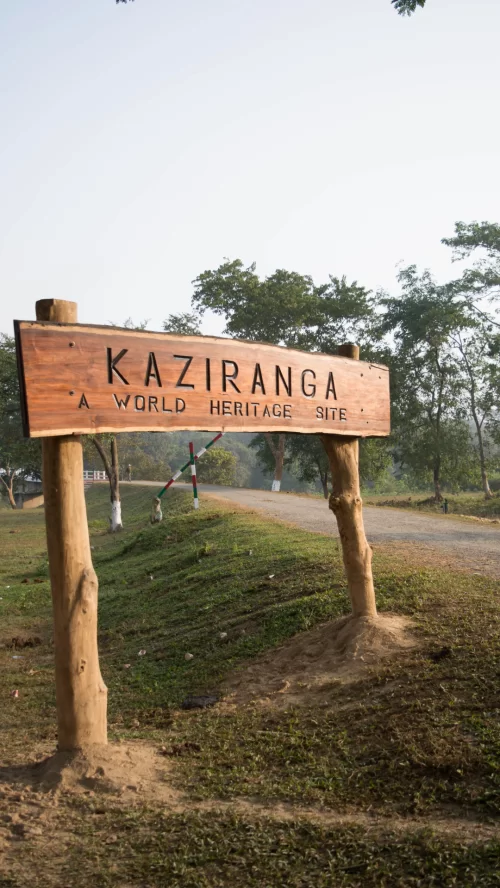
Kaziranga National Park offers one of India's most celebrated wildlife safari experiences, attracting visitors from around the world who wish to observe the famous one horned rhinoceros along with elephants, wild buffalo, swamp deer, and numerous bird species. Responsible safari tourism ensures that wildlife remains undisturbed while visitors enjoy safe and educational experiences within protected habitats. Ethical safari practices place animal welfare and habitat conservation above obtaining close encounters or dramatic photographs.
Visitors should always participate in authorised jeep or elephant safaris operated according to park regulations. Remaining inside designated safari routes, avoiding loud conversations, and respecting the natural behaviour of animals help minimise human disturbance. Guided safaris also provide valuable opportunities to learn about Kaziranga's ecosystems, conservation programmes, and wildlife management while exploring one of Assam's most important protected landscapes.
Ethical safari experiences allow visitors to appreciate Kaziranga's extraordinary wildlife while ensuring that tourism supports long-term conservation rather than disturbing fragile ecosystems.
Responsible safari experiences help preserve Kaziranga's remarkable biodiversity while providing visitors with memorable and educational wildlife encounters.
Park regulations have been developed to protect both wildlife and visitors while maintaining the ecological integrity of Kaziranga National Park. Every rule, from speed restrictions and designated safari timings to photography guidelines and restricted access areas, contributes to reducing stress on wildlife and preventing unnecessary human interference within sensitive habitats.
Visitors should carefully follow instructions provided by forest officials, trained guides, and safari drivers throughout the journey. Remaining seated inside safari vehicles unless specifically permitted, avoiding sudden movements, and respecting temporary route closures all contribute to safe wildlife observation. Compliance with park regulations also allows authorities to manage visitor numbers effectively while ensuring high-quality conservation practices across the reserve.
Following park rules creates a safer, more enjoyable safari experience while helping conservation authorities protect Kaziranga's internationally recognised wildlife habitats.
| Safari Guideline | Purpose |
|---|---|
| Approved Routes | Protect wildlife habitats. |
| Guide Instructions | Improve visitor safety. |
| Vehicle Speed Limits | Reduce wildlife disturbance. |
| Restricted Areas | Protect sensitive ecosystems. |
| Safari Timings | Support responsible wildlife viewing. |
Respecting safari regulations strengthens wildlife conservation while allowing every visitor to enjoy a safe and well-managed experience.
Visitors can significantly reduce their environmental impact by practising responsible behaviour throughout every safari. Avoiding litter, carrying reusable water bottles, maintaining silence, switching mobile phones to silent mode, and refraining from feeding or attracting wildlife all help preserve the natural environment. Even seemingly minor actions contribute to protecting wildlife from unnecessary stress and behavioural changes.
Travellers should also avoid requesting drivers to approach animals too closely or leave designated routes in search of better photographs. Respecting wildlife observation distances allows animals to behave naturally while ensuring that safari vehicles do not interfere with feeding, resting, or breeding activities. Responsible visitors contribute directly to maintaining the ecological balance of Kaziranga.
Reducing personal environmental impact ensures that wildlife safaris remain sustainable while protecting Kaziranga's exceptional biodiversity for future generations.
Responsible visitor behaviour plays an important role in ensuring that Kaziranga continues to offer world-class wildlife experiences within healthy natural habitats.
Manas National Park offers one of Assam's most rewarding sustainable wildlife tourism experiences, combining exceptional biodiversity with peaceful forest landscapes along the Himalayan foothills. Unlike destinations that focus solely on wildlife sightings, Manas encourages visitors to appreciate entire ecosystems through carefully managed safaris, guided nature walks, birdwatching, and educational interpretation. Responsible tourism ensures that visitors experience wildlife without disrupting the delicate balance of the surrounding environment.
Sustainable tourism in Manas also promotes slower exploration, allowing travellers to observe forests, rivers, grasslands, and wildlife naturally while learning about conservation initiatives. Every visit provides opportunities to understand how protected areas safeguard biodiversity while supporting local livelihoods. Responsible tourism creates meaningful experiences that extend beyond wildlife observation alone.
Exploring Manas responsibly allows visitors to appreciate one of India's richest ecosystems while supporting long-term conservation and sustainable tourism.
Sustainable wildlife experiences help preserve Manas National Park while creating memorable journeys through one of Assam's finest natural landscapes.
The forests, grasslands, rivers, and wetlands of Manas National Park support an extraordinary range of wildlife species while maintaining ecological processes that benefit the wider region. Protecting these habitats is essential because every component of the ecosystem contributes to biodiversity, from large mammals and birds to insects, plants, and freshwater environments. Healthy ecosystems ensure long-term survival for countless species.
Visitors play an important role by respecting conservation regulations, avoiding habitat disturbance, and recognising that wildlife conservation depends upon preserving complete ecosystems rather than individual animals alone. Understanding ecological relationships encourages greater appreciation for the conservation work carried out by forest authorities, researchers, and local communities throughout Manas.
Protecting biodiversity ensures that Manas remains a thriving wildlife destination where conservation and responsible tourism successfully work together.
| Protected Resource | Conservation Importance |
|---|---|
| Forests | Support wildlife habitats. |
| Grasslands | Maintain ecological diversity. |
| Rivers | Provide freshwater ecosystems. |
| Wildlife | Preserve biodiversity. |
| Natural Habitats | Ensure ecosystem stability. |
Conserving forests and biodiversity remains fundamental to protecting Manas National Park and its remarkable ecological heritage.
Visitors contribute to conservation by making responsible travel choices before, during, and after their visit to Manas National Park. Choosing licensed guides, supporting locally operated accommodation, respecting park rules, avoiding litter, and participating in educational activities all strengthen sustainable tourism while benefiting local communities and conservation programmes.
Travellers can also raise awareness by sharing responsible wildlife experiences, encouraging ethical tourism, and promoting environmental stewardship among fellow visitors. Respecting wildlife viewing distances, reducing plastic use, and following eco-friendly travel practices help minimise environmental impact while demonstrating that tourism can actively contribute to conservation rather than threaten it.
Every responsible visitor helps strengthen the conservation efforts that protect Manas National Park's exceptional wildlife and natural ecosystems.
Responsible visitor choices help ensure that Manas National Park continues to protect its biodiversity while offering meaningful wildlife tourism experiences.
Wildlife safaris in Assam provide an opportunity to observe animals behaving naturally within their own habitats. Every visitor should remember that national parks such as Kaziranga, Manas, Nameri, Orang, and Dibru Saikhowa are protected ecosystems where wildlife always takes priority over tourism. Disturbing animals through loud conversations, sudden movements, unnecessary noise, or attempts to attract their attention can interrupt feeding, resting, breeding, and other natural behaviours that are essential for survival.
Responsible wildlife observation encourages visitors to remain patient while allowing animals to move freely without interference. Guides and safari drivers carefully position vehicles to provide good viewing opportunities without causing stress to wildlife. Visitors should never request drivers to chase animals, block their movement, or move off designated tracks in search of closer encounters. Respecting wildlife ensures that every safari remains safe, educational, and environmentally responsible.
Allowing animals to behave naturally creates authentic wildlife experiences while supporting the long-term conservation goals of Assam's protected areas.
Responsible observation protects wildlife while allowing visitors to enjoy genuine encounters within Assam's remarkable natural landscapes.
Maintaining safe viewing distances is one of the most important principles of responsible wildlife tourism. Wild animals should never feel threatened by the presence of visitors or safari vehicles. Safe distances allow animals to continue their normal activities without becoming stressed or changing their behaviour. This approach also protects visitors by reducing the possibility of dangerous interactions with large mammals and other wildlife.
Forest authorities establish viewing guidelines based on the behaviour and habitat requirements of different species. Experienced safari guides understand these requirements and carefully position vehicles to ensure that wildlife remains comfortable. Visitors should trust professional judgement rather than requesting closer approaches for photography or better viewing opportunities.
Maintaining appropriate viewing distances protects both wildlife and visitors while ensuring responsible safari experiences across Assam's national parks.
| Responsible Practice | Benefit |
|---|---|
| Maintain Safe Distance | Reduce wildlife stress. |
| Stay Inside Vehicles | Improve visitor safety. |
| Follow Guide Advice | Support ethical tourism. |
| Observe Patiently | Allow natural behaviour. |
| Respect Animal Space | Protect wildlife habitats. |
Respecting safe distances ensures that wildlife continues to behave naturally while creating enjoyable and responsible safari experiences for everyone.
Wildlife photography should always be guided by respect for animals rather than the desire to capture dramatic images. Visitors should avoid shouting, clapping, using bright lights, or making sudden movements to encourage animals to look towards the camera. Such actions may disturb wildlife and interfere with natural behaviour, particularly during feeding or breeding periods.
Photographers should work patiently, use appropriate camera equipment, and accept that not every animal will provide a perfect photograph. Responsible viewing also means allowing every visitor an opportunity to enjoy wildlife without crowding viewing areas or creating unnecessary noise. Ethical photography produces meaningful images while protecting the wellbeing of the animals being photographed.
Responsible photography allows visitors to preserve memorable wildlife moments without compromising the welfare of Assam's extraordinary animal populations.
Ethical photography enhances wildlife tourism by balancing memorable experiences with responsible conservation practices.
Wildlife photography in Assam offers exceptional opportunities to capture images of rhinoceroses, elephants, birds, deer, primates, reptiles, and numerous other species within beautiful natural surroundings. However, responsible photography requires patience, environmental awareness, and respect for wildlife rather than focusing solely on obtaining close-up images. The welfare of animals should always remain more important than any photograph.
Ethical photographers observe wildlife quietly, avoid interfering with natural behaviour, and rely on appropriate camera equipment rather than attempting to approach animals closely. Natural lighting, careful observation, and patience often produce more authentic wildlife images while ensuring that animals remain completely undisturbed throughout the photography session.
Responsible wildlife photography allows visitors to capture remarkable moments while protecting the integrity of Assam's protected ecosystems.
Ethical photography preserves authentic wildlife experiences while encouraging responsible conservation-focused tourism throughout Assam.
Protected areas throughout Assam establish photography guidelines to ensure visitor safety and minimise disturbance to wildlife. Flash photography may be discouraged in certain situations because sudden bright light can disturb animals, particularly during low-light conditions. Visitors should also avoid leaving vehicles, crossing barriers, or attempting to reposition themselves closer to wildlife simply for better photographs.
Experienced guides understand animal behaviour and advise visitors on suitable viewing positions without compromising safety. Respecting these restrictions protects both wildlife and photographers while allowing animals to continue their natural activities without unnecessary human interference.
Photography guidelines are designed to ensure that memorable wildlife images are captured responsibly while maintaining safe and respectful wildlife observation.
| Photography Guideline | Purpose |
|---|---|
| Follow Guide Instructions | Improve safety. |
| Respect Viewing Limits | Protect wildlife. |
| Avoid Disturbance | Support natural behaviour. |
| Stay Within Designated Areas | Protect habitats. |
| Observe Park Regulations | Ensure responsible tourism. |
Respecting photography regulations helps preserve safe wildlife experiences while supporting conservation efforts throughout Assam's protected landscapes.
Wildlife photography has the power to inspire appreciation for nature by showcasing the beauty and diversity of Assam's protected ecosystems. Thoughtfully captured images encourage greater public understanding of conservation while highlighting the importance of protecting endangered species, forests, wetlands, and river habitats. Responsible photographers often use their work to educate others about sustainable tourism and environmental stewardship.
Sharing ethical wildlife photographs accompanied by conservation messages helps promote responsible travel rather than encouraging risky or harmful wildlife interactions. Images that reflect natural behaviour, healthy habitats, and respectful observation demonstrate how photography and conservation can successfully complement each other while encouraging future visitors to travel responsibly.
Responsible wildlife photography contributes to conservation awareness by inspiring greater respect for Assam's remarkable biodiversity and protected natural landscapes.
Photography becomes a valuable conservation tool when it encourages respect for wildlife while promoting responsible tourism across Assam.
Every visitor travelling through Assam's forests, wetlands, grasslands, and protected wildlife reserves has a responsibility to minimise environmental impact. Protected ecosystems are highly sensitive to human activities, and even small actions such as littering, creating unnecessary noise, damaging vegetation, or leaving designated routes can gradually affect wildlife habitats. Responsible tourism encourages travellers to explore nature carefully while leaving every destination in the same condition as they found it.
Visitors should carry reusable water bottles, avoid single-use plastic items, dispose of waste only at authorised collection points, and refrain from picking plants or disturbing natural features. Choosing eco-friendly tour operators, reducing unnecessary vehicle usage where possible, and following park regulations further strengthen sustainable tourism practices. These simple habits collectively help preserve Assam's remarkable biodiversity while ensuring that protected areas remain healthy for wildlife and future visitors.
Reducing environmental impact through responsible travel practices allows visitors to enjoy Assam's spectacular natural landscapes while actively contributing to long-term ecosystem conservation.
Thoughtful travel choices help preserve Assam's forests and wildlife habitats while encouraging sustainable tourism across protected natural landscapes.
Assam's forests, wetlands, grasslands, and river ecosystems together support one of India's richest concentrations of biodiversity. These habitats provide food, shelter, breeding grounds, migration corridors, and freshwater resources for numerous mammals, birds, reptiles, amphibians, insects, and plant species. Preserving complete ecosystems is essential because the survival of wildlife depends upon healthy and interconnected natural environments rather than isolated protected areas.
Wetlands regulate water flow, forests improve air quality and climate stability, while grasslands support grazing wildlife and numerous bird species. Damage to any one ecosystem can influence surrounding habitats and reduce biodiversity over time. Understanding these ecological relationships encourages visitors to appreciate why habitat protection remains a priority throughout Assam's conservation programmes.
Protecting forests, wetlands, and grasslands ensures that Assam's extraordinary biodiversity continues to flourish within balanced and resilient ecosystems.
| Natural Habitat | Ecological Importance |
|---|---|
| Forests | Support diverse wildlife habitats. |
| Wetlands | Maintain freshwater ecosystems. |
| Grasslands | Provide grazing and nesting areas. |
| River Ecosystems | Support aquatic biodiversity. |
| Protected Landscapes | Maintain ecological balance. |
Healthy habitats form the foundation of wildlife conservation and sustainable tourism across Assam's protected natural environments.
Nature exploration becomes truly meaningful when visitors adopt sustainable travel practices that minimise their ecological footprint. Travellers should follow marked trails, avoid creating shortcuts through vegetation, maintain silence during wildlife observation, conserve water and electricity at accommodation, and avoid using products that may pollute natural environments. Every responsible action helps preserve fragile ecosystems for future generations.
Visitors should also respect local customs, support community-based tourism, purchase locally made products, and encourage environmentally responsible travel among fellow travellers. Sustainable exploration focuses not only on enjoying beautiful landscapes but also on ensuring that tourism contributes positively to conservation and community wellbeing. Responsible behaviour transforms every journey into an opportunity to protect Assam's natural heritage.
Sustainable exploration allows visitors to enjoy Assam's remarkable biodiversity while ensuring that forests and wildlife habitats remain protected for years to come.
Responsible exploration strengthens conservation while allowing visitors to experience Assam's spectacular natural landscapes in an environmentally friendly manner.
Responsible wildlife tourism benefits not only protected forests and wildlife but also the communities living around Assam's national parks, wildlife sanctuaries, wetlands, and eco tourism destinations. Sustainable tourism creates employment through accommodation, guiding services, transportation, handicrafts, restaurants, cultural programmes, and various tourism-related businesses that provide stable sources of income for local families.
Economic opportunities generated by tourism encourage communities to actively support conservation initiatives because healthy forests and thriving wildlife attract visitors throughout the year. As tourism grows responsibly, local residents become important partners in protecting biodiversity while preserving their traditional knowledge, cultural heritage, and natural surroundings. This relationship creates long-term benefits for both conservation and rural development.
Community participation strengthens sustainable tourism while ensuring that wildlife conservation also improves local livelihoods across Assam.
Tourism becomes more meaningful when visitors contribute directly to the wellbeing of the communities that protect Assam's natural heritage.
Local guides possess valuable knowledge about wildlife behaviour, forest ecosystems, cultural traditions, and responsible travel practices that significantly enhance the visitor experience. Their expertise allows travellers to better understand the ecological importance of protected areas while ensuring safe and ethical exploration. Choosing certified local guides also helps strengthen community-based conservation efforts.
Visitors can further support regional development by purchasing locally produced handicrafts, traditional textiles, tea products, bamboo crafts, and other authentic goods made by local artisans. Dining at locally owned restaurants and staying in community-operated accommodation keeps tourism revenue within the region while encouraging sustainable economic growth. Every responsible purchase supports families who contribute to preserving Assam's cultural and natural heritage.
Supporting local guides, artisans, and businesses strengthens both conservation and community development throughout Assam's eco tourism destinations.
| Local Tourism Service | Community Benefit |
|---|---|
| Certified Guides | Create skilled employment. |
| Homestays | Support local families. |
| Handicrafts | Preserve traditional skills. |
| Local Restaurants | Strengthen rural businesses. |
| Regional Products | Promote sustainable livelihoods. |
Choosing locally operated services enriches travel experiences while contributing directly to sustainable economic development across Assam.
Every responsible decision made by travellers has a positive influence on regional development. Selecting environmentally responsible accommodation, respecting local traditions, hiring certified guides, purchasing locally produced goods, and participating in community-based experiences all help ensure that tourism revenue benefits the people living closest to protected wildlife areas. Sustainable tourism creates incentives for conservation while reducing pressure on natural resources.
Visitors also contribute by encouraging ethical tourism practices, respecting cultural values, and sharing positive conservation-focused travel experiences with others. Responsible tourism creates long-term partnerships between travellers, communities, businesses, and conservation authorities that strengthen both environmental protection and economic resilience. This balanced approach supports sustainable growth while preserving Assam's exceptional biodiversity.
Responsible travel choices help create lasting benefits that strengthen wildlife conservation, local livelihoods, and sustainable regional development throughout Assam.
Supporting local communities through responsible tourism helps ensure that Assam's wildlife destinations continue to benefit both nature and the people who protect it.
Reducing plastic waste is one of the simplest yet most effective ways travellers can contribute to responsible wildlife tourism in Assam. Protected areas such as Kaziranga National Park, Manas National Park, Nameri National Park, Orang National Park, and Dibru Saikhowa National Park contain sensitive ecosystems where discarded plastic can harm wildlife, pollute water sources, and damage natural habitats. Every visitor should aim to leave these landscapes cleaner and healthier than they found them.
Carrying reusable water bottles, cloth shopping bags, reusable food containers, and refillable travel accessories helps minimise unnecessary waste throughout the journey. Visitors should never leave litter inside forests, wetlands, riverbanks, or safari zones and should always use designated waste collection facilities wherever available. Responsible waste management protects wildlife from accidental ingestion of plastic while preserving the beauty of Assam's natural environments.
Reducing plastic waste allows visitors to enjoy wildlife experiences responsibly while helping protect Assam's forests, rivers, wetlands, and biodiversity from unnecessary pollution.
Simple waste reduction practices make a lasting contribution towards preserving Assam's protected landscapes and wildlife habitats.
Accommodation and transportation choices have a direct influence on the environmental impact of wildlife tourism. Travellers should consider staying at eco-friendly lodges, community-operated homestays, and responsible resorts that follow sustainable practices such as water conservation, waste management, renewable energy use, and support for local communities. These establishments often work closely with conservation programmes while providing authentic nature experiences.
Choosing authorised safari vehicles, shared transportation where practical, and professionally managed eco tourism operators further reduces unnecessary environmental impact. Responsible travel providers also educate visitors about conservation while ensuring that tourism activities comply with park regulations and wildlife protection guidelines. Sustainable travel decisions strengthen both conservation efforts and regional economic development.
Choosing environmentally responsible accommodation and transport supports wildlife conservation while creating meaningful travel experiences throughout Assam.
| Sustainable Choice | Environmental Benefit |
|---|---|
| Eco Lodges | Reduce environmental impact. |
| Community Homestays | Support local livelihoods. |
| Authorised Safari Vehicles | Protect wildlife habitats. |
| Responsible Tour Operators | Promote ethical tourism. |
| Shared Transport | Reduce unnecessary emissions. |
Sustainable accommodation and transportation choices allow visitors to enjoy Assam responsibly while supporting conservation and local communities.
Environmentally conscious travel extends beyond visiting protected areas and should continue throughout the entire journey. Visitors are encouraged to conserve water and electricity, minimise food waste, avoid disturbing wildlife, respect local customs, and purchase locally produced goods whenever possible. These everyday habits collectively reduce tourism's ecological footprint while strengthening sustainable development across Assam.
Travellers should also remain patient during wildlife observation, avoid unnecessary vehicle idling, respect designated visitor facilities, and encourage fellow travellers to adopt similar responsible practices. Every environmentally responsible decision contributes to healthier ecosystems while ensuring that wildlife tourism remains compatible with conservation goals. Sustainable travel is built upon many small actions that together create significant positive outcomes.
Following environmentally conscious habits throughout the journey helps preserve Assam's natural heritage while encouraging responsible wildlife tourism for future generations.
Responsible habits throughout the journey ensure that every wildlife trip contributes positively to conservation and sustainable tourism in Assam.
One of the most common mistakes made by wildlife travellers is attempting to approach animals too closely in order to capture dramatic photographs. Such behaviour can disturb feeding, breeding, resting, or migration activities while causing unnecessary stress to wildlife. Responsible photography always places the wellbeing of animals above obtaining close-up images or social media content.
Visitors should avoid requesting safari drivers to move closer to animals, block wildlife movement, or leave designated routes. Patience, appropriate camera equipment, and ethical observation often produce more authentic wildlife photographs while allowing animals to behave naturally. Respectful photography protects wildlife and ensures that future visitors can enjoy similar experiences.
Avoiding unnecessary disturbance helps preserve natural wildlife behaviour while encouraging ethical photography throughout Assam's protected areas.
Responsible photography creates memorable wildlife experiences without compromising the wellbeing of Assam's remarkable animal populations.
Ignoring safari regulations can negatively affect both wildlife conservation and visitor safety. Park rules regarding designated routes, vehicle speeds, safari timings, photography restrictions, and visitor behaviour have been developed to minimise human impact while ensuring safe wildlife observation. Following these regulations helps maintain ecological balance throughout protected areas.
Visitors should always listen carefully to forest officials, guides, and safari drivers who understand animal behaviour and local conservation requirements. Respecting their instructions reduces unnecessary risks while ensuring that tourism activities remain compatible with wildlife protection. Responsible visitors recognise that every safari rule contributes to the long-term success of conservation efforts across Assam.
Following safari regulations creates safe, enjoyable, and environmentally responsible wildlife experiences while strengthening conservation across protected landscapes.
| Common Mistake | Responsible Alternative |
|---|---|
| Leaving Designated Routes | Remain on approved safari tracks. |
| Ignoring Guide Instructions | Follow professional guidance. |
| Driving Too Close | Maintain safe viewing distances. |
| Creating Noise | Observe wildlife quietly. |
| Littering | Carry waste responsibly. |
Following safari regulations protects wildlife, improves visitor safety, and ensures sustainable tourism throughout Assam's national parks.
Irresponsible actions such as littering, damaging vegetation, feeding wildlife, collecting natural objects, or creating excessive noise may appear minor but can have lasting effects on protected ecosystems. Wildlife tourism depends upon healthy habitats, making it essential for every visitor to minimise environmental impact throughout the journey. Responsible behaviour ensures that natural landscapes remain undisturbed and ecologically balanced.
Travellers should carry reusable travel items, respect local customs, avoid polluting rivers and wetlands, and encourage environmentally responsible behaviour among fellow visitors. Supporting certified tour operators and community-based tourism initiatives further strengthens conservation while benefiting local livelihoods. Every thoughtful decision contributes to preserving Assam's remarkable biodiversity for future generations.
Avoiding irresponsible actions protects Assam's forests, wetlands, wildlife, and communities while promoting long-term sustainable wildlife tourism.
Responsible visitor behaviour ensures that Assam's extraordinary wildlife destinations remain healthy, beautiful, and protected for future generations of travellers.
Responsible wildlife tourism in Assam is built upon the understanding that every protected forest, grassland, wetland, and river ecosystem exists primarily for the wellbeing of wildlife rather than tourism. Visitors have the privilege of entering these remarkable natural environments and should therefore respect the rules, habitats, and ecological processes that allow wildlife to thrive. Observing animals behaving naturally, appreciating scenic landscapes, and learning about conservation create far more meaningful experiences than attempting close encounters or disturbing wildlife for photographs.
Throughout Assam, destinations such as Kaziranga National Park, Manas National Park, Nameri National Park, Orang National Park, Dibru Saikhowa National Park, and numerous protected wetlands demonstrate how conservation and tourism can successfully coexist when visitors act responsibly. Every journey becomes an opportunity to support wildlife protection, environmental education, and sustainable tourism while gaining a deeper appreciation for Assam's extraordinary biodiversity.
Respecting nature throughout every wildlife experience ensures that tourism continues to strengthen conservation while preserving Assam's unique ecosystems for future generations.
Responsible exploration allows visitors to experience Assam's exceptional wildlife while contributing positively to long-term conservation and environmental sustainability.
Careful planning plays an important role in ensuring responsible wildlife tourism throughout Assam. Visitors should research the destinations they wish to explore, choose licensed tour operators, confirm safari schedules, follow seasonal travel recommendations, and understand park regulations before beginning their journey. Proper preparation reduces unnecessary environmental impact while improving the overall quality of wildlife experiences.
Travellers should also include sufficient time for each destination rather than attempting to cover multiple parks within a short period. Slower travel encourages better wildlife observation, supports local businesses, reduces unnecessary road travel, and allows visitors to appreciate each protected ecosystem more fully. Responsible planning benefits wildlife, communities, and travellers alike by creating relaxed, educational, and environmentally conscious experiences.
Well-planned wildlife journeys combine responsible travel practices with meaningful exploration, ensuring enjoyable experiences while supporting conservation across Assam.
| Planning Step | Responsible Benefit |
|---|---|
| Choose Licensed Operators | Support ethical tourism. |
| Plan Seasonal Visits | Improve wildlife experiences. |
| Allow Sufficient Time | Reduce unnecessary travel. |
| Follow Park Guidelines | Protect wildlife habitats. |
| Support Local Services | Strengthen community livelihoods. |
Thoughtful planning ensures that wildlife tourism remains enjoyable, educational, and environmentally responsible while supporting Assam's conservation objectives.
Before starting any wildlife journey, visitors should confirm accommodation, transportation, safari reservations, weather conditions, park timings, and essential travel documents. Packing reusable water bottles, comfortable clothing, binoculars, cameras, walking shoes, and environmentally friendly travel essentials helps minimise waste while improving comfort throughout the trip. Preparing responsibly allows travellers to focus entirely on enjoying Assam's exceptional natural landscapes.
During every wildlife experience, visitors should remain patient, maintain safe viewing distances, avoid littering, never feed wildlife, respect local communities, follow guide instructions, and support eco-friendly businesses wherever possible. Sharing responsible travel experiences with others also encourages greater awareness about wildlife conservation. Every responsible traveller becomes a valuable partner in protecting Assam's forests, wetlands, grasslands, rivers, and extraordinary biodiversity for future generations.
Responsible wildlife tourism creates unforgettable experiences while ensuring that Assam's remarkable natural heritage remains protected, respected, and appreciated for many years to come.
Following these responsible travel practices ensures that every wildlife trip across Assam contributes positively to conservation, community development, and the long-term protection of its extraordinary biodiversity.


Get customized Assam tour planning designed around seasonal weather patterns, river conditions, wildlife safari timing, and realistic road travel flow. Whether you are visiting for national parks, tea estate stays, cultural experiences, spiritual sites, o
⚡ Quick Response | 💰 Free consultation | 🕒 24×7 expert support