

How Tea is Made in Assam – A Tourist's Guide
Understanding how tea is made in Assam allows travellers to explore plantations, learn traditional processing methods, and experience the journey from fresh tea leaves to the final product.
+91 9910402252
admin@chalbanjare.com


Public transport in Assam helps tourists explore cities, towns, wildlife destinations, and cultural attractions through buses, shared vehicles, ferries, and local transport options.
Public transport plays an important role in helping travellers explore Assam's cities, towns, villages, wildlife destinations, tea-growing regions, and cultural attractions. The state offers a combination of government-operated buses, private buses, shared taxis, auto rickshaws, ferries, city buses, and local vehicles that together connect most populated areas. While transport facilities are well developed around major urban centres such as Guwahati, Dibrugarh, Jorhat, Silchar, Tezpur, and Nagaon, connectivity gradually becomes more limited in remote rural and forest regions.
Visitors travelling independently can combine different modes of transport depending on their itinerary. Buses remain the primary option for long-distance travel between cities, ferries are essential for destinations located along the Brahmaputra River, while shared vehicles and local taxis provide convenient last-mile connectivity. For travellers planning wildlife safaris or visits to remote villages, local transport often becomes necessary after reaching the nearest transport hub.
Understanding the strengths and limitations of Assam's public transport system helps travellers plan smoother journeys while balancing travel time, comfort, and budget. Choosing the right transport for each route ensures a more enjoyable experience throughout the state.
Assam's public transport network provides practical travel options for most destinations while allowing visitors to experience different parts of the state through a combination of road and river transport. Careful planning makes independent travel both convenient and economical.
Transport availability varies considerably across Assam depending on the location. Major cities enjoy frequent bus services, local transport, app-based taxis in some areas, auto rickshaws, and better road infrastructure. Travellers moving between Guwahati, Jorhat, Dibrugarh, Tezpur, Nagaon, Silchar, and other important towns generally find regular transport options throughout the day.
In contrast, many remote villages, wildlife regions, tea estates, river islands, and border areas have fewer public transport services. Buses may operate only a limited number of times daily, shared taxis may depart only after filling all seats, and ferry services can vary according to seasonal river conditions. Visitors planning to explore offbeat destinations should expect longer travel times and may need to hire local vehicles for the final section of their journey.
Recognising these differences allows travellers to prepare realistic itineraries that account for varying transport frequencies, seasonal conditions, and regional accessibility instead of relying on urban transport expectations.
| Region | Typical Transport Availability |
|---|---|
| Major Cities | Frequent buses, taxis, auto rickshaws, and local transport. |
| Large Towns | Regular buses and shared vehicles. |
| Wildlife Areas | Limited public transport with local transfers often required. |
| River Islands | Road transport combined with ferry services. |
| Remote Villages | Limited daily services and fewer transport choices. |
Understanding regional transport differences helps travellers avoid unnecessary delays and plan practical journeys throughout Assam. Flexible planning is particularly valuable when visiting less-developed destinations.
The ideal transport option in Assam depends largely on your travel style, destination, available time, and preferred level of comfort. Budget travellers often combine government buses, shared taxis, and ferries to minimise costs, while families and travellers with limited time may prefer hiring private vehicles for greater convenience. Those exploring several destinations in a short period can also mix public transport with occasional private transfers where required.
Routes connecting major cities generally provide multiple transport choices, making independent travel relatively straightforward. However, destinations such as Kaziranga National Park, Manas National Park, Majuli Island, and remote tea estates often require additional local transport after reaching the nearest town. Travellers should also consider luggage requirements, weather conditions, and travel duration when selecting suitable transport options.
A balanced approach that combines affordability with convenience allows visitors to explore Assam comfortably without overspending or facing avoidable logistical challenges during their journey.
Planning transport according to destination, comfort, and budget creates a smoother travel experience across Assam. Choosing the right combination of transport options helps maximise sightseeing while keeping journeys practical and enjoyable.
Bus transport forms the backbone of Assam's public transportation network, connecting nearly every major city, district headquarters, market town, and many smaller settlements. Both government-operated and private bus services operate throughout the state, providing affordable travel options for residents and tourists alike. Depending on the route, travellers can choose from ordinary buses, semi-deluxe services, deluxe coaches, and overnight buses that connect longer-distance destinations.
Government buses primarily focus on dependable connectivity between important towns, while private operators often provide more frequent departures on popular routes. Together they create an extensive road transport network linking Guwahati with destinations such as Tezpur, Jorhat, Dibrugarh, Silchar, Nagaon, Tinsukia, Sivasagar, and many other parts of Assam. Bus travel also serves as an economical option for visitors exploring multiple destinations over longer trips.
Although journey times may be longer than private transport, buses remain one of the most accessible and cost-effective ways to travel across the state while enjoying scenic views of Assam's countryside.
Bus services continue serving as the most widely used public transport option in Assam, offering dependable connectivity between cities, towns, and important tourist destinations at affordable fares.
Most long-distance bus routes radiate from Guwahati, the state's largest transport hub, providing direct services to many important destinations across Assam. Frequent buses connect Guwahati with Tezpur, Nagaon, Jorhat, Dibrugarh, Sivasagar, Silchar, Bongaigaon, and numerous district headquarters. These routes are widely used by both residents and visitors travelling for tourism, education, and business.
Several tourist destinations can also be reached using bus services, although some require additional transfers after arriving at nearby towns. For example, travellers heading to Kaziranga National Park usually travel by bus to Kohora or nearby locations before arranging local transport to accommodation or safari entry points. Similarly, journeys to Majuli involve bus travel followed by ferry crossings, while visits to wildlife reserves or tea estates often require short taxi rides from bus stops.
Understanding these transport connections allows travellers to plan efficient journeys while allowing sufficient time for transfers between different modes of transport.
| Route Type | Typical Connectivity |
|---|---|
| City to City | Frequent government and private buses. |
| Tourist Destinations | Often require local transport after arrival. |
| Wildlife Parks | Bus plus taxi or local vehicle. |
| River Destinations | Bus combined with ferry services. |
| Remote Areas | Limited daily bus operations. |
Major road routes are well served by buses, while remote tourist attractions often require additional transport arrangements. Planning transfers in advance helps ensure smoother travel throughout Assam.
Choosing the right bus depends on travel distance, budget, luggage, and personal comfort preferences. Short intercity routes are well suited to standard daytime buses, while longer overnight journeys are often more comfortable on deluxe or sleeper-style coaches where available. Travellers carrying heavy luggage or travelling with children may also prefer services offering reserved seating and fewer intermediate stops.
Bus travel is particularly suitable for backpackers, solo travellers, and visitors looking to reduce transportation expenses while exploring multiple destinations. However, travellers with tight itineraries should remember that weather conditions, road construction, and traffic may occasionally affect travel times. Allowing flexibility within the itinerary helps avoid unnecessary stress during longer journeys.
By selecting bus services that match journey length and comfort expectations, visitors can travel efficiently while enjoying one of the most economical ways to discover Assam's diverse landscapes and destinations.
Bus travel remains a practical choice for exploring Assam, especially when journeys are planned according to distance, comfort requirements, and seasonal travel conditions. Thoughtful planning helps create a more comfortable and reliable travel experience.
The Assam State Transport Corporation (ASTC) operates one of the state's most extensive government-managed road transport networks, connecting major cities, district headquarters, and numerous towns across Assam. For tourists seeking an economical and dependable travel option, ASTC buses provide regular services that link many important destinations while offering an affordable alternative to private transport. The network plays an important role in connecting places where private transport options may be limited or less frequent.
ASTC services include ordinary buses as well as selected deluxe and intercity services on popular routes. Major bus terminals in Guwahati serve as central hubs from where buses depart towards destinations such as Tezpur, Jorhat, Dibrugarh, Silchar, Nagaon, Bongaigaon, Sivasagar, Tinsukia, and several other locations. While travel times may be longer than hiring a private taxi, ASTC buses remain popular because of their broad coverage and reasonable fares.
Travellers exploring Assam independently often find ASTC buses useful for moving between major destinations before arranging local transport for nearby attractions. Understanding the network helps visitors plan economical journeys while covering multiple locations across the state.
ASTC continues serving as a dependable public transport system that allows travellers to reach many destinations across Assam economically while experiencing the state's extensive road network.
ASTC routes primarily connect Guwahati with major towns and district headquarters throughout Assam. Travellers can use these services to reach important destinations including Nagaon, Tezpur, Jorhat, Dibrugarh, Sivasagar, Tinsukia, Silchar, Bongaigaon, Barpeta, and several other regional centres. These towns often serve as gateways for nearby tourist attractions, wildlife parks, tea gardens, heritage sites, and river ferry terminals.
While ASTC buses provide dependable city-to-city connectivity, travellers should note that many popular tourist attractions are located some distance away from bus stations. Destinations such as Kaziranga National Park, Manas National Park, Majuli Island, and tea estates generally require additional transfers using taxis, shared vehicles, or local transport. Planning these final connections in advance makes the overall journey more convenient and reduces waiting time after arrival.
Understanding the relationship between bus routes and nearby attractions enables visitors to organise practical itineraries that combine government buses with local transportation wherever necessary.
| Destination Type | Typical ASTC Connectivity |
|---|---|
| Major Cities | Direct and regular bus services. |
| District Towns | Well-connected through scheduled routes. |
| Wildlife Areas | Nearby towns connected, local transfer required. |
| River Ferry Points | Accessible through connecting road routes. |
| Tea Garden Regions | Nearest towns connected by bus. |
ASTC routes provide strong intercity connectivity throughout Assam, while nearby taxis and local vehicles help complete journeys to tourist attractions located away from bus terminals.
Travelling by ASTC buses is one of the most budget-friendly ways to explore Assam, particularly for backpackers, solo travellers, students, and visitors planning longer trips across multiple destinations. Government-operated services generally offer economical fares while maintaining dependable schedules on popular intercity routes. Travellers looking to minimise transportation costs often combine ASTC buses with ferries, shared taxis, and local vehicles throughout their itinerary.
To ensure a comfortable journey, visitors should arrive at bus terminals before departure, especially during weekends and major festivals when passenger demand increases. Carrying drinking water, light snacks, mobile charging equipment, and essential travel documents also improves comfort during longer journeys. Travellers should allow additional time for road conditions, seasonal weather, and occasional traffic delays, particularly during the monsoon months.
With careful planning, ASTC buses provide an economical and practical transport solution that enables visitors to experience Assam while keeping travel expenses under control.
ASTC services offer excellent value for travellers seeking reliable and affordable transportation. Combining state buses with local transport creates a practical and cost-effective way to explore Assam's diverse destinations.
Shared taxis and locally operated passenger vehicles are among the most commonly used transport options throughout Assam, especially on routes where bus frequencies are limited or travellers require faster journeys. These services operate between cities, market towns, villages, and transport hubs, making them an important part of the state's public transportation network. Shared vehicles usually follow fixed routes while allowing passengers to travel at affordable prices compared with hiring an entire private taxi.
Most shared vehicles consist of cars, utility vehicles, or multi-passenger vans that depart once sufficient passengers have boarded. They are widely used by local residents for daily commuting and also serve tourists travelling independently between nearby destinations. Visitors often find shared taxis particularly useful after arriving by train or bus, as they provide convenient onward connections to hotels, ferry terminals, and surrounding attractions.
Choosing shared transport allows travellers to experience local travel patterns while reducing transportation costs. Although seating may be more compact than private vehicles, these services remain a practical option for shorter journeys across Assam.
Shared taxis remain an essential part of everyday transport in Assam, offering convenient and economical travel between towns while complementing the state's bus and railway networks.
Shared vehicles are widely available on busy regional routes linking major towns, district headquarters, and commercial centres. Travellers can often find shared taxis operating between transport hubs, railway stations, market towns, and popular tourist gateways. However, availability decreases in remote villages, wildlife buffer zones, tea estates, and sparsely populated areas where passenger demand is lower and scheduled services operate less frequently.
Many tourist destinations require combining shared transport with buses, ferries, or local taxis to complete the journey. For example, visitors travelling towards Majuli first reach ferry terminals by road before crossing the Brahmaputra, while travellers heading to wildlife destinations may use shared vehicles to nearby towns before arranging local transfers. Seasonal weather, road conditions, and festival periods may also influence vehicle availability.
Understanding where shared transport operates most frequently helps travellers prepare realistic itineraries and minimise waiting times when exploring different parts of Assam.
| Area | Shared Transport Availability |
|---|---|
| Major Towns | Frequent throughout the day. |
| Intercity Routes | Common on popular travel corridors. |
| Tourist Gateways | Usually available with regular departures. |
| Wildlife Regions | Limited near park entrances. |
| Remote Villages | Less frequent and demand dependent. |
Shared transport works best between busy towns and regional centres, while remote attractions often require additional local travel arrangements to complete the journey comfortably.
Shared taxis are an excellent choice for travellers who wish to balance affordability with convenience. Compared with hiring an entire private vehicle, passengers share transportation costs while still benefiting from quicker travel than some bus services. Backpackers, solo travellers, and budget-conscious visitors frequently use shared vehicles to move efficiently between destinations without significantly increasing travel expenses.
Before boarding, travellers should confirm the destination, expected fare, luggage arrangements, and approximate departure time, as many vehicles leave only after all seats are occupied. Carrying smaller luggage makes travel easier, particularly on busy routes where storage space may be limited. It is also advisable to keep cash available because digital payment facilities may not always be accepted by local operators in smaller towns.
Used wisely alongside buses and ferries, shared transport allows visitors to travel economically across Assam while maintaining flexibility during independent journeys through both urban and rural regions.
Shared transport offers one of the most practical budget travel solutions in Assam. When combined with thoughtful planning, it enables visitors to explore the state comfortably while keeping transportation expenses manageable.
Auto rickshaws are among the most commonly used modes of transport for short-distance travel in Assam's cities and larger towns. They provide a convenient way to travel between railway stations, bus terminals, markets, hotels, restaurants, hospitals, shopping areas, and popular tourist attractions. In addition to auto rickshaws, travellers can also use cycle rickshaws in selected towns, city buses, app-based taxis in major urban centres, and locally operated taxi services depending on the destination.
Most auto rickshaws operate throughout the day and are particularly useful for journeys where walking may not be practical. They can save time when travelling through busy commercial areas or connecting between transport hubs. Local taxis and city transport services also complement public buses by providing flexible travel options within urban areas, especially for visitors unfamiliar with city routes.
For tourists exploring Assam independently, combining auto rickshaws with buses, trains, or ferries creates a convenient transport network for reaching hotels and sightseeing destinations without hiring private vehicles for the entire day.
Auto rickshaws and local transport remain practical solutions for everyday travel within Assam's cities. Their flexibility makes them especially useful for tourists covering multiple attractions during a single day.
Guwahati has the most developed urban transport network in Assam, with auto rickshaws operating across most residential areas, commercial districts, transport hubs, and tourist locations. Visitors can usually find autos near railway stations, bus terminals, shopping complexes, hotels, educational institutions, and important intersections. Local taxis and app-based cab services are also available in many parts of the city, providing additional transport choices.
Other major towns such as Dibrugarh, Jorhat, Silchar, Nagaon, Tezpur, and Tinsukia also have active auto rickshaw services, although coverage may be more concentrated around central markets and transport hubs. In smaller towns and semi-rural areas, local shared vehicles or cycle rickshaws may supplement auto services. Travellers should expect transport availability to reduce during late-night hours or in less populated neighbourhoods.
Understanding where different transport options operate helps visitors move efficiently between accommodation, sightseeing attractions, and onward transport connections throughout Assam.
| Location | Common Local Transport |
|---|---|
| Guwahati | Auto rickshaws, taxis, app-based cabs, and city buses. |
| Major Towns | Auto rickshaws and local taxis. |
| Small Towns | Autos, shared vehicles, and cycle rickshaws. |
| Transport Hubs | Autos available near stations and terminals. |
| Remote Areas | Limited local transport options. |
Urban transport is most convenient in Guwahati and other large towns, while smaller settlements may offer fewer choices. Planning local travel according to destination ensures smoother movement throughout the journey.
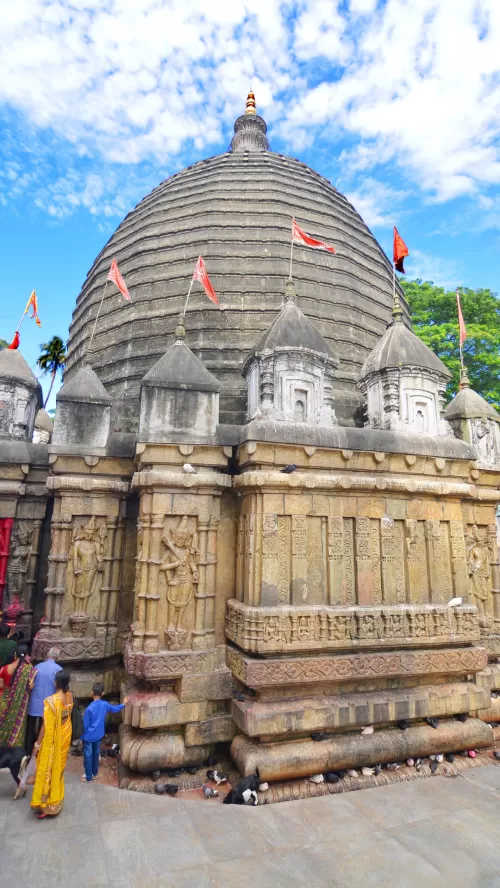
Local transport is ideal for exploring attractions located within the same city or nearby neighbourhoods. Visitors staying in Guwahati can conveniently travel between places such as Kamakhya Temple, Umananda Island ferry point, Assam State Museum, Srimanta Sankardeva Kalakshetra, local markets, and riverfront areas using auto rickshaws or taxis. Similar transport options are available in other towns for reaching museums, parks, temples, lakes, and heritage sites.
Travellers should keep smaller denominations of cash for local fares, confirm the approximate fare before starting the journey when necessary, and allow additional travel time during peak traffic hours. Carrying a charged mobile phone, offline maps, and hotel contact information can also make city travel easier, particularly for first-time visitors exploring independently.
Using local transport for short sightseeing trips helps reduce costs while allowing greater flexibility to visit multiple attractions at your own pace without relying entirely on private vehicles.
Auto rickshaws and local transport offer an economical and practical way to explore Assam's cities. They provide convenient access to cultural landmarks, shopping areas, and transport hubs throughout urban destinations.
The Brahmaputra River is one of Assam's defining geographical features, and ferry services continue to play an important role in connecting communities located on opposite riverbanks and river islands. Unlike many other Indian states, water transport remains a practical part of daily life in Assam, allowing residents and visitors to travel efficiently where bridges are unavailable or road routes would require significantly longer journeys.
Passenger ferries operate between numerous river ghats across the Brahmaputra, carrying people, motorcycles, bicycles, and in some locations even small vehicles. These services provide essential connectivity for villages, agricultural communities, and popular tourist destinations situated along the river. Ferry travel also offers visitors beautiful panoramic views of the Brahmaputra, making the journey itself a memorable part of exploring Assam.
For travellers interested in experiencing the state's unique river culture, ferry travel combines practical transportation with scenic landscapes, traditional riverside life, and opportunities to observe one of Asia's great rivers from a different perspective.
Ferry services remain an essential part of Assam's transportation network, offering practical access to river communities while providing travellers with unforgettable views of the magnificent Brahmaputra.
One of the best-known ferry routes in Assam connects the mainland with Majuli, the world's largest inhabited river island and one of the state's most important cultural destinations. Travellers typically reach the ferry terminal by road before boarding passenger ferries that cross the Brahmaputra. After arriving on the island, local transport such as shared vehicles, auto rickshaws, or hired taxis helps visitors explore monasteries, villages, museums, and cultural attractions.
Besides Majuli, ferry services also connect several smaller islands and riverside settlements where road bridges are unavailable. These routes are widely used by local communities and are generally well integrated into regional travel patterns. Travellers should remember that ferry schedules may vary according to water levels, seasonal river conditions, and weather, making advance planning particularly important during the monsoon season.
Understanding how ferry connections fit within broader travel itineraries allows visitors to move efficiently between road and river transport while enjoying one of Assam's most distinctive travel experiences.
| Journey Stage | Typical Transport |
|---|---|
| Main City to Ferry Ghat | Bus, taxi, or shared vehicle. |
| River Crossing | Passenger ferry. |
| Arrival on Island | Local taxi or shared transport. |
| Village Exploration | Local road transport. |
| Return Journey | Ferry followed by road transport. |
Ferry routes, especially those serving Majuli, form an important part of Assam's tourism network by connecting remarkable cultural destinations with the mainland through reliable river transport.
Careful planning is essential when including ferry travel in an Assam itinerary. Ferry departure times may change depending on river conditions, seasonal water levels, maintenance work, and weather. During the monsoon months, heavy rainfall and stronger river currents can occasionally affect operations, leading to revised schedules or temporary service interruptions. Travellers should therefore confirm departure timings before beginning their journey.
Arriving at ferry terminals well before departure is advisable, particularly during weekends, holidays, and festival periods when passenger numbers increase. Carrying drinking water, sun protection, rain gear, and secure luggage helps ensure a comfortable journey. Visitors should also follow all safety instructions provided by ferry operators and avoid unnecessary movement while vessels are in operation.
Well-planned ferry travel adds a memorable dimension to an Assam trip, allowing visitors to experience the Brahmaputra safely while enjoying one of the state's most unique and scenic transport experiences.
Planning around ferry schedules and seasonal conditions ensures smooth river travel throughout Assam. A little preparation allows visitors to enjoy safe, efficient, and memorable journeys across the Brahmaputra.
Guwahati serves as the primary transportation hub of Assam and offers the state's most comprehensive public transport network. As the largest city and the main gateway for visitors arriving by air, rail, or road, Guwahati provides a wide range of local transport options including city buses, auto rickshaws, taxis, app-based cab services, and shared vehicles. These services connect residential neighbourhoods, commercial districts, transport terminals, educational institutions, markets, and popular tourist attractions, making it convenient for travellers to move around the city without hiring a private vehicle for the entire day.
City buses cover many important routes across Guwahati and remain an economical choice for budget-conscious travellers. Auto rickshaws are widely available for shorter journeys, while taxis and app-based cabs offer greater convenience for families, travellers with luggage, or those visiting multiple attractions. Shared vehicles also operate on several busy routes, providing another affordable option for everyday travel within the city.
Visitors planning to spend a few days in Guwahati can comfortably combine different transport modes according to distance, budget, and sightseeing plans. This flexibility makes exploring the city relatively straightforward even for first-time visitors.
Guwahati offers the most convenient urban transport system in Assam, allowing visitors to explore the city comfortably while selecting transport options that best match their itinerary and budget.
One of Guwahati's greatest advantages is its excellent connectivity between major transport hubs and tourist attractions. Local buses, taxis, and auto rickshaws provide regular access to the city's railway station, the airport, interstate bus terminals, hotels, and important sightseeing locations. Visitors arriving in the city can easily continue their journey using public transport without requiring complicated transfers.
Popular attractions such as Kamakhya Temple, Umananda Island ferry terminal, Assam State Museum, Srimanta Sankardeva Kalakshetra, Basistha Temple, Assam State Zoo, Brahmaputra riverfront areas, and major shopping districts are well connected through local transport services. Travellers heading towards other destinations in Assam also benefit from Guwahati's extensive road, rail, and air connectivity, making the city an ideal starting point for longer regional journeys.
Understanding these transport connections enables visitors to minimise travel time while efficiently combining sightseeing with onward journeys to wildlife parks, cultural destinations, and nearby towns.
| Destination | Common Transport Option |
|---|---|
| Airport | Taxi, app-based cab, and airport bus services. |
| Railway Station | City buses, taxis, and auto rickshaws. |
| Kamakhya Temple | Bus, taxi, and auto rickshaw. |
| River Ferry Terminal | Auto rickshaw, taxi, or local bus. |
| City Attractions | Multiple local transport options available. |
Guwahati's well-developed transport network allows travellers to move efficiently between transport hubs and major attractions, making the city one of the easiest places to explore in Northeast India.
Planning city travel according to the time of day can significantly improve the sightseeing experience in Guwahati. Morning hours are generally suitable for visiting temples, museums, and heritage attractions before traffic becomes heavier, while afternoons can be reserved for shopping, cultural centres, and riverfront visits. Travellers should also allow additional travel time during office hours when busy roads may experience congestion.
Using buses for longer city routes and auto rickshaws or taxis for shorter connections helps balance affordability with convenience. Visitors carrying luggage or travelling with children and senior family members may prefer taxis for greater comfort, especially when transferring between hotels, railway stations, and the airport. Keeping offline maps, local emergency contacts, and accommodation details readily available further simplifies urban travel.
With sensible planning, visitors can comfortably explore Guwahati's cultural landmarks, markets, temples, and riverfront attractions while making efficient use of the city's extensive public transport system.
Thoughtful planning allows travellers to make the most of Guwahati's public transport network while enjoying a comfortable and well-organised sightseeing experience throughout the city.
Assam's famous wildlife destinations, including Kaziranga National Park, Manas National Park, Orang National Park, Nameri National Park, Dibru-Saikhowa National Park, and Pobitora Wildlife Sanctuary, are accessible using a combination of public transport and local transfers. Most travellers first reach nearby towns through buses, trains, or shared vehicles before continuing to park entrances using taxis, local vehicles, or accommodation-arranged transportation.
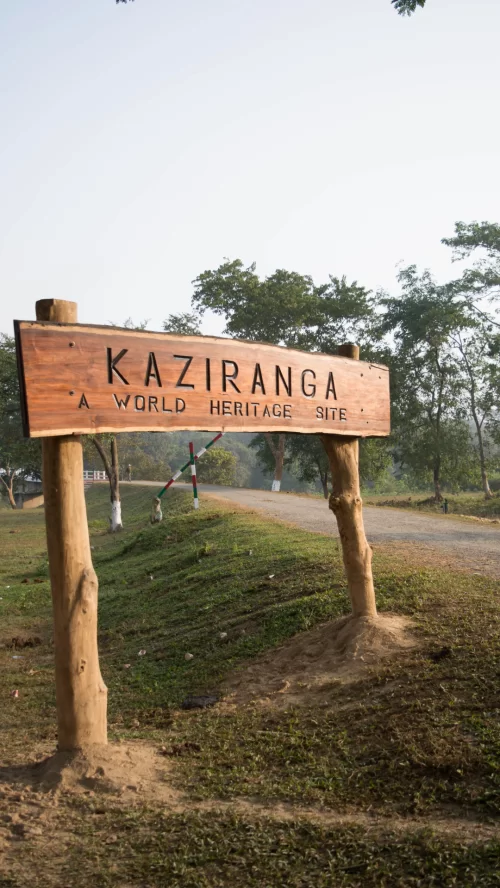
Kaziranga National Park is commonly reached via buses travelling between Guwahati and Upper Assam, with travellers getting down near Kohora or nearby access points before taking local transport to hotels and safari zones. Manas National Park is generally accessed through road transport to nearby towns followed by local vehicles. Similar travel patterns apply to several other protected areas, where public transport connects the nearest urban centres but not always the park gates themselves.
Visitors planning wildlife itineraries should include sufficient time for transfers and coordinate transport with safari schedules to ensure smooth arrival before booked activities.
Public transport provides reliable access to the regions surrounding Assam's wildlife parks, while local vehicles complete the final stage of the journey to safari gates and accommodations.
Although buses and shared vehicles connect many towns close to Assam's protected areas, public transport becomes less frequent near wildlife reserves themselves. Park entrances, eco-lodges, forest camps, and remote safari zones are often located away from main highways, requiring travellers to arrange local taxis, resort transfers, or shared jeeps for the final section of the journey.
Early morning safari timings present another challenge because public buses may not operate early enough to match scheduled wildlife activities. Visitors planning jeep safaris or elephant safaris should therefore confirm local transport arrangements well in advance. During the monsoon season, changing road conditions and temporary park closures may also affect travel plans, making flexibility particularly important.
Understanding these limitations helps visitors avoid delays while ensuring timely arrival for wildlife experiences that often operate according to fixed schedules.
| Travel Stage | Typical Transport |
|---|---|
| Major City to Nearby Town | Bus, train, or shared vehicle. |
| Town to Park Entrance | Taxi or local transport. |
| Safari Zone Access | Authorised safari vehicles. |
| Remote Eco-Lodges | Private or accommodation-arranged transfer. |
| Return Journey | Local transport followed by public transport. |
Public transport works well for reaching nearby towns, but local transfers remain essential for accessing wildlife parks comfortably and on time.
Planning local transfers is an important part of visiting Assam's wildlife destinations. After arriving at the nearest town or highway junction, travellers should arrange taxis, shared jeeps, or accommodation-provided vehicles to reach resorts, safari booking offices, and park entrances. Confirming these arrangements before departure helps avoid unnecessary waiting, particularly in locations where local transport options are limited.
Visitors should also coordinate transport with hotel check-in times, safari schedules, and return bus or train departures. Carrying offline maps, booking confirmations, and contact details for accommodation providers can make transfers easier, especially in areas with limited mobile network coverage. Travellers visiting multiple wildlife destinations may benefit from combining public transport with occasional private transfers to save time while maintaining reasonable travel costs.
Carefully organised transfers ensure that wildlife journeys remain comfortable, efficient, and stress-free, allowing visitors to focus on enjoying Assam's extraordinary biodiversity rather than transportation logistics.
Planning local transfers alongside public transport creates a smooth wildlife travel experience throughout Assam. Good preparation ensures visitors reach safari destinations comfortably while making the most of their time in the state's renowned national parks.
Public transport can be an excellent option for travelling between Assam's major cities and regional centres, especially on well-established road corridors where buses and shared vehicles operate regularly. Travellers planning routes such as Guwahati to Tezpur, Guwahati to Jorhat, Guwahati to Dibrugarh, Guwahati to Silchar, or Guwahati to Nagaon can comfortably rely on government and private buses for long-distance travel. These routes are frequently used by residents and tourists, making them among the most dependable public transport connections in the state.
For travellers following a flexible itinerary and visiting destinations connected by major highways, public transport offers an economical alternative to self-driving or hiring a private vehicle. Long-distance buses allow visitors to relax during the journey while enjoying views of Assam's tea gardens, river valleys, forests, villages, and agricultural landscapes. Overnight buses on selected routes also help maximise sightseeing time by reducing daytime travel.
Public transport works particularly well when destinations lie directly along major highways or established intercity routes. Careful planning allows travellers to combine affordability with convenient access to many of Assam's best-known locations.
Public transport is highly effective for Assam's principal road routes, offering affordable and dependable travel between cities while allowing visitors to experience the state's changing landscapes along the way.
Although Assam's major highways are well served by buses and shared vehicles, transport becomes more limited as travellers move into rural districts, forest areas, tea estates, river islands, and remote villages. Public buses may operate only a few times each day, while shared taxis often depart only after reaching full passenger capacity. Some destinations require multiple transfers, increasing overall travel time and reducing flexibility.
Remote wildlife reserves, lesser-known cultural villages, and offbeat attractions may not have direct public transport connections, particularly during evenings or adverse weather conditions. Seasonal flooding during the monsoon can occasionally affect road conditions and alter transport schedules, especially in low-lying regions near the Brahmaputra and its tributaries. Travellers should therefore remain flexible and avoid planning tightly packed schedules when exploring less-developed areas.
Understanding these rural transport limitations enables visitors to prepare realistic itineraries while reducing the likelihood of missed connections or unnecessary travel delays.
| Travel Area | Public Transport Situation |
|---|---|
| National Highways | Frequent buses and shared vehicles. |
| District Roads | Moderate transport availability. |
| Remote Villages | Limited daily services. |
| Wildlife Regions | Public transport plus local transfers. |
| River Island Areas | Road transport combined with ferries. |
Rural Assam offers rewarding travel experiences, but limited public transport requires additional planning. Allowing flexibility helps visitors comfortably explore destinations beyond the state's major transport corridors.
Travellers planning multi-destination road trips can improve flexibility by combining public transport with local taxis, shared vehicles, ferries, or occasional private transfers. This approach allows visitors to benefit from economical intercity travel while still accessing attractions located away from major transport routes. Hiring a taxi only for specific sections of the journey often proves more cost-effective than relying entirely on private transport throughout the trip.
When planning sightseeing days that include several attractions, travellers should consider the time required for transfers between buses, ferries, and local vehicles. Booking accommodation near transport hubs can reduce travel time, while consulting local tourism offices or accommodation providers often helps identify the most practical transport options for nearby attractions. Carrying offline maps and keeping transport schedules readily available also contributes to smoother travel.
A combination of public and local transport provides the greatest flexibility for visitors wishing to experience Assam's cities, wildlife, tea gardens, heritage sites, and cultural destinations within a balanced travel budget.
Using alternative transport options alongside public services creates a more flexible and enjoyable Assam road trip. Careful planning helps visitors reach both popular attractions and offbeat destinations efficiently.
One of the most common mistakes made by first-time visitors is assuming that public transport reaches every tourist destination directly. While buses, shared taxis, and ferries connect most major cities and towns, many wildlife reserves, tea estates, villages, river islands, and remote cultural attractions require additional local transport. Depending entirely on scheduled public services without planning local transfers can lead to unnecessary delays and reduced sightseeing time.
Travellers visiting destinations such as Kaziranga National Park, Manas National Park, Majuli Island, or remote tea-growing regions should expect to use local taxis, accommodation-arranged vehicles, or shared transport for the final stage of the journey. Researching transport availability before departure helps avoid last-minute difficulties after arriving in less-developed areas.
Combining public transport with local travel arrangements provides a much smoother experience and allows visitors to reach attractions that are not directly connected by regular bus services.
Understanding the limits of public transport in remote regions helps travellers avoid unnecessary delays while making their Assam itinerary more practical and enjoyable.
Another frequent mistake is beginning a journey without carefully understanding transport routes and transfer points. Many destinations in Assam require travellers to combine buses, ferries, shared taxis, or local vehicles, particularly when visiting wildlife parks or river islands. Knowing where to change transport in advance reduces confusion and helps ensure smoother travel throughout the trip.
Visitors should also identify the nearest railway stations, bus terminals, ferry ghats, and accommodation before departure. Studying approximate travel times, available services, and daily departure schedules allows travellers to create realistic plans that avoid unnecessary waiting periods. This becomes especially valuable during busy tourist seasons when transport demand may increase.
Good route planning allows travellers to make better use of available transport while spending more time enjoying Assam's attractions instead of dealing with avoidable logistical challenges.
| Planning Area | Why It Matters |
|---|---|
| Bus Routes | Helps identify correct boarding locations. |
| Ferry Crossings | Ensures timely arrival at terminals. |
| Transfer Points | Reduces missed connections. |
| Accommodation Location | Simplifies local transport planning. |
| Return Journey | Prevents last-minute transport issues. |
Proper route planning creates a smoother travel experience by helping visitors understand transport connections, minimise waiting times, and organise efficient sightseeing throughout Assam.
Many travellers underestimate the time required for transfers between buses, ferries, shared vehicles, and local taxis. Scheduling multiple long-distance journeys within a single day often leaves little room for delays caused by weather, traffic, or changing transport schedules. A more relaxed itinerary provides greater flexibility while reducing unnecessary travel stress.
When planning trips that include destinations such as Guwahati, Kaziranga, Majuli, Manas, Sivasagar, or Upper Assam, visitors should leave adequate time between onward connections. Early departures, overnight stays near transport hubs, and avoiding very late arrivals can significantly improve the overall travel experience. Travellers should also avoid booking activities immediately after long public transport journeys whenever possible.
A balanced itinerary allows visitors to enjoy Assam's landscapes, wildlife, cultural experiences, and local hospitality without feeling rushed between destinations.
A thoughtfully planned itinerary helps visitors enjoy Assam comfortably while reducing the risks associated with missed connections, transport delays, and unnecessary travel fatigue.
Planning transportation is one of the most important parts of organising a successful trip across Assam. The state offers a combination of buses, ferries, shared taxis, auto rickshaws, city buses, local vehicles, and private taxis, allowing travellers to build an itinerary that matches both their travel style and budget. Visitors exploring only major cities can comfortably depend on public transport for most journeys, while those planning to visit wildlife parks, tea gardens, remote villages, or river islands should include local transport for the final stages of their trip.
Budget-conscious travellers often benefit from using government buses, shared taxis, and ferry services, while families, senior travellers, or visitors with limited time may find it worthwhile to combine public transport with occasional private taxis for greater convenience. The ideal approach is not to rely exclusively on one mode of transport but to choose the most practical option for each section of the journey.
A carefully planned transport strategy helps reduce travel costs while allowing visitors to experience Assam's diverse destinations comfortably and efficiently. By matching transportation choices with the itinerary, travellers can enjoy smoother journeys throughout the state.
Choosing transport according to your itinerary and budget allows you to experience Assam comfortably while making efficient use of the state's extensive road and river transport network.
Every journey across Assam becomes easier when routes are planned according to travel distance, destination accessibility, and personal comfort. Major highways connect important cities with reliable public transport, while more remote destinations often require additional planning involving shared vehicles, ferries, or local taxis. Understanding these transport patterns helps visitors avoid unnecessary delays and choose the most suitable route for every stage of the trip.
Travellers should also consider seasonal weather, especially during the monsoon, when heavy rainfall may influence road conditions or ferry operations. Wildlife destinations, river islands, and remote tea-growing regions often require additional travel time, making flexible scheduling particularly valuable. Families with children, senior travellers, and visitors carrying larger amounts of luggage may also prefer transport options that minimise transfers and walking distances.
By considering accessibility alongside comfort, visitors can create practical itineraries that maximise sightseeing opportunities while reducing travel fatigue during longer journeys across Assam.
| Planning Factor | Recommendation |
|---|---|
| Travel Distance | Select transport suitable for journey length. |
| Destination Accessibility | Check whether local transfers are required. |
| Comfort Requirements | Choose transport according to traveller needs. |
| Seasonal Conditions | Allow flexibility during monsoon travel. |
| Sightseeing Schedule | Keep adequate time between transfers. |
Thoughtful route planning improves overall travel efficiency while ensuring visitors enjoy Assam's cities, wildlife, cultural attractions, and natural landscapes without unnecessary transportation challenges.
Before beginning each journey, travellers should confirm transport schedules, identify transfer points, keep accommodation contact information readily available, and carry all essential travel documents. It is also advisable to download offline maps, carry sufficient drinking water, keep smaller denominations of cash, and prepare for changing weather conditions depending on the season. Simple preparation greatly improves convenience throughout longer journeys.
Visitors should remain flexible when travelling through rural areas, wildlife destinations, and river ferry routes where schedules may occasionally change. Booking accommodation close to transport hubs, allowing additional transfer time, and confirming return transport in advance all contribute to a smoother travel experience. Most importantly, travellers should avoid rushing between destinations and instead enjoy Assam's unique landscapes, cultural heritage, tea gardens, wildlife, and river scenery at a comfortable pace.
With proper preparation and realistic expectations, Assam's public transport system provides an affordable, reliable, and rewarding way to explore one of Northeast India's most diverse travel destinations.
Following this checklist helps visitors travel confidently across Assam while making the best use of public transport. Careful planning, flexibility, and choosing suitable transport options ensure a safe, comfortable, and memorable journey throughout the state.


Get customized Assam tour planning designed around seasonal weather patterns, river conditions, wildlife safari timing, and realistic road travel flow. Whether you are visiting for national parks, tea estate stays, cultural experiences, spiritual sites, o
⚡ Quick Response | 💰 Free consultation | 🕒 24×7 expert support