
How Tea is Made in Assam – A Tourist's Guide
Understanding how tea is made in Assam allows travellers to explore plantations, learn traditional processing methods, and experience the journey from fresh tea leaves to the final product.
+91 9910402252
admin@chalbanjare.com


Assam offers a perfect mix of wildlife, tea gardens, river islands, temples, heritage monuments, and scenic landscapes, making it one of the most diverse destinations in Northeast India.
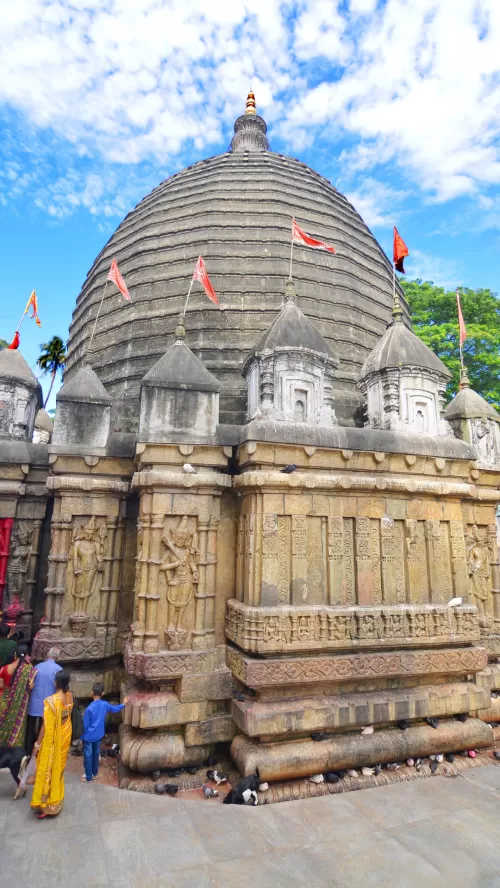
Kamakhya Temple, situated on Nilachal Hill, is the most famous attraction in Guwahati and one of India's most important Shakti Peethas. Dedicated to Goddess Kamakhya, the temple attracts pilgrims, spiritual travelers, and tourists throughout the year. Besides its religious significance, Nilachal Hill offers panoramic views of Guwahati, the Brahmaputra River, and the surrounding hills, making it one of the city's finest viewpoints.
Visitors generally begin their Guwahati sightseeing here because of its cultural importance and elevated location. Morning visits are recommended to experience a calmer atmosphere before larger crowds arrive. Comfortable clothing suitable for temple visits and modest dress are advisable, especially during festivals when visitor numbers increase significantly.
Kamakhya Temple and Nilachal Hill beautifully combine spirituality, history, and panoramic scenery, making them the most iconic attractions in Guwahati.
Umananda Island, also known as Peacock Island, sits in the middle of the Brahmaputra River and is one of Guwahati's most distinctive attractions. Visitors reach the island by short ferry rides from the riverfront, enjoying impressive views of the wide Brahmaputra during the journey. The island is home to the historic Umananda Temple dedicated to Lord Shiva and offers a peaceful environment away from the busy city.
The ferry crossing itself is an enjoyable experience, especially during pleasant weather. After reaching the island, visitors can explore the temple, enjoy riverside viewpoints, and photograph the surrounding landscapes. Morning and evening are ideal for comfortable weather and attractive natural lighting.
Umananda Island offers visitors a memorable blend of river travel, spiritual heritage, and peaceful natural surroundings within the heart of Guwahati.
Assam State Museum introduces visitors to the state's rich history through archaeological collections, sculptures, manuscripts, traditional costumes, tribal artifacts, and cultural exhibits. It serves as an excellent starting point for understanding Assam's diverse heritage before exploring other destinations across the state. The museum appeals to history enthusiasts, students, and travelers interested in regional culture.
Deepor Beel, located on the outskirts of Guwahati, provides a completely different experience as one of Assam's most important wetlands. Known for birdwatching and scenic landscapes, the wetland attracts resident and migratory birds while offering peaceful natural surroundings. Together, the museum and Deepor Beel represent Guwahati's cultural and ecological diversity.
Assam State Museum and Deepor Beel together provide an excellent introduction to the cultural heritage and natural beauty that define Guwahati.
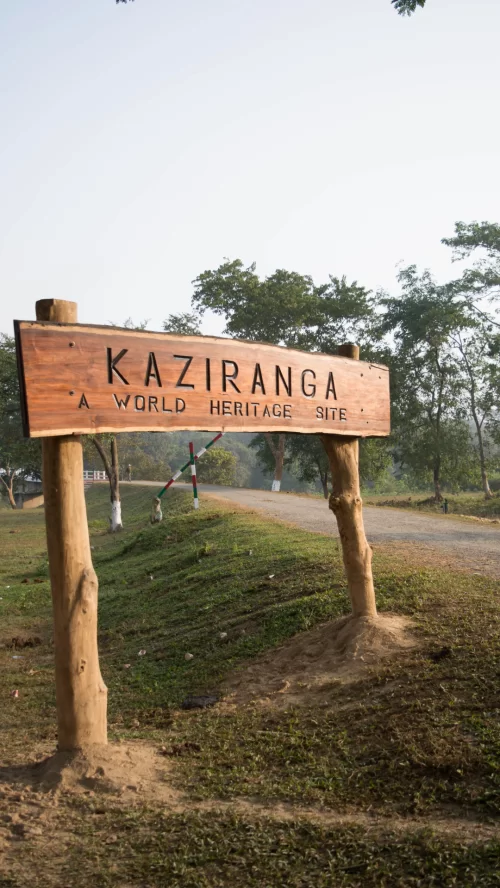
The Central Range at Kohora is the most popular safari area in Kaziranga National Park and serves as the primary choice for first-time visitors. This range contains extensive grasslands, wetlands, and woodland habitats that support large populations of one-horned rhinoceroses along with elephants, deer, wild buffalo, and numerous bird species. The diversity of habitats makes every safari unique.
Morning jeep safaris are especially rewarding because wildlife activity is generally higher during cooler hours. The Central Range also offers excellent photography opportunities, particularly during sunrise when soft natural light enhances the grassland landscapes. Booking safari permits in advance is recommended during the peak tourism season.
The Central Range offers one of the finest wildlife safari experiences in Assam through its remarkable biodiversity and accessible landscapes.
The Western Range is widely recognized for its outstanding opportunities to observe the famous one-horned rhinoceros that has made Kaziranga internationally renowned. Open grasslands and wetland habitats provide favorable conditions for rhino sightings while also supporting elephants, swamp deer, wild buffalo, and numerous bird species. Wildlife photographers often consider this range one of the park's highlights.
Visitors should remain patient throughout the safari because wildlife movements vary naturally. Early morning drives generally provide the best opportunities for observing rhinos grazing in open landscapes. The combination of wildlife and expansive scenery makes the Western Range a rewarding addition to any Kaziranga itinerary.
The Western Range remains one of the best locations in Kaziranga for experiencing the park's iconic one-horned rhinoceros in its natural habitat.
The Eastern Range offers a quieter safari experience focused on wetlands, riverine habitats, grasslands, and excellent birdwatching opportunities. The variety of water bodies attracts resident and migratory birds throughout the tourism season while also supporting mammals that move between different habitats. Nature lovers often appreciate the peaceful atmosphere and ecological diversity found here.
Birdwatchers should carry binoculars and allow extra time for observation because numerous species inhabit the wetlands. The scenic combination of rivers, grasslands, and forests creates attractive landscapes for photography throughout the day. Exploring the Eastern Range complements visits to the Central and Western Ranges by showcasing another side of Kaziranga's biodiversity.
The Eastern Range highlights Kaziranga's remarkable birdlife and wetland ecosystems, offering a rewarding experience for wildlife enthusiasts and photographers.
Auniati Satra and Kamalabari Satra are among the most respected Vaishnavite monasteries on Majuli Island and represent the spiritual heart of Assam's Neo Vaishnavite tradition. Established centuries ago, these Satras continue preserving religious teachings, devotional music, dance, literature, manuscripts, and traditional rituals introduced by the great saint Srimanta Sankardeva and his followers. Visiting these monasteries allows travelers to experience Majuli's unique spiritual heritage while understanding the important role these institutions continue to play in Assamese culture.
Both Satras maintain a peaceful atmosphere where visitors can observe traditional architecture, prayer halls, museums, and cultural practices. Respectful behavior, modest clothing, and quiet exploration are encouraged throughout the visit. Spending time speaking with local caretakers or guides often provides valuable insights into the history, philosophy, and cultural importance of these remarkable institutions.
Auniati Satra and Kamalabari Satra provide visitors with an authentic introduction to Majuli's centuries-old spiritual traditions and cultural heritage.
Samaguri Satra is internationally known for preserving Majuli's traditional mask-making art, a craft closely connected with Assamese religious theatre and cultural performances. Skilled artisans continue producing handmade masks using bamboo, clay, cloth, and natural materials while following techniques that have been passed down through generations. Visitors can observe different stages of mask production and understand how these artistic creations remain important during religious performances and festivals.
The surrounding artisan villages further enrich the experience by showcasing local craftsmanship and community life. Watching artisans work provides a deeper appreciation of Majuli's living cultural traditions rather than viewing the masks only as finished products. Purchasing authentic handcrafted items directly from artisans also supports the continuation of these traditional skills.
Samaguri Satra offers one of Majuli's most distinctive cultural experiences by preserving the island's famous mask-making tradition through living craftsmanship.
The Mishing community forms an important part of Majuli's cultural identity, and visiting traditional villages allows travelers to experience rural island life surrounded by the Brahmaputra River. Bamboo stilt houses, agricultural fields, weaving traditions, and peaceful village roads reflect a way of life that has adapted to the river environment over generations. These villages provide an authentic glimpse into everyday life beyond the island's religious institutions.
The surrounding Brahmaputra landscapes further enhance the experience with wide river views, seasonal wetlands, open countryside, and quiet cycling routes connecting villages. Early morning and late afternoon are especially beautiful for photography as soft natural light highlights both the rural scenery and traditional architecture. Respectful interaction with local communities makes the visit more meaningful.
Mishing villages and the surrounding Brahmaputra landscapes reveal the peaceful rural character that makes Majuli one of Assam's most unique cultural destinations.
Umiam Lake is the first major attraction encountered while traveling from Guwahati to Shillong and remains one of Meghalaya's most scenic destinations. Surrounded by rolling hills and dense greenery, the large reservoir provides spectacular viewpoints that encourage travelers to pause before continuing their journey into the Khasi Hills. The calm water and forested surroundings create a refreshing introduction to Meghalaya's natural beauty.
Several viewpoints along the highway overlook the lake, making photography convenient without requiring long detours. Morning offers mist-covered landscapes while late afternoon provides warm natural light across the water. Many travelers also enjoy short breaks here before continuing toward Shillong's higher elevations.
Umiam Lake provides one of Northeast India's most beautiful roadside landscapes and serves as the perfect introduction to the Shillong journey.
Shillong Peak is the highest viewpoint around the city and offers sweeping views across Shillong, surrounding forests, and distant hill ranges. The viewpoint provides visitors with an excellent understanding of the city's location within the Khasi Hills. Nearby, Elephant Falls presents a series of attractive cascades flowing through forested surroundings, making it one of Shillong's most visited natural attractions.
Both destinations are easily included in the same sightseeing itinerary and are best visited during clear weather for maximum visibility. Comfortable walking shoes are recommended because both attractions involve short walks and stairways. Together they represent Shillong's combination of scenic viewpoints and natural beauty.
Shillong Peak and Elephant Falls provide visitors with two of Meghalaya's most memorable natural attractions through panoramic views and beautiful forest landscapes.
Police Bazaar forms the commercial center of Shillong and is one of the city's busiest areas for shopping, cafés, restaurants, and local markets. Visitors can explore handicrafts, regional products, clothing, and food while experiencing the lively atmosphere that defines central Shillong. The area is also a convenient place to sample local cuisine and purchase souvenirs before continuing the journey.
Located nearby, Ward's Lake offers a peaceful contrast through landscaped gardens, walking paths, and calm waters surrounded by greenery. The lake provides a relaxing environment where travelers can enjoy leisurely walks after exploring the busy market area. Together, these attractions present both the energetic and peaceful sides of Shillong.
Police Bazaar and Ward's Lake together provide an enjoyable balance of shopping, dining, and relaxation within the heart of Shillong.
Rang Ghar and Talatal Ghar are among the most important monuments of the Ahom Kingdom and represent the architectural brilliance of medieval Assam. Rang Ghar is often regarded as one of Asia's earliest surviving amphitheaters, where Ahom royalty once watched traditional games, cultural performances, and ceremonial events. Its distinctive two-storied structure continues to attract historians, architects, and travelers interested in Assam's royal heritage.
Talatal Ghar, located nearby, was one of the grandest palace complexes built by the Ahom rulers. The monument is well known for its multiple floors, impressive architecture, and historically documented underground passages. Exploring both monuments together provides visitors with an excellent understanding of the engineering skills, political importance, and royal lifestyle of the Ahom dynasty.
Rang Ghar and Talatal Ghar preserve the architectural legacy of the Ahom Kingdom and remain essential attractions for understanding Assam's royal history.
Sivadol is one of Assam's tallest and most significant Shiva temples, standing prominently beside the historic Sivasagar Tank. Built during the Ahom period, the temple remains an active place of worship while also serving as one of the state's most recognizable heritage monuments. Its towering structure and riverside setting create an impressive visual landmark that attracts both pilgrims and tourists throughout the year.
The large Sivasagar Tank surrounding the temple further enhances the peaceful atmosphere by reflecting the temple's architecture across the water, especially during sunrise and sunset. Visitors often combine temple exploration with leisurely walks around the tank, appreciating both the religious significance and the scenic environment created by this historic water reservoir.
Sivadol and the historic Sivasagar Tank together create one of Assam's most iconic heritage landscapes, blending architecture, spirituality, and scenic beauty.
Charaideo Maidams are among Assam's most historically significant heritage sites and served as the royal burial mounds of the Ahom kings and members of the royal family. These monuments reflect unique funerary traditions and hold immense archaeological and cultural value. The site provides valuable insight into the political history and ceremonial practices of one of India's longest-ruling dynasties.
Visitors interested in history often combine Charaideo with Sivasagar's temples, palaces, and monuments to gain a broader understanding of Ahom civilization. The peaceful surroundings encourage slow exploration, while informational displays help explain the historical importance of the burial mounds. Together, these sites form one of Northeast India's richest heritage circuits.
Charaideo Maidams preserve an important chapter of Assam's royal history and complete the remarkable heritage experience surrounding Sivasagar.
Jorhat and Dibrugarh are two of Assam's most celebrated tea-producing regions, where vast plantations stretch across rolling landscapes and define the identity of Upper Assam. Visitors can explore neatly maintained tea estates, observe plantation life, and enjoy peaceful walks through rows of tea bushes that have supported Assam's globally recognized tea industry for generations. The surrounding countryside provides beautiful scenery throughout the year.
Early morning visits are particularly rewarding as soft sunlight enhances the green plantations while creating ideal conditions for photography. Many tea estates also offer guided experiences explaining cultivation methods, harvesting practices, and the historical development of Assam tea. These visits allow travelers to appreciate both agriculture and regional heritage together.
The tea estates of Jorhat and Dibrugarh introduce visitors to one of Assam's most iconic landscapes while highlighting the importance of tea in the state's economy and culture.
Many historic tea estates in Upper Assam feature beautifully preserved colonial-era tea bungalows that now welcome visitors as heritage accommodations or guided attractions. These elegant properties reflect the early history of Assam's tea industry through traditional architecture, landscaped gardens, and peaceful plantation settings. Staying or visiting these estates offers a slower and more immersive travel experience.
Plantation trails around the bungalows allow visitors to explore tea gardens on foot while learning about estate management and tea cultivation. Walking through the plantations during the cooler hours of the day provides excellent opportunities for photography and nature appreciation. The calm environment makes heritage tea estates popular among couples, families, and cultural travelers.
Heritage tea bungalows provide visitors with a unique opportunity to experience Assam's plantation history within beautiful countryside surroundings.
Tea factory tours allow visitors to understand the complete journey of Assam tea from freshly harvested leaves to the finished product enjoyed around the world. Guided visits explain the stages of withering, rolling, oxidation, drying, grading, and packaging while introducing travelers to the craftsmanship involved in producing high-quality tea. These educational experiences are particularly popular among first-time visitors.
Many tea estates also organize guided tasting sessions where visitors learn to identify the flavor, aroma, and character of different Assam teas. Professional demonstrations help explain how processing methods influence the final cup. Combining factory visits with tea tasting creates one of the most memorable cultural experiences in Upper Assam.
Tea factory tours and tasting sessions provide an engaging introduction to Assam's world-famous tea industry while creating memorable cultural experiences for visitors.
A cruise on the Brahmaputra River is one of the most relaxing experiences in Guwahati, offering visitors a unique perspective of the city's skyline, Nilachal Hill, Umananda Island, and the wide river that defines Assam's landscape. River cruises range from short sightseeing trips to longer sunset cruises, allowing travelers to appreciate the scale and beauty of one of Asia's largest rivers while enjoying a peaceful journey away from city traffic.
Evening cruises are particularly popular because the setting sun creates beautiful reflections across the water and transforms the surrounding scenery with warm golden light. Many cruises also provide cultural performances or refreshments, making the experience suitable for couples, families, photographers, and first-time visitors exploring Guwahati.
A Brahmaputra River cruise combines scenic beauty, relaxation, and cultural experiences, making it one of Guwahati's most memorable attractions.
Umananda Island, popularly known as Peacock Island, is one of the smallest inhabited river islands in the world and one of Guwahati's most iconic attractions. Accessible by ferry, the island is home to the historic Umananda Temple dedicated to Lord Shiva. The short river crossing itself provides beautiful views of the Brahmaputra and surrounding landscapes, making the journey as enjoyable as the destination.
After reaching the island, visitors can explore the temple complex, walk through peaceful surroundings, and enjoy panoramic views of the river from different points. Morning and evening remain the best times to visit due to pleasant weather and comfortable ferry services. The island offers an excellent combination of spirituality, history, and natural scenery.
Umananda Island offers a perfect blend of river travel, heritage, and spirituality while showcasing the beauty of the Brahmaputra River.
Reaching Majuli Island is an experience in itself, with ferry journeys across the Brahmaputra forming an unforgettable part of the visit. Travelers usually board ferries from Nimati Ghat near Jorhat, enjoying expansive river views throughout the crossing. The slow pace of the ferry allows visitors to appreciate the scale of the Brahmaputra while observing boats, wetlands, birds, and the changing river landscape.
After arriving on the island, visitors can continue exploring Majuli's Satras, Mishing villages, rural roads, and peaceful countryside. Ferry schedules vary according to river conditions and seasonal water levels, making advance planning important. Combining the ferry experience with a stay on the island creates one of Assam's most distinctive travel experiences.
The scenic ferry journey to Majuli beautifully introduces visitors to Assam's river landscapes before they begin exploring the world's largest inhabited river island.
Kamakhya Temple is Assam's most significant pilgrimage destination and one of the country's revered Shakti Peethas. Located atop Nilachal Hill, the temple welcomes thousands of devotees every year while also attracting travelers interested in history, architecture, and Assamese culture. The hilltop setting provides panoramic views of Guwahati and the Brahmaputra River, adding scenic value to its religious importance.
Navagraha Temple, situated on Chitrachal Hill, is another important spiritual site associated with the nine celestial bodies in Hindu tradition. The temple's peaceful environment and elevated location make it popular among pilgrims and visitors seeking quieter surroundings. Exploring both temples provides a meaningful introduction to Guwahati's spiritual heritage.
Kamakhya Temple and Navagraha Temple together showcase Guwahati's deep spiritual traditions while offering beautiful hilltop scenery.
Majuli Island is the center of Assam's Neo Vaishnavite tradition, with its historic Satras preserving centuries-old religious practices, devotional music, dance, manuscripts, and cultural education. Institutions such as Auniati Satra, Kamalabari Satra, and Samaguri Satra continue functioning as important religious and cultural centers where visitors can witness living traditions rather than museum displays.
Beyond their spiritual role, the Satras have contributed significantly to Assamese literature, theatre, dance, and visual arts. Visitors are encouraged to explore respectfully, observe traditional practices quietly, and learn about the philosophy that continues shaping cultural life across Majuli today.
Majuli's Satras provide one of Northeast India's richest cultural experiences by preserving living traditions that continue shaping Assamese identity.
Sivasagar represents the historical heart of the Ahom Kingdom and preserves some of Assam's finest temples, monuments, and royal architecture. Sivadol, Vishnudol, and Devidol continue serving as important places of worship while standing beside the historic Sivasagar Tank. Together with Rang Ghar, Talatal Ghar, and nearby heritage sites, they reveal the remarkable achievements of the Ahom dynasty.
Walking through Sivasagar allows visitors to experience the close relationship between religion, architecture, and royal history that shaped Assam for centuries. Heritage monuments, temple complexes, and archaeological sites can comfortably be explored within a well-planned itinerary, making Sivasagar an essential destination for anyone interested in Assamese history.
Sivasagar combines temples, royal monuments, and living heritage, creating one of Assam's most rewarding cultural destinations.
Kaziranga National Park is Assam's premier wildlife photography destination and one of the finest places in India to photograph the endangered one-horned rhinoceros in its natural habitat. The park's vast grasslands, wetlands, forests, and riverine landscapes create varied backdrops for photographing rhinos, elephants, wild water buffalo, swamp deer, birds, and numerous other wildlife species. Every safari offers different photographic opportunities as animal movement changes with weather, habitat, and time of day.
Morning jeep safaris remain the preferred choice for photographers because the soft natural light enhances wildlife portraits while cooler temperatures increase animal activity. Carrying a telephoto lens, spare batteries, and sufficient memory cards helps visitors make the most of unexpected wildlife encounters. Patience, quiet observation, and guidance from experienced safari guides significantly improve photography success.
Kaziranga National Park offers extraordinary wildlife photography experiences where diverse habitats and iconic animals create unforgettable photographic opportunities.
The tea estates of Upper Assam provide some of the state's most picturesque landscapes, making Jorhat and Dibrugarh favorite destinations for landscape and travel photography. Endless rows of neatly maintained tea bushes, heritage bungalows, plantation roads, and surrounding forests create visually striking compositions throughout the year. Seasonal changes and varying light conditions continually transform the appearance of the plantations.
Sunrise is particularly rewarding because soft golden light highlights the green tea gardens while morning mist occasionally adds depth to the scenery. Visitors can also photograph tea workers during harvesting seasons where permitted, always maintaining respect for ongoing work. Plantation roads, tea factories, and heritage buildings further expand the range of photographic subjects available throughout the estates.
The tea gardens of Upper Assam beautifully showcase the landscapes that have made Assam internationally famous for tea production and scenic countryside.
The Brahmaputra River and Assam's historic monuments together offer an outstanding combination of landscape and heritage photography. Riverfronts in Guwahati, Tezpur, and Majuli provide opportunities to capture sunrise, sunset, ferries, temples, and expansive river scenery, while monuments such as Rang Ghar, Talatal Ghar, Sivadol, Da Parbatia, and Bamuni Hills preserve remarkable examples of Assamese architecture and history.
Golden hour remains the preferred time for photographing both riverside landscapes and heritage structures because warm natural light enhances stone textures, reflections, and architectural details. Combining cultural landmarks with scenic river views allows photographers to create a complete visual story of Assam's history, geography, and cultural identity.
Assam's riverfronts and heritage monuments provide photographers with an impressive variety of subjects that reflect the state's cultural richness and natural beauty.
Assam offers remarkable diversity, allowing travelers to design itineraries according to their interests. Wildlife enthusiasts should prioritize Kaziranga National Park, Manas National Park, Pobitora Wildlife Sanctuary, and Deepor Beel. Heritage travelers will enjoy Sivasagar, Tezpur, and Majuli, while tea tourism enthusiasts should explore Jorhat and Dibrugarh. Guwahati serves as the ideal starting point, combining important temples, museums, river experiences, and convenient transport connections to the rest of the state.
Rather than attempting to visit every destination in one trip, visitors should focus on regions that complement each other. Combining wildlife, tea estates, river islands, and heritage monuments creates a balanced experience while reducing long road journeys. Flexible planning allows travelers to enjoy Assam's relaxed atmosphere without rushing between attractions.
Selecting destinations thoughtfully allows visitors to experience Assam through its wildlife, heritage, tea culture, rivers, and living traditions at a comfortable pace.
A practical Assam itinerary usually begins in Guwahati before continuing to Kaziranga National Park for wildlife safaris. From there, travelers can explore Majuli Island through Jorhat or continue toward Sivasagar and Dibrugarh for heritage monuments and tea tourism. Visitors with additional time can include Manas National Park, Haflong, or Tezpur depending on travel interests and available days.
Road conditions between major destinations are generally suitable for planned travel, although journey times should always be estimated conservatively. Staying at least one or two nights in each destination allows visitors to enjoy wildlife, culture, photography, and local experiences without feeling rushed. Combining nearby attractions improves travel efficiency throughout the trip.
A carefully planned itinerary helps travelers experience Assam's major attractions while balancing wildlife, history, tea estates, rivers, and cultural heritage.
Travelers should carry comfortable walking shoes, lightweight clothing suitable for Assam's climate, rain protection during the monsoon, sunscreen, insect repellent, drinking water, personal medicines, valid identification, binoculars for wildlife parks, and camera equipment for photography. Winter mornings can be cool, especially during wildlife safaris, making a light jacket useful.
Before departure, confirm accommodation reservations, safari permits where applicable, ferry schedules for Majuli, and weather forecasts. Respect local customs while visiting temples and villages, avoid disturbing wildlife, and support local communities by purchasing authentic handicrafts and regional products. Responsible travel ensures a rewarding experience while helping preserve Assam's natural and cultural heritage.
With thoughtful planning and responsible travel, Assam offers an unforgettable journey through wildlife, tea gardens, ancient heritage, vibrant culture, and the magnificent landscapes of the Brahmaputra Valley.


Get customized Assam tour planning designed around seasonal weather patterns, river conditions, wildlife safari timing, and realistic road travel flow. Whether you are visiting for national parks, tea estate stays, cultural experiences, spiritual sites, o
⚡ Quick Response | 💰 Free consultation | 🕒 24×7 expert support