How Tea is Made in Assam – A Tourist's Guide
Understanding how tea is made in Assam allows travellers to explore plantations, learn traditional processing methods, and experience the journey from fresh tea leaves to the final product.
+91 9910402252
admin@chalbanjare.com


Local markets in Assam offer travellers authentic shopping experiences with traditional textiles, handicrafts, fresh produce, local food products, and everyday items reflecting Assamese culture.
Local markets in Assam are much more than places to buy goods. They reflect the state's cultural heritage, traditional occupations, agricultural lifestyle, and the everyday routines of local communities. Walking through these markets allows visitors to observe how people shop for fresh produce, textiles, handcrafted items, spices, tea, bamboo products, and household essentials while interacting with local vendors who have often been serving customers for generations. Every market offers its own atmosphere shaped by the surrounding region and community.
Markets across Guwahati, Jorhat, Dibrugarh, Majuli, and other towns showcase the diversity of Assamese culture through locally produced goods and regional specialities. Unlike shopping malls, traditional markets remain closely connected to local livelihoods and provide opportunities to experience authentic community life. Visitors often discover products that reflect the craftsmanship, agricultural traditions, and artistic heritage of different parts of Assam.
Exploring local markets gives travellers a deeper understanding of Assamese culture while offering opportunities to purchase authentic regional products directly from local communities.
Traditional markets remain one of the best places to understand Assam's culture while experiencing the warmth and hospitality of local communities.
Tourist shops and traditional local markets both offer valuable shopping experiences, but they serve different purposes. Tourist shops generally focus on souvenirs, packaged regional products, and items that appeal specifically to visitors, whereas local markets primarily cater to everyday needs of residents. These markets often feature fresh produce, locally woven textiles, handcrafted goods, household products, traditional clothing, and regional food items sold at competitive prices.
Visitors exploring local markets experience a more authentic atmosphere where bargaining may be common, seasonal products are widely available, and local customs become part of the shopping experience. Tourist shops provide convenience and curated selections, while traditional markets offer greater variety and stronger connections to Assamese daily life and local craftsmanship.
Understanding the differences between tourist shops and local markets helps travellers choose shopping experiences that best match their interests and travel goals.
| Shopping Option | Typical Experience |
|---|---|
| Tourist Shops | Curated souvenirs and gifts. |
| Local Markets | Everyday community shopping. |
| Handicraft Stores | Traditional artisan products. |
| Food Markets | Fresh local ingredients. |
| Textile Shops | Regional woven fabrics. |
Combining both shopping options allows visitors to enjoy convenience while discovering authentic products that represent Assam's cultural traditions.
Local markets provide travellers with experiences that go beyond shopping by introducing them to everyday life in Assam. Visitors can observe local conversations, traditional trading practices, colourful displays of regional products, and the friendly interactions that make these markets lively gathering places. Every purchase also becomes an opportunity to learn about the origin, craftsmanship, and cultural significance of locally made goods.
Shopping in neighbourhood markets encourages meaningful interaction with artisans, farmers, tea sellers, weavers, and small business owners who contribute directly to Assam's economy. Supporting these businesses helps preserve traditional skills while promoting sustainable tourism. Travellers often leave with memorable cultural experiences in addition to authentic products that represent the state's heritage.
Exploring Assam's local markets creates rewarding travel memories while supporting the communities that preserve the state's rich cultural traditions.
Local markets transform shopping into a cultural experience by connecting travellers directly with the people and traditions that define Assam.
Fancy Bazaar is one of the busiest and most well-known commercial areas in Guwahati. Located in the heart of the city, it attracts both local residents and visitors looking for a wide variety of products ranging from clothing and textiles to handicrafts, household goods, jewellery, and everyday essentials. The lively streets, busy shops, and traditional trading atmosphere make it one of the best places to experience the commercial side of Assam's largest city.
The market consists of numerous small shops, independent retailers, wholesale businesses, and local vendors offering products that reflect both modern lifestyles and Assamese traditions. Whether visitors are shopping for souvenirs or simply exploring the vibrant market atmosphere, Fancy Bazaar provides an energetic introduction to local commerce and community life.
Fancy Bazaar remains one of the most important shopping destinations in Assam, combining traditional markets with the convenience of a major urban commercial centre.
Visitors exploring Fancy Bazaar experience the vibrant commercial energy that has made it one of Guwahati's most popular shopping districts.
Fancy Bazaar offers a diverse range of products that appeal to both local residents and tourists. Visitors can browse traditional Assamese textiles, handcrafted decorative items, bamboo and cane products, regional food products, tea, spices, clothing, footwear, accessories, and household goods. The variety available within a relatively compact area allows shoppers to compare products while experiencing the lively atmosphere of one of Assam's busiest markets.
Many shops specialise in products unique to Assam, making the market an excellent destination for purchasing souvenirs and gifts that represent the region's culture. Alongside traditional goods, visitors will also find modern retail outlets and everyday shopping facilities, making Fancy Bazaar suitable for a wide range of shopping needs.
The wide selection of traditional and modern products makes Fancy Bazaar a convenient destination for travellers seeking authentic Assamese shopping experiences.
| Product Category | Shopping Experience |
|---|---|
| Traditional Textiles | Regional woven fabrics. |
| Handicrafts | Locally crafted souvenirs. |
| Tea and Food Products | Authentic Assamese flavours. |
| Clothing | Traditional and modern fashion. |
| Daily Essentials | Everyday shopping options. |
The market provides an excellent balance between traditional Assamese products and practical shopping opportunities within Guwahati.
Shopping at Fancy Bazaar allows visitors to experience the rhythm of everyday life in Guwahati while interacting with local shopkeepers and exploring one of the city's oldest commercial districts. The busy streets, traditional businesses, and vibrant trading environment create an atmosphere that reflects the entrepreneurial spirit of Assam. Visitors often enjoy simply walking through the market, observing local commerce, and discovering hidden speciality shops.
Travellers should allow sufficient time to explore different sections of the market, compare prices where appropriate, and support local businesses selling handmade products. Carrying comfortable footwear, keeping personal belongings secure during busy hours, and visiting during daylight for relaxed browsing help ensure an enjoyable shopping experience.
Fancy Bazaar offers far more than retail shopping by allowing travellers to experience Guwahati's lively commercial culture and authentic urban atmosphere.
A visit to Fancy Bazaar combines shopping, sightseeing, and cultural exploration, making it an essential stop for travellers visiting Guwahati.
Paltan Bazaar is one of Guwahati's most convenient shopping areas because of its location close to the city's major railway station, bus terminals, and important transport hubs. Many travellers pass through this bustling commercial district while beginning or ending their journey across Assam, making it a practical place to shop before continuing to destinations such as Kaziranga National Park, Majuli, Jorhat, Shillong, or Arunachal Pradesh. The lively streets are lined with shops catering to both local residents and visiting tourists.
The market remains active throughout the day as commuters, shoppers, business owners, and travellers visit its numerous retail stores and traditional businesses. Its excellent accessibility allows visitors to combine shopping with onward travel without making major detours from their itinerary. The atmosphere reflects the energy of Guwahati as Assam's primary transportation gateway.
Paltan Bazaar provides travellers with a convenient introduction to local shopping while remaining one of the city's busiest commercial districts.
Its strategic location makes Paltan Bazaar an excellent shopping stop for visitors exploring Guwahati and the rest of Assam.
Paltan Bazaar offers an extensive selection of clothing, travel accessories, footwear, bags, textiles, souvenirs, and everyday essentials. Visitors can also find locally produced goods, packaged Assamese tea, regional snacks, handicrafts, and practical travel items required for longer journeys across Northeast India. The market combines traditional retailers with modern shops, allowing travellers to compare different products within a compact commercial area.
While many visitors stop here for practical shopping before travelling further into Assam, the market also provides opportunities to purchase locally made products that represent Assamese culture. Small businesses and independent retailers contribute to the lively shopping environment by offering personalised service and regional merchandise alongside modern consumer goods.
The variety available at Paltan Bazaar makes it suitable for both practical shopping needs and authentic Assamese souvenirs.
| Shopping Category | Products Available |
|---|---|
| Clothing | Traditional and modern apparel. |
| Travel Accessories | Bags and travel essentials. |
| Tea Products | Regional Assamese tea. |
| Handicrafts | Local artisan creations. |
| Daily Essentials | Convenient travel purchases. |
Travellers appreciate the market's balance of practical shopping options and locally produced goods that represent Assam's heritage.
Paltan Bazaar allows visitors to complete shopping efficiently without travelling far from Guwahati's main transport network. Whether purchasing souvenirs before returning home or collecting travel essentials for journeys across Assam, the market offers convenience combined with authentic local shopping experiences. Its central location also allows easy access to nearby attractions, restaurants, and accommodation.
Visitors should explore the market at a relaxed pace, compare prices where appropriate, and support smaller local businesses whenever possible. Carrying cash alongside digital payment options, visiting during daylight hours, and keeping enough time before train or bus departures ensure a comfortable shopping experience. Thoughtful planning allows travellers to enjoy the market without feeling rushed.
Paltan Bazaar combines accessibility, variety, and local character, making it one of Guwahati's most practical shopping destinations.
Its location and product variety make Paltan Bazaar an excellent stop for travellers seeking efficient and authentic shopping experiences in Guwahati.
Pan Bazaar is one of Guwahati's oldest and most recognised commercial neighbourhoods, known for its educational institutions, traditional businesses, bookshops, and cultural atmosphere. Located near the city centre and close to important public landmarks, the area attracts students, professionals, local residents, and visitors throughout the year. Unlike purely commercial shopping districts, Pan Bazaar combines retail activity with the intellectual and cultural character that has developed over many decades.
Walking through the streets of Pan Bazaar provides visitors with an opportunity to experience a quieter side of Guwahati while exploring traditional shops, cafés, bookstores, stationery outlets, textile stores, and local businesses. The neighbourhood retains much of its historic charm while continuing to serve as an important shopping destination for everyday needs.
Pan Bazaar offers travellers a distinctive shopping experience where culture, education, and local commerce come together in the heart of Guwahati.
The neighbourhood reflects Guwahati's cultural character while offering visitors an enjoyable shopping environment beyond conventional commercial areas.
Pan Bazaar is especially well known for its numerous bookstores and stationery shops that serve students, educational institutions, and book enthusiasts across Assam. Visitors can browse collections of regional literature, educational publications, local authors, maps, travel guides, and stationery alongside traditional retail stores selling textiles, handicrafts, gifts, and everyday products. The combination creates a unique shopping environment rarely found elsewhere in the city.
Travellers interested in Assamese literature, regional publications, cultural books, or educational materials often find Pan Bazaar particularly rewarding. Alongside books, shoppers can discover locally produced souvenirs, handcrafted items, and practical goods while enjoying the area's relaxed pace and friendly atmosphere.
The market offers a refreshing blend of educational, cultural, and traditional shopping opportunities that appeal to visitors of all interests.
| Shopping Option | Experience |
|---|---|
| Bookstores | Regional and educational books. |
| Stationery Shops | Academic and office supplies. |
| Gift Stores | Local souvenirs. |
| Textile Shops | Traditional Assamese fabrics. |
| General Retail | Everyday shopping products. |
Pan Bazaar's diverse shopping options make it an enjoyable destination for visitors interested in both culture and practical purchases.
Unlike busy wholesale markets, Pan Bazaar offers a more relaxed shopping atmosphere where visitors can comfortably explore local businesses while experiencing the daily rhythm of Guwahati. Its central location makes it easy to combine shopping with visits to nearby cultural attractions, parks, heritage areas, restaurants, and the Brahmaputra riverfront, creating a balanced city itinerary.
Travellers should take time to explore smaller shops, interact politely with local shopkeepers, and support independent businesses offering authentic Assamese products. Comfortable walking shoes, sufficient time for browsing, and carrying both cash and digital payment options contribute to a pleasant shopping experience. Pan Bazaar rewards visitors who enjoy slow exploration rather than hurried shopping.
The welcoming atmosphere and cultural surroundings make Pan Bazaar one of Guwahati's most enjoyable destinations for authentic local shopping.
Pan Bazaar combines local culture, traditional commerce, and convenient city access, offering travellers an authentic shopping experience in Guwahati.
Jorhat is one of Assam's most culturally significant towns and is widely recognised for its traditional markets that serve both local residents and visitors. The town's shopping areas reflect everyday Assamese life while offering a variety of locally produced goods, fresh agricultural products, household items, clothing, and handcrafted merchandise. Unlike large metropolitan shopping districts, Jorhat's markets maintain a relaxed atmosphere where travellers can experience authentic community interactions and traditional trading practices.
Walking through these markets introduces visitors to the commercial life of Upper Assam, where family-run businesses, local vendors, and regional traders continue long-established traditions. The markets remain important gathering places for nearby villages and urban neighbourhoods, creating an environment that reflects the culture, hospitality, and craftsmanship of the region.
Exploring Jorhat's local markets allows travellers to discover everyday Assamese culture while supporting businesses that preserve traditional commerce and regional heritage.
Jorhat's markets offer visitors an enjoyable blend of shopping, local culture, and authentic community experiences.
Visitors shopping in Jorhat can browse an impressive selection of Assamese textiles, handwoven fabrics, bamboo and cane products, locally crafted decorative items, traditional clothing, tea products, and regional food specialities. Many stores specialise in handmade products created by local artisans, allowing travellers to purchase authentic souvenirs that represent Assam's rich cultural traditions. The market also features practical shops selling clothing, footwear, accessories, and household goods.
Regional products found in Jorhat often reflect the surrounding tea-growing districts and traditional weaving communities. Travellers interested in authentic Assamese craftsmanship have opportunities to compare locally produced items while learning about their cultural significance. Purchasing directly from trusted local businesses also helps support traditional artisans and small enterprises.
The variety of traditional products available in Jorhat makes the town an excellent destination for cultural shopping and meaningful souvenirs.
| Product Category | Shopping Experience |
|---|---|
| Traditional Textiles | Handwoven Assamese fabrics. |
| Handicrafts | Local artisan creations. |
| Bamboo Products | Traditional handmade items. |
| Tea Products | Regional tea varieties. |
| Local Foods | Authentic Assamese specialities. |
Shopping for regional products in Jorhat provides visitors with memorable keepsakes while supporting local craftsmanship and traditional industries.
Jorhat's reputation as a cultural centre makes shopping here about much more than purchasing products. Visitors experience the relaxed pace of town life while interacting with welcoming shopkeepers, exploring traditional businesses, and observing how local markets continue serving nearby communities. The atmosphere differs significantly from larger commercial cities, offering a slower and more personal shopping experience.
Travellers can comfortably combine market visits with nearby cultural attractions, tea estates, heritage sites, and local restaurants, creating a balanced itinerary that showcases the character of Upper Assam. Taking time to explore smaller shops often reveals unique handmade products that are difficult to find elsewhere. Respectful interaction with local vendors further enriches the overall experience.
Shopping in Jorhat offers visitors an authentic glimpse into Assamese culture while creating opportunities to support local artisans and businesses.
Jorhat provides one of Assam's most rewarding shopping experiences by combining tradition, culture, and genuine local hospitality.
Dibrugarh is widely recognised as one of the major tea-producing centres of Assam and serves as an important commercial hub for Upper Assam. Its local markets combine everyday shopping with products closely connected to the surrounding tea estates and agricultural communities. Visitors exploring Dibrugarh find traditional retail areas alongside modern shops, creating a diverse shopping experience that reflects both local heritage and contemporary lifestyles.
The city's markets attract residents from neighbouring districts as well as travellers interested in tea tourism, regional handicrafts, and Assamese cultural products. Shopping here allows visitors to experience the commercial life of one of Assam's most important tea-growing regions while discovering products unique to this part of the state.
Dibrugarh's markets offer travellers an authentic introduction to the commercial and cultural traditions of Assam's famous tea country.
The city's markets combine local traditions with the commercial importance of one of India's leading tea-producing regions.
Dibrugarh is one of the best places in Assam to purchase authentic tea directly from the region where it is produced. Visitors can choose from a variety of premium Assam tea, locally packaged tea leaves, specialty blends, and gift packs suitable for travel. Alongside tea, the markets also feature bamboo handicrafts, handwoven textiles, decorative items, locally prepared food products, and practical everyday goods.
Many shops specialise in products that reflect the traditions of Upper Assam, making the city an excellent destination for purchasing meaningful souvenirs. Travellers should compare products, check quality carefully, and buy from trusted retailers when selecting tea or handcrafted goods. Supporting local businesses also contributes to the region's economy and traditional industries.
Dibrugarh offers an excellent combination of premium tea shopping and authentic regional products that represent Assam's cultural heritage.
| Product Category | Popular Purchases |
|---|---|
| Assam Tea | Fresh regional tea varieties. |
| Handicrafts | Traditional artisan products. |
| Textiles | Locally woven fabrics. |
| Food Products | Regional snacks and specialities. |
| Souvenirs | Authentic Assamese gifts. |
The city's markets allow visitors to take home products that genuinely represent the traditions and craftsmanship of Upper Assam.
Shopping in Dibrugarh provides travellers with opportunities to observe everyday life in one of Assam's most important commercial centres. Local markets remain active throughout the day as residents purchase household goods, tea, fresh produce, clothing, and handcrafted items. The welcoming atmosphere encourages visitors to explore at a comfortable pace while interacting with local shopkeepers and learning about regional products.
Travellers can combine shopping with visits to nearby tea estates, riverfront areas, cultural attractions, and local restaurants, making Dibrugarh an enjoyable destination for both sightseeing and retail experiences. Carrying reusable shopping bags, using digital payment options where available, and supporting independent businesses contribute to a responsible and rewarding shopping journey.
Dibrugarh's markets offer visitors a memorable shopping experience that highlights the unique character of Upper Assam and its internationally recognised tea heritage.
A visit to Dibrugarh's markets completes the experience of exploring Assam's tea region by combining local culture, commerce, and authentic regional products.
Majuli Island offers one of the most distinctive shopping experiences in Assam because its local markets are closely connected with village life, traditional craftsmanship, and the island's unique cultural heritage. Rather than large commercial shopping streets, visitors will find small village markets, artisan workshops, family-run stores, and community stalls where handmade products are created using techniques that have been passed down through generations. Shopping here provides an opportunity to understand the creative traditions that make Majuli one of Assam's most culturally significant destinations.
The products available in Majuli often reflect the island's artistic identity, religious heritage, and rural lifestyle. Visitors can explore locally crafted decorative items, woven textiles, bamboo products, pottery, handmade souvenirs, and traditional household articles while interacting directly with artisans. Purchasing these products supports village communities and helps preserve centuries-old craftsmanship that continues to thrive across the island.
Exploring Majuli's local markets allows travellers to experience authentic island culture while discovering handcrafted products that represent the traditions of this remarkable river island.
Majuli's markets offer a peaceful and authentic shopping experience where every purchase contributes to preserving the island's rich cultural heritage.
Majuli is especially renowned for its handcrafted masks created by skilled artisans associated with the island's famous Satras. These traditional masks are widely recognised for their artistic quality and cultural significance. Alongside masks, visitors can purchase handwoven textiles, bamboo and cane products, pottery, locally crafted home décor, baskets, and traditional utility items that showcase the creativity of village artisans.
Many products are made using locally available natural materials and traditional production methods, making them meaningful souvenirs rather than mass-produced commercial goods. Travellers interested in Assamese culture often appreciate learning about the craftsmanship involved before purchasing directly from artisans or trusted local sellers. These handmade creations reflect the identity and traditions of Majuli's communities.
The island's handcrafted products provide visitors with memorable souvenirs while supporting traditional skills that have been preserved for generations.
| Product Category | Shopping Experience |
|---|---|
| Traditional Masks | Handcrafted cultural artwork. |
| Handwoven Textiles | Locally produced fabrics. |
| Bamboo Crafts | Traditional handmade products. |
| Pottery | Village artisan creations. |
| Decorative Items | Authentic island souvenirs. |
Purchasing handmade products from Majuli allows travellers to take home authentic pieces of Assamese culture while encouraging local craftsmanship.
Shopping in Majuli differs significantly from city markets because it is closely connected with village communities and local traditions. Visitors often have opportunities to meet artisans in their workshops, observe traditional production techniques, and understand the cultural importance of handmade products before making purchases. These personal interactions create meaningful travel experiences that extend beyond ordinary shopping.
Travellers should take time to explore village markets respectfully, appreciate the effort involved in handcrafted products, and support local families by purchasing authentic items whenever possible. Carrying cash may be useful in smaller villages where digital payment facilities are limited. Respectful communication and patience further enhance the experience while strengthening responsible tourism practices across the island.
Majuli's village shopping experiences create lasting memories by connecting visitors directly with the island's people, traditions, and artistic heritage.
Village shopping in Majuli offers one of the most rewarding cultural experiences in Assam while helping preserve the island's extraordinary artistic traditions.
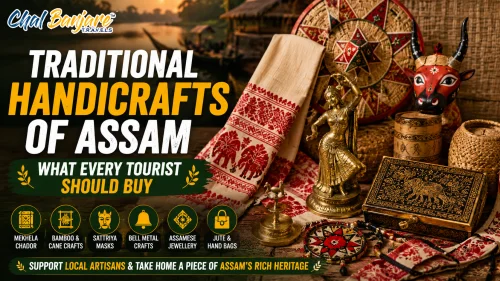
Assam is widely recognised for its exceptional handicrafts, many of which are produced using traditional techniques that have been practised for centuries. Visitors exploring markets across Guwahati, Jorhat, Dibrugarh, Majuli, Sualkuchi, and other towns can find beautifully crafted bamboo products, cane furniture, bell metal utensils, decorative items, woven textiles, and handmade accessories. These products represent the state's rich artistic heritage while supporting skilled artisans working across different regions.
Bamboo and cane remain among the most commonly used natural materials because of their durability, versatility, and sustainable availability. Bell metal craftsmanship is another important tradition, producing decorative objects and household items that combine functionality with artistic design. Together with handwoven textiles, these handicrafts form some of the most sought-after souvenirs for travellers visiting Assam.
Exploring Assam's traditional handicrafts allows visitors to appreciate the remarkable skills and creativity that continue to define the state's cultural identity.
Traditional handicrafts provide visitors with meaningful souvenirs while helping preserve Assam's centuries-old artistic traditions.
Across Assam, thousands of artisans continue producing handmade goods using traditional methods passed down through generations. Their work includes woven fabrics, decorative crafts, bamboo baskets, cane furniture, pottery, jewellery, masks, and household items that reflect local customs and regional identities. Purchasing directly from artisans or trusted local markets allows travellers to support these skilled craftspeople while obtaining authentic products.
Many handcrafted items require significant time, precision, and experience to complete, making every purchase an investment in traditional craftsmanship rather than mass-produced manufacturing. Visitors who interact with artisans often gain valuable insights into the cultural significance, production process, and history behind each product, creating a more meaningful shopping experience.
Supporting local artisans helps preserve traditional knowledge while encouraging sustainable cultural tourism throughout Assam.
| Handicraft | Traditional Material |
|---|---|
| Baskets | Bamboo and cane. |
| Decorative Crafts | Natural local materials. |
| Handwoven Fabrics | Traditional silk and cotton. |
| Bell Metal Products | Traditional metalwork. |
| Masks and Art | Handcrafted cultural designs. |
Authentic handmade products represent the creativity and cultural diversity that have made Assam famous for traditional craftsmanship.
Selecting meaningful souvenirs allows travellers to carry home lasting reminders of their journey through Assam. Rather than purchasing generic gifts, visitors can choose handcrafted products that represent Assamese weaving traditions, village craftsmanship, tea culture, indigenous communities, and regional artistic heritage. Authentic souvenirs often tell stories about the places, people, and traditions that make the state unique.
Travellers should purchase products from reputable local markets, artisan cooperatives, government-supported handicraft centres, or trusted retailers whenever possible. Checking product quality, understanding the origin of handmade goods, and selecting durable travel-friendly items help ensure satisfying purchases. Supporting genuine artisans contributes directly to preserving Assam's traditional crafts for future generations.
Carefully chosen handcrafted souvenirs allow visitors to celebrate Assam's culture while supporting the talented communities that continue preserving its artistic heritage.
Traditional handicrafts remain some of Assam's finest souvenirs, combining cultural value, artistic excellence, and lasting memories of the journey.
Assam is internationally recognised for its remarkable silk weaving traditions, making textile shopping one of the highlights of any visit to the state. The three most famous varieties are Muga silk, Eri silk, and Pat silk, each valued for its unique texture, appearance, and cultural importance. Visitors exploring textile markets across Guwahati, Sualkuchi, Jorhat, and other weaving centres will discover beautifully crafted garments, scarves, shawls, stoles, fabrics, and traditional attire that showcase generations of skilled craftsmanship.
Among the most sought-after products is the Mekhela Chador, the traditional attire worn by Assamese women. Available in a variety of designs ranging from simple everyday wear to elaborate ceremonial pieces, it represents the elegance of Assamese culture. Shopping for authentic silk products provides travellers with an opportunity to appreciate the state's weaving heritage while supporting local artisan communities.
Exploring Assam's silk markets allows visitors to discover textiles that combine artistic excellence, cultural identity, and centuries of traditional craftsmanship.
Traditional silk products remain among the most valuable and culturally significant purchases visitors can make while travelling across Assam.
Handwoven fabrics from Assam are admired for their intricate motifs, elegant patterns, and exceptional craftsmanship. Many designs incorporate traditional Assamese symbols inspired by nature, local folklore, and cultural traditions, making every woven product unique. Skilled artisans continue using handlooms to create textiles that preserve the authenticity and heritage of Assamese weaving while adapting to modern preferences.
Visitors can choose from sarees, Mekhela Chadors, scarves, shawls, dress materials, and decorative fabrics suitable for personal use or gifting. The quality and weaving techniques often vary according to the region and artisan, allowing travellers to compare different styles before making a purchase. Authentic handwoven products represent both artistic beauty and cultural significance.
Discovering handwoven textiles offers travellers an appreciation of Assam's extraordinary weaving traditions while supporting the artisans who continue preserving these timeless skills.
| Textile Product | Traditional Use |
|---|---|
| Mekhela Chador | Traditional Assamese attire. |
| Silk Sarees | Elegant cultural clothing. |
| Scarves and Stoles | Lightweight woven accessories. |
| Shawls | Traditional and modern wear. |
| Fabric Material | Custom tailoring and crafts. |
Every handwoven textile reflects the patience, creativity, and expertise that have made Assamese weaving respected across India and beyond.
Purchasing silk and traditional textiles from trusted sellers helps visitors obtain genuine products while supporting local weaving communities. Government-supported emporiums, recognised handloom cooperatives, artisan groups, weaving villages such as Sualkuchi, and reputable textile stores are among the most reliable places to shop for authentic Assamese silk. Buying directly from genuine sources also allows travellers to learn about the weaving process and the history behind different fabrics.
Visitors should examine the quality of the weave, finishing, and craftsmanship carefully before making a purchase. Comparing products from multiple sellers and requesting information about the type of silk used can help travellers make informed decisions. Choosing authentic handmade textiles ensures lasting value while encouraging the preservation of Assam's rich weaving heritage.
Buying genuine silk products from trusted local sellers provides visitors with meaningful souvenirs while contributing to the sustainability of Assam's traditional textile industry.
Authentic silk shopping creates lasting memories while helping preserve one of Assam's most celebrated artistic traditions.
Planning shopping at the right time helps travellers enjoy Assam's local markets more comfortably while finding the widest selection of products. Most traditional markets begin operating in the morning and remain active until evening, although individual shop timings may vary depending on the location and type of business. Morning and late afternoon are generally pleasant periods for exploring markets because the shopping environment is comfortable and vendors have fully displayed their merchandise.
Different seasons also influence the availability of products across Assam. Fresh agricultural produce, seasonal handicrafts, woven textiles, tea products, and festival-related items may be more prominent during certain months of the year. Visitors who understand seasonal shopping patterns often discover unique regional products that are available only during specific periods, making their shopping experience even more rewarding.
Choosing suitable shopping hours and understanding seasonal availability allows travellers to enjoy a relaxed and productive market experience throughout Assam.
Thoughtful timing helps visitors experience Assam's markets comfortably while discovering authentic regional products throughout the year.
Festival seasons are among the most exciting times to shop in Assam because markets become vibrant with decorations, cultural activities, traditional clothing, handicrafts, sweets, festive foods, and locally made gifts. Celebrations such as Rongali Bihu, Magh Bihu, Ambubachi Mela, and other regional festivals often bring additional vendors and seasonal products to major markets across the state. These occasions provide visitors with opportunities to experience shopping alongside local cultural celebrations.
Festival shopping also introduces travellers to products that may not be widely available during the rest of the year. Handwoven garments, decorative items, bamboo crafts, regional food products, and traditional accessories are often displayed in greater variety. Visitors planning festival trips should expect larger crowds while enjoying the festive atmosphere that makes shopping even more memorable.
Shopping during festival seasons allows travellers to combine cultural exploration with opportunities to purchase unique regional products and handcrafted souvenirs.
| Shopping Period | Experience |
|---|---|
| Festival Season | Special products and celebrations. |
| Morning Hours | Comfortable shopping atmosphere. |
| Afternoon | Active market environment. |
| Evening | Lively commercial activity. |
| Seasonal Markets | Regional speciality products. |
Festival shopping offers visitors a vibrant combination of Assamese culture, traditional products, and memorable market experiences.
Travellers can enjoy a more relaxed shopping experience by including market visits naturally within their overall itinerary rather than leaving shopping until the final day. Planning visits while staying in Guwahati, Jorhat, Dibrugarh, Majuli, or other destinations allows sufficient time to compare products, interact with artisans, and explore local markets without feeling rushed. A balanced itinerary also reduces the need to carry purchases throughout the entire journey.
Visitors should consider transportation schedules, market operating hours, and available luggage space before making large purchases. Buying fragile handicrafts or silk textiles towards the end of the trip may help minimise damage during travel. Good planning ensures that shopping becomes an enjoyable part of the journey instead of a last-minute activity.
Including shopping within a well-planned itinerary allows visitors to enjoy Assam's markets comfortably while making thoughtful purchasing decisions.
Careful planning helps travellers experience Assam's markets at a comfortable pace while purchasing authentic regional products with confidence.
Every region of Assam offers a distinctive shopping experience, making it worthwhile to choose markets according to the products visitors wish to purchase. Guwahati's commercial districts are ideal for textiles, handicrafts, tea, and everyday shopping, while Jorhat and Dibrugarh provide opportunities to explore regional products closely connected with Upper Assam. Majuli offers handmade village crafts, traditional masks, bamboo products, and artisan creations that reflect the island's cultural heritage.
Travellers interested in silk should consider visiting recognised weaving centres, while those looking for authentic tea can explore markets in Assam's famous tea-growing districts. Selecting shopping destinations according to regional specialities helps visitors discover products that genuinely represent the traditions and craftsmanship of different parts of the state.
Choosing markets based on regional strengths creates a more rewarding shopping experience while showcasing the remarkable diversity of Assam's cultural heritage.
Planning shopping by destination allows visitors to experience the best products that each region of Assam has to offer.
Including shopping naturally within a travel itinerary makes exploring Assam's markets more enjoyable and convenient. Rather than leaving all purchases until the end of the trip, travellers can schedule market visits while exploring Guwahati, Kaziranga, Majuli, Jorhat, Dibrugarh, and other destinations. This approach provides sufficient time to compare products, interact with artisans, and avoid unnecessary pressure before departure.
Visitors should also consider transport schedules, luggage capacity, and the nature of the items they intend to buy. Delicate handicrafts, silk textiles, and tea products should be packed carefully to ensure they remain in excellent condition throughout the journey. Good planning makes shopping an enjoyable part of the overall travel experience rather than an additional responsibility.
Integrating shopping with sightseeing allows visitors to experience Assam's markets comfortably while making thoughtful purchases throughout their journey.
| Planning Step | Travel Benefit |
|---|---|
| Select Shopping Destinations | Find regional specialties. |
| Allow Market Exploration Time | Browse comfortably. |
| Plan Luggage Space | Carry purchases safely. |
| Protect Fragile Items | Prevent travel damage. |
| Support Local Sellers | Promote responsible tourism. |
Thoughtful itinerary planning allows travellers to enjoy both sightseeing and shopping without compromising either experience.
A successful shopping experience in Assam begins with researching local markets, understanding regional specialties, purchasing from trusted sellers, and allowing enough time to explore beyond the main tourist areas. Travellers should compare prices carefully, inspect product quality, respect local customs, and support artisans whose craftsmanship preserves the state's cultural identity. Carrying suitable payment methods and reusable shopping bags also makes market visits more convenient.
Visitors should remain open to discovering smaller village markets, artisan workshops, and traditional businesses that often offer unique products unavailable in larger commercial centres. Choosing authentic handcrafted souvenirs, premium Assam tea, traditional silk textiles, and locally made decorative items ensures lasting memories while directly benefiting local communities. Responsible shopping allows travellers to contribute positively to Assam's economy while celebrating its remarkable cultural traditions.
Following these practical shopping tips helps visitors enjoy authentic market experiences while taking home meaningful products that beautifully represent the culture, heritage, and craftsmanship of Assam.
Shopping in Assam is more than purchasing souvenirs—it is an opportunity to connect with local communities, appreciate traditional craftsmanship, and take home authentic reminders of an unforgettable journey through one of India's most culturally rich states.


Get customized Assam tour planning designed around seasonal weather patterns, river conditions, wildlife safari timing, and realistic road travel flow. Whether you are visiting for national parks, tea estate stays, cultural experiences, spiritual sites, o
⚡ Quick Response | 💰 Free consultation | 🕒 24×7 expert support