How Tea is Made in Assam – A Tourist's Guide
Understanding how tea is made in Assam allows travellers to explore plantations, learn traditional processing methods, and experience the journey from fresh tea leaves to the final product.
+91 9910402252
admin@chalbanjare.com


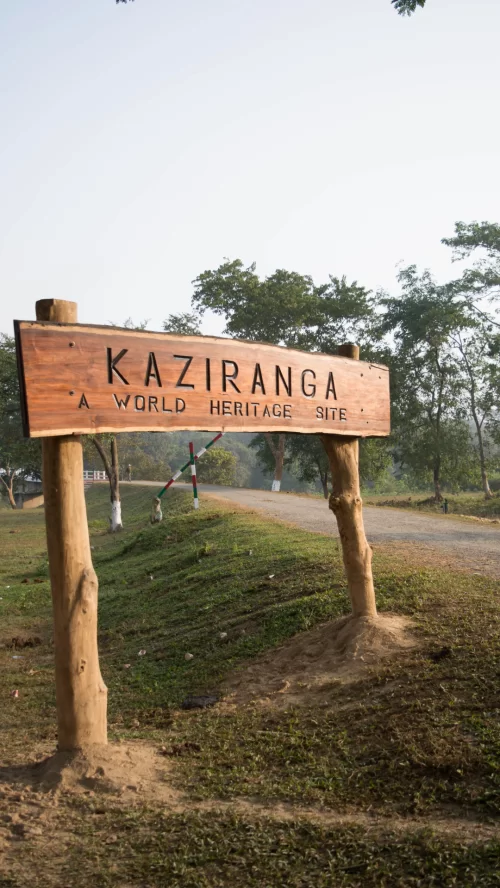
Kaziranga National Park offers very different experiences during winter and monsoon, with one season focused on wildlife safaris and accessibility while the other showcases lush landscapes and dramatic natural scenery.
Kaziranga National Park offers very different travel experiences depending on the season. Winter and monsoon represent two contrasting faces of the park, each highlighting different aspects of its ecosystem. Winter transforms Kaziranga into one of India's premier wildlife tourism destinations, with open grasslands, active safari operations, pleasant weather, and excellent wildlife visibility. Monsoon, on the other hand, reshapes the landscape through heavy rainfall, flooding, lush vegetation, and dramatic environmental changes.
The park's ecology is closely linked to seasonal flooding and rainfall patterns associated with the Brahmaputra River. These natural cycles influence animal movement, vegetation growth, road accessibility, and visitor experiences. As a result, travelers visiting during different seasons often feel as though they are exploring two completely different destinations.
Winter emphasizes wildlife viewing and tourism activities, while monsoon highlights ecological processes and natural beauty. Understanding these seasonal differences helps travelers choose the period that best matches their interests and expectations.
The best season depends on whether travelers prioritize wildlife sightings, photography, comfortable weather, or experiencing Kaziranga's natural transformation. Both periods offer unique perspectives on one of India's most important national parks.
Most visitors choose winter because it coincides with the official tourism and safari season. During this period, the park is fully operational, roads are accessible, grasslands become easier to explore, and wildlife sightings improve considerably. Travelers interested in seeing rhinoceroses, elephants, wild buffalo, deer, and birdlife often plan their visit around the cooler months.
Monsoon attracts a different type of traveler. Nature enthusiasts, photographers, researchers, and those interested in landscapes often appreciate the season because it reveals the ecological dynamics that sustain Kaziranga's biodiversity. Rainfall transforms the grasslands into lush green environments, rivers become more powerful, and the entire landscape feels vibrant and alive.
While winter emphasizes tourism activities, monsoon emphasizes natural processes. The choice often reflects whether a traveler wants structured wildlife experiences or a deeper appreciation of the ecosystem's seasonal rhythms.
Both seasons have dedicated followers because they showcase different strengths of Kaziranga. Travelers should choose based on personal interests rather than assuming one season is universally better than the other.
Selecting the right season requires understanding what type of experience travelers hope to have. Winter is ideal for visitors seeking comfortable weather, safari access, wildlife photography, and reliable tourism infrastructure. It provides the most predictable and visitor-friendly experience within the park.
Monsoon is better suited to travelers interested in landscapes, seasonal ecology, and the visual beauty created by rainfall and flooding. However, visitors must accept that tourism activities may be limited and that weather conditions can influence accessibility and sightseeing opportunities.
| Travel Expectation | Winter | Monsoon |
|---|---|---|
| Wildlife Viewing | Excellent | Limited |
| Safari Availability | Excellent | Restricted |
| Landscape Photography | Very Good | Excellent |
| Travel Comfort | Excellent | Moderate |
| Nature Observation | Very Good | Excellent |
| Accessibility | Excellent | Limited |
| Family Travel | Excellent | Moderate |
Travelers seeking the classic Kaziranga experience generally prefer winter, while those interested in seasonal beauty and ecological transformation often appreciate monsoon. The ideal season depends entirely on travel priorities and expectations.
Winter is widely considered the finest time to experience Kaziranga National Park because it coincides with the primary safari season. During this period, the park's grasslands, wetlands, woodland areas, and riverine habitats become highly accessible, allowing visitors to explore some of India's most important wildlife ecosystems. As floodwaters recede after the monsoon, animals gradually return to different sections of the park, creating excellent opportunities for wildlife observation.
The winter months allow travelers to explore multiple safari zones while enjoying clear visibility across open grasslands and water bodies. Rhinoceroses grazing in the grasslands, wild buffalo moving through marshy areas, elephant herds, deer species, and numerous bird species are commonly observed during this period. The reduced vegetation height compared to monsoon months further improves sighting opportunities.
Winter also supports a rich birdwatching experience. Migratory birds arrive in large numbers, joining resident species across the wetlands and lakes of the park. This seasonal concentration of wildlife makes winter the most rewarding period for visitors hoping to maximize animal sightings during their trip.
For travelers whose primary goal is observing Kaziranga's famous wildlife, winter consistently provides the strongest opportunities. The combination of accessibility, visibility, and biodiversity creates one of India's most rewarding safari experiences.
One of the biggest advantages of visiting Kaziranga during winter is the comfortable weather. Cooler temperatures and lower humidity create ideal conditions for outdoor activities, making it easier to spend long hours exploring safari zones, observation areas, and nearby attractions. Unlike the hotter and wetter months, visitors can enjoy sightseeing without significant weather-related discomfort.
Morning safaris often begin in cool conditions with mist hanging over the grasslands and wetlands, creating beautiful scenery and memorable wildlife viewing opportunities. As the day progresses, temperatures generally remain pleasant, allowing travelers to comfortably participate in multiple activities without excessive heat or humidity.
Comfortable weather also benefits photographers, birdwatchers, and families traveling with children or senior citizens. Outdoor experiences become more enjoyable when visitors can spend extended periods in open vehicles or observation areas without facing harsh environmental conditions.
The comfortable climate significantly enhances the visitor experience during winter. Travelers can focus on enjoying wildlife and scenery rather than adapting to challenging weather conditions.
Winter has become the peak tourism season in Kaziranga because it combines nearly every factor that travelers seek when visiting a national park. Wildlife visibility improves, safari operations function at full capacity, road conditions are generally reliable, and weather remains favorable for outdoor exploration. These advantages make winter the most predictable and rewarding time to visit.
Tourism infrastructure also operates more actively during this period. Accommodation options, safari services, guides, transportation providers, and local tourism businesses experience their highest demand during the winter months. Travelers benefit from a wide range of available services and organized tourism activities.
The season also aligns with broader travel trends across Northeast India, encouraging many visitors to include Kaziranga as part of longer regional itineraries. As a result, winter remains the preferred choice for both domestic and international travelers exploring Assam.
The popularity of winter is not simply a matter of weather. It represents the period when Kaziranga offers its most complete tourism experience, making it the preferred season for the majority of visitors.
Monsoon reveals a very different side of Kaziranga National Park. While winter focuses on wildlife tourism, monsoon highlights the ecological processes that sustain the park's extraordinary biodiversity. Heavy rainfall transforms the landscape into a vibrant green environment where grasslands, forests, wetlands, and river systems become intensely lush and visually dramatic.
The arrival of seasonal rains triggers rapid vegetation growth throughout the park. Grasslands expand, wetlands fill with water, and forested areas become richer in color and density. Travelers who appreciate landscapes often find this transformation remarkable because the scenery feels dynamic and alive. The entire ecosystem appears energized by rainfall and seasonal renewal.
Although tourism activities become more limited during this period, visitors who appreciate nature beyond wildlife sightings often enjoy observing how rainfall shapes the environment. Monsoon provides insight into the ecological cycles that maintain Kaziranga's unique habitats and support its wildlife populations.
For travelers interested in landscapes and environmental change, monsoon showcases a side of Kaziranga that many wildlife-focused visitors never experience. The seasonal transformation highlights the ecological foundations of the park.
Rainfall plays a crucial role in shaping Kaziranga's ecosystem. The park exists within the floodplains of the Brahmaputra River, and seasonal flooding is a natural process that influences vegetation, wildlife movement, wetland formation, and habitat renewal. During monsoon, rising water levels create conditions that sustain the biodiversity for which Kaziranga is famous.
Floodwaters replenish wetlands, distribute nutrients across grasslands, and help maintain ecological balance throughout the park. Wildlife responds by moving toward higher ground, while aquatic habitats expand significantly. Although these changes can limit tourism activities, they are essential for the long-term health of the ecosystem.
Travelers visiting during monsoon gain a deeper understanding of the natural forces that shape Kaziranga. The season reveals how the park functions as a living landscape rather than simply a wildlife tourism destination.
Understanding monsoon conditions helps visitors appreciate why Kaziranga remains one of Asia's most important wildlife habitats. The seasonal changes that challenge tourism are the same processes that sustain biodiversity.
Monsoon transforms Kaziranga into a destination focused more on scenery than wildlife tourism. Dark clouds moving across vast grasslands, rain-soaked forests, overflowing wetlands, and dramatic skies create landscapes that differ completely from those seen during winter. The visual atmosphere becomes more dynamic and often more dramatic.
Photographers and nature enthusiasts frequently appreciate the season because of the unique lighting conditions and rich colors created by rainfall. Mist rising from vegetation, reflections in water bodies, and cloud-covered horizons contribute to highly atmospheric landscapes. The park often feels quieter and more remote due to reduced visitor numbers.
Although wildlife visibility may be reduced and safari opportunities limited, monsoon rewards travelers who value environmental beauty and natural processes. The experience shifts from active wildlife tourism to landscape appreciation and ecological observation.
Kaziranga during monsoon appeals to travelers who enjoy nature in its most dynamic state. While it differs significantly from the classic safari experience, it offers its own distinctive beauty that highlights the ecological richness of the park.
Winter is widely regarded as the most comfortable season for visiting Kaziranga because temperatures remain pleasant throughout the day and support long hours of outdoor exploration. The cooler climate creates ideal conditions for wildlife safaris, birdwatching, photography, and sightseeing. Travelers can comfortably spend time in open safari vehicles without experiencing excessive heat or humidity.
Mornings are often cool and occasionally misty, creating beautiful conditions across the grasslands and wetlands. As the day progresses, temperatures generally remain moderate, allowing visitors to continue exploring without significant weather-related discomfort. This balance between cool mornings and comfortable daytime conditions contributes greatly to the popularity of the season.
The lower humidity levels of winter also improve overall travel comfort. Visitors often find outdoor activities more enjoyable because physical exertion feels easier and visibility across the landscape remains relatively clear. These factors make winter especially attractive to families, senior citizens, and first-time visitors.
The combination of comfortable temperatures, lower humidity, and reliable weather conditions makes winter the preferred season for travelers seeking the easiest and most enjoyable Kaziranga experience.
Monsoon brings a completely different weather pattern to Kaziranga. Heavy rainfall, increased humidity, frequent cloud cover, and changing conditions become defining characteristics of the season. The landscape receives substantial rainfall that supports vegetation growth and ecological renewal but also creates challenges for tourism activities.
Humidity levels rise significantly during monsoon, making outdoor activities feel more demanding than during winter. Rain showers may occur frequently, and periods of heavy rainfall can influence travel plans, visibility, and accessibility. Travelers should be prepared for rapidly changing weather conditions and occasional disruptions caused by rainfall.
Despite these challenges, monsoon weather contributes to the dramatic beauty of the park. Dark clouds, misty landscapes, rain-soaked grasslands, and overflowing wetlands create an atmosphere that many nature lovers find highly appealing. The season offers a different type of enjoyment centered on landscapes rather than convenience.
Monsoon weather is less predictable and less comfortable than winter conditions, but it creates the ecological and visual transformation that makes Kaziranga one of India's most dynamic natural environments.
Choosing between winter and monsoon often comes down to personal comfort preferences. Winter offers stable weather, lower humidity, comfortable temperatures, and reliable sightseeing conditions. Monsoon offers dramatic scenery, lush landscapes, and a stronger connection to the natural cycles that shape the park.
Travelers who prioritize convenience, outdoor comfort, and predictable conditions almost always prefer winter. Those who enjoy rainy weather, dramatic cloud formations, and green landscapes may appreciate the monsoon season despite its limitations. The decision depends on whether comfort or seasonal atmosphere is the primary priority.
| Weather Factor | Winter | Monsoon |
|---|---|---|
| Travel Comfort | Excellent | Moderate |
| Humidity | Low | High |
| Rainfall | Minimal | Heavy |
| Outdoor Activities | Excellent | Limited |
| Visibility | Very Good | Variable |
| Landscape Freshness | Good | Excellent |
| Weather Reliability | Excellent | Moderate |
Most travelers choose winter because of its comfort and reliability. Monsoon appeals more strongly to visitors who enjoy seasonal landscapes and are willing to adapt to changing weather conditions in exchange for a unique environmental experience.
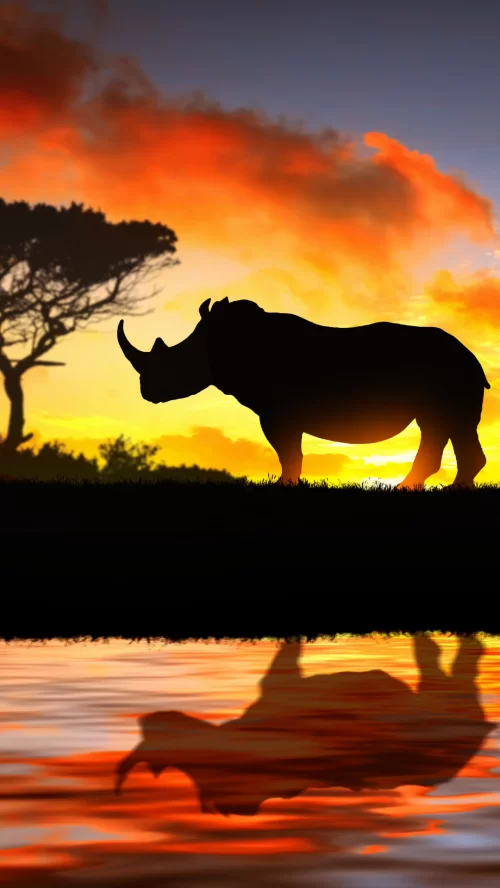
Winter provides the strongest wildlife viewing opportunities in Kaziranga because environmental conditions become highly favorable for animal observation. As floodwaters recede and vegetation becomes more manageable, animals spread across accessible areas of the park, increasing the likelihood of sightings during safaris. This period is often considered the prime season for observing Kaziranga's famous one-horned rhinoceroses and other wildlife.
Grasslands remain open enough to allow clear visibility across large sections of habitat. Rhinoceroses, wild buffalo, swamp deer, hog deer, elephants, and numerous bird species can often be observed from safari routes. Predators such as tigers remain difficult to spot, but winter still offers the best overall conditions for wildlife observation throughout the park.
Migratory birds further enhance the experience. Wetlands attract numerous species during the cooler months, creating excellent opportunities for birdwatching and photography. The concentration of wildlife and favorable visibility make winter the season most visitors associate with the classic Kaziranga safari experience.
Travelers whose primary goal is observing animals in their natural habitat generally find winter unmatched. The combination of accessibility, visibility, and wildlife activity creates the most rewarding safari conditions of the year.
Monsoon presents a completely different wildlife experience. Heavy rainfall, rising water levels, and rapidly growing vegetation influence animal behavior and movement patterns throughout the park. Wildlife remains present, but visibility often becomes more challenging because of dense vegetation and changing environmental conditions.
Seasonal flooding encourages many animals to move toward higher ground, sometimes beyond areas typically visited by tourists. Although these movements are an important part of the ecosystem's natural cycle, they can reduce opportunities for conventional wildlife viewing. In addition, safari operations may be restricted or suspended depending on weather and park management decisions.
Nature enthusiasts may still appreciate observing the ecological adaptations that occur during this period. The monsoon season highlights how wildlife responds to changing conditions, offering a different perspective on the relationship between animals and their environment.
Monsoon is not generally chosen for wildlife viewing, but it provides insight into the ecological processes that support the park's biodiversity. Visitors interested in environmental dynamics may still find the season fascinating despite reduced sighting opportunities.
The contrast between winter and monsoon demonstrates how strongly seasonal conditions influence wildlife tourism in Kaziranga. Winter supports accessibility, visibility, and organized safari operations, while monsoon prioritizes ecological renewal and natural processes. These differences directly affect visitor experiences and expectations.
Travelers focused on seeing animals should almost always choose winter because it maximizes opportunities for successful wildlife encounters. Monsoon visitors should understand that the emphasis shifts toward scenery, environmental observation, and appreciating the park's role as a dynamic ecosystem rather than simply a wildlife tourism destination.
| Wildlife Factor | Winter | Monsoon |
|---|---|---|
| Wildlife Visibility | Excellent | Limited |
| Safari Access | Excellent | Restricted |
| Rhinoceros Sightings | Excellent | Limited |
| Birdwatching | Excellent | Moderate |
| Photography Opportunities | Excellent | Moderate |
| Ecological Observation | Very Good | Excellent |
| Overall Wildlife Experience | Excellent | Moderate |
For wildlife-focused travel, winter is clearly the stronger season. Monsoon appeals more to travelers interested in ecology, landscapes, and understanding the natural processes that shape one of India's most important wildlife habitats.
Winter presents Kaziranga in a form that most travelers immediately recognize. The grasslands become more open after the monsoon season, wetlands stabilize, and visibility across the landscape improves considerably. The combination of expansive grasslands, water bodies, woodland patches, and distant hills creates a scenic environment that feels balanced and accessible.
Morning mist is one of the defining visual elements of winter. Early sunlight filtering through grasslands and wetlands creates dramatic scenes that appeal strongly to photographers and nature enthusiasts. Water bodies often reflect the surrounding landscape, while birds gather in large numbers across lakes and marshes, adding life and movement to the scenery.
The winter landscape is particularly attractive because it combines natural beauty with excellent wildlife visibility. Travelers can enjoy scenic views while simultaneously observing animals in their habitats. This dual appeal is one of the reasons winter remains the most popular season for tourism in the park.
Winter offers a balanced combination of scenery and wildlife, making it the preferred season for visitors seeking the traditional Kaziranga experience. The landscape remains beautiful while still supporting excellent tourism activities.
Monsoon transforms Kaziranga into an intensely green and visually dramatic landscape. Rainfall revitalizes vegetation across the park, creating lush grasslands, vibrant forests, overflowing wetlands, and powerful river systems. The transformation is so significant that many visitors feel they are seeing an entirely different version of the national park.
Cloud formations become a major scenic feature during this period. Dark skies, moving storm clouds, misty horizons, and rainfall create constantly changing visual conditions. The Brahmaputra River and associated waterways become more prominent, adding energy and movement to the environment. The entire landscape feels alive and dynamic.
The monsoon season appeals strongly to travelers who appreciate raw natural beauty rather than structured tourism experiences. Although wildlife sightings may be less predictable, the scenery often becomes more dramatic than at any other time of the year.
Monsoon showcases Kaziranga at its most vibrant and dynamic. Travelers interested in landscapes, environmental processes, and seasonal beauty often find this period visually unforgettable despite its tourism limitations.
The choice between winter and monsoon depends largely on the type of natural scenery travelers prefer. Winter emphasizes clarity, wildlife visibility, and balanced landscapes. Monsoon emphasizes color, atmosphere, dramatic weather, and ecological transformation. Both seasons are visually rewarding but in very different ways.
Photographers interested in wildlife often prefer winter because animals are easier to observe and photograph. Landscape photographers frequently appreciate monsoon because of the richer colors, dramatic skies, and constantly changing weather conditions. The decision ultimately depends on photographic style and personal interests.
| Scenic Factor | Winter | Monsoon |
|---|---|---|
| Wildlife Photography | Excellent | Limited |
| Landscape Photography | Very Good | Excellent |
| Visibility | Excellent | Variable |
| Greenery | Moderate | Excellent |
| Dramatic Weather | Limited | Excellent |
| Bird Photography | Excellent | Moderate |
| Overall Scenic Impact | Very Good | Excellent |
Winter is generally better for travelers seeking a combination of wildlife and scenery, while monsoon is often preferred by those focused on landscapes and environmental beauty. Both seasons reveal different aspects of Kaziranga's natural character.
Winter is the core safari season in Kaziranga and provides visitors with access to the park's most popular tourism activities. Jeep safaris operate across multiple zones, allowing travelers to explore grasslands, wetlands, forests, and wildlife habitats. The combination of accessible roads, favorable weather, and high wildlife visibility creates ideal conditions for safari tourism.
Elephant safaris, where available, offer a different perspective on the landscape. These experiences often take visitors into areas where wildlife can be observed from closer distances while minimizing disturbance to the animals. Combined with jeep safaris, they provide multiple ways to experience the park during the peak tourism season.
Because winter supports full tourism operations, travelers can choose between different safari timings, routes, and experiences. This flexibility contributes significantly to the season's popularity among wildlife enthusiasts and first-time visitors.
Winter offers the most complete safari experience available in Kaziranga. Visitors seeking wildlife encounters, photography opportunities, and structured tourism activities generally find this season unmatched.
Monsoon changes the safari experience dramatically because heavy rainfall and flooding influence park accessibility. Tourism activities may be restricted, modified, or temporarily suspended depending on weather conditions and management decisions. As a result, travelers should not expect the same level of safari access available during winter.
Roads within and around the park can be affected by rainfall, while rising water levels may limit access to certain areas. Wildlife movement patterns also change as animals respond to seasonal flooding. These factors reduce the predictability of tourism experiences and make monsoon travel fundamentally different from the traditional safari season.
Despite these limitations, monsoon remains important from an ecological perspective because it highlights the natural processes that sustain the park. Visitors who choose this season often focus less on wildlife tourism and more on appreciating the environmental transformation taking place throughout the landscape.
Monsoon visitors should approach the trip as a nature and landscape experience rather than a classic safari holiday. Understanding this distinction is essential for avoiding disappointment and appreciating the season's unique strengths.
The visitor experience differs substantially between winter and monsoon because the objectives of travel change with the season. Winter emphasizes wildlife encounters, organized safaris, photography, and comfortable sightseeing. Monsoon emphasizes ecological awareness, landscape appreciation, and observing the natural rhythms of the park.
Travelers who expect regular safari operations and frequent wildlife sightings will almost always prefer winter. Those interested in environmental processes, seasonal landscapes, and the park's ecological foundations may find monsoon surprisingly rewarding. Both seasons offer valuable experiences, but they serve different travel goals.
| Safari Factor | Winter | Monsoon |
|---|---|---|
| Safari Availability | Excellent | Restricted |
| Wildlife Visibility | Excellent | Limited |
| Road Accessibility | Excellent | Variable |
| Travel Predictability | Excellent | Moderate |
| Nature Observation | Very Good | Excellent |
| Photography Opportunities | Excellent | Very Good |
| Overall Safari Experience | Excellent | Limited |
For travelers seeking the classic Kaziranga safari experience, winter remains the clear choice. Monsoon offers a different perspective centered on nature and ecological transformation rather than wildlife-focused tourism.
Winter is widely regarded as the best photography season in Kaziranga for travelers interested in wildlife. Clear visibility, accessible safari routes, lower vegetation density, and active wildlife movement create ideal conditions for capturing animals in their natural habitats. Photographers often consider this the most rewarding time to visit because the chances of successful wildlife encounters are significantly higher than during other seasons.
The soft morning light of winter adds another advantage. Early sunlight filtering through mist-covered grasslands creates dramatic conditions for wildlife photography, while wetlands and open landscapes provide attractive backgrounds for animal portraits. Rhinoceroses, elephants, wild buffalo, deer, and numerous bird species can often be photographed under favorable lighting conditions.
Landscape photography also benefits from winter conditions. Open grasslands, reflective wetlands, clear skies, and distant views create balanced compositions that showcase the park's ecological diversity. The combination of scenery and wildlife makes winter the most versatile season for photographers.
Photographers focused on animals, birds, and classic safari imagery generally find winter unmatched. The combination of accessibility and wildlife activity creates consistently strong opportunities throughout the season.
Monsoon offers a completely different photography experience centered on landscapes rather than wildlife. Heavy rainfall transforms Kaziranga into a lush green environment filled with dramatic skies, cloud formations, misty horizons, and water-rich scenery. The visual character of the park becomes more dynamic and atmospheric during this period.
Landscape photographers often appreciate monsoon because of the depth and richness of color visible throughout the environment. Grasslands become intensely green, wetlands expand, and reflections appear across water bodies. Rain clouds moving across the sky create constantly changing light conditions that can produce striking images.
Although wildlife photography becomes more challenging due to dense vegetation and reduced accessibility, monsoon rewards photographers who enjoy capturing environmental moods and natural processes. The emphasis shifts from animals to ecosystems, weather patterns, and landscape transformation.
Monsoon appeals most strongly to photographers who enjoy dramatic landscapes and environmental storytelling. The season provides visual opportunities that differ greatly from the wildlife-focused photography of winter.
The better photography season depends entirely on photographic interests. Winter excels in wildlife photography, bird photography, and balanced landscape compositions. Monsoon excels in environmental photography, dramatic weather imagery, and capturing the ecological transformation of the park.
Travelers hoping to photograph Kaziranga's famous wildlife should generally choose winter because it offers the highest probability of successful animal encounters. Photographers interested in scenery, weather, vegetation, and seasonal change often prefer monsoon because of its visual intensity and unique atmosphere.
| Photography Interest | Winter | Monsoon |
|---|---|---|
| Wildlife Photography | Excellent | Limited |
| Bird Photography | Excellent | Moderate |
| Landscape Photography | Very Good | Excellent |
| Weather Photography | Moderate | Excellent |
| Visibility | Excellent | Variable |
| Environmental Storytelling | Very Good | Excellent |
| Photography Diversity | Excellent | Very Good |
Winter is generally the stronger choice for most photographers because it combines wildlife and landscape opportunities. Monsoon becomes the preferred option for those specifically interested in dramatic scenery, weather conditions, and ecological transformation.
Winter is by far the most popular season for family travel in Kaziranga because it combines comfortable weather, reliable tourism services, wildlife experiences, and easy accessibility. Families can participate in safaris, birdwatching, sightseeing, and nature activities without facing the challenges associated with heavy rainfall or seasonal flooding.
Children often find the safari experience particularly exciting because of the opportunity to observe rhinoceroses, elephants, deer, and birds in their natural habitats. Comfortable temperatures allow families to spend more time outdoors, while the availability of organized tourism services helps simplify travel planning.
Winter is also easier for senior citizens and multi-generational family groups. Good road conditions, accessible accommodations, and predictable weather reduce travel stress and make the overall experience more enjoyable. These factors contribute significantly to the season's popularity among families.
For most families, winter provides the easiest and most rewarding Kaziranga experience. The combination of wildlife, accessibility, and pleasant weather creates a trip that appeals to a broad range of ages and interests.
Monsoon travel requires more careful planning for families because weather conditions can influence transportation, sightseeing opportunities, and outdoor activities. Heavy rainfall, high humidity, and potential accessibility limitations may create challenges for travelers with young children or elderly family members.
The reduced availability of safari experiences also affects the overall appeal of the season. Families expecting frequent wildlife encounters may be disappointed if they are not aware of the limitations associated with monsoon travel. Flexible expectations become particularly important during this period.
However, some families who enjoy nature and peaceful environments appreciate monsoon for its lush landscapes and lower visitor numbers. Travelers focused on relaxation and environmental beauty rather than structured tourism activities may still find the season rewarding.
Monsoon can still be enjoyable for certain families, but it generally requires more flexibility and realistic expectations than winter travel. Visitors should focus on scenery and environmental appreciation rather than wildlife tourism.
The family travel comparison strongly favors winter because it offers greater comfort, accessibility, wildlife viewing opportunities, and tourism services. Families seeking a straightforward and enjoyable Kaziranga experience usually choose the winter months for these reasons.
Monsoon appeals primarily to travelers who prioritize landscapes and seasonal beauty over wildlife tourism. Families considering a monsoon visit should carefully evaluate weather conditions, travel flexibility, and the interests of all family members before finalizing plans.
| Family Travel Factor | Winter | Monsoon |
|---|---|---|
| Travel Comfort | Excellent | Moderate |
| Wildlife Experiences | Excellent | Limited |
| Road Accessibility | Excellent | Variable |
| Child-Friendly Activities | Excellent | Moderate |
| Senior Citizen Suitability | Excellent | Moderate |
| Travel Predictability | Excellent | Moderate |
| Overall Family Appeal | Excellent | Good |
Winter remains the preferred season for most families because it combines comfort, wildlife, and convenience. Monsoon is better suited to travelers who are specifically interested in seasonal landscapes and are comfortable adapting to changing conditions.
Winter offers the most reliable travel conditions for reaching and exploring Kaziranga National Park. Roads connecting the park with major destinations such as Guwahati, Jorhat, Tezpur, and Dibrugarh generally remain in good condition, allowing visitors to travel comfortably across the region. The absence of heavy rainfall reduces the likelihood of weather-related disruptions, making journey planning significantly easier.
The winter tourism season also ensures that transportation services operate actively. Private taxis, tour vehicles, buses, and self-drive travelers can move efficiently between destinations while enjoying relatively predictable travel times. Accommodation providers, safari operators, and tourism services are fully functional, creating a seamless experience for visitors.
Because accessibility remains strong throughout the season, travelers can focus on sightseeing and wildlife experiences rather than transportation concerns. This convenience is one of the major reasons winter remains the preferred period for tourism in Kaziranga.
Winter provides the most convenient and stress-free travel experience for visitors. Strong accessibility allows travelers to maximize their time enjoying the park rather than managing logistical challenges.
Monsoon introduces a number of travel challenges that can influence accessibility and overall trip planning. Heavy rainfall, seasonal flooding, waterlogged areas, and changing road conditions may affect transportation routes around Kaziranga. Travelers visiting during this period should be prepared for possible delays and adjustments to their itineraries.
Flooding associated with the Brahmaputra River is a natural part of the region's ecology, but it can temporarily influence road access and local transportation. Weather conditions may also reduce visibility during long drives, particularly during periods of intense rainfall. As a result, travel schedules often require greater flexibility than during winter.
Despite these challenges, monsoon travel can still be rewarding for visitors who understand the seasonal realities. The key is approaching the journey with realistic expectations and allowing additional time for potential weather-related changes.
Monsoon accessibility is less predictable than winter, making advance planning and flexibility important. Travelers who prioritize convenience generally prefer winter, while those focused on landscapes may still find monsoon worthwhile.
Accessibility is one of the clearest differences between winter and monsoon travel in Kaziranga. Winter supports smooth transportation, reliable road conditions, and fully operational tourism services. Monsoon introduces environmental factors that can influence movement, travel times, and visitor activities.
For most travelers, especially those visiting for the first time, winter offers a more straightforward and enjoyable experience. Monsoon requires greater adaptability and a willingness to accept occasional disruptions. The best choice depends on whether convenience or seasonal scenery is the primary objective.
| Accessibility Factor | Winter | Monsoon |
|---|---|---|
| Road Conditions | Excellent | Variable |
| Travel Reliability | Excellent | Moderate |
| Weather Impact | Low | High |
| Tourism Operations | Fully Active | Limited |
| Self-Drive Suitability | Excellent | Moderate |
| Family Convenience | Excellent | Moderate |
| Overall Accessibility | Excellent | Limited to Moderate |
Travelers seeking reliable access and easy transportation generally prefer winter. Monsoon appeals more to those willing to accept transportation challenges in exchange for experiencing Kaziranga's dramatic seasonal transformation.
Kaziranga offers two very different travel experiences depending on whether visitors choose winter or monsoon. Winter focuses on wildlife tourism, safari activities, comfortable weather, and easy accessibility. Monsoon focuses on ecological transformation, dramatic landscapes, seasonal greenery, and understanding the natural processes that sustain one of India's most important wildlife habitats. The better season depends entirely on the traveler's interests and expectations.
Wildlife enthusiasts, photographers interested in animals, birdwatchers, family travelers, and first-time visitors almost always prefer winter because it provides the most complete and accessible park experience. Travelers can participate in safaris, observe wildlife in open habitats, and enjoy reliable tourism infrastructure throughout their stay.
Monsoon appeals more strongly to landscape photographers, nature enthusiasts, environmental travelers, and visitors who enjoy observing seasonal change. The emphasis shifts away from wildlife tourism and toward appreciating the beauty and ecological significance of the floodplain ecosystem. Both seasons are rewarding, but they cater to very different travel styles.
| Traveler Type | Recommended Season | Main Reason |
|---|---|---|
| First-Time Visitor | Winter | Best wildlife and safari experience. |
| Wildlife Enthusiast | Winter | Excellent animal visibility. |
| Birdwatcher | Winter | Migratory bird activity. |
| Family Traveler | Winter | Comfortable and accessible travel. |
| Landscape Photographer | Monsoon | Dramatic scenery and greenery. |
| Nature Enthusiast | Monsoon | Ecological transformation. |
| General Tourist | Winter | Most balanced overall experience. |
Choosing the season that matches personal travel goals is more important than simply following popularity trends. Winter and monsoon reveal different sides of Kaziranga, and each season offers unique rewards for the right traveler.
The fundamental decision comes down to whether travelers want a wildlife-focused journey or a landscape-focused experience. Winter showcases Kaziranga's famous rhinoceroses, elephants, wetlands, birds, and safari routes. The season is designed around exploration and wildlife observation, making it the most practical choice for most visitors.
Monsoon showcases the environmental forces that shape the park. Floodwaters, green grasslands, expanding wetlands, dramatic skies, and changing river systems reveal the ecological foundation of Kaziranga's biodiversity. The visual beauty of the landscape becomes the main attraction rather than wildlife sightings.
Neither choice is wrong. Travelers interested in seeing animals and participating in safaris should choose winter without hesitation. Those fascinated by natural processes, environmental photography, and seasonal landscapes may find monsoon equally memorable despite reduced tourism activities.
Many experienced travelers eventually visit during both seasons because each reveals a different dimension of the park. Together, winter and monsoon provide a complete understanding of Kaziranga's ecological and tourism significance.
Before planning a Kaziranga trip, travelers should evaluate their priorities carefully. Consider whether wildlife viewing, photography, family comfort, accessibility, landscape appreciation, or environmental observation is the primary goal. Choosing the correct season can significantly influence the overall quality of the experience.
Visitors planning a winter trip should secure accommodations and safari bookings early because this is the busiest tourism period. Those considering monsoon travel should monitor weather conditions, remain flexible with itineraries, and understand that some tourism activities may be limited. Proper preparation helps ensure realistic expectations and a more enjoyable visit.
| Planning Factor | Winter | Monsoon |
|---|---|---|
| Wildlife Viewing | Excellent | Limited |
| Safari Availability | Excellent | Restricted |
| Photography Focus | Wildlife and Nature | Landscapes and Weather |
| Travel Comfort | Excellent | Moderate |
| Road Accessibility | Excellent | Variable |
| Family Suitability | Excellent | Moderate |
| Best For | Most Travelers | Nature and Landscape Lovers |
For most travelers, winter remains the best time to visit Kaziranga because it combines wildlife viewing, safari access, pleasant weather, and reliable travel conditions. Monsoon offers a more specialized experience centered on landscapes, ecological renewal, and environmental beauty. The ideal season depends on whether the goal is observing wildlife or witnessing the dramatic transformation of one of India's most remarkable national parks.


Get customized Assam tour planning designed around seasonal weather patterns, river conditions, wildlife safari timing, and realistic road travel flow. Whether you are visiting for national parks, tea estate stays, cultural experiences, spiritual sites, o
⚡ Quick Response | 💰 Free consultation | 🕒 24×7 expert support