
How Tea is Made in Assam – A Tourist's Guide
Understanding how tea is made in Assam allows travellers to explore plantations, learn traditional processing methods, and experience the journey from fresh tea leaves to the final product.
+91 9910402252
admin@chalbanjare.com


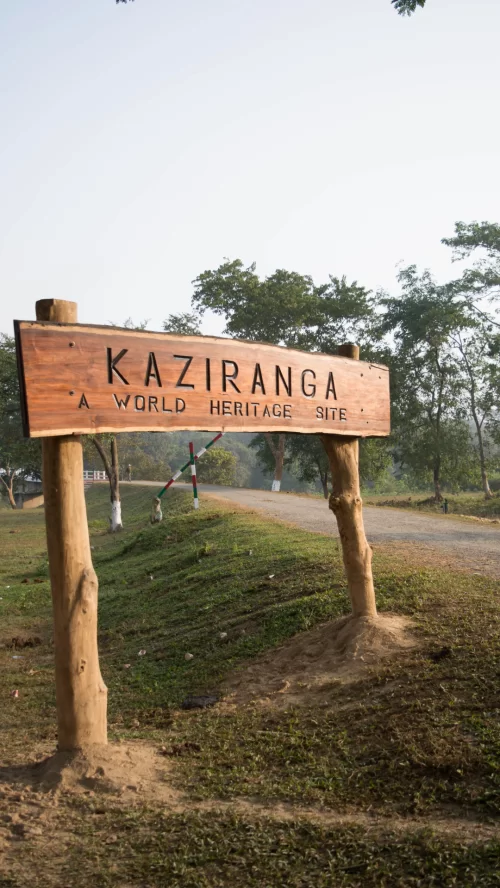
Kaziranga National Park is Assam’s most famous wildlife destination, renowned for its one-horned rhinoceroses, elephant grasslands, wetlands, birdlife, and unforgettable safari experiences.
Kaziranga National Park is one of India's most important wildlife destinations and is best known for its population of one-horned rhinoceroses. The landscape is shaped by the Brahmaputra floodplains, with tall elephant grass, wetlands, riverine forests, marshes, shallow water bodies, and open grasslands creating ideal habitats for wildlife. Unlike dense forest parks where sightings can be difficult, Kaziranga's open terrain often allows visitors to observe animals clearly during jeep safaris, especially in grassland and wetland areas.
The safari atmosphere in Kaziranga is calm, regulated, and strongly focused on wildlife conservation. Visitors move through designated routes inside different tourism zones with trained drivers and guides. The experience is not only about spotting rhinos but also about understanding how grasslands, floods, wetlands, and forests together support elephants, wild buffaloes, swamp deer, hog deer, birds, reptiles, and many other species. Early morning safaris feel especially atmospheric with mist, soft light, and active wildlife movement.
Understanding Kaziranga's landscape helps visitors appreciate the park as a living ecosystem rather than only a rhino-sighting destination. Its grasslands, wetlands, and forests together create one of India's finest safari environments.
First-time visitors should ideally spend two nights in Kaziranga to experience the park properly. A one-night stay allows only one or two safaris and can feel rushed, especially if arrival is late or departure is early. Two nights provide enough time for morning and afternoon safaris in different zones, along with rest between drives. This duration also allows visitors to explore nearby attractions such as orchid parks, Assamese villages, tea gardens, or local cultural programs without compromising safari time.
Wildlife enthusiasts, photographers, and birdwatchers may prefer three nights because multiple safaris increase the chances of varied sightings and better photography conditions. Since each safari zone has a different landscape, staying longer helps travelers experience Kaziranga beyond a single route. Families and senior travelers should avoid tightly packed plans and keep lighter schedules after early morning safaris, as waking up before sunrise and spending time on forest tracks can be tiring.
A two-night stay offers the best balance for first-time travelers, giving enough time for safaris, local experiences, and rest while avoiding the pressure of a hurried wildlife visit.
Planning a Kaziranga trip requires coordination between safari timings, accommodation location, transport, and nearby sightseeing. Most visitors stay around Kohora because it offers convenient access to the Central Zone, restaurants, resorts, and travel services. However, travelers interested in specific zones should choose accommodation according to safari range access, especially if planning early morning drives. Staying too far from the assigned safari gate can increase travel time before sunrise.
Safari bookings should be planned in advance, particularly during winter holidays, weekends, and peak tourist months. Visitors should confirm safari permits, vehicle reporting time, zone allocation, guide arrangements, and pickup details before the safari day. Nearby experiences such as orchid parks, tea gardens, village visits, cultural performances, and local restaurants can be planned during the afternoon or evening after safari hours, depending on energy levels and daylight.
Proper planning helps visitors enjoy Kaziranga without confusion or last-minute delays. When safaris, stays, transport, and nearby experiences are organized together, the wildlife trip becomes smoother and more rewarding.
The Central Zone, commonly accessed from Kohora, is one of the most popular safari areas in Kaziranga because of its convenient location and strong chances of wildlife sightings. This zone includes a mix of open grasslands, wetlands, forest patches, and water bodies where visitors often see one-horned rhinoceroses, wild buffaloes, elephants, deer, and several bird species. Its accessibility makes it a preferred choice for first-time visitors staying near the main tourism belt.
Because of its popularity, the Central Zone can be busier than some other ranges during peak tourist months. However, it remains highly rewarding because the habitat variety allows for different types of sightings within a single safari. Morning drives are especially atmospheric with mist rising over grasslands, while afternoon safaris provide warmer light for photography. Visitors planning only one safari often choose this zone for its balanced wildlife experience.
The Central Zone is ideal for visitors seeking a classic Kaziranga safari with convenient access and varied wildlife sightings. Its mix of habitats makes it a strong choice for first-time travelers.
The Western Zone, commonly associated with the Bagori range, is known for open grasslands and strong opportunities to observe one-horned rhinoceroses in their natural habitat. This zone is especially appreciated by visitors who want clear views across wide landscapes where rhinos, wild buffaloes, deer, and other grazing animals are often visible. The open terrain also makes it excellent for wildlife photography because animals can often be seen against grassland and wetland backdrops.
The Western Zone provides a slightly different safari feeling compared with the Central Zone because the grassland views can feel broader and more open. During winter, visibility improves further, and morning safaris often reveal beautiful scenes of wildlife moving through misty plains. Travelers interested specifically in rhino sightings frequently include this zone in their safari plan, especially when staying long enough to experience more than one range.
The Western Zone is highly rewarding for travelers who want classic Kaziranga grassland views and strong rhino sighting possibilities. It complements other zones beautifully when multiple safaris are planned.
The Eastern Zone, often accessed from Agoratoli, is particularly valued by birdwatchers and nature enthusiasts because of its wetlands, water bodies, forest patches, and quieter atmosphere. This zone is excellent for observing both resident and migratory birds, especially during winter when wetlands attract a wide variety of species. It also offers chances to see larger mammals, but its strongest appeal lies in its birdlife and more peaceful safari environment.
Burapahar Zone offers another distinct experience with hilly forested terrain, nature trails, and a landscape that differs from the broad grasslands of Central and Western zones. It is suitable for travelers who want to appreciate Kaziranga's forest ecology, quieter routes, and natural diversity beyond rhino sightings. Including Eastern or Burapahar zones helps visitors understand the park as a complex ecosystem with much more than open grassland wildlife.
Eastern Zone and Burapahar Zone reveal Kaziranga's quieter and more nature-focused side. They are excellent additions for visitors interested in birdlife, forest scenery, and a deeper understanding of the park's varied habitats.
Kaziranga National Park is internationally recognized for protecting the world's largest population of the endangered one-horned rhinoceros. The park's vast elephant grass, marshes, and open floodplains provide ideal habitat for these magnificent animals, making Kaziranga one of the best places anywhere in the world to observe them in their natural environment. Unlike dense forests where wildlife often remains hidden, Kaziranga's open landscapes frequently allow clear views of rhinos grazing, resting, or moving through grasslands during jeep safaris.
Morning safaris generally provide the best opportunities because cooler temperatures encourage greater animal activity while soft sunlight improves visibility across the grasslands. Rhinos are often seen near wetlands and water bodies where they feed and cool themselves during warmer hours. Visitors should enjoy sightings quietly from their safari vehicle while guides explain the park's successful conservation efforts that have helped the species recover over several decades.
Watching one-horned rhinoceroses roaming freely across Kaziranga's grasslands is the defining wildlife experience of the park and one of the greatest safari highlights in India.
Although the one-horned rhinoceros receives most attention, Kaziranga supports an extraordinary variety of large mammals that make every safari unique. Asian elephants regularly move through grasslands and forests in family groups, while wild water buffaloes graze across open wetlands. Swamp deer, hog deer, sambar, wild boar, and several smaller mammals are also commonly encountered during safari drives, contributing to the park's remarkable biodiversity.
Animal sightings naturally vary according to weather, habitat conditions, and seasonal movement, making every safari different from the previous one. Visitors should avoid focusing only on rhinos because Kaziranga's ecosystem supports an impressive range of wildlife across its different habitats. Experienced guides often help identify animal behavior, feeding patterns, and ecological relationships that enrich the overall safari experience beyond simple wildlife observation.
Kaziranga's diverse wildlife ensures that every safari offers new experiences, allowing visitors to appreciate the park as a complete ecosystem rather than focusing on a single iconic species.
The remarkable biodiversity of Kaziranga is supported by an interconnected landscape of wetlands, floodplain grasslands, river channels, marshes, and riverine forests shaped by the annual flooding of the Brahmaputra River. These natural processes maintain fertile habitats that sustain both herbivores and predators while creating ideal conditions for birds, reptiles, amphibians, and aquatic life. Every safari passes through multiple habitat types, each supporting different wildlife communities.
Wetlands attract waterbirds throughout the year, while forest patches provide shelter for elephants, primates, and numerous smaller species. Grasslands remain the dominant habitat for grazing animals such as rhinoceroses and deer, while river channels influence seasonal wildlife movement across the park. Understanding these habitats helps visitors appreciate why Kaziranga has become one of India's most successful conservation landscapes and a UNESCO World Heritage Site.
Exploring Kaziranga's varied habitats reveals why the park supports such extraordinary biodiversity, making every safari an opportunity to understand one of India's finest natural ecosystems.
Jeep safaris are the primary way to explore Kaziranga National Park and allow visitors to travel safely through grasslands, wetlands, forests, and riverine habitats while covering much larger areas than would otherwise be possible. Each safari zone offers slightly different landscapes and wildlife opportunities, making multiple safaris worthwhile for travelers staying two or more nights. Authorized safari vehicles follow designated routes under the supervision of trained drivers and certified guides.
Rather than expecting identical experiences across every zone, visitors should appreciate the ecological differences between them. Some ranges emphasize broad grasslands with rhino sightings, while others provide richer birdlife, wetlands, or forest scenery. Booking safaris in different zones increases habitat diversity and provides a more complete understanding of Kaziranga's wildlife. Early arrival at safari reporting points ensures smooth entry and timely departures into the park.
Exploring several safari zones through guided jeep drives provides the most rewarding way to experience Kaziranga's extraordinary wildlife and natural landscapes.
Kaziranga offers both morning and afternoon jeep safaris, each providing different advantages depending on weather, lighting, and wildlife activity. Morning safaris begin shortly after sunrise when temperatures remain cool and animals are generally more active. Early mist rising above the grasslands creates beautiful scenery, making this time particularly attractive for wildlife photographers seeking soft natural light and atmospheric landscapes.
Afternoon safaris provide warmer golden lighting that enhances landscape photography and often reveals different animal behavior compared with the morning. Wildlife movement varies naturally throughout the day, so neither safari guarantees specific sightings. Visitors staying more than one day benefit from experiencing both time slots because changing light, weather, and animal activity create noticeably different safari experiences across the same park.
Combining morning and afternoon safaris offers visitors the greatest opportunity to appreciate Kaziranga's wildlife under different natural conditions while enjoying varied photography and viewing experiences.
Advance safari planning is essential, particularly during the peak tourist season from late autumn through early spring when visitor demand is highest. Popular safari zones often reach capacity quickly, especially on weekends and public holidays. Travelers should reserve safari slots before arriving whenever possible and confirm reporting times, identity document requirements, and accommodation pickup arrangements with their chosen operator.
Selecting safari zones should depend on personal interests rather than popularity alone. Visitors primarily interested in rhinoceroses often include Central and Western Zones, while birdwatchers and nature enthusiasts may prefer Eastern Zone or Burapahar for their quieter landscapes and diverse habitats. Travelers staying longer should combine multiple zones to experience Kaziranga's ecological variety rather than repeating the same route during every safari.
Careful safari planning allows visitors to experience Kaziranga efficiently while matching safari zones with individual wildlife interests and maximizing opportunities throughout their stay.
Kaziranga National Park is one of the finest birdwatching destinations in Northeast India because its extensive wetlands, marshes, oxbow lakes, floodplains, and river channels support hundreds of resident and migratory bird species. The annual flooding of the Brahmaputra continually renews these wetland ecosystems, creating rich feeding and nesting habitats throughout the park. Birdwatchers visiting Kaziranga often observe waterfowl, storks, herons, egrets, kingfishers, pelicans, cormorants, raptors, and numerous wetland birds during a single safari.
Early morning offers the best birdwatching conditions because birds remain highly active while soft natural light improves observation and photography. Wetlands become especially productive during the winter migration season when large numbers of birds arrive from northern regions. Visitors should carry binoculars and remain patient throughout the safari because many species appear gradually while vehicles move quietly between grasslands and water bodies.
The wetlands of Kaziranga provide exceptional birdwatching opportunities throughout the safari season, making the park equally rewarding for bird enthusiasts and general wildlife travelers.
The Eastern Zone of Kaziranga, commonly accessed through Agoratoli, is widely regarded as the best safari area for birdwatching because of its extensive wetlands, river channels, forest patches, and relatively peaceful surroundings. These varied habitats support an impressive diversity of resident and migratory birds while also providing opportunities to observe mammals in a quieter safari environment. Many experienced birdwatchers specifically include this zone in their itinerary because of its ecological richness.
Unlike the more popular rhino-focused safari zones, the Eastern Zone encourages slower wildlife observation where birds, reptiles, wetlands, and landscape photography become equally important. Visitors spending two or more nights in Kaziranga often combine Central or Western Zone with the Eastern Zone to experience the park's full ecological diversity. Guides familiar with birdlife greatly enhance the experience by helping identify species through appearance, calls, and habitat preferences.
The Eastern Zone showcases Kaziranga's remarkable bird diversity and provides a quieter safari experience for travelers who enjoy observing the park's broader natural ecosystem.
Winter is the most rewarding season for birdwatching in Kaziranga because migratory species arrive from Central Asia, Siberia, and other northern regions, greatly increasing the number of birds found across wetlands and grasslands. Clear skies, pleasant temperatures, and stable weather create comfortable conditions for long periods of observation while improving visibility throughout the park. Both casual visitors and dedicated birdwatchers benefit from these seasonal conditions.
Photographers particularly appreciate winter mornings when gentle sunlight illuminates birds resting near water bodies or flying above mist-covered wetlands. Since bird activity varies throughout the day, early safari departures provide the greatest opportunities for successful observation. Travelers interested in bird photography should allow multiple safaris because different habitats and weather conditions often produce different sightings across successive visits.
Winter transforms Kaziranga into one of India's finest birdwatching destinations, rewarding visitors with remarkable avian diversity alongside the park's famous large mammals.
Kohora is the main tourism hub of Kaziranga National Park and the preferred place to stay for most visitors because of its convenient access to the Central Zone and its wide range of accommodation options. Many safari operators, restaurants, travel services, and visitor facilities are concentrated in this area, allowing travelers to organize wildlife activities with minimal travel before early morning departures. Staying near Kohora also reduces the need for long transfers before sunrise when safari reporting times begin.
The area offers accommodation suitable for every travel style, from simple guesthouses and family-run homestays to boutique jungle lodges and comfortable wildlife resorts. Visitors planning multiple safaris across different zones still find Kohora practical because it remains centrally connected to other tourism areas. Booking accommodation early during winter and holiday periods is recommended because demand increases significantly throughout the main safari season.
Staying in Kohora provides the greatest convenience for safari planning while keeping visitors close to Kaziranga's main tourism facilities and wildlife experiences.
Kaziranga offers accommodation that ranges from budget-friendly homestays to premium jungle resorts, allowing travelers to select options according to both comfort and travel budget. Jungle resorts often feature landscaped surroundings, traditional Assamese architectural elements, spacious rooms, and natural settings that complement the wildlife experience. Many properties also arrange safari bookings, local transportation, cultural programs, and guided village visits for their guests.
Homestays provide a different perspective by introducing visitors to Assamese hospitality, local cuisine, and everyday rural life near the national park. Guests often enjoy home-cooked meals prepared with regional ingredients while interacting with local families who possess extensive knowledge about the surrounding area. Choosing between resorts, lodges, and homestays depends on individual preferences rather than wildlife access, since most accommodation options remain reasonably connected to safari gates.
The variety of accommodation around Kaziranga allows every traveler to enjoy comfortable access to the national park while experiencing Assamese hospitality and countryside surroundings.
While Kohora remains the most popular base, travelers planning specific safari zones may prefer accommodation closer to their chosen entry points in order to reduce early morning travel time. Visitors interested primarily in Central Zone generally benefit from staying near Kohora, whereas those focusing on Eastern or Western zones may consider properties located closer to those respective entrances if multiple safaris are planned there.
Comfort requirements also influence accommodation choices. Families often prefer larger resorts with additional facilities, while photographers and wildlife enthusiasts frequently prioritize quiet surroundings and early safari access. Before confirming reservations, travelers should consider distance to safari gates, meal availability, parking facilities, transport arrangements, and check-in times. Matching accommodation with safari plans creates a smoother overall wildlife experience.
Selecting accommodation that matches both safari plans and personal comfort helps visitors enjoy a more relaxed and efficient stay while exploring Kaziranga National Park.
Kaziranga National Park is one of India's finest wildlife photography destinations because its open grasslands, marshes, wetlands, and floodplains provide unobstructed views of animals in natural surroundings. The one-horned rhinoceros is naturally the most photographed species, often seen grazing in tall elephant grass, standing beside wetlands, or walking across open meadows. The combination of broad landscapes and iconic wildlife allows photographers to capture environmental portraits that showcase both the animal and its habitat.
Different safari zones offer varying photographic opportunities depending on vegetation, water bodies, and seasonal conditions. Grasslands create dramatic backgrounds for rhinos and buffaloes, while wetlands provide reflections and opportunities to photograph birds alongside mammals. Patience is essential because animals move naturally through the landscape, and waiting quietly often results in more authentic wildlife moments than constantly searching for new subjects.
Kaziranga's open landscapes make wildlife photography both rewarding and accessible, allowing photographers to capture iconic images that reflect the park's remarkable conservation success.
Morning safaris provide the finest lighting for photography in Kaziranga. Shortly after sunrise, soft golden light spreads across the grasslands while mist often lingers above wetlands, creating atmospheric conditions rarely seen later in the day. Wildlife is generally more active during these cooler hours, increasing opportunities to photograph rhinos, elephants, deer, wild buffaloes, and birds before temperatures rise.
Photographers benefit from arriving prepared with camera settings adjusted before entering the park because wildlife encounters often happen quickly. Low-angle morning light adds depth to grasslands and highlights textures on animals while producing warm natural colors throughout the landscape. Rather than focusing only on close-up images, wider compositions showing wildlife within Kaziranga's floodplain environment often create stronger storytelling photographs.
Sunrise safaris combine beautiful lighting, active wildlife, and peaceful landscapes, making early morning the most rewarding time for photography in Kaziranga National Park.
While rhinos dominate most visitor photographs, Kaziranga also offers outstanding opportunities for bird and landscape photography. Wetlands attract numerous resident and migratory birds throughout the safari season, particularly during winter, while forest edges and riverine habitats introduce additional diversity. Bird photographers often spend time in the Eastern Zone where wetlands and quieter surroundings support a wider range of avian species.
Landscape photography should not be overlooked because Kaziranga's floodplains, elephant grass, wetlands, forests, and distant hills together create scenes that illustrate the ecological richness of the park. Wide-angle images taken during early morning or late afternoon help document the relationship between wildlife and habitat. Combining wildlife, birds, and landscapes produces a more complete visual record of the Kaziranga experience.
Birds, landscapes, wetlands, and forests complement Kaziranga's famous wildlife, allowing photographers to create a varied collection that reflects the park's complete natural ecosystem.
The countryside surrounding Kaziranga National Park offers visitors an opportunity to experience rural Assamese life beyond wildlife safaris. Small villages located near the park continue traditional agricultural practices while preserving local customs, architecture, weaving, and community lifestyles. Walking through these villages provides a slower and more personal travel experience where visitors can observe bamboo homes, village roads, kitchen gardens, and the peaceful rhythm of everyday life.
Many local communities welcome responsible tourism through guided village visits, allowing travelers to learn about farming, traditional crafts, and regional food culture. Respectful interaction with local residents helps create meaningful cultural exchanges while supporting community-based tourism. Visitors should always seek permission before photographing people and avoid disturbing daily activities during village walks.
Village experiences complement Kaziranga's wildlife by introducing travelers to the people, traditions, and rural landscapes that form an important part of Assam's cultural identity.
Several resorts and cultural centers around Kaziranga organize traditional Assamese dance and music performances during the evening, providing visitors with an introduction to the state's performing arts after a day of wildlife safaris. Folk dances, traditional musical instruments, colorful costumes, and regional songs reflect Assam's diverse cultural heritage while creating a relaxing conclusion to the day's activities.
These performances often highlight different communities and artistic traditions from across Assam, allowing visitors to understand the region beyond its wildlife reputation. Evening cultural programs are particularly popular with families and international travelers because they combine entertainment with cultural learning in an accessible setting. Checking performance schedules in advance helps visitors include these experiences within their itinerary.
Traditional dance and music performances provide an enjoyable cultural dimension to the Kaziranga experience, balancing wildlife exploration with Assam's rich artistic heritage.
The region surrounding Kaziranga features beautiful tea estates and scenic countryside that introduce visitors to one of Assam's most important industries. Rolling tea plantations, shaded estate roads, and carefully maintained gardens create attractive landscapes that contrast with the grasslands of the national park. Short drives through nearby tea-growing areas provide peaceful scenery and opportunities to understand Assam's world-famous tea heritage.
Many travelers include tea gardens within their itinerary after completing morning safaris or before departing for destinations such as Jorhat or Majuli. During the growing season, visitors may observe tea workers harvesting fresh leaves while enjoying panoramic views across plantation landscapes. These countryside experiences create a well-rounded itinerary by combining wildlife, agriculture, culture, and photography within the same journey.
Tea estates and rural landscapes provide a peaceful contrast to Kaziranga's wildlife safaris, allowing visitors to experience another important aspect of Assam's culture and natural beauty.
Winter, from November to April, is widely regarded as the best time to visit Kaziranga National Park because the weather remains pleasant for wildlife safaris, photography, and outdoor exploration. Cool mornings, comfortable daytime temperatures, and generally clear skies make long jeep safaris enjoyable while improving visibility across the park's grasslands and wetlands. The national park is fully operational during this period, and most tourism services, safari zones, accommodations, and visitor facilities function smoothly.
This season also coincides with increased wildlife activity around open grasslands and water bodies, allowing visitors to enjoy excellent opportunities to observe one-horned rhinoceroses, elephants, wild buffaloes, swamp deer, and numerous bird species. Winter mornings often begin with light mist covering the floodplains, creating beautiful photographic conditions before sunlight gradually illuminates the landscape. Because this is the busiest tourist season, safari permits and accommodation should be reserved well in advance.
Winter provides the perfect balance of weather, wildlife activity, and comfortable safari conditions, making it the ideal season for first-time visitors to Kaziranga National Park.
The period immediately after the monsoon, particularly from late October onwards, offers some of the most beautiful landscapes in Kaziranga. Fresh grasslands, full wetlands, healthy vegetation, and renewed floodplain ecosystems create vibrant scenery throughout the park. Wildlife gradually becomes more visible as vegetation settles after the rainy season, while birds return to wetlands that remain rich in food and water resources.
Photographers often appreciate this period because lush green surroundings provide striking natural backgrounds for rhinos, elephants, buffaloes, and birds. River channels and marshes remain full, adding attractive reflections and scenic variety to safari routes. Although some areas may still show signs of recent flooding early in the season, park management prepares safari routes before reopening, ensuring safe visitor access to designated tourism zones.
Post-monsoon travel combines beautiful natural scenery with improving wildlife visibility, making it one of the most attractive times to explore Kaziranga after the annual rains.
Kaziranga National Park remains closed to visitors during the monsoon season, generally from May until the end of October, although exact reopening dates depend on weather conditions and park management decisions. Annual flooding from the Brahmaputra River is a natural ecological process that replenishes wetlands, renews grasslands, and supports the long-term health of the ecosystem. During this period, tourism activities including jeep safaris are suspended to protect both wildlife and visitors.
Heavy rainfall, rising river levels, waterlogged tracks, and animal movement towards higher ground make regular safari operations unsuitable throughout the monsoon months. Travelers planning Northeast India itineraries should avoid scheduling Kaziranga visits during the closure period and instead plan their wildlife experience after the park officially reopens. Checking the latest park schedule before finalizing travel plans helps avoid unnecessary changes.
Understanding Kaziranga's seasonal closure helps travelers plan realistic itineraries while appreciating the natural flood cycle that makes the park one of India's richest wildlife habitats.
Selecting the right safari zones greatly improves the overall Kaziranga experience because each range offers different habitats and wildlife opportunities. Travelers mainly interested in one-horned rhinoceroses and classic grassland scenery usually choose the Central and Western Zones, while birdwatchers and nature enthusiasts often prefer the Eastern Zone because of its wetlands and rich avian diversity. Burapahar attracts visitors looking for quieter forest landscapes and a different ecological perspective.
Visitors staying two or more nights should include safaris in multiple zones rather than repeating the same route. This approach provides greater habitat diversity and increases opportunities to observe different species under varying natural conditions. Rather than expecting guaranteed sightings, travelers should appreciate every safari as a chance to experience Kaziranga's evolving ecosystem and remarkable biodiversity.
Planning safari zones thoughtfully allows visitors to experience the full diversity of Kaziranga while matching wildlife expectations with the park's varied natural habitats.
Advance planning helps visitors enjoy Kaziranga without unnecessary delays during the busy safari season. Accommodation should be reserved according to preferred safari zones, with Kohora remaining the most convenient base for most travelers. Safari permits, reporting times, transportation, and identity documents should all be confirmed before arrival to ensure a smooth experience, particularly during winter weekends and holiday periods.
Travelers arriving from Guwahati, Jorhat, or other destinations should organize transport that allows comfortable arrival before evening, leaving enough time to rest before early morning safaris. Planning meals, fuel stops, local sightseeing, and departure schedules in advance also reduces travel stress. Keeping at least two nights in Kaziranga allows visitors to enjoy wildlife experiences without rushing between destinations.
Careful planning before arrival ensures that visitors spend more time enjoying wildlife and less time managing travel logistics, creating a smoother and more memorable Kaziranga experience.
Preparing properly before visiting Kaziranga improves comfort and safety throughout the safari experience. Visitors should carry comfortable clothing in neutral colors, sturdy walking shoes, sunglasses, sunscreen, insect repellent, binoculars, cameras with extra batteries, reusable water bottles, personal medicines, and valid identification. Winter mornings can be cool, so a light jacket is useful for early departures before sunrise.
Visitors should also respect all park regulations by remaining inside safari vehicles, avoiding loud noises, and never attempting to approach or feed wildlife. Mobile network coverage may vary in some areas, making offline maps useful for onward travel. Finally, supporting local communities by choosing responsible accommodation, purchasing local handicrafts, and respecting the natural environment contributes positively to conservation and sustainable tourism around Kaziranga.
With proper preparation and realistic planning, Kaziranga National Park offers one of India's finest wildlife experiences, combining remarkable biodiversity, successful conservation, and unforgettable safari adventures.


Get customized Assam tour planning designed around seasonal weather patterns, river conditions, wildlife safari timing, and realistic road travel flow. Whether you are visiting for national parks, tea estate stays, cultural experiences, spiritual sites, o
⚡ Quick Response | 💰 Free consultation | 🕒 24×7 expert support