
How Tea is Made in Assam – A Tourist's Guide
Understanding how tea is made in Assam allows travellers to explore plantations, learn traditional processing methods, and experience the journey from fresh tea leaves to the final product.
+91 9910402252
admin@chalbanjare.com


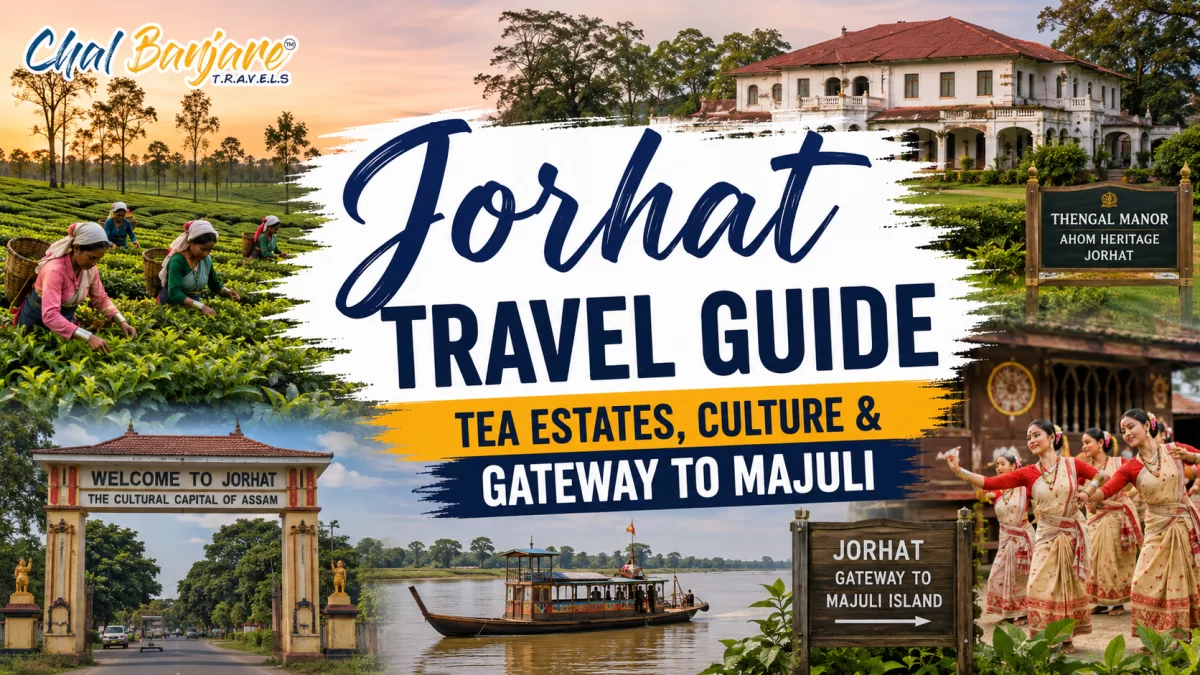
Jorhat is the cultural and tea capital of Upper Assam, known for historic tea estates, Assamese heritage, vibrant local culture, and its role as the main gateway to Majuli Island.
Jorhat is one of Upper Assam's most important cultural and tea tourism destinations, known for its historic tea estates, Assamese literary heritage, educational institutions, and strong connection with Majuli Island. The city developed as a major center of Assam's tea industry and continues to be surrounded by large plantations, research institutions, estate roads, and countryside landscapes that reflect the region's long association with tea cultivation. For travelers, Jorhat offers a quieter and more grounded experience than larger cities, with a strong focus on tea heritage, local culture, and access to nearby river island experiences.
The city's cultural importance also comes from its role in Assamese literature, education, music, theatre, and intellectual life. Local markets, heritage sites, traditional food, cultural events, and nearby rural landscapes make Jorhat more than just a transit point for Majuli. It works well for travelers who want to understand Upper Assam through tea gardens, local traditions, and slow cultural exploration before continuing to Sivasagar, Dibrugarh, Kaziranga, or Majuli Island.
Understanding Jorhat's identity helps travelers see it as both a tea heritage destination and a cultural gateway. Its value lies in the combination of plantations, Assamese traditions, and easy access to Majuli.
First-time visitors should ideally spend one to two nights in Jorhat depending on whether they are using the city only as a gateway to Majuli or exploring it as a destination. A one-night stay is useful for travelers arriving from Kaziranga or Sivasagar before taking the ferry to Majuli the next morning. However, two nights allow time to visit tea estates, explore local markets, see cultural landmarks, and enjoy a relaxed introduction to Upper Assam's tea country.
If Majuli is included, travelers should plan at least one additional night on the island or keep a full day for ferry travel and sightseeing. Tea lovers, photographers, and slow travelers may prefer two nights in Jorhat plus one or two nights in Majuli for a complete experience. Since ferry timings, road travel, and estate visits need coordination, keeping the schedule flexible makes the trip smoother and more enjoyable.
A well-planned Jorhat stay gives travelers enough time to experience tea heritage, local culture, and Majuli access without turning the city into only a transit halt.
A practical Jorhat itinerary should balance tea tourism with cultural sightseeing and Majuli travel planning. Visitors can begin with a tea estate visit, plantation walk, or tea tasting experience, followed by local landmarks such as Tocklai Tea Research Institute, Raja Maidam, markets, parks, and traditional Assamese dining. Evening can be kept relaxed for local cafés or market walks before an early departure towards the Majuli ferry terminal the next day.
Travelers planning Majuli should keep ferry timing at the center of the itinerary because the crossing from Nimati Ghat depends on river conditions and scheduled services. Starting early from Jorhat helps avoid delays and gives more daylight on the island. Those staying longer can return to Jorhat and continue onward to Sivasagar, Dibrugarh, or Kaziranga, making the city a convenient hub for wider Upper Assam travel.
The best Jorhat itinerary combines plantation heritage with cultural sightseeing and well-planned ferry access to Majuli, creating a balanced Upper Assam travel experience.
Jorhat is surrounded by some of Assam's most important tea-growing landscapes, where historic estates continue producing the strong and full-bodied tea for which the region is famous. These plantations form a major part of Upper Assam's identity, stretching across gently rolling countryside with neatly trimmed tea bushes, shade trees, estate roads, and old plantation buildings. For visitors, the tea gardens offer both scenic beauty and a deeper understanding of the agricultural industry that shaped the economy of Assam.
Many tea estates around Jorhat are working plantations, so visits should be arranged respectfully through proper permissions, estate stays, or organized tours. Walking through permitted sections allows travelers to observe the scale of plantation life, the rhythm of tea plucking during the active season, and the calm rural atmosphere that surrounds the city. The experience is especially rewarding in the morning when light falls softly across the tea bushes and temperatures remain comfortable.
Visiting tea gardens around Jorhat is one of the best ways to experience Upper Assam's plantation heritage, combining beautiful countryside with the living tradition of Assam tea cultivation.
Tea plantation walks around Jorhat offer peaceful outdoor experiences where visitors can move slowly between rows of tea bushes and enjoy the green estate landscapes that surround the city. The carefully maintained plantations create strong visual patterns, while birdsong, fresh air, and shaded estate roads make the walks relaxing and photogenic. These landscapes are especially appealing to travelers who enjoy slow nature experiences rather than crowded sightseeing spots.
Because tea estates are active workplaces, visitors should follow estate guidelines and remain in permitted areas. The best walks are usually arranged through heritage stays, local guides, or approved estate visits. Comfortable footwear, modest clothing, drinking water, and respectful behavior are important during plantation exploration. Taking time to observe workers, machinery, and plantation routines from a respectful distance adds practical context to the beauty of the landscape.
Walking through Jorhat's tea estates helps visitors appreciate the beauty and discipline of plantation landscapes while understanding how tea production continues as part of everyday life in Upper Assam.
Assam tea is known worldwide for its strong flavor, rich color, and deep connection with the climate and soil of the Brahmaputra Valley. Jorhat plays an important role in this story because of its historic estates, research institutions, and long-standing plantation culture. Learning about the tea industry here helps visitors understand how cultivation, processing, grading, and trade have influenced the development of Upper Assam for generations.
A good tea-focused visit may include plantation walks, factory tours, tea tasting sessions, and conversations with estate staff who explain harvesting seasons, leaf quality, production methods, and the difference between various tea grades. This turns a simple sightseeing visit into an educational experience. Travelers who enjoy culture and agriculture will find that Assam tea is not only a drink but also a major part of the region's identity, economy, and heritage.
Learning about Assam's tea industry gives Jorhat travel deeper meaning. It connects landscape, agriculture, history, labor, research, and local identity into one of the region's most important cultural experiences.
Tea factory visits are among the most educational experiences available in Jorhat because they allow visitors to follow the complete journey of Assam tea from freshly harvested leaves to the finished product. Depending on the season and factory operations, guided tours explain withering, rolling, oxidation, drying, sorting, grading, and packaging while demonstrating how quality is maintained throughout production. Watching these carefully coordinated processes helps visitors appreciate the expertise behind every cup of Assam tea.
Many factory visits are arranged through tea estates or plantation tourism programs and should be booked in advance whenever possible. Since factories are active production facilities, visitors must follow safety instructions and remain within designated viewing areas. Combining a factory tour with a plantation walk and tea tasting creates a complete introduction to Jorhat's tea heritage.
Tea factory tours provide valuable insight into the craftsmanship behind Assam tea while helping visitors understand why Jorhat remains one of India's most important tea-producing regions.
Guided tea tasting sessions allow visitors to explore the distinctive flavors, aromas, and characteristics that have made Assam tea internationally respected. Tea experts explain how different harvest periods, processing methods, and leaf grades influence taste, body, color, and fragrance. Participants are encouraged to compare several varieties while learning professional tasting techniques used throughout the tea industry.
Heritage tea estates often organize tasting experiences within peaceful plantation surroundings, allowing visitors to enjoy tea while overlooking expansive gardens. These sessions are suitable for beginners as well as tea enthusiasts because explanations are practical and easy to understand. Purchasing freshly packed estate tea after the tasting also allows travelers to take home authentic products directly connected with the region.
Tea tasting experiences offer visitors an enjoyable and educational way to understand the remarkable diversity and quality of Assam tea while experiencing Jorhat's plantation heritage.
Heritage tea bungalows around Jorhat provide one of the finest accommodation experiences in Upper Assam. These colonial-era residences are situated within working tea estates, surrounded by extensive plantations, mature trees, landscaped gardens, and peaceful countryside. Staying at a tea bungalow allows visitors to experience plantation life beyond a short daytime visit while enjoying the calm atmosphere of the tea-growing region.
Many heritage properties combine comfortable accommodation with guided estate walks, tea tastings, plantation history, and traditional Assamese hospitality. Guests often begin the day watching sunrise across the tea gardens before enjoying locally prepared meals and leisurely exploration of the estate. Since heritage accommodations have limited rooms, advance reservations are strongly recommended, particularly during the peak travel season.
Staying in a heritage tea bungalow allows visitors to experience Jorhat's tea culture in a relaxed and immersive way while enjoying the beauty of Upper Assam's plantation landscapes.
Tocklai Tea Research Institute is one of the most important tea research centers in the world and represents a significant part of Jorhat's identity. Established to improve tea cultivation, processing, and scientific research, the institute has contributed greatly to the development of Assam's tea industry. For visitors interested in tea heritage, the institute provides valuable insight into the science and innovation behind one of India's most famous agricultural products.
Although access to specific research areas may depend on institutional policies, learning about Tocklai's history and contribution to global tea research enriches any tea-focused itinerary. Combining the visit with nearby tea estates helps travelers understand both the scientific and practical aspects of tea production that have made Jorhat internationally significant within the tea industry.
Tocklai Tea Research Institute adds an educational dimension to Jorhat by showing how scientific research continues supporting the region's globally respected tea industry.
Raja Maidam is one of Jorhat's important historical landmarks and reflects the region's connection with the Ahom Kingdom. The site preserves royal heritage while offering visitors an opportunity to explore the historical foundations of Upper Assam. Although quieter than larger monuments in nearby Sivasagar, Raja Maidam remains an interesting destination for travelers who appreciate history, archaeology, and Assamese heritage.
Additional historical landmarks across Jorhat contribute to the city's cultural character through old institutions, memorials, and heritage buildings. Exploring these sites alongside tea-related attractions creates a balanced itinerary where visitors experience both the historical and agricultural importance of the region. Walking through these locations also offers a quieter and more relaxed sightseeing experience compared with busier tourist destinations.
Raja Maidam introduces visitors to the historical side of Jorhat while complementing the city's internationally known tea heritage.
Jorhat also offers a variety of parks, museums, educational institutions, and cultural attractions that provide visitors with a broader understanding of the city beyond its tea estates. Public parks create pleasant spaces for relaxed walks, while museums and cultural centers preserve aspects of Assamese history, literature, and local traditions. These attractions are especially useful for travelers spending two or more days in the city.
Combining these quieter attractions with plantation visits helps create a balanced travel experience where nature, culture, and heritage are equally represented. Many of these locations are easily accessible from the city center, allowing visitors to move comfortably between sightseeing spots without long travel distances. The slower pace of exploration suits Jorhat's relaxed atmosphere particularly well.
Jorhat's parks, museums, and cultural attractions complement its tea heritage, giving visitors a more complete understanding of the city's role in Upper Assam.
Jorhat has long been regarded as one of the cultural centers of Assam, where traditional festivals, performing arts, literature, and community celebrations continue to play an important role in everyday life. Travelers visiting during festival periods can experience folk music, traditional dance, religious ceremonies, local food, and community gatherings that reflect the rich cultural identity of Upper Assam. These living traditions complement the city's famous tea heritage and create a well-rounded travel experience.
Rongali Bihu is the most celebrated festival in the region and fills Jorhat with cultural performances, traditional attire, music, and festive activities. Other religious and community events throughout the year also provide opportunities to observe Assamese customs in an authentic setting. Visitors are encouraged to participate respectfully while appreciating the warmth and hospitality of local communities.
Experiencing local festivals provides visitors with an authentic introduction to Assamese culture while revealing why Jorhat is considered one of Upper Assam's important cultural centers.
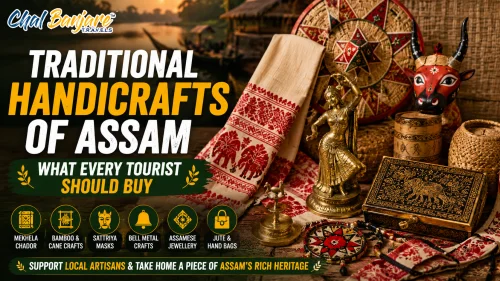
The traditional markets of Jorhat reflect the everyday life of Upper Assam through their wide variety of local products, handmade crafts, textiles, bamboo goods, agricultural produce, and fresh Assam tea. Walking through these markets allows visitors to interact with local vendors, observe regional commerce, and discover products closely connected with Assamese traditions. They are also excellent places to purchase authentic souvenirs produced within the region.
Handwoven textiles and bamboo handicrafts remain among the most popular purchases, while tea outlets provide opportunities to buy fresh Assam tea from nearby estates. Exploring the markets during the daytime offers a relaxed atmosphere and allows enough time to browse comfortably before continuing to nearby cultural attractions or restaurants.
Traditional markets introduce visitors to the everyday culture of Jorhat while supporting local artisans and preserving the region's longstanding craft traditions.
Jorhat occupies an important place in the literary and artistic history of Assam, contributing significantly to education, publishing, theatre, music, and cultural development. The city has long served as a center where writers, artists, educators, and performers have influenced Assamese society through literature, research, and cultural institutions. Visitors interested in regional heritage can appreciate this intellectual tradition while exploring museums, educational centers, libraries, and community spaces.
Local cultural organizations continue promoting traditional music, theatre, literature, and artistic activities that preserve Assamese identity. Travelers spending additional time in the city often discover that Jorhat's cultural value extends well beyond tea plantations, offering a deeper understanding of Upper Assam's creative heritage. Combining these experiences with historical sites and tea tourism creates a rewarding cultural itinerary.
The artistic and literary heritage of Jorhat adds depth to every visit, showing travelers that the city is equally important for culture and education as it is for tea production.
Jorhat serves as the principal gateway for travelers visiting Majuli Island, the world's largest inhabited river island. The journey begins with a road transfer from Jorhat city to Nimati Ghat, the main ferry terminal located approximately fifteen kilometers away. The drive passes through peaceful countryside and small settlements before reaching the Brahmaputra riverbank where passenger ferries operate according to scheduled timings and river conditions.
Visitors should begin the journey early in the morning because ferry schedules may vary depending on weather and seasonal river levels. Reaching the terminal ahead of departure allows enough time for ticket purchase, boarding, and luggage arrangements. Planning transport between the city and Nimati Ghat in advance makes the transition smooth, particularly during busy travel seasons.
The journey from Jorhat to Nimati Ghat marks the beginning of the Majuli experience and is an important part of planning a comfortable Upper Assam itinerary.
The ferry journey across the Brahmaputra River is one of the highlights of traveling to Majuli. During the crossing, visitors enjoy expansive river views, changing skies, distant river islands, fishing boats, and the immense scale of one of Asia's largest rivers. The slow pace of the ferry allows travelers to appreciate the natural beauty of the Brahmaputra while preparing for the unique cultural experiences awaiting them on Majuli.
Depending on the season and river conditions, the duration of the crossing may vary slightly. Carrying drinking water, sun protection, and keeping cameras ready allows visitors to fully enjoy the scenery. The ferry itself becomes an essential part of the journey rather than simply a means of transport, offering memorable views throughout the crossing.
The Brahmaputra ferry crossing transforms the journey to Majuli into an unforgettable experience where river landscapes become as memorable as the destination itself.
Travelers can visit Majuli either as a full-day excursion or by staying overnight to experience the island's peaceful atmosphere after most day visitors depart. A day trip allows enough time to visit important Satras, mask-making workshops, villages, and scenic river landscapes, while an overnight stay provides opportunities to explore cycling routes, sunrise, sunset, and traditional Assamese hospitality at a more relaxed pace.
Visitors planning an overnight stay should reserve accommodation in advance, especially during festivals and peak tourist seasons. Ferry timings must also be considered while planning return travel to Jorhat. Spending additional time on the island allows travelers to experience Majuli's cultural heritage more deeply rather than rushing between attractions.
Planning enough time in Majuli allows visitors to appreciate its unique cultural landscape while making the most of Jorhat's role as the gateway to Assam's remarkable river island.
Jorhat is an excellent destination for experiencing authentic Assamese cuisine prepared using fresh local ingredients and traditional cooking methods. Meals typically feature rice, freshwater fish, seasonal vegetables, lentils, leafy greens, bamboo shoots, herbs, and locally grown produce. The cuisine focuses on preserving natural flavors rather than relying on heavy spices, giving visitors an authentic taste of Upper Assam's culinary traditions.
Many local restaurants serve complete Assamese thalis that introduce travelers to several regional dishes within one meal. Family-run establishments are particularly popular because they continue preparing recipes that have been passed down through generations. Dining at these restaurants allows visitors to experience Assamese hospitality while learning about the food culture that remains closely connected with agriculture and everyday life in the region.
Authentic Assamese cuisine is an essential part of the Jorhat experience, offering visitors a deeper understanding of Upper Assam's traditions through its distinctive regional flavors.
Traditional Assamese sweets and regional delicacies provide another enjoyable way to experience Jorhat's food culture. Local sweet shops and bakeries prepare seasonal specialties, rice-based treats, milk sweets, and snacks that have long been associated with Assamese festivals and family celebrations. Many of these foods are prepared using locally sourced ingredients that reflect the agricultural richness of Upper Assam.
Visitors often enjoy sampling traditional sweets alongside freshly brewed Assam tea, creating a classic tea-time experience closely connected with the region's plantation heritage. Exploring different local shops allows travelers to discover flavors that are less common outside Assam while supporting long-established family businesses and local food traditions.
Traditional sweets and regional specialties add variety to Jorhat's culinary experiences while highlighting the city's strong connection with Assamese food culture.
Jorhat offers a growing selection of cafés, tea lounges, and local restaurants where visitors can relax after sightseeing around the city. Many cafés serve freshly brewed Assam tea together with light snacks, baked items, and regional refreshments in comfortable surroundings. These establishments provide pleasant spaces for travelers to unwind while experiencing the city's relaxed pace of life.
Alongside cafés, local restaurants continue serving authentic Assamese meals, making it easy to combine traditional dining with modern café culture during the same visit. Spending time at these establishments also allows travelers to observe local life and enjoy conversations over tea, reinforcing Jorhat's reputation as one of Assam's most important tea destinations.
Jorhat's cafés and restaurants provide visitors with a relaxed way to experience the city's tea culture while enjoying authentic Assamese hospitality and regional cuisine.
Sunrise is the finest time to photograph Jorhat's tea estates because the first rays of sunlight gently illuminate the endless rows of tea bushes across Upper Assam. Soft morning light, occasional mist, and peaceful plantation surroundings create ideal conditions for landscape photography. During harvesting seasons, photographers may also capture tea workers beginning their day, adding authentic human elements to the plantation scenery.
Arriving before sunrise allows visitors to witness the gradual transition from early dawn to full daylight. Wide-angle compositions emphasize the scale of the tea gardens, while closer photographs can highlight tea leaves, estate roads, and plantation details. Respecting estate regulations and remaining within permitted visitor areas ensures responsible photography throughout the visit.
Sunrise across Jorhat's tea gardens offers photographers one of Upper Assam's most memorable landscape experiences while showcasing the beauty of the region's plantation heritage.
Jorhat's heritage buildings, historical landmarks, educational institutions, and cultural sites provide excellent subjects for architectural and documentary photography. Places such as Tocklai Tea Research Institute, Raja Maidam, heritage structures, and traditional public spaces reflect the city's historical importance and connection with Assamese culture. Their varied architectural styles offer photographers opportunities to capture both history and everyday urban life.
Morning and late afternoon are ideal for photographing these landmarks because softer natural light enhances textures and reduces harsh shadows. Walking slowly between nearby sites allows photographers to experiment with different compositions while observing local activities around the city. Respecting heritage properties and avoiding disruption to visitors or worshippers ensures responsible photography.
Photographing Jorhat's heritage landmarks allows visitors to preserve memories of a city where history, tea culture, and Assamese traditions come together naturally.
The countryside surrounding Jorhat becomes especially beautiful during the golden hour before sunset, when warm natural light spreads across tea gardens, agricultural fields, village roads, and open landscapes. Gentle evening light creates rich colors and long shadows that enhance the visual appeal of Upper Assam's rural scenery. These peaceful surroundings make countryside photography one of the most enjoyable experiences outside the city.
Visitors can combine scenic drives with short photography stops at safe locations overlooking plantations and villages. Seasonal changes continually transform the landscape, making each visit unique. Remaining until twilight often provides additional opportunities to capture soft evening colors across the countryside while enjoying the calm atmosphere that defines rural Upper Assam.
Golden-hour photography around Jorhat beautifully captures the quiet charm of Upper Assam's tea country, creating lasting memories of its landscapes and rural heritage.
Majuli Island is the most popular excursion from Jorhat and remains one of Assam's most remarkable cultural destinations. Reached by ferry from Nimati Ghat, the island is internationally known for its Vaishnavite monasteries, traditional villages, artisan communities, and peaceful Brahmaputra landscapes. Visitors can explore Satras, mask-making workshops, Mishing villages, cycling routes, and scenic riverbanks while experiencing a slower pace of life unique to the island.
Many travelers choose to spend an entire day exploring Majuli, while others stay overnight to enjoy sunrise, sunset, and the island's tranquil atmosphere after most visitors have departed. Planning ferry schedules in advance is essential because river services operate according to fixed timings and seasonal conditions. Majuli complements Jorhat perfectly by combining cultural heritage with beautiful river scenery.
Majuli is the finest day trip from Jorhat, offering an unforgettable combination of river travel, spiritual heritage, village life, and Assamese culture.
Hoollongapar Gibbon Wildlife Sanctuary, located near Jorhat, protects one of the few remaining evergreen forests in Upper Assam and is India's only sanctuary dedicated to hoolock gibbons. The forest supports diverse wildlife, including primates, birds, butterflies, and numerous native plant species. Nature enthusiasts and birdwatchers appreciate the sanctuary for its peaceful forest environment and opportunities to observe wildlife in its natural habitat.
Guided visits during the early morning provide the highest chance of hearing or observing hoolock gibbons moving through the forest canopy. Well-maintained forest trails allow visitors to experience the area's rich biodiversity while learning about conservation efforts. Comfortable walking shoes, binoculars, and quiet observation greatly enhance the experience while helping minimize disturbance to wildlife.
Hoollongapar Gibbon Wildlife Sanctuary provides an excellent contrast to Jorhat's tea estates by introducing visitors to the remarkable biodiversity of Upper Assam.
Sivasagar is one of Assam's most important heritage destinations and can easily be combined with a stay in Jorhat. The city preserves the legacy of the Ahom Kingdom through remarkable monuments such as Rang Ghar, Talatal Ghar, Kareng Ghar, Sivadol, and the historic Sivasagar Tank. These well-preserved sites provide visitors with a detailed understanding of Assam's royal history, architecture, and engineering achievements.
Many travelers include Sivasagar as a full-day excursion before continuing to Dibrugarh or Kaziranga. Exploring the monuments at a relaxed pace allows enough time for photography, historical interpretation, and appreciation of the city's cultural significance. Early departures from Jorhat help maximize sightseeing while avoiding unnecessary travel pressure during the day.
Sivasagar adds remarkable historical depth to a Jorhat itinerary, allowing visitors to explore one of Northeast India's richest collections of royal heritage monuments.
Jorhat is best experienced by combining tea plantation visits, Assamese cultural attractions, historical landmarks, and Majuli Island into a balanced itinerary. Tea enthusiasts should prioritize estate tours, factory visits, tea tastings, and Tocklai Tea Research Institute, while cultural travelers can include Raja Maidam, traditional markets, museums, and local festivals. Nature lovers may also explore nearby Hoollongapar Gibbon Wildlife Sanctuary for forest experiences.
Rather than treating Jorhat only as a transit point for Majuli, travelers should spend enough time exploring its tea heritage and cultural identity. The city's relaxed atmosphere encourages slow travel, allowing visitors to appreciate plantation landscapes, local cuisine, and everyday Assamese life while enjoying convenient access to nearby destinations across Upper Assam.
Choosing experiences thoughtfully allows visitors to discover Jorhat as a destination where tea, culture, history, and nature come together in one memorable Upper Assam journey.
A practical itinerary can begin with tea estate visits, plantation walks, Tocklai Tea Research Institute, and local markets before spending the following day in Majuli. Travelers with additional time can continue to Sivasagar for Ahom heritage monuments or visit Hoollongapar Gibbon Wildlife Sanctuary for forest and wildlife experiences. Organizing sightseeing according to location minimizes travel time and allows a more relaxed journey.
Early departures for ferry services and nearby excursions help maximize daylight while avoiding unnecessary delays. Travelers continuing toward Kaziranga, Dibrugarh, or eastern Assam can comfortably use Jorhat as a regional travel hub. Keeping some flexibility within the itinerary allows adjustments for ferry schedules, weather conditions, and local events.
A carefully planned itinerary ensures visitors enjoy Jorhat's tea heritage while exploring the remarkable cultural and natural attractions that surround the city.
Visitors should carry comfortable walking shoes, lightweight clothing, sunscreen, drinking water, insect repellent for outdoor areas, rain protection during the monsoon, personal medicines, valid identification, and camera equipment for plantation and countryside photography. Travelers visiting Majuli should also confirm ferry timings and carry essentials suitable for river travel.
Before arriving, check tea estate visitor policies, accommodation reservations, weather forecasts, and transport arrangements. Respect plantation rules, cultural customs, and wildlife regulations while exploring the region. Supporting local tea producers, artisans, and family-run businesses helps preserve the traditions that make Jorhat one of Assam's most rewarding destinations.
With thoughtful planning and enough time for both Jorhat and Majuli, visitors can enjoy one of Upper Assam's richest travel experiences through tea heritage, culture, wildlife, and river landscapes.


Get customized Assam tour planning designed around seasonal weather patterns, river conditions, wildlife safari timing, and realistic road travel flow. Whether you are visiting for national parks, tea estate stays, cultural experiences, spiritual sites, o
⚡ Quick Response | 💰 Free consultation | 🕒 24×7 expert support