


How Tea is Made in Assam – A Tourist's Guide
Understanding how tea is made in Assam allows travellers to explore plantations, learn traditional processing methods, and experience the journey from fresh tea leaves to the final product.
+91 9910402252
admin@chalbanjare.com


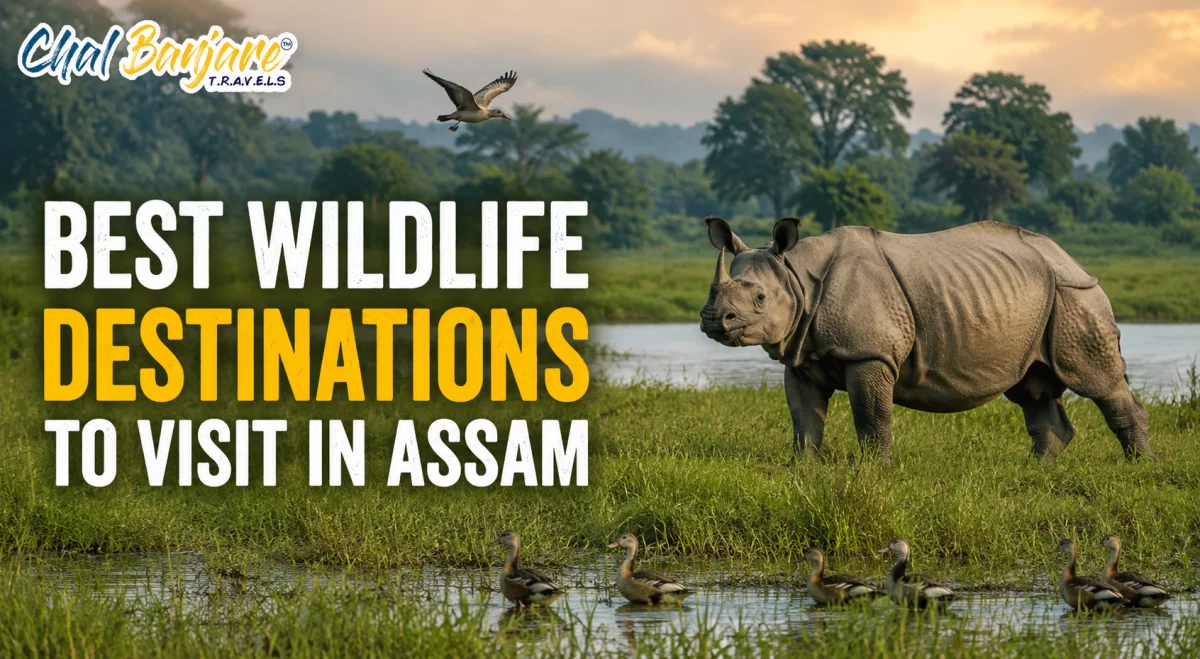
Assam is one of India’s top wildlife destinations, offering rhino safaris, tiger reserves, birdwatching hotspots, river ecosystems, and rich biodiversity across its national parks and wildlife sanctuaries.
Kaziranga National Park is the best place in the world to observe the Indian one-horned rhinoceros in its natural habitat. Jeep safaris through the Central, Western, Eastern, and Burapahar ranges provide excellent opportunities to watch these iconic animals grazing across open grasslands, wetlands, and riverine landscapes. The park's successful conservation efforts have made rhino sightings one of the highlights of every visit.
Morning safaris generally offer the highest chances of wildlife activity because temperatures are cooler and animals are more active. Visitors should remain inside safari vehicles, follow instructions from guides, and maintain silence while observing wildlife to avoid disturbing the animals.
Watching one-horned rhinoceroses in Kaziranga remains one of India's most remarkable wildlife experiences and the highlight of every safari.
Beyond its famous rhinoceroses, Kaziranga supports healthy populations of Asian elephants, wild water buffalo, swamp deer, hog deer, and numerous other mammals. Vast grasslands interspersed with wetlands and woodland create ideal habitats where visitors can often observe multiple species during a single safari. The diversity of wildlife makes every journey through the park unique.
Guided jeep safaris allow visitors to explore different habitats while experienced naturalists help identify wildlife and explain animal behavior. Patience and quiet observation greatly improve wildlife viewing opportunities throughout the day.
Kaziranga's expansive grasslands support an extraordinary variety of mammals, making every safari rich with wildlife encounters beyond the famous rhinoceros.
Kaziranga's wetlands, marshes, rivers, and floodplain ecosystems support hundreds of resident and migratory bird species throughout the year. Waterfowl, storks, pelicans, eagles, kingfishers, and numerous wetland birds make the park one of Northeast India's premier birdwatching destinations. Winter is particularly rewarding when migratory species arrive from northern regions.
Early morning safaris provide the best opportunities for birdwatching because activity levels are highest and lighting conditions are ideal for photography. Carrying binoculars and telephoto lenses enhances the overall birdwatching experience.
Kaziranga's wetlands provide exceptional birdwatching opportunities while showcasing the remarkable ecological diversity of the Brahmaputra floodplain.
Manas National Park is one of India's most important protected areas and is recognized as a UNESCO World Heritage Site for its exceptional biodiversity. Located along the foothills of the eastern Himalayas, the park protects grasslands, forests, rivers, and floodplains that support a remarkable variety of wildlife. Its peaceful environment makes it one of Assam's finest destinations for nature lovers.
Jeep safaris and guided exploration introduce visitors to different habitats while highlighting the conservation importance of this internationally recognized reserve. The combination of rich biodiversity and scenic landscapes creates a rewarding wildlife experience throughout the park.
Manas National Park combines exceptional wildlife with beautiful landscapes, making it one of Assam's premier protected natural areas.
Manas supports healthy populations of Asian elephants, deer, wild buffalo, gaur, primates, and numerous smaller mammals that inhabit its forests and grasslands. Every safari presents different wildlife encounters as animals move naturally through the park's varied habitats. Experienced guides help visitors locate wildlife while explaining ecological relationships within the reserve.
Morning safaris generally provide the highest levels of wildlife activity because temperatures remain comfortable and animals are actively feeding. Quiet observation improves opportunities to watch wildlife behaving naturally within the protected landscape.
Manas offers rewarding wildlife experiences where diverse mammals can be observed within one of Northeast India's richest natural ecosystems.
The forests, rivers, grasslands, and Himalayan foothill scenery of Manas create one of Assam's most spectacular natural landscapes. The Manas River flows through the park, supporting rich biodiversity while adding scenic beauty to wildlife safaris. Dense forests gradually merge with open grasslands, creating constantly changing views throughout the reserve.
Nature lovers, photographers, and birdwatchers appreciate Manas not only for its wildlife but also for its peaceful landscapes. The combination of rivers, forests, and mountains distinguishes the park from many other protected areas in India.
The forests and rivers of Manas create unforgettable natural scenery while supporting one of Assam's richest wildlife habitats.
Pobitora Wildlife Sanctuary is renowned for having one of the highest densities of Indian one-horned rhinoceroses in the world. Located about 50 kilometers from Guwahati, the sanctuary offers visitors excellent opportunities to observe these iconic animals within open grasslands and wetland habitats. Its relatively compact size often allows rewarding wildlife sightings during a short safari.
Morning safaris generally provide the best opportunities to observe rhinos while temperatures remain pleasant and animals are actively feeding. Visitors should remain inside safari vehicles, follow guide instructions, and avoid making unnecessary noise to ensure safe and responsible wildlife viewing.
Pobitora offers one of Assam's most accessible wildlife experiences, where visitors can reliably observe one-horned rhinoceroses within beautiful natural surroundings.
The wetlands and marshes of Pobitora support a rich diversity of resident and migratory birds throughout the year. Waterfowl, storks, egrets, herons, kingfishers, raptors, and numerous wetland species make the sanctuary an attractive destination for birdwatchers alongside wildlife enthusiasts. Seasonal migration further increases bird diversity during the winter months.
Early morning remains the most rewarding time for birdwatching because activity levels are highest and lighting conditions are excellent for photography. Visitors should carry binoculars and observe birds quietly without disturbing sensitive wetland habitats.
Pobitora's wetlands complement its famous rhinoceros population by offering exceptional birdwatching opportunities throughout much of the year.
Pobitora is one of the easiest wildlife destinations to visit from Guwahati, making it ideal for day trips or short wildlife excursions. The sanctuary's compact layout allows visitors to experience grasslands, wetlands, and wildlife within a relatively short safari while still enjoying excellent chances of seeing rhinoceroses and other animals.
Travelers with limited time often include Pobitora alongside Guwahati sightseeing or as part of a broader Assam wildlife itinerary. Advance safari booking during peak tourist season is recommended because visitor demand can be high during winter.
Pobitora combines accessibility with excellent wildlife viewing, making it one of Assam's most convenient safari destinations.
Deepor Beel, a Ramsar Wetland located on the outskirts of Guwahati, is one of Assam's most important birdwatching destinations. The freshwater lake and surrounding marshes support hundreds of bird species, including large numbers of migratory birds that arrive during the winter season. Its ecological importance makes it a favorite destination for birdwatchers and wildlife photographers.
Early mornings provide the best birdwatching conditions when birds are actively feeding and lighting remains soft for photography. Visitors should carry binoculars, remain quiet near observation areas, and avoid disturbing nesting or feeding birds within the wetland ecosystem.
Deepor Beel offers one of Northeast India's finest birdwatching experiences while highlighting the ecological richness of Assam's wetlands.
Nameri National Park is recognized as one of Assam's premier forest birdwatching destinations. The park's dense forests, riverbanks, and woodland trails support hornbills, woodpeckers, barbets, flycatchers, kingfishers, and numerous other forest birds. Walking through the park with experienced guides allows visitors to identify species that are often difficult to observe elsewhere.
Morning birdwatching walks are especially productive because bird activity is highest during the early hours. Visitors should wear comfortable walking shoes, carry binoculars, and remain quiet while exploring designated forest trails.
Nameri National Park rewards bird enthusiasts with rich forest biodiversity and peaceful birdwatching experiences throughout the year.
Kaziranga and Manas National Parks are not only famous for mammals but also support exceptional bird diversity across wetlands, grasslands, forests, and river habitats. Resident and migratory birds can be observed throughout both parks, making them excellent destinations for visitors who wish to combine wildlife safaris with birdwatching during a single journey.
Winter is generally the most rewarding season because migratory species significantly increase bird diversity. Guided safaris help visitors locate different habitats while experienced naturalists identify birds and explain their ecological importance.
Kaziranga and Manas together provide some of India's finest birdwatching experiences while showcasing Assam's remarkable ecological diversity.
Kaziranga National Park is one of India's finest wildlife photography destinations because of its open grasslands, wetlands, and high density of iconic mammals. The one-horned rhinoceros is the primary photography subject, while elephants, wild water buffalo, swamp deer, and numerous bird species provide additional opportunities throughout the safari. The park's varied landscapes create excellent natural backgrounds for wildlife images.
Morning safaris offer the best combination of active wildlife, soft light, and pleasant temperatures. Photographers should use telephoto lenses, avoid sudden movements, and follow all instructions provided by safari guides to ensure both safety and responsible wildlife photography.
Kaziranga combines exceptional wildlife density with beautiful natural landscapes, making it one of the most rewarding wildlife photography destinations in India.
Manas National Park offers a different style of wildlife photography where forests, rivers, grasslands, and Himalayan foothill scenery become as important as the animals themselves. The combination of diverse habitats creates opportunities to photograph elephants, deer, birds, and scenic landscapes within one of India's most beautiful protected areas.
Morning and late afternoon provide softer natural light for both wildlife and landscape photography. Patience is essential because animals move freely through large natural habitats, rewarding visitors who spend time quietly observing the surroundings.
Manas offers photographers the opportunity to combine wildlife with spectacular natural scenery in one of Assam's most scenic national parks.
Pobitora Wildlife Sanctuary provides excellent photography opportunities through its open grasslands, wetlands, and abundant birdlife. The relatively open habitat allows clear views of one-horned rhinoceroses while marshes attract numerous resident and migratory birds throughout the year. Its compact size enables photographers to capture a wide variety of subjects during a relatively short visit.
Early mornings remain the preferred time because wildlife activity is higher and natural lighting enhances photography. Visitors should remain within designated safari routes and avoid disturbing birds or animals while photographing the sanctuary.
Pobitora combines accessible wildlife viewing with beautiful wetland scenery, creating rewarding photography opportunities throughout the sanctuary.
The Brahmaputra floodplain supports one of the richest wildlife ecosystems in India through its extensive grasslands, wetlands, forests, and river channels. Seasonal flooding helps maintain fertile habitats that support rhinoceroses, elephants, wild buffalo, deer, reptiles, fish, and countless bird species. Many of Assam's famous protected areas, including Kaziranga, owe their biodiversity to this dynamic river system.
Exploring the floodplain through guided wildlife tours helps visitors understand the relationship between seasonal flooding and ecosystem health. Responsible tourism and respect for protected habitats contribute to the long-term conservation of this globally important landscape.
The Brahmaputra floodplain forms the ecological foundation of Assam's remarkable wildlife while creating one of India's richest natural landscapes.
Deepor Beel offers visitors an excellent opportunity to explore one of Assam's most important wetland ecosystems. Beyond its famous birdlife, the wetland supports fish, reptiles, amphibians, aquatic vegetation, and numerous smaller species that contribute to its ecological richness. The peaceful environment makes it suitable for nature observation, birdwatching, and environmental education.
Morning visits provide comfortable weather and increased wildlife activity. Visitors should remain on designated observation areas, avoid disturbing sensitive habitats, and appreciate the importance of wetland conservation while exploring this internationally recognized ecosystem.
Deepor Beel provides a peaceful introduction to Assam's remarkable wetland biodiversity while emphasizing the importance of ecosystem conservation.
The riverine habitats surrounding Kaziranga National Park include channels of the Brahmaputra, seasonal wetlands, marshes, and floodplain forests that support an extraordinary variety of wildlife. These landscapes play a vital role in maintaining the park's biodiversity by providing water, food, and breeding habitats for numerous species throughout the year.
Visitors exploring Kaziranga should appreciate not only the famous mammals but also the ecological importance of its rivers and wetlands. Guided safaris help explain how these interconnected habitats sustain one of Asia's richest wildlife ecosystems.
The riverine habitats around Kaziranga demonstrate how the Brahmaputra shapes one of India's most successful wildlife conservation landscapes.
Dibru Saikhowa National Park is one of Assam's least crowded wildlife destinations and is known for its exceptional riverine biodiversity. The park protects wetlands, grasslands, forests, and islands formed by the Brahmaputra and Lohit rivers, creating habitats for numerous mammals, reptiles, and birds. Unlike traditional safari parks, Dibru Saikhowa offers a quieter wilderness experience focused on nature observation.
Boat rides and guided excursions allow visitors to explore remote habitats while observing wildlife in a peaceful environment. Winter remains the most rewarding season because pleasant weather and migratory birds significantly enhance the overall wildlife experience.
Dibru Saikhowa offers an unforgettable wilderness experience where rich biodiversity and peaceful river landscapes remain largely untouched by mass tourism.
Dehing Patkai National Park protects one of India's finest remaining tropical rainforests and offers wildlife experiences very different from Assam's grassland parks. Dense evergreen forests, streams, bamboo groves, and remarkable plant diversity support elephants, primates, birds, butterflies, and countless smaller species. The rainforest environment creates rewarding opportunities for guided nature walks and ecological exploration.
Visitors should explore with authorized guides who understand the forest ecosystem and designated visitor routes. Comfortable walking shoes, drinking water, and insect repellent are recommended because rainforest conditions differ significantly from open safari destinations.
Dehing Patkai introduces visitors to Assam's remarkable rainforest biodiversity through peaceful forest exploration and immersive nature experiences.
Orang National Park is often called the Mini Kaziranga because it protects grasslands, wetlands, and populations of the Indian one-horned rhinoceros within a smaller and less crowded landscape. Visitors enjoy rewarding jeep safaris where rhinoceroses, elephants, deer, wild buffalo, and numerous bird species can be observed without the larger visitor numbers seen at more famous parks.
Morning safaris generally offer the best wildlife activity while cooler temperatures make exploration more comfortable. Orang provides an excellent option for travelers seeking authentic wildlife experiences beyond Assam's busiest safari destinations.
Orang National Park combines rich wildlife with a quieter safari environment, making it one of Assam's finest hidden wildlife destinations.
The rainforest trails of Dehing Patkai National Park provide visitors with immersive experiences through dense evergreen forests that support extraordinary biodiversity. Walking beneath towering trees while listening to birds, insects, and flowing streams creates a completely different atmosphere from traditional jeep safaris. Every trail introduces visitors to unique plant species, butterflies, and forest ecosystems.
Authorized guides help interpret the rainforest while ensuring safe exploration along designated routes. Visitors should wear sturdy walking shoes, carry drinking water, and avoid leaving marked trails to protect both themselves and the fragile rainforest environment.
Rainforest trails in Dehing Patkai provide unforgettable opportunities to experience one of India's richest forest ecosystems.
Nameri National Park offers peaceful nature walks through forests bordering the Jia Bhoroli River, allowing visitors to appreciate wildlife, birds, butterflies, and native vegetation without relying solely on vehicle safaris. Guided walking trails reveal details of the forest ecosystem that are often missed during conventional wildlife tours.
Early morning remains the preferred time for nature walks because temperatures are pleasant and bird activity is high. Visitors should follow guide instructions carefully and remain alert while exploring protected forest habitats.
Nameri's guided nature walks provide rewarding forest experiences where wildlife, rivers, and peaceful landscapes combine naturally.
Assam's protected forests extend beyond its famous national parks, preserving remarkable ecosystems that support wildlife, rivers, wetlands, and indigenous vegetation. From tropical rainforests to riverine woodland and grassland forests, each protected area contributes to the state's exceptional ecological diversity. Exploring these forests introduces visitors to landscapes that remain largely unchanged by urban development.
Visitors should always respect park regulations, remain within approved visitor areas, and avoid disturbing wildlife. Responsible forest tourism plays an important role in supporting conservation while allowing future generations to enjoy Assam's extraordinary natural heritage.
Assam's protected forests offer rewarding experiences for travelers seeking peaceful landscapes, biodiversity, and meaningful connections with nature.
A road trip from Guwahati to Kaziranga National Park and Manas National Park is one of Assam's most rewarding wildlife journeys. The route combines two of the state's most celebrated protected areas, allowing travelers to experience grasslands, forests, wetlands, rivers, and diverse wildlife within a single itinerary. Comfortable highways and scenic countryside make the drive enjoyable throughout much of the year.
Many travelers begin with Kaziranga for its famous one-horned rhinoceroses before continuing to Manas for its forests, Himalayan foothill landscapes, and quieter safari experience. Planning overnight stays near both parks allows sufficient time for multiple safari sessions and relaxed exploration.
This classic wildlife road trip introduces visitors to the remarkable biodiversity that makes Assam one of India's leading nature tourism destinations.
The Kaziranga–Nameri–Tezpur circuit combines wildlife, birdwatching, rivers, forests, and heritage into a balanced travel experience. Visitors can begin with Kaziranga's famous safaris, continue to Nameri National Park for nature walks and birdwatching, and conclude the journey in Tezpur, where historical attractions and the Brahmaputra riverfront provide a relaxing contrast to wildlife exploration.
The route is well suited for travelers interested in combining photography, nature, and cultural sightseeing without rushing between destinations. Allowing several days ensures enough time for safaris, guided walks, and local sightseeing.
The Kaziranga, Nameri, and Tezpur circuit offers one of Assam's most complete journeys through wildlife, forests, rivers, and cultural heritage.
Upper Assam offers several rewarding wildlife road trips linking Kaziranga, Dibru Saikhowa, Dehing Patkai, tea-growing districts, and nearby heritage towns. These journeys allow travelers to experience changing landscapes that include grasslands, wetlands, rainforests, rivers, tea plantations, and rural countryside while exploring some of the state's finest protected areas.
Planning daylight driving hours improves safety and provides better opportunities to enjoy scenic viewpoints along the route. Flexible itineraries allow time for wildlife safaris, birdwatching, tea tourism, and local cultural experiences without unnecessary rushing between destinations.
Upper Assam's wildlife road trips combine biodiversity, scenic landscapes, and cultural attractions into memorable journeys across one of India's richest natural regions.
Each wildlife destination in Assam offers a different experience. Kaziranga is ideal for one-horned rhinoceros sightings, Pobitora provides excellent short safaris near Guwahati, Manas combines forests with Himalayan foothill scenery, while Nameri and Deepor Beel are outstanding for birdwatching. Travelers should select destinations based on their interests, available time, and preferred style of wildlife exploration.
Combining different parks allows visitors to experience Assam's remarkable ecological diversity, ranging from wetlands and grasslands to tropical rainforests and river ecosystems. A balanced itinerary creates a richer understanding of the state's wildlife heritage.
Choosing destinations according to personal interests allows travelers to enjoy Assam's wildlife while making the most of their available travel time.
A comprehensive wildlife itinerary can begin in Guwahati before continuing to Pobitora Wildlife Sanctuary, Kaziranga National Park, Nameri National Park, Manas National Park, and optional destinations such as Dibru Saikhowa or Dehing Patkai. This route combines iconic wildlife, birdwatching, forests, wetlands, and beautiful landscapes into one memorable journey.
Allowing several days for the itinerary provides enough time for morning and afternoon safaris, guided walks, birdwatching, photography, and relaxed travel between destinations. Advance safari bookings are recommended during the winter tourist season.
A well-planned itinerary allows visitors to experience the extraordinary diversity of Assam's wildlife through carefully connected national parks and protected landscapes.
Visitors should carry comfortable outdoor clothing, walking shoes, binoculars, camera equipment with extra batteries, sunscreen, insect repellent, reusable drinking water bottles, personal medicines, valid identification, and light rain protection during the monsoon season. Neutral-colored clothing is recommended because it helps reduce disturbance to wildlife during safaris.
Before departure, confirm safari timings, park entry permits where applicable, accommodation bookings, weather forecasts, and road conditions. Always follow guide instructions, avoid feeding wildlife, maintain safe distances, and leave protected areas exactly as they were found to support long-term conservation.
Careful preparation ensures a safe, comfortable, and rewarding wildlife journey while helping protect Assam's extraordinary natural heritage for future generations.


Get customized Assam tour planning designed around seasonal weather patterns, river conditions, wildlife safari timing, and realistic road travel flow. Whether you are visiting for national parks, tea estate stays, cultural experiences, spiritual sites, o
⚡ Quick Response | 💰 Free consultation | 🕒 24×7 expert support