

How Tea is Made in Assam – A Tourist's Guide
Understanding how tea is made in Assam allows travellers to explore plantations, learn traditional processing methods, and experience the journey from fresh tea leaves to the final product.
+91 9910402252
admin@chalbanjare.com


Assam is one of Northeast India’s most important spiritual destinations, offering ancient temples, sacred river islands, pilgrimage sites, monasteries, and centuries-old religious traditions rooted in Hinduism, Vaishnavism, Buddhism, and local faiths.
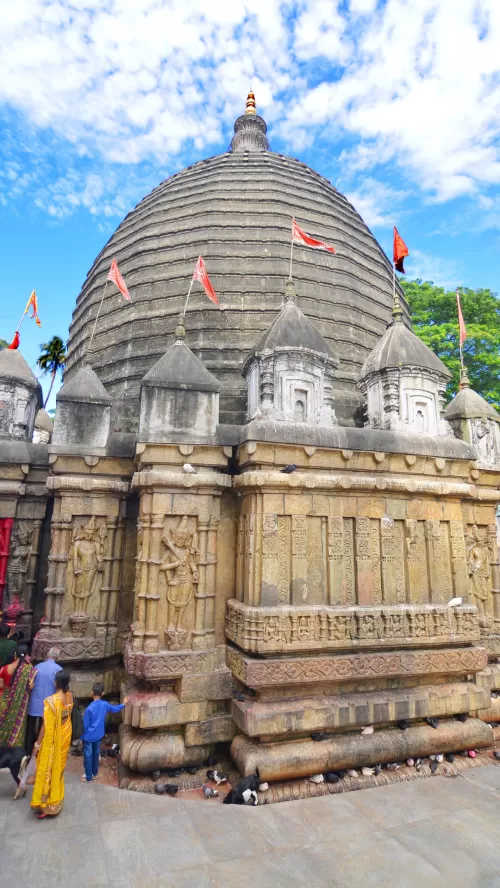
Kamakhya Temple is one of the most revered Shakti Peethas in India and the most important spiritual destination in Assam. Situated atop Nilachal Hill, the temple attracts pilgrims and visitors from across the country who come to seek blessings and experience its centuries-old religious traditions. The temple complex also offers panoramic views of Guwahati and the Brahmaputra River.
Early morning is the preferred time to visit because the weather is pleasant and queues are generally shorter. During major festivals, especially Ambubachi Mela, the temple receives very large numbers of devotees, so visitors should plan accordingly and expect longer waiting times.
Kamakhya Temple combines profound spiritual significance with centuries of history, making it the foremost pilgrimage destination in Assam.
Umananda Temple stands on Peacock Island in the middle of the Brahmaputra River and is dedicated to Lord Shiva. Reaching the temple requires a short ferry ride, making the journey itself a memorable spiritual experience. The peaceful island setting and panoramic river views create a unique atmosphere that distinguishes it from many other temples in the region.
Visitors can combine the temple visit with scenic ferry rides and exploration of the island's walking paths. Morning visits generally offer pleasant weather and fewer crowds, making the experience more comfortable for both pilgrims and tourists.
Umananda Temple offers a rare combination of spirituality, river travel, and scenic beauty in the heart of the Brahmaputra.
Navagraha Temple and Basistha Temple are among Guwahati's important spiritual landmarks. Navagraha Temple is traditionally associated with the nine celestial bodies of Hindu astrology, while Basistha Temple is connected with Sage Vashistha and is surrounded by scenic natural surroundings. Both temples attract pilgrims throughout the year and represent different aspects of Assam's religious heritage.
Visitors often include both temples within a full-day spiritual itinerary alongside Kamakhya Temple and Umananda Temple. Comfortable walking footwear and modest clothing are recommended while exploring these sacred places.
Navagraha Temple and Basistha Temple enrich Guwahati's spiritual landscape through their religious importance and peaceful surroundings.
Hayagriva Madhava Temple is the most prominent spiritual landmark in Hajo and is dedicated to Lord Vishnu in his Hayagriva form. The temple has long attracted Hindu devotees and is also respected by many Buddhists because of historical beliefs associated with the site. Its hilltop location and traditional architecture make it an important religious and cultural destination in Assam.
Visitors can explore the temple complex while enjoying views of the surrounding countryside. Early mornings provide a peaceful atmosphere for worship and sightseeing, especially outside major festival periods.
Hayagriva Madhava Temple represents the rich religious traditions that have made Hajo one of Assam's most significant spiritual destinations.
Powa Mecca is one of Assam's most important Islamic pilgrimage sites and reflects Hajo's remarkable multi-faith heritage. Built during the medieval period, the shrine attracts Muslim devotees from across the region while also serving as an important historical monument. Its peaceful atmosphere encourages respectful visits by travelers interested in Assam's diverse religious traditions.
Visitors should dress modestly, maintain silence, and respect religious practices while exploring the site. Learning about the history of Powa Mecca helps visitors better appreciate Hajo's long-standing tradition of religious harmony.
Powa Mecca highlights the shared spiritual heritage that has made Hajo a unique destination where multiple faiths have flourished together.
Kedareswara Temple is another important Hindu pilgrimage site in Hajo and complements the town's diverse religious landscape. Together with Hayagriva Madhava Temple and Powa Mecca, it reflects the coexistence of Hindu, Muslim, and Buddhist traditions that have shaped Hajo for centuries. This unique combination makes the town unlike any other pilgrimage destination in Assam.
Visitors can comfortably explore Hajo's major spiritual landmarks within a single day while learning about their historical and cultural significance. Respectful behavior is encouraged at every religious site regardless of faith.
Hajo's diverse spiritual landmarks demonstrate Assam's long tradition of religious harmony while offering visitors a deeply meaningful cultural experience.
Auniati Satra is one of the oldest and most respected Vaishnavite monasteries on Majuli Island. Established during the Ahom period, it continues to preserve Assamese Vaishnavite traditions through devotional practices, religious teachings, music, dance, manuscripts, and ceremonial rituals. Visitors experience both the spiritual atmosphere and the living cultural heritage that has flourished here for centuries.
The monastery welcomes respectful visitors interested in understanding its traditions. Modest clothing, quiet behavior, and following local guidance help ensure a meaningful visit while preserving the peaceful environment of this important spiritual institution.
Auniati Satra offers visitors an authentic introduction to Majuli's enduring spiritual traditions and cultural heritage.
Kamalabari Satra is widely recognized for preserving the teachings of the Vaishnavite movement through devotional music, Sattriya dance, literature, and religious education. The monastery continues to play an active role in maintaining Assam's classical performing arts while serving as a center of spiritual learning for devotees and scholars alike.
Visitors often appreciate the peaceful surroundings, traditional prayer halls, and opportunities to learn about the cultural importance of Sattriya traditions. Festival periods may include special performances that further enrich the experience.
Kamalabari Satra beautifully combines spirituality, education, and performing arts while preserving one of Assam's most significant cultural traditions.
Dakhinpat Satra is another important monastery on Majuli that reflects the island's rich Vaishnavite heritage. Known for its religious festivals, devotional ceremonies, and historical importance, the monastery continues to attract pilgrims while preserving traditions established several centuries ago. The peaceful surroundings allow visitors to appreciate both its spiritual significance and architectural character.
Travelers visiting Dakhinpat Satra should allow sufficient time to explore the monastery respectfully while learning about the cultural contributions of Assam's Vaishnavite movement.
Dakhinpat Satra preserves the spiritual traditions that continue to define Majuli as the cultural heart of Assamese Vaishnavism.
Samaguri Satra is internationally known for preserving the traditional art of Assamese mask making, an important part of Vaishnavite cultural performances. Skilled artisans continue to create handcrafted masks used during religious dramas and devotional performances, allowing visitors to witness a living artistic tradition that has been passed down through generations.
Guided visits help explain the connection between mask making, spirituality, and Assamese performing arts. Purchasing locally made handicrafts also supports the continuation of this unique cultural heritage.
Samaguri Satra offers a rare opportunity to experience the artistic traditions that remain closely connected with Assam's spiritual heritage.
Garamur Satra is one of Majuli's respected monasteries where visitors can experience traditional prayer halls, devotional practices, and Assamese Vaishnavite culture. The monastery has played an important role in preserving religious teachings while contributing to literature, music, and community life across the island.
The peaceful environment encourages visitors to spend time understanding the traditions rather than simply sightseeing. Respectful behavior and modest attire help maintain the sanctity of this important religious institution.
Garamur Satra preserves the values of Assamese Vaishnavism while offering visitors a calm and meaningful cultural experience.
Bengenaati Satra is recognized for its historical importance and contributions to Assamese religious literature, manuscripts, and artistic traditions. Although smaller than some of Majuli's better-known monasteries, it remains an important center of Vaishnavite heritage where visitors can appreciate the island's long spiritual history in a peaceful environment.
Visitors interested in history and culture often include Bengenaati Satra alongside other monasteries to gain a broader understanding of Majuli's religious traditions. Quiet observation and respectful conduct are encouraged throughout the visit.
Bengenaati Satra enriches Majuli's spiritual landscape by preserving important chapters of Assam's religious and cultural history.
Sivadol is the most prominent temple in Sivasagar and one of the tallest Shiva temples in Assam. Built during the Ahom period, the temple stands beside the historic Sivasagar Tank and represents the architectural excellence of the Ahom kingdom. Its towering dome and peaceful surroundings attract pilgrims, history enthusiasts, and photographers throughout the year.
Early mornings provide a calm atmosphere for worship and sightseeing, while the reflection of the temple across the nearby tank creates beautiful views for visitors. Comfortable walking paths around the area make it easy to combine the temple with nearby heritage attractions.
Sivadol beautifully represents the spiritual devotion and architectural achievements of the Ahom kingdom while remaining Sivasagar's most important religious landmark.
Located beside Sivadol, Vishnudol and Devidol complete the historic temple complex overlooking Sivasagar Tank. Dedicated to Lord Vishnu and Goddess Durga respectively, these temples reflect the religious diversity and architectural traditions of the Ahom rulers. Their harmonious setting creates one of Assam's finest heritage temple complexes.
Visitors can comfortably explore all three temples during a single visit while appreciating the symmetry, craftsmanship, and historical significance of the complex. Morning and late afternoon provide pleasant weather for sightseeing.
Vishnudol and Devidol complement Sivadol by preserving the architectural and spiritual heritage that defines historic Sivasagar.
The temples of Sivasagar provide an excellent opportunity to understand the architectural style developed during the Ahom dynasty. Distinctive domes, elegant proportions, detailed carvings, and carefully planned temple layouts reflect centuries of craftsmanship while illustrating the close relationship between religion and royal patronage in historic Assam.
Visitors interested in architecture and history should combine the temples with nearby monuments such as Rang Ghar, Talatal Ghar, and Kareng Ghar to gain a complete understanding of Sivasagar's heritage landscape.
The temples of Sivasagar preserve the remarkable architectural legacy of the Ahom kingdom and remain among Assam's finest historical landmarks.
Mahabhairab Temple is one of Tezpur's oldest and most revered temples, dedicated to Lord Shiva. The temple has long served as an important pilgrimage destination while also preserving legends connected with the city's ancient history. Its peaceful atmosphere, traditional architecture, and central location make it a key spiritual attraction for visitors exploring Tezpur.
Morning visits provide a quieter environment for worship and sightseeing. During Maha Shivaratri and other important festivals, the temple attracts large numbers of devotees, creating a vibrant spiritual atmosphere.
Mahabhairab Temple continues to serve as one of Tezpur's most significant spiritual landmarks while preserving its ancient religious traditions.
Bhairabi Temple stands on elevated ground overlooking the surrounding landscapes near Tezpur. Dedicated to Goddess Bhairabi, the temple attracts devotees seeking a peaceful spiritual experience while also offering scenic views of the nearby countryside. Its tranquil setting provides a refreshing contrast to the city's busier attractions.
Visitors can combine the temple with nearby viewpoints and heritage sites during a day of sightseeing. Early mornings and late afternoons offer comfortable temperatures and beautiful natural lighting for photography.
Bhairabi Temple combines spirituality with beautiful natural surroundings, making it one of Tezpur's most peaceful pilgrimage destinations.
Da Parbatia is one of Assam's most important archaeological sites and is especially known for its beautifully carved ancient stone doorway. Although only portions of the original temple remain, the surviving carvings are regarded as outstanding examples of early temple architecture in the region. The site attracts historians, archaeologists, and visitors interested in Assam's ancient heritage.
Visitors should take time to appreciate the intricate stone craftsmanship while learning about the site's historical importance. Combining Da Parbatia with Mahabhairab Temple and Agnigarh provides a well-rounded heritage experience in Tezpur.
Da Parbatia preserves one of Assam's finest examples of ancient stone craftsmanship while highlighting the region's rich architectural heritage.
A visit to Umananda Temple begins with a scenic ferry ride across the Brahmaputra River, making the journey itself an important part of the spiritual experience. Located on Peacock Island, the temple dedicated to Lord Shiva offers pilgrims a peaceful setting surrounded by flowing water and panoramic river views. The combination of river travel and worship creates a distinctive pilgrimage found only in Guwahati.
Regular ferries operate from the Guwahati riverfront, with morning hours providing calmer weather and lighter crowds. Visitors should follow ferry safety instructions, wear comfortable footwear, and allow sufficient time to explore the island after offering prayers.
The ferry journey to Umananda Temple combines devotion with the natural beauty of the Brahmaputra, creating one of Assam's most memorable spiritual experiences.
Traveling to Majuli Island allows visitors to experience Assam's Vaishnavite spiritual heritage through its historic Satras. The ferry crossing over the Brahmaputra gradually leads pilgrims into a peaceful island environment where centuries-old monasteries continue preserving devotional traditions, music, literature, and Sattriya dance. Every visit reflects the island's enduring spiritual identity.
Exploring several Satras over one or two days provides a deeper understanding of Majuli's religious significance. Visitors should dress modestly, maintain respectful behavior inside prayer halls, and seek permission before photographing religious activities.
A spiritual journey to Majuli combines river travel, peaceful monasteries, and centuries of Assamese devotional heritage into one meaningful experience.
Several important temples across Assam are located near rivers, lakes, or historic water bodies that enhance their peaceful atmosphere. Destinations such as Sivadol beside Sivasagar Tank, Mahabhairab Temple in Tezpur, and Umananda Temple on the Brahmaputra allow visitors to combine spiritual exploration with scenic natural surroundings throughout their journey.
Morning visits remain the most comfortable for worship and sightseeing because the weather is pleasant and religious activities begin early. These tranquil settings encourage visitors to spend time appreciating both the spiritual significance and natural beauty of each location.
Riverfront temples across Assam create peaceful pilgrimage experiences where spirituality and nature exist in perfect harmony.
Sukreswar Temple stands on Sukreswar Hill overlooking the Brahmaputra River and is dedicated to Lord Shiva. Although it receives fewer visitors than Kamakhya Temple, it offers a peaceful spiritual atmosphere together with panoramic views of the river and Guwahati. The quiet surroundings make it an excellent destination for travelers seeking a less crowded place of worship.
Morning and evening visits are especially rewarding because the river scenery enhances the peaceful environment. Visitors can combine Sukreswar Temple with nearby riverfront attractions and ferry services for a complete sightseeing experience.
Sukreswar Temple offers visitors a peaceful spiritual experience while overlooking one of the most beautiful stretches of the Brahmaputra River.
Madan Kamdev is one of Assam's most significant archaeological sites, preserving the remains of an ancient temple complex known for its remarkable stone carvings and sculptures. Often compared with other important temple heritage sites in India, it combines historical importance with spiritual value while providing insight into Assam's early temple architecture.
Visitors interested in archaeology, history, and religious heritage should allow sufficient time to explore the site carefully. Reading the historical information displayed at the monument helps visitors better appreciate its cultural significance.
Madan Kamdev preserves one of Assam's most remarkable archaeological treasures while showcasing the artistic excellence of early temple architecture.
Beyond Assam's famous pilgrimage destinations, numerous smaller temples and monasteries preserve centuries of local religious traditions in peaceful settings. Many of these sacred places remain active centers of worship while receiving relatively few tourists, allowing visitors to experience authentic spiritual environments without large crowds.
Travelers exploring these lesser-known destinations should respect local customs, dress appropriately, and seek guidance from temple authorities whenever necessary. Combining well-known pilgrimage sites with quieter spiritual locations creates a more complete understanding of Assam's religious heritage.
Exploring Assam's quieter spiritual destinations reveals the depth and diversity of the state's religious heritage beyond its most famous pilgrimage sites.
Winter, generally from October to March, is considered the most comfortable season for visiting Assam's temples, Satras, monasteries, and other spiritual destinations. Pleasant daytime temperatures, lower humidity, and clear skies make temple exploration, ferry journeys, and heritage sightseeing far more enjoyable than during the hot summer or monsoon months.
The comfortable climate also allows visitors to spend more time exploring temple complexes and nearby heritage attractions without weather-related discomfort. Early mornings and evenings remain ideal for peaceful worship and photography.
Winter provides the most comfortable conditions for exploring Assam's rich spiritual heritage while enjoying peaceful temple visits and cultural experiences.
Religious festivals offer visitors an opportunity to witness Assam's spiritual traditions at their most vibrant. Kamakhya Temple becomes the center of devotion during Ambubachi Mela, while many temples and Satras celebrate important Hindu and Vaishnavite festivals throughout the year with prayers, devotional music, cultural performances, and community gatherings.
Festival periods attract significantly larger crowds, making advance accommodation bookings and early arrivals advisable. Visitors should remain respectful of religious ceremonies and follow guidance from temple authorities while participating in festival celebrations.
Festival visits provide deeper insight into Assam's living spiritual traditions while showcasing the state's rich cultural and religious heritage.
Although many spiritual destinations remain open throughout much of the year, seasonal weather should be considered while planning travel. Heavy monsoon rainfall can affect ferry schedules, road conditions, and outdoor sightseeing, while summer afternoons may be warm for extended temple exploration. Checking weather forecasts before departure helps visitors plan more comfortably.
Flexible itineraries allow travelers to adjust sightseeing according to local conditions while ensuring enough time for temple visits, ferry crossings, and heritage exploration across Assam's diverse spiritual destinations.
Careful seasonal planning helps visitors enjoy Assam's spiritual destinations comfortably while minimizing weather-related travel disruptions.
Assam offers an extraordinary variety of spiritual destinations representing Hinduism, Vaishnavism, Islam, and centuries of shared cultural traditions. Travelers interested in major pilgrimage sites should prioritize Kamakhya Temple, while those seeking spiritual heritage can include Majuli's Satras, Hajo's multi-faith monuments, Sivasagar's Ahom-era temples, and Tezpur's historic shrines.
Selecting destinations according to personal interests allows visitors to experience both famous pilgrimage centers and quieter heritage sites while gaining a broader understanding of Assam's rich religious diversity.
A carefully planned spiritual itinerary reveals the remarkable religious diversity that has shaped Assam's history, culture, and traditions for centuries.
A comprehensive spiritual circuit can begin in Guwahati with Kamakhya Temple, Umananda Temple, Sukreswar Temple, and Navagraha Temple before continuing to Hajo, Majuli, Sivasagar, and Tezpur. This route combines temples, monasteries, archaeological heritage, river journeys, and cultural experiences into a meaningful pilgrimage across Assam.
Allowing several days for travel ensures enough time for worship, sightseeing, ferry crossings, and heritage exploration without rushing between destinations. Advance planning is particularly useful during major festival seasons.
A well-designed spiritual circuit connects Assam's most important sacred destinations while highlighting the state's remarkable religious and cultural legacy.
Visitors should carry comfortable walking footwear, modest clothing suitable for places of worship, drinking water, sun protection, personal medicines, valid identification, and cash for small donations where appropriate. For ferry journeys to river temples or Majuli, waterproof bags can help protect personal belongings and electronic devices.
Before traveling, confirm temple opening hours, festival schedules, ferry timings, accommodation bookings, and local weather conditions. Respect photography restrictions, maintain silence inside prayer areas, follow temple customs, and help preserve the cleanliness and sanctity of every sacred site.
Proper preparation and respectful behavior allow visitors to enjoy Assam's spiritual destinations while honoring the traditions and heritage that make these sacred places so significant.


Get customized Assam tour planning designed around seasonal weather patterns, river conditions, wildlife safari timing, and realistic road travel flow. Whether you are visiting for national parks, tea estate stays, cultural experiences, spiritual sites, o
⚡ Quick Response | 💰 Free consultation | 🕒 24×7 expert support