How Tea is Made in Assam – A Tourist's Guide
Understanding how tea is made in Assam allows travellers to explore plantations, learn traditional processing methods, and experience the journey from fresh tea leaves to the final product.
+91 9910402252
admin@chalbanjare.com


A jeep safari in Kaziranga National Park is the best way to experience Assam’s famous one-horned rhinoceroses, diverse wildlife, wetlands, grasslands, and one of India’s most celebrated safari destinations.
A jeep safari is one of the most popular ways to explore Kaziranga National Park and experience its diverse wildlife landscapes. The open vehicle allows visitors to travel through grasslands, wetlands, forests, and riverine areas while searching for animals in their natural surroundings. The safari experience combines wildlife observation with scenic exploration of the park ecosystem.
Visitors are accompanied by trained drivers and guides who help identify wildlife, explain the habitat, and follow designated routes inside the park. Each safari offers a different experience depending on animal movement and natural conditions.
The jeep safari experience allows visitors to explore Kaziranga's wildlife habitats while understanding the natural environment that supports its biodiversity.
Kaziranga's safari routes pass through different habitats including tall grasslands, forests, wetlands, and areas influenced by the Brahmaputra floodplain. Guided routes help visitors explore these environments while learning about the animals, birds, and vegetation found across the national park.
The guidance of trained safari staff improves wildlife understanding and helps visitors identify species that may otherwise be difficult to notice. Following fixed routes also supports conservation efforts by reducing disturbance to sensitive areas.
Guided jeep routes provide visitors with a deeper understanding of Kaziranga's unique ecosystem and wildlife conservation efforts.
Jeep safaris provide flexibility for travelers who want to explore Kaziranga's different landscapes at a comfortable pace. Unlike larger group vehicles, jeeps can access designated safari routes while offering better viewing opportunities for smaller groups and photography enthusiasts.
The experience is suitable for families, wildlife lovers, and first-time visitors who want a closer connection with nature. Safari routes and availability depend on park regulations and seasonal conditions.
A jeep safari provides a practical and immersive way to experience Kaziranga's wildlife while adapting to different visitor interests.
The Central Range of Kaziranga, located around the Kohora area, is one of the most visited safari zones and is known for offering classic wildlife experiences. The landscape includes grasslands, wetlands, and forest patches where visitors often look for rhinoceroses, elephants, deer, birds, and other wildlife species.
Its convenient location and varied habitat make it a preferred choice for many first-time visitors. Safari experiences still depend on natural wildlife movement and conditions inside the park.
The Central Range provides a balanced introduction to Kaziranga's landscapes and wildlife diversity.
The Western Range, accessed from the Bagori area, is known for open grasslands and opportunities to observe one-horned rhinoceroses in their natural habitat. The landscape provides wide visibility, making it a popular zone among visitors interested in rhino sightings and wildlife photography.
The combination of open terrain and wetland areas creates suitable conditions for observing large mammals and birds. Like all safari zones, sightings depend on seasonal factors and animal activity.
The Western Range offers a rewarding safari experience focused on open landscapes and iconic Kaziranga wildlife.
The Eastern and Burapahar Ranges provide different safari experiences through forest landscapes, wetlands, and quieter areas of Kaziranga. These zones are particularly appealing to visitors interested in birdwatching, natural scenery, and exploring habitats beyond the more frequently visited grassland areas.
The changing landscapes of these ranges showcase the ecological diversity of Kaziranga and offer opportunities to observe different species depending on season and conditions.
The Eastern and Burapahar Ranges provide visitors with a quieter perspective of Kaziranga's forests and biodiversity.
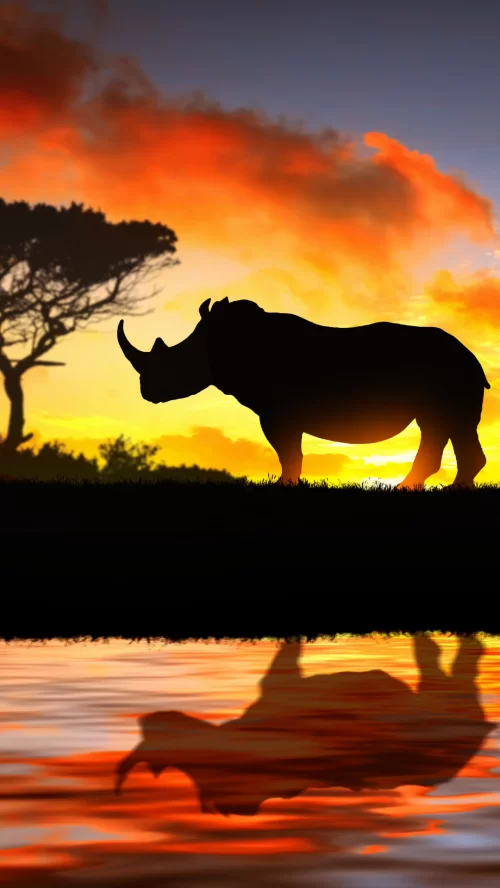
The one-horned rhinoceros is the most iconic wildlife species of Kaziranga National Park and one of the main reasons visitors choose jeep safaris. The park's extensive grasslands and wetlands provide suitable habitats where these large herbivores can often be observed grazing, resting, or moving through their natural surroundings.
Wildlife sightings are never guaranteed because animals move freely across the park, but safari routes provide opportunities to observe rhinoceroses while maintaining safe distances and following conservation guidelines.
Spotting the one-horned rhinoceros in Kaziranga remains one of the most memorable wildlife experiences for visitors exploring the park.
Beyond rhinoceroses, Kaziranga supports a wide range of mammals including elephants, wild buffalo, swamp deer, and other herbivore species. The park's grasslands, forests, and wetlands create diverse habitats where visitors may observe different animals during jeep safaris depending on location, season, and natural movement.
Large mammals are often easier to spot in open areas, while forest sections may require more patience. Safari guides help visitors understand animal behavior and identify species during the journey.
Kaziranga's mammal diversity makes every jeep safari different, with opportunities to observe several important species in their natural habitat.
Kaziranga is also an important destination for birdwatching and supports numerous resident and migratory bird species across its wetlands, grasslands, and forests. Visitors may also encounter reptiles and smaller wildlife species while exploring the park's diverse ecosystems through jeep safaris.
The combination of wetlands, riverine areas, and vegetation creates a rich environment for observing different forms of wildlife beyond large mammals. Carrying binoculars can improve the experience for bird enthusiasts.
Kaziranga's biodiversity extends beyond famous mammals, offering visitors opportunities to explore a complete wildlife ecosystem.
Morning jeep safaris are among the most preferred safari options in Kaziranga because animals are often more active during cooler hours. The early light also creates better conditions for photography while allowing visitors to experience the park's landscapes during a peaceful time of day.
Morning safaris provide opportunities to observe wildlife before daytime temperatures increase. However, animal sightings depend on natural movement, weather conditions, and the selected safari route.
Morning safaris provide a comfortable and rewarding way to begin wildlife exploration inside Kaziranga National Park.
Afternoon jeep safaris offer a different perspective of Kaziranga as changing light conditions and animal activity create a unique experience. The warmer hours may influence wildlife movement, but visitors can still enjoy scenic landscapes, birdwatching, and opportunities to observe animals across safari zones.
Afternoon safaris are useful for travelers who want to experience multiple routes or have limited morning availability. Seasonal weather conditions should be considered while selecting safari timings.
Afternoon safaris provide another opportunity to experience Kaziranga's landscapes and wildlife under changing natural conditions.
Kaziranga safari experiences change with seasons due to weather, vegetation, water levels, and wildlife movement. Winter months generally provide comfortable conditions for visitors, while post-monsoon periods offer lush landscapes. Safari availability and timings may also change depending on park operations and environmental conditions.
Travelers should check current safari schedules before visiting and plan according to seasonal conditions. Flexible planning helps create a smoother wildlife experience.
Understanding seasonal changes helps visitors choose suitable safari timings and enjoy Kaziranga's wildlife landscapes comfortably.
The Central Range of Kaziranga is often preferred by first-time visitors because it provides a balanced introduction to the park's wildlife and landscapes. Located near Kohora, this zone includes grasslands, wetlands, and forest areas where visitors can experience the typical environment associated with Kaziranga National Park.
The range offers opportunities to observe rhinoceroses, elephants, deer, birds, and other wildlife depending on natural conditions. Its convenient location also makes it easier to combine safari experiences with nearby accommodations.
The Central Range provides a complete introduction to Kaziranga's wildlife environment and is suitable for visitors exploring the park for the first time.
The Western Range near Bagori is a popular choice for visitors interested in open landscapes and opportunities to observe large mammals. The area is known for grassland habitats where one-horned rhinoceroses, elephants, wild buffalo, and deer may be seen during safari exploration.
The open terrain provides better visibility in many areas, making it attractive for wildlife photographers and travelers focusing on iconic Kaziranga species. Sightings remain dependent on natural animal movement.
The Western Range offers a rewarding safari experience for visitors looking for open landscapes and chances to observe major wildlife species.
Choosing the right safari zone in Kaziranga depends on visitor interests, available time, and preferred experiences. Some travelers focus on rhinoceros sightings, while others prefer birdwatching, forest landscapes, or photography opportunities. Each range offers different habitats and viewpoints of the national park ecosystem.
Visitors planning multiple safaris can consider exploring different zones to experience the variety of landscapes within Kaziranga. Advance planning helps select suitable routes based on individual expectations.
Selecting safari zones according to personal interests helps visitors create a more satisfying Kaziranga wildlife experience.
Kaziranga's open grasslands provide excellent opportunities for wildlife photography, especially when capturing one-horned rhinoceroses in their natural environment. The combination of tall grasses, wetlands, and soft natural light creates strong landscape compositions while showcasing the relationship between wildlife and habitat.
Early morning safaris are often preferred by photographers because of comfortable temperatures and favorable lighting conditions. Visitors should maintain safe distances and follow safari guidelines while photographing animals.
Photographing rhinoceroses across Kaziranga's grasslands allows visitors to capture one of Assam's most recognizable wildlife experiences.
Kaziranga's wetlands and forest areas provide diverse photography opportunities beyond large mammals. The park supports numerous bird species, aquatic habitats, and changing landscapes that allow photographers to capture a wider view of the ecosystem. Wetlands, trees, water bodies, and wildlife together create varied natural compositions.
Bird photography requires patience and suitable equipment, especially for smaller or distant species. Carrying binoculars and maintaining quiet behavior improves observation opportunities.
Kaziranga's varied habitats allow photographers to capture the complete ecosystem beyond its famous mammals.
The timing of a jeep safari plays an important role in photography because light conditions, animal activity, and weather change throughout the day. Morning safaris usually provide softer light and cooler conditions, while afternoon safaris create different landscape tones and opportunities for observing changing wildlife behavior.
Photographers should consider the season, weather, and preferred subjects while selecting safari timings. Planning multiple safaris can increase opportunities for capturing different environments.
Choosing suitable safari timings helps photographers capture Kaziranga's wildlife and landscapes under better natural conditions.
Jeep safari planning in Kaziranga requires advance preparation, especially during peak tourist seasons when availability can become limited. Visitors need to check safari schedules, available zones, vehicle options, and booking procedures before arrival. Early planning helps travelers secure preferred timings and avoid last-minute difficulties.
Safari availability depends on park operations, seasonal opening periods, and visitor demand. Travelers should confirm current booking requirements through authorized channels before planning their visit.
Advance safari planning helps visitors enjoy a smoother Kaziranga experience with better chances of selecting suitable options.
Kaziranga safari experiences require proper coordination of vehicle permits, safari zones, and timing preferences. Different zones provide different landscapes and wildlife opportunities, so selecting an appropriate area based on interests improves the overall experience. Visitors interested in photography, rhinos, birds, or general wildlife viewing may prefer different safari routes.
Understanding the zone options before booking allows travelers to create a safari plan that matches their expectations while following park regulations.
Proper zone and permit planning helps visitors make the most of their limited safari time inside Kaziranga National Park.
Kaziranga safari operations are influenced by seasonal conditions, weather patterns, and park management decisions. Before traveling, visitors should check whether safari zones are open, confirm operating periods, and understand any changes caused by rainfall, flooding, or conservation requirements.
Planning according to the operating season helps avoid unexpected changes and allows travelers to organize accommodation and transportation more effectively.
Checking seasonal safari availability ensures visitors arrive during suitable conditions for exploring Kaziranga's wildlife landscapes.
Kohora is one of the most convenient areas for travelers visiting Kaziranga National Park, especially those planning Central Range safaris. Staying near the safari gate reduces travel time and makes it easier to reach early morning or afternoon safari departures. The area offers various accommodation options suitable for different travel preferences.
Choosing accommodation close to safari access points allows visitors to manage safari schedules comfortably and spend more time exploring the park and surrounding attractions.
Staying near Kohora provides practical advantages for visitors who want easy access to Kaziranga safari experiences.
Kaziranga offers a variety of accommodation choices including jungle resorts, lodges, and nature stays that allow visitors to remain close to the park environment. These properties provide convenient access to safari areas while offering peaceful surroundings influenced by forests, grasslands, and countryside landscapes.
Travelers can choose accommodations based on location, comfort preferences, budget, and proximity to preferred safari zones. Booking early is recommended during busy travel periods.
Nature stays around Kaziranga allow visitors to enjoy comfortable accommodation while remaining connected with the park environment.
The right accommodation choice can improve the overall Kaziranga experience by reducing travel difficulties and supporting comfortable safari planning. Visitors should consider distance from safari gates, available facilities, transportation support, and suitability for their travel group when selecting a stay.
Families, photographers, and wildlife enthusiasts may have different priorities, so choosing accommodation according to personal needs helps create a smoother visit.
A suitable stay near Kaziranga helps visitors balance comfort, convenience, and time spent exploring the national park.
Winter, generally from November to February, is considered one of the most comfortable periods for experiencing jeep safaris in Kaziranga National Park. Cooler temperatures, pleasant weather, and clearer visibility create suitable conditions for exploring grasslands, wetlands, and forest areas while observing wildlife.
The comfortable climate allows visitors to spend more time outdoors during safari hours. Winter is also preferred by many travelers because it provides good conditions for photography and nature observation.
Winter provides comfortable conditions for visitors who want to explore Kaziranga's wildlife landscapes through jeep safaris.
The post-monsoon period offers visitors the opportunity to experience Kaziranga's landscapes with fresh greenery, filled wetlands, and vibrant natural surroundings. The park appears refreshed after rainfall, creating attractive scenery for wildlife viewing and photography. The months following monsoon can provide beautiful landscapes across grasslands and forest areas.
Visitors should consider local conditions and park operations before planning their safari, as weather changes may affect accessibility and wildlife movement.
Post-monsoon months provide a visually attractive safari experience with greener landscapes and refreshed natural surroundings.
Kaziranga National Park operates seasonally, and safari availability depends on park management decisions, weather conditions, and environmental factors. Heavy monsoon rainfall can affect park accessibility because of flooding and changing river conditions, while other months provide more suitable safari opportunities.
Travelers should confirm current opening dates, safari availability, and weather conditions before planning their visit. Flexible arrangements help manage seasonal changes effectively.
Understanding seasonal operations helps visitors choose suitable periods for a safe and enjoyable Kaziranga jeep safari.
Selecting the right safari zone depends on what visitors hope to experience inside Kaziranga National Park. Some travelers prefer Central Range for a classic introduction, while others choose Western Range for open grasslands and rhinoceros sightings. Eastern and Burapahar areas appeal to visitors interested in forests, birds, and different landscapes.
Understanding zone characteristics before booking helps travelers match their expectations with suitable safari routes and create a more rewarding wildlife experience.
Choosing suitable safari zones helps visitors explore Kaziranga according to their wildlife interests and travel preferences.
A smooth Kaziranga visit requires coordinating safari bookings, accommodation, and transportation arrangements together. Staying near preferred safari gates reduces travel time, while advance planning helps secure suitable safari slots during busy periods. Transportation planning is also important for visitors combining Kaziranga with nearby Assam destinations.
Considering all travel elements together creates a more comfortable itinerary and allows visitors to focus on wildlife experiences without unnecessary delays.
Integrated planning of safari, stay, and transport helps visitors enjoy a hassle-free Kaziranga wildlife journey.
Before visiting Kaziranga for a jeep safari, travelers should prepare essential items including comfortable clothing, weather protection, personal medicines, identification documents, camera equipment, binoculars, and booking confirmations. Carrying suitable gear improves comfort during outdoor exploration and helps visitors enjoy longer safari experiences.
Travelers should check safari timings, weather conditions, park guidelines, and local updates before departure. Following wildlife rules, avoiding disturbance to animals, and respecting the natural environment are important parts of responsible safari travel.
Proper preparation ensures visitors can enjoy Kaziranga jeep safari experiences safely while respecting the park's wildlife and environment.


Get customized Assam tour planning designed around seasonal weather patterns, river conditions, wildlife safari timing, and realistic road travel flow. Whether you are visiting for national parks, tea estate stays, cultural experiences, spiritual sites, o
⚡ Quick Response | 💰 Free consultation | 🕒 24×7 expert support