


How Tea is Made in Assam – A Tourist's Guide
Understanding how tea is made in Assam allows travellers to explore plantations, learn traditional processing methods, and experience the journey from fresh tea leaves to the final product.
+91 9910402252
admin@chalbanjare.com


Assam is one of Northeast India’s most accessible destinations, offering wildlife, tea gardens, cultural attractions and river landscapes while remaining a comfortable destination for both family and solo travelers.
Assam is one of the most visited destinations in Northeast India and attracts travelers because of its wildlife reserves, tea gardens, cultural heritage, river landscapes, historical sites, and unique regional experiences. Destinations such as Guwahati, Kaziranga National Park, Majuli, Sivasagar, Haflong, and Manas National Park welcome visitors from across India as well as international tourists throughout the year.
The state's tourism appeal comes from its diversity. Travelers can experience wildlife safaris, tea estate stays, spiritual attractions, river island culture, and nature-focused journeys within a single trip. As tourism has grown over the years, many destinations have developed facilities that support family travel, solo exploration, and organized tours.
Most visitors complete their journeys without major difficulties and enjoy positive travel experiences. Like any destination, however, safety depends on preparation, awareness, and responsible travel behavior. Understanding local conditions helps travelers enjoy the state with confidence.
Assam's popularity among domestic and international travelers reflects its reputation as an accessible and rewarding destination. Most safety concerns can be managed effectively through proper planning and common travel awareness.
Tourism infrastructure in Assam has improved considerably in recent years. Major destinations offer a range of accommodation options, transportation services, restaurants, local guides, and sightseeing facilities. Cities such as Guwahati act as important tourism hubs, while destinations such as Kaziranga and Majuli have developed services specifically designed for visitors.
Most tourism regions are accustomed to receiving travelers and generally provide environments where visitors can explore comfortably. Hotels, resorts, guesthouses, homestays, and transportation providers operate across many parts of the state, making trip planning relatively straightforward.
Visitor experiences vary depending on destination, season, and travel style. Urban areas provide modern services and connectivity, while rural and nature-focused destinations offer quieter environments that may require more planning. Understanding these differences helps travelers select destinations that match their comfort levels.
Travelers who understand the nature of their chosen destinations generally find Assam comfortable and accessible. Tourism facilities support a wide range of travel styles and budgets.
A realistic approach to safety is one of the best ways to enjoy Assam. The state is neither completely risk-free nor unusually dangerous. Most travel experiences are positive, particularly when visitors follow common travel precautions and remain aware of their surroundings.
Travelers should approach Assam in the same way they would approach any unfamiliar destination. Choosing reputable accommodation, using trusted transportation providers, securing valuables, and staying informed about local conditions are sensible practices that help minimize potential issues.
| Safety Factor | Travel Reality |
|---|---|
| Major Tourist Areas | Generally comfortable for visitors. |
| Family Travel | Widely practiced across the state. |
| Solo Travel | Common in popular destinations. |
| Tourism Infrastructure | Good in major tourism regions. |
| Travel Awareness | Always recommended. |
| Overall Experience | Positive for most travelers. |
Travelers who combine preparation with common sense generally find Assam to be a comfortable destination. Safety is best viewed as a combination of awareness, planning, and responsible decision-making throughout the journey.
Assam is widely considered a family-friendly destination because it offers a variety of attractions that appeal to travelers of different age groups. Wildlife parks, tea gardens, cultural landmarks, river landscapes, and historical sites create opportunities for families to enjoy nature, learning experiences, and sightseeing within a relatively comfortable travel environment.
Destinations such as Kaziranga National Park, Guwahati, Majuli, Sivasagar, and selected tea estate regions are particularly popular among families. Children often enjoy wildlife safaris and nature experiences, while adults appreciate cultural attractions, scenic landscapes, and local traditions. This variety helps create balanced itineraries suitable for multi-generational travel groups.
Many family travelers choose Assam because the state offers both relaxation and exploration without requiring extreme physical activity. Attractions can often be enjoyed at a comfortable pace, making the destination suitable for travelers with varying interests and energy levels.
Families seeking a mix of wildlife, culture, and nature often find Assam highly rewarding. The variety of attractions helps create engaging experiences for travelers of all ages.
Family travel is supported by a broad range of accommodations and transportation services across major tourism destinations. Travelers can choose from hotels, resorts, tea estate stays, wildlife lodges, guesthouses, and homestays depending on their comfort requirements and budget.
Transportation networks connect many of Assam's most popular destinations, allowing families to move between attractions with relative ease. Guwahati serves as the primary gateway and provides access to much of the state's tourism circuit through road, rail, and air connections.
Families often benefit from planning accommodation near major attractions to reduce travel fatigue. Choosing comfortable transportation options and maintaining realistic daily schedules can further improve the overall travel experience.
The availability of accommodation and transportation options makes Assam accessible for families. Planning according to comfort needs helps ensure a smooth and enjoyable journey.
Families traveling with children and senior citizens should focus on comfort, manageable travel times, and balanced sightseeing schedules. Although Assam's attractions are diverse, attempting to cover too many destinations in a short period can lead to unnecessary fatigue.
Selecting a few well-connected destinations often results in a more enjoyable experience than attempting an extensive state-wide itinerary. Wildlife parks, tea estates, cultural sites, and riverside destinations can usually be combined comfortably without excessive travel demands.
| Family Travel Factor | Suitability |
|---|---|
| Wildlife Tourism | Excellent |
| Senior Citizen Travel | Good with proper planning. |
| Child-Friendly Experiences | Excellent |
| Accommodation Availability | Excellent |
| Travel Convenience | Very Good |
| Multi-Generational Travel | Good |
With realistic planning and comfortable pacing, Assam can be an excellent destination for family vacations. Most families enjoy safe and memorable experiences while exploring the state's wildlife, culture, and natural beauty.
Assam is a destination that many travelers explore independently every year. Solo travelers visit the state for wildlife tourism, cultural exploration, tea estate experiences, photography, nature travel, and long road journeys across different regions. Major destinations are accustomed to receiving visitors from various parts of India and abroad, making independent travel relatively common.
Cities such as Guwahati serve as convenient starting points because they offer transportation networks, accommodation choices, restaurants, and travel services that help solo travelers move comfortably between destinations. Popular tourism circuits connecting Kaziranga, Majuli, Jorhat, Dibrugarh, Sivasagar, and other attractions can usually be navigated without major difficulties when planned properly.
Like any destination, solo travelers benefit from staying informed about local conditions, confirming transportation arrangements in advance, and maintaining awareness while exploring unfamiliar places. Most visitors who travel responsibly enjoy positive and memorable experiences throughout the state.
Solo travelers who plan their journeys carefully generally find Assam accessible and rewarding. The state's combination of nature, culture, and hospitality makes it attractive for independent exploration.
Several destinations in Assam are particularly popular among solo travelers because they offer strong tourism infrastructure and interesting experiences. Guwahati often serves as the entry point and provides access to cultural attractions, temples, museums, and transportation connections throughout the region.
Kaziranga National Park attracts wildlife enthusiasts and photographers who travel independently to experience safari activities and nature tourism. Majuli appeals to travelers seeking cultural immersion, village experiences, and slower-paced exploration. Tea-growing regions around Jorhat and Dibrugarh also attract visitors interested in plantation landscapes and local heritage.
These destinations are frequently included in solo travel itineraries because they offer a combination of accessibility, accommodation choices, and established tourism services. Travelers who stick to well-known tourism routes generally find trip planning easier and more predictable.
Most solo travelers focus on destinations with established tourism infrastructure. These locations provide a comfortable balance between exploration, convenience, and safety.
Practical travel awareness is one of the most important factors contributing to a successful solo trip. Travelers should share itinerary details with trusted contacts, keep emergency numbers accessible, and use reliable accommodation and transportation providers whenever possible.
It is also advisable to research destinations in advance, understand local transportation options, and remain aware of surroundings when arriving in unfamiliar locations. Avoiding unnecessary risks and making informed decisions helps reduce the likelihood of travel-related problems.
| Solo Travel Practice | Benefit |
|---|---|
| Advance Planning | Improves travel confidence. |
| Trusted Accommodation | Enhances comfort and security. |
| Verified Transportation | Reduces travel uncertainty. |
| Awareness of Surroundings | Supports safe exploration. |
| Sharing Travel Plans | Provides additional reassurance. |
| Flexible Scheduling | Improves overall travel experience. |
Solo travelers who combine preparation with common travel awareness generally enjoy Assam comfortably. Most challenges can be avoided through sensible planning and responsible decision-making.
Women traveling independently in Assam often benefit from selecting accommodations and transportation providers with strong reputations and positive visitor feedback. Major tourism destinations offer a variety of hotels, guesthouses, resorts, and homestays that regularly host domestic and international travelers, including women traveling alone.
Choosing accommodation in well-connected areas can provide additional convenience, particularly for travelers arriving late or planning early departures. Reliable transportation arrangements are equally important. Confirming bookings in advance and using established services helps create a smoother travel experience.
Most solo women travelers who prioritize planning and awareness enjoy comfortable journeys across Assam's popular tourism regions. Preparation remains one of the most effective ways to improve confidence while traveling independently.
Careful selection of accommodation and transportation often contributes significantly to a positive travel experience. These simple steps help create a more comfortable and predictable journey.
Understanding local customs can help travelers interact respectfully with communities and enjoy a smoother experience throughout their journey. Assam is culturally diverse, and visitors often encounter different traditions, languages, and lifestyles across various regions of the state.
Respectful behavior, appropriate dress according to circumstances, and polite interaction with local communities are generally appreciated. Travelers who approach destinations with cultural sensitivity often find local interactions more comfortable and rewarding.
Responsible travel practices also include staying informed about destination-specific conditions, respecting local regulations, and avoiding unnecessary risks. These habits contribute to both personal safety and positive relationships with local communities.
Travelers who combine awareness with cultural sensitivity often enjoy meaningful and comfortable experiences while exploring Assam independently.
The general safety considerations for women traveling alone in Assam are similar to those recommended for independent travelers in most destinations. Maintaining awareness, planning transportation carefully, keeping valuables secure, and avoiding unnecessary risks are practical measures that support a smooth journey.
Most tourism destinations operate normally and receive visitors throughout the year. However, independent travelers should remain attentive when arriving in unfamiliar locations, particularly during late hours or while navigating new transportation systems. Awareness and preparation remain valuable tools for reducing uncertainty.
| Safety Practice | Importance |
|---|---|
| Research Destinations | Essential |
| Trusted Accommodation | Highly Recommended |
| Verified Transportation | Highly Recommended |
| Awareness of Surroundings | Essential |
| Secure Valuables | Important |
| Responsible Travel Behavior | Important |
Women solo travelers who plan carefully, remain aware of their surroundings, and follow common travel precautions generally enjoy Assam safely and comfortably. The state's major tourism destinations continue to attract independent travelers seeking wildlife, culture, nature, and unique regional experiences.
Most visitors to Assam spend their time in well-known tourism destinations such as Guwahati, Kaziranga, Majuli, and Haflong. These locations regularly receive domestic and international travelers and form the core of many Assam itineraries. Each destination offers different experiences, but all have established tourism activity that supports visitors throughout the year.
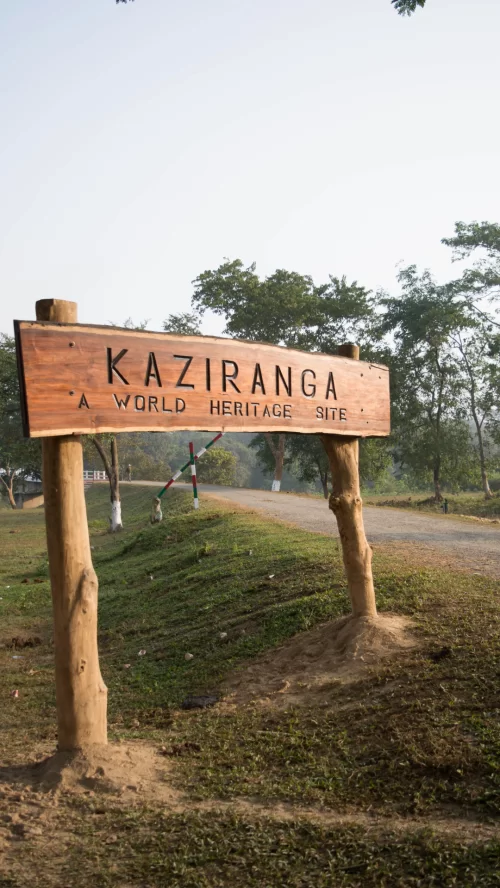
Guwahati serves as the primary gateway to Assam and provides urban infrastructure, transportation connections, accommodation options, and access to major attractions. Kaziranga is one of India's most famous wildlife destinations and welcomes large numbers of nature enthusiasts, photographers, and families. Majuli offers cultural experiences through village life, monasteries, and river island traditions, while Haflong attracts travelers seeking hill station scenery and quieter surroundings.
Travelers who remain aware of their surroundings, use reliable transportation, and plan accommodations carefully generally experience these destinations comfortably. Most tourism-related activities occur in areas accustomed to receiving visitors, which contributes positively to the overall travel experience.
These destinations form the foundation of Assam tourism and are among the most accessible places for travelers exploring the state for the first time.
Tourism facilities vary by destination but are generally strongest in locations that receive significant visitor traffic. Guwahati offers the widest range of hotels, transportation options, restaurants, and tourism services. Kaziranga has developed accommodation and safari infrastructure designed specifically for wildlife tourism.
Majuli provides a more rural travel experience, with homestays, guesthouses, and local tourism services supporting visitors. Haflong offers a smaller tourism environment but continues to attract travelers looking for mountain scenery and quieter surroundings. Accessibility can differ between destinations, making advance planning useful when designing itineraries.
Travelers should research accommodation, transportation, and sightseeing options before arrival. Understanding destination-specific facilities helps avoid unnecessary confusion and allows visitors to select locations that match their comfort requirements.
Most major attractions are accessible when planned properly. Travelers who understand local infrastructure and transportation options usually experience smoother journeys throughout Assam.
Crowded tourist areas naturally require a higher level of awareness than quieter destinations. Transportation hubs, popular sightseeing areas, markets, festivals, and major attractions often bring together large numbers of visitors. Maintaining awareness in these environments is a practical habit that supports safe and comfortable travel.
Travelers should keep personal belongings secure, avoid displaying valuables unnecessarily, and remain attentive while navigating busy public areas. These are standard travel precautions applicable in most destinations and are not unique to Assam.
Crowded locations can also create opportunities for occasional overpricing or aggressive tourist-focused services. Politely verifying prices, confirming arrangements before making purchases, and using trusted providers help reduce misunderstandings and improve the overall experience.
| Tourist Area | Recommended Practice |
|---|---|
| Markets | Confirm prices before purchasing. |
| Transportation Hubs | Keep belongings secure. |
| Popular Attractions | Stay aware of surroundings. |
| Festival Areas | Plan movements carefully. |
| Crowded Sightseeing Zones | Maintain general travel awareness. |
Simple awareness and common travel sense are usually sufficient in major tourism destinations. Most visitors enjoy these locations without difficulty while exploring Assam's cultural and natural attractions.
Road travel is one of the most common ways to explore Assam because many of the state's attractions are connected through highway and regional road networks. Travelers frequently move between Guwahati, Kaziranga, Jorhat, Dibrugarh, Sivasagar, Majuli access points, and other destinations by road. Understanding route conditions helps visitors plan more realistic and comfortable journeys.
Major highways generally provide the best travel experience, while smaller regional roads can vary depending on location, weather conditions, and maintenance schedules. Travel times are often longer than distances may suggest, particularly in rural areas where traffic, road conditions, and local factors influence driving speeds.
Visitors should avoid assuming that all roads offer identical travel conditions. Researching routes before departure and allowing additional time between destinations helps reduce travel stress and supports safer journey planning.
Travelers who understand local driving realities generally experience more comfortable and predictable road journeys throughout the state.
Safe road travel begins with choosing reliable transportation and maintaining realistic daily schedules. Many visitors hire experienced drivers, use organized transportation services, or travel through established tourism operators when moving between destinations.
Long-distance travel days should be planned carefully to avoid unnecessary fatigue. Attempting to cover too many destinations within limited timeframes often creates rushed itineraries and reduces overall travel comfort. Families and senior travelers especially benefit from balanced schedules that allow adequate rest between journeys.
Travelers should also monitor weather conditions before departure, particularly during monsoon periods when rainfall can influence travel times. Preparation remains one of the most effective ways to support a safe and comfortable journey.
Most travelers complete road journeys without difficulty when routes are planned carefully and transportation arrangements are chosen responsibly.
Weather plays an important role in determining road travel conditions across Assam. During monsoon, rainfall can influence visibility, driving speeds, and route accessibility in some areas. Winter generally provides more predictable travel conditions and is often preferred by visitors seeking easier transportation experiences.
Travelers should evaluate seasonal conditions when designing itineraries. Understanding how weather affects transportation helps visitors choose appropriate travel times and avoid unrealistic schedules. Flexible planning is particularly valuable during periods of changing weather.
| Road Travel Factor | Planning Consideration |
|---|---|
| Highway Travel | Generally more predictable. |
| Regional Routes | Conditions may vary. |
| Monsoon Travel | Allow extra travel time. |
| Winter Travel | Often more comfortable. |
| Long Journeys | Plan regular breaks. |
| Route Research | Always recommended. |
Road travel remains one of the best ways to experience Assam's landscapes, wildlife destinations, and cultural attractions. Proper planning, awareness of seasonal conditions, and realistic scheduling help ensure a safe and enjoyable journey.
Most tourism experiences in Assam are straightforward and enjoyable, but travelers should be aware that occasional overpricing can occur in some tourist-focused areas. This is not unique to Assam and is common in many destinations where visitors may be unfamiliar with local pricing. Transportation services, sightseeing arrangements, and certain purchases sometimes require additional attention before finalizing payments.
The best approach is to confirm costs in advance and maintain clear communication regarding services being provided. Travelers who understand approximate prices and compare available options generally avoid misunderstandings. This becomes particularly useful when visiting popular destinations that receive large numbers of tourists.
Most service providers operate professionally and depend on positive visitor experiences. However, a small amount of preparation helps travelers make informed decisions and enjoy their trip with greater confidence.
Awareness rather than concern is the most effective approach. Travelers who verify information and make informed choices generally experience very few issues during their journey.
Transportation and local tourism services play an important role in many Assam itineraries. Whether booking wildlife safaris, arranging transfers, hiring local vehicles, or planning sightseeing tours, travelers benefit from verifying service providers before making commitments.
Checking accommodation recommendations, transportation arrangements, and tour details in advance helps avoid confusion later. Reputable operators usually provide clear information regarding schedules, services, and costs. Travelers should avoid making decisions solely based on unsolicited offers without understanding what is included.
Families, solo travelers, and first-time visitors often find that advance research significantly improves convenience and reduces uncertainty during the trip.
Most travel services operate normally and professionally. Verification simply helps travelers make informed choices and enjoy smoother experiences throughout their journey.
Exploring unfamiliar destinations is one of the most rewarding aspects of travel, but it also requires awareness and preparation. Visitors should familiarize themselves with destination-specific conditions, transportation options, local customs, and seasonal factors before arrival.
Travelers who stay informed are generally better prepared to adapt to changing circumstances and avoid unnecessary complications. Understanding distances, travel times, weather conditions, and accommodation locations helps create more realistic expectations and better travel decisions.
| Travel Practice | Benefit |
|---|---|
| Research Destinations | Improves planning quality. |
| Verify Services | Reduces misunderstandings. |
| Confirm Costs | Supports informed decisions. |
| Understand Local Conditions | Improves travel confidence. |
| Stay Updated on Weather | Supports smoother travel. |
| Plan Transportation Carefully | Enhances convenience. |
The majority of travel-related issues can be avoided through preparation and awareness. Staying informed allows visitors to focus on enjoying Assam's attractions rather than dealing with preventable inconveniences.
Monsoon is one of the most important seasons in Assam because rainfall shapes the state's rivers, wetlands, forests, wildlife habitats, and agricultural landscapes. During this period, travelers encounter lush greenery and dramatic scenery, but they should also expect weather-related challenges that can influence transportation and sightseeing activities.
Rainfall intensity varies across regions and throughout the season. Visitors may experience occasional delays, changing travel conditions, and adjustments to outdoor plans. Travelers who are comfortable with flexibility often enjoy the environmental beauty of the season, while those seeking predictable travel conditions may prefer winter.
Understanding monsoon realities before arrival helps visitors set realistic expectations and plan itineraries that accommodate changing weather conditions.
Monsoon can be highly rewarding for nature enthusiasts, but travelers should approach the season with flexibility and realistic expectations regarding weather conditions.
Winter is widely regarded as the most comfortable season for tourism in Assam. Cooler temperatures, lower humidity, clearer weather, and more predictable travel conditions make it easier to explore wildlife destinations, tea gardens, cultural attractions, and historical sites.
Wildlife tourism is particularly popular during winter because conditions are generally more favorable for outdoor exploration and safari activities. Families, first-time visitors, photographers, and travelers seeking convenience often choose this season because it supports a wide range of tourism experiences.
The combination of pleasant weather and strong tourism infrastructure creates an environment where visitors can comfortably explore multiple destinations without significant seasonal challenges.
Travelers seeking convenience and ease of exploration often find winter to be the most suitable time for visiting Assam.
The ideal season depends on individual travel goals. Visitors interested in wildlife, comfortable sightseeing, and predictable travel conditions often prefer winter. Travelers interested in environmental beauty, lush greenery, and seasonal transformation may appreciate monsoon despite the additional challenges.
Rather than asking which season is objectively better, travelers should focus on which season aligns most closely with their interests, comfort preferences, and itinerary requirements. Understanding these differences helps ensure a more satisfying experience.
| Travel Goal | Preferred Season |
|---|---|
| Wildlife Tourism | Winter |
| Comfortable Sightseeing | Winter |
| Green Landscapes | Monsoon |
| Nature Photography | Monsoon or Winter |
| Family Travel | Winter |
| Flexible Nature Exploration | Monsoon |
Both seasons offer rewarding experiences, but they emphasize different aspects of Assam. Choosing the right season is often the most important step in planning a successful trip.
Families and senior citizens often enjoy Assam most when destinations are selected according to comfort, accessibility, and travel pace. The state offers a wide variety of attractions ranging from wildlife reserves and tea gardens to cultural sites and riverside destinations. However, not every location provides the same level of convenience, making destination selection an important part of travel planning.
Guwahati, Kaziranga, selected tea estate regions, and major cultural destinations generally provide stronger tourism infrastructure and easier access to accommodation, transportation, and essential services. These locations are often preferred by travelers seeking a comfortable and relaxed travel experience.
When planning trips with children or elderly travelers, it is often beneficial to prioritize quality experiences over the number of destinations visited. A slower pace allows visitors to enjoy attractions without unnecessary fatigue and creates a more enjoyable overall journey.
Careful destination selection helps ensure that family members of all ages can enjoy Assam's attractions comfortably while minimizing travel-related stress.
One of the most common mistakes families make is underestimating travel times between destinations. Assam is a large state, and although many attractions are connected by road networks, journeys can still take longer than expected depending on traffic, route conditions, and seasonal factors.
Families and senior travelers generally benefit from itineraries that avoid excessive daily travel. Spending more time at fewer destinations often results in a more relaxed experience than attempting to visit multiple locations within a short period. This approach reduces fatigue and allows travelers to fully appreciate each destination.
Balanced schedules are especially important when wildlife safaris, cultural exploration, and road travel are combined within the same itinerary. Allowing adequate time between activities contributes significantly to overall comfort.
Travelers who plan realistic schedules usually enjoy Assam more because they spend less time rushing between attractions and more time experiencing the destination itself.
A successful family itinerary should accommodate the interests and comfort requirements of different age groups. Children may enjoy wildlife experiences and outdoor attractions, while senior travelers often appreciate comfortable accommodations, cultural sites, scenic drives, and manageable sightseeing schedules.
Combining nature, culture, and relaxation often creates the best results for multi-generational travel groups. Flexible itineraries allow families to adjust plans according to weather, energy levels, and individual preferences without creating unnecessary pressure.
| Travel Factor | Recommendation |
|---|---|
| Daily Travel Distance | Keep manageable and realistic. |
| Accommodation Choice | Prioritize comfort and accessibility. |
| Sightseeing Pace | Relaxed and flexible. |
| Family Activities | Balance nature and culture. |
| Senior Citizen Comfort | Allow regular rest periods. |
| Trip Planning | Avoid overpacked itineraries. |
Families and senior travelers generally find Assam enjoyable when travel plans prioritize comfort, realistic scheduling, and balanced sightseeing opportunities. Thoughtful planning helps create a safe and rewarding experience for all age groups.
Wildlife tourism is one of Assam's most important attractions, particularly in destinations such as Kaziranga National Park, Manas National Park, Orang National Park, and Pobitora Wildlife Sanctuary. These protected areas allow visitors to observe animals in their natural habitats, but they also require responsible behavior and adherence to safety guidelines.
Safari experiences are designed to provide safe wildlife viewing opportunities while protecting both visitors and animals. Travelers should always follow instructions provided by guides, drivers, and park authorities. Remaining within designated areas and respecting park regulations helps ensure a safe and enjoyable experience.
Visitors should remember that wildlife areas are natural environments rather than controlled attractions. Respecting these environments is essential for maintaining safety and supporting conservation efforts.
Responsible behavior significantly improves wildlife tourism experiences and helps maintain the safety standards that support tourism in Assam's protected areas.
Wildlife destinations provide unique opportunities to experience nature, but visitors should understand that animals behave according to natural instincts rather than tourist expectations. Responsible travel involves maintaining appropriate distances, avoiding disruptive behavior, and respecting the environment.
Visitors should avoid actions that may disturb wildlife or interfere with natural habitats. Loud noises, inappropriate interactions, and behavior that distracts animals from their normal activities can negatively affect both wildlife and visitor experiences.
Photography enthusiasts should also prioritize ethical wildlife observation. Patience and respect for animals often result in more rewarding experiences than attempting to force close encounters or disrupt natural behavior.
Travelers who approach wildlife tourism responsibly often enjoy more meaningful experiences while contributing positively to conservation and sustainable tourism efforts.
Proper planning is essential when visiting wildlife destinations. Travelers should understand seasonal conditions, park accessibility, transportation arrangements, and safari schedules before arrival. This preparation helps create a smoother experience and reduces uncertainty during the trip.
Visitors should also consider weather conditions, particularly during monsoon periods when accessibility and tourism operations may differ from peak seasons. Researching destination-specific conditions before departure allows travelers to make informed decisions and plan realistic itineraries.
| Wildlife Travel Practice | Benefit |
|---|---|
| Advance Planning | Improves trip organization. |
| Following Park Rules | Supports visitor safety. |
| Responsible Wildlife Viewing | Enhances experiences. |
| Weather Awareness | Improves travel preparation. |
| Using Authorized Services | Supports reliable tourism experiences. |
| Respecting Conservation Goals | Benefits wildlife and visitors. |
Wildlife tourism in Assam can be both safe and rewarding when travelers prepare properly, respect regulations, and approach natural environments responsibly. These simple practices help ensure positive experiences while supporting the conservation efforts that make Assam's wildlife destinations so special.
Planning a safe trip to Assam begins with understanding the type of experience you want to have and selecting destinations that match your travel style. Families often prioritize comfort, accessibility, wildlife attractions, and balanced sightseeing schedules, while solo travelers may focus on cultural exploration, photography, nature experiences, and independent travel opportunities.
Regardless of travel style, preparation remains the most important factor. Choosing reliable accommodation, confirming transportation arrangements, understanding seasonal conditions, and researching destinations in advance help create a more predictable and comfortable journey. These simple steps contribute significantly to travel confidence and overall enjoyment.
Most visitors who plan responsibly enjoy positive experiences throughout Assam. The state's tourism destinations regularly welcome travelers from different backgrounds and offer a wide range of attractions suitable for various interests and budgets.
Whether traveling independently or with family, thoughtful planning helps ensure a safer and more rewarding experience while exploring Assam's diverse landscapes and attractions.
Not every destination is equally suitable for every traveler. Families with children may prefer destinations such as Guwahati, Kaziranga, and tea estate regions that provide strong tourism infrastructure and comfortable accommodations. Nature enthusiasts may prioritize wildlife reserves and countryside experiences, while cultural travelers may focus on Majuli and historical attractions.
Travelers should consider factors such as accessibility, travel distances, weather conditions, accommodation quality, and personal interests before finalizing their itinerary. Choosing destinations that align with expectations often has a greater impact on satisfaction than attempting to visit as many locations as possible.
Comfort-focused travelers generally benefit from slower itineraries, while experienced explorers may choose more ambitious routes. Understanding personal travel preferences helps create realistic and enjoyable plans.
| Traveler Type | Recommended Focus |
|---|---|
| Family Travelers | Comfort and accessibility. |
| Solo Travelers | Flexible exploration and planning. |
| Nature Enthusiasts | Wildlife and scenic destinations. |
| Cultural Travelers | Heritage and local experiences. |
| Senior Citizens | Comfortable and relaxed itineraries. |
| First-Time Visitors | Well-established tourism circuits. |
Selecting destinations according to comfort requirements and travel goals often results in safer, more enjoyable journeys and better overall travel experiences.
Before finalizing travel plans, visitors should review transportation arrangements, accommodation bookings, seasonal weather conditions, sightseeing priorities, and travel budgets. Taking time to organize these details helps minimize uncertainty and improves the overall quality of the trip.
Travelers should also maintain flexibility, particularly when visiting during monsoon periods or exploring multiple destinations. Allowing extra travel time, monitoring weather forecasts, and keeping important contact information accessible can make journeys more comfortable and manageable.
| Pre-Trip Checklist | Importance |
|---|---|
| Book Accommodation | Essential |
| Confirm Transportation | Essential |
| Check Seasonal Conditions | Important |
| Plan Sightseeing Priorities | Important |
| Keep Emergency Contacts | Recommended |
| Allow Flexible Scheduling | Highly Recommended |
| Research Destinations | Essential |
Assam is generally a rewarding destination for families, solo travelers, nature enthusiasts, and cultural explorers. Most visitors enjoy safe and memorable journeys when they combine preparation, awareness, and realistic expectations. By planning thoughtfully and respecting local conditions, travelers can confidently experience the wildlife, landscapes, heritage, and hospitality that make Assam one of Northeast India's most fascinating destinations.


Get customized Assam tour planning designed around seasonal weather patterns, river conditions, wildlife safari timing, and realistic road travel flow. Whether you are visiting for national parks, tea estate stays, cultural experiences, spiritual sites, o
⚡ Quick Response | 💰 Free consultation | 🕒 24×7 expert support