
How Tea is Made in Assam – A Tourist's Guide
Understanding how tea is made in Assam allows travellers to explore plantations, learn traditional processing methods, and experience the journey from fresh tea leaves to the final product.
+91 9910402252
admin@chalbanjare.com


Assam is a budget-friendly destination for most travellers, with costs depending on transport choices, accommodation standards, wildlife activities, and the number of destinations included.
The overall cost of travelling in Assam depends on the route, number of travel days, accommodation category, transport arrangement, activities, and season. A short Guwahati and Kaziranga trip generally costs less than a longer circuit covering Majuli, Sivasagar, Manas National Park, Haflong, and remote tea-growing regions. Assam’s major attractions are spread across different parts of the state, so road transportation often forms a significant part of the total budget. Travellers who include several distant destinations must account for longer cab usage, fuel expenses, driver allowances, and additional overnight stays.
Wildlife activities can also noticeably increase the trip cost. Jeep safaris, forest entry charges, guide fees, camera charges, and transfers to safari gates are usually separate from regular sightseeing expenses. Similarly, visiting Majuli may involve road transfers, ferry tickets, local vehicle hire, and accommodation on the island. Seasonal demand also affects prices. During the popular winter travel period, hotels near Kaziranga, Guwahati, Majuli, and Manas may charge more, especially around holidays, festivals, and long weekends.
A practical Assam budget should therefore be prepared route by route rather than using only a fixed daily estimate. Travellers should first decide the destinations, identify the road distances, check whether private transport is necessary, and list paid experiences separately. Keeping an additional reserve for weather-related delays, ferry changes, seasonal price increases, and last-minute transfers makes the budget more realistic and prevents unexpected spending during the journey.
A budget Assam trip usually relies on trains, government or private buses, shared vehicles, affordable hotels, guesthouses, and local restaurants. This travel style works well for Guwahati, Jorhat, Sivasagar, Tezpur, and other towns connected by public transport. However, reaching wildlife parks, rural homestays, tea estates, and interior parts of Majuli may still require local taxis or reserved vehicles. Budget travellers can reduce costs by choosing fewer destinations, staying near transport points, travelling outside major holiday periods, and sharing safari vehicles when permitted.
A comfortable trip generally includes reliable mid-range hotels, a private cab for major road sectors, planned sightseeing, standard wildlife safaris, and meals at established restaurants or hotels. Premium travel focuses on upscale resorts, heritage tea-bungalow stays, luxury wildlife lodges, larger private vehicles, exclusive guides, flexible sightseeing schedules, and customised experiences. The difference between these styles is not limited to room quality. It also affects travel convenience, waiting time, route flexibility, privacy, service standards, and access to special activities.
| Travel Style | Typical Accommodation | Transportation Approach | Dining and Activities | Suitable For |
|---|---|---|---|---|
| Budget | Guesthouses, basic hotels, simple homestays, and dormitory-style options where available | Buses, trains, shared vehicles, local auto-rickshaws, and limited private cab use | Local eateries, simple Assamese meals, shared safaris, and selected paid activities | Backpackers, students, solo travellers, and visitors prioritising lower expenses |
| Comfortable | Clean mid-range hotels, established homestays, standard wildlife lodges, and well-rated city properties | Private cab for intercity travel with local transport used for short movements | Hotel breakfasts, local restaurants, regular safari bookings, and organised sightseeing | Couples, families, senior travellers, and first-time visitors seeking convenience |
| Premium | Luxury resorts, boutique properties, tea-estate bungalows, premium jungle lodges, and high-end city hotels | Private SUV, dedicated driver, airport assistance, customised transfers, and flexible routing | Resort dining, private guides, exclusive cultural experiences, and personalised wildlife arrangements | Luxury travellers, honeymooners, multigenerational families, and guests seeking privacy |
Travellers do not need to follow only one category throughout the trip. A balanced approach often works better in Assam. For example, visitors may select a comfortable hotel in Guwahati, a premium wildlife lodge in Kaziranga, and a simple local homestay in Majuli. Spending more on difficult road sectors, good safari access, or strategically located accommodation can improve the journey, while savings can be made on meals, city sightseeing, and shorter transfers.
Assam trip expenses should be planned around the actual destination circuit. A compact route covering Guwahati and Kaziranga requires fewer travel days and shorter logistical arrangements than an extended itinerary including Majuli, Sivasagar, Manas, and Haflong. Guwahati involves city hotel costs, airport or railway transfers, local sightseeing vehicles, temple visits, riverfront activities, and meals. Kaziranga requires accommodation near the selected range, safari charges, park-related fees, and transport between the hotel and safari reporting point.
Majuli has a different cost structure because travellers must account for transfers to the ferry point, ferry tickets, movement from the arrival ghat, island sightseeing vehicles, and local accommodation. Manas National Park may require a longer dedicated road transfer and wildlife lodge stay, while Sivasagar is comparatively easier to explore through a combination of city accommodation and local sightseeing. The number of nights should be calculated carefully because rushed itineraries often increase costs through long-distance vehicle use and repeated check-ins without providing enough time at each destination.
The most reliable approach is to create separate budget sections for accommodation, intercity transport, local sightseeing, meals, wildlife activities, entry charges, and emergency funds. Travellers should also keep some flexibility for ferry delays, fog, heavy rain, road diversions, or changes in park operations. Planning expenses destination by destination makes it easier to identify where private transport is essential and where affordable local options can be used safely and conveniently.
Assam offers a wide range of accommodation, from basic lodges and family-run homestays to comfortable city hotels, wildlife resorts, boutique tea-estate properties, and luxury riverfront stays. Basic accommodation is commonly available in Guwahati, Jorhat, Sivasagar, Tezpur, Dibrugarh, and other major towns. These properties usually provide simple rooms, attached bathrooms, fans or air-conditioning depending on the category, and limited services. They are suitable for travellers who plan to spend most of the day sightseeing and mainly need a clean place to sleep.
Mid-range hotels usually offer better room maintenance, air-conditioning, in-house dining, parking, organised transfers, and more dependable service. Wildlife resorts near Kaziranga and Manas may charge more than comparable town hotels because of their location, landscaped surroundings, meal plans, safari coordination, and limited seasonal operation. Homestays in Majuli and rural areas often provide a more personal experience, but facilities may be simpler. Premium tea bungalows and luxury jungle lodges focus on privacy, heritage character, guided experiences, high service standards, and curated meals.
| Accommodation Type | General Cost Level | Common Locations | What Travellers Can Expect |
|---|---|---|---|
| Basic Lodge or Guesthouse | Low | Guwahati, Jorhat, Sivasagar, Tezpur, Dibrugarh, and transit towns | Simple rooms, limited services, basic furnishings, and convenient access to transport areas |
| Budget Homestay | Low to Moderate | Majuli, rural villages, tea-growing areas, and smaller tourism centres | Local hospitality, home-style food, basic facilities, and closer interaction with residents |
| Mid-Range Hotel | Moderate | Major cities, district towns, and popular sightseeing bases | Air-conditioned rooms, regular housekeeping, restaurant access, parking, and organised services |
| Wildlife Resort | Moderate to High | Kaziranga, Manas, Pobitora, and nearby forest tourism areas | Nature-oriented surroundings, safari assistance, meal plans, and proximity to park entry routes |
| Tea-Estate Bungalow | High | Jorhat, Dibrugarh, Tinsukia, and plantation regions of Upper Assam | Heritage ambience, plantation views, private service, curated meals, and estate experiences |
| Luxury Hotel or Boutique Resort | High to Premium | Guwahati, Kaziranga, and selected tea or riverfront locations | Spacious rooms, premium dining, personalised assistance, private transfers, and higher comfort |
Accommodation prices should be assessed together with included services. A slightly higher room rate may provide breakfast, dinner, safari assistance, parking, or complimentary driver accommodation, reducing other trip expenses. Travellers should check meal inclusions, taxes, extra-bed charges, heating or air-conditioning availability, power backup, vehicle access, and cancellation conditions before comparing properties solely by the displayed room price.
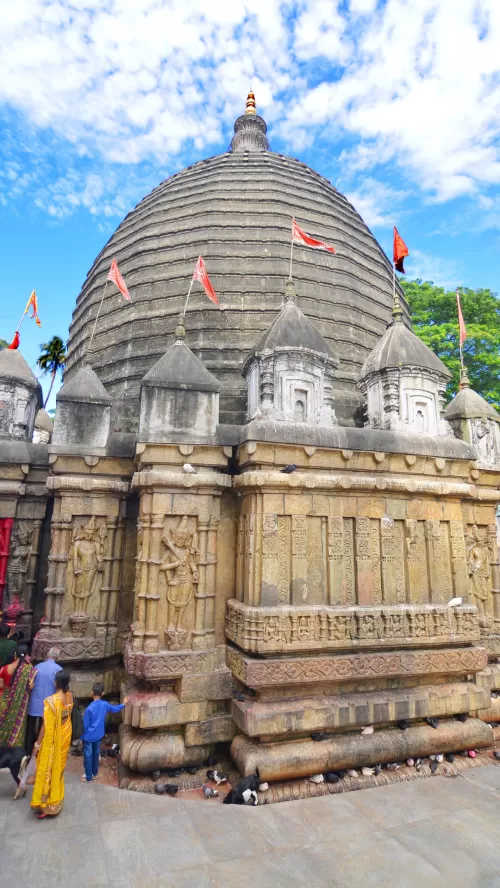
Location has a major influence on Assam accommodation costs. Hotels in central Guwahati, near the airport, railway station, Kamakhya Temple approach, business districts, or major hospitals may cost more because of strong year-round demand. Properties located farther from the city centre can be less expensive, but travellers may spend additional money and time on local transport. During early departures or late arrivals, staying near the airport or railway station may be more practical even when the room rate is slightly higher.
Near Kaziranga, accommodation prices vary according to the safari range, distance from the main highway, resort facilities, and proximity to forest entry points. Resorts with landscaped grounds, cottages, cultural programmes, and full meal plans generally cost more. In Majuli, accommodation may be affordable, but remote locations can increase local transport expenses. Tea-estate stays and rural retreats often charge premium rates because they offer privacy and distinctive surroundings, although they may be far from markets, pharmacies, and public transport.
Travellers should evaluate the complete location cost rather than only the nightly room rate. A centrally located hotel can reduce daily cab expenses, while a lodge close to a safari gate can make early reporting easier. In rural Assam, a property that includes meals and local transport support may offer better value than a cheaper stay that requires separate arrangements for every movement and activity.
The right accommodation category depends on the traveller’s priorities, physical comfort requirements, trip duration, and destination. Budget travellers can select simple hotels in cities and locally managed homestays in Majuli or rural areas, provided they are comfortable with limited room service and basic facilities. Couples and families usually benefit from established mid-range hotels offering clean bathrooms, air-conditioning, restaurant service, parking, and dependable power backup. These facilities are particularly useful during humid weather, long road journeys, and trips with children or senior citizens.
Travellers visiting Kaziranga or Manas should prioritise access, safety, early-morning transport support, and meal availability. A remote resort may provide a peaceful setting but can be inconvenient without a dedicated vehicle. Premium travellers may prefer wildlife lodges, boutique resorts, tea-estate bungalows, or high-end city hotels that provide personalised services and flexible arrangements. However, premium properties should still be evaluated for actual location, safari access, road conditions, and included experiences rather than chosen only for appearance.
A sensible Assam accommodation plan can combine different categories. Travellers may use a practical city hotel in Guwahati, a comfortable wildlife resort in Kaziranga, and a local homestay in Majuli. This approach provides convenience where logistics matter and cultural value where local interaction is important. Selecting stays according to each destination’s ground conditions helps control costs without compromising cleanliness, safety, accessibility, or essential comfort.
Transportation is usually one of the largest components of an Assam travel budget because many popular destinations are spread across different parts of the state. While Guwahati has local taxis, app-based cabs, city buses, and auto-rickshaws, destinations such as Kaziranga National Park, Manas National Park, Majuli, Sivasagar, Haflong, and the tea-growing regions often require longer road journeys. Travellers should therefore plan transportation according to both the distance covered and the convenience required during the trip rather than looking only at accommodation expenses.
Budget travellers generally depend on trains, state transport buses, private buses, and shared vehicles operating between major towns. These options are economical but may have fixed departure timings, longer travel durations, and limited flexibility for sightseeing. Private cabs offer complete freedom to stop at viewpoints, tea gardens, local villages, temples, and restaurants along the route, making them popular among families, photographers, and travellers visiting multiple destinations. Self-drive vehicles are another option for experienced drivers, although Assam's long highways, occasional fog during winter, heavy monsoon rains, and rural road conditions require careful planning.
The most suitable transport option depends on the itinerary. Travellers visiting only Guwahati can comfortably use city transport, while those planning Kaziranga, Majuli, Sivasagar, or Manas usually benefit from private vehicles because they save time and simplify transfers. Combining trains for long-distance travel with private local vehicles at each destination often provides an excellent balance between convenience and overall travel cost.
Assam appears compact on a map, but actual travel distances between tourist destinations can be considerable. Guwahati serves as the primary gateway, yet reaching Kaziranga, Majuli, Sivasagar, Dibrugarh, Haflong, or Manas involves several hours of road travel. As the number of destinations increases, transportation costs rise through fuel consumption, vehicle usage, driver allowances, tolls where applicable, overnight halts, and additional sightseeing movements.
Travellers often underestimate the effect of long travel days on their budget. A route covering Guwahati and Kaziranga is relatively straightforward, while extending the trip to Majuli and Upper Assam adds ferry transfers, longer road sectors, and local vehicle hire. Wildlife circuits involving both Kaziranga and Manas also require substantial intercity travel. Proper route planning reduces unnecessary backtracking and helps avoid spending extra on repeated transfers between the same locations.
| Travel Route | Distance Impact | Transport Planning Consideration |
|---|---|---|
| Guwahati sightseeing | Low | Local taxis, buses, and auto-rickshaws are generally sufficient. |
| Guwahati to Kaziranga | Moderate | Private cabs offer convenience, while buses are suitable for budget travellers. |
| Kaziranga to Majuli | High | Requires road transfer combined with ferry services and local island transport. |
| Guwahati to Manas | Moderate | Road travel is the primary option with private vehicles preferred for flexibility. |
| Upper Assam circuit | High | Long driving hours increase vehicle usage and accommodation planning. |
| Haflong region | High | Mountain roads require additional travel time and careful itinerary planning. |
Planning destinations in a logical sequence is one of the easiest ways to control transport expenses. Instead of repeatedly returning to Guwahati after every destination, travellers should continue forward through the planned circuit whenever possible. Efficient routing reduces driving hours, lowers fuel usage, decreases driver costs for private vehicles, and provides more time for sightseeing rather than spending entire days on the road.
Transportation planning should begin immediately after finalising the itinerary. Travellers covering only two or three destinations can often rely on trains combined with local taxis, while longer wildlife and cultural circuits are usually easier with a dedicated private vehicle. Families travelling with children, senior citizens, or heavy luggage generally benefit from private transport because it reduces repeated vehicle changes and allows flexible meal and restroom stops during long journeys.
Solo travellers and backpackers can save considerably by combining rail travel, buses, shared taxis, and affordable local transport. Couples often choose mid-range private cab services that balance comfort with reasonable costs. Premium travellers usually prefer larger SUVs, professional drivers, airport assistance, and customised sightseeing schedules. Seasonal weather should also be considered because heavy rainfall, fog, and occasional ferry schedule changes can influence travel times throughout Assam.
An organised transportation plan improves both travel efficiency and budget management. Selecting the appropriate combination of public transport, private vehicles, ferries, and local taxis for each destination allows travellers to experience Assam comfortably while avoiding unnecessary transfers and unexpected travel expenses throughout the journey.
Food expenses in Assam are generally manageable compared to many popular tourist destinations in India. Visitors can enjoy authentic Assamese cuisine at small local restaurants, traditional family-run eateries, city cafés, hotel restaurants, and premium dining establishments. Guwahati offers the widest range of dining choices, including Assamese cuisine, North Indian, South Indian, Chinese, continental dishes, and modern cafés. Smaller towns such as Jorhat, Tezpur, Dibrugarh, and Sivasagar also have numerous restaurants serving local meals at reasonable prices.
Near wildlife destinations like Kaziranga and Manas, dining options are often centred around resorts, jungle lodges, and nearby local restaurants. Many wildlife properties include breakfast or complete meal plans because independent restaurant choices may be limited near safari zones. Majuli offers simple yet authentic home-cooked meals through homestays and village cafés, allowing travellers to experience traditional Assamese flavours prepared using locally sourced ingredients.
Travellers can comfortably manage meal expenses by balancing local restaurants with occasional premium dining experiences. Including breakfasts within hotel bookings and enjoying traditional Assamese meals at local establishments often provides excellent value while introducing visitors to the state's diverse culinary traditions.
Budget dining in Assam focuses on clean local restaurants, traditional Assamese eateries, roadside establishments, and simple cafés serving freshly prepared meals. These places usually offer generous portions at reasonable prices and are popular with both residents and visitors. Travellers interested in regional cuisine can experience authentic dishes without significantly increasing their daily budget.
Premium dining includes upscale restaurants in Guwahati, luxury hotels, tea-estate properties, and high-end wildlife resorts. These establishments emphasise ambience, personalised service, carefully designed menus, and multiple-course meals. Premium dining often includes locally inspired recipes prepared using refined presentation and seasonal ingredients, making it suitable for special occasions or travellers seeking a more exclusive culinary experience.
| Dining Style | Typical Experience | Suitable For |
|---|---|---|
| Budget Dining | Local meals, traditional restaurants, roadside eateries, and simple cafés | Backpackers, solo travellers, and economical family trips |
| Mid-Range Dining | Well-rated restaurants, hotel dining rooms, and comfortable cafés | Couples, families, and most first-time visitors |
| Premium Dining | Luxury hotels, boutique restaurants, tea-estate dining, and upscale resorts | Luxury holidays, celebrations, and honeymoon trips |
Many travellers choose a balanced approach by enjoying affordable Assamese lunches during sightseeing while reserving premium dinners for wildlife resorts or special evenings in Guwahati. This combination keeps overall food expenses reasonable without missing memorable culinary experiences.
Meal planning becomes particularly important when travelling beyond Guwahati into wildlife destinations and remote regions. Cities provide numerous restaurant choices throughout the day, but national parks and rural areas may have limited dining options outside accommodation facilities. Early morning safari departures also require breakfast planning because many activities begin before regular restaurant timings.
Travellers visiting Kaziranga, Manas, or Majuli should confirm whether breakfast, lunch, or dinner is included with their accommodation. Carrying drinking water, light snacks, and refreshments during long road journeys is also helpful because restaurants may be widely spaced along certain highways. Families with children and senior travellers especially benefit from planning meal stops in advance instead of depending entirely on roadside availability.
Planning meals according to the itinerary improves both convenience and budget management. Travellers who combine included hotel meals with local restaurants during sightseeing usually enjoy a wider variety of Assamese cuisine while maintaining predictable daily food expenses throughout their journey across the state.
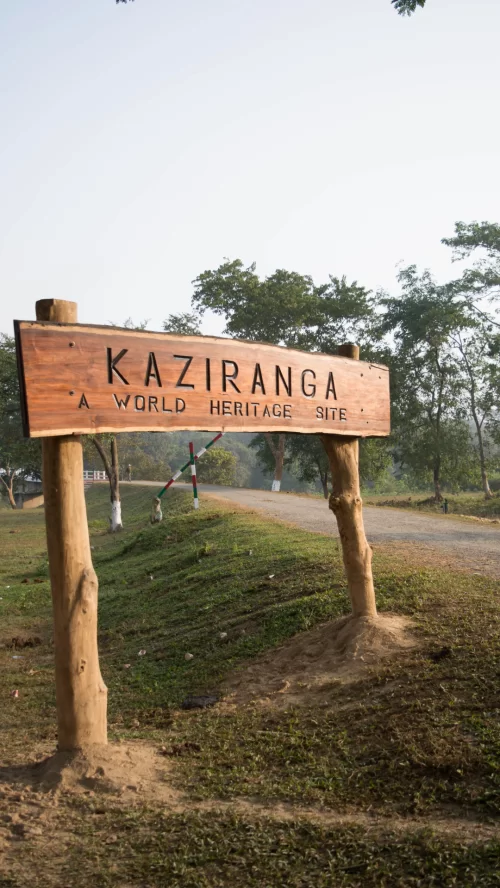
Wildlife experiences are among the biggest attractions in Assam, and they also form one of the most important parts of the travel budget. Kaziranga National Park attracts visitors from around the world for its population of one-horned rhinoceroses, elephants, wild buffaloes, swamp deer, and diverse birdlife. While many travellers consider only the jeep safari fee, the total wildlife expense includes park entry charges, vehicle charges, guide fees, camera fees where applicable, and transport between the accommodation and safari reporting point. These individual components together determine the final cost of a wildlife visit.
Travellers staying inside or close to safari ranges often spend less on local transfers than those staying farther away. Morning and afternoon safaris follow fixed reporting schedules, so transportation must be arranged accordingly. Apart from Kaziranga, visitors planning wildlife trips to Manas National Park or Pobitora Wildlife Sanctuary should also include similar park-related expenses in their budget. Although wildlife costs increase the overall trip expenditure, they are usually considered the highlight of an Assam holiday and should be planned well in advance rather than booked at the last moment.
Travellers should prepare a dedicated wildlife budget instead of combining safari expenses with general sightseeing costs. Separating these expenses makes financial planning easier and ensures that important experiences such as jeep safaris or guided wildlife excursions are not missed because of unexpected transportation or accommodation spending elsewhere in the itinerary.
The overall wildlife budget varies considerably depending on the travel season and the type of safari selected. The main tourism season, which generally falls during the cooler months after the park reopens, experiences the highest visitor demand. During this period, accommodation around Kaziranga fills quickly, private vehicle demand increases, and premium wildlife lodges often charge higher seasonal rates. Travellers visiting during weekends and public holidays may also encounter greater demand for safari slots.
Safari preferences also influence the final budget. Travellers choosing private jeep safaris generally spend more than those sharing vehicles with other visitors. Visitors who wish to explore multiple safari ranges across Kaziranga should plan for additional safari sessions because each range requires separate entry and vehicle arrangements. Photography enthusiasts often schedule both morning and afternoon safaris to increase wildlife viewing opportunities, which naturally increases overall expenses.
| Budget Factor | Effect on Overall Cost | Planning Consideration |
|---|---|---|
| Peak tourism season | Higher accommodation and safari demand | Reserve hotels and safari permits well in advance. |
| Shared jeep safari | Lower individual expense | Suitable for solo travellers and small groups. |
| Private jeep safari | Higher overall cost | Provides flexibility and privacy for families and photographers. |
| Multiple safari sessions | Increases total wildlife budget | Allows exploration of different safari ranges and better wildlife sightings. |
| Premium wildlife lodges | Higher accommodation expenses | Often include meals and safari assistance. |
| Weekend travel | Greater demand | Early reservations improve availability and planning. |
Travellers should match their safari plans with their interests instead of automatically booking the maximum number of activities. Those mainly interested in experiencing Kaziranga's wildlife may be satisfied with one well-planned safari, while wildlife photographers and birdwatchers often benefit from multiple sessions across different ranges. Careful planning helps balance memorable experiences with a practical travel budget.
Wildlife experiences in Assam can be customised for different budgets without compromising the overall travel experience. Budget travellers usually select shared jeep safaris, affordable accommodation near the park, and a limited number of organised activities. Comfortable travellers often stay at mid-range wildlife resorts offering convenient safari arrangements, while premium visitors may choose luxury jungle lodges, private vehicles, exclusive naturalist services, and customised wildlife schedules.
Travellers should identify their priorities before finalising bookings. Some visitors focus mainly on seeing the famous one-horned rhinoceros, whereas others plan birdwatching sessions, photography tours, tea garden visits, and village experiences alongside wildlife safaris. Understanding these priorities helps distribute the travel budget efficiently without overspending on activities that may not match personal interests.
Planning wildlife experiences according to personal interests creates a more rewarding Assam itinerary. Instead of simply increasing the number of paid activities, travellers should select experiences that best match their travel goals, ensuring that wildlife adventures remain enjoyable while keeping the overall holiday budget well balanced.
The total cost of an Assam trip varies significantly depending on whether the traveller is visiting alone, as a couple, or with family members. Transportation, accommodation, meals, safari expenses, and sightseeing costs are shared differently in each case. Solo travellers usually spend less on food and accommodation but may pay comparatively more for private transportation because vehicle costs cannot be divided among multiple people. They often reduce expenses by choosing trains, buses, shared taxis, hostels where available, or economical guesthouses.
Couples generally achieve a good balance between comfort and affordability because hotel rooms and private cab expenses are shared between two travellers. Families benefit from shared transportation and accommodation costs but usually require larger rooms, additional beds, bigger vehicles, and more flexible meal arrangements. Children and senior citizens may also increase the budget through additional comfort requirements and slower travel schedules.
| Traveller Type | Main Cost Advantages | Important Budget Considerations |
|---|---|---|
| Solo Traveller | Lower accommodation and meal expenses | Private transport may become comparatively expensive. |
| Couple | Shared room and transport costs | Comfortable travel with balanced overall spending. |
| Family | Shared vehicle expenses | Larger accommodation, extra beds, and flexible transport increase costs. |
| Group of Friends | Vehicle and guide expenses divided among members | Advance planning improves accommodation availability. |
Choosing the right travel style for the group size helps optimise the budget without reducing the quality of the experience. Travellers should compare transportation, accommodation, and safari costs collectively instead of evaluating each category separately.
Travel style has a greater impact on Assam trip expenses than the destination itself. Two travellers visiting exactly the same places may spend very different amounts depending on accommodation choices, transportation preferences, dining habits, and sightseeing priorities. Budget travellers typically focus on essential experiences using economical transport and accommodation, while premium travellers invest more in convenience, flexibility, and personalised services.
Comfort-oriented travellers often represent the middle category by selecting reliable hotels, private transport for longer routes, local restaurants, and organised sightseeing. Premium holidays add luxury accommodation, private guides, exclusive wildlife experiences, larger vehicles, heritage stays, and customised itineraries. Understanding these differences helps travellers allocate funds where they receive the greatest value according to their own expectations.
Rather than choosing only the cheapest or most expensive option throughout the journey, travellers often achieve better value by mixing travel styles. Comfortable accommodation at key destinations combined with economical dining and carefully selected activities usually creates an enjoyable and financially balanced Assam holiday.
The most practical way to plan an Assam trip is by identifying priorities before making reservations. Travellers interested mainly in wildlife should allocate a larger share of the budget to Kaziranga or Manas, while those exploring tea gardens, historical towns, and cultural attractions may spend relatively more on transportation and accommodation across multiple destinations. Families often prioritise convenience, whereas backpackers usually focus on minimising daily expenses.
Creating separate budgets for accommodation, transportation, meals, wildlife activities, shopping, and emergency expenses makes financial planning much easier. This approach also helps travellers recognise where savings can be made without affecting the overall travel experience. Flexible budgeting allows visitors to upgrade selected experiences if opportunities arise during the trip.
A well-planned Assam budget should reflect individual travel preferences instead of following a fixed spending pattern. Matching accommodation, transportation, activities, and dining choices with personal priorities allows travellers to enjoy the state's wildlife, culture, tea gardens, and landscapes comfortably while maintaining complete control over overall trip expenses.
Travelling across Assam on a limited budget is completely achievable with proper planning. Since transportation and accommodation account for the largest share of travel expenses, making smart decisions in these two areas can significantly reduce the overall trip cost. Booking accommodation several weeks before the travel date usually provides better choices and lower prices, particularly during the busy tourist season when destinations like Kaziranga National Park, Guwahati, Majuli, and Manas receive large numbers of visitors. Staying in well-maintained budget hotels, guesthouses, or locally operated homestays also helps reduce expenses without compromising cleanliness and safety.
Transportation costs can be controlled by selecting destinations that naturally fit into one travel circuit instead of repeatedly returning to the same city. Trains and intercity buses are suitable for long-distance travel between major towns, while local taxis can be reserved only where public transport is limited. Travellers hiring private vehicles should compare quotations, understand whether fuel, driver allowance, and parking charges are included, and avoid unnecessary daily vehicle bookings during days dedicated entirely to local sightseeing.
Small savings made consistently throughout the trip can substantially reduce the final travel budget. Selecting practical accommodation, avoiding unnecessary vehicle usage, and planning destinations efficiently allows travellers to experience Assam comfortably while keeping transportation and lodging expenses under control.
Different destinations in Assam offer different levels of affordability depending on transport availability and tourism infrastructure. Guwahati is the easiest city to explore economically because of its extensive local transport network, numerous accommodation options, and wide variety of restaurants. Visitors travelling onward to Kaziranga can choose between buses, shared transport, or reserved vehicles depending on their budget and comfort preferences. Similarly, Upper Assam destinations connected by rail allow travellers to reduce transportation costs before using local taxis for sightseeing.
Majuli requires additional ferry transportation, making advance planning especially important. Travellers who coordinate ferry timings with road travel avoid unnecessary waiting periods and additional vehicle hire. Wildlife destinations usually require slightly higher transportation expenses because safari reporting points and lodges are located away from town centres. Choosing accommodation close to safari gates often reduces local transfer costs throughout the stay.
Affordable travel does not require skipping Assam's major attractions. By combining public transport with carefully selected private transfers, choosing economical accommodation, and planning destinations in a logical order, visitors can comfortably explore the state's wildlife, culture, and landscapes while maintaining an efficient travel budget.
Budget-conscious travellers often assume that reducing expenses means sacrificing important experiences, but this is rarely necessary in Assam. Instead of attempting to visit every destination, travellers should focus on a well-planned route that includes their highest priorities. A combination such as Guwahati, Kaziranga, and Majuli provides wildlife, culture, and natural scenery without excessive transportation costs. Similarly, selecting one or two quality wildlife safaris instead of multiple sessions allows visitors to enjoy Kaziranga while keeping activity expenses manageable.
Planning realistic daily schedules also helps reduce costs. Overcrowded itineraries frequently result in unnecessary private transport, rushed sightseeing, and additional accommodation expenses caused by inefficient routing. Travellers who spend sufficient time at each destination often gain a better experience while avoiding repeated long-distance journeys that increase fuel consumption and vehicle charges.
Thoughtful planning is the key to an economical Assam holiday. By concentrating spending on meaningful experiences such as wildlife safaris, cultural visits, and scenic destinations while avoiding unnecessary travel, visitors can enjoy a memorable journey that remains comfortably within their planned budget.
Premium travel in Assam focuses on comfort, privacy, personalised service, and exclusive experiences rather than simply choosing expensive accommodation. Luxury travellers often stay at boutique tea-estate bungalows, upscale wildlife lodges near Kaziranga, premium city hotels in Guwahati, or carefully restored heritage properties that combine traditional Assamese hospitality with modern amenities. These accommodations frequently include landscaped surroundings, spacious rooms, curated dining experiences, concierge assistance, and organised sightseeing arrangements.
Private transportation plays an equally important role in premium holidays. Dedicated SUVs with experienced drivers allow travellers to move comfortably between destinations while maintaining complete flexibility over departure times, sightseeing stops, and photography opportunities. Premium itineraries may also include guided tea estate visits, private cultural performances, personalised wildlife excursions, birdwatching with experienced naturalists, and customised sightseeing schedules designed according to individual interests.
Luxury travel enhances convenience without changing the destinations themselves. Travellers still explore Assam's famous wildlife parks, tea gardens, rivers, and cultural centres, but enjoy higher service standards, more flexible schedules, and carefully organised experiences that reduce travel stress and maximise comfort throughout the journey.
Several factors contribute to the higher cost of premium Assam holidays. Luxury accommodation naturally commands higher room rates because of superior facilities, personalised service, and exclusive locations. Private transportation also increases expenses through dedicated vehicle availability, professional drivers, larger SUVs, and flexible daily schedules. Wildlife holidays become more expensive when travellers book multiple private jeep safaris, premium lodges, or additional guided nature activities.
Seasonal demand further influences premium travel costs. During the peak tourism season, luxury properties near Kaziranga and Guwahati experience high occupancy, while private vehicles and experienced guides become increasingly difficult to secure. Early reservations therefore become particularly important for travellers planning premium holidays during winter, festivals, or extended public holiday periods.
| Premium Service | Reason for Higher Cost | Traveller Benefit |
|---|---|---|
| Luxury accommodation | Superior facilities and personalised hospitality | Greater comfort and privacy |
| Private transportation | Dedicated vehicle and flexible itinerary | Convenient travel with customised schedules |
| Premium wildlife lodges | Exclusive locations near national parks | Easy safari access and enhanced guest services |
| Professional guides | Specialised local knowledge | Better understanding of wildlife and culture |
| Curated experiences | Personalised planning and exclusive access | Unique travel memories and convenience |
| Peak-season travel | Higher tourism demand | Greater availability requires earlier booking |
Premium travellers should evaluate the complete experience rather than focusing solely on higher prices. Services such as convenient transfers, organised safaris, quality accommodation, and expert local guidance often improve the overall travel experience while reducing logistical challenges throughout the journey.
Every premium traveller has different expectations, making customised planning particularly important. Some visitors prioritise luxury accommodation and fine dining, while others prefer investing in private wildlife experiences or heritage tea-estate stays. Identifying these priorities before making reservations helps allocate the travel budget efficiently while ensuring that the most meaningful experiences receive appropriate attention.
A balanced premium itinerary often combines comfortable city stays with exclusive wildlife lodges and carefully planned transportation between destinations. Rather than upgrading every service, travellers frequently achieve better value by selecting premium experiences only where they significantly improve convenience, privacy, or overall enjoyment.
A thoughtfully designed premium Assam holiday focuses on quality rather than quantity. By combining luxury accommodation, comfortable transportation, personalised activities, and efficient planning, travellers can experience the state's remarkable wildlife, tea estates, cultural heritage, and natural landscapes with exceptional comfort while maintaining a well-managed travel budget.
Many travellers prepare their Assam travel budget by calculating accommodation, transportation, and major sightseeing expenses but often overlook several smaller costs that gradually increase the total expenditure. Individually these expenses may appear insignificant, yet over a week-long trip they can become a noticeable part of the overall budget. Transfers between airports, railway stations, ferry terminals, hotels, safari gates, and local attractions are common examples of costs that are not always included in package prices or hotel bookings.
Visitors travelling to Kaziranga, Manas, or Majuli should also remember that reaching the destination is only one part of the journey. Local transportation inside tourism areas, parking charges, porter assistance where required, refreshments during long road journeys, bottled drinking water, mobile connectivity expenses, laundry services, and shopping for local handicrafts can all add to the daily budget. Travellers should therefore create a separate allowance for miscellaneous expenses instead of relying only on estimated accommodation and transport costs.
Including a dedicated miscellaneous budget makes travel planning far more realistic. Instead of treating every unexpected expense as an additional burden, travellers can comfortably manage these routine costs without affecting important experiences such as wildlife safaris or cultural sightseeing.
Activity-related expenses extend beyond entry tickets and safari bookings. Travellers may require transportation to activity locations, local guides, refreshments, equipment rentals where applicable, or additional vehicle usage due to fixed reporting times. Wildlife destinations particularly involve early morning departures, making local transfers an important part of the overall activity budget. Tea garden visits, cultural performances, and riverfront experiences may also involve transportation or optional service charges that should be considered during planning.
Seasonal conditions can also influence travel expenses. Peak winter months usually increase hotel demand and vehicle bookings, while the monsoon may require itinerary changes due to weather, road conditions, or ferry schedules. Unexpected route diversions, additional accommodation during travel delays, or longer driving hours caused by weather can all increase the final trip cost. Planning with a small financial buffer helps travellers manage such situations comfortably.
| Hidden Expense | Why It Occurs | Planning Suggestion |
|---|---|---|
| Local activity transfers | Activities are often located away from hotels | Include local taxi costs in the itinerary budget. |
| Driver allowance | Applicable during multi-day vehicle bookings | Clarify inclusions before confirming transport. |
| Seasonal accommodation changes | Higher demand during winter holidays | Book accommodation early. |
| Weather-related delays | Rain, fog, or ferry schedule changes | Maintain a contingency fund. |
| Additional refreshments | Long-distance road journeys | Carry drinking water and snacks. |
| Local transport within destinations | Hotels may be distant from attractions | Stay near major sightseeing areas where possible. |
Travellers who prepare for these additional expenses usually experience fewer financial surprises during the trip. A practical travel budget should always include flexibility for seasonal conditions, activity-related transport, and minor daily purchases that naturally occur throughout an extended holiday.
No matter how carefully an Assam itinerary is planned, unexpected expenses can arise during any journey. Weather conditions, changes in transportation schedules, extended sightseeing, additional shopping, or spontaneous wildlife activities may require spending beyond the original estimate. Keeping an emergency reserve allows travellers to respond to such situations without compromising the overall itinerary.
The reserve fund should remain separate from the planned budget for accommodation, meals, transportation, and sightseeing. This approach prevents travellers from reducing important experiences simply because unforeseen costs appear during the journey. Families travelling with children and visitors exploring remote areas should maintain a slightly larger contingency because medical needs, route changes, or extended travel durations can occur more frequently.
An emergency reserve provides financial confidence throughout the trip. Instead of worrying about every unexpected expense, travellers can focus on enjoying Assam's wildlife, cultural heritage, tea gardens, and scenic landscapes while remaining prepared for practical travel situations.
One of the most common mistakes travellers make while planning an Assam trip is comparing only hotel prices and assuming that accommodation will be the biggest expense. Although lodging is an important part of the budget, transportation, wildlife activities, meals, local sightseeing, and miscellaneous expenses often contribute equally or even more to the total travel cost. Choosing the cheapest hotel without considering its location can actually increase the budget if additional taxi rides are required every day to reach attractions, restaurants, or transport hubs.
Accommodation should always be evaluated together with accessibility, included facilities, and nearby services. A hotel located close to Guwahati Railway Station, the airport, or important sightseeing areas may save considerable transportation expenses throughout the trip. Similarly, staying near Kaziranga safari ranges can reduce repeated local transfers during early morning wildlife excursions. Travellers should therefore compare the complete value offered by a property rather than selecting accommodation solely because of its lower room tariff.
A hotel should support the overall itinerary rather than simply reduce the room budget. Choosing accommodation with practical access to transportation, attractions, and dining options usually results in lower total travel expenses and a much more convenient journey across Assam.
Many visitors underestimate the cost of transportation and paid activities while preparing their Assam travel budget. Since popular destinations such as Kaziranga, Majuli, Manas, Sivasagar, and Haflong are spread across different parts of the state, transportation expenses naturally increase with every additional destination. Travellers who calculate only accommodation costs often discover later that private vehicle hire, ferry transfers, local taxis, safari reporting transfers, and sightseeing vehicles require a significant portion of the overall budget.
Wildlife experiences should also be budgeted separately. Jeep safaris, park entry charges, guide fees, and optional nature activities are usually not included within accommodation costs. Similarly, ferry journeys to Majuli, tea estate visits, cultural performances, and local guided tours involve additional expenses. Planning these activities individually prevents financial surprises and allows travellers to prioritise experiences according to their interests.
| Budget Category | Common Planning Mistake | Better Planning Approach |
|---|---|---|
| Transportation | Ignoring intercity travel expenses | Estimate every road, rail, ferry, and local transfer separately. |
| Wildlife Activities | Assuming safaris are included | Budget separately for safari permits, guides, and vehicles. |
| Local Sightseeing | Not considering city transport | Include taxis, auto-rickshaws, and sightseeing vehicles. |
| Ferry Travel | Overlooking river crossings | Plan ferry timings and related transportation costs. |
| Optional Experiences | Ignoring cultural or tea garden visits | Create a separate activity budget before travelling. |
| Emergency Travel | No allowance for unexpected changes | Keep contingency funds for weather or itinerary adjustments. |
Preparing individual estimates for transportation and activities creates a far more accurate Assam travel budget. Travellers can then decide where to save money and where additional spending provides genuine value, ensuring that important experiences are not missed because of poor financial planning.
A poorly planned itinerary often results in unnecessary travel expenses. Travellers sometimes attempt to include too many destinations within a limited number of days, leading to repeated long-distance driving, additional hotel stays, higher fuel consumption, and increased vehicle charges. Constant movement also leaves less time for sightseeing, making the trip more tiring without providing better value for money.
Another common mistake is booking transportation independently for every travel day without considering the complete route. Efficient itineraries follow a logical travel sequence, reducing backtracking and unnecessary transfers. For example, visiting destinations that naturally fall along the same route saves both time and transportation costs. Planning adequate sightseeing time at each location also reduces the temptation to arrange expensive last-minute excursions or private transfers simply to cover missed attractions.
A carefully planned itinerary improves both travel comfort and financial efficiency. By reducing unnecessary travel, selecting destinations in a logical order, and allocating enough time for each experience, visitors can explore Assam more comfortably while keeping transportation, accommodation, and activity costs well within their planned budget.
The ideal Assam travel budget depends entirely on the type of experience you want rather than on a fixed spending figure. Some travellers prioritise wildlife safaris, while others focus on cultural destinations, tea gardens, historical monuments, or peaceful rural experiences. Budget travellers can comfortably explore the state using public transport, guesthouses, and local restaurants, whereas premium travellers may prefer boutique tea-estate stays, luxury wildlife lodges, private vehicles, and personalised sightseeing. Defining these priorities before making bookings ensures that every major expense contributes directly to the desired travel experience.
Instead of following a standard itinerary, travellers should customise their budget according to the destinations included. A shorter Guwahati and Kaziranga trip naturally costs less than an extended circuit covering Majuli, Manas, Sivasagar, Dibrugarh, and Haflong. Matching travel preferences with available funds helps create a balanced itinerary without unnecessary financial pressure during the holiday.
Travellers who align their budget with their interests generally enjoy a more satisfying Assam holiday. Careful planning ensures that money is invested in meaningful experiences while avoiding unnecessary expenditure on services that add little value to the overall journey.
Successful financial planning requires viewing every major travel expense as part of one complete budget rather than managing each category independently. Accommodation, transportation, food, wildlife safaris, sightseeing, shopping, and emergency funds should all be planned simultaneously. Overspending on one category often reduces the budget available for memorable experiences elsewhere during the trip.
A practical approach is to estimate costs destination by destination. For example, Guwahati requires city accommodation, local transport, and restaurant expenses, while Kaziranga adds wildlife activities and safari-related transportation. Majuli involves ferry services and local village transport, whereas Manas may require longer road transfers and specialised wildlife arrangements. Breaking the itinerary into individual destinations makes financial planning much easier.
| Expense Category | Planning Focus | Purpose |
|---|---|---|
| Accommodation | Choose location and comfort carefully | Reduce unnecessary transport expenses. |
| Transportation | Plan complete travel routes | Improve efficiency and lower fuel costs. |
| Food | Mix local dining with hotel meals | Maintain a balanced daily budget. |
| Activities | Prioritise wildlife and cultural experiences | Spend according to personal interests. |
| Emergency Fund | Maintain separate reserve money | Handle unexpected travel situations comfortably. |
| Shopping | Allocate optional spending | Avoid affecting essential travel expenses. |
Planning every expense category together provides a clear picture of the total travel budget before the journey begins. It also helps travellers adjust individual categories whenever necessary without compromising important experiences such as wildlife safaris or cultural sightseeing.
Before starting the journey, travellers should review every reservation, payment, and planned activity to ensure that nothing important has been overlooked. Confirm accommodation bookings, transportation schedules, safari reservations, ferry timings, and included services. Understanding exactly what has already been paid for reduces confusion during the trip and prevents duplicate expenses.
During the journey, maintaining a simple daily expense record helps travellers remain within the planned budget. Reviewing spending after each destination makes it easier to adjust future expenses without affecting the remainder of the itinerary. Carrying multiple payment options and maintaining an emergency reserve further improves financial flexibility throughout the holiday.
A well-managed budget allows travellers to enjoy Assam with confidence and flexibility. By preparing carefully, monitoring expenses throughout the trip, and maintaining realistic expectations, visitors can experience the state's wildlife, tea gardens, cultural heritage, rivers, and scenic landscapes while keeping overall travel costs comfortably under control.


Get customized Assam tour planning designed around seasonal weather patterns, river conditions, wildlife safari timing, and realistic road travel flow. Whether you are visiting for national parks, tea estate stays, cultural experiences, spiritual sites, o
⚡ Quick Response | 💰 Free consultation | 🕒 24×7 expert support