
How Tea is Made in Assam – A Tourist's Guide
Understanding how tea is made in Assam allows travellers to explore plantations, learn traditional processing methods, and experience the journey from fresh tea leaves to the final product.
+91 9910402252
admin@chalbanjare.com


Travelling around Assam requires understanding transport options between cities, wildlife destinations, islands, and cultural locations for a comfortable Northeast India journey.
Assam offers a wide range of transportation options that make travelling across the state convenient for every type of visitor. Depending on the destinations included in the itinerary, travellers can choose private taxis, self-drive vehicles, government and private buses, trains, ferries, shared transport, and local city transport. Each mode of travel provides different advantages in terms of flexibility, comfort, affordability, and accessibility to tourist attractions.
Many visitors combine several transportation options during a single trip. A typical itinerary may begin with a flight or train to Guwahati, continue by private cab to Kaziranga National Park, include a ferry journey to Majuli Island, and use local taxis or buses for city sightseeing. Choosing the right combination of transport helps travellers experience Assam comfortably while making efficient use of their available travel time.
Understanding the available transportation network helps travellers create efficient itineraries while enjoying Assam's wildlife, tea gardens, historical attractions, and river landscapes without unnecessary travel complications.
Assam's geography plays a significant role in transportation planning. The state stretches across the Brahmaputra Valley, with wildlife parks, tea estates, historic towns, forests, and river islands located in different regions. While highways provide good connectivity, travel between destinations often involves several hours of driving, and some locations such as Majuli Island require ferry crossings in addition to road travel.
Travellers should consider both travel distance and actual journey duration when preparing an itinerary. Weather conditions, road quality in rural areas, ferry schedules, and sightseeing stops all influence total travel time. Careful planning helps avoid rushed schedules while allowing sufficient time to enjoy each destination.
Considering Assam's geography during itinerary planning allows visitors to travel comfortably while making the most of every destination included in their journey.
The ideal transportation choice depends on travel priorities, available budget, holiday duration, and personal comfort preferences. Budget travellers often rely on buses, trains, and shared transport, while families and groups generally prefer private taxis or rental vehicles for greater convenience. Couples frequently choose road trips that allow scenic stops, while wildlife enthusiasts benefit from private transport for reaching national parks efficiently.
Rather than selecting transport based only on cost, travellers should compare journey duration, luggage requirements, flexibility, and the destinations included in their itinerary. Choosing transportation that matches the overall travel plan ensures a more enjoyable and well-organised holiday throughout Assam.
Choosing suitable transportation from the beginning helps visitors travel comfortably while making the most of Assam's diverse attractions and scenic travel routes.
Private taxis are one of the most preferred ways to explore Assam because they offer convenience, flexibility, and direct access to major tourist destinations. Many attractions, including Kaziranga National Park, Manas National Park, tea gardens, and remote cultural villages, are easier to reach by private vehicle than by public transport. Travellers can begin their journeys according to their own schedule while enjoying comfortable travel between destinations.
Private cabs are particularly useful for visitors travelling with families, photographers carrying equipment, senior citizens, or groups covering multiple locations during a limited holiday. Professional drivers are generally familiar with local routes, road conditions, and sightseeing stops, making the overall journey smoother and more enjoyable.
Private taxis provide one of the most convenient ways to explore Assam, allowing visitors to travel comfortably while enjoying complete flexibility throughout their holiday.
Unlike fixed public transportation schedules, private cabs allow travellers to customise their routes according to personal interests and available time. Visitors can stop at tea gardens, scenic viewpoints, local markets, riverside locations, and cultural attractions without being restricted by bus or train timings. This flexibility creates opportunities to enjoy spontaneous experiences throughout the journey.
Travellers can also adjust daily schedules depending on weather, wildlife safari timings, photography requirements, or personal preferences. Whether planning a short excursion or a multi-day road trip across Assam, customised travel provides greater convenience while reducing unnecessary travel stress.
The flexibility offered by private taxis allows visitors to experience Assam at a relaxed pace while exploring destinations according to their own travel preferences.
Private cabs are especially valuable when travelling to wildlife parks, tea estates, monasteries, river viewpoints, and remote villages that may have limited public transportation. Visitors planning to explore Kaziranga National Park, Manas National Park, Majuli ferry terminals, Sivasagar, and Upper Assam often find private transport the most practical option for covering multiple destinations efficiently.
Before beginning the journey, travellers should estimate travel distances, discuss daily routes with the driver, confirm accommodation locations, and plan fuel and meal stops along the way. Careful planning ensures comfortable travel while allowing enough time for sightseeing throughout the itinerary.
Well-planned cab journeys allow travellers to explore Assam's diverse landscapes, wildlife, and cultural heritage efficiently while maintaining comfort throughout the trip.
Public transport is one of the most economical ways to travel across Assam. Government-operated buses, private buses, shared taxis, shared utility vehicles, and other local transport services connect major cities, district headquarters, towns, and several tourist destinations. These services are widely used by both local residents and budget-conscious travellers who wish to explore the state without hiring private vehicles.
Bus services generally operate between important transport hubs such as Guwahati, Jorhat, Dibrugarh, Tezpur, Silchar, Nagaon, and other major towns. Shared transport is commonly available on popular routes, providing flexibility for travellers visiting destinations that may not have frequent direct bus services. Understanding local schedules before departure helps ensure smoother journeys.
Public transport provides a practical solution for travellers seeking affordable travel while experiencing everyday life across different regions of Assam.
Travelling between Assam's major towns through public transportation helps visitors manage travel expenses while maintaining good regional connectivity. Long-distance buses, shared taxis, and rail connections link important destinations, allowing travellers to explore cities, cultural centres, tea-growing districts, and transportation hubs without depending entirely on private vehicles.
Budget travellers often combine buses, trains, ferries, and local taxis to build flexible itineraries that cover multiple destinations. Planning connections carefully and allowing adequate transfer time between services helps avoid unnecessary delays while making travel more comfortable.
Affordable transport options make it easier for visitors to explore more of Assam while staying within their preferred travel budget.
Public transport operates according to fixed schedules, making advance planning essential for a smooth journey. Travellers should verify bus timings, railway schedules, ferry departures, and local transport availability before travelling, particularly when visiting wildlife parks, river islands, or remote cultural destinations that may have fewer daily connections.
Keeping sufficient buffer time between connecting services reduces the risk of missed departures and allows greater flexibility when weather or traffic conditions affect travel. Travellers should also plan accommodation according to expected arrival times to avoid unnecessary inconvenience.
Careful planning helps travellers use Assam's public transportation network efficiently while enjoying convenient access to the state's diverse attractions.
Self-drive travel offers one of the most rewarding ways to experience Assam's scenic landscapes, tea gardens, rivers, forests, and charming rural settlements. Well-connected national highways and regional roads allow visitors to travel independently between Guwahati, Kaziranga National Park, Jorhat, Sivasagar, Dibrugarh, and several other destinations while enjoying complete flexibility throughout the journey.
Unlike fixed transportation schedules, self-drive holidays allow travellers to stop at tea estates, river viewpoints, local restaurants, handicraft centres, and photography locations whenever they wish. This freedom makes road trips particularly attractive for couples, families, photographers, and travellers interested in exploring destinations beyond the main tourist circuit.
Self-drive journeys transform transportation into an enjoyable part of the holiday while allowing travellers to appreciate Assam's landscapes far beyond the major tourist attractions.
Before starting a self-drive holiday, travellers should ensure that their vehicle is in excellent condition and all required documents are available. A valid driving licence, vehicle registration certificate, insurance papers, pollution certificate where applicable, and identification documents should always be carried. Basic vehicle checks including tyres, brakes, lights, fuel levels, and emergency equipment help ensure safe travel.
Driving conditions across Assam are generally comfortable on major highways, although smaller rural roads may require slower speeds depending on weather, local traffic, or road maintenance. Maintaining cautious driving practices and following local traffic regulations contribute to a safe and enjoyable journey.
Proper preparation and responsible driving ensure a smooth self-drive experience while exploring Assam's varied landscapes and destinations.
Successful self-drive holidays depend on selecting realistic routes that match both driving experience and available travel time. Rather than attempting very long driving days, travellers should divide journeys into comfortable sections with overnight stays near major attractions. This approach reduces fatigue while allowing sufficient time for wildlife safaris, sightseeing, local experiences, and photography.
Travellers should also monitor weather forecasts, identify fuel stations, download offline navigation maps, and plan meal breaks before beginning longer journeys. Flexible planning allows for unexpected sightseeing opportunities while ensuring comfortable travel throughout the itinerary.
Thoughtful route planning allows self-drive travellers to enjoy Assam safely while making the most of every destination included in their road trip itinerary.
Guwahati serves as the primary transportation hub for tourists exploring Assam and acts as the starting point for most sightseeing circuits across the state. Well-developed highways connect the city with Kaziranga National Park, Manas National Park, Jorhat, Sivasagar, Dibrugarh, Tezpur, and many other popular destinations. Travellers heading towards Majuli Island usually travel by road to the designated ferry point before continuing their journey across the Brahmaputra River.
Most routes from Guwahati pass through beautiful countryside, tea gardens, riverside landscapes, forests, and small Assamese towns, making road travel an enjoyable part of the overall holiday. Planning the route in advance allows visitors to include scenic stops, local food experiences, and cultural attractions along the way while maintaining a comfortable travel pace.
Beginning your journey from Guwahati provides convenient access to Assam's most famous attractions while allowing flexible route planning throughout the state.
Travel time between Guwahati and various destinations depends on road conditions, traffic, weather, and the chosen mode of transport. Private taxis provide the greatest flexibility, while buses and trains offer economical alternatives for selected routes. Travellers should estimate journey duration realistically rather than relying only on the total distance, particularly when visiting wildlife parks or destinations requiring ferry crossings.
Morning departures generally provide more comfortable travel conditions and sufficient daylight for sightseeing or hotel check-ins. Visitors planning multi-destination itineraries should avoid scheduling too many long road journeys on consecutive days, ensuring adequate time to relax and enjoy each destination.
Realistic travel planning allows visitors to experience Assam comfortably while making efficient use of their available holiday time.
Every traveller has different sightseeing priorities, and transportation should be planned accordingly. Wildlife enthusiasts may choose direct transfers to Kaziranga or Manas National Park, while cultural travellers often continue towards Majuli Island, Sivasagar, or historic towns. Visitors interested in tea tourism may include Upper Assam and surrounding tea-growing regions within their travel plans.
Planning transfers around attraction timings, accommodation locations, safari schedules, and ferry departures helps reduce unnecessary waiting time. Well-organised daily travel also provides more opportunities for photography, cultural experiences, and exploring local markets without rushing between destinations.
Carefully planned transfers help travellers maximise sightseeing opportunities while maintaining a relaxed and enjoyable journey across Assam.
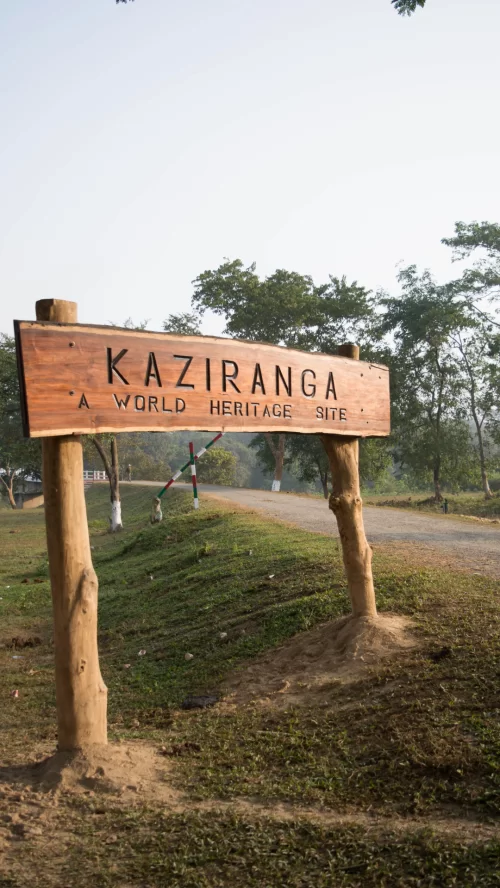
Assam's famous wildlife destinations are well connected by road, making private vehicles, tourist taxis, and organised tours the most convenient ways to travel. Kaziranga National Park, Manas National Park, Orang National Park, Pobitora Wildlife Sanctuary, and several other protected areas can be reached comfortably from Guwahati and nearby towns through an extensive highway network.
Although public buses operate on many major routes, private transportation often provides greater convenience for wildlife travellers because safari timings usually require early departures and flexible schedules. Visitors planning to explore multiple parks during one holiday frequently prefer hired vehicles that simplify transfers between destinations.
Selecting appropriate transportation makes wildlife exploration more convenient while allowing visitors to spend more time enjoying Assam's remarkable biodiversity.
Visitors should coordinate their arrival at wildlife destinations with scheduled safari timings to avoid unnecessary waiting. Many travellers reach nearby accommodation a day before their safari, allowing an early morning start when wildlife activity is generally at its highest. Local transportation between hotels, safari entry points, and nearby attractions is commonly available through taxis or accommodation providers.
Planning transfers before arrival also helps visitors manage luggage, meal stops, and check-in timings efficiently. Organised transport arrangements reduce travel stress and ensure a smooth wildlife experience from arrival until departure.
Advance planning of safari transfers allows travellers to focus on wildlife experiences while avoiding unnecessary transportation challenges.
The ideal vehicle for wildlife travel depends on the size of the group, luggage requirements, travel distance, and overall itinerary. Families and small groups generally benefit from comfortable private cars or sport utility vehicles, while larger groups may prefer spacious multi-passenger vehicles. Choosing a well-maintained vehicle improves comfort during longer highway journeys and rural road travel.
Travellers carrying photography equipment or planning several national parks should ensure adequate luggage space and comfortable seating. Discussing daily routes, rest stops, and expected travel duration with the driver before departure helps create a smoother and more enjoyable wildlife itinerary.
Choosing the right vehicle enhances the overall wildlife experience by providing comfortable transportation throughout Assam's national parks and protected forests.
Majuli Island is one of Assam's most distinctive destinations and reaching it is an experience in itself. Unlike many other tourist attractions in the state, travelling to Majuli involves both road transportation and a ferry journey across the Brahmaputra River. Most visitors travel from Guwahati towards Jorhat by road, rail, or air before continuing to the ferry terminal for the final river crossing. The combination of highway travel and ferry services makes the journey memorable while offering beautiful views of the river and surrounding landscapes.
Besides Majuli, several riverside destinations across Assam are also connected through ferry networks that serve local communities and visitors. These services play an important role in regional transportation and provide access to locations that cannot be reached directly by road. Travellers should familiarise themselves with ferry boarding procedures, operating hours, and local transport available after reaching the destination.
Travelling to Majuli and other river destinations adds a unique dimension to an Assam holiday, allowing visitors to experience both the state's transportation network and the magnificent Brahmaputra River.
Ferry services operate according to fixed schedules that may vary depending on river conditions, seasonal water levels, and operational requirements. Travellers should confirm departure timings before beginning the journey, particularly if connecting with trains, flights, or accommodation bookings. Arriving at the ferry terminal well before departure provides sufficient time for ticketing, boarding, and vehicle arrangements where applicable.
Planning river crossings carefully also helps visitors avoid unnecessary waiting periods and allows better coordination with sightseeing activities on the island. Keeping buffer time within the itinerary is recommended, especially during busy travel seasons or changing weather conditions.
Careful planning ensures smooth ferry journeys while reducing travel disruptions and allowing visitors to enjoy the river crossing without unnecessary stress.
Weather conditions play an important role when planning travel to Majuli and other river destinations. Seasonal rainfall, river levels, and visibility may influence ferry operations and overall travel time. Visitors travelling during the monsoon should monitor weather updates regularly and remain flexible in case schedules change because of river conditions.
The cooler and drier months generally provide more comfortable travel conditions, making ferry crossings smoother and sightseeing easier. Packing waterproof bags for electronics, carrying essential supplies, and allowing additional time for transportation contribute to a more enjoyable island travel experience.
Planning according to seasonal river conditions helps travellers enjoy safe, comfortable, and memorable journeys to Assam's beautiful island destinations.
Moving around Assam's cities is convenient thanks to a variety of local transportation options. Auto-rickshaws, taxis, app-based cab services where available, city buses, cycle-rickshaws in selected areas, and shared vehicles help visitors travel between hotels, markets, railway stations, airports, restaurants, and sightseeing attractions. Travellers can choose transportation according to budget, travel distance, and convenience.
Short-distance journeys are often completed using auto-rickshaws or taxis, while city buses provide economical travel across major urban areas. Visitors staying in central locations usually find it easy to combine walking with local transport for exploring nearby attractions, shopping streets, temples, museums, and riverfront areas.
Local transportation provides visitors with flexible and affordable options for exploring Assam's cities while moving comfortably between important attractions and everyday services.
Guwahati has the most extensive urban transportation network in Assam, offering convenient access to major attractions, transport terminals, commercial areas, and accommodation. Other towns such as Jorhat, Dibrugarh, Tezpur, Silchar, and Nagaon also provide reliable local transport through taxis, auto-rickshaws, buses, and shared vehicles, although the range of services may vary according to the size of the town.
Travellers visiting smaller towns or rural destinations should plan local transportation in advance, particularly when sightseeing extends beyond the town centre. Hotels and local travel operators often assist visitors in arranging suitable transportation for nearby attractions.
Understanding local transportation availability allows visitors to travel confidently while exploring both large cities and smaller towns across Assam.
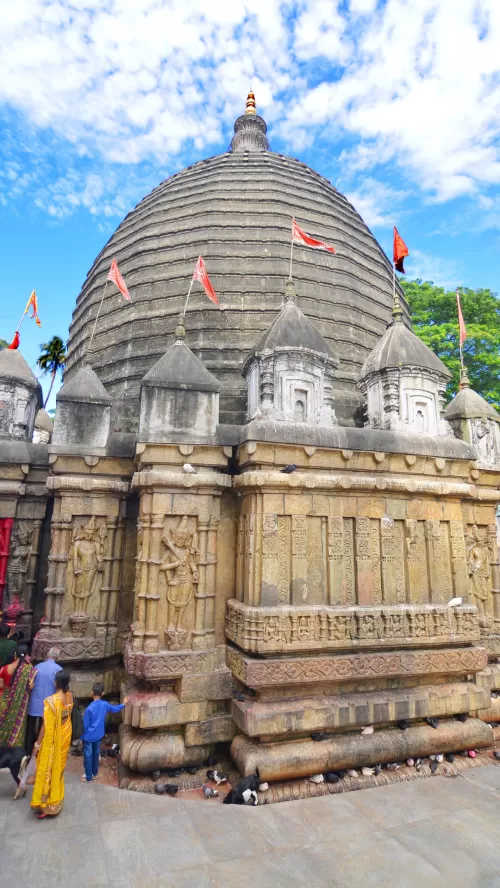
City sightseeing becomes more enjoyable when transportation is planned according to attraction locations and daily schedules. Visitors exploring Guwahati often combine Kamakhya Temple, Umananda Temple, Assam State Museum, Brahmaputra riverfront, local markets, and cultural sites within a single day using taxis or auto-rickshaws. Similar planning works well in other cities where attractions are located within convenient driving distances.
Organising sightseeing routes efficiently reduces unnecessary travel, saves time, and allows visitors to spend longer at museums, temples, parks, shopping areas, and riverside viewpoints. Planning meal breaks and return transportation before starting the day further improves the overall sightseeing experience.
Efficient local transfers allow travellers to explore Assam's cities comfortably while making the most of every sightseeing opportunity during their visit.
Every traveller explores Assam differently, and selecting the right mode of transport depends on the size of the group, travel style, and planned destinations. Families travelling with children or senior members generally prefer private taxis or rental vehicles because they offer flexible departure times, comfortable seating, convenient luggage space, and the freedom to stop whenever required. Couples often enjoy self-drive holidays or chauffeur-driven vehicles that allow them to explore tea gardens, riverside viewpoints, and cultural attractions at a relaxed pace.
Solo travellers can comfortably combine trains, buses, shared taxis, ferries, and local transport while exploring Assam independently. Those following fixed budgets often rely on public transport for intercity travel while using taxis only for local sightseeing or reaching destinations that have limited transport connectivity. Choosing transport according to individual travel requirements helps create a smoother and more enjoyable holiday.
Selecting transportation according to the traveller's needs improves comfort throughout the journey while making sightseeing across Assam more convenient and enjoyable.
Long-distance travel is common when exploring Assam because many wildlife parks, tea-growing regions, river islands, and historical destinations are located in different parts of the state. Comfortable seating, sufficient luggage space, regular refreshment breaks, and realistic daily driving schedules become increasingly important during extended journeys. Travellers should avoid planning continuous long-distance travel without adequate rest periods.
Choosing vehicles with good seating capacity and air conditioning, where preferred, can significantly improve the overall travel experience. Visitors carrying photography equipment, travelling with children, or visiting multiple destinations often benefit from transportation that provides extra space and greater flexibility during the journey.
Comfortable transportation makes long journeys more enjoyable while allowing travellers to arrive at each destination relaxed and ready for sightseeing.
Transportation planning should consider both travel expenses and the flexibility required throughout the itinerary. Budget-conscious visitors often combine buses, trains, shared taxis, and ferries to reduce costs, while travellers seeking greater convenience generally choose private taxis or rental vehicles. The number of destinations, travel duration, and sightseeing priorities should all influence the transportation plan.
Comparing different options before departure allows travellers to identify the most suitable balance between affordability and convenience. Well-planned transportation helps reduce unnecessary expenses while ensuring sufficient flexibility for wildlife safaris, ferry crossings, city sightseeing, and road trips across Assam.
Carefully comparing transportation options helps visitors enjoy a comfortable Assam holiday while keeping travel costs aligned with their overall budget.
Assam has a well-developed highway network connecting Guwahati with major tourist destinations, including Kaziranga National Park, Manas National Park, Jorhat, Dibrugarh, Silchar, and several other important towns. National highways generally provide smooth driving conditions, while smaller district roads leading to villages, tea estates, wildlife areas, and remote attractions may vary depending on maintenance and local conditions.
Travellers should avoid assuming that all routes offer identical driving conditions. Journey times may differ between highways and rural roads, particularly when travelling through forest regions or less populated areas. Reviewing planned routes before departure helps ensure realistic travel schedules and safer driving throughout the trip.
Understanding road variations helps travellers prepare realistic itineraries while ensuring comfortable and safe journeys throughout Assam.
Weather conditions have a significant influence on road travel across Assam. During the monsoon season, heavy rainfall may temporarily slow traffic, affect visibility, and occasionally influence access to certain rural roads or ferry services. Winter generally offers pleasant weather and favourable driving conditions, making it a preferred season for road trips and wildlife travel.
Travellers should monitor weather forecasts regularly before beginning long journeys, especially when visiting river islands, wildlife parks, or destinations located away from major highways. Flexible planning allows adjustments without affecting the overall travel experience.
Considering seasonal weather conditions helps visitors avoid unnecessary delays while enjoying a safer and more comfortable road journey across Assam.
Even with careful planning, unexpected delays may occur because of weather, traffic, road maintenance, ferry schedules, or sightseeing stops. Including additional travel time within the itinerary reduces pressure and allows visitors to continue their journey comfortably without affecting accommodation bookings or planned activities.
Travellers should avoid scheduling important transfers immediately after long road journeys whenever possible. Keeping buffer time between destinations provides flexibility for photography, meal breaks, and local experiences while ensuring a relaxed travel pace throughout the holiday.
Allowing additional travel time creates a more enjoyable journey by reducing stress and ensuring visitors can fully appreciate Assam's landscapes, culture, and attractions.
One of the most common mistakes travellers make while exploring Assam is assuming that major attractions are located close to one another. Although the state has a strong transportation network, destinations such as Kaziranga National Park, Manas National Park, Majuli Island, Sivasagar, Dibrugarh, and Upper Assam tea estates are spread across different regions. Travelling between these locations often involves several hours of driving and, in some cases, ferry crossings across the Brahmaputra River.
Planning too many destinations within a limited holiday usually results in rushed sightseeing, long hours on the road, and reduced opportunities to experience local culture, wildlife, and natural landscapes. Selecting fewer destinations with adequate exploration time creates a more enjoyable and comfortable journey while reducing unnecessary travel fatigue.
Planning realistic travel distances helps visitors enjoy Assam at a comfortable pace while making every destination a meaningful part of the overall journey.
Waiting until the last moment to organise transportation can create unnecessary difficulties during an Assam holiday. During peak travel seasons, flights, train reservations, rental vehicles, accommodation near wildlife parks, and ferry services may experience high demand. Booking transportation in advance provides greater flexibility, better availability, and smoother transfers between destinations.
Visitors should also coordinate transport with accommodation, wildlife safari schedules, sightseeing plans, and ferry timings. Preparing these arrangements before departure helps minimise waiting time and allows more opportunities to explore Assam's attractions without unnecessary interruptions.
Advance planning creates a smoother travel experience, allowing visitors to spend more time exploring Assam instead of managing transportation challenges.
Another frequent planning mistake is creating itineraries with very little flexibility between destinations. Long road journeys, weather changes, ferry operations, photography stops, and local sightseeing can all extend travel time beyond initial estimates. Tight schedules often leave travellers with insufficient time to appreciate wildlife experiences, cultural attractions, and scenic landscapes.
Building reasonable buffer time into the itinerary allows visitors to respond comfortably to changing travel conditions while enjoying spontaneous experiences along the route. Flexible scheduling also helps reduce stress and improves the overall quality of the journey.
Flexible itineraries allow travellers to enjoy Assam's wildlife, landscapes, and cultural experiences without feeling pressured by unrealistic travel schedules.


Get customized Assam tour planning designed around seasonal weather patterns, river conditions, wildlife safari timing, and realistic road travel flow. Whether you are visiting for national parks, tea estate stays, cultural experiences, spiritual sites, o
⚡ Quick Response | 💰 Free consultation | 🕒 24×7 expert support