

How Tea is Made in Assam – A Tourist's Guide
Understanding how tea is made in Assam allows travellers to explore plantations, learn traditional processing methods, and experience the journey from fresh tea leaves to the final product.
+91 9910402252
admin@chalbanjare.com


Planning your first Assam trip requires understanding destinations, wildlife experiences, cultural attractions, travel routes, seasons, and local experiences across this beautiful Northeast Indian state.
Assam is one of Northeast India's most diverse travel destinations, offering a combination of wildlife, lush tea gardens, mighty rivers, vibrant cities, historic temples, cultural villages, and rich biodiversity. Situated along the Brahmaputra River, the state is known for its national parks, fertile plains, forested hills, and centuries-old traditions. Whether you are interested in wildlife photography, cultural exploration, spiritual tourism, or nature-based holidays, Assam provides experiences suitable for a wide variety of travellers.
Unlike destinations that focus on a single attraction, Assam combines multiple travel experiences within one journey. Visitors can enjoy jeep safaris in famous national parks, explore river islands, visit tea estates, discover ancient temples, attend colourful festivals, experience traditional Assamese hospitality, and witness unique wildlife including the famous one-horned rhinoceros. This variety makes Assam suitable for family holidays, solo trips, couple vacations, educational tours, and nature expeditions throughout the year.
Assam offers far more than wildlife alone. The combination of nature, culture, history, and local traditions creates a well-rounded travel experience that appeals to visitors with different interests and travel styles.
Every region of Assam offers a distinct travel experience. Guwahati serves as the state's largest city and transportation hub, providing temples, museums, shopping areas, and riverfront attractions. National parks such as Kaziranga and Manas focus on wildlife safaris, biodiversity, and forest exploration, while destinations like Majuli Island introduce visitors to peaceful rural landscapes, monasteries, and traditional Assamese culture.
Tea-growing regions offer scenic plantations and opportunities to learn about Assam's globally recognised tea industry. Smaller villages and countryside destinations provide authentic local experiences where visitors can explore handicrafts, traditional homes, local cuisine, and agricultural landscapes. Understanding these regional differences helps travellers design itineraries that match their personal interests.
Choosing destinations based on their unique characteristics allows visitors to experience the full diversity of Assam rather than focusing on a single attraction during their journey.
Planning an enjoyable first trip to Assam begins by identifying your travel priorities and the amount of time available. Short holidays of four to five days can comfortably include Guwahati and Kaziranga National Park, while week-long or longer itineraries allow additional destinations such as Majuli Island, Manas National Park, Sivasagar, or tea garden regions. Planning fewer destinations with sufficient exploration time generally creates a more relaxed and rewarding experience.
Nature enthusiasts often prioritise wildlife parks and birdwatching, cultural travellers focus on monasteries, villages, and heritage sites, while photographers may combine tea gardens, river landscapes, forests, and temples. Selecting destinations that match individual interests ensures every day of the journey remains enjoyable without excessive travel between locations.
Thoughtful planning helps first-time visitors experience Assam comfortably while making the most of its wildlife, cultural heritage, natural beauty, and welcoming local communities.
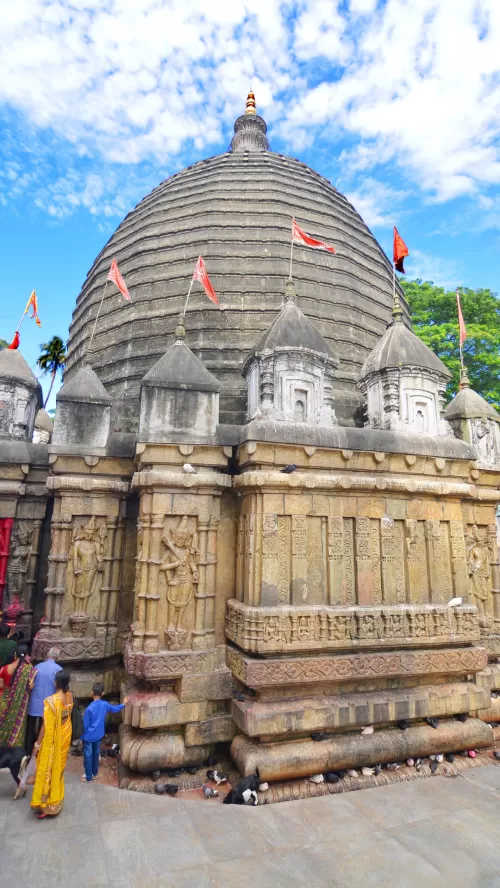
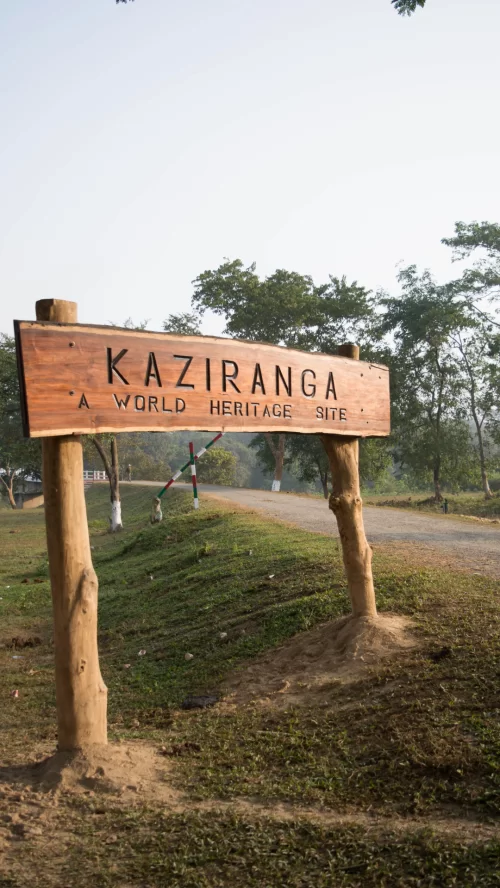
Kaziranga National Park, Majuli Island, and Guwahati are among Assam's most iconic travel destinations. Kaziranga is internationally recognised for protecting the world's largest population of one-horned rhinoceroses and offers exciting jeep and elephant safaris through grasslands and forests. Guwahati combines modern city life with spiritual attractions including the famous Kamakhya Temple, museums, markets, and scenic Brahmaputra riverfronts.
Majuli Island, one of the world's largest inhabited river islands, provides a completely different experience through its peaceful villages, monasteries known as Satras, traditional art forms, and scenic river landscapes. Visiting these three destinations introduces travellers to the wildlife, spirituality, culture, and natural beauty that define Assam.
These destinations provide an excellent introduction to Assam by showcasing its most celebrated wildlife reserves, cultural landmarks, and scenic landscapes within a balanced itinerary.
Beyond Kaziranga and Guwahati, Assam offers numerous destinations that reveal the state's remarkable natural diversity. Manas National Park is both a UNESCO World Heritage Site and a Project Tiger Reserve, known for its forests, grasslands, rivers, and rare wildlife species. Tea estates spread across different districts create endless green landscapes where visitors can learn about tea cultivation while enjoying peaceful countryside surroundings.
The Brahmaputra River and its tributaries shape much of Assam's geography, supporting wetlands, forests, villages, and fertile plains. River cruises, scenic viewpoints, and rural landscapes provide additional opportunities for photography, relaxation, and nature appreciation throughout the journey.
Manas, the tea estates, and Assam's river landscapes complement the state's famous attractions by offering visitors quieter experiences filled with natural beauty and biodiversity.
Assam's wide variety of attractions allows travellers to build itineraries according to their interests. Wildlife enthusiasts usually focus on Kaziranga, Manas, Pobitora Wildlife Sanctuary, and Orang National Park. Cultural travellers often include Majuli, Sivasagar, traditional villages, and historic temples, while nature lovers may explore tea estates, river islands, forests, wetlands, and birdwatching locations.
Rather than attempting to visit every destination during one holiday, selecting attractions that reflect your travel goals creates a more enjoyable and less rushed experience. A balanced itinerary combining wildlife, culture, scenic landscapes, and local experiences allows visitors to appreciate Assam's remarkable diversity.
Choosing destinations carefully ensures visitors experience Assam in a meaningful way while enjoying its extraordinary wildlife, rich culture, scenic beauty, and welcoming communities.
Assam experiences three major travel seasons, each offering a different perspective of the state. Winter, from November to February, is widely considered the most comfortable period because temperatures remain pleasant, humidity is lower, and skies are generally clear. This season is ideal for sightseeing, wildlife safaris, river cruises, tea garden visits, and cultural exploration. Spring brings fresh greenery and blooming landscapes, while early autumn gradually marks the return of favourable travel conditions after the monsoon.
The monsoon season, usually from June to September, transforms Assam into a lush green paradise but also brings heavy rainfall, rising river levels, and occasional flooding in low-lying areas. Summer months before the monsoon can be warm and humid, particularly in the plains, although higher elevations and forest regions remain relatively pleasant. Understanding these seasonal variations helps travellers select the most suitable time according to their planned destinations and activities.
Every season reveals a different side of Assam. Choosing the right time depends on whether your priority is wildlife, sightseeing, photography, festivals, or simply enjoying pleasant weather throughout the journey.
The best wildlife experiences in Assam generally coincide with the cooler months when national parks are fully accessible and animals are easier to observe around grasslands and water bodies. Kaziranga National Park, Manas National Park, Orang National Park, and Pobitora Wildlife Sanctuary welcome visitors during the official safari season, allowing jeep and elephant safaris to operate under favourable conditions.
Winter also hosts several cultural celebrations that introduce visitors to Assamese traditions, music, dance, and local cuisine. Bihu festivals, tea garden visits, Brahmaputra River cruises, birdwatching excursions, and village experiences become particularly enjoyable during pleasant weather. Outdoor activities such as photography, nature walks, and sightseeing remain comfortable throughout the cooler months.
Travelling during the main tourism season allows visitors to combine wildlife exploration, cultural experiences, and scenic outdoor activities while enjoying favourable weather across most regions of Assam.
The ideal time to visit Assam depends largely on your travel interests. Wildlife enthusiasts usually plan their holidays during the official safari season, while photographers often prefer winter mornings with clear skies and soft natural light. Cultural travellers may schedule their visits around important festivals, while tea lovers often enjoy watching tea gardens during their vibrant growing season.
Travellers planning longer road trips should also consider weather conditions before finalising their itinerary. During the monsoon, certain routes may experience delays because of heavy rainfall or flooding. Flexible planning, advance accommodation bookings, and monitoring weather forecasts help ensure a smoother journey regardless of the season.
Matching your travel dates with your interests helps maximise your experience in Assam, allowing you to enjoy the state's wildlife, culture, landscapes, and outdoor attractions under suitable seasonal conditions.
Assam is one of the best-connected states in Northeast India and can be reached conveniently by air, rail, and road from many major Indian cities. Air travel is the fastest option, particularly for visitors travelling from distant parts of the country. Rail services provide economical and comfortable access, while national highways connect Assam with neighbouring northeastern states as well as eastern India through an expanding road network.
The choice of transportation depends on travel budget, starting location, available time, and final destination within the state. Many travellers combine multiple modes of transport, such as flying into Guwahati before continuing by road to Kaziranga, Majuli, or Manas National Park. This flexible approach allows visitors to travel efficiently while enjoying scenic landscapes during the onward journey.
Multiple transportation options make Assam accessible for travellers with different budgets and travel styles. Selecting the right combination helps reduce travel time while improving overall comfort.
Guwahati serves as the primary gateway for most visitors entering Assam. The city is home to the state's busiest airport and major railway station, making it the central arrival point for domestic and international travellers connecting through other Indian cities. From Guwahati, visitors can easily continue towards Kaziranga National Park, Manas National Park, Majuli Island, Sivasagar, and other important destinations.
Besides functioning as a transportation hub, Guwahati itself offers numerous attractions including Kamakhya Temple, Umananda Temple, museums, local markets, and scenic Brahmaputra River viewpoints. Many travellers spend one or two days exploring the city before beginning longer journeys across Assam.
Starting your journey from Guwahati provides convenient access to transportation, accommodation, sightseeing, and travel services, making it the ideal gateway for exploring the rest of Assam.
After arriving in Assam, travellers can continue their journey using private taxis, self-drive vehicles, buses, ferries, and local transport depending on the destination. Wildlife parks, tea gardens, river islands, and cultural attractions are spread across different districts, so transportation choices should be planned according to travel distances and available time. Hiring a private vehicle is often the most comfortable option for multi-destination itineraries.
Road conditions are generally good along major highways, although travel times may be longer than expected because of rural roads, ferry crossings, or traffic near larger towns. Allowing sufficient travel time between destinations creates a more relaxed itinerary while providing opportunities to enjoy Assam's countryside, rivers, and tea-growing landscapes.
Selecting suitable transportation for each destination helps travellers enjoy Assam comfortably while making the journey itself an enjoyable part of the overall travel experience.
Planning your first Assam itinerary becomes much easier when you focus on a few major destinations instead of trying to cover the entire state. A well-balanced route generally begins in Guwahati before continuing to Kaziranga National Park for wildlife experiences and then extending to destinations such as Majuli Island, Sivasagar, or Manas National Park depending on the number of travel days available. This approach reduces long travel hours while allowing enough time to enjoy each destination without rushing.
Short trips of four to five days are ideal for exploring Guwahati and Kaziranga, while six to eight days provide opportunities to include Majuli Island or Sivasagar. Travellers with nine days or more can comfortably visit Manas National Park, tea garden regions, and additional cultural attractions. Allowing flexibility within the itinerary also helps accommodate weather conditions and personal sightseeing preferences.
A carefully planned itinerary helps first-time travellers experience Assam's wildlife, culture, history, and natural beauty comfortably while avoiding unnecessary travel fatigue.
The most rewarding Assam itineraries combine different types of experiences rather than focusing entirely on one attraction. Wildlife safaris at Kaziranga and Manas can be balanced with peaceful visits to Majuli Island, sightseeing around Guwahati, tea garden tours, temple visits, and scenic drives through the countryside. This variety allows travellers to experience the state's diverse identity while maintaining a relaxed pace.
Scheduling free time between long drives and sightseeing sessions also improves the overall experience. Spending evenings exploring local markets, enjoying Assamese cuisine, watching the Brahmaputra River at sunset, or relaxing at comfortable accommodations helps create a more enjoyable holiday for families, couples, and solo travellers alike.
Balancing adventure, sightseeing, cultural experiences, and relaxation creates a memorable itinerary that showcases the many different sides of Assam without making the journey feel rushed.
Although Assam has good road connectivity between many tourist destinations, travel times can still be significant because attractions are spread across different districts. Visitors should avoid scheduling multiple long-distance journeys on the same day, particularly when combining national parks, river islands, and historical towns. Planning shorter driving days allows more time for sightseeing and reduces travel fatigue.
Beginning road journeys early in the morning, allowing time for ferry crossings to destinations like Majuli, and keeping weather conditions in mind all contribute to smoother travel. Realistic scheduling also provides flexibility for wildlife safaris, photography stops, and unexpected discoveries along the route.
Carefully planning travel times ensures visitors enjoy Assam's attractions at a comfortable pace while making every road journey an enjoyable part of the overall experience.
Road trips are one of the most enjoyable ways to explore Assam because they allow travellers to experience the state's changing landscapes, rivers, villages, forests, and tea gardens at their own pace. One of the most popular routes connects Guwahati with Kaziranga National Park before continuing towards Majuli Island and Sivasagar. This journey combines wildlife, culture, history, and scenic countryside while passing through picturesque rural landscapes.
Another rewarding circuit links Guwahati with Manas National Park, offering forest scenery, wildlife experiences, and beautiful countryside. Travellers with additional time can extend their journey to tea-growing districts or combine multiple national parks into a longer wildlife-focused road trip across Assam.
These scenic driving routes allow visitors to experience Assam beyond its major tourist attractions while enjoying the freedom to stop at viewpoints, tea gardens, and local villages throughout the journey.
One of the highlights of travelling by road in Assam is the opportunity to witness vast tea plantations, the mighty Brahmaputra River, green agricultural fields, forest reserves, and peaceful villages. Every region offers unique scenery, from endless tea estates to riverside viewpoints and traditional rural settlements that showcase the state's agricultural and cultural heritage.
Stopping at tea gardens allows travellers to learn about Assam's world-famous tea industry while enjoying scenic landscapes and peaceful surroundings. Countryside roads often pass through bamboo groves, wetlands, local markets, and small villages where visitors gain a deeper appreciation of everyday life across the state.
The scenic countryside is one of Assam's greatest road trip attractions, providing countless opportunities for photography, relaxation, and cultural exploration beyond the state's famous tourist destinations.
Successful road trips in Assam require planning according to seasonal weather and road conditions. Winter offers the most comfortable driving conditions with pleasant temperatures and clear visibility, making it the preferred season for long-distance travel. During the monsoon, heavy rainfall and occasional flooding may affect certain roads, particularly near rivers and low-lying regions.
Travellers should monitor weather forecasts before departure, begin long drives early in the day, and maintain flexible schedules that allow for unexpected delays. Carrying navigation tools, emergency supplies, drinking water, and fuel whenever travelling through remote areas further improves safety and convenience during extended road journeys.
Proper seasonal planning helps travellers enjoy Assam's scenic road journeys safely while making the most of the state's beautiful landscapes, wildlife regions, and cultural destinations.
Assam is internationally recognised for its exceptional wildlife and protected natural landscapes. The state is home to several renowned national parks and wildlife sanctuaries that preserve diverse ecosystems ranging from grasslands and wetlands to tropical forests and riverine habitats. Kaziranga National Park is the most famous wildlife destination, while Manas National Park, Orang National Park, Pobitora Wildlife Sanctuary, and Dibru Saikhowa National Park each offer distinctive environments and unique wildlife experiences.
Every protected area provides different opportunities for nature enthusiasts. Some parks are known for large mammals and safari experiences, while others attract birdwatchers, photographers, and travellers seeking peaceful forest exploration. Visiting more than one wildlife destination allows travellers to appreciate the remarkable biodiversity that makes Assam one of India's leading eco-tourism destinations.
Assam's network of national parks and wildlife sanctuaries offers unforgettable opportunities to experience nature while supporting conservation efforts that protect some of India's most valuable ecosystems.
The one-horned rhinoceros has become the symbol of Assam's wildlife and remains one of the main reasons travellers visit the state. Kaziranga National Park protects the world's largest population of this remarkable species, while visitors may also encounter Asian elephants, wild water buffalo, swamp deer, tigers, and many other mammals depending on the park and safari route. These protected forests provide excellent opportunities to observe wildlife within their natural habitats.
Assam is equally important for birdwatching because its wetlands, forests, grasslands, and river systems support hundreds of resident and migratory bird species. Colourful kingfishers, hornbills, eagles, storks, pelicans, and numerous waterbirds attract bird enthusiasts throughout the safari season. The combination of large mammals and exceptional bird diversity makes Assam a paradise for wildlife photographers and nature lovers.
The diversity of wildlife found across Assam ensures every safari offers a unique experience, making each visit rewarding for both first-time travellers and experienced wildlife enthusiasts.
Wildlife exploration in Assam extends beyond traditional jeep safaris. Visitors can participate in guided nature walks in designated areas, enjoy birdwatching excursions, visit interpretation centres, explore eco-tourism zones, and learn about conservation initiatives that protect endangered species and fragile ecosystems. Many protected areas also promote responsible tourism through educational programmes and local community involvement.
Respecting park regulations, maintaining safe distances from wildlife, avoiding noise, and following instructions from trained guides contribute to both visitor safety and wildlife conservation. Responsible travel ensures future generations can continue enjoying Assam's remarkable natural heritage while supporting the long-term protection of its forests and wildlife.
Assam's wildlife experiences combine adventure, education, and conservation, allowing visitors to appreciate one of India's richest natural environments while helping preserve it for future generations.
Assam's cultural heritage reflects centuries of history, indigenous traditions, spiritual influences, and agricultural lifestyles. The state's communities celebrate colourful festivals, preserve traditional art forms, and maintain customs that remain closely connected with nature and local identity. Visitors exploring towns, villages, monasteries, and cultural centres gain valuable insight into Assamese hospitality, music, dance, weaving, and everyday life.
Festivals such as Bihu are among the most significant cultural celebrations, bringing communities together through traditional performances, local cuisine, and festive gatherings. Travelling during festival seasons offers visitors an excellent opportunity to experience Assam's lively cultural atmosphere while observing customs that have been preserved across generations.
Assam's cultural diversity adds remarkable depth to every journey, allowing visitors to experience traditions that continue to shape everyday life throughout the state.
Assamese cuisine is known for its fresh ingredients, subtle flavours, and recipes that reflect the state's rivers, forests, and agricultural heritage. Visitors can enjoy regional rice dishes, freshwater fish preparations, seasonal vegetables, bamboo shoot recipes, traditional sweets, and locally prepared delicacies served in homes and restaurants. Every region offers its own culinary specialities, making food an important part of the travel experience.
Tea is another defining feature of Assam's identity. Visiting tea estates allows travellers to learn about cultivation, harvesting, processing, and tasting some of the world's finest black tea. Local markets also showcase beautifully handcrafted bamboo products, textiles, bell metal crafts, and traditional woven fabrics that reflect the artistic skills of Assamese communities.
Food, tea, and handicrafts provide visitors with meaningful connections to Assam's culture while supporting local artisans, farmers, and traditional industries across the state.
Exploring villages and local markets offers one of the most authentic ways to understand Assam beyond its famous tourist attractions. Rural communities preserve traditional lifestyles centred around agriculture, weaving, fishing, and craftsmanship, while weekly markets bring together local farmers, artisans, and traders from surrounding villages. These experiences provide opportunities to observe daily life, regional products, and community interactions.
Travellers who stay in locally managed homestays or participate in community-based tourism often gain deeper insight into Assamese customs, hospitality, and traditional practices. Respectful interactions, responsible shopping, and appreciation of local culture create rewarding experiences for both visitors and host communities.
Village visits and local market experiences reveal the heart of Assam's culture, allowing travellers to appreciate traditions, craftsmanship, and hospitality that remain deeply rooted in everyday life.
The overall cost of travelling in Assam depends on the season, destinations included, travel style, and trip duration. Major expenses generally include transportation, accommodation, meals, entry tickets, wildlife safaris, local sightseeing, and optional activities such as river cruises or tea estate experiences. Travellers who plan their itinerary in advance often find it easier to control expenses while enjoying the state's major attractions comfortably.
Accommodation costs vary between cities, wildlife destinations, and rural areas, while transportation expenses depend on whether visitors use public transport, shared vehicles, or private taxis. Food remains reasonably priced across most regions, with local restaurants offering authentic Assamese cuisine at affordable rates. Additional costs such as ferry services to Majuli Island, safari permits, and guide fees should also be included while preparing the overall travel budget.
Understanding all major travel expenses before departure helps visitors prepare a realistic budget and avoid unexpected costs during their journey across Assam.
Assam offers accommodation and transportation choices suitable for a wide range of budgets. Budget travellers can use guesthouses, homestays, local restaurants, shared transportation, and public buses while exploring the state's major attractions economically. Comfortable mid-range travel usually combines quality hotels, private transportation for selected routes, guided safaris, and organised sightseeing without significantly increasing the overall cost.
Premium travellers can choose luxury resorts near wildlife parks, boutique heritage properties, private vehicles with drivers, exclusive safari experiences, and personalised itineraries. Regardless of travel style, advance bookings during peak tourism seasons often help secure better availability and more competitive prices.
Whether travelling economically or choosing premium experiences, Assam provides options that allow visitors to enjoy its wildlife, culture, and landscapes without compromising the quality of their holiday.
The number of destinations included in your itinerary has a significant influence on the overall travel budget. Short holidays covering Guwahati and Kaziranga generally involve lower transportation costs, while longer journeys including Majuli Island, Manas National Park, Sivasagar, and additional tea-growing regions naturally require higher budgets because of extra accommodation, travel, and sightseeing expenses.
Creating a day-by-day budget before departure helps travellers estimate daily spending on accommodation, meals, transport, and activities. Keeping some additional funds for weather-related changes, local shopping, or optional experiences ensures greater financial flexibility throughout the trip without disrupting the itinerary.
A carefully planned travel budget allows visitors to enjoy Assam confidently while focusing on memorable experiences rather than worrying about daily expenses during the journey.
Assam's climate plays an important role in travel planning, particularly during the monsoon season when heavy rainfall may lead to flooding in certain regions. Rising river levels, temporary road closures, and changes to ferry schedules can occasionally affect travel between destinations. Monitoring weather forecasts before departure and remaining flexible with travel plans help minimise disruptions during the rainy months.
Travellers visiting during the main tourism season generally experience more stable weather, making sightseeing, wildlife safaris, and road journeys easier to manage. Even during favourable seasons, carrying rain protection, comfortable footwear, and suitable clothing for changing weather conditions helps ensure a comfortable travel experience across different parts of the state.
Understanding seasonal weather conditions allows travellers to prepare effectively, reducing disruptions while making the most of Assam's natural beauty and outdoor attractions.
One of the most common mistakes made by first-time visitors is attempting to cover too many destinations within a limited number of days. Although Assam has good transport connectivity, wildlife parks, river islands, historical towns, and tea-growing regions are spread across different districts. Rushed itineraries often result in long travel hours, reduced sightseeing time, and unnecessary fatigue.
Planning realistic driving distances, allowing overnight stops between major destinations, and including buffer time for ferry crossings or wildlife activities creates a much more enjoyable journey. Travellers should prioritise quality experiences rather than trying to visit every attraction during a single holiday.
Realistic route planning improves comfort, reduces travel stress, and allows visitors to appreciate Assam's wildlife, landscapes, and cultural attractions at a relaxed pace.
Travellers visiting Assam's national parks and wildlife sanctuaries should familiarise themselves with local regulations before entering protected areas. Following safari timings, respecting wildlife, avoiding littering, and obeying guide instructions are essential for visitor safety and conservation. Carrying valid identification, booking safaris in advance during peak seasons, and understanding park rules further improve the overall experience.
Visitors should also prepare for practical travel requirements by carrying cash for remote areas, downloading offline maps where mobile connectivity may be limited, and confirming ferry schedules before travelling to river islands. Responsible travel practices help ensure a smooth and enjoyable journey throughout the state.
Preparing for local travel conditions and respecting wildlife regulations allows visitors to enjoy Assam safely while contributing to the protection of its remarkable natural and cultural heritage.
Assam offers an impressive combination of wildlife, culture, history, tea gardens, rivers, and natural landscapes, allowing every traveller to create a journey that reflects their personal interests. Wildlife enthusiasts can focus on Kaziranga National Park, Manas National Park, Pobitora Wildlife Sanctuary, and Orang National Park, while cultural travellers may enjoy Majuli Island, Sivasagar, traditional villages, and historic temples. Nature lovers can include tea estates, Brahmaputra River viewpoints, wetlands, forests, and scenic countryside throughout their itinerary.
Instead of attempting to visit every attraction during a single holiday, choose destinations that complement each other and fit comfortably within your available travel time. Combining cities, wildlife reserves, tea gardens, and cultural destinations creates a balanced itinerary that showcases the diversity of Assam while allowing sufficient time for exploration, photography, local experiences, and relaxation.
Choosing destinations thoughtfully allows visitors to enjoy Assam at a relaxed pace while experiencing the state's remarkable wildlife, cultural traditions, and beautiful natural landscapes in a meaningful way.
Advance planning plays an important role in ensuring a smooth and enjoyable trip across Assam. Confirm accommodation before arrival, especially near popular wildlife destinations where availability may become limited during the safari season. Decide on transportation according to your itinerary by comparing flights, trains, private vehicles, buses, and ferry services where required. Planning transfers between destinations in advance reduces unnecessary delays during the journey.
Wildlife safaris, river cruises, tea estate visits, cultural experiences, and sightseeing activities should also be scheduled according to your travel dates. Monitoring weather forecasts, carrying suitable clothing, preparing identification documents, downloading offline maps, and keeping emergency contact details readily available all contribute to a comfortable and organised travel experience.
Good preparation allows travellers to spend more time enjoying Assam's attractions and less time managing logistics, resulting in a relaxed and memorable holiday.
Before beginning your journey, confirm transportation bookings, accommodation reservations, safari schedules, ferry timings, and entry requirements for planned attractions. Pack lightweight clothing for warm weather, a light jacket for cooler mornings during winter, comfortable walking shoes, rain protection when necessary, sunscreen, insect repellent, medicines, reusable water bottles, and electronic charging accessories. Keeping both printed and digital copies of important travel documents provides additional convenience throughout the trip.
Travel with realistic expectations, respect local customs, follow wildlife regulations, support responsible tourism, and allow enough time to appreciate Assam's tea gardens, forests, rivers, temples, villages, and national parks. Travellers who embrace the state's slower pace and natural beauty often leave with unforgettable memories and a deeper appreciation of one of Northeast India's most diverse destinations.
With careful planning and an open mind, Assam rewards visitors with extraordinary wildlife, welcoming communities, beautiful landscapes, rich cultural heritage, and authentic travel experiences that remain memorable long after the journey ends.


Get customized Assam tour planning designed around seasonal weather patterns, river conditions, wildlife safari timing, and realistic road travel flow. Whether you are visiting for national parks, tea estate stays, cultural experiences, spiritual sites, o
⚡ Quick Response | 💰 Free consultation | 🕒 24×7 expert support