


How Tea is Made in Assam – A Tourist's Guide
Understanding how tea is made in Assam allows travellers to explore plantations, learn traditional processing methods, and experience the journey from fresh tea leaves to the final product.
+91 9910402252
admin@chalbanjare.com


Assam is home to several national parks protecting wildlife, forests, wetlands, and biodiversity, offering tourists opportunities for safaris, nature exploration, and conservation experiences.
Assam is one of India's most significant wildlife destinations because of its remarkable network of protected national parks that preserve some of the country's richest natural ecosystems. These parks safeguard endangered species, protect forests, wetlands, grasslands, and river habitats, and provide secure environments where wildlife can thrive with minimal human disturbance. They also play a vital role in maintaining ecological balance while supporting scientific research, environmental education, and sustainable tourism.
National parks in Assam have gained international recognition for conserving iconic wildlife such as the one-horned rhinoceros, Bengal tiger, Asian elephant, wild water buffalo, and numerous bird species. Through continuous conservation efforts, habitat restoration, and responsible wildlife management, these protected landscapes continue to support biodiversity while offering visitors opportunities to experience wildlife in its natural environment.
Exploring Assam's national parks allows travellers to witness successful conservation efforts while appreciating the extraordinary diversity of Northeast India's natural heritage.
Assam's national parks represent some of India's most valuable conservation landscapes while providing unforgettable wildlife experiences for responsible travellers.
Protected areas across Assam preserve interconnected ecosystems that support thousands of plant and animal species. Dense forests, wetlands, river systems, grasslands, evergreen forests, and floodplain habitats together create ideal environments for wildlife while protecting essential ecological processes. These habitats also contribute to water conservation, soil protection, climate regulation, and the long-term survival of numerous endangered species.
Each national park protects a different ecosystem, making every destination unique. Some parks are famous for grassland wildlife, while others preserve rainforests, wetlands, or river islands. Together they form a comprehensive conservation network that maintains Assam's ecological diversity while creating outstanding opportunities for wildlife observation, photography, and scientific study.
Understanding the importance of protected ecosystems helps visitors appreciate why Assam remains one of India's most biologically diverse regions.
| Protected Ecosystem | Conservation Importance |
|---|---|
| Grasslands | Habitat for rhinoceroses and herbivores. |
| Forests | Support mammals, birds, and biodiversity. |
| Wetlands | Important for migratory birds and aquatic life. |
| River Ecosystems | Maintain ecological balance. |
| Rainforests | Protect rare flora and fauna. |
The diversity of Assam's protected ecosystems makes every national park unique while collectively preserving the state's extraordinary natural heritage.
Assam has earned its reputation as one of India's leading wildlife destinations because of its exceptional biodiversity, internationally recognised conservation programmes, and remarkable variety of protected habitats. Few regions offer visitors the opportunity to observe one-horned rhinoceroses, elephants, tigers, wild buffalo, primates, reptiles, and hundreds of bird species within such diverse natural environments.
Beyond wildlife, Assam's tea gardens, rivers, forests, and cultural heritage create a complete travel experience that combines nature with authentic regional traditions. Responsible tourism, organised safaris, and conservation-focused management allow visitors to experience wildlife while supporting long-term environmental protection. This combination of biodiversity and sustainable tourism continues to attract nature enthusiasts from across India and around the world.
Assam's remarkable conservation success and exceptional biodiversity firmly establish it as one of India's premier wildlife tourism destinations.
Visitors seeking authentic wildlife experiences will find Assam among the most rewarding and biologically rich destinations in India.
Assam currently has seven national parks, each protecting a unique ecosystem and contributing significantly to wildlife conservation in Northeast India. These include Kaziranga National Park, Manas National Park, Nameri National Park, Orang National Park, Dibru Saikhowa National Park, Dehing Patkai National Park, and Raimona National Park. Together, these protected areas preserve an extraordinary range of habitats, from floodplain grasslands and wetlands to evergreen rainforests and river ecosystems.
Every national park offers a distinct wildlife experience based on its geography, vegetation, and resident species. While some parks are internationally recognised for iconic mammals, others are celebrated for birdlife, rainforest biodiversity, or peaceful nature exploration. Collectively, they form one of India's most important wildlife conservation networks.
Exploring multiple national parks provides visitors with a deeper understanding of Assam's remarkable ecological diversity and conservation achievements.
Each of Assam's seven national parks contributes uniquely to protecting wildlife while offering visitors distinctive nature experiences across the state.
Although all seven national parks share the common goal of wildlife conservation, each park protects different habitats and species. Kaziranga safeguards the world's largest population of one-horned rhinoceroses, while Manas preserves extensive forests and grasslands supporting rare mammals and birds. Nameri focuses on riverine forests and birdlife, Orang protects floodplain ecosystems, Dibru Saikhowa conserves wetlands and river habitats, Dehing Patkai safeguards rainforest biodiversity, and Raimona strengthens important wildlife corridors.
Together these parks create an interconnected conservation landscape that supports ecological stability across Assam. Their combined efforts help protect endangered wildlife, restore habitats, encourage scientific research, and promote sustainable tourism while benefiting surrounding communities through responsible conservation initiatives.
Understanding the individual role of each national park highlights the importance of preserving Assam's diverse ecosystems for future generations.
| National Park | Primary Conservation Focus |
|---|---|
| Kaziranga | One-horned rhinoceros and grasslands. |
| Manas | Forests, grasslands, and biodiversity. |
| Nameri | River forests and birdlife. |
| Orang | Floodplain wildlife habitats. |
| Dibru Saikhowa | Wetlands and river ecosystems. |
| Dehing Patkai | Evergreen rainforest conservation. |
| Raimona | Wildlife corridors and biodiversity. |
Each national park contributes to Assam's broader conservation mission while protecting habitats that support unique wildlife communities.
Assam's national parks not only protect wildlife but also support sustainable tourism that benefits local communities and conservation programmes. Responsible tourism creates employment opportunities through wildlife guides, accommodation providers, transportation services, eco-tourism initiatives, and community-based enterprises. Visitors contribute directly to conservation awareness by experiencing wildlife responsibly within protected environments.
Tourism also encourages greater appreciation of biodiversity while promoting long-term environmental protection. Wildlife safaris, birdwatching, photography, and educational nature experiences allow travellers to understand the importance of conservation beyond simple sightseeing. This balance between tourism and environmental protection has become one of Assam's greatest strengths in wildlife management.
The combination of conservation and sustainable tourism allows Assam's national parks to protect biodiversity while providing unforgettable experiences for nature lovers.
Assam's national parks demonstrate how successful conservation and sustainable tourism can work together to protect nature while benefiting both wildlife and local communities.
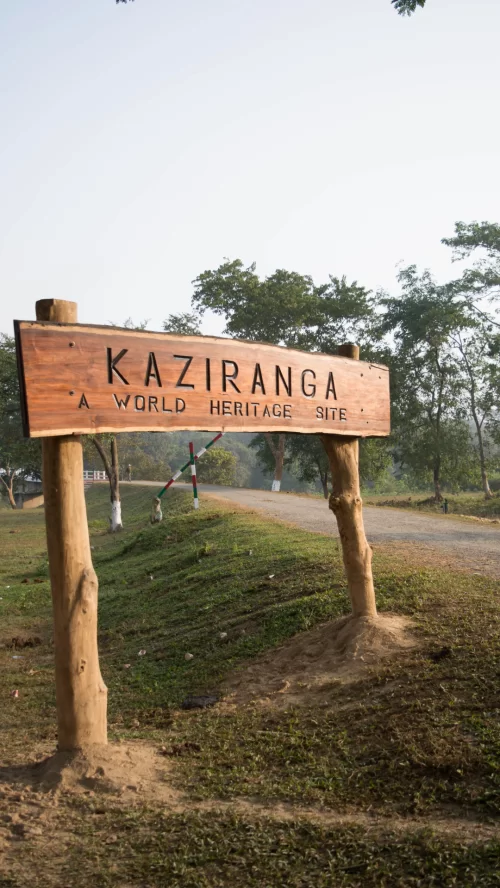
Kaziranga National Park is the most celebrated wildlife destination in Assam and one of India's most renowned protected areas. Recognised internationally for its exceptional conservation efforts, the park attracts wildlife enthusiasts, photographers, researchers, and nature lovers from around the world. Its vast floodplain grasslands, wetlands, woodlands, and riverine ecosystems create ideal habitats for a remarkable variety of wildlife while offering visitors unforgettable safari experiences.
The park is divided into several tourism zones, each offering different landscapes and wildlife viewing opportunities. Visitors can explore open grasslands, forest patches, water bodies, and scenic landscapes while learning about one of India's greatest conservation success stories. Kaziranga represents the perfect introduction to Assam's extraordinary biodiversity and wildlife heritage.
Exploring Kaziranga allows travellers to experience one of Asia's finest wildlife destinations while appreciating decades of successful conservation and habitat protection.
Kaziranga remains the highlight of wildlife tourism in Assam and a must-visit destination for anyone interested in nature and conservation.
Kaziranga National Park is globally recognised as the stronghold of the endangered one-horned rhinoceros, making it one of the best places in the world to observe this iconic species in its natural habitat. Alongside rhinoceroses, visitors may encounter Asian elephants, Bengal tigers, wild water buffalo, swamp deer, hog deer, and numerous smaller mammals throughout the park's diverse landscapes.
The park is equally important for birdwatchers, supporting hundreds of resident and migratory bird species that inhabit its wetlands, forests, and grasslands. Seasonal changes introduce additional birdlife, making Kaziranga a rewarding destination throughout the wildlife season. This exceptional biodiversity continues to establish the park as one of India's premier wildlife conservation areas.
The incredible diversity of mammals and birds makes Kaziranga one of the most rewarding wildlife destinations for both first-time visitors and experienced naturalists.
| Wildlife Category | Notable Species |
|---|---|
| Iconic Mammals | One-horned rhinoceros. |
| Large Mammals | Asian elephants and wild water buffalo. |
| Predators | Bengal tiger. |
| Herbivores | Swamp deer and hog deer. |
| Birdlife | Resident and migratory bird species. |
Kaziranga's remarkable biodiversity provides unforgettable wildlife encounters while showcasing the success of long-term conservation initiatives.
Jeep safaris are the primary way to explore Kaziranga National Park, allowing visitors to travel through designated routes across grasslands, forests, and wetlands while observing wildlife responsibly. Every safari presents unique opportunities to encounter different species depending on the time of day, weather conditions, and wildlife movement. Guided safaris also provide valuable information about the park's ecology and conservation efforts.
Beyond wildlife observation, visitors enjoy scenic landscapes, birdwatching, photography, and opportunities to appreciate the peaceful natural environment that defines Kaziranga. Responsible tourism practices ensure that wildlife remains undisturbed while allowing travellers to experience the park safely. Combining multiple safari sessions often increases wildlife viewing opportunities and creates a richer overall experience.
Jeep safaris allow visitors to explore Kaziranga's extraordinary landscapes while enjoying one of India's finest wildlife experiences in a carefully protected environment.
Every safari through Kaziranga offers a unique opportunity to experience Assam's remarkable wildlife while supporting responsible conservation tourism.
Manas National Park is one of Assam's most spectacular protected areas, renowned for its outstanding biodiversity, scenic river landscapes, dense forests, and expansive grasslands. Located along the foothills of the eastern Himalayas, the park forms part of an internationally significant conservation landscape that supports a remarkable variety of wildlife and ecosystems. Its beautiful natural surroundings make it one of the most scenic wildlife destinations in Northeast India.
Visitors exploring Manas experience forests, riverbanks, grasslands, and mountain backdrops that differ considerably from the landscapes of Kaziranga. The park's peaceful atmosphere, combined with rich biodiversity and well-preserved habitats, creates an unforgettable destination for wildlife enthusiasts, photographers, and travellers seeking quieter nature experiences.
Manas National Park combines extraordinary biodiversity with breathtaking landscapes, making it one of Assam's most rewarding wildlife destinations.
The combination of dramatic scenery and exceptional biodiversity makes Manas one of the most beautiful national parks in Assam.
Manas National Park supports an impressive range of wildlife within its forests, grasslands, and river ecosystems. Visitors may encounter elephants, wild buffalo, deer, primates, and numerous bird species while exploring the park's protected habitats. The diversity of vegetation creates favourable conditions for many mammals, reptiles, butterflies, and smaller wildlife species that contribute to the park's ecological richness.
The park's extensive forest cover and grassland ecosystems allow wildlife to thrive naturally while providing visitors with rewarding opportunities for wildlife observation. Birdwatchers also appreciate Manas because of its rich avian diversity, with numerous resident and seasonal species found across different habitats. This remarkable biodiversity continues to strengthen the park's importance within India's conservation network.
Exploring Manas provides visitors with opportunities to observe diverse wildlife while experiencing one of Assam's richest natural ecosystems.
| Habitat | Wildlife Highlights |
|---|---|
| Grasslands | Large herbivores and grazing wildlife. |
| Forests | Primates, elephants, and forest species. |
| River Areas | Aquatic wildlife and birdlife. |
| Wetlands | Water birds and biodiversity. |
| Mixed Habitats | Diverse mammals and reptiles. |
Manas showcases the extraordinary biodiversity of Assam through its varied habitats and carefully protected wildlife populations.
Wildlife safaris provide visitors with an excellent opportunity to explore the natural beauty of Manas National Park while observing wildlife responsibly. Guided safari experiences allow travellers to learn about conservation initiatives, habitat management, and the ecological significance of the park while travelling through forests, grasslands, and river landscapes. Every safari offers a unique experience because wildlife movements vary according to season and natural conditions.
Conservation-based tourism encourages visitors to appreciate wildlife while supporting long-term habitat protection and community participation. Responsible travel practices help preserve the park's fragile ecosystems while contributing to sustainable tourism that benefits both wildlife conservation and surrounding communities. These experiences combine education, adventure, and environmental awareness into a memorable journey.
Wildlife safaris in Manas offer meaningful opportunities to experience nature while supporting one of Assam's most important conservation landscapes.
Conservation-focused tourism allows visitors to enjoy Manas responsibly while contributing to the long-term protection of its extraordinary wildlife and ecosystems.
Nameri National Park is one of Assam's most peaceful wildlife destinations, known for its evergreen forests, riverine landscapes, and rich biodiversity. Situated along the foothills of the eastern Himalayas and bordered by the Jia Bhoroli River, the park offers a completely different experience from Assam's grassland national parks. Dense forests, clear rivers, and natural surroundings create an ideal habitat for numerous mammals, reptiles, birds, and aquatic life.
The combination of forest ecosystems and flowing rivers makes Nameri particularly attractive to visitors seeking quiet nature experiences away from busy tourist circuits. The park's well-preserved habitats support ecological balance while providing opportunities for wildlife observation, scenic exploration, and environmental education. Its tranquil atmosphere appeals to photographers, birdwatchers, and travellers looking for immersive forest experiences.
Nameri National Park showcases Assam's remarkable forest ecosystems while offering visitors a peaceful introduction to the state's diverse wildlife habitats.
The park's combination of forests and rivers creates one of Assam's most scenic and relaxing wildlife destinations.
Nameri National Park is widely recognised as one of Assam's finest birdwatching destinations. Its forests, rivers, and wetlands support numerous resident and migratory bird species, attracting bird enthusiasts throughout the wildlife season. Visitors also enjoy exploring forest trails that provide opportunities to observe butterflies, smaller mammals, reptiles, and diverse plant life within their natural habitats.
Nature-based activities in Nameri focus on appreciating the forest environment rather than simply searching for large mammals. Walking through forest areas, observing river ecosystems, listening to bird calls, and experiencing the peaceful atmosphere all contribute to a rewarding visit. These experiences allow travellers to connect closely with nature while gaining a deeper understanding of Assam's forest biodiversity.
Nameri offers exceptional opportunities for birdwatching and forest exploration, making it an ideal destination for travellers who appreciate quieter wildlife experiences.
| Nature Experience | Highlights |
|---|---|
| Birdwatching | Resident and migratory bird species. |
| Forest Walks | Explore diverse natural habitats. |
| River Landscapes | Scenic views and peaceful surroundings. |
| Photography | Wildlife and forest scenery. |
| Nature Observation | Plants, butterflies, and reptiles. |
Every visit to Nameri provides opportunities to experience the quiet beauty of Assam's forests while observing nature at a relaxed pace.
Nameri stands apart from Assam's other national parks because of its emphasis on forest ecosystems, river landscapes, and birdlife rather than extensive grasslands. Visitors looking for peaceful surroundings often prefer Nameri because it offers a less crowded experience while maintaining excellent biodiversity. The combination of evergreen forests and the Jia Bhoroli River creates distinctive landscapes rarely found elsewhere in the state.
The park also serves as an important conservation area that protects forest ecosystems supporting numerous wildlife species. Its relatively tranquil tourism environment encourages slow exploration, wildlife photography, and environmental appreciation. Travellers interested in combining forest landscapes with birdwatching and nature observation will find Nameri to be one of Assam's most rewarding destinations.
Nameri's peaceful forests, rich birdlife, and beautiful river landscapes make it one of the state's most distinctive protected wildlife areas.
Nameri offers an unforgettable combination of forests, rivers, and biodiversity that complements Assam's larger wildlife parks.
Orang National Park is a compact yet biologically rich protected area located along the northern bank of the Brahmaputra River. Often referred to as a smaller grassland wildlife destination, the park preserves floodplain ecosystems that closely resemble those found in Kaziranga. Expansive grasslands, wetlands, river channels, and scattered woodlands provide ideal habitats for a wide variety of wildlife while creating beautiful natural scenery for visitors.
Despite its comparatively smaller size, Orang plays a vital role in Assam's conservation network by protecting endangered wildlife and maintaining healthy floodplain ecosystems. Its peaceful environment and well-preserved habitats make it an attractive destination for travellers seeking rewarding wildlife experiences away from larger tourist crowds.
Orang National Park demonstrates how smaller protected areas can play an equally important role in preserving Assam's remarkable biodiversity.
The park's grasslands and wetlands create outstanding wildlife habitats while providing visitors with memorable nature experiences.
Orang National Park supports an impressive variety of wildlife, including the famous one-horned rhinoceros, Asian elephants, several deer species, wild water buffalo, and numerous smaller mammals. These animals thrive within the park's grasslands and wetlands, which provide abundant food, water, and shelter throughout the year. Visitors may also observe reptiles and many other species while exploring the protected landscape.
The park is equally attractive to birdwatchers because of its diverse birdlife. Resident and seasonal birds can often be seen around wetlands, riverbanks, and open grasslands, making Orang an enjoyable destination for both wildlife observation and nature photography. The combination of large mammals and rich avian diversity creates rewarding experiences for visitors with different interests.
Orang's remarkable wildlife diversity makes it one of Assam's most enjoyable destinations for observing grassland ecosystems and their resident species.
| Wildlife Group | Common Highlights |
|---|---|
| Large Mammals | One-horned rhinoceros and elephants. |
| Herbivores | Deer and wild water buffalo. |
| Birdlife | Resident and migratory birds. |
| Reptiles | Various wetland species. |
| Habitats | Grasslands, wetlands, and woodlands. |
The combination of iconic mammals and abundant birdlife ensures rewarding wildlife encounters throughout Orang National Park.
One of Orang National Park's greatest advantages is its peaceful atmosphere. Visitors often enjoy quieter safari experiences compared to more heavily visited wildlife destinations, allowing greater opportunities to appreciate nature without large crowds. Guided safaris pass through grasslands, wetlands, and woodland areas where wildlife can be observed responsibly within carefully managed tourism zones.
The relaxed environment also appeals to photographers and birdwatchers who prefer spending more time observing wildlife behaviour in natural surroundings. Responsible tourism practices ensure that visitors experience the park while respecting wildlife and supporting ongoing conservation efforts. The result is a calm and memorable safari experience suitable for travellers seeking a slower pace.
Peaceful safaris through Orang National Park allow visitors to enjoy Assam's wildlife while appreciating the tranquillity of its protected grassland ecosystems.
Orang National Park provides a relaxed wildlife experience where visitors can appreciate Assam's remarkable biodiversity in a peaceful natural setting.
Dibru Saikhowa National Park is one of Assam's most distinctive protected areas, renowned for its extensive wetlands, river islands, floodplain forests, and dynamic river ecosystems. Located in the upper Brahmaputra basin, the park is shaped by rivers that continuously influence its landscapes, creating a rich mosaic of water bodies, grasslands, forests, and marshes. These constantly evolving habitats support an impressive variety of wildlife while maintaining one of the region's most important ecological systems.
The park offers visitors a very different wildlife experience compared to Assam's grassland and rainforest national parks. Its peaceful river landscapes, wetlands, and natural scenery attract travellers who appreciate nature, photography, birdwatching, and ecological exploration. The combination of aquatic habitats and forest ecosystems makes Dibru Saikhowa an exceptional destination for experiencing Assam's environmental diversity.
Dibru Saikhowa National Park highlights the importance of river ecosystems while offering visitors an opportunity to experience one of Assam's most unique natural landscapes.
The combination of rivers, wetlands, and forests makes Dibru Saikhowa one of Assam's most fascinating protected wildlife areas.
Dibru Saikhowa supports a remarkable diversity of wildlife that thrives within its wetlands, forests, and river habitats. Visitors may encounter numerous bird species, reptiles, aquatic wildlife, and mammals adapted to floodplain ecosystems. The park is particularly appreciated by birdwatchers because seasonal water bodies attract both resident and migratory birds, creating excellent opportunities for wildlife observation throughout the tourism season.
The constantly changing river landscape also contributes to exceptional biodiversity by creating new habitats that support different species. This ecological richness makes the park highly valuable for conservation as well as for visitors interested in understanding river-based ecosystems. The peaceful environment encourages careful wildlife observation while providing memorable photography opportunities across varied landscapes.
Dibru Saikhowa's diverse habitats allow visitors to experience wildlife within one of Assam's most ecologically significant protected environments.
| Habitat | Wildlife Highlights |
|---|---|
| Wetlands | Water birds and aquatic biodiversity. |
| River Systems | Unique floodplain ecosystems. |
| Forests | Mammals and smaller wildlife. |
| Grasslands | Open habitat species. |
| Marsh Areas | Resident and migratory birds. |
The remarkable diversity of wetlands and river habitats makes every visit to Dibru Saikhowa a rewarding wildlife experience.
One of Dibru Saikhowa National Park's greatest attractions is its peaceful atmosphere. Unlike more frequently visited wildlife destinations, the park offers visitors opportunities to experience nature in relatively quiet surroundings where landscapes and ecosystems become the primary focus. This relaxed environment is ideal for photographers, birdwatchers, researchers, and travellers seeking slower-paced wildlife experiences.
Visitors can spend time observing wetlands, exploring river landscapes, appreciating native vegetation, and enjoying the natural beauty of Assam's upper river basin. Responsible tourism practices ensure that wildlife remains protected while allowing travellers to experience the park's ecological richness without disturbing its fragile habitats. This balance between conservation and tourism makes Dibru Saikhowa especially rewarding for nature enthusiasts.
The park's peaceful environment provides an authentic opportunity to experience Assam's remarkable river ecosystems while enjoying responsible wildlife tourism.
Dibru Saikhowa offers travellers a unique opportunity to enjoy Assam's rich biodiversity in a calm and environmentally significant setting.
Dehing Patkai National Park protects one of Assam's most valuable evergreen rainforest ecosystems. Often referred to as the state's rainforest national park, it preserves dense tropical forests that support an extraordinary variety of plant and animal life. Towering trees, lush vegetation, forest streams, and humid woodland environments create conditions that differ greatly from Assam's grassland and wetland national parks.
The rainforest plays an important ecological role by maintaining biodiversity, regulating local climate, protecting watersheds, and providing habitat for countless wildlife species. Visitors exploring Dehing Patkai experience thick forest canopies, rich vegetation, and peaceful natural surroundings that showcase another remarkable dimension of Assam's environmental diversity.
Dehing Patkai offers an exceptional opportunity to experience the beauty and ecological importance of Assam's evergreen rainforest landscapes.
The rainforest environment of Dehing Patkai provides visitors with an entirely different wildlife experience compared to Assam's grassland parks.
The evergreen forests of Dehing Patkai provide habitat for numerous mammals, reptiles, amphibians, insects, and bird species that depend on dense woodland ecosystems. The park's rich vegetation supports an intricate food chain while preserving many species adapted specifically to rainforest conditions. Birdwatchers, botanists, and wildlife enthusiasts are particularly drawn to the park because of its exceptional biological diversity.
Large trees, thick undergrowth, and abundant plant life create favourable conditions for wildlife while maintaining one of Northeast India's most important rainforest ecosystems. Every visit provides opportunities to observe forest biodiversity while gaining a deeper appreciation of the ecological importance of tropical rainforests within Assam's protected area network.
Dehing Patkai's remarkable biodiversity reflects the ecological richness of Assam's evergreen forests and their importance in wildlife conservation.
| Rainforest Feature | Ecological Importance |
|---|---|
| Evergreen Trees | Support diverse wildlife habitats. |
| Dense Vegetation | Provides shelter for numerous species. |
| Forest Streams | Maintain healthy ecosystems. |
| Birdlife | Rich resident forest species. |
| Forest Biodiversity | Supports complex ecological balance. |
The rainforest ecosystem of Dehing Patkai preserves extraordinary biodiversity while offering visitors valuable insight into tropical forest conservation.
Nature tourism in Dehing Patkai focuses on appreciating rainforest landscapes, observing forest biodiversity, and experiencing peaceful natural surroundings. Visitors explore dense woodland environments while learning about rainforest ecology, native vegetation, and the importance of conserving tropical forests. The calm atmosphere encourages thoughtful exploration rather than fast-paced sightseeing.
Photography, birdwatching, wildlife observation, and environmental learning are among the most rewarding experiences available within the park. Responsible tourism practices ensure that visitors enjoy the rainforest while protecting its delicate ecosystems. Travellers seeking immersive forest experiences will find Dehing Patkai to be one of Assam's most fascinating natural destinations.
Forest exploration within Dehing Patkai allows visitors to appreciate Assam's extraordinary rainforest biodiversity while supporting sustainable conservation tourism.
Dehing Patkai offers one of Assam's finest rainforest experiences, combining biodiversity, conservation, and peaceful nature exploration.
Raimona National Park is one of Assam's newest protected wildlife areas and represents an important addition to the state's expanding conservation network. Situated in western Assam near the foothills of the eastern Himalayas, the park protects extensive forest landscapes that support remarkable biodiversity. Its establishment reflects Assam's continued commitment to strengthening wildlife conservation and safeguarding ecologically important habitats for future generations.
Although relatively new as a national park, Raimona already holds significant conservation value because of its rich forests, diverse wildlife, and strategic location within a larger protected landscape. Visitors exploring the park experience peaceful forests, scenic natural surroundings, and opportunities to appreciate one of Assam's emerging eco-tourism destinations while learning about ongoing conservation initiatives.
Raimona National Park demonstrates Assam's long-term commitment to expanding protected areas while preserving valuable forest ecosystems and wildlife habitats.
Visitors to Raimona experience a peaceful wildlife destination while witnessing one of Assam's newest conservation success stories.
Raimona National Park preserves dense forests that form part of an important wildlife landscape supporting numerous mammals, birds, reptiles, and smaller forest species. The park's interconnected habitats allow wildlife to move naturally between neighbouring protected areas, helping maintain healthy populations and long-term genetic diversity. These forest corridors play an essential role in sustaining ecological balance across the wider region.
The diversity of vegetation creates suitable habitats for countless species while protecting valuable forest ecosystems. Visitors can appreciate dense woodland environments, observe birds and smaller wildlife, and experience the peaceful atmosphere that characterises Raimona's protected forests. Its ecological importance extends beyond the park itself by strengthening regional conservation efforts throughout Northeast India.
The park's forests and wildlife corridors highlight the importance of connected landscapes in protecting Assam's extraordinary biodiversity.
| Conservation Feature | Importance |
|---|---|
| Dense Forests | Support diverse wildlife habitats. |
| Wildlife Corridors | Enable natural animal movement. |
| Biodiversity | Protect numerous native species. |
| Forest Ecosystems | Maintain ecological stability. |
| Protected Landscapes | Strengthen regional conservation. |
Raimona's protected forests contribute significantly to maintaining healthy wildlife populations and preserving Assam's natural heritage.
Raimona National Park plays an increasingly important role in Assam's wildlife conservation strategy by protecting forests that connect with broader regional ecosystems. Conserving these landscapes helps preserve wildlife habitats, strengthen ecological resilience, and support long-term biodiversity protection. The park also contributes to scientific research, environmental awareness, and responsible eco-tourism initiatives that promote sustainable conservation practices.
Visitors exploring Raimona gain valuable insight into the importance of expanding protected areas to secure wildlife habitats for future generations. Responsible tourism within the park encourages appreciation of conservation while supporting local communities and environmental protection. As awareness continues to grow, Raimona is becoming an increasingly significant destination for travellers interested in conservation-focused nature tourism.
Raimona National Park represents an important investment in Assam's environmental future while providing visitors with meaningful wildlife and conservation experiences.
Through conservation and responsible tourism, Raimona continues to strengthen Assam's reputation as one of India's leading wildlife destinations.
The experience of visiting Assam's national parks changes significantly throughout the year because seasonal weather influences vegetation, wildlife movement, accessibility, and park operations. Dry months generally provide better road conditions, clearer visibility, and favourable opportunities for wildlife observation, while the monsoon transforms forests and grasslands into lush green landscapes but may affect accessibility in certain protected areas.
Seasonal flooding, rainfall, and changing temperatures naturally influence animal behaviour and habitat conditions across Assam's diverse ecosystems. Understanding these seasonal variations allows travellers to select the most suitable travel period according to their wildlife interests, photography goals, and preferred outdoor experiences. Careful planning helps maximise both comfort and wildlife viewing opportunities.
Choosing the appropriate season enhances every aspect of a national park visit while ensuring a rewarding wildlife experience.
Seasonal awareness helps visitors enjoy Assam's national parks safely while making the most of their wildlife adventures.
Visitors planning wildlife holidays should schedule their trips during the period when national parks are generally open for tourism and safari activities. During these months, comfortable weather, improved visibility, and accessible safari routes contribute to enjoyable wildlife experiences. Birdwatchers also benefit from favourable conditions as many resident and migratory birds can be observed across different habitats.
Nature activities such as jeep safaris, birdwatching, wildlife photography, forest exploration, and ecological tourism are best enjoyed when weather conditions support comfortable outdoor travel. Checking official park schedules before finalising travel plans helps visitors organise accommodation, transportation, and safari bookings efficiently while avoiding unnecessary changes to their itinerary.
Travelling during favourable wildlife tourism months allows visitors to experience Assam's extraordinary biodiversity under comfortable conditions.
| Travel Activity | Planning Consideration |
|---|---|
| Jeep Safaris | Choose operational tourism season. |
| Birdwatching | Plan during favourable observation periods. |
| Photography | Consider weather and visibility. |
| Nature Exploration | Select comfortable travel months. |
| Accommodation | Book early during peak season. |
Good seasonal planning improves wildlife viewing opportunities while ensuring a comfortable and enjoyable national park holiday.
Weather plays a major role in determining the overall experience within Assam's national parks. Visitors should monitor seasonal forecasts, understand regional climate conditions, and remain aware that natural events such as rainfall or flooding may influence park operations and safari schedules. Flexible planning helps travellers adapt to changing conditions while maintaining an enjoyable itinerary.
Preparing suitable clothing, footwear, photography equipment, and travel essentials according to expected weather enhances comfort throughout the journey. Travellers should also allow extra travel time between destinations during changing weather conditions. Careful preparation ensures that wildlife experiences remain enjoyable regardless of minor seasonal variations.
Planning according to weather and park conditions allows visitors to experience Assam's protected wildlife areas safely while making every journey more comfortable.
Thoughtful weather preparation ensures travellers enjoy Assam's national parks comfortably while experiencing their remarkable wildlife and natural beauty.
Planning a successful wildlife journey across Assam begins with selecting national parks that match your travel interests, available time, and preferred experiences. Visitors interested in iconic wildlife may prioritise famous grassland parks, while birdwatchers, rainforest enthusiasts, and nature photographers can include destinations that showcase different ecosystems. Choosing parks carefully allows travellers to enjoy more meaningful wildlife encounters rather than rushing between multiple destinations.
A balanced itinerary also considers travel distances, accommodation availability, and the time required to explore each park comfortably. Spending sufficient time within fewer destinations often provides a richer wildlife experience than attempting to visit every national park during a short holiday. Careful itinerary planning ensures every destination receives the attention it deserves.
Selecting national parks according to personal interests creates a rewarding wildlife journey while allowing travellers to experience Assam at a comfortable pace.
Thoughtful itinerary planning ensures visitors experience Assam's extraordinary wildlife while enjoying comfortable and memorable travel throughout the state.
Careful preparation plays a vital role in making wildlife travel enjoyable and efficient. Visitors should organise safari bookings, accommodation, transportation, and daily schedules well before departure while also considering seasonal weather and park operating periods. Good planning reduces uncertainty and allows travellers to spend more time observing wildlife and exploring natural landscapes.
Preparing suitable clothing, outdoor equipment, cameras, binoculars, and travel essentials further enhances comfort during safaris and nature exploration. Remaining flexible also allows visitors to adjust plans if weather conditions or local circumstances change during the journey. Proper preparation ensures a smooth wildlife holiday across Assam's protected national parks.
Well-organised planning helps visitors maximise wildlife viewing opportunities while travelling comfortably and responsibly throughout Assam.
| Travel Preparation | Recommendation |
|---|---|
| Safari Bookings | Reserve before travelling. |
| Accommodation | Stay near national parks. |
| Transportation | Plan road journeys carefully. |
| Travel Equipment | Carry outdoor essentials. |
| Seasonal Planning | Check weather and park conditions. |
Preparation and flexibility together create the foundation for a comfortable and rewarding wildlife holiday across Assam.
Before beginning your wildlife adventure, review every aspect of your travel plan carefully. Confirm accommodation reservations, safari bookings, transportation arrangements, identification documents, payment methods, and expected weather conditions. Ensure that your itinerary includes sufficient time for wildlife observation, photography, and rest without creating an overly demanding schedule.
Travelling responsibly, respecting wildlife regulations, maintaining realistic expectations, and appreciating the unique character of every national park will result in a far more rewarding experience. Assam's protected landscapes offer exceptional biodiversity, scenic beauty, and memorable wildlife encounters that are best enjoyed through thoughtful planning and responsible tourism practices.
Following this practical checklist allows visitors to experience Assam's national parks confidently while creating unforgettable memories of the state's extraordinary wildlife and natural heritage.
With careful planning, responsible behaviour, and realistic expectations, visitors can fully experience the incredible biodiversity and conservation success of Assam's magnificent national parks.


Get customized Assam tour planning designed around seasonal weather patterns, river conditions, wildlife safari timing, and realistic road travel flow. Whether you are visiting for national parks, tea estate stays, cultural experiences, spiritual sites, o
⚡ Quick Response | 💰 Free consultation | 🕒 24×7 expert support