
How Tea is Made in Assam – A Tourist's Guide
Understanding how tea is made in Assam allows travellers to explore plantations, learn traditional processing methods, and experience the journey from fresh tea leaves to the final product.
+91 9910402252
admin@chalbanjare.com


Guwahati is the cultural and spiritual gateway to Northeast India, offering ancient temples, Brahmaputra riverfront experiences, vibrant markets, local food, and easy access to the region’s most popular destinations.
Guwahati is the main gateway to Assam and one of the most important cities in Northeast India. Located beside the Brahmaputra River and surrounded by low hills, the city combines temples, riverfront views, museums, markets, parks, wetlands, and modern urban life within one destination. For most travelers, Guwahati works as the first stop before continuing to Kaziranga, Shillong, Cherrapunji, Majuli, Manas National Park, or other parts of Northeast India.
The travel atmosphere of Guwahati is a mix of spiritual importance, riverside calm, busy markets, and Assamese cultural identity. Kamakhya Temple on Nilachal Hill is the city's most famous landmark, while the Brahmaputra River gives Guwahati its scenic character. The city is not only a transit point but also a meaningful destination for visitors interested in religion, food, local markets, museums, wildlife, and river experiences.
Understanding Guwahati as both a gateway and a destination helps travelers plan better. Spending time in the city before moving onward gives a useful introduction to Assam's culture, geography, food, and river-based lifestyle.
First-time visitors should ideally spend one to two full days in Guwahati depending on their interests. A one-day visit can cover Kamakhya Temple, a few city attractions, local food, and an evening Brahmaputra cruise if planned efficiently. However, two days are more comfortable because they allow travelers to explore temples, museums, markets, riverfront areas, Umananda Island, and nearby nature attractions without rushing through traffic and temple queues.
Travelers using Guwahati as the starting point for a longer Assam or Meghalaya journey should keep at least one night in the city after arrival. This gives time to rest, arrange vehicles, purchase essentials, and begin sightseeing early the next day. Pilgrims may need extra time for Kamakhya Temple depending on crowd levels, while families and senior travelers should avoid packing too many attractions into a single day.
A well-planned Guwahati stay gives travelers enough time to experience the city's spiritual, cultural, and riverside highlights while avoiding the fatigue of rushed arrival and departure schedules.
A balanced Guwahati itinerary should include spiritual landmarks, cultural attractions, riverfront experiences, local food, and shopping. Travelers can begin with Kamakhya Temple in the morning, followed by Assam State Museum or Srimanta Sankardev Kalakshetra during the day. In the evening, a Brahmaputra sunset cruise or riverside walk provides a relaxing end to the day. This combination offers a good mix of religion, history, culture, and scenic beauty within a manageable schedule.
On a second day, visitors can add Umananda Island, Basistha Temple, Navagraha Temple, Deepor Beel, Assam State Zoo, Fancy Bazaar, or Pan Bazaar depending on personal interests. It is better to group nearby attractions together because Guwahati traffic can slow movement between distant points. Temple visits are best planned in the morning, while markets and riverfront areas are more enjoyable in the evening.
A balanced Guwahati itinerary works best when temples, culture, riverside experiences, food, and markets are planned together. This approach helps first-time visitors experience the city properly without treating it only as a transit stop.
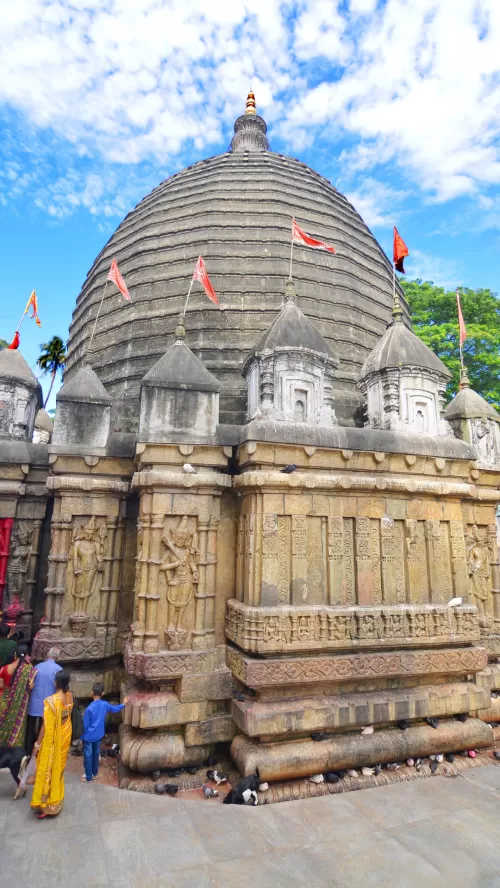
Kamakhya Temple is the most important spiritual attraction in Guwahati and one of the most revered Shakti Peethas in India. Located on Nilachal Hill, the temple attracts pilgrims throughout the year and holds deep significance in Shakti worship. The temple complex has a powerful religious atmosphere, especially during early morning rituals, festivals, and important auspicious days when devotees gather in large numbers. Its hilltop location also provides views of Guwahati and the surrounding Brahmaputra landscape.
Visitors should plan enough time for Kamakhya Temple because queues can vary greatly depending on the day, season, and festival period. Early morning visits are usually more comfortable, especially for first-time travelers. The approach road climbs up Nilachal Hill, and local taxis or private vehicles can reach near the temple area. Since the site is a functioning place of worship, visitors should dress respectfully, follow temple rules, and remain prepared for crowds during peak periods.
Kamakhya Temple is essential for understanding Guwahati's spiritual identity. A visit here combines devotion, history, architecture, and hilltop scenery, making it one of the most meaningful experiences in Assam.
Umananda Temple is located on Peacock Island in the Brahmaputra River and is one of Guwahati's most unique temple experiences. Visitors reach the island by ferry, making the journey itself memorable because it offers river views, city scenery, and a peaceful break from busy roads. The temple is dedicated to Lord Shiva and attracts both pilgrims and travelers interested in the combination of spirituality and river island setting.
Basistha Temple, located in the southeastern part of Guwahati, offers a calmer spiritual atmosphere surrounded by greenery and flowing streams. The temple is associated with sage Vashistha and is visited by devotees as well as travelers looking for a quiet heritage site away from the main city crowds. Together, Umananda and Basistha provide two very different spiritual experiences, one shaped by the Brahmaputra River and the other by forested surroundings.
Umananda Temple and Basistha Temple add variety to Guwahati's spiritual circuit by combining river island worship, peaceful natural surroundings, and traditional religious importance within the city.
Navagraha Temple is another important spiritual landmark in Guwahati, located on Chitrachal Hill and associated with the nine celestial bodies in Hindu astrology. The temple's hilltop location gives it a distinct atmosphere, and visitors often include it with other temple visits while exploring the city's religious heritage. The route to the temple passes through city neighborhoods and gradually climbs towards a quieter hill setting.
Guwahati also has several other spiritual landmarks, including Sukreswar Temple, Ugratara Temple, Doul Govinda Temple, and smaller local shrines that remain important to residents. These temples show how deeply religion is woven into the city's everyday life. Travelers interested in spiritual tourism should not rush between too many temples in one day but instead choose a few important sites and experience them respectfully with enough time for rituals, surroundings, and local context.
Guwahati's temples together reflect the city's deep spiritual character. Visiting a mix of famous and quieter temples gives travelers a fuller understanding of Assam's religious traditions and sacred geography.
A sunset cruise on the Brahmaputra River is one of the most memorable experiences in Guwahati because it allows visitors to appreciate the immense scale of one of Asia's great rivers while enjoying a relaxed evening atmosphere. As the cruise moves away from the city shoreline, panoramic views open towards Nilachal Hill, Umananda Island, Saraighat Bridge, distant hills, and the gradually illuminated city skyline. The broad river channel creates spectacular reflections during sunset, making the cruise popular with couples, families, photographers, and first-time visitors.
Several cruise operators provide scheduled departures during the evening, with options ranging from simple sightseeing cruises to larger vessels offering cultural performances and dining. Winter months provide the most comfortable conditions with clear skies and pleasant temperatures, while post-monsoon evenings also offer beautiful scenery after the landscape becomes lush and green. Travelers should arrive before departure because boarding procedures begin well in advance, especially during weekends and peak tourist seasons.
A Brahmaputra sunset cruise combines relaxation, photography, and city sightseeing into one experience, allowing visitors to appreciate the river that defines Guwahati's landscape and identity.
The Brahmaputra riverfront has become one of Guwahati's favorite recreational areas where residents and visitors gather for evening walks, sightseeing, photography, and riverside relaxation. Several stretches along the waterfront provide open spaces overlooking the river, with seating areas, landscaped gardens, walking paths, and viewpoints that remain lively during the cooler hours of the day. Unlike the busy commercial districts, the riverfront offers a slower pace where travelers can simply enjoy the scenery without following a strict sightseeing schedule.
Nearby parks and public spaces complement the river experience by providing green areas suitable for families, morning walks, and quiet breaks between sightseeing attractions. Visitors often combine riverfront walks with nearby cafés, local restaurants, or ferry rides to Umananda Island. Sunset transforms the waterfront into one of the city's most attractive locations as changing light creates beautiful reflections across the wide river while local ferries continue crossing the Brahmaputra.
The Guwahati riverfront provides a peaceful contrast to the city's busy streets while allowing visitors to appreciate the Brahmaputra through leisurely walks, scenic viewpoints, and relaxing public spaces.
Evening is widely regarded as the most beautiful time to experience the Brahmaputra in Guwahati. As daylight gradually fades, warm colors spread across the wide river while boats, ferries, and distant hills create striking silhouettes against the horizon. The city skyline slowly begins to illuminate, producing an attractive blend of natural scenery and urban life. This peaceful atmosphere makes the riverfront a favorite destination for photographers, couples, and travelers ending a day of sightseeing.
Several viewpoints along the river allow visitors to watch changing light conditions without boarding a cruise. During winter, clear skies often create spectacular sunsets, while post-monsoon evenings offer vibrant landscapes with fresh greenery surrounding the riverbanks. Spending time along the Brahmaputra after sunset also provides opportunities to observe local life, with residents gathering along the waterfront and ferries continuing their regular crossings across one of India's most iconic rivers.
The Brahmaputra at sunset captures the essence of Guwahati, combining nature, river culture, and city life into one of the most memorable experiences available in Assam's largest city.
Assam State Museum is one of the best places to understand the history, archaeology, culture, and artistic traditions of Assam before exploring the rest of the state. Its collections include ancient sculptures, tribal artifacts, manuscripts, textiles, coins, weapons, traditional musical instruments, and historical exhibits that explain the evolution of Assamese civilization over many centuries. Visitors interested in history often begin their Guwahati sightseeing here because the museum provides valuable context for later visits to temples, Majuli, and Sivasagar.
Srimanta Sankardev Kalakshetra complements the museum by presenting Assam's cultural traditions through architecture, exhibitions, open spaces, museums, and performance venues. Named after the great saint-reformer Srimanta Sankardev, the complex celebrates Assamese literature, dance, theatre, music, handicrafts, and indigenous communities. Together, these attractions provide one of the most comprehensive introductions to Assam's cultural identity while remaining easily accessible from central Guwahati.
These two cultural institutions provide an excellent foundation for understanding Assam's heritage, making them essential stops for travelers interested in the region's history and artistic traditions.
Nehru Park offers a pleasant green space within the city where visitors can relax between sightseeing activities. Landscaped gardens, shaded walking paths, sculptures representing traditional Assamese dance forms, and open recreational areas make the park popular among families and local residents. Although relatively compact, it provides a peaceful atmosphere away from busy roads and commercial districts, particularly during the morning and evening.
Dighalipukhuri Lake is another important city landmark with historical significance and attractive walking areas surrounding the water. Visitors often enjoy boating, leisurely walks, and photography while observing everyday life around the lake. Its central location allows travelers to combine the visit with nearby museums, markets, and heritage attractions, creating a relaxed sightseeing circuit within Guwahati without extensive travel across the city.
Nehru Park and Dighalipukhuri provide peaceful urban spaces where visitors can enjoy Guwahati beyond its temples while experiencing everyday city life in comfortable surroundings.
Beyond its famous temples, Guwahati preserves numerous cultural landmarks that reflect its long history as one of Northeast India's most important cities. Heritage neighborhoods, traditional markets, colonial-era buildings, cultural institutions, riverfront areas, and historic places of worship together create a city that blends old traditions with modern development. Walking through these areas introduces visitors to Assamese architecture, local businesses, and the cultural diversity that has shaped Guwahati over centuries.
Travelers interested in heritage should allow time to explore local markets, attend cultural performances when available, visit museums, and experience Assamese cuisine alongside the city's historical attractions. Rather than focusing solely on famous landmarks, combining smaller cultural sites with everyday experiences creates a deeper understanding of Guwahati's identity. This balanced approach allows visitors to appreciate both the historical significance and contemporary character of Assam's largest city.
Guwahati's cultural attractions extend far beyond individual monuments, offering visitors a complete introduction to Assam's history, traditions, architecture, and contemporary urban life.
Umananda Island, popularly known as Peacock Island, is one of Guwahati's most distinctive attractions because it combines a short Brahmaputra River journey with a historic temple and beautiful riverside scenery. Located in the middle of the Brahmaputra, the island is reached by regular passenger ferries operating from the riverfront in Guwahati. The crossing itself is a memorable part of the visit, offering wide views of the river, Nilachal Hill, city skyline, surrounding hills, and daily river traffic that reflects the importance of the Brahmaputra in Assam's everyday life.
The ferry ride is relatively short, making the island suitable for visitors of all ages. During winter, calm river conditions and clear skies provide especially enjoyable crossings, while post-monsoon months offer lush riverside scenery. Travelers should check ferry timings before visiting because services may vary depending on weather and river conditions. Morning and late afternoon are generally the most pleasant times for the journey due to comfortable temperatures and attractive lighting.
The ferry journey to Peacock Island is more than transportation. It provides a peaceful introduction to the Brahmaputra while offering some of the finest river views available within Guwahati.
Umananda Temple is the island's principal attraction and one of Guwahati's oldest and most respected Shiva temples. Dedicated to Lord Shiva, the temple attracts devotees throughout the year while also welcoming travelers interested in history, architecture, and river island heritage. Surrounded by the flowing Brahmaputra, the temple has a peaceful atmosphere that differs greatly from the larger and busier temple complexes found elsewhere in the city.
The temple complex includes stone pathways, small shrines, and viewpoints overlooking the river. Visitors usually spend time exploring the surroundings after offering prayers because the island's compact size makes it easy to walk around comfortably. Modest clothing is recommended while visiting the temple, and visitors should respect ongoing religious activities by maintaining a quiet and respectful atmosphere throughout their visit.
Umananda Temple combines spirituality with a unique island setting, making it one of the most distinctive religious attractions in Assam and an essential stop during a visit to Guwahati.
One of the highlights of visiting Umananda Island is the opportunity to enjoy uninterrupted panoramic views of the Brahmaputra River from multiple points around the island. The broad river surrounds the island on all sides, creating a peaceful setting where visitors can watch ferries, fishing boats, distant hills, and the Guwahati skyline from a unique perspective. During clear weather, the wide river appears especially impressive because of its immense width and constantly changing light.
Photographers often spend additional time around the island after visiting the temple because sunrise and sunset create beautiful reflections across the water. The combination of flowing river, surrounding hills, temple architecture, and city skyline offers varied compositions throughout the day. Visitors should walk carefully around rocky sections near the shoreline and remain within designated pathways while enjoying the scenery.
The panoramic river views from Umananda Island offer one of Guwahati's most relaxing experiences, allowing visitors to appreciate the scale, beauty, and importance of the Brahmaputra from the heart of the river itself.
Assam State Zoo and Botanical Garden is one of Guwahati's most visited nature attractions, offering a combination of wildlife exhibits, landscaped greenery, and educational experiences within the city. Located near Hengrabari Reserve Forest, the zoo houses a variety of native and exotic animal species while the botanical garden preserves numerous regional plants and trees. Families, students, and nature enthusiasts often include the zoo in their itinerary because it provides a relaxed outdoor experience without leaving the city.
Wide walking paths, shaded areas, and forest surroundings make the attraction suitable for half-day visits. Early morning and winter months are generally the most comfortable times because temperatures remain pleasant and animals tend to be more active. Visitors should wear comfortable footwear, carry drinking water, and allow enough time to explore both the zoo and botanical garden without rushing.
The Assam State Zoo and Botanical Garden provides an enjoyable nature experience within Guwahati while introducing visitors to regional wildlife and plant diversity in a peaceful green environment.
Deepor Beel is one of Assam's most important freshwater wetlands and a designated Ramsar Site located on the western side of Guwahati. The wetland supports rich biodiversity throughout the year and becomes especially important during winter when numerous migratory bird species arrive from northern regions. Birdwatchers, photographers, and nature lovers visit Deepor Beel to observe waterbirds, marsh vegetation, and the peaceful wetland landscape that contrasts with the nearby urban environment.
The best time to visit is during the early morning when bird activity is highest and soft natural light improves photography. Visitors should maintain a quiet atmosphere to avoid disturbing wildlife and use binoculars for better observation. While Deepor Beel is easily accessible from Guwahati, travelers should check seasonal water conditions because the appearance of the wetland changes throughout the year depending on rainfall and water levels.
Deepor Beel showcases the ecological richness of Guwahati and offers one of the city's finest experiences for birdwatching, wetland photography, and peaceful nature exploration.
Nilachal Hill is not only home to the famous Kamakhya Temple but also one of the finest viewpoints in Guwahati. From various points around the hill, visitors can enjoy expansive views of the Brahmaputra River, Guwahati city, surrounding hills, bridges, and distant countryside. The elevated position provides an excellent perspective of how the city has developed around the river while preserving its natural landscape.
Early morning offers cool temperatures and soft light, while late afternoon and sunset create dramatic panoramic scenery as the city gradually lights up below. Many travelers spend additional time around the hill after visiting Kamakhya Temple to enjoy the viewpoints and photograph the surrounding landscape. Weather conditions influence visibility, with winter generally providing the clearest long-distance views across the Brahmaputra Valley.
Nilachal Hill combines spirituality with outstanding scenery, making it one of the best locations to appreciate the natural setting of Guwahati and the vast Brahmaputra River.
Guwahati is one of the best places to experience authentic Assamese cuisine because it brings together recipes and ingredients from different parts of the state. Traditional restaurants serve balanced meals that emphasize fresh flavors, seasonal vegetables, locally grown rice, river fish, herbs, and carefully prepared meat dishes rather than heavy spices. An Assamese thali is often the easiest introduction for first-time visitors because it presents multiple regional preparations in a single meal, allowing travelers to understand the diversity of local cooking traditions.
Many well-established restaurants across the city specialize in Assamese cuisine prepared using traditional methods while maintaining consistent quality for visitors. Lunch is usually the best time to enjoy a complete regional meal, although several restaurants continue serving Assamese specialties during dinner. Travelers interested in local food should try regional fish preparations, bamboo shoot dishes where available, seasonal vegetables, and traditional rice-based accompaniments while exploring Guwahati's culinary culture.
Authentic Assamese cuisine is an essential part of visiting Guwahati, allowing travelers to experience the region's agricultural traditions, local ingredients, and distinctive cooking style through carefully prepared regional meals.
Guwahati also offers a wide variety of traditional Assamese sweets and regional delicacies that reflect the state's rich culinary heritage. Rice, sesame, coconut, jaggery, milk, and locally produced ingredients are commonly used to prepare festive sweets enjoyed throughout the year. Many traditional sweet shops continue preparing these recipes using methods passed down through generations, making them popular among both residents and visitors.
Travelers can also discover locally made snacks, seasonal specialties, and festival foods while exploring different parts of the city. Visiting established sweet shops provides an opportunity to taste authentic Assamese desserts before purchasing carefully packed items to carry home. Since some traditional sweets are prepared fresh every day, visiting during morning or early afternoon often provides the widest selection available.
Traditional sweets add another dimension to Guwahati's food culture, introducing visitors to recipes that have remained an important part of Assamese celebrations and everyday life for generations.
Street food forms an energetic part of Guwahati's evening atmosphere, particularly around busy commercial districts where residents gather after work and visitors explore local flavors. Food stalls, cafés, and casual eateries serve a wide variety of snacks that combine Assamese influences with popular Indian street food. Evening is generally the busiest period as markets become lively and food vendors prepare freshly cooked items for customers.
Areas around Fancy Bazaar, Pan Bazaar, and other commercial neighborhoods offer numerous opportunities to sample local snacks while observing everyday city life. Travelers should choose clean and well-maintained food stalls where ingredients are freshly prepared and frequently served. Exploring these evening food markets provides a different perspective on Guwahati, allowing visitors to experience the city's social atmosphere alongside its culinary traditions.
Exploring Guwahati's street food and evening markets allows travelers to experience the city's lively atmosphere while discovering popular local flavors enjoyed by residents every day.
Fancy Bazaar is Guwahati's busiest commercial district and one of the most popular shopping destinations for both residents and visitors. The market is known for its wide variety of products, including clothing, household goods, textiles, handicrafts, footwear, accessories, traditional Assamese items, and local food products. Walking through its busy streets provides an authentic experience of the city's commercial life while allowing travelers to browse shops ranging from small family businesses to larger retail stores.
Because of its central location, Fancy Bazaar is easily combined with nearby sightseeing attractions and riverfront visits. The market becomes particularly lively during evenings, weekends, and festival seasons when shoppers from across the city gather here. Visitors should keep enough time for walking because the area covers numerous interconnected streets filled with shops, cafés, and local businesses. Comfortable footwear is recommended due to the amount of walking involved.
Fancy Bazaar provides one of the best opportunities to experience Guwahati's commercial energy while shopping for everyday products, regional specialties, and traditional Assamese items.
Pan Bazaar offers a quieter shopping experience compared with Fancy Bazaar and is particularly popular among visitors interested in books, handicrafts, souvenirs, stationery, and locally produced items. The area has long been associated with educational institutions, bookstores, and cultural businesses, making it an attractive destination for travelers looking beyond conventional shopping malls. Walking through the neighborhood also allows visitors to appreciate its older commercial character and relaxed atmosphere.
Many souvenir shops stock Assamese handicrafts, bamboo products, traditional decorative items, locally made textiles, and gift articles that represent the region's artistic traditions. Travelers looking for meaningful keepsakes often find Pan Bazaar more suitable because many stores focus on regional craftsmanship rather than mass-produced goods. Combining the visit with nearby museums, Dighalipukhuri Lake, or the riverfront creates an enjoyable half-day sightseeing and shopping experience.
Pan Bazaar offers visitors an enjoyable blend of culture, books, handicrafts, and regional souvenirs, making it one of Guwahati's most rewarding shopping areas.
Assam is internationally known for its distinctive silk traditions, particularly Muga, Eri, and Pat silk, and Guwahati provides several opportunities to purchase authentic handwoven textiles directly from trusted stores and government-supported outlets. Traditional Assamese garments, scarves, shawls, and handloom fabrics display intricate weaving techniques that have been practiced for generations across the state. Visitors interested in textiles often spend time comparing different silk varieties before making purchases.
In addition to silk, Guwahati's handicraft markets feature bamboo products, cane work, handwoven baskets, decorative items, woodcraft, bell metal products, and locally produced artwork created by skilled artisans from different regions of Assam. Purchasing directly from recognized outlets helps support traditional craftsmanship while ensuring product authenticity. These markets provide an excellent opportunity to take home meaningful souvenirs that represent Assam's artistic and cultural heritage.
Shopping for Assamese silk and handicrafts allows visitors to take home authentic examples of the state's rich artistic heritage while supporting generations of skilled local artisans.
Winter, generally from October to April, is considered the best time to visit Guwahati because the weather remains pleasant for sightseeing, temple visits, river cruises, and outdoor attractions. Daytime temperatures are comfortable for walking through markets, museums, parks, and heritage sites, while mornings and evenings remain cool without becoming excessively cold. Clear skies during this period also improve visibility across the Brahmaputra River and surrounding hills, making photography more rewarding.
This season is particularly suitable for travelers planning to continue towards Kaziranga National Park, Majuli Island, Shillong, or other destinations across Northeast India because road conditions are generally reliable and wildlife parks remain open. Winter also supports activities such as birdwatching at Deepor Beel, evening Brahmaputra cruises, and full-day sightseeing without the discomfort of high humidity or continuous rainfall. Hotels and tourist attractions become busier during holiday periods, so advance bookings are recommended.
Winter provides the ideal balance of comfortable weather, good visibility, and enjoyable outdoor conditions, making it the most suitable season for exploring Guwahati and beginning longer journeys across Northeast India.
Festival periods offer a unique opportunity to experience Guwahati's cultural and spiritual traditions at their most vibrant. The city becomes especially lively during important religious events, with Kamakhya Temple attracting large numbers of devotees and cultural activities taking place across different parts of Guwahati. Local markets become busier, traditional foods are widely available, and visitors can witness the city's festive atmosphere while learning more about Assamese customs and community life.
One of the most significant events is the Ambubachi Mela at Kamakhya Temple, which draws pilgrims from across India. During major festivals, travelers should expect increased crowds, longer waiting times at temples, heavier traffic, and higher demand for accommodation. Planning ahead by reserving hotels and allowing extra sightseeing time helps ensure a comfortable visit while still enjoying the cultural celebrations.
Visiting during festival season provides a deeper understanding of Guwahati's religious and cultural heritage, although careful planning is essential to manage larger crowds and increased travel activity.
Summer in Guwahati, generally from April to June, brings warmer temperatures and higher humidity, especially during the afternoon. Sightseeing is still possible, but early morning and evening become the most comfortable times for visiting outdoor attractions such as temples, parks, viewpoints, and the Brahmaputra riverfront. Indoor attractions including museums and cultural centers also become useful during the warmer part of the day.
The monsoon season, usually from June through September, transforms the surrounding landscape with lush greenery but also brings frequent rainfall and changing weather conditions. While the city remains accessible, heavy showers may temporarily affect outdoor sightseeing, ferry services, and river activities. Travelers visiting during the monsoon should carry rain protection, flexible itineraries, and allow additional travel time because traffic and weather may occasionally delay sightseeing plans.
Although Guwahati can be visited throughout the year, understanding seasonal weather helps travelers plan more comfortable sightseeing schedules and make the most of both indoor and outdoor attractions.
Guwahati offers a wide variety of attractions that appeal to different travel interests, making it easy to create a personalized itinerary. Travelers interested in spirituality can focus on Kamakhya Temple, Umananda Temple, Basistha Temple, and Navagraha Temple, while those who enjoy history and culture can explore Assam State Museum, Srimanta Sankardev Kalakshetra, and traditional markets. Nature enthusiasts can include Deepor Beel, Assam State Zoo and Botanical Garden, Nilachal Hill, and the Brahmaputra riverfront for a balanced outdoor experience.
Food lovers should allow time to explore Assamese restaurants, traditional sweets, and evening street food markets, while shoppers can visit Fancy Bazaar and Pan Bazaar for local handicrafts, silk products, books, and souvenirs. Instead of trying to cover every attraction in one day, selecting destinations according to personal interests creates a more enjoyable and relaxed experience. This flexible approach allows visitors to appreciate Guwahati's culture, scenery, and everyday life without unnecessary rushing.
A well-balanced plan allows travelers to experience Guwahati's religious heritage, natural beauty, local culture, and culinary traditions while enjoying the city at a comfortable pace.
A two-day itinerary is ideal for first-time visitors because it allows enough time to experience the city's major highlights without rushing. The first day can begin with Kamakhya Temple, followed by Assam State Museum or Srimanta Sankardev Kalakshetra, local Assamese cuisine, and a sunset Brahmaputra River cruise. This combination introduces travelers to Guwahati's spiritual, cultural, and riverside identity within a single day.
The second day can include Umananda Island, Basistha Temple, Deepor Beel, Assam State Zoo and Botanical Garden, Nilachal Hill viewpoints, and shopping at Fancy Bazaar or Pan Bazaar before departure. Travelers continuing to Kaziranga, Shillong, or other Northeast destinations should finish sightseeing early enough to prepare for the next day's journey. Keeping sufficient rest time between attractions makes the itinerary more enjoyable, especially for families and senior travelers.
A thoughtfully planned itinerary gives first-time visitors enough time to understand Guwahati's religious, cultural, and natural attractions while preparing comfortably for further travel across Northeast India.
Preparing properly before arriving in Guwahati makes sightseeing more convenient throughout the trip. Visitors should carry comfortable walking shoes, lightweight clothing, a light jacket during winter, rain protection if traveling during the monsoon, sunscreen, drinking water, personal medicines, mobile chargers, and valid identification documents. Travelers planning temple visits should also wear modest clothing that respects local customs and religious traditions.
Advance booking is recommended for accommodation during weekends, festivals, and the winter tourist season. Visitors planning Brahmaputra cruises or onward journeys to Kaziranga, Majuli, or Meghalaya should confirm schedules before arrival. Downloading offline maps, carrying some cash for local transport and markets, and allowing extra travel time during busy periods will help ensure a smooth visit. Respecting local culture, keeping public places clean, and supporting local businesses contribute to responsible tourism in Guwahati.
Good preparation allows travelers to enjoy Guwahati comfortably while making the most of its temples, museums, riverfront, markets, and cultural experiences before continuing to other destinations across Assam and Northeast India.


Get customized Assam tour planning designed around seasonal weather patterns, river conditions, wildlife safari timing, and realistic road travel flow. Whether you are visiting for national parks, tea estate stays, cultural experiences, spiritual sites, o
⚡ Quick Response | 💰 Free consultation | 🕒 24×7 expert support