

How Tea is Made in Assam – A Tourist's Guide
Understanding how tea is made in Assam allows travellers to explore plantations, learn traditional processing methods, and experience the journey from fresh tea leaves to the final product.
+91 9910402252
admin@chalbanjare.com


Eco tourism in Assam allows travellers to explore forests, wildlife habitats, wetlands, river landscapes, and sustainable experiences while supporting nature conservation and local communities.
Eco tourism in Assam focuses on allowing travellers to experience the state's exceptional natural beauty while encouraging environmental conservation and responsible travel practices. Unlike conventional tourism, eco tourism emphasises protecting forests, wetlands, rivers, wildlife habitats, and local traditions while ensuring that tourism activities have minimal impact on the environment. Assam's vast national parks, river islands, tea gardens, wetlands, and forest reserves provide ideal settings for visitors seeking meaningful experiences in nature.
Government agencies, conservation organisations, local communities, and tourism operators continue to promote sustainable travel by developing responsible tourism initiatives across many destinations. Guided wildlife safaris, birdwatching tours, community stays, nature walks, and eco-friendly accommodations encourage visitors to appreciate Assam's biodiversity while contributing to its long-term protection. These initiatives help preserve the state's ecological wealth for future generations.
Nature-based tourism in Assam successfully combines environmental conservation, education, and authentic travel experiences while protecting some of India's richest natural ecosystems.
Responsible tourism allows visitors to enjoy Assam's spectacular landscapes while helping preserve its extraordinary natural heritage for generations to come.
Eco tourism in Assam depends on the close relationship between wildlife conservation, local communities, and responsible travellers. Many villages located near forests, wetlands, and national parks actively participate in tourism by offering accommodation, guiding services, cultural experiences, and locally produced handicrafts. This involvement creates sustainable livelihoods while encouraging communities to actively protect their surrounding natural environments.
Visitors benefit from authentic cultural interactions while gaining valuable knowledge about local traditions, conservation efforts, and regional biodiversity. In return, tourism provides economic opportunities that reduce pressure on natural resources and encourage long-term environmental stewardship. Responsible visitor behaviour further strengthens this partnership by respecting wildlife, supporting local businesses, and protecting fragile ecosystems throughout the journey.
The partnership between conservation efforts, local communities, and responsible travellers forms the foundation of successful eco tourism across Assam.
| Participant | Contribution |
|---|---|
| Local Communities | Provide tourism experiences and hospitality. |
| Conservation Organisations | Protect wildlife and habitats. |
| Travellers | Support responsible tourism. |
| Nature Guides | Share environmental knowledge. |
| Tourism Operators | Promote sustainable travel. |
Working together, communities and visitors help protect Assam's remarkable biodiversity while creating meaningful and sustainable travel experiences.
Assam offers one of India's richest eco tourism experiences because of its remarkable diversity of landscapes, wildlife, rivers, forests, wetlands, and cultural heritage. Visitors can explore world-famous national parks, bird sanctuaries, tea plantations, river islands, tropical rainforests, and community-based tourism destinations within a single journey. This variety allows travellers to experience multiple ecosystems while appreciating the state's exceptional natural wealth.
The presence of iconic wildlife such as the one-horned rhinoceros, Asian elephant, wild buffalo, numerous bird species, and unique river ecosystems further strengthens Assam's position as an outstanding eco tourism destination. Combined with warm local hospitality and increasing emphasis on sustainable tourism, Assam offers memorable experiences for travellers seeking responsible exploration without compromising comfort or educational value.
Assam's exceptional biodiversity, protected landscapes, and community involvement make it one of India's leading destinations for eco tourism.
Every eco tourism destination in Assam offers opportunities to experience nature responsibly while appreciating the state's extraordinary environmental and cultural diversity.
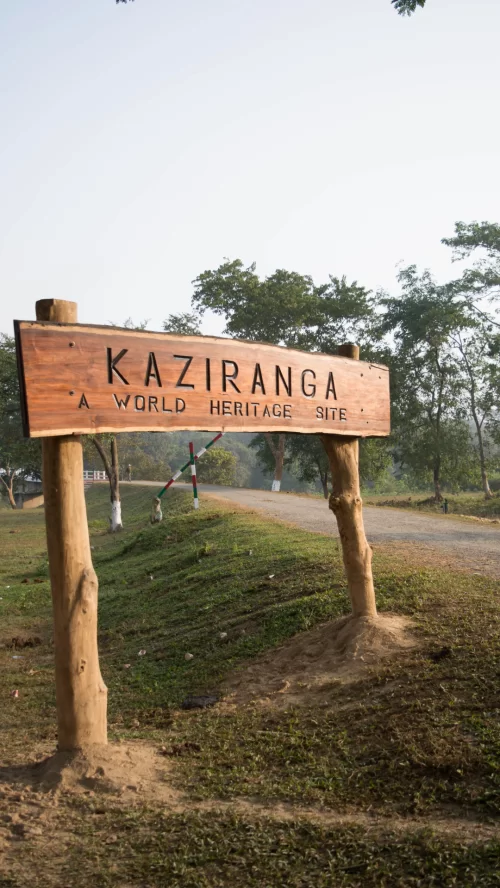
Kaziranga National Park stands among India's most successful wildlife conservation destinations and serves as the centrepiece of eco tourism in Assam. Recognised internationally for its conservation achievements, the park protects extensive grasslands, wetlands, forests, and river systems that support an extraordinary range of wildlife. Visitors experience one of the country's finest protected landscapes while learning about decades of successful conservation efforts.
Eco tourism in Kaziranga focuses on balancing wildlife protection with responsible visitor experiences. Carefully managed safari routes, trained naturalists, regulated visitor numbers, and conservation education help minimise environmental impact while allowing travellers to appreciate the park's incredible biodiversity. Exploring Kaziranga provides valuable insight into how tourism can successfully support wildlife conservation.
Kaziranga demonstrates how responsible tourism and effective conservation can work together to protect one of the world's most important wildlife habitats.
Visiting Kaziranga offers travellers an unforgettable opportunity to witness successful conservation while enjoying responsible wildlife tourism.
Kaziranga is internationally recognised for protecting the world's largest population of the endangered one-horned rhinoceros, but its remarkable biodiversity extends far beyond this iconic species. Visitors may encounter Asian elephants, wild water buffalo, swamp deer, numerous bird species, reptiles, and a wide variety of smaller mammals that inhabit the park's diverse ecosystems. Every safari reveals a different aspect of Assam's extraordinary wildlife.
The park's mosaic of grasslands, wetlands, woodlands, and river channels creates ideal habitats for countless species while supporting one of India's richest ecological environments. Guided safaris provide opportunities to observe wildlife responsibly while learning about habitat management, species conservation, and ongoing efforts to protect this remarkable ecosystem for future generations.
Kaziranga's exceptional biodiversity makes every wildlife safari a unique educational and nature-based experience.
| Wildlife | Habitat |
|---|---|
| One Horned Rhinoceros | Grasslands and wetlands. |
| Asian Elephant | Forests and open grasslands. |
| Wild Water Buffalo | Wetland ecosystems. |
| Bird Species | Wetlands and forests. |
| Swamp Deer | Grassland habitats. |
The remarkable diversity of wildlife within Kaziranga offers visitors one of India's finest opportunities for responsible nature observation.
Wildlife safaris in Kaziranga are carefully managed to ensure minimal disturbance to animals while providing visitors with exceptional opportunities to observe nature. Guided jeep safaris follow designated routes through different park ranges, allowing travellers to experience varied landscapes and habitats under the supervision of trained guides. Responsible safari practices help maintain the park's ecological balance while enhancing visitor safety.
Visitors are encouraged to follow wildlife guidelines by maintaining silence, avoiding litter, respecting park regulations, and observing animals from appropriate distances. These responsible practices ensure that tourism continues to contribute positively to conservation efforts while allowing future generations to experience Kaziranga's extraordinary biodiversity. Eco tourism here demonstrates how sustainable travel can directly support environmental protection.
Responsible safari experiences allow visitors to appreciate Kaziranga's magnificent wildlife while actively supporting long-term conservation and sustainable tourism.
Responsible exploration ensures that Kaziranga remains one of India's greatest examples of successful eco tourism and wildlife conservation.
Manas National Park is one of Assam's most spectacular eco tourism destinations, offering visitors an exceptional combination of dense forests, open grasslands, river valleys, and rich biodiversity. Located along the foothills of the Eastern Himalayas, the park forms part of a globally important ecological region that supports numerous rare and endangered species. Its varied landscapes provide ideal opportunities for nature lovers seeking peaceful exploration away from heavily visited tourist areas.
The park's scenic beauty changes throughout the year as rivers, forests, and grasslands respond to seasonal weather patterns. Travellers can experience diverse ecosystems within a single visit while learning how each habitat supports different wildlife species. The combination of untouched natural beauty and carefully managed tourism makes Manas one of Assam's finest destinations for sustainable travel.
Exploring the forests and grasslands of Manas offers visitors an unforgettable introduction to one of Northeast India's richest natural landscapes.
The remarkable variety of habitats found in Manas makes every journey through the park both educational and visually rewarding.
Manas National Park is recognised not only for its remarkable wildlife but also for the conservation initiatives that involve local communities in protecting the surrounding environment. Sustainable tourism has created opportunities for residents to participate as guides, hospitality providers, and conservation partners, helping generate livelihoods while encouraging long-term protection of forests and wildlife habitats.
Visitors gain valuable insight into how responsible tourism contributes to conservation by supporting local economies and reducing pressure on natural resources. Educational programmes, guided wildlife experiences, and community interactions help travellers appreciate the importance of preserving biodiversity while understanding the close relationship between people and the surrounding ecosystem.
Community participation has become an important part of Manas' conservation success, making eco tourism both meaningful and environmentally responsible.
| Eco Tourism Element | Contribution |
|---|---|
| Local Communities | Support tourism and conservation. |
| Nature Guides | Provide environmental education. |
| Protected Habitats | Preserve biodiversity. |
| Responsible Visitors | Promote sustainable tourism. |
| Conservation Programmes | Protect wildlife populations. |
Learning about conservation initiatives helps visitors appreciate the collaborative efforts that protect Manas and its extraordinary biodiversity.
Unlike many heavily visited wildlife destinations, Manas offers a quieter and more relaxed environment where visitors can enjoy nature without large crowds. Guided safaris, birdwatching, photography, riverside exploration, and scenic drives allow travellers to appreciate wildlife and landscapes at a comfortable pace while experiencing the peaceful atmosphere that defines the park.
The calm surroundings encourage visitors to spend more time observing wildlife behaviour, listening to forest sounds, and enjoying uninterrupted views of natural habitats. This slower style of travel aligns perfectly with eco tourism principles by promoting meaningful experiences rather than hurried sightseeing. Every visit provides opportunities to reconnect with nature while respecting the park's fragile ecosystem.
Peaceful exploration makes Manas an outstanding destination for travellers seeking authentic wildlife experiences within a carefully protected natural environment.
Manas offers visitors a refreshing eco tourism experience where tranquillity, conservation, and exceptional biodiversity come together beautifully.
Majuli Island offers a distinctive eco tourism experience by combining the natural beauty of the Brahmaputra River with centuries-old cultural traditions. As one of the world's largest inhabited river islands, Majuli features open wetlands, agricultural landscapes, traditional villages, and peaceful riverbanks that create an ideal setting for slow and responsible travel. The island's unique environment encourages visitors to experience nature while appreciating local ways of life.
Travelling through Majuli allows visitors to observe rural landscapes shaped by the Brahmaputra River while learning about sustainable lifestyles that have developed over generations. Cycling, walking, and village exploration provide environmentally friendly ways to discover the island's beauty without disturbing its delicate ecosystem. The combination of nature and culture makes Majuli one of Assam's most rewarding eco tourism destinations.
Majuli's harmonious relationship between people, culture, and nature creates an unforgettable travel experience rooted in sustainability and tradition.
The natural beauty and traditional lifestyle of Majuli offer visitors a rare opportunity to experience eco tourism beyond wildlife alone.
Community-based tourism forms an important part of the Majuli experience, allowing visitors to interact with local residents while supporting sustainable livelihoods. Many villages welcome travellers through homestays, traditional craft demonstrations, local cuisine, cultural performances, and guided village walks that highlight the island's heritage and daily life. These experiences create meaningful connections between visitors and local communities.
By choosing locally operated accommodation and activities, travellers contribute directly to the island's economy while encouraging preservation of traditional knowledge, handicrafts, agriculture, and cultural practices. Responsible tourism also helps strengthen conservation efforts by promoting environmentally friendly travel and reducing unnecessary pressure on the island's fragile ecosystem.
Sustainable village tourism allows visitors to experience Majuli's rich cultural heritage while positively supporting local communities and conservation.
| Village Experience | Visitor Benefit |
|---|---|
| Homestays | Experience local hospitality. |
| Traditional Crafts | Learn local skills. |
| Village Walks | Explore rural lifestyles. |
| Local Cuisine | Taste authentic Assamese food. |
| Cultural Activities | Understand island traditions. |
Community experiences provide travellers with authentic insights into Majuli while promoting responsible and sustainable tourism.
Majuli is perfectly suited for slow travel, where visitors spend time appreciating natural surroundings, interacting with local communities, and exploring cultural landmarks without rushing between attractions. Walking through villages, cycling along quiet roads, visiting Satras, watching sunsets over the Brahmaputra, and enjoying traditional meals create meaningful experiences that encourage deeper connections with the destination.
This relaxed style of travel supports eco tourism by reducing environmental impact while allowing visitors to appreciate the island's peaceful atmosphere. Rather than focusing on busy sightseeing schedules, travellers enjoy authentic moments that highlight Majuli's natural beauty, cultural heritage, and welcoming communities. Every activity encourages responsible exploration while preserving the island's unique character.
Slow travel allows visitors to fully appreciate Majuli's exceptional blend of nature, culture, and sustainability while creating lasting travel memories.
Majuli demonstrates how eco tourism can successfully combine environmental appreciation, cultural preservation, and authentic community experiences.
Dibru Saikhowa National Park is one of Assam's most unique eco tourism destinations, offering visitors an opportunity to explore an extraordinary landscape shaped by rivers, wetlands, grasslands, and semi-evergreen forests. Located near the confluence of the Brahmaputra and Lohit rivers, the park protects a rich mosaic of habitats that support exceptional biodiversity. Unlike many mainstream wildlife destinations, Dibru Saikhowa provides a peaceful environment where nature remains largely undisturbed.
Visitors can experience river channels, swamp forests, marshlands, and floodplain ecosystems that change naturally with seasonal water levels. These diverse habitats create ideal conditions for wildlife observation, photography, and environmental learning. Exploring the park helps travellers understand the importance of river-based ecosystems and the ecological role they play in supporting countless species.
Dibru Saikhowa offers a remarkable eco tourism experience where wetlands, forests, and rivers combine to create one of Assam's richest natural environments.
The park's diverse river landscapes provide visitors with valuable insight into one of Assam's most important ecological regions.
Dibru Saikhowa is internationally recognised for its exceptional birdlife and diverse wildlife, making it a rewarding destination for eco tourists and wildlife enthusiasts. Numerous migratory and resident bird species inhabit the wetlands and forests, while mammals, reptiles, and aquatic life contribute to the park's remarkable biodiversity. The peaceful surroundings allow visitors to observe wildlife in natural habitats without large tourist crowds.
Birdwatchers especially appreciate the opportunity to explore remote wetlands where seasonal migrations bring a variety of species throughout the year. Nature guides help visitors identify wildlife while explaining habitat conservation and ecological relationships. Every excursion through the park offers opportunities to discover rare species while appreciating the importance of protecting these fragile ecosystems.
The combination of rare birdlife, diverse wildlife, and scenic landscapes makes Dibru Saikhowa one of Assam's finest offbeat eco tourism destinations.
| Natural Attraction | Visitor Experience |
|---|---|
| Wetlands | Birdwatching and photography. |
| River Channels | Nature exploration. |
| Forests | Wildlife observation. |
| Grasslands | Scenic landscapes. |
| Protected Habitats | Conservation learning. |
Every visit to Dibru Saikhowa provides memorable opportunities to appreciate Assam's extraordinary biodiversity within peaceful natural surroundings.
Travellers seeking quiet nature experiences often choose Dibru Saikhowa because it remains less crowded than many of Assam's more famous parks. The calm atmosphere allows visitors to enjoy birdwatching, photography, guided nature walks, and river exploration without feeling rushed. Eco tourism here focuses on slow exploration that encourages careful observation and appreciation of the surrounding environment.
Responsible tourism practices play an important role in protecting the park's sensitive habitats. Visitors are encouraged to minimise disturbance, respect wildlife, and follow guidance provided by local naturalists. Spending time in this peaceful landscape allows travellers to reconnect with nature while supporting conservation initiatives that preserve the park's exceptional biodiversity for future generations.
Peaceful exploration makes Dibru Saikhowa an outstanding destination for travellers who value responsible tourism and authentic nature experiences.
Dibru Saikhowa rewards patient travellers with peaceful eco tourism experiences that celebrate Assam's rich natural heritage.
Nameri National Park combines eco tourism with outdoor adventure by offering visitors opportunities to explore dense forests, clear rivers, and unspoilt natural landscapes along the foothills of the Eastern Himalayas. The park's beautiful setting supports a wide range of environmentally responsible activities that allow travellers to experience nature while respecting the surrounding ecosystem. Its peaceful atmosphere attracts visitors looking for adventure beyond conventional wildlife safaris.
The Jia Bhoroli River flows through the park, creating spectacular scenery and supporting rich biodiversity throughout the region. Forest trails, riverbanks, and natural habitats provide excellent opportunities for exploration while allowing visitors to appreciate Assam's remarkable ecological diversity. Every journey through Nameri highlights the close relationship between rivers, forests, and wildlife conservation.
Nameri offers an exceptional combination of adventure, biodiversity, and responsible tourism within one of Assam's most beautiful protected landscapes.
The forests and rivers of Nameri provide visitors with rewarding outdoor experiences while encouraging appreciation for Assam's natural heritage.
Nameri is particularly popular among birdwatchers because of its impressive variety of resident and migratory bird species. Guided birdwatching excursions introduce visitors to forest habitats where experienced naturalists help identify birds while explaining their ecological importance. The park's peaceful environment also makes it an excellent destination for nature photography and wildlife observation.
In addition to birdwatching, visitors can enjoy forest trekking and carefully managed river-based experiences that showcase the area's exceptional scenery. Walking through forest trails allows travellers to observe native vegetation, butterflies, and smaller wildlife while appreciating the tranquillity of the surrounding landscape. These low-impact activities align perfectly with the principles of responsible eco tourism.
Birdwatching, trekking, and river exploration together create diverse outdoor experiences that highlight the natural beauty of Nameri National Park.
| Activity | Experience |
|---|---|
| Birdwatching | Observe diverse bird species. |
| Forest Trekking | Explore natural trails. |
| River Exploration | Enjoy scenic landscapes. |
| Nature Photography | Capture wildlife and forests. |
| Guided Walks | Learn local ecology. |
Nature-based activities in Nameri encourage visitors to explore responsibly while gaining a deeper understanding of Assam's biodiversity.
Adventure tourism in Nameri is designed to balance exciting outdoor experiences with environmental responsibility. Visitors are encouraged to follow designated trails, minimise waste, avoid disturbing wildlife, and respect protected habitats throughout their journey. Responsible behaviour ensures that the park's forests, rivers, and wildlife remain undisturbed while allowing future travellers to enjoy similar experiences.
Guided activities led by experienced naturalists help visitors understand safe outdoor practices while introducing them to the ecological significance of the region. Adventure in Nameri is not defined by speed or crowds but by meaningful interaction with nature through careful observation, responsible exploration, and appreciation of the surrounding environment. This philosophy makes the park an excellent destination for sustainable adventure tourism.
Responsible adventure experiences allow visitors to enjoy Nameri's spectacular landscapes while contributing to the protection of its valuable ecosystems.
Nameri demonstrates how outdoor adventure and environmental conservation can successfully coexist through thoughtful and responsible eco tourism.
Dehing Patkai National Park protects one of India's finest lowland tropical rainforest ecosystems and is often referred to as the Amazon of the East because of its dense evergreen forests and exceptional biodiversity. Located in eastern Assam, the park provides visitors with an opportunity to experience ancient rainforest landscapes that support countless plant and animal species. Exploring these forests introduces travellers to one of the most ecologically significant habitats in Northeast India.
Walking through the rainforest reveals towering trees, dense vegetation, natural streams, and an impressive variety of forest habitats that have evolved over centuries. The rich biodiversity found within the park demonstrates the importance of protecting rainforest ecosystems that regulate climate, support wildlife, and preserve ecological balance. Every visit provides valuable insight into Assam's remarkable natural heritage.
Dehing Patkai offers an unforgettable rainforest experience where biodiversity, conservation, and responsible tourism come together within one of Assam's most important protected landscapes.
The remarkable rainforest landscapes of Dehing Patkai allow visitors to appreciate one of Assam's most valuable ecological treasures.
Dehing Patkai supports an extraordinary diversity of plant and animal life, making it an important destination for nature enthusiasts, wildlife photographers, and researchers. The rainforest contains numerous tree species, orchids, ferns, medicinal plants, butterflies, birds, mammals, and reptiles that together create one of the richest ecosystems in the region. Visitors gain a deeper appreciation for the complex relationships that sustain rainforest biodiversity.
Guided forest walks allow travellers to identify native vegetation while learning about wildlife habitats and ecological processes. The dense canopy, flowing streams, and untouched forest scenery create spectacular opportunities for photography and environmental education. Every trail reveals new aspects of the rainforest while highlighting the importance of long-term conservation efforts.
The rich biodiversity of Dehing Patkai makes every rainforest exploration an educational and visually rewarding eco tourism experience.
| Rainforest Feature | Visitor Experience |
|---|---|
| Evergreen Forests | Explore dense natural habitats. |
| Native Flora | Learn plant diversity. |
| Wildlife | Observe forest species. |
| Forest Streams | Enjoy peaceful landscapes. |
| Nature Trails | Experience guided exploration. |
Exploring Dehing Patkai's remarkable biodiversity allows visitors to understand the ecological importance of Assam's tropical rainforests.
Eco tourism in Dehing Patkai encourages visitors to experience the rainforest with minimal environmental impact. Guided nature walks, wildlife observation, birdwatching, and forest interpretation programmes allow travellers to appreciate the ecosystem while following responsible tourism practices. Visitors are encouraged to remain on designated trails, avoid disturbing wildlife, and help preserve the fragile rainforest environment.
Responsible exploration also supports conservation by promoting environmental awareness and encouraging visitors to value protected ecosystems. Local guides share knowledge about forest ecology, biodiversity, and conservation challenges, making every visit both educational and meaningful. Travellers leave with a greater appreciation of the importance of preserving tropical rainforests for future generations.
Responsible tourism ensures that Dehing Patkai's extraordinary rainforest ecosystem continues to thrive while offering memorable experiences for environmentally conscious travellers.
Responsible exploration allows visitors to experience the beauty of Dehing Patkai while contributing to the long-term protection of its remarkable rainforest ecosystem.
Tea estates across Assam have become important eco tourism destinations by combining plantation heritage with environmentally responsible travel experiences. Many estates encourage sustainable tourism through carefully managed plantation visits, heritage accommodation, guided walks, and educational programmes that introduce visitors to environmentally conscious farming and tea cultivation. These initiatives help preserve the natural landscape while providing meaningful experiences for travellers.
Unlike conventional sightseeing, eco-friendly plantation tourism allows visitors to appreciate both agricultural heritage and environmental conservation. Walking through carefully maintained tea gardens, observing sustainable cultivation practices, and interacting with knowledgeable estate staff provide valuable insight into the relationship between agriculture and nature. Plantation tourism demonstrates how responsible travel can successfully support rural communities while protecting natural resources.
Eco-friendly tea estates provide visitors with memorable experiences that combine Assam's famous tea heritage with sustainable tourism practices.
Sustainable plantation tourism allows visitors to appreciate Assam's tea industry while encouraging environmentally responsible travel.
Guided plantation walks introduce visitors to the peaceful rhythm of tea estate life while showcasing the beautiful natural surroundings that define Assam's countryside. Walking through endless rows of tea bushes, shaded pathways, and scenic estate landscapes allows travellers to appreciate the harmony between agriculture and the environment. Estate guides explain tea cultivation methods while sharing stories about the region's rich tea heritage.
Visitors also enjoy tea tasting sessions, heritage buildings, plantation viewpoints, and opportunities to photograph expansive green landscapes throughout the estates. These experiences highlight how tea cultivation has shaped Assam's culture while preserving many of its beautiful rural landscapes. Every plantation walk offers both educational value and opportunities for relaxation.
Plantation walks combine cultural learning, environmental appreciation, and scenic exploration within Assam's world-famous tea gardens.
| Plantation Experience | Visitor Benefit |
|---|---|
| Guided Walks | Explore tea gardens responsibly. |
| Tea Tastings | Experience Assam tea varieties. |
| Nature Photography | Capture scenic landscapes. |
| Heritage Estates | Learn plantation history. |
| Tea Culture | Understand regional traditions. |
Every plantation experience encourages visitors to appreciate the close relationship between tea cultivation, local culture, and Assam's natural environment.
Meaningful interaction with plantation communities forms an important part of sustainable tea tourism in Assam. Visitors often meet estate staff, local guides, artisans, and hospitality providers who share their knowledge of tea cultivation, regional traditions, and everyday life within the plantations. These experiences create genuine cultural connections while supporting local employment and community development.
Choosing locally managed accommodation, purchasing regional products, and participating in community-based tourism activities helps ensure that tourism benefits remain within the surrounding communities. Responsible visitor behaviour also contributes to environmental protection by encouraging sustainable travel practices throughout the journey. Together, these experiences strengthen both conservation and local livelihoods.
Local interactions enrich plantation visits while demonstrating how sustainable tourism supports both Assam's tea heritage and its rural communities.
Community-focused plantation tourism creates rewarding travel experiences while supporting the long-term sustainability of Assam's tea-growing regions.
The Brahmaputra River forms the backbone of Assam's natural landscape and plays a vital role in the state's eco tourism experiences. Flowing across vast floodplains, the river supports an extraordinary network of wetlands, sandbars, river islands, forests, and grasslands that together create one of India's richest ecological environments. Travellers exploring the Brahmaputra witness constantly changing landscapes shaped by seasonal water levels and natural river processes.
River islands such as Majuli, extensive wetlands, and protected habitats provide excellent opportunities to experience nature while understanding the ecological importance of freshwater ecosystems. These landscapes support countless plant and animal species while sustaining traditional communities that have adapted to life along the river for generations. Eco tourism encourages visitors to appreciate both the environmental and cultural significance of the Brahmaputra.
The Brahmaputra River offers one of Assam's most remarkable eco tourism experiences by connecting diverse ecosystems, wildlife habitats, and traditional communities.
Exploring the Brahmaputra allows visitors to appreciate the environmental importance of one of Asia's great river systems.
The Brahmaputra provides outstanding opportunities for eco-friendly river cruises that allow travellers to experience Assam's natural beauty from a unique perspective. Slow-moving cruises pass through scenic river stretches where wetlands, islands, grasslands, and forests support abundant birdlife and wildlife. Travellers enjoy peaceful journeys while observing landscapes that are often inaccessible by road.
Birdwatching and nature photography are especially rewarding along the river because of the wide variety of resident and migratory bird species that inhabit its wetlands and floodplains. Sunrise and sunset cruises provide exceptional lighting conditions for photography while offering opportunities to appreciate the calm atmosphere of Assam's river ecosystem. These experiences combine relaxation, education, and responsible nature exploration.
River cruises and birdwatching experiences allow visitors to discover the remarkable biodiversity and scenic beauty of the Brahmaputra in an environmentally responsible manner.
| Eco Activity | Visitor Experience |
|---|---|
| River Cruises | Scenic landscape exploration. |
| Birdwatching | Observe migratory and resident birds. |
| Nature Photography | Capture riverside ecosystems. |
| Wetland Visits | Explore freshwater habitats. |
| Guided Tours | Learn river ecology. |
River-based eco tourism offers visitors peaceful experiences that celebrate Assam's spectacular natural landscapes and biodiversity.
Communities living along the Brahmaputra have developed unique traditions, livelihoods, and cultural practices closely connected to the river. Eco tourism allows visitors to understand how fishing, agriculture, transportation, handicrafts, and village life continue to depend upon this remarkable waterway. Local guides often share stories about seasonal changes, river conservation, and traditional lifestyles that have evolved over centuries.
Visitors who choose community-based experiences help support local economies while encouraging sustainable tourism practices. Respecting local customs, protecting river habitats, and reducing environmental impact ensure that tourism contributes positively to both conservation and community wellbeing. These meaningful interactions create memorable travel experiences while highlighting the importance of preserving the Brahmaputra for future generations.
Exploring the relationship between the Brahmaputra and local communities provides valuable insight into Assam's cultural and environmental heritage.
Community interactions along the Brahmaputra enrich eco tourism while encouraging responsible appreciation of Assam's remarkable river heritage.
Seasonal changes have a significant influence on eco tourism experiences across Assam because weather conditions directly affect wildlife activity, vegetation, river levels, bird migrations, and accessibility to natural attractions. Understanding these seasonal variations helps travellers choose the most suitable time for exploring forests, wetlands, national parks, tea gardens, and river ecosystems according to their interests and travel priorities.
Each season presents unique opportunities for nature enthusiasts. Cooler months generally provide comfortable weather for outdoor exploration, while monsoon transforms forests and wetlands into vibrant green landscapes. Seasonal flooding also shapes many ecosystems naturally, contributing to the ecological richness that makes Assam one of India's finest eco tourism destinations. Careful planning allows visitors to experience these landscapes safely and responsibly.
Understanding seasonal patterns enables travellers to enjoy Assam's diverse ecosystems while making informed decisions about wildlife viewing and outdoor activities.
Seasonal awareness helps visitors maximise their eco tourism experiences while appreciating Assam's ever-changing natural environments.
The period from October to April is generally considered the most favourable time for eco tourism in Assam because cooler temperatures and relatively dry weather create comfortable conditions for wildlife safaris, birdwatching, forest walks, tea garden visits, and cultural exploration. Many protected areas remain easily accessible during these months, allowing visitors to enjoy diverse outdoor experiences.
Winter also coincides with the arrival of numerous migratory bird species, making wetlands and national parks particularly rewarding for birdwatchers and wildlife photographers. Travellers planning longer itineraries often combine multiple eco tourism destinations during this period to experience Assam's exceptional biodiversity under favourable weather conditions. Early planning helps visitors make the most of these seasonal advantages.
Choosing the appropriate travel season enhances wildlife observation, outdoor comfort, and overall eco tourism experiences throughout Assam.
| Season | Eco Tourism Experience |
|---|---|
| October to November | Pleasant weather for exploration. |
| December to February | Wildlife viewing and birdwatching. |
| March to April | Comfortable outdoor activities. |
| Monsoon | Lush forests and wetlands. |
| Summer | Warm conditions with active ecosystems. |
Planning visits during favourable seasons helps travellers experience Assam's remarkable biodiversity under enjoyable outdoor conditions.
Different eco tourism destinations across Assam respond differently to seasonal weather patterns, making destination-specific planning especially important. Travellers visiting wildlife parks, wetlands, rainforests, tea estates, or river islands should monitor local weather forecasts and understand seasonal accessibility before beginning their journey. Flexible itineraries allow adjustments if changing weather affects outdoor activities.
Visitors should also consider travel distances, road conditions, and park schedules while planning multi-destination eco tourism routes. Carrying suitable clothing, comfortable footwear, rain protection when necessary, and essential travel supplies further improves the experience. Careful preparation ensures visitors remain comfortable while enjoying responsible exploration across Assam's diverse natural environments.
Thoughtful planning according to weather and destination conditions helps travellers enjoy safe, comfortable, and rewarding eco tourism experiences throughout Assam.
Good seasonal planning allows visitors to experience Assam's natural attractions comfortably while making the most of every eco tourism destination.
Planning an eco tourism journey in Assam becomes more rewarding when destinations are selected according to individual interests rather than attempting to visit every attraction. Wildlife enthusiasts may prioritise Kaziranga, Manas, or Nameri, while birdwatchers often enjoy Dibru Saikhowa and wetland ecosystems. Travellers interested in culture and sustainable village experiences may prefer Majuli, tea estates, and community-based tourism destinations that combine nature with local traditions.
Choosing fewer destinations allows visitors to spend more time exploring forests, wetlands, tea gardens, river islands, and villages without feeling rushed. This approach encourages meaningful interactions with local communities, greater appreciation of wildlife, and a deeper understanding of Assam's remarkable ecological diversity. Well-planned itineraries create richer travel experiences while reducing unnecessary road travel.
Selecting destinations according to personal interests ensures a balanced eco tourism experience that highlights Assam's extraordinary biodiversity and cultural heritage.
Choosing destinations thoughtfully allows visitors to experience the best of Assam while travelling responsibly and comfortably.
The most memorable eco tourism itineraries combine wildlife exploration, cultural experiences, tea garden visits, river landscapes, and community-based tourism within a carefully planned journey. Travellers can begin with national parks, continue towards tea-growing regions, visit river islands, and conclude their trip with village stays or birdwatching destinations. Combining different experiences showcases the remarkable diversity that defines Assam.
Planning accommodation, transportation, guided activities, and sightseeing together helps reduce travel time while ensuring a relaxed pace throughout the journey. Flexible itineraries also provide opportunities to respond to changing weather conditions without missing important attractions. A balanced travel plan allows visitors to enjoy nature responsibly while supporting conservation and local communities at every destination.
Combining wildlife, culture, and sustainable tourism creates rewarding itineraries that showcase the very best of Assam's eco tourism opportunities.
| Travel Element | Planning Recommendation |
|---|---|
| Wildlife Parks | Schedule guided safaris. |
| Community Stays | Book locally managed accommodation. |
| Tea Gardens | Include plantation experiences. |
| River Tourism | Plan eco-friendly activities. |
| Transportation | Create efficient travel routes. |
Carefully combining different eco tourism experiences creates balanced journeys that maximise both enjoyment and environmental responsibility.
Before beginning your eco tourism journey, confirm accommodation, transportation, park permits where required, weather forecasts, and activity schedules. Carry comfortable outdoor clothing, reusable water bottles, suitable walking shoes, binoculars, cameras, insect repellent, and essential personal items. Preparing carefully allows visitors to enjoy forests, wetlands, tea gardens, and wildlife destinations comfortably throughout the trip.
During the journey, respect wildlife, support local businesses, avoid littering, minimise plastic use, follow guide instructions, and appreciate local customs. Responsible behaviour helps preserve Assam's extraordinary biodiversity while ensuring tourism continues to benefit surrounding communities. Travelling thoughtfully creates memorable experiences while contributing to the long-term conservation of one of India's richest natural landscapes.
With responsible planning and sustainable travel practices, Assam offers unforgettable eco tourism experiences that combine wildlife, culture, rivers, forests, and welcoming local communities.
Following this checklist allows visitors to experience Assam's remarkable eco tourism destinations responsibly while helping preserve their natural and cultural heritage for future generations.


Get customized Assam tour planning designed around seasonal weather patterns, river conditions, wildlife safari timing, and realistic road travel flow. Whether you are visiting for national parks, tea estate stays, cultural experiences, spiritual sites, o
⚡ Quick Response | 💰 Free consultation | 🕒 24×7 expert support