
How Tea is Made in Assam – A Tourist's Guide
Understanding how tea is made in Assam allows travellers to explore plantations, learn traditional processing methods, and experience the journey from fresh tea leaves to the final product.
+91 9910402252
admin@chalbanjare.com


Plan your first Assam trip with Kaziranga, Guwahati, Majuli, tea gardens, routes, weather, travel cost, itinerary tips, and essential travel guide.
Assam is the largest gateway to Northeast India and is centered around the mighty Brahmaputra River, which shapes almost every aspect of the state's geography, economy, culture, and tourism. Stretching across a long fertile valley between the Eastern Himalayas and the hill states of Northeast India, Assam offers remarkable diversity within a single destination. Visitors encounter dense forests, UNESCO World Heritage Sites, vast grasslands, wetlands, tea plantations, river islands, wildlife sanctuaries, historical monuments, and vibrant cities while traveling across the state. This geographical diversity makes Assam suitable for travelers interested in wildlife, heritage, photography, road trips, tea tourism, birdwatching, and cultural exploration.
For travel planning, Assam can be divided into several practical tourism regions. Guwahati and Lower Assam serve as the main entry point and include important religious sites such as Kamakhya Temple along with riverfront attractions and nearby wildlife destinations like Pobitora. Central Assam is dominated by Kaziranga National Park and surrounding countryside, while Upper Assam includes Jorhat, Majuli, Sivasagar, Dibrugarh, and extensive tea-growing landscapes. Western Assam is known for Manas National Park, whereas southern Assam includes Haflong and the hill districts. Understanding these regions before planning an itinerary helps travelers avoid unnecessary backtracking while building an efficient travel route.
Understanding Assam's geographical layout before traveling helps visitors organize realistic travel routes while experiencing the state's extraordinary combination of wildlife reserves, cultural heritage, river landscapes, and tea-growing countryside.
First-time visitors should decide their travel style before selecting destinations because Assam offers experiences that appeal to many different interests. Wildlife enthusiasts generally spend more time in Kaziranga, Manas, Pobitora, and Orang National Park. Cultural travelers often focus on Guwahati, Majuli, and Sivasagar, while tea tourism enthusiasts prefer Jorhat, Dibrugarh, and heritage tea estates. Travelers interested in photography frequently combine wildlife, tea gardens, wetlands, and river islands, whereas families usually balance comfortable city stays with nature experiences.
Road trips remain one of the best ways to explore Assam because many attractions are connected by scenic highways following the Brahmaputra Valley. Couples often choose heritage tea bungalows, luxury wildlife lodges, and Brahmaputra cruises for a slower travel experience, while backpackers frequently rely on trains, buses, shared taxis, and homestays. Choosing one primary travel theme during a first visit allows sufficient time to appreciate each destination rather than trying to cover every attraction within a limited schedule.
Choosing a travel style before planning destinations creates a smoother journey where wildlife, culture, tea tourism, or heritage experiences can each receive the time they deserve.
The ideal duration for an Assam trip depends entirely on personal interests and the number of regions included. Travelers interested mainly in Guwahati and nearby attractions can comfortably explore the city in three days. Adding Kaziranga National Park extends the journey to five days, while including Majuli and Sivasagar generally requires seven to eight days. Visitors interested in tea estates, Dibrugarh, Manas National Park, or Haflong should consider itineraries lasting nine to twelve days to avoid rushed travel.
Long driving distances between some destinations make slow travel more rewarding than attempting to visit every major attraction within a short period. Wildlife safaris, ferry crossings to Majuli, and tea estate visits are best enjoyed without strict schedules. Travelers should also consider seasonal factors because monsoon weather may increase travel times, while winter offers smoother transportation and more reliable sightseeing conditions throughout most parts of the state.
Choosing an itinerary length according to your interests creates a balanced travel experience where wildlife, heritage, tea gardens, and river landscapes can all be explored comfortably without unnecessary time pressure.
Guwahati, Kaziranga National Park, and Majuli Island together represent Assam's most iconic travel circuit and provide an excellent introduction to the state. Guwahati serves as the transportation hub and cultural gateway, offering important religious landmarks, museums, riverside attractions, and lively markets. Kamakhya Temple, Umananda Temple, Brahmaputra riverfront areas, Assam State Museum, and local Assamese cuisine make the city an essential starting point before continuing toward the countryside.
From Guwahati, travelers usually continue east to Kaziranga National Park, where jeep safaris explore vast grasslands supporting one-horned rhinoceroses, elephants, wild buffaloes, deer, and numerous bird species. The journey often continues toward Jorhat before crossing the Brahmaputra River by ferry to Majuli Island. Here visitors experience centuries-old Vaishnavite monasteries, traditional mask-making, pottery villages, weaving communities, wetlands, and peaceful island landscapes that contrast beautifully with Assam's wildlife destinations.
This travel circuit introduces visitors to Assam's religion, wildlife, river culture, and traditional communities while creating one of Northeast India's most rewarding first-time itineraries.
Travelers with additional time should explore Manas National Park, Sivasagar, and Haflong to experience Assam beyond its most popular destinations. Manas National Park, located along the Bhutan border, is recognized as a UNESCO World Heritage Site and one of India's richest biodiversity reserves. Its forests, rivers, grasslands, and foothill landscapes support elephants, tigers, wild buffaloes, golden langurs, pygmy hogs, and hundreds of bird species, making it one of Northeast India's finest wildlife destinations.
Sivasagar preserves the remarkable legacy of the Ahom Kingdom through monuments such as Rang Ghar, Talatal Ghar, Kareng Ghar, Shiva Dol, and extensive historical tanks. Haflong, Assam's only hill station, provides cooler weather, scenic lakes, rolling hills, forests, and peaceful landscapes that differ completely from the Brahmaputra Valley. Together these destinations showcase the state's ecological diversity, royal history, and mountain scenery within a single extended itinerary.
These destinations expand an Assam itinerary beyond the standard tourist circuit while highlighting the state's extraordinary variety of wildlife, historical architecture, and scenic hill landscapes.
Jorhat and Dibrugarh form the heart of Assam's tea-growing region and provide visitors with some of the state's most beautiful countryside. Endless tea plantations stretch across gently rolling landscapes where heritage bungalows, tea factories, village roads, and forest patches create picturesque scenery throughout the year. Guided plantation visits introduce travelers to tea cultivation, harvesting, processing, grading, and tasting while offering insight into one of Assam's most important industries.
Beyond tea tourism, Jorhat serves as the primary gateway to Majuli Island, while Dibrugarh provides excellent transport connections for travelers exploring Upper Assam. Scenic countryside drives between these towns reveal rural villages, bamboo homes, wetlands, agricultural fields, and tea workers harvesting fresh leaves during the growing season. Travelers seeking peaceful landscapes often consider this region one of Assam's most relaxing destinations.
The tea estates of Jorhat and Dibrugarh provide one of Assam's signature travel experiences, where beautiful landscapes, agricultural heritage, and peaceful countryside combine to create unforgettable journeys through Upper Assam.
The most favorable time to visit Assam is from October to April, when comfortable weather, clear skies, and open national parks create excellent conditions for sightseeing and outdoor activities. During this period, travelers can comfortably explore Kaziranga National Park, Manas National Park, Majuli Island, Guwahati, tea estates, and historical towns without the heavy rainfall that characterizes the monsoon season. Cooler temperatures also make long road journeys and walking tours much more enjoyable across the Brahmaputra Valley.
October brings fresh green landscapes immediately after the monsoon, while November through February offers cool mornings, pleasant afternoons, and excellent visibility for photography. March and April remain suitable for travel despite gradually increasing temperatures, particularly for tea garden visits, cultural sightseeing, and birdwatching. Wildlife enthusiasts often prefer November to March because grasslands become easier to explore, migratory birds arrive, and animals are frequently seen during morning and evening safaris.
Traveling between October and April allows visitors to experience Assam's wildlife reserves, cultural attractions, tea estates, and river landscapes under the most comfortable weather conditions of the year.
Winter, extending from November through February, is considered the most comfortable season for visiting Assam. Pleasant daytime temperatures, cool mornings, low humidity, and clear skies create ideal conditions for safaris, temple visits, tea garden exploration, river cruises, and road trips. Birdwatchers also benefit during winter as numerous migratory birds arrive at wetlands, lakes, and protected reserves throughout the state.
Summer, generally from March until early May, becomes warmer during the afternoon but remains suitable for sightseeing, particularly in tea-growing regions where lush plantations remain attractive. The monsoon usually begins in late May or June and continues through September, bringing heavy rainfall, rising water levels, and occasional flooding across parts of the Brahmaputra Valley. During this period, several national parks temporarily close for conservation and visitor safety. Although monsoon transforms Assam into an intensely green landscape, travelers should remain flexible because weather conditions may affect transport schedules and sightseeing plans.
Each season offers unique experiences, but understanding Assam's climate helps visitors select the most appropriate time according to wildlife, photography, cultural interests, and overall travel comfort.
Assam's vibrant festivals offer visitors opportunities to experience the state's cultural traditions alongside its natural attractions. Bohag Bihu, celebrated during April, marks the Assamese New Year with traditional music, dance, agricultural celebrations, and community gatherings across the state. Magh Bihu in January celebrates the harvest season, while Kati Bihu during October reflects agricultural customs associated with the growing season. Travelers interested in local culture often schedule visits around these festivals to experience authentic Assamese traditions.
Nature also changes dramatically throughout the year. Winter offers excellent birdwatching opportunities around Deepor Beel and numerous wetlands, while post-monsoon landscapes become exceptionally green after months of rainfall. Tea estates appear beautiful throughout most of the tourist season, and the Brahmaputra River presents changing scenery depending on seasonal water levels. Visitors interested in photography often favor October, November, February, and early March when pleasant weather combines with beautiful landscapes across wildlife reserves, tea gardens, and river valleys.
Combining seasonal beauty with Assam's major festivals creates a memorable journey where wildlife, landscapes, agriculture, and traditional culture can all be experienced together.
Assam is one of the most accessible states in Northeast India and is well connected with the rest of the country through an extensive network of airports, railways, and highways. Lokpriya Gopinath Bordoloi International Airport in Guwahati serves as the primary gateway, offering regular flights from major cities including Delhi, Mumbai, Kolkata, Bengaluru, Hyderabad, Chennai, and several other destinations. Additional airports at Dibrugarh, Jorhat, Silchar, Lilabari, Rupsi, and Tezpur provide convenient access to different regions of the state, particularly Upper Assam.
Rail travelers can reach Assam through Guwahati Railway Station, New Bongaigaon, Dibrugarh, Jorhat Town, Tinsukia, Silchar, and several other important stations connected by long-distance trains from across India. Travelers preferring road journeys can enter Assam through well-developed National Highways linking the state with West Bengal, Meghalaya, Arunachal Pradesh, Nagaland, and neighboring northeastern states. Multiple transport options make Assam suitable for independent travelers, families, organized tours, and long-distance road trips.
Strong air, rail, and road connectivity makes Assam one of Northeast India's easiest destinations to reach, allowing travelers to select transport options that best suit their itinerary and budget.
Road transport forms the backbone of tourism within Assam because most attractions lie along the Brahmaputra Valley and are connected by state highways and National Highways. Private taxis, rental vehicles, tourist coaches, state transport buses, and shared taxis operate regularly between Guwahati, Kaziranga, Jorhat, Sivasagar, Dibrugarh, Haflong, and Manas National Park. Although roads are generally in good condition, travelers should allow realistic driving times because wildlife speed limits, local traffic, and occasional road maintenance may influence journey durations.
Majuli Island requires a ferry crossing from Nimati Ghat near Jorhat, making ferry schedules an important consideration while planning Upper Assam itineraries. Travelers covering several destinations often prefer hiring vehicles for multiple days because this provides greater flexibility for wildlife safaris, tea estate visits, photography stops, and countryside exploration. Public transport remains available between most towns but generally requires additional planning and longer travel times.
Understanding regional transportation allows travelers to organize efficient itineraries while comfortably exploring wildlife parks, tea estates, historical towns, and river islands throughout Assam.
The most efficient Assam itinerary usually begins in Guwahati before continuing east through Kaziranga National Park, Jorhat, Majuli Island, Sivasagar, and Dibrugarh. This point-to-point route follows the natural geography of the Brahmaputra Valley and minimizes unnecessary return journeys. Travelers interested in wildlife often combine Kaziranga with Pobitora or Manas National Park, while those focusing on tea tourism extend their journey farther into Upper Assam.
Rather than returning repeatedly to Guwahati after every destination, visitors benefit from continuing gradually across the state before departing from Dibrugarh if flight schedules permit. Travelers combining Assam with Meghalaya, Arunachal Pradesh, or Nagaland can also build convenient multi-state road trips because several highways connect these neighboring destinations. Careful route planning reduces driving hours while allowing more time for sightseeing, wildlife safaris, tea gardens, and local cultural experiences.
Selecting practical travel routes helps visitors spend more time enjoying Assam's attractions while reducing unnecessary road travel and creating a smoother, more enjoyable journey across the state.
A three-day itinerary is ideal for travelers who want a short introduction to Assam without covering long road distances. Guwahati serves as the perfect base because it combines excellent transport connectivity with important religious, cultural, and riverfront attractions. During the first day, visitors can explore Kamakhya Temple, Umananda Temple, the Assam State Museum, and enjoy a sunset cruise on the Brahmaputra River. The second day can include local markets, Srimanta Sankardev Kalakshetra, and nearby viewpoints before concluding with traditional Assamese cuisine.
Travelers wishing to include wildlife can dedicate the third day to Pobitora Wildlife Sanctuary, located within comfortable driving distance from Guwahati. The sanctuary is famous for its high density of one-horned rhinoceroses and offers rewarding jeep safaris suitable for visitors with limited time. This short itinerary provides a balanced introduction to Assam's religion, wildlife, local culture, and river landscapes while avoiding excessive travel across the state.
A three-day itinerary offers an excellent introduction to Assam by combining culture, wildlife, and river experiences while keeping travel comfortable and manageable.
Five to seven days allow travelers to experience Assam's most iconic destinations without rushing between locations. After arriving in Guwahati, visitors generally travel east to Kaziranga National Park, where two or more jeep safaris across different safari zones maximize wildlife sightings. Spending two nights near Kaziranga allows visitors to explore orchid parks, tea gardens, and nearby villages while enjoying morning and afternoon safaris.
With additional time, the itinerary naturally continues toward Jorhat before taking a ferry to Majuli Island. Travelers interested in history can also extend their journey to Sivasagar to explore Ahom monuments before returning via Jorhat or departing from Dibrugarh. This circuit combines wildlife, monasteries, heritage architecture, tea landscapes, and river experiences while following an efficient eastward travel route through Assam.
A five to seven day circuit offers the best balance between wildlife, culture, tea tourism, and historical sightseeing while keeping travel time practical for most visitors.
The most rewarding Assam itineraries balance urban attractions with natural landscapes rather than focusing entirely on one type of destination. Guwahati introduces visitors to Assamese culture and religious heritage, while Kaziranga and Manas provide world-class wildlife experiences. Majuli contributes traditional village life and monastic culture, whereas Jorhat and Dibrugarh showcase Assam's internationally famous tea industry through plantation visits and heritage bungalows.
River experiences on the Brahmaputra complement wildlife and cultural sightseeing, creating a varied journey that reflects Assam's true diversity. Travelers should avoid scheduling long road journeys every day because this reduces time available for exploration. Including rest periods between safari days, ferry journeys, tea estate visits, and historical sightseeing creates a comfortable itinerary where each destination can be appreciated fully instead of being treated as a brief stop.
A balanced itinerary allows travelers to experience Assam's wildlife, tea estates, historical monuments, river landscapes, and local culture together while maintaining a relaxed and enjoyable pace.
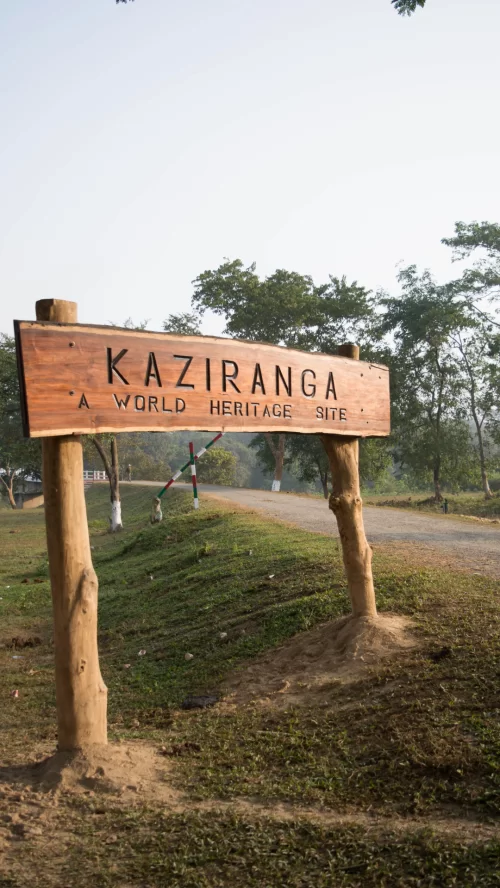
Kaziranga National Park is the centerpiece of wildlife tourism in Assam and one of India's most celebrated conservation areas. Recognized as a UNESCO World Heritage Site, the park protects the world's largest population of one-horned rhinoceroses while also supporting Bengal tigers, Asian elephants, wild water buffaloes, swamp deer, hog deer, reptiles, and hundreds of bird species. The park's extensive grasslands, wetlands, forests, and river channels create exceptional habitats that support remarkable biodiversity throughout the year.
Visitors explore Kaziranga through regulated jeep safaris operating across multiple tourism zones, each offering different landscapes and wildlife viewing opportunities. Morning safaris generally provide the highest chances of observing active animals, while afternoon drives offer beautiful natural lighting for photography. Multiple safari zones encourage visitors to book more than one safari to experience different habitats and improve wildlife sightings during their stay.
Kaziranga remains one of India's greatest wildlife destinations, combining remarkable biodiversity with professionally managed safari experiences across beautiful grassland landscapes.
Manas National Park offers a distinctly different wildlife experience compared with Kaziranga because of its Himalayan foothill location, dense forests, rivers, and varied ecosystems. Recognized as a UNESCO World Heritage Site, Biosphere Reserve, Project Tiger Reserve, and Elephant Reserve, the park supports extraordinary biodiversity across forests, river valleys, and grasslands. Wildlife enthusiasts visit Manas for opportunities to observe elephants, gaur, wild buffaloes, deer, primates, reptiles, and numerous bird species within a quieter natural environment.
The park is internationally significant for protecting rare species including the golden langur, pygmy hog, hispid hare, Bengal florican, and Bengal tiger. Birdwatchers particularly appreciate Manas because the variety of habitats supports both resident and migratory species throughout different seasons. Jeep safaris and guided nature experiences allow visitors to explore this ecologically rich landscape while enjoying relatively peaceful wildlife viewing compared with more crowded national parks.
Manas National Park rewards visitors with exceptional biodiversity, beautiful scenery, and peaceful wildlife experiences that complement the grassland safaris of Kaziranga.
Pobitora Wildlife Sanctuary is one of Assam's most accessible wildlife destinations because it lies close to Guwahati while supporting one of the world's highest densities of one-horned rhinoceroses. Although considerably smaller than Kaziranga, the sanctuary provides excellent opportunities for close wildlife observation through regulated jeep safaris across open grasslands, wetlands, and marshes. The relatively compact landscape often results in frequent rhino sightings, making Pobitora especially attractive for travelers with limited time.
Besides rhinoceroses, the sanctuary supports wild buffaloes, reptiles, deer, numerous resident birds, and large numbers of migratory waterbirds during winter. Morning and evening safaris provide the best conditions for wildlife observation as temperatures remain cooler and animal activity increases. Pobitora can easily be visited as a day trip from Guwahati, making it an ideal addition to shorter Assam itineraries that cannot include Kaziranga.
Pobitora Wildlife Sanctuary provides an excellent introduction to Assam's wildlife while offering reliable rhinoceros sightings, rich birdlife, and convenient access from the state's largest city.
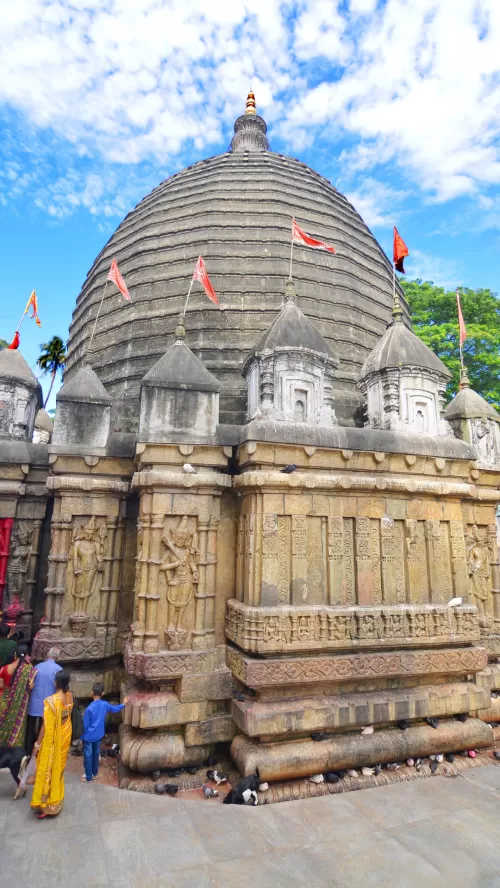
Guwahati is the cultural gateway to Assam and one of Northeast India's oldest continuously inhabited cities. Standing on Nilachal Hill above the Brahmaputra River, Kamakhya Temple is the city's most revered landmark and one of the most important Shakti Peethas in India. Dedicated to Goddess Kamakhya, the temple attracts pilgrims throughout the year, especially during the Ambubachi Mela when thousands of devotees gather to participate in one of the region's most significant religious festivals. The temple's distinctive Nilachal-style architecture, spiritual atmosphere, and panoramic views make it an essential destination for every first-time visitor to Assam.
Beyond Kamakhya Temple, Guwahati offers numerous heritage attractions including Umananda Temple on Peacock Island, Assam State Museum, Srimanta Sankardev Kalakshetra, Navagraha Temple, Basistha Ashram, and the city's historic riverfront. Traditional markets such as Fancy Bazaar and Pan Bazaar introduce visitors to Assamese textiles, handicrafts, local food, and everyday urban life. Exploring these attractions together provides a comprehensive understanding of Assam's religious traditions, artistic heritage, and evolving cultural identity.
Guwahati blends spirituality, history, museums, markets, and riverfront attractions, making it the ideal place to begin understanding Assam's rich cultural heritage before exploring the rest of the state.
Majuli is one of Assam's most remarkable cultural destinations and is widely known as one of the world's largest inhabited river islands. Located in the Brahmaputra River, the island has served as the spiritual center of Neo-Vaishnavism for centuries through its numerous Satras, or monasteries, established by the saint-reformer Srimanta Sankardev and his disciples. These monasteries preserve classical dance, devotional music, ancient manuscripts, traditional mask-making, religious theatre, and Assamese philosophical traditions that continue to thrive today.
Walking through Majuli's villages offers visitors opportunities to experience authentic rural Assamese life beyond the monasteries. Local communities continue practicing pottery without using traditional wheels, handloom weaving, bamboo craftsmanship, fishing, and agriculture that have supported the island for generations. Spending at least one night on Majuli allows travelers to experience peaceful mornings, traditional village hospitality, beautiful river landscapes, and slower rhythms of life rarely found elsewhere in India.
Majuli combines spirituality, craftsmanship, traditional villages, and peaceful river landscapes to create one of Northeast India's most distinctive cultural experiences.
Sivasagar served as the capital of the Ahom Kingdom for centuries and today preserves one of Northeast India's finest collections of historical monuments. The Ahom rulers governed Assam for nearly six hundred years, leaving behind remarkable examples of military architecture, ceremonial buildings, temples, reservoirs, and royal residences. Visitors exploring Sivasagar discover monuments such as Rang Ghar, Talatal Ghar, Kareng Ghar, Shiva Dol, Joy Dol, Devi Dol, and several impressive historical tanks that continue reflecting the engineering and architectural achievements of the Ahom period.
Most major attractions are located within comfortable driving distance of one another, allowing visitors to explore the town efficiently while learning about Assam's political and cultural history. Museums, interpretation centers, and local guides help explain the significance of these monuments and their role in shaping Assamese identity. Travelers often combine Sivasagar with nearby Jorhat and tea estates to create a rewarding heritage circuit through Upper Assam.
Sivasagar preserves the architectural and historical legacy of the Ahom Kingdom, making it Assam's most important destination for travelers interested in history, archaeology, and royal heritage.
Jorhat and Dibrugarh are internationally recognized for producing premium Assam tea and together represent the heart of the state's tea tourism industry. Endless tea plantations stretch across gently undulating countryside, creating some of Northeast India's most beautiful landscapes. Visitors can walk through neatly maintained tea gardens, observe skilled tea pluckers harvesting fresh leaves, and learn about cultivation methods that have shaped Assam's economy for nearly two centuries. Many estates also preserve elegant colonial-era bungalows surrounded by expansive gardens, adding historical character to the plantation experience.
Guided tea estate visits introduce travelers to every stage of tea production, from harvesting and withering to rolling, oxidation, drying, grading, and packaging. Tea tasting sessions allow visitors to understand the distinctive characteristics that have made Assam tea famous worldwide. Several heritage bungalows welcome overnight guests, offering peaceful accommodation surrounded by tea gardens where early mornings are filled with birdsong, fresh air, and beautiful plantation views.
Tea estates in Jorhat and Dibrugarh combine beautiful countryside with agricultural heritage, creating one of Assam's signature travel experiences for visitors interested in nature, history, and local traditions.
Tea factory visits provide valuable insight into the craftsmanship behind Assam's globally renowned tea industry. Visitors can observe how freshly harvested leaves are carefully processed through withering, rolling, fermentation, drying, sorting, and packaging before reaching consumers around the world. Factory tours are often conducted by experienced staff who explain the differences between tea grades, seasonal harvests, quality control, and the importance of climate in producing Assam's distinctive flavor.
Outside the factories, vast plantation landscapes create peaceful walking opportunities where neatly trimmed tea bushes extend toward distant forests and villages. The combination of orderly plantations, shade trees, rural roads, and traditional worker settlements creates attractive scenery throughout Upper Assam. Early mornings and late afternoons are especially rewarding for photography as soft sunlight highlights the rich green tea gardens against the surrounding countryside.
Tea factories and plantation landscapes allow visitors to understand the journey of Assam tea from leaf to cup while enjoying some of the state's most peaceful rural scenery.
The countryside of Upper Assam extends far beyond tea estates, offering travelers scenic drives through villages, bamboo groves, wetlands, rivers, forests, and agricultural landscapes. Quiet rural roads connect tea plantations with traditional Assamese communities where visitors observe farming, weaving, fishing, and everyday village life. These landscapes provide an authentic contrast to the state's busy cities while highlighting the close relationship between local communities and the tea industry.
Travelers exploring the countryside often stop at village markets, local cafés, small temples, wetlands, and riverside viewpoints while driving between Jorhat, Dibrugarh, and Sivasagar. During winter, clear skies provide outstanding visibility across the plantations, while post-monsoon months transform the entire region into vibrant green landscapes. Slow exploration allows visitors to appreciate the rhythm of rural Assam while enjoying one of India's most picturesque tea-growing regions.
The countryside of Upper Assam complements tea tourism perfectly, offering travelers peaceful landscapes, authentic villages, and scenic road journeys through one of India's most beautiful agricultural regions.
The Brahmaputra River is the defining natural feature of Assam, and a river cruise in Guwahati is one of the most relaxing ways to experience its immense scale and beauty. Unlike many rivers in India, the Brahmaputra flows through an exceptionally wide valley, creating expansive views of hills, river islands, temples, bridges, and the city skyline. Daytime cruises allow visitors to observe local river traffic, migratory birds during winter, and daily life along the riverbanks, while evening cruises become especially popular for their peaceful atmosphere and sunset views.
Several operators offer scheduled sightseeing cruises with comfortable seating, refreshments, cultural performances, and panoramic open decks. Sunset cruises are particularly rewarding because the changing colors of the sky reflect across the broad river while Guwahati gradually lights up along the waterfront. During the winter tourist season, pleasant weather makes cruising comfortable throughout the day, whereas monsoon river conditions may occasionally influence sailing schedules. Booking in advance is advisable during weekends and major holidays when demand is higher.
A Brahmaputra River cruise provides a peaceful introduction to Assam by combining scenic landscapes, local culture, and impressive river views within one memorable experience.
The Brahmaputra River is home to several remarkable islands that offer completely different travel experiences. Majuli, located in Upper Assam, is internationally known for its Vaishnavite monasteries, traditional villages, pottery communities, handloom weaving, and peaceful rural landscapes. Reaching the island by ferry adds to the experience while allowing visitors to appreciate the scale of the Brahmaputra. Spending at least one night on Majuli allows enough time to explore its monasteries, wetlands, village roads, and local culture without rushing.
Closer to Guwahati, Umananda Island is much smaller but equally significant as the location of the historic Umananda Temple dedicated to Lord Shiva. Ferries operate regularly between the mainland and the island, making it one of Guwahati's most accessible attractions. Visitors can enjoy short boat rides across the river, peaceful temple surroundings, and beautiful views of the Brahmaputra before returning to the city. Together, Majuli and Umananda demonstrate the river's importance in shaping Assam's cultural and spiritual identity.
The river islands of the Brahmaputra combine spirituality, village life, history, and scenic beauty, making them essential experiences for travelers exploring Assam.
The Brahmaputra offers some of Assam's finest sunset views, especially around Guwahati where riverside promenades, ghats, parks, and elevated viewpoints overlook the broad river channel. As the sun begins to set behind the distant hills, warm golden light reflects across the water while boats, ferries, and small islands create beautiful silhouettes against the evening sky. These changing colors make sunset one of the most rewarding times to spend along the river.
Several public viewpoints, cafés, parks, and riverfront spaces provide comfortable locations for relaxing while watching the sunset. Photographers often arrive before sunset to capture the gradual transition from daylight to twilight, when reflections become particularly dramatic across the wide river. Winter generally offers the clearest skies and best visibility, while post-monsoon months provide lush riverside scenery that enhances the overall landscape. Visitors should allow extra time to simply enjoy the peaceful atmosphere rather than rushing between attractions.
Watching the sunset along the Brahmaputra is one of Assam's simplest yet most memorable experiences, offering visitors a chance to appreciate the river's immense beauty at the close of each day.
The most successful Assam itinerary begins by identifying the best season and matching destinations to individual travel interests. Visitors interested in wildlife should prioritize October through April, when Kaziranga, Manas, and Pobitora remain accessible and safari conditions are at their best. Travelers focused on cultural heritage may combine Guwahati, Majuli, and Sivasagar, while tea tourism enthusiasts should spend additional time in Jorhat and Dibrugarh exploring plantations and heritage estates. Selecting a clear travel theme helps avoid rushed schedules and creates a more enjoyable journey.
Point-to-point travel is generally more efficient than repeatedly returning to Guwahati after every destination. Most itineraries naturally progress eastward from Guwahati toward Kaziranga, Jorhat, Majuli, Sivasagar, and Dibrugarh, minimizing unnecessary driving while allowing travelers to experience Assam's changing landscapes. Flexible planning also helps accommodate ferry schedules, safari timings, and seasonal weather conditions without affecting the overall journey.
Matching your itinerary with the season and travel style allows you to experience Assam's wildlife, tea gardens, cultural heritage, and river landscapes in a comfortable and well-organized manner.
A balanced Assam itinerary combines three defining experiences: wildlife conservation, Assamese cultural heritage, and the internationally famous tea industry. Guwahati introduces visitors to temples, museums, and the Brahmaputra River before Kaziranga and Manas showcase the state's remarkable biodiversity. Majuli and Sivasagar then provide cultural and historical depth through monasteries, village traditions, and Ahom monuments, while Jorhat and Dibrugarh complete the journey with peaceful tea estates and countryside landscapes.
Rather than spending every day on long road journeys, travelers benefit from staying at least two nights in major destinations such as Kaziranga and Majuli. This slower pace allows time for multiple safaris, plantation visits, ferry journeys, cultural exploration, photography, and local cuisine without unnecessary rushing. The result is a more complete understanding of Assam's natural beauty and cultural richness.
Combining wildlife, tea gardens, river landscapes, and heritage destinations creates the most rewarding Assam experience while showcasing the remarkable diversity that defines the state.
Proper preparation helps travelers enjoy Assam comfortably throughout every season. Carry lightweight clothing suitable for warm daytime temperatures, a light jacket for cool winter mornings, comfortable walking shoes, rain protection, sunscreen, insect repellent, reusable water bottles, personal medicines, and valid identity documents. Travelers planning wildlife safaris should also carry binoculars, cameras with spare batteries, and neutral-colored clothing that blends naturally with the environment.
Advance booking is recommended for wildlife safaris, ferry schedules to Majuli, tea estate stays, and accommodation near national parks during the peak tourist season. Visitors should respect local customs at temples and monasteries, avoid littering in protected areas, follow forest department guidelines during safaris, and support responsible tourism by purchasing local handicrafts and using certified guides whenever possible. Good planning ensures a smooth and memorable journey across Assam.
Thoughtful preparation allows visitors to focus on Assam's extraordinary wildlife, tea gardens, historical monuments, river landscapes, and cultural traditions while enjoying a safe, comfortable, and rewarding journey across one of Northeast India's most diverse destinations.


Get customized Assam tour planning designed around seasonal weather patterns, river conditions, wildlife safari timing, and realistic road travel flow. Whether you are visiting for national parks, tea estate stays, cultural experiences, spiritual sites, o
⚡ Quick Response | 💰 Free consultation | 🕒 24×7 expert support