
How Tea is Made in Assam – A Tourist's Guide
Understanding how tea is made in Assam allows travellers to explore plantations, learn traditional processing methods, and experience the journey from fresh tea leaves to the final product.
+91 9910402252
admin@chalbanjare.com


Assam offers some of India’s finest wildlife experiences, from rhino safaris and birdwatching to river dolphin spotting, nature photography, and exploring diverse ecosystems across national parks and wetlands.
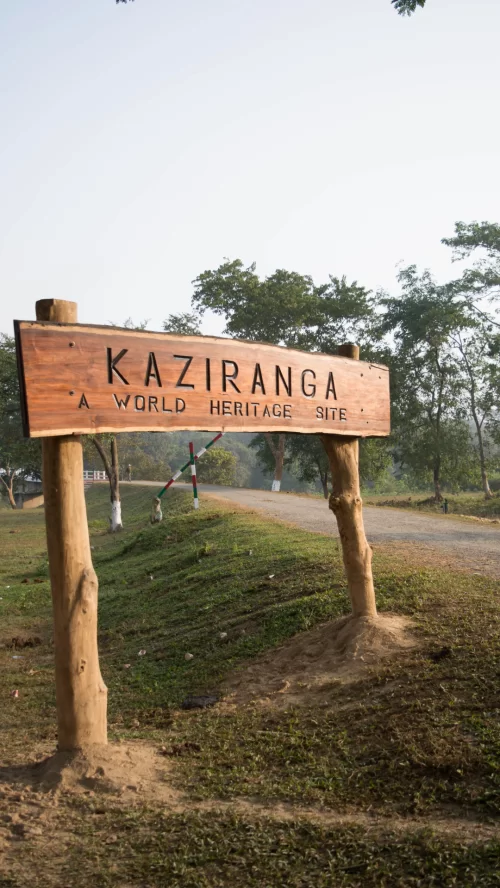
Jeep safaris in Kaziranga National Park provide visitors with an opportunity to explore diverse landscapes including open grasslands, wetlands, and forest areas. Guided safari routes allow travelers to observe wildlife habitats while moving through different sections of the park with trained drivers and guides who understand the terrain.
The safari experience depends on natural conditions, animal movement, and seasonal factors. Visitors should follow park rules and maintain safety guidelines during wildlife exploration.
Kaziranga jeep safaris provide a practical way to explore the park's landscapes and wildlife habitats.
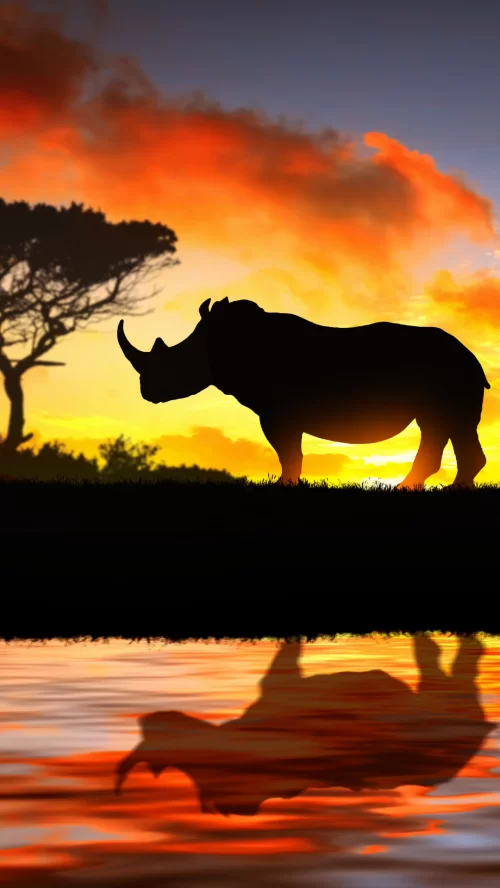
Kaziranga National Park is widely known for its population of one-horned rhinoceroses and also supports elephants, wild buffalo, deer, and many other wildlife species. Jeep safaris provide opportunities to observe these animals in their natural surroundings across grasslands and wetland areas.
Wildlife sightings cannot be guaranteed as animals move freely within the park. Patience and responsible observation are important parts of the safari experience.
Jeep safaris offer visitors a chance to experience Kaziranga's famous wildlife within its natural ecosystem.
Kaziranga is divided into different safari zones, each offering different landscapes and wildlife viewing opportunities. Exploring multiple areas helps visitors understand the variety of habitats within the park, including grasslands, forests, wetlands, and river-influenced environments.
Choosing safari zones based on available time and interests can help travelers plan a more suitable wildlife experience.
Exploring different safari zones provides a broader understanding of Kaziranga's varied wildlife landscapes.
Wildlife safaris in Manas National Park allow visitors to explore forests, grasslands, and river landscapes within a protected Himalayan foothill ecosystem. The park offers a different wildlife experience compared to Assam's other reserves due to its combination of diverse habitats and scenic surroundings.
Safari routes provide opportunities to observe nature while learning about the park's biodiversity and conservation efforts through guided exploration.
Manas safaris allow visitors to explore forests and river environments while experiencing Assam's biodiversity.
Manas National Park supports a wide range of wildlife including elephants, deer, birds, and several rare species. Safari experiences provide opportunities to observe animals within forest and grassland environments while appreciating the ecological importance of the park.
Wildlife sightings depend on natural conditions and animal movement. Visitors should remain patient and follow safari guidelines during exploration.
Manas provides opportunities to experience diverse wildlife within its forest and grassland ecosystems.
The location of Manas National Park near the Himalayan foothills creates a unique environment where forests, rivers, grasslands, and mountain landscapes meet. This combination supports rich biodiversity and provides visitors with varied natural experiences during safaris.
Exploring Manas allows travelers to understand the importance of protecting diverse ecosystems and the species that depend on them.
Manas National Park showcases the ecological diversity of Assam's Himalayan foothill region.
Pobitora Wildlife Sanctuary is known for its population of one-horned rhinoceroses and provides visitors with opportunities to observe these animals in open grassland habitats. The sanctuary's landscape of wetlands and grasslands creates a suitable environment for wildlife viewing and nature exploration.
The compact size of the sanctuary makes it a convenient wildlife destination for travelers looking for a shorter safari experience near Guwahati.
Pobitora offers visitors a focused wildlife experience centered around rhinoceroses and wetland landscapes.
Safari experiences in Pobitora Wildlife Sanctuary allow visitors to explore wetlands, grasslands, and natural habitats supporting different wildlife species. The sanctuary provides opportunities to observe birds, mammals, and the relationship between water-based ecosystems and surrounding landscapes.
Wildlife movement changes naturally, so sightings depend on conditions during the visit. Following safari instructions helps ensure a safe experience.
Exploring Pobitora's wetlands provides visitors with insight into the wildlife habitats of Assam's protected areas.
Pobitora Wildlife Sanctuary is a practical option for travelers staying in Guwahati who want to include a wildlife experience without traveling to distant national parks. Its accessibility makes it suitable for shorter visits focused on rhinoceros sightings, birdwatching, and natural landscapes.
Visitors can combine a Pobitora visit with other attractions around Guwahati while planning according to safari timings and availability.
Pobitora provides a convenient wildlife experience for travelers exploring Assam's capital region.
Deepor Beel near Guwahati is an important wetland destination for birdwatching and nature observation. The lake and surrounding ecosystem attract different resident and migratory bird species, especially during suitable seasons, making it a valuable location for visitors interested in Assam's birdlife.
Early mornings are often preferred for birdwatching due to better light conditions and increased activity. Visitors should avoid disturbing the wetland environment.
Deepor Beel provides visitors with opportunities to experience Assam's wetland biodiversity and bird habitats.
Kaziranga and Manas National Parks are important wildlife destinations that also support diverse bird habitats. Their forests, wetlands, grasslands, and river ecosystems create suitable environments for different bird species throughout the year.
Birdwatching experiences vary depending on season, location, and natural conditions. Visitors can combine bird observation with wildlife safaris for a broader nature experience.
Kaziranga and Manas provide diverse habitats where visitors can explore Assam's rich birdlife.
Seasonal changes influence bird activity across Assam's wetlands, forests, and river ecosystems. Different periods of the year bring opportunities to observe various resident and migratory species in their natural surroundings. These experiences are especially valuable for birdwatchers and nature photographers.
Carrying suitable equipment and maintaining quiet surroundings improves the chances of observing birds without disturbing their natural behavior.
Seasonal bird experiences allow visitors to discover the variety of bird habitats found across Assam.
Early morning safaris across Assam's wildlife destinations provide favorable conditions for photography due to softer natural light, cooler temperatures, and increased animal activity in many habitats. Parks such as Kaziranga and Manas offer opportunities to capture wildlife, landscapes, and natural surroundings during the quieter hours of the day.
Wildlife photography requires patience and responsible observation. Visitors should follow park guidelines and avoid disturbing animals while capturing images.
Morning safaris provide photographers with opportunities to capture wildlife in natural habitats under suitable conditions.
Assam's protected areas and natural landscapes provide diverse subjects for wildlife photography, including birds, forests, wetlands, rivers, and grasslands. The combination of different ecosystems allows photographers to capture not only animals but also the environments that support them.
Exploring different locations across Assam helps photographers experience varied landscapes, from river ecosystems to forest habitats and open grasslands.
Wildlife photography in Assam combines animal observation with the beauty of diverse natural landscapes.
Assam's protected areas offer photography opportunities across different ecosystems, including national parks, wildlife sanctuaries, wetlands, and forests. Each destination provides unique subjects, from rhinoceroses and elephants to birds, vegetation, and scenic landscapes.
Planning photography visits according to seasons, accessibility, and location-specific guidelines helps visitors make the most of their wildlife experiences.
Protected areas across Assam provide photographers with varied opportunities to document wildlife and natural environments.
The Brahmaputra River supports diverse ecosystems including wetlands, islands, floodplains, and aquatic habitats that are important for wildlife and bird species. Exploring these river environments allows visitors to understand the connection between waterways, biodiversity, and the landscapes of Assam.
River-based experiences provide a different perspective from forest safaris by focusing on aquatic environments and riverside habitats.
The Brahmaputra ecosystem offers visitors opportunities to explore wildlife habitats shaped by the river environment.
The floodplains around the Brahmaputra create important habitats for various species by supporting grasslands, wetlands, and seasonal water environments. Wildlife destinations near these areas showcase how animals and birds adapt to changing river landscapes throughout the year.
Exploring floodplain ecosystems helps visitors understand the ecological importance of Assam's rivers and their surrounding natural areas.
Floodplain environments around the Brahmaputra play an important role in supporting Assam's wildlife diversity.
River landscapes across Assam combine water channels, islands, villages, wetlands, and natural habitats to create unique scenic environments. Visitors can experience these landscapes through boat journeys, riverside exploration, and nature activities that highlight the importance of the Brahmaputra.
These experiences provide opportunities for photography, birdwatching, and understanding the relationship between communities, wildlife, and river ecosystems.
The river environments of Assam offer visitors scenic landscapes shaped by nature, wildlife, and local communities.
Assam's wetlands support diverse ecosystems that provide habitats for birds, aquatic species, plants, and other wildlife. Areas such as lakes, marshes, and floodplain environments play an important role in maintaining ecological balance and supporting seasonal wildlife movements across the region.
Exploring these wetlands allows visitors to understand the connection between water systems, biodiversity, and the natural landscapes of Assam.
Assam's wetlands provide valuable habitats that support a wide range of wildlife and natural ecosystems.
Lakes, marshes, and seasonal floodplain areas across Assam offer opportunities to experience different types of wetland environments. These locations attract birds, support aquatic life, and create unique landscapes that change with seasonal water patterns and rainfall conditions.
Visitors exploring these habitats can enjoy birdwatching, photography, and nature observation while respecting the sensitivity of wetland ecosystems.
Wetland destinations across Assam showcase the seasonal relationship between water, wildlife, and natural landscapes.
River-based ecosystems of Assam are shaped by the Brahmaputra and its connected waterways, supporting wildlife habitats, wetlands, agriculture, and local communities. These ecosystems play an important role in maintaining biodiversity and creating environments where different species can survive.
Understanding these natural systems helps visitors appreciate the ecological importance of Assam's rivers and floodplain landscapes.
River-based ecosystems form an essential part of Assam's natural heritage and wildlife environment.
Nature walks near wildlife habitats provide visitors with opportunities to explore forest surroundings, observe vegetation, and understand local ecosystems with guidance from experienced naturalists or local guides. These walks offer a slower way to experience Assam's landscapes beyond traditional safari routes.
Guided walks help visitors learn about plants, habitats, and environmental features while maintaining safety around protected areas.
Nature walks provide a closer understanding of Assam's forests and ecosystems through guided exploration.
Assam's forests and natural areas support diverse plant life, including vegetation adapted to wetlands, forests, and river environments. Nature walks allow visitors to observe different landscapes while learning about the ecological features that support wildlife habitats.
These experiences are suitable for travelers interested in biodiversity, photography, and understanding the natural environment beyond animal sightings.
Exploring plant life and landscapes helps visitors understand the ecological foundation of Assam's wildlife regions.
Nature trails near protected areas offer peaceful experiences through forests, grasslands, wetlands, and countryside landscapes. These walks allow visitors to enjoy natural surroundings at a relaxed pace while observing smaller details of the environment that are often missed during vehicle-based exploration.
Travelers should follow local guidelines, stay on permitted routes, and avoid disturbing wildlife or natural habitats during nature walks.
Nature trails provide a peaceful way to experience Assam's landscapes while appreciating protected ecosystems.
Winter months are generally considered suitable for wildlife exploration in Assam due to comfortable temperatures, clearer weather conditions, and easier outdoor movement. Destinations such as Kaziranga, Manas, and other wildlife areas become popular during this period as visitors can spend more time on safaris and nature activities.
Winter conditions also provide favorable opportunities for photography and birdwatching because visibility is often better compared to wetter periods.
Winter offers comfortable conditions for exploring Assam's wildlife destinations and natural landscapes.
The post-monsoon season brings refreshed landscapes, greener vegetation, and vibrant natural surroundings across Assam's wildlife regions. Forests, grasslands, and wetlands appear more lively after rainfall, creating attractive conditions for nature lovers and photographers.
Travelers should consider local conditions and park accessibility as water levels and weather patterns can influence wildlife activities and travel arrangements.
Post-monsoon months provide visitors with beautiful landscapes and refreshed ecosystems across Assam's wildlife destinations.
Wildlife destinations in Assam operate according to seasonal conditions, weather patterns, and park management decisions. Some national parks and sanctuaries remain closed or have limited access during certain periods, especially during heavy monsoon conditions when wildlife habitats and roads are affected.
Visitors should check current park opening schedules, safari availability, and local conditions before planning wildlife activities.
Understanding seasonal conditions helps travelers plan safer and more comfortable wildlife experiences in Assam.
Assam offers wildlife activities suited to different interests, including jeep safaris, birdwatching, nature walks, and photography experiences. Travelers interested in rhinoceroses and mammals may prefer national parks, while bird lovers can explore wetlands and river ecosystems. Photography enthusiasts can combine multiple habitats for varied subjects.
Selecting activities according to personal interests helps create a more meaningful wildlife journey across Assam's diverse natural regions.
Choosing activities based on interests allows visitors to experience Assam's wildlife in a more personalized way.
A wildlife itinerary across Assam can combine major destinations such as Kaziranga National Park, Manas National Park, Pobitora Wildlife Sanctuary, wetlands, and river ecosystems. Planning routes carefully allows travelers to experience different landscapes and wildlife habitats while managing travel time between destinations.
Considering safari schedules, accommodation locations, seasonal conditions, and transportation options helps create a practical wildlife-focused itinerary.
A well-planned wildlife itinerary helps travelers experience the variety of ecosystems and species found across Assam.
Before planning wildlife activities in Assam, travelers should check safari availability, park timings, weather conditions, accommodation options, and transportation arrangements. Carrying comfortable clothing, suitable footwear, personal medicines, identification documents, and photography equipment can help create a smoother experience.
Visitors should follow wildlife regulations, maintain safe distances from animals, respect natural habitats, and avoid disturbing ecosystems during their activities.
Proper preparation helps visitors enjoy Assam wildlife activities safely while respecting the natural environment.


Get customized Assam tour planning designed around seasonal weather patterns, river conditions, wildlife safari timing, and realistic road travel flow. Whether you are visiting for national parks, tea estate stays, cultural experiences, spiritual sites, o
⚡ Quick Response | 💰 Free consultation | 🕒 24×7 expert support