
How Tea is Made in Assam – A Tourist's Guide
Understanding how tea is made in Assam allows travellers to explore plantations, learn traditional processing methods, and experience the journey from fresh tea leaves to the final product.
+91 9910402252
admin@chalbanjare.com


Assam offers a perfect blend of wildlife, tea gardens, river islands, ancient temples, cultural heritage, and scenic landscapes, making it one of India’s most rewarding destinations for nature and culture enthusiasts.
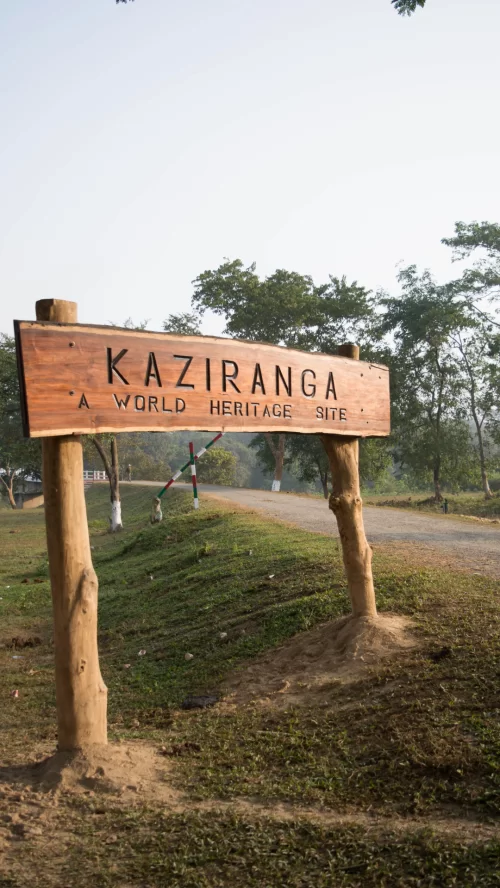
Kaziranga National Park offers one of Assam's most famous wildlife experiences through jeep safaris across vast grasslands, wetlands, forests, and riverine habitats. These safari routes allow visitors to explore different landscapes while searching for wildlife in their natural surroundings. The park's unique ecosystem supports a wide range of animals and birds throughout the year.
Different safari zones provide varied experiences, with each area offering opportunities to observe different habitats. Morning and afternoon safaris are popular options, and visitors should follow park rules throughout the journey.
Kaziranga's safari landscapes provide visitors with a close look at Assam's remarkable wildlife habitats and natural environment.
Kaziranga National Park is globally recognized for its population of the one-horned rhinoceros and also supports elephants, wild buffalo, swamp deer, and numerous other species. The park's open grasslands and wetlands provide excellent conditions for wildlife observation, making it one of India's most important protected areas.
Wildlife sightings depend on natural conditions and animal movement, so every safari experience is different. Patience and responsible observation help visitors enjoy the park while respecting its wildlife.
Kaziranga provides an exceptional opportunity to observe some of Assam's most iconic wildlife species in their natural habitat.
The landscapes of Kaziranga include grasslands, wetlands, forests, and river areas that create a highly diverse ecosystem. Exploring these environments allows visitors to understand how different habitats support various wildlife species and bird populations. The park's natural diversity is one of the reasons it holds global importance.
Beyond animal sightings, visitors can appreciate the changing scenery, vegetation, and ecological balance that make Kaziranga unique among wildlife destinations.
Exploring Kaziranga's ecosystems provides a deeper understanding of the natural processes supporting Assam's famous wildlife.
Majuli Island is the cultural heart of Assamese Vaishnavite traditions, with historic Satras preserving devotional practices, classical arts, manuscripts, music, and dance forms. These monasteries continue to function as active cultural centers where visitors can learn about the spiritual and artistic heritage that has shaped the island for centuries.
Visitors should maintain respectful behavior inside Satras and follow local customs while exploring these important institutions. Spending time at different Satras provides a broader understanding of Majuli's cultural identity.
The Satras of Majuli preserve Assam's spiritual and cultural traditions while remaining important centers of learning and creativity.
Mishing villages offer visitors an opportunity to experience traditional island lifestyles shaped by the Brahmaputra River. Bamboo houses, weaving traditions, farming practices, local cuisine, and community customs continue to form an important part of daily life on Majuli Island. These villages provide a different perspective beyond the island's famous Satras.
Travelers should explore villages respectfully by seeking permission before photography and appreciating local traditions. Supporting local crafts and experiences helps encourage responsible cultural tourism.
Mishing villages reveal the connection between indigenous traditions, island environments, and everyday life on Majuli.
Majuli's cultural heritage extends beyond monasteries through traditional crafts, mask-making, music, dance, and artistic practices preserved by local communities. Visitors can explore artisan villages and cultural centers to understand the skills and creativity that continue to define the island's identity.
Local performances and craft experiences provide meaningful ways to connect with Majuli's traditions. Visitors should support artisans and respect cultural practices while enjoying these experiences.
Majuli's art and craft traditions showcase the creativity and cultural depth of Assam's river island communities.
Upper Assam is one of the most important tea-producing regions in the world, with vast plantations spread across areas such as Jorhat and Dibrugarh. Exploring these tea estates allows visitors to experience endless green landscapes, plantation roads, heritage properties, and the peaceful countryside atmosphere that defines Assam's tea regions.
Tea garden visits provide a slower travel experience where visitors can observe plantation landscapes and understand the importance of tea cultivation in shaping the identity of Upper Assam.
The tea gardens of Upper Assam provide visitors with a direct connection to the landscapes and heritage behind Assam's famous tea industry.
Tea tourism in Assam offers visitors opportunities to understand how tea is cultivated, harvested, processed, and prepared. Estate visits and factory experiences can introduce travelers to plantation practices, seasonal activities, and the detailed processes involved in creating Assam tea varieties.
Processing activities depend on the production season, so visitors should confirm availability before planning factory visits. Guided experiences provide better understanding of the tea industry's history and importance.
Tea cultivation and processing experiences help visitors understand the skill and tradition behind Assam's globally recognized tea production.
The countryside around Assam's tea gardens offers peaceful landscapes of neatly arranged tea bushes, village roads, forests, and agricultural fields. These areas provide visitors with opportunities to enjoy quiet surroundings, scenic drives, photography, and a closer connection with rural Assam.
Morning and evening hours are especially suitable for exploring plantations when temperatures are comfortable and natural light enhances the beauty of the landscape.
Assam's tea landscapes offer a peaceful combination of nature, agriculture, and cultural heritage for travelers exploring the region.
The Brahmaputra River is one of Assam's most important natural landmarks, and Guwahati provides several ways to experience its beauty through cruises, riverfront views, and evening sightseeing. River journeys allow visitors to observe the vast water landscape, nearby islands, city surroundings, and changing colors during sunset hours.
Cruise schedules and river activities may vary depending on weather and seasonal conditions. Checking availability before planning helps ensure a comfortable river experience.
Guwahati offers an accessible way to experience the Brahmaputra through scenic cruises and peaceful riverfront moments.
The Brahmaputra has created unique island landscapes and riverside communities across Assam. Destinations such as Majuli showcase how people have adapted their lifestyles around the river through traditional homes, agriculture, crafts, and cultural practices. Exploring these areas provides insight into the relationship between communities and the changing river environment.
Visitors should explore riverside communities respectfully and understand local customs while experiencing the unique landscapes shaped by the Brahmaputra.
The islands and riverside communities of Assam reveal the deep connection between the Brahmaputra and local lifestyles.
The Brahmaputra is not only a natural feature but also an important part of Assam's cultural identity. The river influences traditions, festivals, occupations, transportation, and daily life across the state. Many communities depend on the river for livelihoods while preserving customs connected with its presence.
Travelers exploring Assam can better understand local culture by visiting riverfronts, islands, villages, and heritage destinations influenced by the Brahmaputra.
The Brahmaputra remains central to Assam's identity, connecting landscapes, communities, traditions, and cultural heritage across the state.
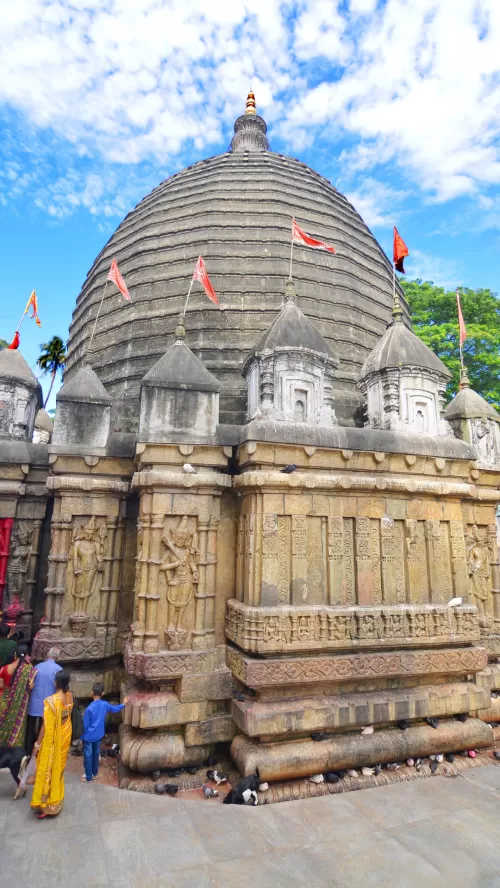
Guwahati is home to some of Assam's most important spiritual destinations, with Kamakhya Temple on Nilachal Hill being the most significant pilgrimage site in the region. The temple attracts devotees throughout the year and represents an important center of Shakti worship. Nearby temples and sacred locations add to Guwahati's spiritual importance.
Visitors should follow temple guidelines regarding entry, photography restrictions, and local customs. Early morning visits can provide a calmer experience, especially during busy pilgrimage periods.
Kamakhya Temple represents Assam's spiritual heritage and remains one of the most important religious destinations in Northeast India.
Majuli's Satras preserve the Vaishnavite spiritual traditions introduced by Assamese saint reformers and continue to function as centers of prayer, learning, art, and cultural activities. These monasteries maintain centuries-old practices through devotional performances, manuscripts, music, dance, and traditional crafts.
Visitors can explore different Satras to understand the island's religious and cultural identity. Respectful behavior is important while entering prayer areas and observing ongoing activities.
The Satras of Majuli showcase the connection between spirituality, culture, and traditional arts in Assam's river island heritage.
Sivasagar and Tezpur contain several historic temples that reflect Assam's religious traditions and architectural heritage. Sivasagar's temple complex near the historic tank showcases Ahom-era architecture, while Tezpur's ancient temples preserve important spiritual and historical connections. These sites provide visitors with opportunities to explore faith alongside regional history.
Temple visits can be combined with nearby heritage attractions, creating a broader understanding of Assam's cultural development through different periods.
The temples of Sivasagar and Tezpur highlight the relationship between spirituality, architecture, and Assam's historical traditions.
Rang Ghar and Talatal Ghar are among the most important monuments representing the power and architectural achievements of the Ahom Kingdom. Rang Ghar served as a royal amphitheater, while Talatal Ghar was a strategically designed palace complex with underground structures and defensive features. Together, they provide insight into the lifestyle and administration of Ahom rulers.
Visitors can explore these monuments as part of a heritage circuit in Sivasagar, allowing time to appreciate their architecture and historical importance.
Rang Ghar and Talatal Ghar preserve the architectural legacy of the Ahom dynasty and remain essential heritage attractions in Assam.
Charaideo Maidams preserve the royal burial traditions of the Ahom dynasty and represent one of Assam's most significant historical landscapes. Located near Sivasagar, Charaideo was the first capital of the Ahom Kingdom and holds deep cultural importance. The site provides visitors with an understanding of royal customs and the early history of the dynasty.
Combining Charaideo with other Ahom monuments helps travelers understand the complete historical journey of the kingdom.
Charaideo preserves the early royal traditions of the Ahom rulers and forms an essential part of Assam's heritage circuit.
The Ahom period created a remarkable architectural legacy across Upper Assam through palaces, temples, tanks, military structures, and administrative buildings. These landmarks reflect advanced construction techniques, cultural influences, and the organizational strength of a kingdom that ruled Assam for several centuries.
Exploring multiple heritage sites provides a clearer understanding of Ahom achievements beyond individual monuments. Visitors can combine historical exploration with nearby cultural and natural attractions.
Ahom architecture remains one of Assam's most valuable heritage assets, showcasing the region's historical and cultural achievements.
Manas National Park offers a different wildlife experience from Kaziranga through its combination of forests, grasslands, rivers, and Himalayan foothill landscapes. Recognized as a UNESCO World Heritage Site, the park supports diverse wildlife including elephants, deer, birds, and other native species. Its varied habitats make it an important destination for nature and wildlife enthusiasts.
Visitors can explore Manas through jeep safaris and nature experiences while following park regulations. The landscape changes across seasons, offering different experiences throughout the year.
Manas National Park provides visitors with a unique combination of wildlife, forests, rivers, and scenic landscapes beyond Assam's famous rhino destinations.
Pobitora Wildlife Sanctuary is located near Guwahati and is known for its significant population of one-horned rhinoceroses. The sanctuary's grasslands and wetlands create suitable habitats for rhinos, birds, and other wildlife species. Its accessibility makes it a popular choice for travelers looking for a shorter wildlife experience from the city.
Visitors can explore the sanctuary through safari experiences while following seasonal timings and local guidelines. The smaller size of the sanctuary allows focused wildlife exploration.
Pobitora offers an accessible wildlife experience where visitors can observe Assam's iconic rhinoceros habitat close to Guwahati.
Dibru Saikhowa National Park and Dehing Patkai National Park showcase two unique natural environments of Assam. Dibru Saikhowa is known for riverine landscapes, wetlands, and biodiversity, while Dehing Patkai protects dense rainforest ecosystems with rich plant and animal life. Together, they represent the ecological diversity beyond the state's famous wildlife parks.
These destinations are ideal for travelers interested in forests, birds, nature photography, and less-crowded wilderness experiences. Local guidance is recommended when exploring natural areas.
Dibru Saikhowa and Dehing Patkai highlight Assam's lesser-known wildlife landscapes and rich natural diversity.
Haflong and the Dima Hasao region offer a completely different landscape from Assam's river plains, with rolling hills, forests, valleys, lakes, and peaceful countryside. Known as Assam's only hill station region, Haflong provides visitors with cooler surroundings and scenic viewpoints while showcasing the natural beauty of the state's hill areas.
Travelers can explore viewpoints, lakes, villages, and nature trails while experiencing a quieter side of Assam away from major tourist centers.
Haflong and Dima Hasao provide peaceful mountain experiences that add landscape diversity to an Assam journey.
Assam's natural attractions extend beyond rivers and wildlife parks through waterfalls, lakes, forests, and scenic countryside areas. Destinations across Dima Hasao and other regions offer opportunities to explore natural landscapes, enjoy peaceful surroundings, and experience the state's diverse geography.
The beauty of these locations changes with seasons, with monsoon and post-monsoon periods often enhancing greenery and waterfall flow. Visitors should check accessibility before traveling to remote natural sites.
Assam's waterfalls, lakes, and forests offer refreshing nature experiences beyond its famous cultural and wildlife destinations.
The countryside of Assam provides visitors with opportunities to explore quiet roads, village landscapes, tea regions, forests, and nature trails. These experiences allow travelers to observe traditional lifestyles while enjoying the state's natural surroundings at a slower pace. Rural areas often reveal landscapes and cultural experiences beyond standard sightseeing routes.
Walking, cycling, and relaxed road journeys are suitable ways to explore countryside areas. Visitors should respect local communities and natural environments during their travels.
Assam's countryside and nature trails provide meaningful experiences for travelers seeking landscapes, culture, and peaceful surroundings.
Assam's national parks and wildlife destinations provide excellent photography opportunities through diverse landscapes, animals, birds, and natural habitats. Kaziranga, Manas, Pobitora, and other protected areas offer different environments including grasslands, forests, wetlands, and river ecosystems that allow photographers to capture the rich biodiversity of the region.
Early morning safaris generally provide softer light and active wildlife conditions, making them suitable for photography. Visitors should follow park rules and maintain safe distances while photographing animals.
Assam's wildlife destinations provide photographers with opportunities to capture animals, ecosystems, and natural landscapes in their authentic surroundings.
The landscapes of Assam offer photographers a wide variety of subjects, from endless tea plantations and Brahmaputra river views to island villages and countryside scenery. Locations such as Jorhat, Dibrugarh, Majuli, and Guwahati provide changing environments shaped by agriculture, rivers, and traditional lifestyles.
Golden hour during sunrise and sunset is especially suitable for landscape photography when softer light enhances plantation rows, water reflections, and village surroundings.
Tea gardens, rivers, and islands showcase the diverse landscapes that make Assam a rewarding destination for photographers.
Assam's cultural and historical destinations provide photography opportunities through ancient monuments, traditional architecture, festivals, villages, and local crafts. Places such as Sivasagar, Majuli, and heritage areas across the state allow visitors to capture the connection between history, culture, and everyday life.
Photography at temples, Satras, and villages should be done respectfully by following local customs and seeking permission when required. Cultural sensitivity helps preserve authentic experiences.
Assam's heritage and cultural destinations allow photographers to capture stories of history, traditions, and communities across the state.
Assam offers a wide range of experiences combining wildlife, culture, nature, heritage, and river landscapes. Travelers interested in wildlife can explore Kaziranga, Manas, and other protected areas, while cultural travelers can focus on Majuli, Sivasagar, and spiritual destinations. Nature lovers can include tea gardens, hills, forests, and countryside landscapes.
Selecting destinations according to personal interests helps create a balanced Assam itinerary that includes meaningful experiences rather than covering locations too quickly.
A thoughtful selection of destinations allows visitors to experience the different landscapes and cultural identities that define Assam.
A complete Assam itinerary can include Guwahati, Kaziranga, Majuli, Sivasagar, Jorhat, Dibrugarh, Tezpur, and nature destinations across the state. This combination allows travelers to experience wildlife safaris, heritage monuments, tea landscapes, river journeys, spiritual sites, and cultural communities.
Travel planning should consider distances between destinations, seasonal conditions, safari schedules, ferry timings, and accommodation availability. A comfortable pace allows more time for local experiences and exploration.
A well-planned Assam itinerary connects major attractions while allowing travelers to experience the state's natural and cultural richness comfortably.
Travelers exploring Assam should prepare according to their chosen destinations by carrying comfortable footwear, weather-appropriate clothing, personal medicines, insect protection, rain protection during wet months, and necessary travel documents. Wildlife visits may require advance safari bookings, while ferry journeys require checking operating schedules and river conditions.
Before traveling, confirm weather updates, road conditions, accommodation availability, and local guidelines. Respect wildlife regulations, heritage sites, religious places, and local communities while following responsible travel practices throughout the journey.
Proper preparation helps visitors explore Assam's wildlife, culture, heritage, and natural landscapes safely and responsibly.


Get customized Assam tour planning designed around seasonal weather patterns, river conditions, wildlife safari timing, and realistic road travel flow. Whether you are visiting for national parks, tea estate stays, cultural experiences, spiritual sites, o
⚡ Quick Response | 💰 Free consultation | 🕒 24×7 expert support