
How Tea is Made in Assam – A Tourist's Guide
Understanding how tea is made in Assam allows travellers to explore plantations, learn traditional processing methods, and experience the journey from fresh tea leaves to the final product.
+91 9910402252
admin@chalbanjare.com


Assam’s tea estates offer travellers scenic plantation landscapes, heritage stays, tea tasting experiences, and opportunities to explore the region’s famous tea culture and traditions.
Tea estates are among Assam's most distinctive travel attractions because they combine natural beauty, agricultural heritage, and authentic local experiences within one destination. Stretching across rolling landscapes covered with endless rows of tea bushes, these plantations offer visitors an opportunity to explore one of the world's largest tea-producing regions while enjoying peaceful countryside surroundings. Unlike conventional tourist attractions, tea estates allow travellers to experience a living agricultural landscape where cultivation, processing, and hospitality exist together.
Many tea estates welcome visitors through guided plantation tours, heritage stays, tea tasting sessions, and factory visits. Guests can observe tea cultivation, learn about harvesting techniques, understand tea production, and relax amidst beautiful green surroundings. Heritage bungalows, colonial architecture, landscaped gardens, and warm Assamese hospitality further enhance the overall experience, making every visit educational as well as enjoyable.
Whether included as part of a longer Assam itinerary or visited independently, tea estates provide travellers with an opportunity to experience the state's famous tea culture while appreciating the region's natural beauty and rural lifestyle.
Tea estates represent much more than agricultural land. They introduce visitors to Assam's history, culture, and globally recognised tea heritage while providing memorable travel experiences in some of the state's most beautiful landscapes.
The landscape surrounding Assam's tea estates is characterised by vast green plantations, mature shade trees, winding estate roads, heritage buildings, and peaceful countryside scenery. These carefully maintained plantations create a refreshing environment where visitors can enjoy leisurely walks while learning about one of Assam's most important agricultural traditions. Throughout the year, changing weather conditions and seasonal growth patterns give the plantations different colours and visual appeal.
Beyond their natural beauty, tea estates also reflect Assam's cultural identity. Plantation communities have contributed to the tea industry for generations, creating traditions and lifestyles closely connected with tea cultivation. Guided visits often introduce travellers to estate history, local customs, plantation management, and the importance of tea production to the regional economy. These cultural experiences provide a deeper understanding of the people and traditions behind Assam's famous tea.
Visitors leave with much more than photographs of beautiful landscapes. They gain insight into the daily life, heritage, and agricultural expertise that continue to shape Assam's internationally respected tea industry.
Plantation landscapes and cultural experiences together create one of Assam's most rewarding tourism experiences. They allow visitors to appreciate not only the beauty of the tea gardens but also the traditions that have shaped them over generations.
Tea gardens in Assam provide far more than scenic views. Visitors can participate in plantation walks, tea factory tours, tea tasting sessions, heritage experiences, birdwatching, photography, and nature exploration throughout their visit. These activities transform a simple sightseeing trip into an engaging journey that combines education, culture, and outdoor recreation.
Many tea estates encourage visitors to experience every stage of tea production, beginning with observing tea bushes in the plantation and continuing through harvesting, processing, grading, and tasting. Some properties also offer comfortable heritage accommodation where guests can enjoy local cuisine, morning plantation walks, and peaceful evenings overlooking endless tea gardens. These immersive experiences allow travellers to appreciate Assam's tea industry from multiple perspectives rather than simply viewing the plantations from a distance.
The combination of heritage, hospitality, education, and natural beauty makes tea gardens one of Assam's most complete travel experiences for visitors of every age.
Tea gardens offer a complete travel experience that extends far beyond sightseeing. Visitors enjoy authentic interactions with Assam's tea heritage while experiencing nature, culture, history, and hospitality together in one remarkable destination.
Dibrugarh is widely recognised as one of the most important tea-producing regions in India and is often referred to as the Tea City of India. The district is surrounded by numerous historic and modern tea estates that contribute significantly to Assam's global reputation for premium black tea. Travellers visiting Dibrugarh can explore extensive plantation landscapes while learning about tea cultivation, harvesting, and manufacturing through organised estate visits and guided tours.
Many plantations around Dibrugarh maintain beautiful heritage properties, visitor centres, and tea factories where guests gain first-hand knowledge of the complete tea production process. Scenic countryside roads passing through endless tea gardens make the journey itself an enjoyable part of the experience. The peaceful atmosphere, combined with the district's strong tea heritage, attracts travellers interested in agriculture, photography, history, and rural tourism.
Dibrugarh's tea estates provide one of the most authentic introductions to Assam's famous tea industry while showcasing the region's natural beauty and long-standing plantation traditions.
Dibrugarh offers visitors one of the finest tea tourism experiences in Assam through its combination of historic estates, working plantations, and peaceful countryside landscapes that reflect the region's internationally recognised tea heritage.
Many tea estates around Dibrugarh welcome visitors with heritage bungalows, plantation guesthouses, landscaped gardens, and organised visitor programmes that allow travellers to experience plantation life in comfort. Guests can wake up to panoramic views of tea gardens before enjoying guided estate walks, tea factory visits, and professionally conducted tea tasting sessions. The heritage architecture found in many plantation properties adds historical character to the overall experience.
Plantation stays also allow visitors to enjoy Assamese cuisine, peaceful outdoor spaces, and leisurely evenings overlooking endless rows of tea bushes. Heritage verandas, mature shade trees, colourful gardens, and carefully maintained estate grounds create an ideal environment for relaxation after exploring nearby attractions. These experiences make Dibrugarh particularly popular among couples, families, photographers, and tea enthusiasts seeking authentic countryside holidays.
Combining heritage accommodation with plantation activities creates a memorable journey that showcases both the history and modern significance of Assam's tea industry.
Heritage stays around Dibrugarh offer visitors an ideal opportunity to experience Assam's tea culture while enjoying comfortable accommodation surrounded by some of the state's most beautiful plantation landscapes.
Dibrugarh's tea gardens represent much more than commercial plantations. They form an important part of Assam's history, economy, and cultural identity. For generations, these estates have supported local communities while contributing significantly to India's tea exports. Visitors exploring the region learn how tea cultivation has shaped settlement patterns, transportation networks, rural livelihoods, and local traditions throughout Upper Assam.
Guided estate visits often include discussions about plantation history, tea cultivation practices, and the role of tea in Assam's development. Travellers gain a deeper appreciation for the people whose knowledge and experience continue to maintain the quality of Assam tea. Heritage buildings, historic estates, and long-established plantation communities preserve this rich legacy while welcoming visitors interested in understanding the region beyond its beautiful landscapes.
The cultural importance of Dibrugarh's tea gardens extends far beyond agriculture. Visiting these plantations allows travellers to understand how tea continues to shape the identity, traditions, and heritage of one of Assam's most celebrated regions.
Jorhat and Golaghat are among the most celebrated tea-growing districts in Assam, offering visitors a wonderful combination of scenic plantations, peaceful countryside, and authentic tea tourism experiences. Located in central Assam, these regions are surrounded by vast tea estates that stretch across gently rolling landscapes, creating endless green views throughout the year. Their convenient road connectivity and proximity to major tourist attractions make them popular destinations for travellers wishing to experience Assam's tea heritage beyond Dibrugarh.
Tea estates around Jorhat and Golaghat vary from historic plantations established during the colonial era to modern estates using advanced cultivation and processing techniques. Visitors travelling through these districts can admire beautifully maintained tea gardens, tree-lined estate roads, traditional plantation buildings, and quiet rural surroundings that provide an ideal setting for leisurely exploration. Every season offers a different visual experience, from fresh spring growth and active harvesting periods to lush monsoon landscapes and pleasant winter scenery.
Besides their natural beauty, these tea-growing regions provide opportunities to understand Assam's agricultural traditions while enjoying one of the state's most peaceful travel experiences. Whether visiting for a few hours or staying overnight, travellers gain an authentic introduction to central Assam's famous plantation culture.
The tea estates surrounding Jorhat and Golaghat offer visitors an excellent opportunity to appreciate Assam's natural beauty while exploring the heart of its internationally recognised tea industry. Their scenic landscapes and authentic plantation atmosphere make them rewarding destinations throughout the year.
Many tea estates in Jorhat and Golaghat organise guided visitor experiences that introduce travellers to every stage of tea cultivation and production. Plantation walks allow guests to observe carefully maintained tea bushes while learning about planting techniques, pruning, seasonal growth, and harvesting methods. Knowledgeable guides explain how local climate, rainfall, and soil contribute to the distinctive character of Assam tea.
Tea tasting sessions further enrich the experience by allowing visitors to compare different varieties of freshly brewed Assam tea under the guidance of trained professionals. Guests learn to identify differences in aroma, colour, body, flavour, and finish while understanding how processing methods influence the final product. Many tours also include demonstrations of tea manufacturing inside estate factories, offering a complete overview of the journey from freshly plucked leaves to packaged tea ready for domestic and international markets.
These interactive activities transform a plantation visit into an educational experience that combines agriculture, heritage, hospitality, and local culture within one memorable journey.
Tea tours around Jorhat and Golaghat allow visitors to experience the industry from multiple perspectives while enjoying peaceful plantation surroundings and authentic local hospitality throughout their journey.
Tea enthusiasts from across India and around the world visit Jorhat and Golaghat because these districts combine authentic tea production with comfortable visitor experiences. Unlike destinations where tea is only available for purchase, these regions allow travellers to witness cultivation, processing, tasting, and plantation life in one continuous experience. The opportunity to interact with tea experts, estate staff, and local communities provides valuable insight into Assam's globally respected tea industry.
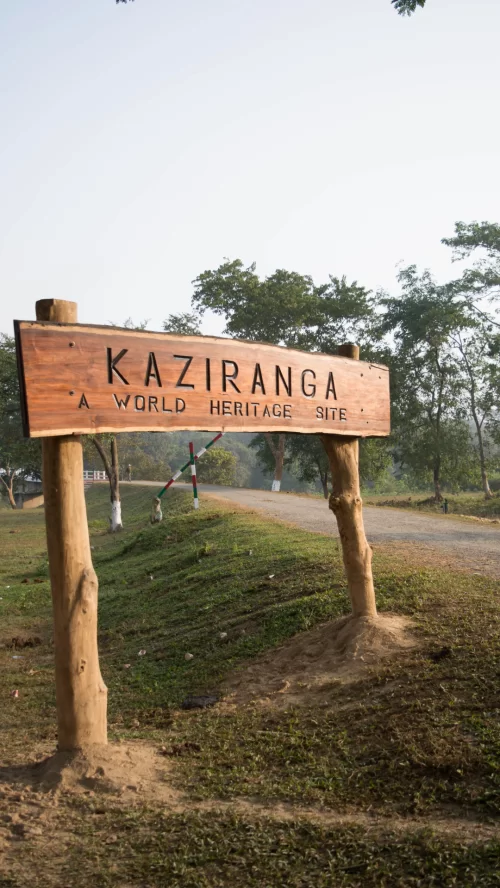
Another reason for their popularity is the ease with which plantation visits can be combined with other major attractions. Jorhat serves as an important gateway to Majuli Island, while Golaghat provides convenient access to Kaziranga National Park. This allows visitors to include wildlife, cultural experiences, and tea tourism within a single itinerary. The combination of beautiful landscapes, educational experiences, and excellent connectivity makes these districts particularly attractive for photographers, nature lovers, families, and travellers interested in rural tourism.
By blending tea heritage with nearby attractions and comfortable travel conditions, Jorhat and Golaghat continue to rank among Assam's finest destinations for immersive plantation tourism.
Jorhat and Golaghat remain popular because they offer much more than beautiful tea gardens. Their combination of authentic plantation experiences, educational activities, cultural significance, and nearby attractions creates memorable journeys for every type of traveller.
Many of Assam's oldest tea estates were established during the nineteenth century and continue to preserve the rich legacy of the region's tea industry. These historic plantations reflect the early development of commercial tea cultivation in India and remain important landmarks that showcase traditional estate planning, colonial-era architecture, and long-standing agricultural practices. Walking through these estates allows visitors to appreciate both their historical importance and their continuing contribution to Assam's globally recognised tea production.
Historic plantations are often characterised by expansive tea gardens, mature shade trees, old factory buildings, heritage offices, and beautifully maintained estate roads that have changed very little over the decades. Guided visits introduce travellers to the history of tea cultivation, the evolution of plantation management, and the remarkable transformation of Assam into one of the world's leading tea-producing regions. These experiences combine heritage tourism with agricultural education in a unique and engaging way.
For travellers interested in history, architecture, and traditional industries, Assam's heritage tea estates provide an opportunity to explore living landmarks that continue to shape the state's cultural and economic identity.
Historic tea estates preserve Assam's remarkable tea legacy while welcoming visitors to experience plantations that continue to operate successfully after generations of cultivation and careful management.
One of the highlights of visiting Assam's heritage tea estates is the opportunity to experience traditional plantation bungalows that have served estate managers and their families for many decades. These elegant residences are often surrounded by beautifully maintained gardens, mature trees, and panoramic views of endless tea plantations. Many have been carefully preserved while incorporating modern comforts that allow guests to enjoy both historical charm and comfortable accommodation.
Visitors staying at heritage estates experience a slower pace of life through plantation walks, afternoon tea on spacious verandas, traditional Assamese meals, and guided tours that introduce the history and daily functioning of the estate. Antique furnishings, wooden interiors, wide corridors, and classic architectural details contribute to an atmosphere that reflects Assam's long association with tea cultivation. These experiences provide an authentic glimpse into the traditions that have shaped plantation life for generations.
Heritage bungalow stays offer a unique combination of comfort, history, and countryside tranquillity, making them one of Assam's most memorable accommodation experiences.
Heritage accommodation allows travellers to experience the timeless character of Assam's tea plantations while enjoying personalised hospitality in one of the state's most distinctive tourism settings.
Visiting Assam's heritage tea estates allows travellers to understand how the tea industry developed into one of the state's defining economic and cultural pillars. Estate guides often explain the origins of tea cultivation, the expansion of plantations across Assam, and the gradual development of processing techniques that helped establish Assam tea's international reputation. These historical narratives provide valuable context for the plantation landscapes visitors see today.
In addition to learning about cultivation, visitors observe how generations of skilled workers have contributed to maintaining plantation quality through careful harvesting, processing, and estate management. Heritage factories, archival photographs, preserved buildings, and long-standing estate traditions illustrate the continuity of tea production across decades. These educational experiences deepen visitors' appreciation for the craftsmanship and dedication that continue to define Assam's tea industry.
Exploring Assam's heritage tea estates transforms a sightseeing visit into a meaningful cultural journey, allowing travellers to understand the remarkable history behind every cup of authentic Assam tea.
Estate visits provide one of the most engaging ways to experience Assam's tea history, combining authentic heritage, working plantations, and educational experiences into a memorable journey through one of India's most celebrated tea-producing regions.
Several tea estates across Assam welcome visitors with plantation accommodation that combines comfort, heritage, and the peaceful atmosphere of working tea gardens. Unlike conventional hotels in busy towns, these estates allow guests to stay within expansive plantations where every morning begins with panoramic views of neatly arranged tea bushes, fresh countryside air, and the sounds of nature. Accommodation ranges from restored colonial-era heritage bungalows to boutique plantation cottages and well-maintained guesthouses that retain the character of traditional tea estates while providing modern conveniences.
Many plantation properties offer spacious bedrooms, landscaped gardens, verandas overlooking tea gardens, elegant dining areas, and personalised hospitality that reflects Assam's warm culture. Depending on the estate, visitors may also have access to libraries, outdoor seating areas, heritage lounges, and guided plantation experiences included within their stay. The limited number of guest rooms at many tea estates creates a peaceful environment where visitors can enjoy privacy and personalised service throughout their holiday.
Whether planning a romantic escape, a family holiday, or a relaxing break surrounded by nature, plantation accommodation provides a distinctive way to experience Assam's famous tea-growing regions while enjoying authentic countryside hospitality.
Plantation accommodation allows visitors to experience Assam's tea culture throughout the day rather than only during sightseeing. The combination of comfort, heritage, and natural surroundings makes these stays one of the state's most memorable tourism experiences.
One of the greatest attractions of staying at an Assam tea estate is the peaceful atmosphere created by endless stretches of green plantations. Far from crowded urban centres, plantation properties provide quiet surroundings where visitors can enjoy fresh air, scenic landscapes, and uninterrupted views across tea gardens that extend to the horizon. Early mornings often begin with mist rising above the tea bushes, while evenings offer beautiful sunsets and calm countryside surroundings that encourage complete relaxation.
The absence of heavy traffic and commercial activity allows guests to appreciate nature at a slower pace. Visitors can spend time walking through estate pathways, reading on heritage verandas, photographing plantation scenery, or simply enjoying freshly brewed Assam tea while overlooking beautifully maintained gardens. The calm environment also makes plantation stays particularly attractive for couples, families, writers, photographers, and travellers looking for a refreshing break from busy city life.
These peaceful surroundings form an important part of the overall plantation experience, allowing visitors to reconnect with nature while learning about one of Assam's most celebrated industries.
The peaceful environment surrounding Assam's tea estates creates a unique travel experience where relaxation becomes as important as sightseeing. Guests leave with lasting memories of beautiful landscapes, calm surroundings, and authentic plantation life.
Plantation stays offer visitors much more than comfortable accommodation by combining local cuisine, guided outdoor experiences, and interactive tea-related activities. Guests can begin their day with freshly brewed Assam tea before joining guided nature walks through the plantations where estate staff explain tea cultivation, seasonal growth, and harvesting methods. Depending on the estate, visitors may also participate in tea plucking demonstrations, factory tours, and professional tea tasting sessions that introduce them to the complete journey of Assam tea.
Dining forms another memorable part of the plantation experience, with many estates serving traditional Assamese meals prepared using fresh local ingredients. Outdoor breakfasts overlooking tea gardens, afternoon tea on heritage verandas, and relaxed evening dinners surrounded by peaceful landscapes allow travellers to experience the region's hospitality in an authentic setting. Nature lovers may also enjoy birdwatching, photography, and leisurely garden walks within the estate grounds, making every day both educational and relaxing.
These varied experiences ensure that plantation accommodation becomes an immersive holiday rather than simply a place to stay, giving visitors a deeper appreciation for Assam's tea heritage and rural lifestyle.
Combining local food, plantation activities, and peaceful surroundings allows visitors to enjoy a complete tea estate holiday where every experience contributes to a deeper understanding of Assam's famous tea-growing culture.
Guided plantation walks are among the most rewarding experiences offered by Assam's tea estates because they introduce visitors to the complete environment where tea is cultivated. Accompanied by knowledgeable estate guides, travellers walk through neatly maintained rows of tea bushes while learning about plantation history, cultivation techniques, seasonal maintenance, irrigation, pruning, and harvesting practices. These walks provide an excellent opportunity to appreciate both the agricultural significance and natural beauty of Assam's tea-growing landscapes.
Many estates also organise tea-making demonstrations inside working factories where guests can observe the transformation of freshly harvested tea leaves into finished products. Guides explain each stage of production, including withering, rolling, oxidation, drying, grading, and packaging, while demonstrating how every step contributes to the quality and flavour of Assam tea. Watching these processes firsthand allows visitors to better understand the craftsmanship behind one of India's most famous beverages.
By combining plantation exploration with factory demonstrations, guided tours provide an educational experience that connects visitors directly with Assam's globally respected tea industry.
Guided plantation walks and tea-making demonstrations allow travellers to appreciate the dedication, knowledge, and skill required to produce Assam's internationally recognised tea while enjoying beautiful plantation surroundings.
Interactive visitor activities make tea estate tours particularly enjoyable for travellers of all ages. During harvesting seasons, guests can observe experienced plantation workers carefully selecting tender tea leaves using traditional techniques that maintain consistent quality. Estate guides explain why only particular leaves are harvested and how careful plucking directly influences the flavour and market value of the finished tea.
Following the plantation visit, many estates take visitors through the processing units where harvested leaves are transformed into finished tea before concluding with professional tasting sessions. Guests compare different varieties of Assam tea while learning how aroma, colour, body, strength, and aftertaste are evaluated by experienced tea tasters. Together, these activities provide a complete understanding of the journey from freshly growing tea bushes to a perfectly brewed cup of Assam tea.
Participating in these experiences creates lasting memories while helping visitors appreciate the expertise and tradition that define Assam's tea industry.
Tea plucking, processing, and tasting activities provide visitors with an engaging hands-on understanding of Assam's tea culture while making plantation tours informative, enjoyable, and memorable.
A visit to an Assam tea estate allows travellers to observe the rhythm of daily plantation life beyond standard sightseeing. From the early morning preparation of estate workers to the movement of freshly harvested leaves towards the processing factory, visitors gain insight into the coordinated efforts required to maintain large tea plantations. Estate staff explain how different departments work together throughout the day to ensure efficient cultivation and production.
Guests staying overnight often experience additional aspects of plantation life, including early morning tea sessions, leisurely walks through the gardens, conversations with estate staff, and traditional Assamese meals served in heritage surroundings. These everyday experiences help visitors understand that tea estates are active communities where agriculture, hospitality, and local traditions continue side by side. Observing daily estate routines creates a deeper appreciation for the people whose dedication has built Assam's worldwide reputation for quality tea.
Experiencing daily estate life allows travellers to move beyond traditional tourism and develop a genuine understanding of the people, traditions, and routines that continue to define Assam's famous tea plantations.
Tea tasting is one of the most rewarding experiences offered at Assam's tea estates because it introduces visitors to the remarkable diversity found within the region's famous tea industry. Although Assam is internationally known for its bold and malty black tea, every estate produces teas with distinctive characteristics influenced by soil composition, rainfall, elevation, harvesting season, and processing techniques. Guided tasting sessions allow travellers to compare these subtle differences while developing a greater appreciation for the craftsmanship behind every cup.
During organised tastings, freshly brewed samples from different estates or harvest periods are presented using standard preparation methods to ensure accurate comparison. Visitors observe the colour of the liquor, inhale the natural aroma, and slowly evaluate flavour, body, briskness, smoothness, and aftertaste. Estate experts explain how seasonal variations and careful manufacturing influence the final profile of each tea, helping guests recognise the qualities that make Assam tea one of the world's most respected beverages.
Whether tasting premium orthodox tea or learning about different grades produced within the estate, visitors gain valuable knowledge that enhances their appreciation of Assam's rich tea heritage long after their journey has ended.
Exploring different varieties of Assam tea transforms a simple tasting session into an educational journey where visitors discover the remarkable diversity and craftsmanship that define one of the world's finest tea-producing regions.
Professional tea tasting sessions are carefully organised by experienced estate staff who introduce visitors to the techniques used within the tea industry to evaluate quality. Conducted in heritage bungalows, visitor centres, or dedicated tasting rooms, these sessions demonstrate the systematic process followed by tea professionals before tea reaches domestic and international markets. Guests learn how consistent brewing methods ensure fair comparison between different samples.
Throughout the session, visitors are guided through every stage of evaluation, beginning with the appearance of dry leaves and continuing with the aroma, liquor colour, flavour, body, and lingering finish. Estate experts explain why some teas possess stronger malty notes while others display lighter or sweeter characteristics. Guests also discover how brewing temperature, infusion time, and leaf quantity influence the overall tasting experience. These practical demonstrations help travellers appreciate tea in a more informed and meaningful way.
Professional tasting sessions provide one of the most memorable highlights of a plantation visit because they combine sensory experiences with expert knowledge gained from generations of tea production in Assam.
Professional tasting experiences deepen visitors' understanding of Assam tea by combining practical demonstrations with expert guidance, creating lasting memories for tea enthusiasts and first-time visitors alike.
Evaluating tea quality is a detailed process that combines visual observation, aroma assessment, flavour analysis, and overall consistency. During estate demonstrations, visitors learn that tea experts first examine the dry leaves to assess their size, colour, cleanliness, and uniformity before preparing the infusion. Once brewed, professionals carefully evaluate the liquor's clarity, aroma, flavour, strength, balance, and finish to determine the overall quality of each sample.
Estate guides explain that tea evaluation is not based solely on personal preference but follows internationally recognised standards used by producers and buyers throughout the tea industry. These assessments help maintain consistent quality while preserving the reputation of Assam tea in global markets. Understanding this process gives visitors a deeper appreciation for the precision, experience, and craftsmanship involved in producing premium-quality tea.
| Evaluation Stage | Main Characteristics Observed |
|---|---|
| Dry Leaf | Colour, size, cleanliness, and uniformity. |
| Aroma | Freshness, fragrance, and natural scent. |
| Liquor | Colour, clarity, and brightness. |
| Flavour | Strength, body, balance, and finish. |
| Overall Quality | Consistency and premium production standards. |
Learning how professionals evaluate tea quality completes the tasting experience by helping visitors understand the remarkable expertise behind every cup of Assam tea while highlighting the industry's commitment to maintaining exceptional standards.
Assam's tea estates display changing colours, activities, and natural beauty throughout the year, making every season unique for visitors. The appearance of the plantations depends on rainfall, temperature, sunlight, and the annual growth cycle of tea bushes. During active growing periods, fresh green leaves cover the estates, while cooler months provide pleasant weather and clear skies that enhance sightseeing and outdoor experiences.
Spring and early summer bring renewed growth across the plantations as harvesting activities become increasingly active. The monsoon transforms the tea gardens into lush green landscapes filled with dramatic clouds, mist, and vibrant vegetation, creating spectacular scenery for nature lovers and photographers. Autumn and winter offer comfortable temperatures and clearer conditions that are ideal for plantation walks, tea tasting, heritage stays, and relaxed sightseeing throughout Assam's tea-growing districts.
Every season reveals a different side of Assam's tea estates, allowing travellers to choose the time that best suits their preferred weather, photography opportunities, and travel interests.
Seasonal variation adds to the charm of Assam's tea estates by offering visitors new scenery and experiences throughout the year, making every visit unique and memorable.
Many travellers consider October to April one of the most comfortable periods for visiting Assam's tea estates because of the pleasant temperatures, lower humidity, and favourable conditions for sightseeing. Plantation walks, tea tasting sessions, heritage accommodation, and photography become especially enjoyable during these months as clear weather enhances visibility across the tea gardens.
Visitors wishing to observe active tea cultivation and harvesting may also choose suitable periods during the growing season when plantations are full of activity. During these months, guided estate tours become particularly informative because guests can witness tea plucking, transportation, and factory processing. Although the monsoon brings occasional rainfall, it also creates exceptionally green landscapes that appeal to photographers and nature enthusiasts willing to plan around changing weather conditions.
Selecting travel months according to personal interests ensures a more rewarding plantation experience while allowing visitors to enjoy the activities that matter most to them.
Choosing the right travel season helps visitors experience Assam's tea estates under conditions that best match their sightseeing goals, weather preferences, and desired plantation activities.
Careful planning helps visitors enjoy tea estate tours more comfortably throughout the year. Travellers should consider weather forecasts, seasonal rainfall, estate accessibility, and the availability of plantation activities before confirming travel dates. Comfortable walking shoes, lightweight clothing, sunscreen, hats, and rain protection are useful depending on the season, while advance bookings are recommended for heritage stays during popular travel periods.
Visitors should also verify whether tea factory tours, tasting sessions, or plantation demonstrations are operating during their planned visit because schedules may vary according to harvesting and production cycles. Planning sightseeing around nearby destinations such as Kaziranga National Park or Majuli Island also helps reduce travel time while creating a balanced itinerary that combines nature, culture, and tea tourism.
| Planning Factor | Recommendation |
|---|---|
| Weather | Check seasonal conditions before travelling. |
| Clothing | Pack suitable footwear and seasonal clothing. |
| Estate Activities | Confirm tours and tea tasting availability. |
| Accommodation | Reserve heritage stays well in advance. |
| Itinerary | Combine tea estates with nearby attractions. |
Planning visits according to weather and estate conditions allows travellers to enjoy Assam's tea gardens comfortably while making the most of plantation experiences, sightseeing opportunities, and the region's remarkable natural beauty.
Assam's tea estates provide exceptional opportunities for travel photography because of their expansive green plantations, rolling landscapes, mature shade trees, and changing seasonal colours. Whether visiting during the harvesting season or the lush monsoon months, photographers can capture striking compositions featuring endless rows of tea bushes stretching towards the horizon. Morning mist, soft sunlight, and golden evening light add depth and atmosphere to plantation landscapes, creating beautiful images throughout the day.
During permitted guided visits, photographers may also document aspects of plantation life such as tea plucking, estate pathways, heritage buildings, and traditional tea processing activities. These scenes help tell the story of Assam's tea industry while highlighting the relationship between people, agriculture, and nature. Wide-angle landscape photography, close-up images of tea leaves, and panoramic views from elevated points all contribute to a varied and visually rewarding collection of photographs.
Tea estates allow photographers to capture much more than attractive scenery by presenting authentic moments that reflect Assam's rich agricultural heritage and peaceful countryside lifestyle.
The diverse scenery found across Assam's tea estates provides endless inspiration for photographers while preserving authentic memories of one of India's most beautiful tea-growing regions.
The calm environment surrounding Assam's tea estates makes them ideal for relaxed travel photography away from busy tourist crowds. Wide plantation roads, heritage bungalows, landscaped gardens, shaded pathways, and viewpoints overlooking tea fields provide excellent locations for capturing peaceful countryside scenes. Early mornings and late afternoons often offer the best natural lighting, allowing photographers to record soft colours and dramatic shadows across the tea gardens.
Many plantation properties also feature flowering gardens, traditional estate architecture, ornamental trees, and open lawns that complement the surrounding tea bushes. Depending on the season, photographers may capture colourful skies, reflections after rainfall, or vibrant green landscapes enhanced by fresh monsoon growth. Visitors are encouraged to explore designated visitor areas while taking time to appreciate the quiet atmosphere that distinguishes Assam's tea estates from more crowded tourist destinations.
These peaceful settings encourage thoughtful photography where natural beauty, heritage, and rural landscapes combine to create memorable travel images.
Peaceful tea estates provide ideal conditions for photographers seeking beautiful landscapes, heritage architecture, and authentic rural scenes while enjoying the calm atmosphere of Assam's countryside.
Photography at Assam's tea estates should always be carried out with respect for plantation operations, estate staff, and local communities. Visitors should remain within designated visitor areas, follow guidance provided by estate representatives, and seek permission before photographing workers, private residences, or restricted sections of the plantation. Respecting these guidelines helps maintain a positive relationship between visitors and estate communities while ensuring that tourism remains responsible.
Travellers should also avoid disturbing ongoing tea harvesting or factory activities for the sake of photographs. Drones may not be permitted at many estates, so visitors should confirm photography policies before arrival. Maintaining clean surroundings, avoiding damage to tea bushes, and respecting local customs allow future visitors to continue enjoying these beautiful plantations while preserving the working environment of Assam's tea industry.
Responsible photography ensures that visitors can capture memorable images while respecting the people, traditions, and working environment that make Assam's tea estates such valuable cultural and agricultural destinations.
Planning ahead is one of the most important steps when visiting tea estates in Assam because not every plantation is freely accessible to tourists. While many estates welcome visitors through organised tours and plantation stays, others remain private working properties where entry is permitted only with prior approval or advance reservations. Contacting the estate before travelling helps visitors confirm entry procedures, visiting hours, available activities, and any special guidelines that should be followed during the visit.
Timing also plays a significant role in creating a rewarding plantation experience. Morning visits generally offer pleasant weather, soft natural light, and opportunities to observe estate activities before the day's heat increases. Depending on the season, visitors may also witness tea plucking, transportation of freshly harvested leaves, and factory operations. Travelling during suitable weather conditions improves the overall experience by making plantation walks, photography, and outdoor exploration more comfortable.
Advance planning ensures that visitors enjoy smooth entry, well-organised estate tours, and sufficient time to experience the plantation without unnecessary delays or disruptions.
Proper planning allows visitors to enjoy Assam's tea estates comfortably while making the most of guided experiences, scenic landscapes, and educational opportunities available throughout the plantation.
Tea estates are active workplaces as well as popular tourist destinations, making respectful behaviour essential throughout every visit. Visitors should remember that tea cultivation, harvesting, and processing continue according to carefully planned schedules, and plantation workers should never be disturbed while performing their daily responsibilities. Remaining within designated visitor areas and following instructions provided by estate guides helps ensure a safe and enjoyable experience for everyone.
Travellers should seek permission before photographing estate workers, private residences, or restricted operational areas. Respecting local customs, maintaining cleanliness, avoiding litter, and protecting tea plants all contribute to responsible tourism. Visitors should also avoid entering tea fields without guidance, touching machinery inside factories without permission, or making excessive noise that may disturb both workers and fellow guests. Small acts of courtesy help preserve the welcoming atmosphere that tea estates offer to travellers.
Responsible behaviour not only improves the visitor experience but also supports the long-term sustainability of Assam's tea tourism by maintaining positive relationships between travellers and plantation communities.
Respecting plantation communities allows visitors to enjoy authentic experiences while helping preserve Assam's tea heritage and ensuring that tea estates continue welcoming travellers in a responsible and sustainable manner.
Selecting the right tea estate depends on your travel interests, available time, and overall Assam itinerary. Travellers interested in tea production may prefer estates offering factory tours and professional tasting sessions, while photographers may look for plantations with scenic viewpoints and heritage architecture. Families often choose estates with comfortable accommodation and outdoor activities, whereas couples may prioritise peaceful heritage bungalows surrounded by beautiful tea gardens.
Location is equally important when planning a plantation visit. Estates around Dibrugarh are ideal for travellers focusing on tea tourism, while Jorhat provides convenient access to Majuli Island and Golaghat serves as an excellent base for combining tea estates with Kaziranga National Park. Reviewing travel distances, available experiences, accommodation options, and nearby attractions before making reservations helps visitors create a comfortable itinerary without unnecessary travel between destinations.
| Travel Interest | Suggested Estate Features |
|---|---|
| Tea Enthusiasts | Factory tours, tea tasting, production demonstrations. |
| Nature Lovers | Scenic plantations, birdwatching, countryside walks. |
| Families | Comfortable stays, spacious gardens, guided activities. |
| Couples | Heritage accommodation and peaceful surroundings. |
| Photographers | Landscape viewpoints and historic plantation buildings. |
Choosing tea estates that match your interests and travel route ensures a rewarding Assam holiday where plantation experiences naturally complement wildlife, culture, heritage, and scenic countryside exploration.
Planning a memorable tea estate journey begins with selecting destinations that best match your travel style and sightseeing priorities. Assam offers a wide variety of tea estates ranging from historic plantations with heritage bungalows to modern estates offering guided tours, tea tasting sessions, and immersive plantation activities. Choosing estates according to their location, accommodation style, visitor experiences, and nearby attractions helps create a comfortable and rewarding itinerary.
Travellers interested in plantation heritage often prefer estates around Dibrugarh, while those wishing to combine tea tourism with cultural experiences may choose Jorhat. Visitors planning wildlife adventures frequently include Golaghat because of its proximity to Kaziranga National Park. Reviewing available experiences before booking allows travellers to enjoy factory visits, plantation walks, heritage stays, and professional tea tasting without missing the activities that interest them most.
Selecting the right tea estate ensures that every destination contributes something unique to the journey while allowing visitors to experience the diversity of Assam's internationally renowned tea region.
Carefully selecting tea estates helps visitors experience Assam's tea heritage in greater depth while enjoying comfortable accommodation, authentic plantation activities, and convenient access to the state's leading attractions.
The most enjoyable Assam itineraries combine plantation visits with comfortable accommodation and nearby sightseeing rather than treating tea estates as short stops during long road journeys. Staying within or near a tea estate allows visitors to enjoy sunrise walks through the plantations, tea tasting sessions, heritage experiences, and relaxed evenings before exploring wildlife reserves, cultural destinations, and scenic countryside routes during the day.
Combining plantation accommodation with destinations such as Kaziranga National Park, Majuli Island, Sivasagar, and Dibrugarh creates a balanced itinerary that includes nature, heritage, wildlife, and tea tourism without excessive travel. Allowing enough time for both relaxation and exploration ensures visitors experience Assam's tea-growing regions at a comfortable pace while making the most of every destination included in the journey.
Well-planned itineraries provide a richer travel experience where every destination complements the next, allowing visitors to discover the full diversity of Assam's landscapes and traditions.
Planning accommodation, plantation visits, and sightseeing together allows travellers to experience Assam in a balanced and meaningful way while fully appreciating its tea heritage, wildlife, and cultural attractions.
Before beginning your tea estate journey, prepare a simple checklist to ensure a smooth and enjoyable experience. Confirm accommodation reservations, plantation tour timings, tea tasting sessions, and transportation arrangements well in advance. Pack lightweight clothing suitable for Assam's climate, comfortable walking shoes for plantation paths, rain protection during the monsoon, sunscreen, insect repellent, and a camera for capturing the beautiful tea landscapes.
During your visit, follow estate guidelines, remain within visitor areas, respect plantation workers, and participate in guided activities whenever possible. Enjoy local Assamese cuisine, take time to appreciate the peaceful surroundings, and include nearby attractions to create a balanced itinerary. Responsible behaviour and thoughtful planning help preserve the tea estates while allowing future visitors to continue enjoying these remarkable destinations.
With careful planning, respectful travel practices, and a well-balanced itinerary, exploring Assam's tea estates becomes one of the state's most memorable experiences. From scenic plantations and heritage bungalows to tea tasting, wildlife, and cultural attractions, Assam offers visitors a complete journey through one of the world's most celebrated tea-producing regions.


Get customized Assam tour planning designed around seasonal weather patterns, river conditions, wildlife safari timing, and realistic road travel flow. Whether you are visiting for national parks, tea estate stays, cultural experiences, spiritual sites, o
⚡ Quick Response | 💰 Free consultation | 🕒 24×7 expert support