
How Tea is Made in Assam – A Tourist's Guide
Understanding how tea is made in Assam allows travellers to explore plantations, learn traditional processing methods, and experience the journey from fresh tea leaves to the final product.
+91 9910402252
admin@chalbanjare.com


Assam is shaped by the mighty Brahmaputra River, offering river cruises, ferry journeys, cultural river islands, wetlands, wildlife habitats, and some of the most unique river-based travel experiences in India.
A sunset cruise on the Brahmaputra River is one of Guwahati's most memorable travel experiences. As the evening sun reflects across the broad river, visitors can enjoy panoramic views of the city skyline, surrounding hills, and passing ferries. The calm atmosphere, cool breeze, and changing colors of the sky make the cruise especially popular with families, couples, and photographers.
Several operators offer evening cruises with varying durations and onboard facilities. It is advisable to check departure timings in advance, especially during weekends and peak tourist seasons. Arriving early allows visitors to choose comfortable seating and enjoy uninterrupted views throughout the journey.
A Brahmaputra sunset cruise combines scenic beauty, relaxation, and river heritage, making it one of the finest experiences in Guwahati.
The Guwahati riverfront promenade provides visitors with an attractive place to enjoy uninterrupted views of the Brahmaputra River. Wide walking paths, landscaped areas, seating spaces, and open viewpoints create a pleasant atmosphere for morning walks, evening strolls, and quiet relaxation. The riverfront also serves as a gathering place where visitors can watch ferries, boats, and daily river activity.
Sunrise and sunset are particularly rewarding because soft natural light highlights the river and surrounding hills. The promenade remains easily accessible and can be combined with nearby attractions such as ferry terminals and cultural landmarks.
The Guwahati riverfront offers visitors a peaceful way to experience the scale and beauty of the Brahmaputra without leaving the city.
The riverbanks of Guwahati provide excellent locations to experience both sunrise and sunset over the Brahmaputra. Early mornings bring soft light, calm water, and peaceful surroundings, while evenings transform the river with colorful skies and reflections. These moments allow visitors to appreciate the natural beauty that defines Assam's largest city.
Several accessible viewpoints along the riverfront provide comfortable places to relax, enjoy photography, or simply observe the movement of boats across the river. Visiting during clear weather offers the most rewarding scenic experience.
Watching the changing colors of the Brahmaputra throughout the day is one of Guwahati's simplest yet most rewarding travel experiences.
Every journey to Majuli begins with a scenic ferry crossing over the Brahmaputra River, making the transportation itself one of the island's major attractions. The broad river, distant sandbars, passing fishing boats, and open landscapes create a memorable introduction to Assam's largest river island. The ferry also provides excellent opportunities to appreciate the scale of the Brahmaputra.
Ferry schedules depend on river conditions and seasonal water levels, so visitors should confirm departure times before traveling. Morning crossings generally provide pleasant weather and calmer river conditions for the journey.
The ferry journey to Majuli is more than transportation because it introduces visitors to the natural beauty of the Brahmaputra before reaching the island.
Majuli is renowned for its historic Satras that preserve Assamese Vaishnavite traditions alongside peaceful riverside villages where local communities continue their traditional way of life. Visitors can explore prayer halls, cultural institutions, bamboo houses, agricultural landscapes, and quiet village roads while learning about the island's remarkable heritage.
Traveling respectfully and allowing enough time for each stop creates a more meaningful experience. Local guides often provide valuable insights into the history, customs, and traditions that continue to shape everyday life on the island.
Majuli's Satras and riverside villages reveal the living cultural traditions that have made the island one of Assam's most distinctive destinations.
Majuli offers travelers wide open landscapes, rice fields, wetlands, bamboo groves, and quiet village roads that create one of Assam's most peaceful travel environments. The slow pace of island life encourages visitors to explore by bicycle or local transport while enjoying uninterrupted countryside scenery away from busy cities.
Golden hour is particularly rewarding for photography because soft sunlight enhances the island's rural landscapes. Visitors should respect village customs, avoid littering, and support locally owned businesses whenever possible.
Majuli's peaceful landscapes provide a refreshing contrast to city life while showcasing the unique character of Assam's river island communities.
Umananda Island is one of Guwahati's most iconic attractions and is located in the middle of the Brahmaputra River. The island is home to the historic Umananda Temple dedicated to Lord Shiva, attracting both pilgrims and tourists throughout the year. A short ferry ride connects the mainland to the island while offering beautiful views of the river and surrounding hills.
Visitors can walk around the compact island, explore the temple complex, and enjoy panoramic river views from different viewpoints. Morning visits are generally quieter and more comfortable, while weekdays often experience fewer crowds than weekends and major festivals.
Umananda Island combines spirituality, history, and natural beauty into one of Guwahati's most memorable river attractions.
Umananda Island is also popularly known as Peacock Island because of its distinctive shape when viewed from the surrounding hills and river. The ferry journey itself is an enjoyable experience as boats cross the broad Brahmaputra while providing uninterrupted views of Guwahati's skyline, riverbanks, and nearby hills.
Short ferry rides operate regularly throughout the day, allowing visitors to easily include the island within their sightseeing itinerary. Travelers should confirm ferry timings during periods of high water or adverse weather because schedules may occasionally change.
The ferry journey to Peacock Island adds a relaxing river experience while showcasing the beauty of the Brahmaputra from the water.
Standing on Umananda Island provides visitors with rare panoramic views across the Brahmaputra River in every direction. Guwahati's skyline, Nilachal Hill, ferries, river traffic, and distant hills combine to create one of the city's finest viewpoints. The wide river channels highlight the enormous scale of the Brahmaputra.
Sunrise and late afternoon offer the most attractive lighting conditions for sightseeing and photography. Visitors should remain within designated walking paths and take care near the riverbanks while enjoying the scenic surroundings.
The panoramic views from Umananda Island offer one of the best opportunities to appreciate the scale and beauty of the Brahmaputra River.
The ferry crossing to Majuli is one of Assam's signature travel experiences, connecting the mainland with the world's largest inhabited river island. The journey passes wide river channels, sandbars, fishing boats, and seasonal wetlands while providing spectacular views of the Brahmaputra. For many visitors, the ferry ride becomes one of the highlights of the entire trip.
Ferry schedules vary according to river levels and seasonal conditions, making advance planning essential. Morning departures usually provide calmer weather and comfortable travel conditions throughout most of the tourist season.
The Majuli ferry journey offers visitors an authentic introduction to Assam's river culture while showcasing the magnificent Brahmaputra.
Ferries continue to play an important role in everyday transportation across many parts of Assam, connecting communities separated by the Brahmaputra and its tributaries. Local ferry rides allow visitors to experience traditional river transport while observing village life, fishing boats, agricultural activity, and riverside settlements from the water.
Travelers should arrive early at ferry terminals, especially during busy travel periods, and remain aware that schedules may change according to weather and river conditions. Carrying only essential luggage makes boarding more comfortable.
Local ferry rides provide meaningful insight into the daily relationship between Assam's communities and the Brahmaputra River.
For generations, ferries have served as an essential transportation system across Assam's vast river network. Even today, they connect islands, villages, and towns that would otherwise require much longer road journeys. Traveling by ferry allows visitors to appreciate how the Brahmaputra continues shaping transportation, trade, and everyday life throughout the state.
Although modern bridges have improved road connectivity in many areas, ferry services remain an important part of Assam's cultural identity. Visitors should always follow safety instructions, board patiently, and remain aware of changing weather conditions during river crossings.
Traditional ferry travel reflects the enduring importance of the Brahmaputra while allowing visitors to experience one of Assam's most authentic forms of transportation.
The Brahmaputra riverfront in Guwahati is one of Assam's most popular public spaces, offering wide walking paths, landscaped viewpoints, seating areas, and uninterrupted views of one of Asia's largest rivers. Visitors can enjoy peaceful morning walks, evening strolls, ferry activity, and scenic sunsets while experiencing the city's close relationship with the Brahmaputra.
The riverfront also serves as a convenient starting point for ferry rides to Umananda Island and sunset cruises. Early mornings and evenings provide the most comfortable weather, making these times ideal for sightseeing, photography, and relaxing by the river.
The Guwahati riverfront offers visitors an enjoyable blend of scenic beauty, recreation, and river culture in the heart of Assam's largest city.
Dibrugarh's riverside promenade overlooks the Brahmaputra and provides a peaceful setting for leisurely walks, evening relaxation, and scenic photography. The open views across the broad river, landscaped surroundings, and pleasant atmosphere make it one of the city's favorite recreational spaces. Visitors often gather here to watch sunsets and enjoy the refreshing river breeze.
The promenade is especially attractive during the cooler winter months when clear skies enhance views across the river. Nearby cafés, parks, and local attractions can easily be combined with a visit to the waterfront.
Dibrugarh's riverfront offers a relaxing way to experience the beauty of the Brahmaputra while enjoying one of Upper Assam's most pleasant urban spaces.
Tezpur enjoys a scenic location along the Brahmaputra River, where peaceful viewpoints provide visitors with beautiful landscapes combining flowing water, surrounding hills, and green riverbanks. These locations are well suited for quiet sightseeing, photography, and observing the natural beauty that has shaped the city's cultural identity for centuries.
Sunrise and sunset offer particularly rewarding views as changing light reflects across the river. Visitors can combine river viewpoints with nearby heritage attractions, temples, and parks to create a balanced sightseeing experience.
Tezpur's riverfront viewpoints provide visitors with peaceful landscapes where the Brahmaputra and the city's heritage come together naturally.
Majuli is the cultural heart of Assam's Vaishnavite heritage, with numerous Satras preserving centuries-old religious traditions, devotional music, classical Sattriya dance, and spiritual learning. These monasteries continue to function as active cultural institutions where visitors can observe prayer halls, traditional architecture, and religious practices that remain central to island life.
Visitors should dress modestly, maintain silence inside prayer areas, and follow local guidance regarding photography. Taking time to learn about the traditions through knowledgeable guides creates a far deeper understanding of Majuli's remarkable cultural significance.
Majuli's monasteries preserve one of Assam's most important cultural traditions while offering visitors meaningful spiritual and historical experiences.
The Mishing communities living across Majuli and other Brahmaputra river islands have preserved distinctive traditions, architecture, weaving, farming, and fishing practices that remain closely connected with the river environment. Traditional bamboo stilt houses, handcrafted textiles, and peaceful village landscapes provide visitors with authentic cultural experiences beyond the main tourist attractions.
Responsible tourism is essential when visiting these villages. Travelers should seek permission before photographing residents, avoid disturbing daily activities, and support locally made handicrafts whenever possible.
Mishing villages introduce visitors to the living traditions of Assam's river island communities while highlighting the enduring relationship between local culture and the Brahmaputra.
The Brahmaputra has influenced Assam's history, economy, agriculture, transportation, festivals, and settlement patterns for centuries. River islands, ferry services, farming communities, traditional fishing practices, and cultural institutions all reflect the deep connection between the people of Assam and the river. Exploring these landscapes helps visitors appreciate how the Brahmaputra continues shaping everyday life across the state.
Traveling through river towns, villages, and islands provides opportunities to experience regional cuisine, local customs, and traditional livelihoods that remain closely linked with the seasonal rhythms of the Brahmaputra.
The Brahmaputra is more than a river because it continues to influence the culture, traditions, and identity of communities throughout Assam.
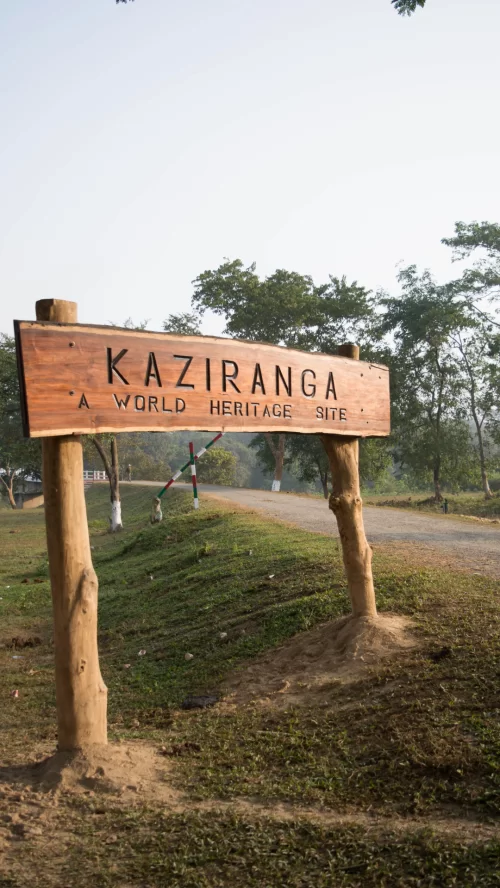
Kaziranga National Park is closely connected with the Brahmaputra River, whose seasonal flooding sustains the grasslands, wetlands, and forests that support the park's extraordinary biodiversity. These riverine ecosystems provide habitat for the Indian one-horned rhinoceros, Asian elephants, wild water buffalo, swamp deer, reptiles, and hundreds of bird species. The constantly changing landscape makes every safari unique.
Visitors can explore these habitats through guided jeep safaris across different tourism ranges. Experienced guides explain how annual floods renew the grasslands and maintain the ecological balance that allows wildlife to thrive throughout the protected area.
Kaziranga's riverine landscapes demonstrate how the Brahmaputra sustains one of India's most successful wildlife conservation areas.
Dibru Saikhowa National Park occupies a remarkable riverine landscape where the Brahmaputra and Lohit rivers create wetlands, forests, grasslands, and islands rich in biodiversity. The park offers peaceful wildlife experiences through guided boat rides and nature excursions, allowing visitors to explore habitats that differ significantly from conventional jeep safari destinations.
Winter is particularly rewarding because migratory birds arrive in large numbers and weather conditions remain comfortable for outdoor exploration. Visitors should travel with authorized guides and respect protected habitats throughout the park.
Dibru Saikhowa combines the beauty of Assam's river systems with exceptional biodiversity, creating one of the state's most distinctive wildlife destinations.
The Brahmaputra River and its connected wetlands provide essential habitats for thousands of migratory birds that visit Assam during the winter months. Sandbars, marshes, oxbow lakes, floodplain grasslands, and shallow wetlands attract ducks, geese, storks, pelicans, herons, and many other species that depend on these ecosystems for feeding and resting.
Early mornings remain the most productive time for birdwatching because wildlife activity is highest and natural lighting is excellent for photography. Carrying binoculars and observing birds quietly greatly improves the overall experience.
Assam's rivers and wetlands provide vital habitats for migratory birds while offering visitors exceptional opportunities to experience the state's remarkable biodiversity.
Sunset along the Brahmaputra River in Guwahati is one of Assam's finest photography experiences. As the sun gradually sets behind distant hills, warm colors reflect across the wide river while ferries, boats, and the city skyline create beautiful foreground compositions. The changing light during the final hour of daylight provides ideal conditions for landscape photography.
Popular viewpoints include the Guwahati riverfront, cruise boats, and areas near the ferry terminals. Arriving before sunset allows photographers enough time to compose images and observe changing lighting conditions throughout the evening.
The Brahmaputra sunsets of Guwahati remain among the most memorable photography experiences in Northeast India.
Majuli offers remarkable photography opportunities during the golden hour when soft sunlight illuminates rice fields, bamboo houses, Satras, ferry ghats, wetlands, and quiet village roads. The island's open landscapes create beautiful compositions that reflect its peaceful rural character while the gentle light enhances traditional architecture and natural scenery.
Visitors can photograph riverbanks, ferry crossings, cultural landmarks, and countryside landscapes while respecting local communities and religious institutions. Walking or cycling through villages during the evening provides numerous opportunities for authentic travel photography.
Golden hour transforms Majuli into one of Assam's most rewarding photography destinations through its peaceful villages and river landscapes.
Across Assam, riverbanks and ferry crossings offer outstanding opportunities to photograph the relationship between people and the Brahmaputra. Traditional ferries, fishing boats, sandbars, riverside villages, and expansive water landscapes create authentic travel images that reflect everyday life throughout the state. Every crossing presents new perspectives shaped by weather, water levels, and changing light.
Early morning and evening remain the preferred times because softer lighting enhances the river while activity along ferry terminals creates dynamic compositions. Visitors should photograph responsibly without obstructing ferry operations or disturbing local travelers.
Assam's riverbanks and ferry crossings provide endless opportunities to capture the landscapes, culture, and daily life shaped by the Brahmaputra River.
Dibru Saikhowa National Park contains one of Assam's most fascinating river landscapes, where the Brahmaputra and Lohit rivers create islands, wetlands, grasslands, and riverine forests that support exceptional biodiversity. Unlike the busier wildlife destinations, this protected area offers a peaceful environment where visitors can explore nature through guided boat rides and carefully managed excursions.
The constantly changing river channels shape new islands and wetland habitats every year, making each visit slightly different. Winter is generally considered the most rewarding season because comfortable weather and migratory birds enhance the overall experience.
Dibru Saikhowa offers one of Assam's finest offbeat river experiences where wildlife, wetlands, and peaceful river landscapes come together naturally.
Upper Assam is home to numerous peaceful riverbanks where visitors can experience the Brahmaputra away from busy tourist areas. These quiet locations provide scenic views of wide river channels, sandbars, fishing boats, agricultural fields, and riverside villages. The calm atmosphere makes them ideal for relaxation, photography, and appreciating the immense scale of the river.
Sunrise and sunset are particularly rewarding because changing light reflects beautifully across the water. Visitors should avoid isolated locations after dark and always respect local communities while exploring lesser-known riverbank destinations.
The peaceful riverbanks of Upper Assam provide authentic experiences where visitors can enjoy the Brahmaputra without large tourist crowds.
Many riverside villages across Assam continue traditional lifestyles closely connected with the Brahmaputra through farming, fishing, weaving, and seasonal agriculture. These settlements offer visitors opportunities to experience authentic village life while enjoying scenic river landscapes that remain largely untouched by commercial tourism.
Travelers should visit respectfully, seek permission before photographing residents, and support locally produced handicrafts or village businesses whenever possible. Slow exploration allows visitors to appreciate both the cultural traditions and natural beauty that define Assam's riverside communities.
Assam's lesser-known riverside villages reveal the enduring relationship between local communities and the Brahmaputra while offering rewarding offbeat travel experiences.
Assam's river tourism offers experiences ranging from sunset cruises in Guwahati and ferry journeys to Majuli to peaceful riverside villages, wetlands, and wildlife destinations. Travelers interested in culture should prioritize Majuli and its Satras, while nature enthusiasts can combine river landscapes with Kaziranga, Dibru Saikhowa, or Deepor Beel. Selecting destinations according to personal interests creates a balanced and rewarding itinerary.
Combining river cruises, island visits, wildlife experiences, and cultural attractions provides a comprehensive introduction to the many ways the Brahmaputra shapes life throughout Assam.
A thoughtfully planned itinerary allows visitors to appreciate Assam's remarkable river heritage through nature, culture, wildlife, and traditional island communities.
A well-rounded Brahmaputra itinerary may begin in Guwahati with river cruises and Umananda Island before continuing to Majuli, Jorhat, Dibrugarh, Kaziranga, Tezpur, and Dibru Saikhowa. This route combines scenic ferry journeys, cultural heritage, wildlife, tea gardens, riverfront promenades, and peaceful countryside landscapes into one memorable journey across Assam.
Allowing several days for travel provides enough time to enjoy ferry crossings, wildlife safaris, cultural visits, and photography without rushing between destinations. Flexible planning also accommodates seasonal ferry schedules and weather conditions.
Following the Brahmaputra across Assam creates an unforgettable journey through the state's rivers, islands, wildlife, heritage, and cultural traditions.
Visitors should carry lightweight clothing, comfortable walking shoes, sun protection, drinking water, insect repellent, personal medicines, camera equipment, power banks, valid identification, and light rain protection during the monsoon season. Binoculars are useful for birdwatching, while waterproof bags help protect electronic devices during ferry journeys.
Before traveling, confirm ferry schedules, weather forecasts, accommodation bookings, and local transport availability. Always wear life jackets when provided, follow ferry safety instructions, avoid littering rivers and islands, and respect local communities and protected natural areas throughout the journey.
Proper preparation ensures safe and enjoyable travel while allowing visitors to fully experience the rivers, islands, wildlife, and cultural heritage that make Assam unique.


Get customized Assam tour planning designed around seasonal weather patterns, river conditions, wildlife safari timing, and realistic road travel flow. Whether you are visiting for national parks, tea estate stays, cultural experiences, spiritual sites, o
⚡ Quick Response | 💰 Free consultation | 🕒 24×7 expert support