How Tea is Made in Assam – A Tourist's Guide
Understanding how tea is made in Assam allows travellers to explore plantations, learn traditional processing methods, and experience the journey from fresh tea leaves to the final product.
+91 9910402252
admin@chalbanjare.com


Upper Assam is the cultural and historical heart of the state, offering tea gardens, river islands, Ahom heritage monuments, wildlife experiences, and authentic Assamese traditions.
Jorhat is one of Upper Assam's most important cultural and tea tourism destinations, known for its historic tea estates, plantation landscapes, and connection with Assam's tea industry. Visitors can explore scenic gardens, heritage properties, and countryside surroundings while experiencing the region's long association with tea cultivation and Assamese traditions.
The city also serves as an important base for exploring nearby attractions, making it convenient to combine tea experiences with cultural visits and river journeys. Early mornings and late afternoons are ideal for enjoying plantation landscapes.
Jorhat offers a combination of tea heritage, culture, and scenic countryside that makes it one of Upper Assam's most rewarding destinations.
Tocklai Tea Research Institute is one of the world's oldest and most significant tea research centers, playing an important role in the development of Assam's tea industry. Visitors interested in tea heritage can learn about scientific research, plantation development, and the history of tea cultivation in the region.
Jorhat's local landmarks, markets, and cultural spaces provide additional opportunities to understand the city's identity beyond tea. Combining these attractions creates a balanced sightseeing experience for first-time visitors.
Tocklai and Jorhat's landmarks highlight the scientific, cultural, and historical importance of Assam's world-famous tea industry.
Jorhat serves as the main gateway for travelers visiting Majuli Island, one of Assam's most unique cultural destinations. From Jorhat, visitors can reach the ferry terminal and continue across the Brahmaputra to explore Satras, villages, traditional crafts, and peaceful island landscapes.
Many travelers combine Jorhat and Majuli in a single Upper Assam itinerary because of their close geographical connection. Planning ferry timings in advance helps ensure a smooth journey, especially during changing river conditions.
Jorhat provides the perfect starting point for exploring Majuli while offering its own unique tea and cultural attractions.
Majuli Island is widely recognized as the cultural center of Assamese Vaishnavite traditions, with historic Satras preserving devotional practices, classical arts, manuscripts, music, and dance. These monasteries continue to function as active cultural institutions where visitors can experience the spiritual heritage that has shaped the island for centuries.
Visitors should maintain respectful behavior inside Satras, follow local customs, and take time to understand the traditions rather than simply viewing them as tourist attractions.
The Satras of Majuli represent the island's spiritual identity and remain among Assam's most important cultural institutions.
The villages of Majuli provide visitors with opportunities to experience traditional island lifestyles shaped by the Brahmaputra River. Mishing communities preserve unique customs, bamboo architecture, weaving traditions, farming practices, and local food habits that reflect their close relationship with the island environment.
Exploring these communities requires respectful interaction and awareness of local traditions. Visitors can gain deeper cultural understanding by spending time with residents and supporting locally produced crafts.
Mishing villages showcase the living traditions of Majuli while offering a closer connection with the island's communities and landscapes.
Majuli's natural beauty comes from its location within the Brahmaputra River, creating landscapes of wetlands, rice fields, riverbanks, and peaceful countryside roads. Visitors can explore these areas through cycling, local transport, or relaxed walks while experiencing the slower rhythm of island life.
Sunrise and sunset provide excellent opportunities for photography as changing light enhances the river landscapes and traditional village surroundings. Visitors should respect the fragile island environment while exploring.
Majuli offers a rare combination of river landscapes, cultural heritage, and peaceful countryside experiences in Upper Assam.
Sivasagar is the historical center of the Ahom Kingdom and contains some of Assam's most important royal monuments. Rang Ghar, Talatal Ghar, and other heritage structures showcase the architectural skills, military planning, and cultural achievements of the Ahom rulers. Exploring these monuments provides visitors with a detailed understanding of one of Northeast India's longest-ruling dynasties.
Visitors can cover the major monuments through a heritage circuit while allowing enough time to appreciate their architecture, historical importance, and surrounding landscapes.
Sivasagar's Ahom monuments preserve the royal history and architectural legacy that define the cultural identity of Assam.
Sivadol and Sivasagar Tank form one of the most iconic heritage landscapes in Assam. The towering Shiva temple, along with Vishnudol and Devidol nearby, reflects the religious traditions and architectural achievements of the Ahom era. The historic tank surrounding the temples adds to the scenic beauty and creates a peaceful environment for visitors.
The area is ideal for relaxed sightseeing, photography, and understanding the connection between royal patronage, spirituality, and architecture during the Ahom period.
Sivadol and Sivasagar Tank represent the perfect blend of spirituality, architecture, and history in Upper Assam.
Charaideo, located near Sivasagar, was the first capital of the Ahom Kingdom and is famous for the Charaideo Maidams. These royal burial mounds preserve unique Ahom funerary traditions and provide valuable insight into the kingdom's royal history. The site has become one of Assam's most important archaeological and cultural destinations.
Combining Charaideo with Sivasagar monuments allows visitors to understand the complete story of the Ahom rulers, from their early capital to their later achievements.
Charaideo Maidams complete the Sivasagar heritage experience by preserving the royal traditions of the Ahom dynasty.
Dibrugarh is one of Assam's leading tea regions and is surrounded by expansive plantations that represent the heritage of the state's tea industry. Visitors can explore scenic tea gardens, plantation roads, and countryside landscapes while learning about the importance of tea cultivation in shaping Upper Assam's economy and culture.
Tea estates around Dibrugarh provide opportunities for photography, peaceful walks, and understanding plantation life. Morning visits are especially rewarding when the gardens appear fresh and active.
Dibrugarh's tea gardens provide visitors with a direct connection to the landscapes and traditions behind Assam's famous tea industry.
Dibrugarh's location along the Brahmaputra River provides visitors with scenic riverfront experiences, peaceful viewpoints, and opportunities to enjoy the natural beauty of Upper Assam. The river landscapes, promenades, and nearby attractions showcase the city's connection with one of India's largest rivers.
Evening visits are particularly enjoyable when the changing light creates beautiful views across the river. Combining riverfront experiences with local sightseeing offers a balanced introduction to Dibrugarh.
Dibrugarh's riverfront attractions highlight the city's relationship with the Brahmaputra while offering peaceful scenic experiences.
Dibrugarh provides visitors with opportunities to experience Upper Assam's culture through local markets, cuisine, festivals, and community traditions. The city reflects the region's diverse heritage shaped by tea communities, river-based lifestyles, and Assamese customs. Exploring local areas helps travelers understand everyday life beyond major tourist attractions.
Visitors can combine cultural experiences with nearby tea gardens and natural attractions to create a complete Dibrugarh itinerary.
Dibrugarh offers a balanced experience of tea heritage, river landscapes, and the cultural traditions of Upper Assam.
Sivasagar is the heart of Ahom heritage in Assam and preserves some of the most important royal monuments of the dynasty. Structures such as Rang Ghar, Talatal Ghar, Kareng Ghar, temples, and historic tanks showcase the architectural achievements, administrative systems, and cultural traditions developed during the Ahom period.
Exploring these monuments together provides visitors with a complete understanding of the kingdom's history. A dedicated heritage circuit allows enough time to appreciate architecture, historical details, and the stories connected with each site.
Sivasagar preserves the finest examples of Ahom architecture and remains the most important destination for understanding Assam's royal history.
Charaideo was the first capital of the Ahom Kingdom and holds a special place in Assam's history. The Charaideo Maidams preserve the burial traditions of Ahom royalty and represent one of the most significant archaeological landscapes in the region. The peaceful surroundings provide visitors with a deeper connection to the origins of the dynasty.
A visit to Charaideo is best combined with Sivasagar's royal monuments to understand the complete journey of the Ahom rulers from their early capital to their later achievements.
Charaideo represents the beginning of Ahom history in Assam and preserves traditions found nowhere else in the state.
The wider Upper Assam region contains numerous archaeological sites and historical landmarks connected with the Ahom Kingdom. Royal residences, temples, burial sites, tanks, and defensive structures collectively showcase the political strength and cultural development of the dynasty over several centuries.
Visitors interested in history should explore multiple locations rather than focusing on a single monument. This approach provides a clearer picture of Ahom administration, architecture, religion, and daily life.
The archaeological heritage of Upper Assam offers a detailed view of the achievements and traditions of the Ahom civilization.
Jorhat and Dibrugarh are among Assam's most important tea-producing regions, offering visitors opportunities to explore vast plantations, scenic landscapes, and the heritage of the state's famous tea industry. The neatly arranged tea bushes, countryside roads, and plantation surroundings provide insight into the scale and importance of tea cultivation in Upper Assam.
Visitors can combine tea estate visits with cultural attractions, river experiences, and countryside exploration to create a complete Upper Assam itinerary.
The tea estates of Jorhat and Dibrugarh provide visitors with a direct connection to Assam's globally recognized tea heritage.
Heritage tea bungalows across Upper Assam offer visitors a chance to experience the historical atmosphere of plantation life. These properties preserve elements of colonial-era architecture while providing peaceful surroundings among tea gardens and countryside landscapes. Staying or visiting such locations allows travelers to understand the lifestyle associated with Assam's tea estates.
Plantation visits should be planned according to estate schedules and local guidelines. Combining bungalow experiences with guided walks or tea discussions creates a deeper appreciation of the region's tea culture.
Heritage tea bungalows preserve the historical character of Assam's plantation culture while offering visitors a peaceful connection with tea landscapes.
Tea processing visits allow travelers to understand how freshly harvested leaves are transformed into Assam's famous black tea. Guided tours may explain different stages of production, including withering, rolling, oxidation, and drying, while tea tasting sessions introduce visitors to the distinctive flavors and qualities of regional varieties.
Processing activity depends on the production season, so visitors should confirm availability before planning factory visits. These experiences are especially valuable for travelers interested in agriculture, culture, and local industries.
Tea processing and tasting experiences provide visitors with a deeper understanding of the craftsmanship behind Assam's world-famous tea.
Upper Assam preserves a rich cultural identity through traditional festivals, community celebrations, music, dance, and local customs that have developed over centuries. Events such as regional festivals and village gatherings provide visitors with opportunities to experience Assamese traditions while understanding the cultural connections between communities, history, and landscapes.
Visitors should check local festival schedules before planning their journey, as celebrations follow seasonal calendars. Respectful participation and observing local customs help create meaningful cultural experiences.
Festivals and community traditions allow visitors to experience the living cultural heritage that defines Upper Assam.
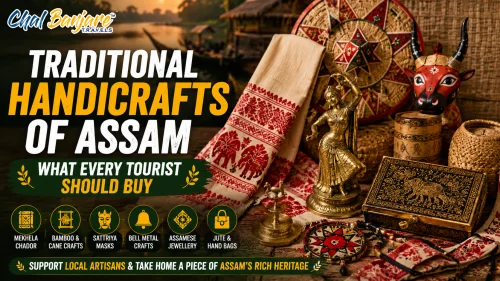
Satras, villages, and artisan communities form an important part of Upper Assam's cultural landscape. Majuli's Satras preserve Vaishnavite traditions, while villages across the region showcase handloom weaving, bamboo crafts, pottery, and traditional skills passed through generations. Exploring these places provides insight into the creativity and heritage of local communities.
Visitors can support local artisans by purchasing authentic handmade products and interacting respectfully with craftsmen. These experiences help travelers understand the connection between culture, livelihood, and tradition.
Satras, villages, and handicraft traditions reveal the artistic and spiritual heritage that continues to shape Upper Assam's identity.
Traditional food, music, and performing arts are essential parts of Upper Assam's cultural experience. Regional cuisine reflects local ingredients and cooking methods, while traditional music and dance preserve stories, beliefs, and community traditions. Exploring these cultural elements provides visitors with a more complete understanding of Assamese heritage beyond monuments and landscapes.
Local restaurants, cultural programs, and community events offer opportunities to experience these traditions. Travelers should appreciate local practices respectfully while exploring the region's diverse cultural expressions.
Food, music, and cultural traditions add depth to an Upper Assam journey by connecting visitors with the region's living heritage.
The journey to Majuli Island is an important part of the experience, with ferry crossings offering scenic views of the vast Brahmaputra River and surrounding landscapes. The river journey introduces visitors to the unique geography of one of the world's largest inhabited river islands while connecting them with Majuli's cultural and natural attractions.
Ferry schedules may vary depending on river conditions, so travelers should check timings before departure. Daytime crossings generally provide better visibility for enjoying the changing river scenery.
The ferry journey to Majuli transforms travel into an experience by showcasing the scale and beauty of the Brahmaputra River.
The river landscapes and island villages of Upper Assam provide visitors with peaceful experiences shaped by the Brahmaputra. Areas around Majuli and other river settlements showcase traditional homes, agricultural fields, wetlands, fishing activities, and communities that have adapted to life along the river.
Exploring these locations at a relaxed pace allows travelers to appreciate the connection between nature and local lifestyles. Respectful interaction with residents helps preserve the authenticity of these experiences.
River landscapes and island villages offer a closer understanding of how the Brahmaputra shapes the culture and environment of Upper Assam.
Upper Assam is home to several peaceful riverside destinations where visitors can enjoy scenic views, local communities, and natural surroundings away from busy tourist areas. Riverbanks near towns and villages provide opportunities for photography, relaxation, and observing the relationship between people and the Brahmaputra.
Evening hours are especially rewarding for enjoying river views as the changing light creates beautiful landscapes. Travelers should follow local guidelines when visiting river areas, especially during changing water conditions.
Riverside destinations across Upper Assam provide calm and scenic experiences that highlight the region's deep connection with the Brahmaputra River.
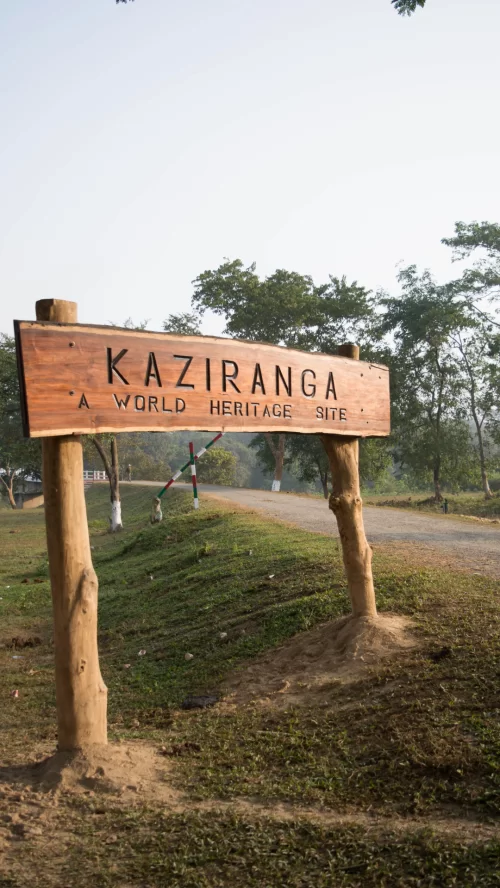
Kaziranga National Park is one of Assam's most important wildlife destinations and is internationally known for its population of the one-horned rhinoceros. The park's grasslands, wetlands, forests, and riverine habitats support a wide variety of wildlife including elephants, wild buffalo, deer, and numerous bird species. Safari experiences provide visitors with opportunities to explore this unique ecosystem.
Different safari ranges offer varied landscapes and wildlife sightings. Early morning and afternoon safaris are generally preferred for comfortable weather and better chances of observing active animals.
Kaziranga offers one of India's most remarkable wildlife experiences through its unique landscapes and protected biodiversity.
Dibru Saikhowa National Park in Upper Assam is known for its riverine ecosystem, wetlands, forests, and unique biodiversity. Located near the Brahmaputra and Dibru rivers, the park offers opportunities to experience less-explored wilderness areas with diverse birdlife, aquatic habitats, and rare species. Its landscape differs significantly from the grasslands of Kaziranga.
Visitors can explore the region through boat rides, nature experiences, and local guided activities depending on seasonal conditions. The wetland environment makes it particularly attractive for birdwatchers and nature enthusiasts.
Dibru Saikhowa provides a different wildlife experience through its rivers, wetlands, forests, and peaceful natural surroundings.
Dehing Patkai National Park represents Assam's rainforest ecosystem and is known for its dense forests, biodiversity, and rich natural environment. Often referred to as the "Amazon of the East," the region contains evergreen forests, streams, and diverse plant and animal species that make it an important destination for nature exploration.
Visitors interested in rainforest landscapes can explore the surrounding areas through guided experiences while respecting forest regulations. The region is especially suitable for travelers interested in ecology, photography, and peaceful natural environments.
Dehing Patkai showcases Assam's rainforest heritage and offers visitors an opportunity to experience one of the state's most important natural landscapes.
Upper Assam offers a diverse range of experiences including Ahom heritage sites, tea landscapes, river islands, wildlife destinations, and traditional communities. History enthusiasts can focus on Sivasagar and Charaideo, nature lovers can explore Kaziranga and Dibru Saikhowa, while cultural travelers can experience Majuli, villages, and tea communities.
Selecting destinations based on personal interests allows visitors to create a balanced journey that combines monuments, landscapes, wildlife, and authentic local experiences.
A well-planned Upper Assam journey allows travelers to experience the region's historical, cultural, and natural richness in a meaningful way.
A complete Upper Assam itinerary can combine Guwahati, Kaziranga, Majuli, Jorhat, Sivasagar, Dibrugarh, and nearby nature destinations. This route connects wildlife experiences, Ahom heritage, tea tourism, river journeys, and cultural attractions across the region while allowing visitors to experience different landscapes.
Travelers should consider travel distances, ferry schedules, safari timings, and seasonal conditions while planning. Allowing sufficient days helps avoid rushing and provides more time for local experiences.
A carefully planned itinerary helps visitors explore the major attractions of Upper Assam while enjoying a comfortable and enriching journey.
Travelers exploring Upper Assam should carry comfortable footwear, weather-appropriate clothing, personal medicines, insect protection, drinking water, identification documents, camera equipment, and power banks. Those visiting wildlife parks should carry necessary permits or booking confirmations, while travelers using ferries should keep belongings protected from water exposure.
Before departure, check weather conditions, safari availability, ferry schedules, accommodation options, and local travel updates. Respect wildlife rules, cultural customs, and heritage sites while following responsible tourism practices throughout the journey.
Proper preparation helps travelers enjoy Upper Assam's heritage, nature, wildlife, and cultural experiences while traveling responsibly.


Get customized Assam tour planning designed around seasonal weather patterns, river conditions, wildlife safari timing, and realistic road travel flow. Whether you are visiting for national parks, tea estate stays, cultural experiences, spiritual sites, o
⚡ Quick Response | 💰 Free consultation | 🕒 24×7 expert support