
How Tea is Made in Assam – A Tourist's Guide
Understanding how tea is made in Assam allows travellers to explore plantations, learn traditional processing methods, and experience the journey from fresh tea leaves to the final product.
+91 9910402252
admin@chalbanjare.com


While Kamakhya Temple is Guwahati’s most famous attraction, the city also offers river islands, wildlife sanctuaries, cultural centers, lakes, museums, viewpoints, and authentic Assamese experiences.
The Brahmaputra riverfront is one of Guwahati's most enjoyable public spaces, where visitors can experience the city's connection with one of Asia's largest rivers. Wide walking areas, landscaped sections, seating spaces, and uninterrupted river views make the promenade ideal for leisurely strolls throughout the day. The constantly changing appearance of the river creates a relaxing atmosphere that contrasts with the busy city streets.
Early mornings are popular for peaceful walks and fresh air, while evenings attract families, photographers, and local residents enjoying cooler temperatures. The promenade also offers beautiful views of ferries crossing the river, Umananda Island in the distance, and colorful sunsets that transform the Brahmaputra into one of Guwahati's finest natural attractions.
The Brahmaputra riverfront offers visitors a peaceful way to experience Guwahati through wide river views, open spaces, and a relaxed atmosphere beside the city's most important natural landmark.
A sunset cruise on the Brahmaputra River is one of Guwahati's signature experiences, allowing visitors to admire the city from the water while enjoying beautiful evening scenery. As the sun gradually sets, warm golden light reflects across the broad river, creating spectacular views of Nilachal Hill, Umananda Island, and the surrounding riverbanks. The peaceful movement of the boat provides a refreshing escape from the city's busy roads.
Many cruises operate during the main tourism season and offer comfortable seating while some include cultural performances or refreshments. Sunset remains the most popular departure time because of the exceptional lighting conditions and pleasant weather. Advance booking is advisable during weekends, holidays, and festival periods.
A Brahmaputra sunset cruise provides an unforgettable combination of scenic beauty, relaxation, and panoramic views of Guwahati's riverside landmarks.
Located in the middle of the Brahmaputra River, Umananda Island is one of Guwahati's most distinctive attractions. Accessible by short ferry rides, the island is home to the historic Umananda Temple dedicated to Lord Shiva. The ferry journey itself offers beautiful views of the wide river while allowing visitors to appreciate Guwahati's skyline from a unique perspective.
After arriving on the island, visitors can explore the temple, enjoy peaceful surroundings, and photograph the river from elevated viewpoints. Morning and evening remain the preferred visiting times because of pleasant temperatures and softer natural light. The combination of spirituality, history, and river scenery makes Umananda Island an essential stop for first-time travelers.
Umananda Island combines spirituality, history, and beautiful river scenery into one of Guwahati's most memorable sightseeing experiences.
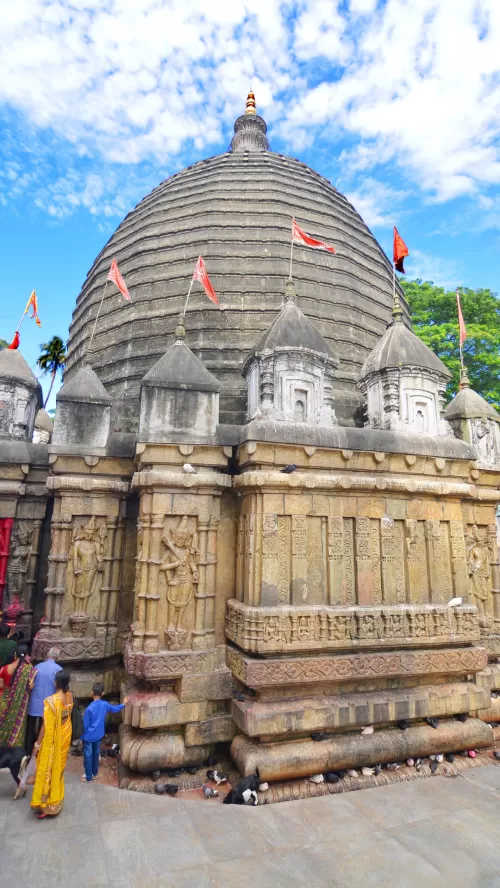
Kamakhya Temple is Guwahati's most important cultural and spiritual landmark, attracting pilgrims and travelers from across India. Situated atop Nilachal Hill, the temple is one of the country's revered Shakti Peethas and represents centuries of religious tradition, architecture, and Assamese heritage. The elevated location also provides spectacular panoramic views of Guwahati and the Brahmaputra River.
Visitors generally begin their sightseeing itinerary here because of its historical importance and scenic setting. Morning visits provide cooler weather and a more peaceful atmosphere before larger crowds arrive. Respectful clothing and observance of temple customs help ensure a comfortable experience while exploring one of Assam's most significant religious destinations.
Kamakhya Temple combines spirituality, history, and scenic beauty, making it Guwahati's most iconic cultural attraction.
Srimanta Sankardev Kalakshetra is one of Assam's premier cultural institutions, dedicated to preserving the state's art, literature, music, theatre, dance, and traditional heritage. Named after the great Assamese saint and social reformer Srimanta Sankardev, the complex includes museums, cultural galleries, auditoriums, and exhibition spaces that introduce visitors to the rich traditions of Assam.
The well-maintained campus provides an educational experience for travelers interested in understanding Assamese culture beyond temples and historical monuments. Cultural performances and exhibitions are organized throughout the year, offering visitors opportunities to experience local artistic traditions in an authentic setting.
Srimanta Sankardev Kalakshetra offers an enriching cultural experience that highlights Assam's artistic traditions, literature, and performing arts.
Assam State Museum preserves an extensive collection of archaeological artifacts, sculptures, manuscripts, traditional costumes, tribal objects, coins, and historical exhibits representing the state's rich heritage. The museum provides valuable context for travelers planning to explore destinations such as Sivasagar, Majuli, Kaziranga, and Tezpur by introducing the historical and cultural development of Assam.
The galleries are organized to help visitors understand different aspects of Assamese civilization, from ancient history to indigenous communities and regional craftsmanship. A visit here is especially worthwhile at the beginning of an Assam itinerary because it provides useful background before exploring the state's historical landmarks.
Assam State Museum provides visitors with an excellent introduction to the state's rich history, archaeology, and cultural diversity before exploring Assam further.
Nilachal Hill is Guwahati's most famous viewpoint and offers spectacular panoramic views across the city, the Brahmaputra River, distant hills, and surrounding landscapes. Besides being home to the revered Kamakhya Temple, the hill attracts photographers and nature lovers who wish to appreciate Guwahati from above. The elevated location provides excellent visibility during clear weather, especially throughout the winter season.
Visitors often spend additional time around the viewpoint after exploring the temple complex, enjoying the scenery before continuing their sightseeing itinerary. Sunrise and sunset are particularly rewarding because soft natural light enhances both the cityscape and the river below. Carrying a camera with a wide-angle lens helps capture the expansive landscape.
Nilachal Hill combines spiritual significance with outstanding panoramic scenery, making it Guwahati's premier viewpoint.
Sukreswar Hill offers another impressive viewpoint overlooking the Brahmaputra River while also housing the historic Sukreswar Temple dedicated to Lord Shiva. The elevated location provides broad views across the river and surrounding cityscape, making it a peaceful destination for both sightseeing and spiritual visits. The combination of temple architecture and riverside scenery creates attractive opportunities for photography throughout the day.
Visitors frequently include Sukreswar Hill within a Brahmaputra riverfront itinerary because of its convenient location and relaxing atmosphere. Early morning and late afternoon remain the most comfortable times to visit, allowing travelers to appreciate both the temple surroundings and the changing colors across the river.
Sukreswar Hill offers visitors a rewarding combination of panoramic river views, historic architecture, and peaceful surroundings.
The ferry ghat serving Umananda Island offers several attractive viewpoints overlooking the Brahmaputra River, ferries, Peacock Island, and the surrounding city skyline. Visitors waiting for ferry departures often enjoy photographing boats crossing the river while observing daily life along the waterfront. The wide open views make this one of Guwahati's most accessible riverside photography locations.
During sunrise and sunset, changing light creates colorful reflections across the river while highlighting Nilachal Hill and distant landscapes. Walking around the ferry terminal also provides opportunities to capture different angles of the river and nearby attractions. The combination of river activity and scenic views makes this area especially popular with travel photographers.
The viewpoints around Umananda Island ferry ghat provide visitors with some of Guwahati's finest riverside scenery while showcasing the city's close relationship with the Brahmaputra River.
Pobitora Wildlife Sanctuary is one of the most rewarding wildlife destinations near Guwahati and is widely known for its exceptionally high density of the endangered one-horned rhinoceros. Located about 50 kilometers from the city, the sanctuary offers an excellent day trip for travelers who cannot visit Kaziranga National Park but still wish to experience Assam's famous wildlife. Open grasslands, wetlands, and marshes create ideal habitats for rhinos and many other species.
Jeep safaris remain the most popular way to explore the sanctuary, while early morning drives provide the best opportunities for wildlife observation and photography. Besides rhinos, visitors may also encounter wild boar, buffalo, deer, reptiles, and numerous bird species. The relatively compact size of the sanctuary often allows rewarding wildlife sightings within a shorter visit.
Pobitora Wildlife Sanctuary offers one of the finest wildlife experiences near Guwahati, especially for visitors hoping to observe Assam's iconic one-horned rhinoceros.
Deepor Beel is one of Assam's most important wetland ecosystems and a favorite destination for birdwatchers visiting Guwahati. The freshwater wetland supports a rich variety of resident and migratory bird species, making it particularly attractive during the winter months when seasonal visitors arrive in large numbers. Calm surroundings and expansive wetlands create excellent conditions for wildlife observation.
Early mornings remain the most productive time for birdwatching because bird activity is highest soon after sunrise. Visitors should carry binoculars and telephoto lenses while maintaining a respectful distance from wildlife. The peaceful atmosphere also makes Deepor Beel an ideal destination for photographers interested in wetland landscapes and aquatic birdlife.
Deepor Beel combines exceptional birdwatching with beautiful wetland scenery, making it one of the most rewarding natural attractions near Guwahati.
Hoollongapar Gibbon Sanctuary, located in Upper Assam near Jorhat, is India's only protected sanctuary dedicated primarily to hoolock gibbons. Although it requires a longer journey from Guwahati than Pobitora, it offers a unique wildlife experience for travelers continuing toward Jorhat, Majuli, or Upper Assam. Dense evergreen forests support hoolock gibbons along with capped langurs, macaques, squirrels, birds, reptiles, and diverse plant life.
Guided walks through designated forest trails provide opportunities to hear and observe gibbons moving through the forest canopy. Early mornings are particularly rewarding because gibbons are most active during the first hours after sunrise. Responsible wildlife viewing and quiet behavior help maximize sightings while protecting the sanctuary's fragile ecosystem.
Hoollongapar Gibbon Sanctuary provides a unique forest wildlife experience that complements Assam's famous grassland and wetland destinations.
Umananda Island, situated in the middle of the Brahmaputra River, is one of Guwahati's most recognizable landmarks and an essential destination for visitors interested in both spirituality and river landscapes. The island houses the historic Umananda Temple dedicated to Lord Shiva and is reached by a short ferry ride that offers scenic views across the broad river. The peaceful atmosphere creates a welcome contrast to the busy city.
Walking around the island allows visitors to enjoy elevated viewpoints overlooking the Brahmaputra while exploring the temple complex and surrounding natural scenery. Morning visits provide cooler weather and calmer ferry operations, while evenings offer beautiful lighting for photography. The combination of history, religion, and river landscapes makes Umananda Island a memorable stop.
Umananda Island combines spiritual heritage, river scenery, and ferry travel into one of Guwahati's most enjoyable sightseeing experiences.
Ferry rides across the Brahmaputra offer visitors a simple yet memorable way to experience the immense scale of one of Asia's largest rivers. Besides providing transportation to Umananda Island, ferries also allow travelers to appreciate Guwahati's skyline, Nilachal Hill, riverbanks, and surrounding landscapes from the water. The slow pace of the crossing encourages visitors to enjoy the changing scenery throughout the journey.
Morning and evening crossings provide the most comfortable weather while also offering attractive natural lighting for photography. Watching boats, fishermen, birds, and everyday river activity helps visitors understand the important role the Brahmaputra continues to play in daily life across Assam.
A ferry journey across the Brahmaputra provides one of Guwahati's most authentic and scenic travel experiences while showcasing the city's close relationship with the river.
Evenings along the Brahmaputra are among the most peaceful times to explore Guwahati. As the sun gradually sets behind the distant hills, warm golden colors spread across the river, creating spectacular reflections and panoramic views. Visitors can enjoy these scenes from the riverfront promenade, ferries, or organized evening cruises that provide uninterrupted views of the surrounding landscapes.
Photographers particularly appreciate this period because changing light enhances both the river and city skyline. Families and couples often choose evening cruises or leisurely riverside walks to conclude a day of sightseeing. The calm atmosphere and wide open scenery make the Brahmaputra one of Guwahati's defining travel experiences.
Riverside sunsets and evening cruises showcase the beauty of the Brahmaputra while creating one of Guwahati's most memorable travel experiences.
Guwahati is one of the best places to experience authentic Assamese cuisine, with numerous traditional restaurants serving regional recipes prepared using fresh local ingredients. Assamese meals generally feature rice, freshwater fish, seasonal vegetables, lentils, herbs, bamboo shoots, and mild spices that emphasize natural flavors. Visitors can enjoy complete Assamese thalis that introduce multiple regional dishes within a single meal, making them ideal for first-time travelers.
Many long-established restaurants continue preparing recipes that reflect the culinary traditions of different parts of Assam. Dining at these establishments provides more than just a meal, offering visitors an opportunity to understand the state's food culture through locally sourced ingredients and traditional cooking methods. Lunch is often the best time to enjoy a full Assamese meal.
Authentic Assamese cuisine provides one of the most enjoyable cultural experiences in Guwahati while introducing visitors to the rich culinary traditions of the state.
Traditional Assamese sweets are an important part of Guwahati's culinary heritage and are widely available at local sweet shops throughout the city. Rice-based desserts, milk sweets, seasonal delicacies, and festive specialties reflect recipes that have been prepared across Assam for generations. Many of these sweets use locally produced ingredients while preserving authentic regional flavors.
Visitors often enjoy these specialties with freshly brewed Assam tea, creating a classic regional tea-time experience. Local bakeries and traditional sweet shops provide opportunities to sample a variety of flavors while supporting long-established family businesses. Festival seasons also introduce additional seasonal delicacies that reflect Assamese culinary traditions.
Traditional sweets add another memorable dimension to Guwahati's food culture while showcasing Assam's long-established culinary heritage.
Fancy Bazaar is one of Guwahati's busiest commercial districts and an excellent destination for experiencing the city's vibrant street food culture. Food stalls, cafés, and local eateries serve a wide variety of snacks, regional favorites, tea, sweets, and quick meals throughout the day. The lively atmosphere makes the area especially popular during the evening when both residents and visitors gather to shop and dine.
Walking through Fancy Bazaar allows travelers to combine shopping with food exploration while experiencing everyday city life. Visitors can enjoy local snacks together with regional beverages before continuing to nearby markets or the Brahmaputra riverfront. Evening remains the most popular time for exploring the area's food scene.
Fancy Bazaar introduces visitors to Guwahati's lively food culture through traditional snacks, local flavors, and the energetic atmosphere of one of the city's busiest markets.
Assam State Zoo and Botanical Garden is one of Guwahati's most popular family attractions, offering an enjoyable combination of wildlife, education, and green open spaces. The zoo houses a variety of native and exotic animals while the botanical garden provides landscaped surroundings with numerous plant species. Families can comfortably spend several hours exploring the spacious complex at a relaxed pace.
Wide walking paths, shaded seating areas, and educational displays make the attraction suitable for visitors of all ages. Children particularly enjoy observing the animals while adults appreciate the peaceful botanical gardens. Morning visits are recommended because temperatures are cooler and many animals are more active during the early part of the day.
The Assam State Zoo and Botanical Garden provides an enjoyable day out where wildlife, education, and nature come together for visitors of every age.
The Regional Science Centre is an engaging educational attraction where families can explore interactive scientific exhibits, demonstrations, and learning activities designed for visitors of all ages. The center encourages hands-on participation while making science enjoyable through practical displays and educational programs. It is especially popular with school groups and families traveling with children.
Nearby public parks and recreational areas provide additional opportunities for relaxation after visiting the science center. Landscaped gardens, walking paths, and open spaces allow children to play while adults enjoy the peaceful surroundings. Combining these attractions creates a balanced day of learning and recreation within Guwahati.
The Regional Science Centre combines education and recreation, making it one of Guwahati's most enjoyable attractions for families traveling with children.
The Brahmaputra riverfront offers several enjoyable recreational experiences for families, including scenic boat rides, riverside walks, landscaped public spaces, and open areas where visitors can relax while enjoying the wide river views. The calm atmosphere encourages slow travel and provides opportunities for children and adults to appreciate Guwahati's natural surroundings together.
Evening is particularly popular because cooler temperatures make outdoor activities more comfortable. Families often combine boat rides with sunset views before enjoying dinner at nearby restaurants. The riverfront remains one of the city's most accessible places for relaxed outdoor recreation without leaving the urban area.
The Brahmaputra riverfront provides families with a peaceful outdoor environment where sightseeing, recreation, and river experiences come together naturally.
Guwahati offers a balanced combination of spirituality, history, wildlife, nature, and river experiences that can be customized according to individual travel interests. Visitors interested in culture should prioritize Kamakhya Temple, Assam State Museum, and Srimanta Sankardev Kalakshetra. Nature enthusiasts can explore Deepor Beel, the Assam State Zoo and Botanical Garden, and the Brahmaputra riverfront, while travelers seeking scenic experiences should include Umananda Island and a sunset river cruise.
Rather than rushing through numerous attractions in a single day, visitors should allow enough time to appreciate each destination. Combining heritage sites with natural attractions and evening river experiences creates a well-rounded introduction to Guwahati while keeping travel comfortable and enjoyable.
A balanced itinerary allows visitors to appreciate Guwahati's unique blend of spirituality, river landscapes, wildlife, and Assamese cultural heritage.
A practical Guwahati itinerary begins with Kamakhya Temple and Nilachal Hill before continuing to Assam State Museum, Srimanta Sankardev Kalakshetra, or the Assam State Zoo and Botanical Garden. The afternoon can include Deepor Beel or local markets, while the evening is best reserved for the Brahmaputra riverfront, Umananda Island ferry area, or a sunset cruise. Visitors with additional time may also plan a day trip to Pobitora Wildlife Sanctuary.
Keeping the itinerary flexible allows sufficient time for photography, local cuisine, shopping, and relaxed sightseeing without unnecessary rushing. Guwahati also serves as an excellent gateway to Kaziranga, Shillong, and other destinations across Northeast India, making it a convenient starting point for longer journeys.
A thoughtfully planned itinerary helps first-time visitors experience Guwahati's most important attractions while maintaining a relaxed and enjoyable pace.
Visitors should carry comfortable walking shoes, lightweight clothing suitable for Assam's climate, sunscreen, drinking water, personal medicines, insect repellent for wetland areas, rain protection during the monsoon, valid identification, and camera equipment for photography. Binoculars are also useful when visiting Deepor Beel or nearby wildlife destinations.
Before starting each day, check ferry schedules for Umananda Island, weather forecasts, and opening hours for museums or attractions. Dress modestly while visiting temples, respect local customs, and support local businesses by purchasing authentic Assamese handicrafts and regional products. Responsible travel ensures a rewarding experience while preserving Guwahati's cultural and natural heritage.
With thoughtful planning and adequate preparation, Guwahati offers an enriching travel experience through its temples, riverfront, wildlife, parks, museums, and vibrant Assamese culture.


Get customized Assam tour planning designed around seasonal weather patterns, river conditions, wildlife safari timing, and realistic road travel flow. Whether you are visiting for national parks, tea estate stays, cultural experiences, spiritual sites, o
⚡ Quick Response | 💰 Free consultation | 🕒 24×7 expert support