How Tea is Made in Assam – A Tourist's Guide
Understanding how tea is made in Assam allows travellers to explore plantations, learn traditional processing methods, and experience the journey from fresh tea leaves to the final product.
+91 9910402252
admin@chalbanjare.com


Assam offers incredible photography opportunities ranging from wildlife and tea gardens to river islands, ancient monuments, wetlands, cultural villages, and dramatic Brahmaputra landscapes.
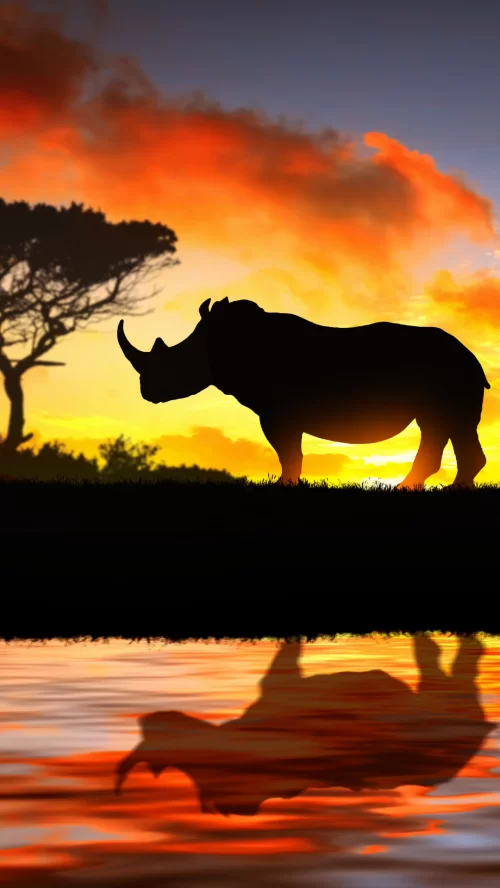
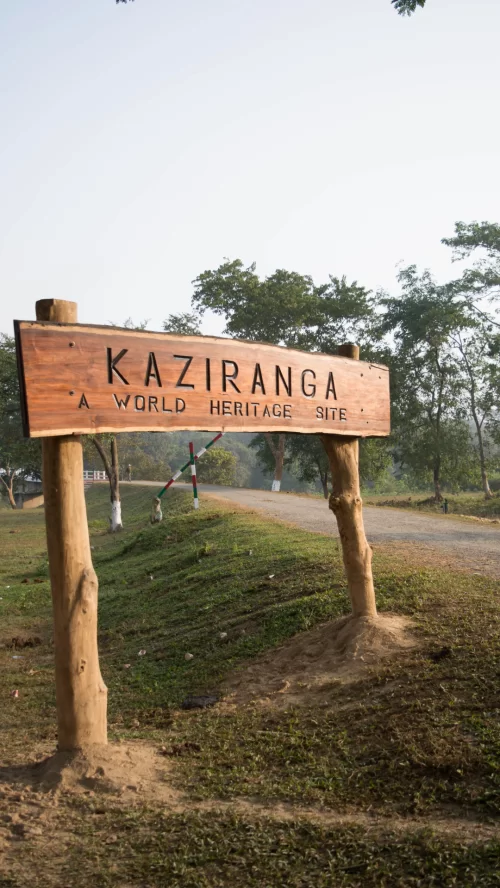
Kaziranga National Park is one of Assam's most important wildlife photography destinations, especially for capturing the iconic one-horned rhinoceros in its natural habitat. The park's grasslands, wetlands, and forest landscapes provide diverse backgrounds for wildlife photography while showcasing the relationship between animals and their environment.
Early morning safaris often provide suitable lighting conditions and comfortable weather for photographers. Visitors should follow safari rules and maintain safe distances while photographing wildlife.
Kaziranga offers photographers the opportunity to capture Assam's famous wildlife along with its unique natural landscapes.
Manas National Park provides photographers with opportunities to capture elephants, deer, birds, forests, rivers, and Himalayan foothill landscapes. The combination of grasslands, woodland areas, and water bodies creates a variety of photography settings that are different from Assam's other wildlife destinations.
Wildlife movement changes according to season and natural conditions, making each photography experience unique. Patience and responsible observation are important while exploring the park.
Manas National Park provides photographers with diverse wildlife and landscape opportunities across its protected ecosystems.
Pobitora Wildlife Sanctuary is known for its one-horned rhinoceros population and offers wildlife photography opportunities close to Guwahati. The sanctuary's grasslands and wetlands create suitable settings for capturing rhinos, birds, and natural landscapes within a compact wildlife area.
Its accessibility makes it a practical option for visitors interested in wildlife photography without traveling far from the city. Photography should be conducted while following sanctuary guidelines.
Pobitora provides a convenient wildlife photography experience focused on rhinoceroses, birds, and wetland environments.
The tea regions of Jorhat and Dibrugarh offer some of Assam's most recognizable landscape photography opportunities. Endless rows of tea plants, green plantations, estate pathways, and surrounding countryside create visually appealing scenes that represent the heritage of Assam's tea industry.
Morning and evening hours often provide softer natural light for capturing plantation landscapes. Visitors should follow estate guidelines while exploring tea gardens.
Tea plantations across Upper Assam provide photographers with peaceful landscapes connected with the region's tea heritage.
Tea gardens provide opportunities to capture not only landscapes but also the human stories connected with tea cultivation. Photography of workers, traditional activities, and plantation environments can showcase the daily life and cultural aspects of Assam's tea regions.
Visitors should always seek permission before photographing individuals and respect the privacy of local communities working in plantations.
Tea gardens offer photographers a chance to capture both natural beauty and the communities connected with plantation life.
The roads passing through Assam's tea estates provide beautiful photography opportunities with plantation rows, greenery, countryside landscapes, and peaceful surroundings. These routes offer a slower way to explore the tea regions while discovering scenic locations away from crowded attractions.
Travelers exploring estate roads should remain aware of local access restrictions and respect private plantation areas while taking photographs.
Tea estate roads provide photographers with peaceful views of Assam's countryside and plantation landscapes.
The Brahmaputra riverfront in Guwahati provides excellent photography opportunities during sunrise and sunset when changing light creates reflections across the water and highlights the surrounding landscapes. The wide river views, boats, city surroundings, and distant hills create varied compositions for photographers.
Golden hour periods are especially suitable for capturing atmospheric river scenes. Weather conditions influence visibility, so clear days generally provide better opportunities for landscape photography.
Guwahati riverfront offers photographers a combination of urban landscapes and natural beauty along the Brahmaputra.
The Brahmaputra River offers diverse photography subjects including traditional boats, river islands, ferry movements, sandbanks, and riverside communities. These elements reflect the relationship between people and the river while creating dynamic visual opportunities across different locations in Assam.
Photographers exploring riverside areas should respect local communities and avoid disturbing daily activities while capturing authentic moments.
River photography along the Brahmaputra captures both natural landscapes and the lifestyles connected with the waterway.
Different locations across Assam provide unique viewpoints of the Brahmaputra River, from city riverfronts to quiet countryside areas and island landscapes. These viewpoints allow photographers to capture the scale of the river, surrounding environments, and seasonal changes that shape the region.
Exploring multiple locations provides varied photography experiences, as each section of the Brahmaputra offers different landscapes and perspectives.
The Brahmaputra viewpoints across Assam provide photographers with diverse perspectives of the state's most important river.
Majuli's Satras provide photographers with opportunities to capture traditional architecture, prayer halls, cultural spaces, and artistic details connected with Assamese Vaishnavite heritage. The peaceful surroundings and historic character of these institutions create meaningful subjects for cultural photography.
Photography at Satras should be done respectfully by following local guidelines and avoiding disturbance during religious or cultural activities.
Majuli's Satras allow photographers to capture the island's spiritual heritage and traditional architectural identity.
Mishing villages of Majuli offer photography opportunities through traditional homes, agricultural activities, local crafts, and everyday community life. These villages provide authentic views of island culture and showcase how people have adapted their lifestyles to the river environment.
Photographers should seek permission before capturing people and respect local customs while documenting village experiences.
Village photography in Majuli provides insight into traditional lifestyles and the cultural diversity of the island.
The natural landscapes of Majuli provide photographers with opportunities to capture riverbanks, wetlands, farmland, and open countryside views. The changing environment influenced by the Brahmaputra creates different scenes throughout the year, from green agricultural fields to peaceful river landscapes.
Sunrise and sunset hours are especially suitable for landscape photography when natural light enhances the island's surroundings.
Majuli's river landscapes and countryside provide photographers with peaceful natural settings shaped by the Brahmaputra.
Rang Ghar and Talatal Ghar are among the most significant heritage structures of the Ahom period and provide excellent photography opportunities through their historic architecture and unique designs. The monuments reflect the engineering skills and royal heritage of Assam's past, making them important subjects for architectural photography.
Different angles around these structures allow photographers to capture details of their construction, surroundings, and historical character. Early morning and evening light can enhance architectural photography.
Rang Ghar and Talatal Ghar offer photographers a chance to capture Assam's Ahom heritage through remarkable historic structures.
Charaideo Maidams provide a unique photography experience through their historic burial mounds, landscape setting, and connection with the Ahom dynasty. The peaceful surroundings and distinctive architectural elements create opportunities for heritage photography focused on history, design, and cultural significance.
Visitors should follow site guidelines while photographing these important heritage locations and maintain respect for their historical importance.
Charaideo Maidams provide photographers with a combination of historical architecture and cultural landscapes.
Upper Assam is home to several historic monuments that reflect the region's royal, religious, and cultural heritage. Places around Sivasagar and nearby areas offer photography opportunities through ancient structures, temple complexes, archaeological remains, and traditional architectural styles.
Exploring these locations allows photographers to document Assam's history while appreciating the craftsmanship and cultural significance of these heritage sites.
Historic monuments across Upper Assam provide diverse photography subjects connected with the region's rich heritage.
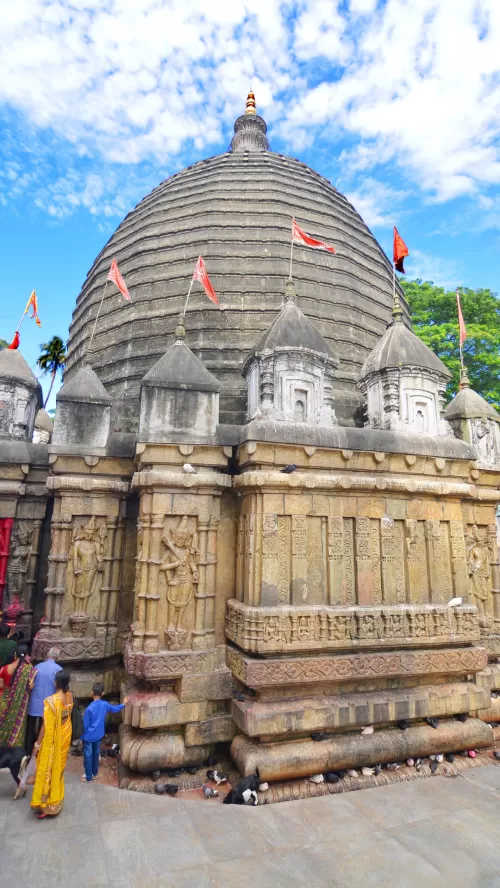
Kamakhya Temple on Nilachal Hill is one of Assam's most important religious landmarks and offers photography opportunities through its architecture, surroundings, and hilltop views. The temple complex reflects traditional Assamese design elements while the elevated location provides views of the surrounding Guwahati landscape.
Photography rules may apply in certain areas of the temple complex, so visitors should follow local guidelines and respect religious activities.
Kamakhya Temple provides photographers with opportunities to capture spiritual architecture and scenic hill surroundings.
Sivadol and the temple complexes around Sivasagar Tank offer important heritage photography opportunities through their historic architecture and peaceful surroundings. The temples represent the religious and architectural heritage of the Ahom period and provide subjects for capturing traditional designs and cultural landscapes.
The reflection of temple structures near the water and surrounding heritage areas creates additional photography possibilities for visitors exploring Sivasagar.
Sivasagar temple complexes allow photographers to capture Assam's religious heritage and historic architecture.
Assam's ancient temples showcase traditional architectural styles influenced by regional history and cultural practices. From historic temple complexes to smaller sacred structures, these locations provide photography opportunities through carvings, designs, surroundings, and religious landscapes.
Visitors should photograph temple areas respectfully and follow restrictions related to religious spaces and ceremonies.
Ancient temples across Assam provide photographers with opportunities to explore regional architecture and cultural heritage.
Deepor Beel near Guwahati is an important wetland destination for bird photography and nature observation. The area attracts various resident and migratory bird species, especially during suitable seasons, making it a valuable location for photographers interested in wetlands and avian life.
Early morning hours are generally preferred for bird photography due to better light conditions and higher activity levels. Visitors should maintain distance and avoid disturbing birds or the wetland environment.
Deepor Beel provides photographers with opportunities to capture Assam's wetland biodiversity and seasonal bird movements.
The wetlands around Kaziranga National Park offer diverse photography opportunities through water bodies, grasslands, birds, and wildlife habitats. These landscapes support a variety of species and create natural settings where photographers can capture the connection between animals, vegetation, and water ecosystems.
Wildlife photography around wetlands requires patience and responsible observation. Visitors should follow park regulations and maintain safe distances from animals.
Kaziranga's wetlands provide photographers with diverse subjects ranging from birds and wildlife to natural landscapes.
Assam's river ecosystems, including areas along the Brahmaputra and connected wetlands, create important habitats for many bird species. These locations offer photographers opportunities to capture birds, river landscapes, islands, and natural environments shaped by seasonal changes.
Bird photography experiences vary depending on location, weather, and migration patterns. Carrying suitable equipment and observing quietly improves photography opportunities.
River ecosystems across Assam provide photographers with unique opportunities to capture birds and natural landscapes together.
Haflong Lake is one of the most recognizable natural attractions in Dima Hasao and offers photography opportunities through its water views, surrounding hills, and peaceful town landscape. The combination of lake scenery and mountain surroundings creates attractive compositions throughout the day.
Morning and evening hours provide suitable lighting conditions for capturing reflections, landscapes, and the calm atmosphere around the lake.
Haflong Lake provides photographers with a peaceful combination of water landscapes and Assam's hill scenery.
Jatinga Valley offers photography opportunities through its rolling hills, village surroundings, landscapes, and natural viewpoints. The peaceful environment and mountain scenery provide a different perspective of Assam beyond its river plains and wildlife destinations.
Photographers can explore viewpoints and countryside areas while respecting local communities and natural surroundings.
Jatinga Valley offers photographers opportunities to capture the peaceful hill landscapes and rural beauty of Dima Hasao.
Dima Hasao features diverse natural landscapes including waterfalls, forests, valleys, and hill areas that provide excellent photography opportunities. These locations showcase a different side of Assam through mountain scenery, green surroundings, and less crowded natural environments.
Seasonal changes influence the appearance of waterfalls and landscapes, with different periods offering varied photography experiences. Visitors should check accessibility before exploring remote locations.
The natural landscapes of Dima Hasao provide photographers with opportunities to capture Assam's hill beauty and wilderness.
Assam villages provide photographers with opportunities to capture traditional lifestyles, rural landscapes, homes, agricultural activities, and everyday community experiences. Village environments reflect the relationship between people, nature, and cultural practices that have developed across generations in different regions of Assam.
Photographers should approach village communities respectfully and seek permission when capturing personal moments or cultural activities.
Village photography helps document the traditional lifestyles and cultural identity preserved across rural Assam.
Mishing communities of Majuli and Dimasa communities of Dima Hasao offer unique photography opportunities through traditional homes, crafts, festivals, clothing, food traditions, and cultural practices. These experiences allow photographers to capture the diversity of indigenous cultures found across Assam.
Responsible photography is important while documenting community traditions, especially during cultural events and interactions with local residents.
Mishing and Dimasa communities provide photographers with opportunities to capture Assam's rich indigenous heritage.
Festivals, handicrafts, and community traditions offer meaningful photography opportunities by showcasing Assam's cultural expressions. Traditional performances, artisan activities, handmade crafts, and local celebrations provide subjects that reflect the creativity and heritage maintained by different communities across the state.
Photographers should follow local guidelines during festivals and cultural events to ensure respectful documentation of traditions.
Cultural photography across Assam allows visitors to document traditions, crafts, and community life through meaningful visual storytelling.
Assam offers diverse photography opportunities ranging from wildlife landscapes in national parks to cultural experiences in villages, heritage monuments, tea gardens, rivers, and hill regions. Photographers can choose destinations according to their interests, whether focusing on animals, landscapes, architecture, people, or traditional lifestyles.
Selecting locations based on photography goals helps create a balanced journey and allows enough time to explore different environments across Assam.
Choosing suitable photography locations helps travelers capture the diverse landscapes and cultural experiences of Assam.
A complete Assam photography itinerary can combine wildlife destinations such as Kaziranga and Manas with cultural locations like Majuli, Sivasagar heritage sites, tea regions, Brahmaputra landscapes, and Dima Hasao hills. Planning routes carefully helps photographers explore different environments without spending excessive time on travel.
Travel duration, seasonal conditions, accessibility, and photography priorities should be considered while creating an itinerary across multiple regions.
A well-planned photography itinerary allows visitors to experience Assam's wildlife, culture, nature, and heritage through different perspectives.
Before exploring photography locations in Assam, travelers should prepare camera equipment, extra batteries, storage options, suitable clothing, comfortable footwear, and necessary travel documents. Checking weather conditions, accessibility, photography rules, and local guidelines helps create a smoother experience at different destinations.
Photographers should respect wildlife regulations, cultural practices, local communities, and protected environments while capturing images across Assam.
Proper preparation helps photographers explore Assam responsibly while capturing its diverse natural and cultural landscapes.


Get customized Assam tour planning designed around seasonal weather patterns, river conditions, wildlife safari timing, and realistic road travel flow. Whether you are visiting for national parks, tea estate stays, cultural experiences, spiritual sites, o
⚡ Quick Response | 💰 Free consultation | 🕒 24×7 expert support