
How Tea is Made in Assam – A Tourist's Guide
Understanding how tea is made in Assam allows travellers to explore plantations, learn traditional processing methods, and experience the journey from fresh tea leaves to the final product.
+91 9910402252
admin@chalbanjare.com


Assam offers beautiful countryside landscapes, river islands, tea garden villages, wetlands, tribal communities, and authentic rural experiences that showcase the state's natural beauty and cultural richness.
Mishing villages are among the most authentic cultural experiences available on Majuli Island, offering visitors an opportunity to understand traditional river island lifestyles. Bamboo houses, handloom weaving, farming practices, fishing activities, and community traditions continue to shape everyday life in these settlements. The close connection between the Mishing community and the Brahmaputra creates a unique cultural environment.
Visitors should explore villages respectfully by seeking permission before photography and avoiding disruption to daily activities. Interacting with local residents and learning about their traditions provides a deeper understanding of Majuli's living heritage.
Mishing villages provide a meaningful introduction to Majuli's indigenous culture and the traditional lifestyles shaped by the Brahmaputra River.
Salmora Village is known for its traditional pottery practices and skilled artisans who continue creating handmade earthen products using techniques passed through generations. A visit here allows travelers to observe local craftsmanship, understand traditional production methods, and experience a quieter side of Majuli beyond its famous Satras and religious attractions.
Visitors can support local artisans by purchasing handmade products while respecting the working environment of craftsmen. The village atmosphere, surrounded by agricultural landscapes and peaceful countryside, adds to the overall experience.
Salmora Village highlights Majuli's traditional craftsmanship while allowing visitors to experience the island's creative rural heritage.
Beyond its Satras and cultural landmarks, Majuli is filled with peaceful countryside settlements surrounded by rice fields, wetlands, bamboo groves, and river landscapes. Exploring these villages provides travelers with a slower perspective of island life where agriculture, traditional homes, and community activities continue according to seasonal rhythms.
Cycling or traveling by local transport through village roads is one of the best ways to experience Majuli's rural environment. Visitors should maintain respect for local communities while enjoying the island's natural beauty.
The countryside settlements of Majuli reveal the simple yet rich lifestyle that defines one of Assam's most unique river islands.
Upper Assam's countryside is characterized by vast paddy fields, green landscapes, village pathways, and agricultural communities that reflect the traditional rhythm of rural life. Traveling through these areas allows visitors to experience open landscapes away from busy towns while observing farming practices and seasonal changes across the fertile Brahmaputra plains.
The post-monsoon and winter seasons provide especially attractive scenery when fields appear vibrant and weather conditions remain comfortable for countryside exploration. Road journeys between destinations often reveal some of Assam's most beautiful rural views.
The rural landscapes of Upper Assam provide visitors with a closer connection to the agricultural traditions and natural beauty of the region.
Traditional Assamese villages offer visitors insight into local architecture, food habits, weaving practices, farming lifestyles, and community traditions that continue to shape everyday life. Many villages maintain bamboo structures, traditional homes, handloom activities, and cultural practices that reflect Assam's long history and diverse communities.
Responsible village visits require respect for privacy and local customs. Travelers should interact politely, avoid intrusive photography, and support local products whenever possible to contribute positively to rural communities.
Village visits in Upper Assam provide meaningful experiences by connecting travelers with the traditions and lifestyles of local communities.
The countryside routes around Jorhat and Dibrugarh pass through tea gardens, agricultural fields, small villages, and scenic rural landscapes that showcase the beauty of Upper Assam. These journeys provide opportunities to experience plantation regions while discovering local communities and peaceful surroundings away from urban areas.
Road trips during early mornings or late afternoons are especially enjoyable because softer light enhances the beauty of tea estates, village roads, and open countryside views. These routes can be combined with tea tourism and cultural attractions.
The countryside routes around Jorhat and Dibrugarh offer travelers a scenic introduction to the landscapes and lifestyles of Upper Assam.
Haflong is Assam's only hill station and offers a completely different landscape from the river plains of the state. Surrounded by rolling hills, forests, valleys, and quiet countryside, the region provides visitors with opportunities to experience peaceful mountain scenery and cooler surroundings. The natural beauty of Haflong attracts travelers looking for a slower and less crowded hill destination.
Exploring the surrounding roads, viewpoints, and walking trails allows visitors to appreciate the changing landscapes of Dima Hasao. Morning hours are ideal for enjoying clear views before clouds and mist cover the hills.
Haflong provides a refreshing mountain experience where visitors can explore Assam's hill landscapes, forests, and peaceful countryside.
Dima Hasao is known for its natural attractions including waterfalls, lakes, hill viewpoints, and forest landscapes. Destinations such as Haflong Lake, Panimoor Waterfall, and surrounding viewpoints showcase the region's scenic diversity while providing opportunities for photography, relaxation, and nature exploration.
The monsoon and post-monsoon periods enhance the beauty of waterfalls and greenery, while winter offers clearer weather for outdoor sightseeing. Visitors should check local road conditions before traveling to remote natural attractions.
The natural attractions of Dima Hasao offer visitors peaceful landscapes and scenic experiences away from crowded tourist destinations.
The mountain villages of Dima Hasao provide an opportunity to experience traditional lifestyles surrounded by forests, hills, and agricultural landscapes. Walking through rural trails reveals local homes, farming areas, community spaces, and scenic viewpoints that showcase the close relationship between people and nature in the region.
Visitors should explore villages respectfully by seeking permission before photography and appreciating local traditions. Slow travel through these areas allows a deeper connection with the landscapes and communities of Assam's hill district.
The villages and trails of Dima Hasao reveal a quieter side of Assam where natural landscapes and local lifestyles remain closely connected.
The Brahmaputra River has shaped the settlement patterns and lifestyles of numerous villages and island communities across Assam. Exploring these areas provides visitors with opportunities to observe traditional homes, fishing practices, farming activities, ferry connections, and community traditions that have developed around the river for generations.
Places such as Majuli Island and remote riverbank settlements offer authentic experiences beyond conventional sightseeing. Visitors should travel responsibly by respecting local customs and avoiding disruption to daily village activities.
Riverside villages along the Brahmaputra provide meaningful experiences that reveal how communities continue adapting to life beside the mighty river.
Communities living along the Brahmaputra continue traditional occupations such as agriculture, fishing, weaving, and small-scale crafts. Visiting these areas allows travelers to understand the everyday relationship between people and the river while experiencing local food, customs, and rural landscapes that remain closely connected with seasonal river cycles.
Early mornings and evenings are particularly rewarding for observing village activities and enjoying the peaceful atmosphere along the riverbanks. Travelers should maintain respectful interactions when visiting local communities.
The Brahmaputra banks offer visitors a closer understanding of Assam's rural traditions and the lasting influence of the river on local life.
Ferry routes across Assam provide more than transportation; they offer visitors unique perspectives of the Brahmaputra's vast landscapes. Crossing between riverbanks and islands allows travelers to observe sandbars, fishing boats, wetlands, villages, and changing river scenery while experiencing an important part of local life.
Majuli ferry journeys are among the most popular, but many smaller crossings throughout Assam also provide authentic river experiences. Visitors should check ferry timings and weather conditions before planning journeys.
Ferry routes across Assam connect visitors with the river landscapes and communities that define the cultural identity of the Brahmaputra region.
Upper Assam's tea estates are surrounded by communities whose traditions, daily routines, and cultural practices have developed alongside the region's famous tea industry. Visiting tea garden communities allows travelers to understand the human side of Assam tea production while experiencing plantation landscapes, local markets, and rural lifestyles beyond the tea gardens themselves.
Visitors should approach community interactions respectfully and learn about local traditions through responsible tourism practices. Exploring villages near tea estates provides a deeper understanding of the people who contribute to Assam's globally recognized tea heritage.
Tea estate communities offer visitors a unique perspective on Assam's tea heritage by connecting plantation landscapes with local traditions and lifestyles.
Villages located near Assam's tea plantations preserve diverse cultural traditions influenced by generations of plantation life. Visitors can experience local food, traditional homes, community celebrations, handicrafts, and everyday activities while learning how tea cultivation has shaped rural communities across Upper Assam.
Responsible visits should focus on cultural understanding rather than simply sightseeing. Interacting with residents respectfully and supporting locally made products helps create meaningful connections between travelers and plantation communities.
Plantation villages provide valuable insight into the cultural diversity and community traditions that exist alongside Assam's tea industry.
The countryside surrounding Assam's tea gardens offers scenic landscapes of plantation rows, village roads, agricultural fields, forests, and small settlements. Traveling through these areas provides a peaceful experience where visitors can observe rural life, traditional farming, and the natural beauty that defines Upper Assam's plantation regions.
Early morning and late afternoon are ideal times for exploring these landscapes because soft light enhances the beauty of tea gardens and countryside views. Road journeys between tea destinations often reveal hidden rural attractions.
The countryside around Assam's tea gardens provides a peaceful blend of nature, agriculture, and local culture for travelers exploring Upper Assam.
Deepor Beel is one of Assam's most important wetlands and a significant natural area near Guwahati. The freshwater lake and surrounding landscapes support diverse birdlife, aquatic ecosystems, and rural communities living around the wetland. Visitors can experience peaceful natural surroundings while observing migratory birds and the changing beauty of the wetland environment.
Winter is generally the most rewarding season for birdwatching when migratory species arrive in large numbers. Visitors should maintain quiet surroundings and avoid disturbing wildlife during observation.
Deepor Beel offers a peaceful escape into Assam's wetland ecosystems while showcasing the importance of natural habitats near urban areas.
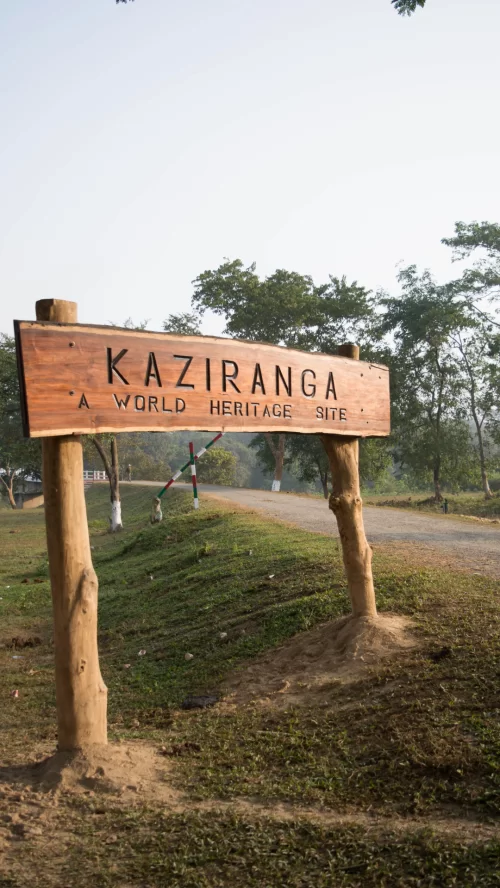
The countryside around Kaziranga National Park includes wetlands, grasslands, agricultural fields, villages, and riverine landscapes that extend beyond the boundaries of the wildlife reserve. Exploring these areas allows visitors to experience the broader ecosystem that supports Assam's famous wildlife while discovering peaceful rural environments.
Village roads and countryside routes around Kaziranga provide scenic views of farms, forests, and traditional settlements. These experiences complement wildlife safaris by showing the relationship between local communities and the surrounding natural landscape.
The countryside around Kaziranga provides a deeper understanding of the natural and cultural landscapes that support the region's wildlife.
Assam's countryside is filled with peaceful landscapes including rice fields, wetlands, tea gardens, forests, riverside settlements, and traditional villages. Traveling beyond major tourist attractions reveals a quieter side of the state where agriculture, nature, and community life continue following seasonal rhythms.
Road journeys through rural Assam provide opportunities to stop at viewpoints, local markets, and villages while experiencing landscapes that are often missed during faster travel. Respectful exploration allows visitors to appreciate the authenticity of rural life.
Assam's countryside destinations allow visitors to experience the state's natural beauty and traditional lifestyles beyond its famous attractions.
The Mishing communities of Majuli represent one of Assam's important indigenous cultures, with traditions closely connected to the island environment and the Brahmaputra River. Visitors can experience traditional bamboo houses, handloom weaving, agricultural practices, local cuisine, and community lifestyles that have been preserved through generations. These villages provide a deeper understanding of Majuli beyond its Satras and religious attractions.
Travelers should approach village visits respectfully by seeking permission before photography and showing interest in local customs. Supporting handmade products and local experiences helps encourage responsible cultural tourism.
Mishing villages offer visitors an authentic glimpse into the indigenous traditions and lifestyles that continue to shape Majuli Island.
Dima Hasao is home to the Dimasa community, whose traditions, festivals, crafts, and lifestyles reflect the cultural diversity of Assam's hill region. Exploring Dimasa villages provides visitors with opportunities to understand traditional homes, agricultural practices, local cuisine, and community customs surrounded by the scenic landscapes of the Eastern Himalayas.
Visitors should respect local traditions and interact with communities in a considerate manner. Cultural experiences are most meaningful when travelers take time to understand local lifestyles rather than simply observing them.
Dimasa villages introduce travelers to the unique cultural heritage of Dima Hasao while highlighting the diversity of Assam's indigenous communities.
Assam's indigenous communities contribute greatly to the state's cultural diversity through traditional crafts, festivals, food practices, music, dance, and sustainable ways of living. Visiting villages across different regions allows travelers to discover how communities have adapted to forests, hills, rivers, and agricultural landscapes while preserving their unique identities.
Responsible tourism plays an important role in maintaining these traditions. Visitors should respect privacy, avoid intrusive behavior, and appreciate local knowledge and craftsmanship during cultural interactions.
Exploring Assam's indigenous communities reveals the deep cultural connections between people, landscapes, and traditions across the state.
Tea gardens and village pathways across Upper Assam provide peaceful walking experiences surrounded by plantation landscapes, agricultural fields, and rural communities. Walking through these areas allows visitors to observe tea cultivation, local activities, traditional homes, and the changing scenery of Assam's countryside at a relaxed pace.
Early morning and late afternoon are ideal for walks because temperatures are comfortable and natural light enhances the beauty of tea plantations and village landscapes. Visitors should follow estate guidelines and avoid entering restricted plantation areas.
Tea garden and village walks offer a simple way to experience the natural beauty and everyday life of rural Assam.
The hills around Haflong and Dima Hasao provide opportunities for nature walks through forests, valleys, and scenic countryside trails. These routes allow visitors to experience Assam's hill landscapes beyond viewpoints while observing local vegetation, birds, streams, and peaceful mountain surroundings.
Travelers should explore forest areas with local guidance where required and remain aware of weather conditions, especially during the monsoon season. Comfortable footwear and basic preparation are important for enjoying these natural trails safely.
Forest trails around Assam's hills provide visitors with peaceful encounters with nature away from crowded tourist locations.
Rural Assam offers numerous quiet routes through forests, farmland, wetlands, tea estates, and riverside landscapes where travelers can experience the state's natural beauty at a slower pace. These journeys often reveal hidden viewpoints, traditional villages, local markets, and scenic surroundings that are not always included in standard sightseeing plans.
Exploring these routes by walking, cycling, or relaxed road trips allows visitors to connect more closely with Assam's landscapes and communities while enjoying a peaceful travel experience.
The peaceful nature routes of rural Assam provide rewarding experiences for travelers seeking landscapes, culture, and authentic local connections.
Assam's villages offer excellent photography opportunities through traditional homes, bamboo structures, agricultural fields, village pathways, and everyday community activities. The unique combination of natural surroundings and traditional architecture allows photographers to document rural lifestyles while capturing the relationship between people and their environment.
Morning and evening provide the best lighting conditions when softer sunlight enhances village landscapes and creates more natural compositions. Visitors should always seek permission before photographing residents and respect personal privacy.
Village photography in Assam allows travelers to preserve meaningful visual stories of traditional architecture, landscapes, and rural communities.
The landscapes of Assam provide diverse photography opportunities through endless tea plantations, flowing rivers, wetlands, paddy fields, and countryside roads. Upper Assam's tea regions, Brahmaputra riverbanks, and rural landscapes create changing scenes throughout the year, with each season offering different colors, textures, and natural conditions for photography.
Golden hour is especially rewarding for landscape photography as soft light enhances tea garden rows, river reflections, and open countryside views. Travelers should respect plantation rules and avoid entering restricted areas while photographing.
Assam's combination of rivers, plantations, and countryside landscapes provides photographers with endless opportunities to capture the character of the region.
Cultural festivals and village events offer photographers opportunities to capture Assam's traditions, performances, traditional clothing, crafts, and community celebrations. These occasions reveal the living heritage of the state through colorful ceremonies, music, dance, and interactions between generations preserving local customs.
Photography during cultural events should always be respectful, especially during religious ceremonies and private community activities. Asking permission before taking close-up photographs helps create positive interactions with local residents.
Photographing Assam's festivals and rural traditions allows visitors to preserve the cultural stories that define the state's identity.
Assam offers a wide variety of nature and village experiences ranging from Majuli's river island communities and Upper Assam's tea landscapes to Haflong's hill scenery and Brahmaputra riverside settlements. Travelers interested in cultural experiences can explore indigenous villages and traditional communities, while nature lovers can focus on forests, wetlands, countryside trails, and scenic landscapes.
Selecting destinations according to personal interests allows visitors to experience a more balanced journey combining natural beauty, local traditions, and authentic rural lifestyles across Assam.
A thoughtful selection of destinations helps travelers discover Assam beyond famous attractions through meaningful connections with nature and local communities.
A complete village and countryside itinerary can combine Majuli Island, Jorhat tea regions, Dibrugarh landscapes, Haflong hills, Brahmaputra river communities, and wetland destinations near Guwahati. This route provides opportunities to experience traditional villages, tea gardens, forests, rivers, wildlife habitats, and cultural traditions across different regions of Assam.
Allowing sufficient time between destinations is important because rural areas often require slower travel and flexible planning. Overnight stays in selected locations provide a deeper understanding of local lifestyles.
A well-planned countryside itinerary reveals Assam's diverse landscapes and cultural traditions through authentic travel experiences.
Travelers exploring Assam's villages and natural landscapes should carry comfortable walking shoes, lightweight clothing, insect repellent, drinking water, personal medicines, sun protection, rain protection during monsoon months, and a camera or binoculars for nature observation. Power banks and waterproof bags are useful for longer rural journeys and ferry travel.
Before visiting villages, forests, wetlands, or remote areas, check weather conditions, road accessibility, local guidelines, and accommodation availability. Respect wildlife areas, avoid littering, ask permission before photography, and support local communities through responsible travel practices.
Proper preparation ensures safe and respectful exploration while allowing visitors to enjoy Assam's natural landscapes, villages, and cultural experiences fully.


Get customized Assam tour planning designed around seasonal weather patterns, river conditions, wildlife safari timing, and realistic road travel flow. Whether you are visiting for national parks, tea estate stays, cultural experiences, spiritual sites, o
⚡ Quick Response | 💰 Free consultation | 🕒 24×7 expert support