
How Tea is Made in Assam – A Tourist's Guide
Understanding how tea is made in Assam allows travellers to explore plantations, learn traditional processing methods, and experience the journey from fresh tea leaves to the final product.
+91 9910402252
admin@chalbanjare.com


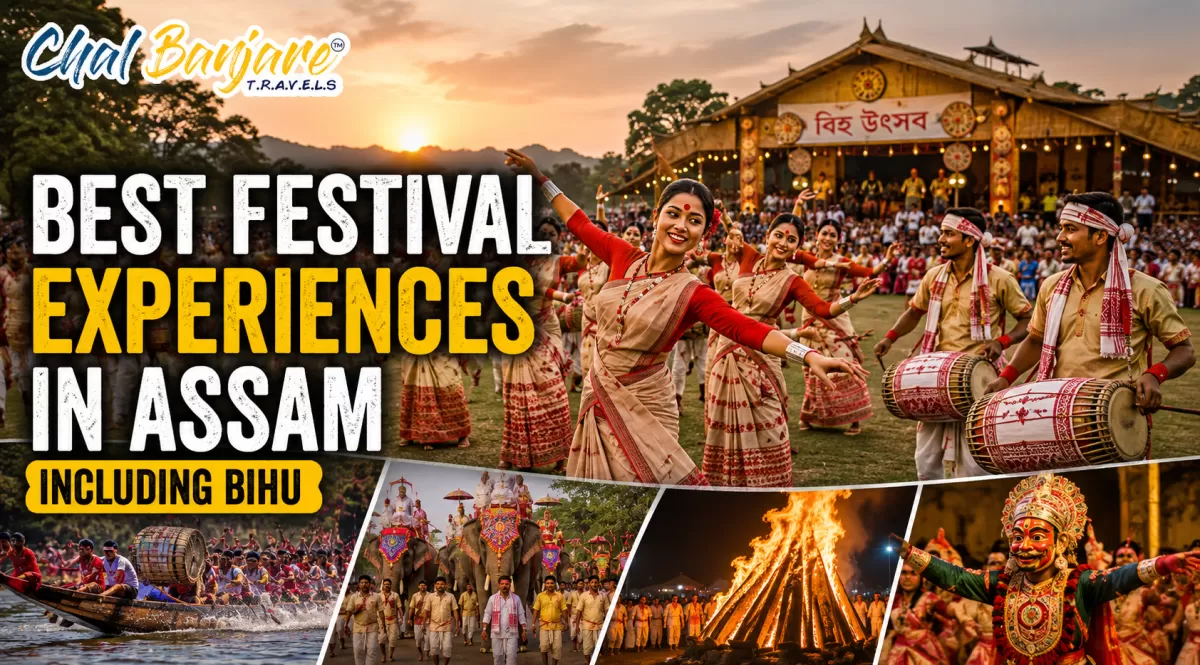
Assam’s festivals showcase the state’s rich cultural heritage through traditional music, dance, food, spirituality, agriculture, and community celebrations, with Bihu being the most famous festival of all.
Rongali Bihu, also known as Bohag Bihu, celebrates the Assamese New Year and the arrival of the spring season. The festival is marked by traditional Bihu songs, dance performances, cultural activities, and celebrations that reflect the joy and traditions of Assamese communities.
Visitors can experience the festive atmosphere through cultural programs, local gatherings, and performances that showcase Assam's rich heritage and traditional art forms.
Rongali Bihu offers visitors an opportunity to experience Assam's most vibrant cultural celebration.
During Rongali Bihu, communities across Assam organize gatherings where people come together through music, dance, traditional activities, and festive events. These celebrations create opportunities for visitors to observe the social and cultural connections that form an important part of Assamese life.
Participating in local events provides a closer understanding of the traditions and customs associated with the festival.
Community celebrations make Rongali Bihu a meaningful cultural experience for visitors exploring Assam.
Rongali Bihu celebrations can be experienced across Assam's towns and villages, where homes, markets, and public spaces reflect the festive spirit. Traditional clothing, decorations, music, and cultural activities create a lively environment during the festival period.
Exploring different regions during Bihu allows travelers to experience variations in celebrations while discovering local traditions.
The festive environment across Assam makes Rongali Bihu an important cultural travel experience.
Bhogali Bihu, also known as Magh Bihu, celebrates the harvest season and is closely connected with community feasts and traditional food preparations. The festival reflects the importance of agriculture in Assamese culture and brings families and communities together.
Visitors can experience traditional meals, gatherings, and cultural activities that showcase the festive connection between food, farming, and community life.
Bhogali Bihu highlights Assam's harvest traditions through food, celebrations, and community gatherings.
One of the important traditions of Bhogali Bihu is the Meji burning ceremony, where communities gather around traditional structures made from bamboo and wood. The ritual is connected with prayers, celebrations, and the welcoming of the harvest season.
Visitors can observe these gatherings to understand the cultural significance and traditional practices associated with Magh Bihu.
Meji ceremonies represent the traditional and community-focused spirit of Bhogali Bihu.
Food plays an important role during Bhogali Bihu celebrations, with families preparing traditional Assamese dishes and festive items using local ingredients. The festival provides an opportunity to experience regional flavors connected with harvest traditions and community sharing.
Exploring Bhogali Bihu food traditions allows visitors to understand the cultural importance of meals during Assamese festivals.
Traditional food experiences form an important part of Bhogali Bihu celebrations across Assam.
Kongali Bihu, also known as Kati Bihu, is connected with the agricultural cycle and reflects the concerns of farming communities during the growing season. The festival focuses on traditional practices, prayers, and rituals related to protecting crops and seeking prosperity.
Unlike the more festive celebrations of Rongali and Bhogali Bihu, Kongali Bihu has a quieter atmosphere centered around agricultural traditions and spiritual practices.
Kongali Bihu provides insight into the agricultural values and traditional beliefs of Assamese communities.
During Kongali Bihu, farming communities across Assam follow traditional rituals connected with agriculture, including prayers and practices related to crop protection. These customs reflect the close relationship between Assamese rural life and farming activities.
Visitors exploring villages during this period can observe a more peaceful form of Bihu celebration focused on tradition and agricultural significance.
Kongali Bihu highlights the connection between Assamese festivals and agricultural lifestyles.
Kongali Bihu celebrations in Assamese villages have a calm and traditional atmosphere compared with other Bihu festivals. Homes, fields, and village surroundings become important parts of the celebration through simple rituals and cultural practices.
Travelers interested in rural culture can experience this festival as an opportunity to understand everyday traditions and the importance of farming in Assam.
Kongali Bihu offers visitors a quieter cultural experience focused on Assamese rural traditions.
Assamese villages provide an opportunity to experience Bihu celebrations in a traditional setting where customs, community participation, and local lifestyles remain closely connected. Visitors can observe festive preparations, traditional activities, and cultural practices followed by village communities.
Village experiences allow travelers to understand Bihu beyond organized events by connecting with the everyday traditions of Assam.
Assamese villages provide a closer look at the traditional roots of Bihu celebrations.
Bihu dance and folk performances are important parts of Assamese festival celebrations. Traditional music, instruments, colorful clothing, and group performances create a lively cultural atmosphere during Bihu events across villages and communities.
Watching these performances helps visitors experience the artistic expressions and cultural identity associated with Assam's most popular festival.
Bihu performances showcase Assam's traditional music, dance, and cultural expressions.
Village Bihu celebrations bring together food, music, dance, and community gatherings that reflect Assamese traditions. Visitors can experience traditional dishes, folk performances, and social interactions that form an important part of festival life.
Exploring these celebrations provides a deeper understanding of how festivals strengthen community connections across Assam.
Village Bihu experiences combine food, music, and community traditions into a complete cultural journey.
Guwahati hosts various Bihu cultural programs during festival seasons, allowing visitors to experience traditional music, dance performances, and community celebrations within an urban setting. These events bring together artists, local communities, and visitors to celebrate Assamese culture.
City-based Bihu programs provide a convenient way for travelers to experience festival traditions while exploring Guwahati.
Guwahati's Bihu programs offer visitors an accessible way to experience Assam's festive traditions.
During Bihu season, Guwahati becomes a center for cultural activities featuring traditional dance, music, performances, and festive gatherings. These events showcase Assamese heritage while providing opportunities for visitors to observe the artistic expressions connected with Bihu celebrations.
Travelers can explore different programs based on their interests and available schedules during the festival period.
Bihu events in Guwahati highlight the cultural richness of Assam through performances and celebrations.
Bihu season brings a festive atmosphere to Guwahati markets, shopping areas, and public spaces. Visitors can observe traditional clothing, festive shopping, local products, and community activities that reflect the importance of Bihu in Assamese life.
Exploring markets during the festival period provides an opportunity to experience the preparations and excitement surrounding the celebrations.
Guwahati markets offer visitors a glimpse of the festive energy surrounding Bihu celebrations.
Majuli Island is known for its Satras, which preserve Assamese Vaishnavite traditions, cultural practices, and artistic expressions. During festivals, these institutions become important centers for devotional programs, performances, and community gatherings.
Visitors can experience Majuli's unique cultural environment by exploring Satra celebrations and understanding their role in preserving Assam's heritage.
Majuli Satras provide visitors with opportunities to experience Assam's spiritual and cultural traditions.
Festivals on Majuli Island reflect the connection between Assamese traditions, community life, and the cultural heritage preserved by island communities. Celebrations often include music, dance, rituals, and gatherings that showcase local customs.
Exploring these festivals allows travelers to experience a different side of Assam where traditions remain closely connected with island life.
Majuli festivals showcase the cultural identity and traditional lifestyle of the island communities.
Festival celebrations in Majuli often include traditional music, dance performances, and community gatherings that bring people together. These cultural activities provide visitors with opportunities to observe local artistic expressions and participate in the festive environment.
The combination of island landscapes and cultural traditions makes festival experiences in Majuli distinct from other parts of Assam.
Majuli festival experiences combine traditional arts, community celebrations, and unique island culture.
Raas Mahotsav is one of the important cultural festivals celebrated in Majuli Island, showcasing performances based on Vaishnavite traditions. The festival features devotional plays, music, dance, and artistic presentations that reflect the spiritual and cultural heritage preserved by the Satras of Majuli.
Visitors can experience the unique combination of religious storytelling, traditional performances, and community participation during this special festival.
Raas Mahotsav provides visitors with an opportunity to experience Majuli's spiritual and cultural traditions.
During Raas Mahotsav, Majuli's Satras become important centers for devotional activities, traditional performances, and cultural gatherings. These celebrations preserve the artistic and spiritual practices that have been passed through generations within Assamese Vaishnavite communities.
Exploring Satra programs during the festival allows visitors to understand the cultural importance of these institutions in Assam's heritage.
Satra celebrations during Raas Mahotsav highlight the cultural role of Majuli's religious institutions.
Raas Mahotsav creates a distinctive atmosphere across Majuli Island through illuminated Satras, devotional performances, traditional music, and community participation. The festival allows visitors to experience the island's spiritual environment while exploring its cultural traditions.
Travelers visiting during the festival should plan accommodation and transportation in advance due to increased visitor interest during this period.
The spiritual atmosphere of Raas Mahotsav makes Majuli a significant cultural destination in Assam.
Tea garden communities across Assam preserve unique cultural traditions influenced by their history, local lifestyles, and community practices. Festivals in tea regions often include traditional gatherings, music, dance, and cultural activities that reflect the diversity of plantation communities.
Exploring these celebrations provides visitors with opportunities to understand the cultural life connected with Assam's famous tea-growing regions.
Festival experiences in tea regions highlight the cultural diversity of Assam's plantation communities.
Festivals in Assam's tea garden areas provide opportunities to experience traditional music, dance performances, and local customs followed by plantation communities. These celebrations showcase different cultural influences and highlight the importance of community traditions.
Visitors can observe artistic expressions and social gatherings that form part of the cultural identity of tea-growing regions.
Tea garden festivals offer visitors insight into the traditions and cultural expressions of plantation communities.
Festival activities across Assam's tea plantation regions reflect the connection between local communities, traditions, and everyday life. Celebrations may include cultural programs, gatherings, traditional performances, and regional customs that create a lively atmosphere in tea-growing areas.
Exploring these regions during festivals allows travelers to experience Assam beyond tea landscapes by connecting with local communities.
Tea plantation festivals provide a cultural perspective on life in Assam's tea-growing regions.
Assam is home to diverse indigenous communities that celebrate festivals reflecting their traditions, history, agricultural practices, and cultural identity. These festivals provide visitors with opportunities to understand different community customs through rituals, gatherings, traditional activities, and celebrations.
Exploring indigenous festivals allows travelers to discover the cultural diversity that exists beyond Assam's major mainstream celebrations.
Indigenous festivals showcase the cultural richness and traditional practices of Assam's communities.
Traditional dances, music, and rituals form important parts of tribal festivals across Assam. These performances reflect community stories, cultural values, and connections with nature and everyday life. Visitors can observe artistic expressions preserved through generations.
Participating respectfully in these celebrations provides travelers with a deeper understanding of Assam's indigenous cultural traditions.
Tribal festival performances highlight the artistic and cultural traditions of Assam's indigenous communities.
Local tribal celebrations provide opportunities to explore traditional lifestyles, crafts, food practices, and community values. These festivals connect visitors with the heritage of different indigenous groups while showcasing the diversity of Assam's social and cultural landscape.
Travelers interested in culture can experience these celebrations as a way to learn about local traditions and community identities.
Tribal festivals provide meaningful cultural experiences by connecting visitors with Assam's indigenous heritage.
Assam offers different festival experiences based on cultural interests, travel preferences, and timing. Travelers interested in Assamese traditions can explore Bihu celebrations, while those looking for spiritual experiences may prefer Majuli festivals and Satra events. Indigenous festivals provide opportunities to discover community traditions.
Selecting festivals according to personal interests helps create a more meaningful cultural journey across Assam.
Choosing the right festival allows travelers to experience Assam's diverse cultural traditions effectively.
Planning an Assam itinerary around festivals requires considering festival dates, travel routes, accommodation availability, and local transportation. Popular celebrations may attract more visitors, especially in destinations such as Guwahati and Majuli, making advance planning helpful.
Combining festival experiences with sightseeing destinations allows travelers to explore Assam's culture, nature, and heritage in one journey.
A planned festival itinerary helps visitors experience celebrations while exploring Assam's major attractions.
Before attending festivals in Assam, travelers should check event schedules, local customs, weather conditions, accommodation options, and transportation arrangements. Carrying comfortable clothing, necessary documents, and basic travel essentials helps create a smoother experience during festival visits.
Visitors should respect local traditions, follow community guidelines, and participate responsibly while experiencing cultural celebrations.
Proper preparation helps travelers enjoy Assam festivals while respecting local traditions and communities.


Get customized Assam tour planning designed around seasonal weather patterns, river conditions, wildlife safari timing, and realistic road travel flow. Whether you are visiting for national parks, tea estate stays, cultural experiences, spiritual sites, o
⚡ Quick Response | 💰 Free consultation | 🕒 24×7 expert support