How Tea is Made in Assam – A Tourist's Guide
Understanding how tea is made in Assam allows travellers to explore plantations, learn traditional processing methods, and experience the journey from fresh tea leaves to the final product.
+91 9910402252
admin@chalbanjare.com


Assam’s villages offer some of the most authentic cultural experiences in Northeast India, featuring traditional lifestyles, indigenous communities, river island settlements, tea garden cultures, folk arts, and centuries-old Assamese traditions.
Mishing villages in Majuli provide visitors with an opportunity to understand the lifestyle, traditions, and cultural practices of one of Assam's important indigenous communities. Traditional settlements reflect the close relationship between the community and the island environment, with bamboo houses, agricultural activities, weaving traditions, and local customs forming an important part of daily life.
Village visits allow travelers to experience Majuli beyond its Satras by connecting with local communities and observing traditional ways of living. Visitors should respect local customs and seek permission when interacting with residents.
Mishing villages offer visitors insight into the indigenous heritage and traditional lifestyles that shape Majuli's cultural identity.
Mishing communities preserve unique customs, traditional food practices, and everyday lifestyles connected with agriculture and island living. Visitors can learn about local cooking methods, festivals, social traditions, and activities that reflect the community's relationship with the natural environment of Majuli.
Experiencing these aspects through village visits provides a deeper understanding of indigenous culture while allowing travelers to appreciate traditions maintained through generations.
Learning about Mishing customs and food helps visitors understand the cultural diversity preserved within Majuli villages.
Traditional Mishing homes and cultural practices reflect the community's adaptation to the island environment. Bamboo construction, weaving, farming methods, and household traditions showcase skills developed through generations. Exploring these elements helps visitors understand how local communities maintain their heritage while living alongside the changing Brahmaputra landscape.
Visitors should explore these cultural spaces respectfully and appreciate the significance of traditional practices within community life.
The traditional homes and practices of Mishing communities represent the cultural connection between people and the island environment.
Majuli's villages offer peaceful landscapes where traditional settlements exist alongside paddy fields, wetlands, and agricultural areas. Walking through these villages allows visitors to observe everyday activities, local architecture, farming surroundings, and the slower pace of island life away from busy tourist locations.
Village walks provide opportunities for photography and cultural understanding while allowing travelers to experience the natural surroundings that define rural Majuli.
Walking through Majuli villages helps visitors discover the connection between rural life, agriculture, and the island environment.
Agriculture plays an important role in the lifestyle of many villages across Majuli. Traditional farming practices, seasonal activities, and local methods of cultivation reflect the island's dependence on natural surroundings. Visitors can observe how communities adapt their livelihoods to the river-influenced landscape.
These experiences provide insight into the everyday realities of rural Assam and highlight the importance of farming traditions in village life.
Traditional farming experiences reveal how village communities in Majuli continue to live in harmony with their surroundings.
The unique geography of Majuli has shaped the traditions, occupations, and social practices of its communities. River conditions, agriculture, festivals, crafts, and cultural activities are closely connected with island life. Exploring villages allows visitors to understand how the Brahmaputra influences daily experiences and community relationships.
These cultural interactions provide a more complete picture of Majuli beyond its famous heritage attractions.
Majuli's village traditions reflect the strong connection between communities, culture, and the island environment.
Samaguri Satra is one of the most important places in Majuli for experiencing the traditional art of Assamese mask making. The craft developed as part of cultural performances connected with Vaishnavite traditions and continues to be preserved by skilled artisans. Visitors can explore the Satra and learn about the history and techniques behind this unique art form.
The mask-making tradition represents the connection between religious performances, storytelling, and craftsmanship that has been maintained across generations in Majuli.
Samaguri Satra provides visitors with an opportunity to understand one of Majuli's most distinctive artistic traditions.
Watching artisans create traditional masks allows visitors to understand the detailed process involved in preserving this cultural craft. Artists carefully shape, decorate, and prepare masks using traditional methods that require patience and skill. The process reflects years of knowledge passed from one generation to another within artisan communities.
Visitors can observe the craftsmanship while respecting the working environment of artisans and understanding the cultural importance of these handmade creations.
Artisan demonstrations provide a closer look at the skill and dedication behind Majuli's traditional mask-making heritage.
Traditional masks of Majuli play an important role in Assamese performance arts, especially in forms connected with religious storytelling and cultural presentations. The masks represent different characters and help bring traditional narratives to life through visual expression, music, and performance.
Understanding their role allows visitors to appreciate masks not only as crafts but also as important elements of Assam's cultural heritage.
The mask tradition highlights the connection between craftsmanship, spirituality, and performing arts in Majuli.
Tea estate communities across Upper Assam offer visitors an opportunity to understand the cultural and social environment connected with Assam's famous tea industry. Areas around Jorhat and Dibrugarh feature extensive plantations where local communities, workers, and traditions have developed alongside tea cultivation for generations.
Exploring these regions allows travelers to experience plantation landscapes while learning about the people and lifestyles connected with Assam's tea heritage.
Tea estate communities provide insight into the people and traditions that form an important part of Assam's identity.
Life around Assam's tea gardens is shaped by plantation work, community traditions, and local cultural practices. Visitors can learn about daily routines, social customs, and the connection between tea production and surrounding settlements. These experiences provide a broader understanding of tea tourism beyond simply visiting plantations.
Respectful interactions with local communities help travelers appreciate the cultural diversity present within Assam's tea regions.
Learning about plantation lifestyles helps visitors understand the human stories connected with Assam's tea industry.
Tea garden communities of Assam preserve unique cultural expressions through music, dance, festivals, and traditional practices. These cultural forms reflect the diverse backgrounds and histories of communities living around plantation areas. Visitors may experience these traditions through local events, cultural programs, and community interactions.
Exploring these cultural practices adds another dimension to tea tourism by connecting landscapes with the people who live and work around them.
Cultural traditions around tea gardens showcase the diverse communities that contribute to Assam's plantation heritage.
Dima Hasao villages provide visitors with opportunities to experience the traditions and lifestyles of the Dimasa community, one of the important indigenous groups of Assam. Village visits reveal traditional homes, cultural practices, agricultural activities, and community customs shaped by the hill environment of the region.
Exploring Dimasa villages allows travelers to understand the connection between local communities and the natural landscapes of Dima Hasao while respecting traditional ways of life.
Dimasa villages showcase the cultural identity and traditional lifestyles preserved within the hills of Dima Hasao.
Indigenous festivals and crafts play an important role in preserving the cultural heritage of Dima Hasao communities. Traditional celebrations, handmade products, weaving practices, and community activities reflect the history and identity of local groups. Visitors can learn about these traditions through village experiences and cultural interactions.
Festival dates and cultural activities may vary, so travelers should check local schedules when planning visits around specific events.
Exploring festivals and crafts helps visitors understand the rich cultural diversity of Dima Hasao's indigenous communities.
Dima Hasao is home to diverse communities with unique traditions, languages, crafts, and lifestyles influenced by the region's hills and forests. Exploring different settlements provides visitors with a broader understanding of Assam's cultural variety beyond its plains and river regions.
The cultural experiences of Dima Hasao are closely connected with nature, community values, and traditional practices maintained over generations.
The hill communities of Dima Hasao highlight the cultural diversity and indigenous heritage of Assam.
Village food experiences in Assam allow visitors to taste traditional meals prepared using locally available ingredients and regional cooking methods. Rice, vegetables, fish, herbs, and seasonal produce form an important part of Assamese cuisine, reflecting the agricultural environment and lifestyle of local communities.
Trying homemade meals provides insight into everyday food traditions and the relationship between local resources and culinary practices across Assam villages.
Traditional Assamese village meals offer visitors a deeper connection with local culture through food and regional flavors.
Mishing and other village communities of Assam preserve unique culinary traditions shaped by local ingredients, cultural practices, and environmental conditions. Exploring regional cuisine allows travelers to discover different cooking styles, traditional dishes, and food customs maintained within indigenous communities.
Village cuisine experiences provide an opportunity to understand how food traditions represent community history and everyday lifestyles.
Exploring Mishing and regional cuisine helps visitors appreciate the cultural diversity expressed through Assam's food traditions.
Traditional cooking methods in Assam villages reflect generations of knowledge passed through families and communities. Preparation techniques, use of local ingredients, and seasonal food practices show how cuisine has developed according to the environment and available resources.
Learning about food customs provides visitors with a better understanding of village lifestyles and the cultural importance of meals in community life.
Traditional cooking practices reveal the connection between Assam's villages, natural resources, and cultural heritage.
Village festivals across Assam provide visitors with opportunities to experience traditional celebrations, community gatherings, music, dance, and cultural practices. Events such as seasonal festivals and local celebrations reflect the agricultural lifestyle, religious traditions, and social connections that remain important in village communities.
Participating in these events allows travelers to observe Assam's cultural traditions in their natural community settings while respecting local customs and practices.
Village festivals provide a closer connection with Assam's traditions and the community life that preserves them.
Traditional music and dance form an important part of Assam's cultural identity and are often connected with festivals, religious occasions, and community celebrations. Village gatherings provide visitors with opportunities to experience local performances, traditional instruments, and artistic expressions that have been preserved through generations.
These cultural gatherings create meaningful experiences by showing how communities celebrate heritage through collective participation and shared traditions.
Traditional performances during village celebrations highlight the artistic and social importance of Assam's cultural practices.
Seasonal celebrations in Assam villages are closely connected with nature, farming cycles, religious traditions, and community life. Different regions observe festivals based on local customs and cultural backgrounds, offering visitors diverse experiences across the state.
Travelers planning visits around festivals should check event dates and local schedules in advance, as celebrations may vary between communities and locations.
Seasonal celebrations allow visitors to understand how Assam's communities connect culture, nature, and traditions throughout the year.
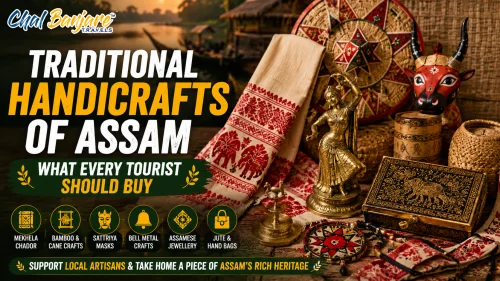
Village artisans across Assam preserve traditional crafts that reflect the skills, creativity, and cultural heritage of local communities. Visitors can explore workshops and village spaces where craftsmen create handmade products using techniques passed through generations. These experiences provide insight into the importance of traditional skills in rural life.
Interacting with artisans allows travelers to understand the effort behind handmade crafts while appreciating the cultural value of these practices.
Village artisans provide visitors with opportunities to discover Assam's traditional skills and creative heritage.
Bamboo weaving, pottery, handloom work, and other handmade crafts represent important traditional skills across Assam villages. These crafts are created using local materials and reflect the relationship between communities and their natural surroundings. Visitors can observe production methods and learn about the cultural significance of these products.
Exploring village crafts provides a deeper understanding of rural traditions beyond regular sightseeing experiences.
Traditional crafts showcase the creativity and practical knowledge preserved within Assam's village communities.
Many Assam villages continue to preserve traditional skills related to weaving, crafts, food preparation, and artistic practices. These skills represent community knowledge developed over generations and remain connected with cultural identity and everyday life. Exploring these traditions helps visitors understand the heritage value of rural Assam.
Supporting local artisans through respectful interactions helps encourage the continuation of traditional craftsmanship.
Traditional skills across Assam villages represent the cultural knowledge and creativity maintained by local communities.
Nature walks through Assam villages provide visitors with a chance to explore peaceful countryside landscapes, agricultural fields, traditional settlements, and natural surroundings at a relaxed pace. Paddy fields, village paths, and open landscapes reveal the everyday environment where rural communities live and work.
These walks allow travelers to observe local lifestyles, seasonal changes, and the connection between agriculture and nature while experiencing a quieter side of Assam away from urban areas.
Village nature walks provide an opportunity to experience Assam's rural landscapes and traditional countryside life closely.
Riverside villages across Assam offer unique landscapes shaped by waterways, wetlands, agricultural areas, and traditional settlements. Walking through these locations allows visitors to understand how communities adapt to river environments while enjoying views of boats, riverbanks, vegetation, and surrounding countryside.
These experiences highlight the relationship between people and rivers that has influenced Assam's culture, livelihoods, and natural landscapes for generations.
Riverside village walks reveal the strong connection between Assam's communities and the natural environment around them.
Beyond Assam's major cities, rural areas offer peaceful landscapes featuring forests, tea gardens, farmland, rivers, and traditional villages. Exploring these locations provides visitors with a slower travel experience focused on nature, culture, and local surroundings rather than crowded attractions.
Nature walks through countryside areas are suitable for travelers interested in photography, village experiences, and understanding the diverse landscapes of Assam.
Exploring rural landscapes allows visitors to discover a quieter and more authentic side of Assam beyond popular destinations.
Assam offers diverse village experiences ranging from Mishing communities in Majuli to Dimasa settlements in Dima Hasao and tea garden communities across Upper Assam. Travelers can choose experiences based on interests such as traditional food, crafts, festivals, indigenous lifestyles, agriculture, or cultural interactions.
Selecting village experiences according to personal interests helps create a meaningful journey while allowing enough time to understand local traditions and community life.
Choosing suitable village experiences helps visitors discover the cultural diversity and traditions preserved across Assam.
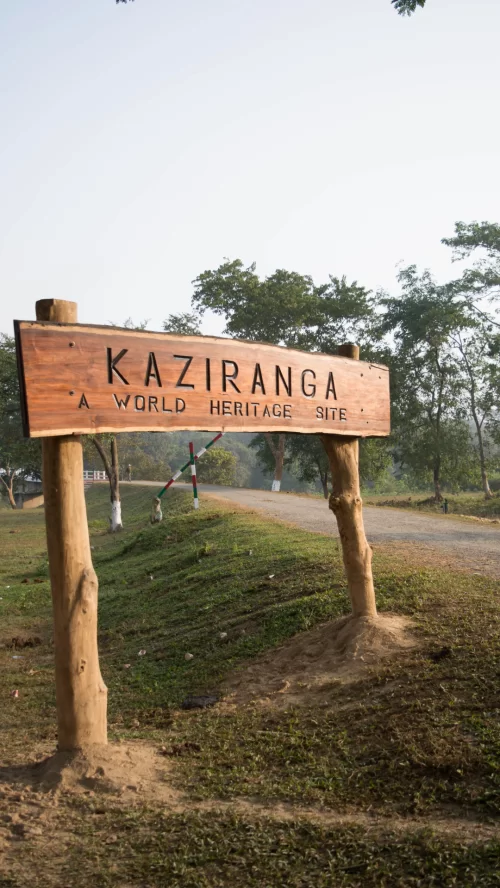
A village-focused Assam itinerary can be combined with popular attractions such as Majuli Island, Kaziranga National Park, Sivasagar heritage sites, tea regions, and Dima Hasao landscapes. Adding rural experiences allows travelers to explore the communities, traditions, and natural environments that define Assam beyond major tourist locations.
Travelers should consider distances, transportation options, seasonal conditions, and local availability while planning village-based experiences.
A well-planned Assam itinerary combining villages and major attractions provides a broader understanding of the state's culture and landscapes.
Before visiting Assam villages, travelers should prepare by checking local accessibility, weather conditions, accommodation options, transportation arrangements, and cultural guidelines. Carrying comfortable footwear, suitable clothing, personal medicines, and necessary travel documents helps make village exploration easier and more comfortable.
Visitors should respect local customs, seek permission before photographing people, avoid disturbing daily activities, and support responsible cultural experiences while exploring communities across Assam.
Proper preparation helps visitors experience Assam's village culture respectfully while creating meaningful connections with local communities.


Get customized Assam tour planning designed around seasonal weather patterns, river conditions, wildlife safari timing, and realistic road travel flow. Whether you are visiting for national parks, tea estate stays, cultural experiences, spiritual sites, o
⚡ Quick Response | 💰 Free consultation | 🕒 24×7 expert support