


How Tea is Made in Assam – A Tourist's Guide
Understanding how tea is made in Assam allows travellers to explore plantations, learn traditional processing methods, and experience the journey from fresh tea leaves to the final product.
+91 9910402252
admin@chalbanjare.com


Assam is one of India’s premier birdwatching destinations, offering wetlands, river islands, grasslands, forests, and national parks that attract hundreds of resident and migratory bird species throughout the year.
Deepor Beel is an important wetland ecosystem near Guwahati that supports a variety of bird species and aquatic life. The lake environment, surrounding vegetation, and seasonal water conditions create a suitable habitat for resident and migratory birds throughout different periods of the year.
Exploring this wetland provides visitors with an opportunity to experience nature close to the city while understanding the ecological importance of Assam's wetlands.
Deepor Beel offers visitors a peaceful birdwatching experience within a significant wetland environment.
Deepor Beel attracts different bird species including migratory birds during suitable seasons and resident species throughout the year. The lake surroundings provide opportunities to observe waterbirds and other birds in their natural habitat while enjoying the calm environment of the wetland.
Bird sightings vary according to season, weather, and natural conditions, making each visit different for birdwatchers and photographers.
The lake provides opportunities to observe seasonal and resident bird species in a natural wetland setting.
Deepor Beel provides a quiet environment for birdwatchers and photographers looking to observe birds in natural surroundings. The open wetland landscape, water reflections, and changing light conditions create suitable settings for capturing bird behavior and scenic nature views.
Visitors should maintain distance from birds and avoid disturbing the wetland ecosystem while enjoying photography and observation.
Deepor Beel offers a peaceful setting for observing and photographing Assam's wetland birdlife.
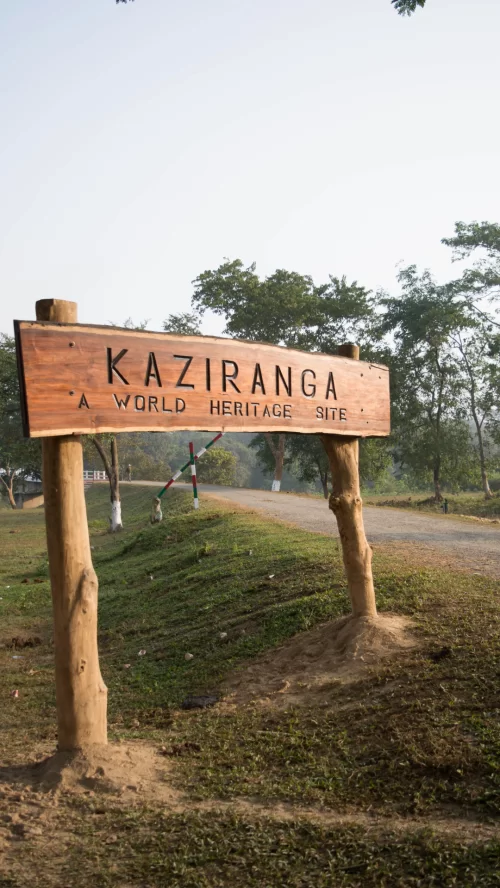
Kaziranga National Park offers diverse birdwatching opportunities through its combination of grasslands, wetlands, forests, and river-influenced habitats. These varied ecosystems support different bird species and create opportunities for visitors to observe birds while exploring the park's natural landscapes.
Birdwatching can be combined with wildlife safaris, allowing visitors to experience both animal and bird diversity within the protected area.
Kaziranga provides diverse habitats where visitors can explore Assam's rich birdlife alongside wildlife experiences.
The wetlands and open landscapes of Kaziranga support different bird groups including waterbirds, raptors, and seasonal migratory species. The availability of water bodies, grasslands, and forest areas creates suitable conditions for observing birds with different habitat preferences.
Bird activity changes with seasons, so visitors may experience different species depending on the time of their visit.
Kaziranga's varied ecosystems support a wide range of bird species throughout different seasons.
Kaziranga allows visitors to combine traditional wildlife safari experiences with birdwatching activities. While exploring safari routes, travelers can observe birds across grasslands, wetlands, and forest areas along with larger wildlife species found inside the park.
This combination makes Kaziranga suitable for travelers interested in experiencing multiple aspects of Assam's natural biodiversity during one visit.
Combining safaris with birdwatching helps visitors experience the broader biodiversity of Kaziranga National Park.
Manas National Park provides excellent birdwatching opportunities through its diverse habitats including riverbanks, forests, grasslands, and Himalayan foothill ecosystems. These varied environments support different bird species and create opportunities for visitors to observe birds while exploring the natural landscapes of the park.
Birdwatching in Manas offers a peaceful experience where visitors can appreciate the connection between forests, rivers, and wildlife habitats.
Manas National Park offers diverse environments for exploring Assam's birdlife and natural ecosystems.
The Himalayan foothill location of Manas creates a unique environment supporting a wide range of bird species. Forest areas, rivers, and open landscapes provide habitats where birdwatchers can observe different species while exploring one of Assam's important protected areas.
Bird sightings depend on season, weather, and location within the park, making each visit a different experience.
Manas provides opportunities to discover bird species supported by its unique foothill ecosystem.
Guided birdwatching experiences in Manas allow visitors to explore natural surroundings with support from knowledgeable guides. Nature trails and guided activities help travelers understand bird habitats, vegetation, and the ecological importance of the park.
Following guidance during birdwatching helps maintain safety while allowing visitors to observe species without disturbing their natural behavior.
Guided birdwatching in Manas provides a deeper understanding of the park's natural environment.
Nameri National Park offers birdwatching opportunities through forest landscapes, river ecosystems, and natural surroundings near the Jia Bhoroli River. The combination of woodland areas and water environments creates habitats for different bird species and provides a peaceful setting for nature enthusiasts.
Exploring Nameri allows visitors to experience birdlife while enjoying the calm atmosphere of a less crowded natural destination.
Nameri provides a peaceful birdwatching experience through forests and river-based ecosystems.
The Jia Bhoroli River and surrounding forests create suitable conditions for observing various bird species in Nameri. The river landscape, vegetation, and natural surroundings provide attractive settings for birdwatchers interested in exploring Assam's diverse avian life.
Bird activity changes throughout the year, so seasonal visits can offer different observation opportunities.
The Jia Bhoroli River area adds a unique river ecosystem experience to Nameri birdwatching.
Nameri National Park is suitable for travelers seeking quieter birdwatching experiences surrounded by forests and natural landscapes. Compared with more popular wildlife destinations, the park provides a calmer environment where visitors can focus on observing birds and enjoying nature.
The peaceful surroundings make Nameri a good choice for travelers interested in slow nature experiences and biodiversity exploration.
Nameri offers a peaceful alternative for birdwatchers exploring Assam's natural landscapes.
Dibru Saikhowa National Park offers unique birdwatching opportunities through its combination of wetlands, grasslands, forests, and river islands. The protected area is shaped by river systems and provides diverse habitats that support different bird species throughout the year.
Exploring these varied landscapes allows visitors to experience Assam's river-based ecosystems while observing birds in their natural surroundings.
Dibru Saikhowa provides birdwatchers with opportunities to explore diverse habitats shaped by Assam's river systems.
The varied landscapes of Dibru Saikhowa support a wide range of bird species, including birds adapted to wetlands, grasslands, and forest environments. The combination of different habitats makes the national park an important destination for birdwatchers interested in exploring Assam's natural diversity.
Bird sightings depend on season, weather, and habitat conditions, making every visit different for nature enthusiasts.
Dibru Saikhowa's diverse habitats create opportunities to observe different bird species across the park.
Birdwatching in Dibru Saikhowa can include boat experiences and nature exploration through its river and wetland landscapes. Boat rides provide a different perspective of the park while allowing visitors to observe birds in areas connected with waterways and islands.
Nature activities should be conducted responsibly by following local guidelines and respecting the protected environment.
Boat rides and nature trails provide unique ways to explore the bird habitats of Dibru Saikhowa.
Pobitora Wildlife Sanctuary is not only known for rhinoceroses but also supports wetland habitats that attract different aquatic bird species. The combination of grasslands, water bodies, and natural surroundings creates opportunities for birdwatchers to observe birds while exploring the sanctuary.
Visitors can combine birdwatching with wildlife exploration to experience the variety of species supported by this compact protected area.
Pobitora offers a combination of birdwatching and wildlife experiences within its wetland environment.
Pobitora allows visitors to combine wildlife safari experiences with birdwatching activities. While exploring the sanctuary for one-horned rhinoceroses, travelers can also observe birds across wetlands and grassland habitats.
This combination makes Pobitora suitable for visitors who want to experience multiple aspects of Assam's wildlife within a shorter trip from Guwahati.
Pobitora provides a balanced wildlife experience combining rhinoceros sightings and bird observation.
Seasonal changes influence bird activity around Pobitora Wildlife Sanctuary, with different periods offering opportunities to observe various bird species. The wetlands and grasslands support changing bird populations depending on migration patterns, weather conditions, and natural cycles.
Planning visits according to seasonal conditions can improve birdwatching opportunities while allowing travelers to enjoy the sanctuary's landscapes.
Pobitora's seasonal landscapes provide changing opportunities for observing birds and wildlife.
The Brahmaputra River and its surrounding landscapes create important habitats for different bird species across Assam. Riverbanks, sandbanks, wetlands, and connected water areas support birds that depend on aquatic environments and seasonal changes along the river system.
Exploring Brahmaputra river areas provides visitors with opportunities to observe birdlife while experiencing the natural landscapes shaped by one of India's major rivers.
The Brahmaputra riverbanks provide important natural environments supporting Assam's diverse birdlife.
Assam's wetlands and lakes provide suitable habitats for resident and migratory birds throughout different seasons. Locations such as lakes, marshes, and water bodies support aquatic ecosystems that attract various bird species while contributing to the region's natural biodiversity.
Exploring these wetland locations allows visitors to experience peaceful landscapes and understand the ecological importance of water-based environments.
Wetlands and lakes across Assam offer valuable locations for birdwatching and nature experiences.
The combination of rivers, wetlands, forests, and grasslands across Assam creates a variety of habitats supporting different bird species. These natural environments provide food, shelter, and breeding areas for birds throughout the year.
Exploring different ecosystems helps birdwatchers understand how landscape diversity contributes to Assam's rich bird population.
Assam's diverse natural environments create ideal conditions for exploring different bird habitats.
Early morning hours provide favorable conditions for bird photography across Assam's wildlife destinations and wetlands. Softer natural light, cooler temperatures, and increased bird activity during this period create opportunities to capture birds in their natural surroundings.
Photographers should maintain distance from birds and follow local guidelines to avoid disturbing wildlife while taking photographs.
Morning photography sessions provide opportunities to capture Assam's birdlife under suitable natural conditions.
Assam's wetlands provide excellent settings for photographing waterbirds with natural backgrounds of lakes, rivers, marshes, and vegetation. These landscapes allow photographers to capture both bird behavior and the environments that support aquatic species.
Wetland photography requires patience and careful observation as bird movement depends on natural conditions and seasonal patterns.
Wetland landscapes across Assam provide attractive settings for bird photography and nature documentation.
National parks and wildlife sanctuaries across Assam offer diverse photography opportunities through different habitats including forests, grasslands, rivers, and wetlands. Destinations such as Kaziranga, Manas, and other protected areas provide subjects ranging from birds to landscapes.
Planning photography visits according to habitat type and seasonal conditions helps visitors capture a wider variety of natural experiences.
Assam's protected areas provide photographers with varied opportunities to capture birdlife and natural landscapes.
Winter months bring opportunities to observe migratory birds across Assam's wetlands, lakes, and river ecosystems. Water bodies such as Deepor Beel and other wetland areas become important locations for birdwatchers looking to observe seasonal visitors along with resident species.
The presence of migratory birds changes each year depending on environmental conditions, making winter a preferred period for exploring Assam's bird habitats.
Winter provides suitable opportunities to explore Assam's wetlands and observe seasonal migratory bird species.
During migration periods, different wetland and river environments across Assam attract birds seeking suitable feeding and resting habitats. These seasonal changes create unique birdwatching opportunities in areas with water bodies, grasslands, and natural ecosystems.
Exploring multiple habitats during migration periods allows visitors to experience the variety of bird environments found across Assam.
Seasonal bird habitats across Assam provide changing experiences for visitors interested in migratory species.
Planning a birdwatching trip during suitable months helps travelers improve their chances of observing migratory species across Assam's wetlands and protected areas. Winter is generally preferred for birdwatching activities due to favorable weather conditions and increased seasonal bird presence.
Visitors should consider location, weather, accessibility, and local conditions while selecting the timing of their birdwatching journey.
Proper timing helps travelers experience Assam's migratory bird habitats more effectively.
Assam offers different birdwatching destinations based on habitat types and visitor interests. Wetland locations are suitable for observing aquatic birds, while national parks and forests provide opportunities to explore birds within grassland and forest ecosystems.
Selecting destinations according to preferred bird species, landscapes, and available time helps travelers create a more focused birdwatching experience.
Choosing suitable habitats allows visitors to experience Assam's diverse birdwatching opportunities.
A complete Assam birdwatching itinerary can include wetlands, national parks, wildlife sanctuaries, river areas, and forest regions. Combining locations such as Deepor Beel, Kaziranga, Manas, Nameri, and other habitats allows travelers to experience different bird environments across the state.
Planning routes according to distance, season, accommodation, and accessibility helps create a comfortable birdwatching journey.
A well-planned itinerary helps visitors explore Assam's diverse bird habitats comfortably.
Before starting a birdwatching journey in Assam, travelers should prepare suitable clothing, binoculars, cameras, identification guides, and basic travel essentials. Checking weather conditions, location accessibility, and local guidelines helps create a smoother experience across wetlands, forests, and protected areas.
Visitors should maintain quiet surroundings, respect wildlife habitats, and follow conservation guidelines while observing birds.
Proper preparation helps travelers enjoy Assam's birdwatching destinations while protecting natural environments.


Get customized Assam tour planning designed around seasonal weather patterns, river conditions, wildlife safari timing, and realistic road travel flow. Whether you are visiting for national parks, tea estate stays, cultural experiences, spiritual sites, o
⚡ Quick Response | 💰 Free consultation | 🕒 24×7 expert support