
How Tea is Made in Assam – A Tourist's Guide
Understanding how tea is made in Assam allows travellers to explore plantations, learn traditional processing methods, and experience the journey from fresh tea leaves to the final product.
+91 9910402252
admin@chalbanjare.com


Assam and Sikkim offer two very different Northeast India travel experiences, with one known for tea gardens, wildlife and river landscapes while the other is famous for Himalayan mountains, lakes and high-altitude adventures.
Assam and Sikkim are two of the most popular travel destinations in Northeast India, yet they offer completely different experiences. Assam is known for its tea gardens, wildlife reserves, river landscapes, cultural heritage, and historical attractions. Sikkim, on the other hand, is famous for its Himalayan scenery, mountain passes, monasteries, alpine lakes, and panoramic views of snow-covered peaks. Travelers often compare these destinations because both showcase the natural beauty of Northeast India in unique ways.
The atmosphere in Assam is generally relaxed and diverse. Travelers move between wildlife parks, tea estates, riverside settlements, and cultural landmarks. Sikkim offers a more mountainous environment where travel revolves around valleys, mountain roads, monasteries, viewpoints, and high-altitude destinations. The overall mood of a Sikkim journey often feels more adventurous and scenic, while Assam offers a broader mix of culture, history, wildlife, and nature.
The atmosphere of these states reflects their geography. Assam represents the fertile plains and river valleys of the Northeast, while Sikkim represents the Himalayan side of the region with dramatic elevation changes and mountain landscapes.
Travelers choose Assam because it offers experiences that cannot easily be found elsewhere in India. The state is home to world-famous tea plantations, the Brahmaputra River, unique island destinations such as Majuli, and wildlife parks that protect rare species including the one-horned rhinoceros. Assam appeals strongly to travelers interested in biodiversity, culture, and slower-paced exploration.
Sikkim attracts visitors because of its Himalayan environment. Destinations such as Gangtok, Pelling, Lachung, Lachen, Ravangla, Zuluk, and Yumthang Valley provide opportunities to experience mountains, alpine lakes, monasteries, and high-altitude landscapes. The combination of natural beauty and spiritual heritage creates a travel experience that feels very different from other parts of India.
The choice often depends on whether travelers are more interested in wildlife and culture or mountain scenery and high-altitude exploration. Both states offer memorable experiences but focus on different strengths.
One of the biggest differences between Assam and Sikkim is the type of landscape travelers experience throughout the journey. Assam features tea gardens, river systems, wetlands, forests, agricultural regions, and wildlife habitats. The scenery is diverse and constantly changing, but generally remains within lower elevations.
Sikkim is defined by mountain landscapes. Snow-covered peaks, deep valleys, alpine lakes, waterfalls, monasteries, and winding mountain roads dominate the scenery. Travelers often choose Sikkim specifically because they want to experience the Himalayas and enjoy dramatic viewpoints throughout the trip.
| Travel Preference | Assam | Sikkim |
|---|---|---|
| Wildlife Tourism | Excellent | Moderate |
| Mountain Scenery | Limited | Excellent |
| Cultural Exploration | Excellent | Very Good |
| Tea Garden Landscapes | Excellent | Limited |
| Himalayan Experiences | Limited | Excellent |
| Photography Opportunities | Very Good | Excellent |
Travelers seeking cultural landscapes, wildlife, and river scenery often prefer Assam. Those dreaming of mountains, snow peaks, and alpine environments generally find Sikkim more suitable for their travel goals.
Assam offers one of the most diverse travel experiences in Northeast India because it combines wildlife, culture, history, tea plantations, river landscapes, and traditional communities within a single destination. Unlike mountain-focused states where the scenery remains largely similar throughout the journey, Assam constantly changes as travelers move between tea-growing regions, wildlife reserves, river islands, wetlands, historical towns, and cultural centers.
The state is internationally known for its tea industry, and large parts of Upper Assam are covered with beautifully maintained tea estates. Driving through regions such as Jorhat, Dibrugarh, Tinsukia, and Golaghat allows visitors to experience endless green plantation landscapes that have become symbols of Assam tourism. Many travelers choose to stay in heritage tea bungalows to experience plantation life and countryside surroundings.
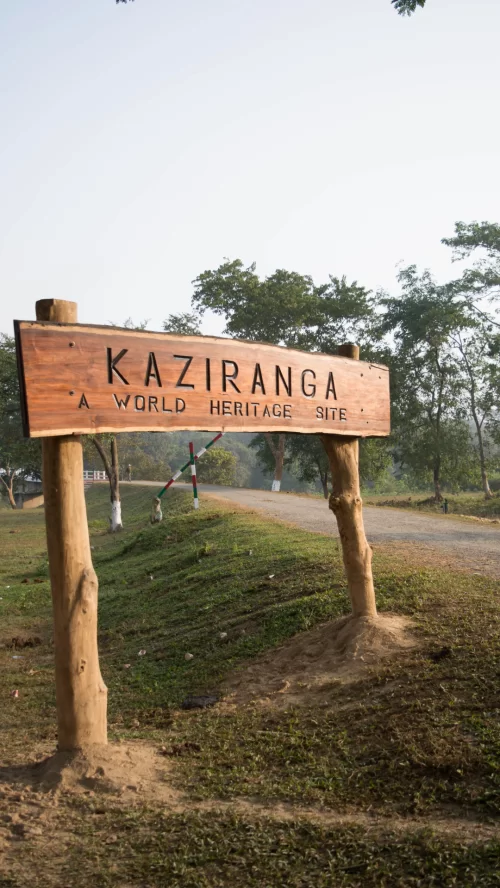
Wildlife tourism forms another major attraction. Kaziranga National Park, Manas National Park, Orang National Park, Pobitora Wildlife Sanctuary, and Dibru Saikhowa National Park attract visitors from around the world. These destinations provide opportunities to observe rhinoceroses, elephants, wild buffalo, deer species, migratory birds, and numerous other animals within natural habitats.
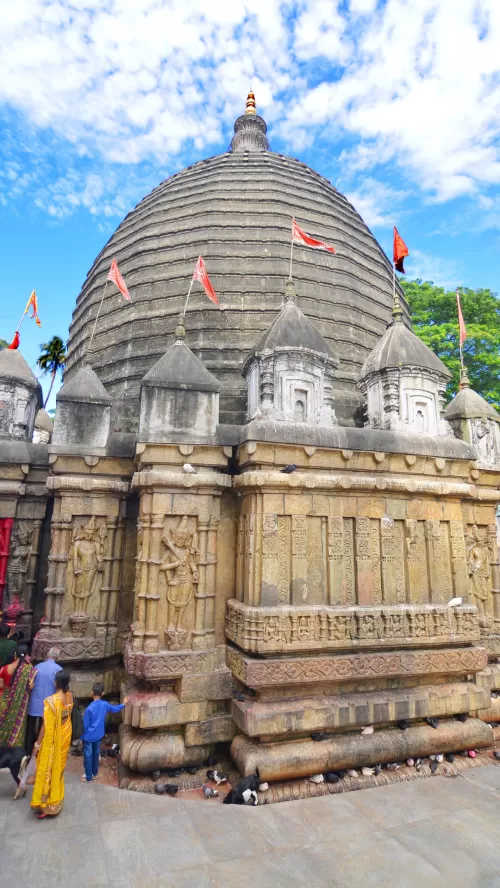
Cultural attractions further enrich the travel experience. Majuli showcases spiritual traditions and monastery culture, while Sivasagar preserves the legacy of the Ahom kingdom through historical monuments and archaeological sites. Guwahati serves as the cultural gateway to the region, offering temples, museums, riverfront experiences, and access to surrounding destinations.
The ability to combine wildlife, tea gardens, cultural landmarks, river systems, and historical attractions makes Assam one of the most varied destinations in Northeast India. Few states offer such a broad range of experiences within a single itinerary.
One of Assam's greatest strengths is the diversity of its landscapes. The state is not dominated by a single type of scenery. Instead, travelers encounter tea gardens, wetlands, grasslands, forests, river valleys, agricultural regions, islands, and wildlife habitats throughout their journey. This variety ensures that the scenery remains interesting even during longer trips.
The Brahmaputra River plays a central role in shaping the state's geography. As one of Asia's largest river systems, it creates vast floodplains, wetlands, sandbars, and fertile agricultural areas. Many of Assam's most distinctive attractions, including Majuli and several wildlife habitats, exist because of the river's influence on the landscape.
The transition between different regions often happens gradually, allowing travelers to appreciate how the environment changes across the state. Tea plantations give way to forests, wetlands lead to grasslands, and riverside settlements transition into cultural and historical destinations. This continuous variation creates an engaging travel experience that appeals to both casual tourists and serious explorers.
Travelers who appreciate landscape diversity often find Assam highly rewarding because every region offers something different. The state's geography creates a travel experience that remains dynamic and visually engaging throughout the journey.
Assam's tourism identity is shaped by a combination of natural beauty, cultural heritage, wildlife conservation, and tea plantation history. Unlike destinations that focus primarily on a single attraction type, Assam offers a balanced experience where travelers can move seamlessly between nature, culture, and history. This balance gives the state a distinctive character that separates it from other Northeast destinations.
The pace of travel in Assam is generally relaxed. Visitors often spend time exploring tea estates, observing wildlife, interacting with local communities, and enjoying riverside environments. The experience feels less rushed than many mountain destinations because travel conditions are generally easier and attractions are distributed across accessible regions.
Local culture also contributes significantly to the overall atmosphere. Traditional cuisine, festivals, handicrafts, music, dance, and village life remain visible throughout the state. These cultural elements enhance the travel experience and help visitors understand the region beyond its natural attractions.
| Tourism Strength | Assam Experience |
|---|---|
| Wildlife Tourism | World-famous national parks and sanctuaries. |
| Tea Tourism | Historic plantations and heritage stays. |
| Cultural Heritage | Monasteries, festivals, and historical landmarks. |
| River Tourism | Brahmaputra landscapes and island destinations. |
| Nature Exploration | Wetlands, forests, grasslands, and countryside. |
| Road Travel | Comfortable access to multiple attractions. |
Assam tourism succeeds because it offers variety without overwhelming travelers. The combination of culture, wildlife, tea gardens, rivers, and history creates a destination that appeals to a wide range of interests while maintaining a strong regional identity.
Sikkim is one of India's most scenic Himalayan destinations and is known for its extraordinary combination of mountains, alpine lakes, monasteries, forests, waterfalls, and high-altitude valleys. Unlike Assam, which focuses on river landscapes and wildlife habitats, Sikkim offers an experience centered on mountain scenery and elevation-based travel. Almost every journey in the state involves dramatic views, winding roads, and constantly changing Himalayan landscapes.
Travelers exploring Sikkim encounter a remarkable variety of destinations. Gangtok serves as the gateway to the state and combines urban convenience with panoramic mountain views. Tsomgo Lake, Nathula Pass, Baba Mandir, Pelling, Ravangla, Lachung, Lachen, Yumthang Valley, Gurudongmar Lake, Zuluk, and Nathang Valley each provide unique experiences shaped by geography and altitude.
Monasteries add an important cultural dimension to the landscape. Ancient Buddhist monasteries positioned on hillsides and mountain ridges create some of the state's most iconic views. These religious sites combine spiritual significance with spectacular scenery, making them popular among both pilgrims and tourists.
The presence of lakes, waterfalls, mountain rivers, forests, and valleys ensures that the scenery remains diverse despite the state's strong Himalayan identity. Travelers often experience several distinct landscape types within a relatively short distance.
Sikkim's ability to combine mountains, lakes, monasteries, and valleys makes it one of the most visually impressive states in India. The scenery remains a central part of almost every travel experience throughout the region.
One of Sikkim's greatest strengths is the diversity of Himalayan environments found across its different regions. East, West, North, and South Sikkim each offer unique landscapes and travel experiences. This regional diversity allows visitors to experience several different sides of the Himalayas during a single trip.
East Sikkim is known for destinations such as Gangtok, Tsomgo Lake, Nathula Pass, Zuluk, and Nathang Valley. The region combines mountain viewpoints, alpine lakes, winding roads, and high-altitude scenery. West Sikkim introduces travelers to destinations such as Pelling and Yuksom, where views of Kanchenjunga, monasteries, and forests create a peaceful mountain atmosphere.
North Sikkim is often considered the most dramatic part of the state. Destinations such as Lachung, Lachen, Yumthang Valley, Zero Point, and Gurudongmar Lake provide access to some of the most spectacular landscapes in the Indian Himalayas. South Sikkim offers quieter experiences through destinations such as Ravangla and Namchi, where mountain scenery combines with cultural attractions and relaxed surroundings.
The regional diversity of Sikkim ensures that travelers never feel limited to a single type of mountain environment. Every part of the state contributes something unique to the overall experience.
Although Sikkim is primarily known for mountains, the state offers much more than scenic viewpoints. Travelers can explore monasteries, experience local culture, enjoy adventure activities, visit alpine lakes, undertake nature walks, photograph wildlife, and discover traditional Himalayan communities. This variety helps create a destination that appeals to a broad range of travelers.
Adventure seekers often enjoy mountain drives, trekking opportunities, and high-altitude exploration. Nature lovers appreciate rhododendron forests, waterfalls, rivers, and protected environments. Cultural travelers find value in monasteries, festivals, traditional settlements, and local cuisine. These different elements combine to create a destination that remains engaging for repeat visitors.
Tourism infrastructure has also improved significantly over the years. Accommodation options range from luxury resorts and boutique hotels to village homestays and mountain lodges. This allows visitors to customize their experience according to budget, comfort expectations, and travel style.
| Travel Experience | Sikkim Highlights |
|---|---|
| Mountain Tourism | Snow peaks, valleys, and scenic viewpoints. |
| Lake Exploration | Tsomgo Lake, Gurudongmar Lake, and alpine water bodies. |
| Cultural Travel | Monasteries, traditions, and local communities. |
| Adventure Activities | Mountain roads, trekking, and outdoor exploration. |
| Nature Experiences | Forests, waterfalls, and Himalayan landscapes. |
| Photography | Excellent opportunities across all regions. |
Sikkim succeeds as a travel destination because it combines scenery, culture, adventure, and nature within a relatively compact region. Travelers can experience multiple aspects of the Himalayas while enjoying some of the finest mountain landscapes in Northeast India.
Assam offers a unique type of natural scenery that is very different from the Himalayan landscapes of Sikkim. The state's beauty comes from its vast tea plantations, river systems, wetlands, grasslands, forests, wildlife reserves, and countryside environments. Rather than dramatic elevation changes, Assam provides broad open landscapes that showcase the ecological richness of Northeast India.
Tea gardens are among the most recognizable features of Assam's scenery. Large plantation regions around Jorhat, Dibrugarh, Tinsukia, and Golaghat create endless stretches of greenery that are visually distinct from any other part of India. These landscapes become even more attractive when combined with colonial-era tea bungalows, plantation roads, and surrounding forests.
The Brahmaputra River further enhances Assam's natural beauty. Its enormous scale creates river islands, wetlands, sandbars, floodplains, and riverside villages that contribute to the state's distinctive character. Wildlife reserves such as Kaziranga and Manas add grassland ecosystems, marshes, and forests where nature and wildlife exist side by side.
The appeal of Assam lies in its diversity rather than dramatic mountain views. Travelers often appreciate how tea gardens, rivers, wildlife habitats, and cultural landscapes combine to create a varied and immersive travel experience.
Assam's natural beauty is subtle, diverse, and deeply connected to its ecology. It appeals strongly to travelers who appreciate wildlife, rivers, tea gardens, and cultural landscapes rather than dramatic mountain environments.
Sikkim offers some of the most spectacular mountain scenery in India. The state's landscapes are dominated by snow-covered Himalayan peaks, alpine lakes, high mountain passes, waterfalls, forests, and deep valleys. For many travelers, Sikkim represents the classic Himalayan dream with dramatic viewpoints visible throughout much of the journey.
One of the defining visual features of Sikkim is the presence of Kanchenjunga, the world's third-highest mountain. On clear days, this massive peak dominates the skyline across large parts of the state. Destinations such as Pelling, Ravangla, and various viewpoints provide unforgettable mountain panoramas that attract photographers and nature lovers from around the world.
Alpine lakes such as Tsomgo Lake and Gurudongmar Lake further enhance the state's natural appeal. Combined with waterfalls, rhododendron forests, valleys, and high-altitude grasslands, these landscapes create extraordinary visual diversity despite the state's relatively small size.
The scenery changes dramatically with elevation. Travelers may begin the day among forests and rivers before reaching alpine environments, snow-covered terrain, or mountain passes. This variety contributes significantly to Sikkim's reputation as one of India's most scenic destinations.
For travelers seeking dramatic landscapes and visual impact, Sikkim often delivers a stronger scenic experience than most destinations in Northeast India. The Himalayan setting creates a sense of grandeur that is difficult to match.
The decision between Assam and Sikkim depends largely on personal preferences regarding scenery. Assam emphasizes ecological diversity, wildlife habitats, tea plantations, rivers, and cultural landscapes. Sikkim emphasizes mountains, lakes, snow peaks, valleys, and alpine environments. Both are visually impressive, but they appeal to different types of travelers.
Travelers interested in wildlife, tea tourism, river systems, and diverse lowland landscapes often prefer Assam. Those who dream of snow-capped mountains, panoramic viewpoints, alpine lakes, and Himalayan photography generally prefer Sikkim. Neither destination is objectively better; they simply represent different forms of natural beauty.
| Scenery Factor | Assam | Sikkim |
|---|---|---|
| Tea Garden Landscapes | Excellent | Limited |
| Mountain Views | Limited | Excellent |
| Wildlife Habitats | Excellent | Moderate |
| Alpine Lakes | Limited | Excellent |
| River Landscapes | Excellent | Very Good |
| Photography Potential | Very Good | Excellent |
| Overall Scenic Impact | Very Good | Excellent |
Travelers seeking dramatic Himalayan scenery generally find Sikkim more visually impressive. Travelers who appreciate ecological diversity, wildlife, tea gardens, and cultural landscapes often find Assam equally rewarding in a very different way. The ideal choice depends on the type of nature experience that feels most appealing.
Assam is widely regarded as one of India's leading wildlife destinations and offers some of the strongest nature experiences in the Northeast. The state's extensive network of national parks, wildlife sanctuaries, wetlands, grasslands, and river ecosystems supports remarkable biodiversity. For travelers interested in animals, birdlife, and conservation-focused tourism, Assam often becomes one of the highlights of a Northeast itinerary.
Kaziranga National Park is the state's most famous wildlife destination and is internationally recognized for protecting the world's largest population of the Indian one-horned rhinoceros. The park also supports elephants, wild water buffalo, swamp deer, numerous bird species, and a healthy tiger population. The combination of wildlife viewing opportunities and scenic grassland habitats makes Kaziranga one of India's premier safari destinations.
Beyond Kaziranga, destinations such as Manas National Park, Orang National Park, Pobitora Wildlife Sanctuary, Dibru Saikhowa National Park, and Deepor Beel provide additional opportunities to experience Assam's biodiversity. Each area supports different ecosystems and species, allowing travelers to explore a wide range of natural environments during a single trip.
The state's wetlands, floodplains, forests, and river systems also make Assam an important destination for birdwatching. Seasonal migration patterns attract numerous bird species, creating rewarding experiences for both casual nature enthusiasts and dedicated wildlife photographers.
Travelers whose primary interest is wildlife generally find Assam more rewarding than most destinations in Northeast India. The diversity of habitats and species creates exceptional opportunities for nature exploration and wildlife observation.
Sikkim offers a very different type of nature experience. Instead of focusing on wildlife safaris and grassland ecosystems, the state emphasizes mountains, forests, alpine environments, lakes, waterfalls, and high-altitude valleys. Nature tourism in Sikkim revolves around scenery, outdoor exploration, and experiencing different Himalayan ecosystems rather than searching for large wildlife species.
The state's natural diversity is remarkable considering its relatively small size. Travelers move through subtropical forests, temperate woodlands, rhododendron-covered slopes, alpine meadows, glacial valleys, and high-altitude lake regions. Destinations such as Yumthang Valley, Gurudongmar Lake, Tsomgo Lake, Khecheopalri Lake, and numerous mountain viewpoints showcase different aspects of Sikkim's natural beauty.
Waterfalls are another major attraction. Throughout the state, rivers and streams descending from higher elevations create countless waterfalls that enhance the scenic environment. Forests also support a variety of bird species and smaller wildlife, although wildlife viewing is generally not the primary reason travelers visit Sikkim.
Nature experiences in Sikkim are often more immersive than structured. Travelers spend time appreciating landscapes, walking through mountain villages, visiting lakes, exploring valleys, and observing the changing scenery along mountain roads. The focus is on experiencing the environment rather than participating in organized wildlife tourism.
Sikkim appeals strongly to travelers who define nature through mountains, lakes, forests, and scenic exploration. The state offers one of the most visually rewarding natural environments in the Indian Himalayas.
The choice between Assam and Sikkim depends on how travelers prefer to experience nature. Assam is the stronger destination for wildlife enthusiasts, birdwatchers, safari travelers, and those interested in biodiversity. Sikkim is the stronger destination for mountain lovers, landscape photographers, outdoor explorers, and travelers seeking Himalayan scenery.
Visitors interested in seeing animals in their natural habitats often choose Assam because of its established wildlife tourism infrastructure and famous national parks. Travelers interested in lakes, valleys, forests, and mountain viewpoints usually choose Sikkim because of its extraordinary scenic diversity. Both destinations offer excellent nature experiences, but they emphasize different aspects of the natural world.
| Nature Interest | Assam | Sikkim |
|---|---|---|
| Wildlife Safaris | Excellent | Limited |
| Birdwatching | Excellent | Very Good |
| Mountain Scenery | Limited | Excellent |
| Alpine Lakes | Limited | Excellent |
| Nature Photography | Very Good | Excellent |
| Outdoor Exploration | Very Good | Excellent |
| Overall Nature Diversity | Excellent | Excellent |
Assam is generally the better choice for wildlife-focused travelers, while Sikkim is usually preferred by those seeking mountain landscapes and scenic exploration. The ideal destination depends on whether biodiversity or Himalayan scenery is the main priority.
Assam offers one of the richest cultural experiences in Northeast India. The state's identity has been shaped by centuries of history, river-based civilizations, indigenous communities, tea plantation heritage, spiritual traditions, and agricultural lifestyles. Travelers exploring Assam encounter a combination of historical landmarks, traditional villages, cultural institutions, festivals, and local customs that create a deep and authentic travel experience.
One of the most significant cultural attractions in Assam is Majuli, the world's largest inhabited river island. The island is known for its Vaishnavite monasteries, known locally as Satras, which preserve centuries-old traditions of art, dance, music, and spiritual learning. Visitors often spend time exploring these institutions to better understand Assam's unique cultural heritage.
Historical destinations such as Sivasagar showcase the legacy of the Ahom kingdom, which ruled much of Assam for centuries. Ancient temples, royal structures, water reservoirs, and archaeological sites provide insight into the state's historical importance. These heritage attractions add significant depth to the travel experience.
Festivals also play an important role in Assamese culture. Celebrations such as Bihu bring together music, dance, food, and community traditions, giving travelers opportunities to experience local life beyond sightseeing. Combined with traditional weaving, handicrafts, tea culture, and regional cuisine, these experiences help visitors connect with the state's identity.
Assam appeals strongly to travelers interested in history, traditions, and local culture. The combination of heritage, festivals, spirituality, and community life creates one of the most rewarding cultural journeys in Northeast India.
Sikkim offers a cultural experience that is deeply influenced by Himalayan traditions and Buddhist heritage. The state's identity reflects the interaction of Lepcha, Bhutia, Nepali, and Tibetan cultural influences, creating a unique blend of traditions that is unlike anywhere else in India. Travelers often find Sikkim's culture as memorable as its natural beauty.
Monasteries are among the most important cultural attractions in the state. Religious sites such as Rumtek Monastery, Pemayangtse Monastery, Tashiding Monastery, and numerous smaller institutions serve as both spiritual centers and architectural landmarks. Their locations often provide spectacular views of surrounding mountains and valleys, creating a unique combination of culture and scenery.
Traditional villages across Sikkim offer insight into local lifestyles and customs. Travelers can experience local food, traditional architecture, community celebrations, and everyday life in mountain settlements. The slower pace of life in many parts of the state contributes to its appeal among visitors seeking authentic cultural experiences.
Festivals, religious ceremonies, prayer flags, and Buddhist symbols are visible throughout the region. These elements create a distinct atmosphere that reinforces Sikkim's identity as a Himalayan destination with strong spiritual and cultural traditions.
Sikkim appeals particularly to travelers interested in spirituality, monasteries, mountain communities, and Himalayan traditions. The state's culture feels closely connected to its landscape and geography.
Although both Assam and Sikkim offer rich cultural experiences, the nature of those experiences differs considerably. Assam's culture is strongly connected to history, river civilizations, tea plantations, indigenous traditions, and Vaishnavite heritage. Sikkim's culture is more closely associated with Himalayan communities, Buddhist traditions, monasteries, and mountain lifestyles.
Travelers interested in historical heritage, festivals, tea culture, and traditional Assamese society often find Assam more rewarding. Those interested in monasteries, spirituality, mountain communities, and Himalayan traditions frequently prefer Sikkim. Both states provide meaningful cultural experiences, but they appeal to different interests.
| Cultural Aspect | Assam | Sikkim |
|---|---|---|
| Historical Heritage | Excellent | Very Good |
| Monastery Culture | Moderate | Excellent |
| Traditional Festivals | Excellent | Very Good |
| Spiritual Experiences | Very Good | Excellent |
| Village Culture | Very Good | Excellent |
| Cultural Diversity | Excellent | Very Good |
| Local Traditions | Excellent | Excellent |
Assam is often the stronger choice for travelers interested in heritage and cultural diversity, while Sikkim is often preferred by those seeking spirituality, monasteries, and Himalayan traditions. Both destinations showcase different cultural dimensions of Northeast India and provide valuable insights into the region's rich identity.
Assam offers one of the most comfortable and diverse road trip experiences in Northeast India. Unlike mountainous states where driving is dominated by steep climbs and winding roads, Assam's routes pass through plains, tea plantations, wildlife regions, wetlands, river valleys, and historical towns. The driving experience is generally smoother and less physically demanding, making it suitable for a wide range of travelers.
One of the highlights of road travel in Assam is the opportunity to drive through vast tea-growing regions. Roads connecting destinations such as Jorhat, Dibrugarh, Tinsukia, Golaghat, and Sivasagar frequently pass through beautifully maintained tea estates that stretch across the landscape. These routes create some of the state's most iconic travel experiences.
The Brahmaputra River also influences many road journeys. Travelers often encounter riverside viewpoints, wetlands, ferry crossings, and agricultural landscapes shaped by the river system. Wildlife destinations such as Kaziranga and Manas add another dimension to the road trip by allowing visitors to combine scenic drives with nature and safari experiences.
Road infrastructure across major tourism circuits is generally more developed than in many mountain regions. This allows travelers to cover greater distances comfortably while enjoying regular access to accommodation, restaurants, fuel stations, and other services.
Assam road trips focus on diversity and comfort rather than adventure. Travelers who enjoy relaxed exploration often find the state's routes highly rewarding because they combine scenic beauty with accessibility and convenience.
Road trips in Sikkim offer a completely different experience. The state is dominated by mountain terrain, and almost every journey involves winding roads, elevation changes, dramatic viewpoints, waterfalls, valleys, and high-altitude environments. The drive itself often becomes one of the highlights of the trip because of the extraordinary scenery encountered along the way.
Routes connecting destinations such as Gangtok, Pelling, Lachung, Lachen, Ravangla, Zuluk, Nathang Valley, Tsomgo Lake, and Gurudongmar Lake pass through some of the most spectacular mountain landscapes in India. Travelers frequently encounter forests, waterfalls, rivers, snow-covered peaks, and panoramic viewpoints throughout the journey.
The famous Zuluk loops and mountain roads leading toward North Sikkim are particularly popular among road trip enthusiasts because they combine engineering marvels with dramatic Himalayan scenery. However, these routes often require patience due to steep gradients, sharp bends, weather conditions, and longer travel times than distances might suggest.
Mountain driving in Sikkim is generally more demanding than driving in Assam, but many travelers consider the scenery worth the additional effort. The sense of adventure and exploration becomes a central part of the overall experience.
For travelers who enjoy driving through spectacular mountain scenery, Sikkim offers one of the finest road trip experiences in Northeast India. The roads themselves become an integral part of the destination rather than simply a means of transportation.
The choice between Assam and Sikkim depends largely on personal driving preferences. Assam provides comfortable highways, relatively predictable travel conditions, and easier navigation. Sikkim provides challenging mountain roads, dramatic scenery, and a stronger sense of adventure. Neither experience is better for everyone; they simply serve different travel styles.
Travelers who prioritize comfort, family-friendly journeys, and relaxed sightseeing generally prefer Assam. Those seeking mountain exploration, scenic drives, and adventurous road travel often find Sikkim more exciting. The decision should be based on confidence with mountain driving, available travel time, and the type of scenery travelers hope to experience.
| Road Trip Factor | Assam | Sikkim |
|---|---|---|
| Driving Comfort | Excellent | Moderate |
| Mountain Roads | Limited | Excellent |
| Scenic Diversity | Excellent | Excellent |
| Adventure Level | Moderate | Excellent |
| Family-Friendly Driving | Excellent | Good |
| Road Trip Photography | Very Good | Excellent |
| Self-Drive Ease | Excellent | Moderate |
Travelers looking for comfortable exploration generally choose Assam, while those seeking dramatic mountain drives often prefer Sikkim. Both destinations offer memorable road trip experiences, but the atmosphere, difficulty level, and scenery differ significantly.
Assam is one of the most family-friendly destinations in Northeast India because it combines comfortable travel conditions, diverse attractions, and relatively easy accessibility. Families can explore wildlife parks, tea gardens, river islands, cultural landmarks, temples, and historical destinations without facing the challenges often associated with high-altitude mountain travel. This balance makes the state suitable for travelers of different age groups and interests.
Wildlife tourism is one of the biggest advantages for families visiting Assam. Destinations such as Kaziranga National Park, Manas National Park, and Pobitora Wildlife Sanctuary provide opportunities for children and adults to observe rhinoceroses, elephants, deer, wild buffalo, and numerous bird species. These experiences often become memorable highlights for younger travelers.
Beyond wildlife, Assam offers cultural and educational experiences through destinations such as Majuli and Sivasagar. Families can learn about local traditions, spiritual heritage, tea cultivation, and regional history while enjoying a relaxed pace of travel. The state's roads are generally easier to navigate, reducing travel fatigue during longer itineraries.
Accommodation options are widely available across major tourism destinations, allowing families to choose properties that suit their comfort requirements and budgets. Combined with reliable transportation and tourism infrastructure, this makes trip planning relatively straightforward.
Families seeking a balanced travel experience often find Assam highly rewarding because it offers variety without requiring physically demanding travel. The state provides a comfortable introduction to Northeast India for visitors of all ages.
Sikkim is also an excellent family destination, particularly for travelers who enjoy mountain scenery and nature-focused holidays. The state offers beautiful viewpoints, monasteries, lakes, waterfalls, and peaceful hill destinations that appeal to families seeking a refreshing escape from busy urban environments. The overall atmosphere tends to be calm and scenic, making it suitable for leisurely exploration.
Destinations such as Gangtok, Pelling, Ravangla, and Namchi are particularly popular among families because they combine comfortable accommodation options with easy sightseeing opportunities. Visitors can enjoy panoramic mountain views, visit monasteries, explore gardens, and experience local culture without necessarily traveling to extreme altitudes.
North Sikkim destinations such as Lachung, Lachen, Yumthang Valley, and Gurudongmar Lake provide spectacular scenery but may require longer travel days and greater physical adaptation due to altitude. Families with young children or elderly members often plan these journeys carefully to ensure comfort throughout the trip.
The state's tourism infrastructure has improved considerably, with a growing number of family-friendly hotels, resorts, and homestays. These accommodations help make mountain travel more comfortable while allowing visitors to enjoy the surrounding natural beauty.
Families who enjoy mountain landscapes often find Sikkim unforgettable. The state's scenic beauty and peaceful atmosphere create memorable experiences, although certain high-altitude regions may require additional planning and consideration.
The choice between Assam and Sikkim depends largely on what families hope to experience during their trip. Assam offers wildlife, tea gardens, cultural attractions, and easier travel conditions. Sikkim offers mountain scenery, lakes, monasteries, and a stronger emphasis on Himalayan exploration. Both destinations can be highly rewarding when matched with the right expectations.
Families with very young children, senior citizens, or limited travel experience often prefer Assam because of its accessibility and lower physical demands. Families seeking mountain views, cool weather, and scenic landscapes frequently choose Sikkim because of its visual appeal and peaceful atmosphere.
| Family Travel Factor | Assam | Sikkim |
|---|---|---|
| Travel Comfort | Excellent | Very Good |
| Wildlife Experiences | Excellent | Moderate |
| Mountain Scenery | Limited | Excellent |
| Child-Friendly Attractions | Excellent | Very Good |
| Senior Citizen Suitability | Excellent | Good |
| Family Accommodation | Excellent | Very Good |
| Overall Family Appeal | Excellent | Excellent |
Families looking for comfort, wildlife, and cultural diversity often choose Assam. Those seeking mountain scenery, peaceful surroundings, and Himalayan experiences usually prefer Sikkim. Both destinations offer excellent family holidays, but the ideal choice depends on travel interests and comfort expectations.
Assam has one of the most developed tourism infrastructures in Northeast India, particularly around major destinations such as Guwahati, Kaziranga, Jorhat, Dibrugarh, Tezpur, Sivasagar, and Silchar. Travelers can choose from a wide range of accommodation options including luxury hotels, business hotels, wildlife resorts, heritage tea estate bungalows, boutique properties, guesthouses, and budget stays. This variety allows visitors to plan trips according to both comfort requirements and travel budgets.
One of Assam's biggest advantages is the availability of services throughout the tourism circuit. Restaurants, transportation providers, fuel stations, medical facilities, banks, and travel services are generally accessible across major routes. This makes independent travel relatively easy compared to some remote mountain destinations in the Northeast.
Tea estate stays are among Assam's most distinctive accommodation experiences. Many heritage properties allow visitors to stay within working tea plantations while enjoying colonial-era architecture, landscaped surroundings, and peaceful countryside environments. These stays provide a unique travel experience that combines comfort with local character.
Wildlife destinations such as Kaziranga and Manas also offer dedicated tourism infrastructure designed for safari travelers. Resorts and lodges near national parks provide convenient access to wildlife activities while maintaining comfortable facilities for visitors.
Travelers prioritizing convenience, service availability, and accommodation variety often find Assam highly comfortable. The state's tourism infrastructure supports both short holidays and extended exploration across multiple destinations.
Sikkim offers a broad range of accommodations that reflect the state's mountain tourism character. Travelers can choose between luxury resorts, boutique hotels, mountain lodges, family-run homestays, eco-friendly properties, and budget accommodations spread across destinations such as Gangtok, Pelling, Ravangla, Lachung, Lachen, Namchi, and Zuluk.
Homestays are particularly popular in Sikkim because they allow visitors to experience local hospitality and mountain lifestyles. Many village-based properties provide comfortable accommodation while offering insight into local culture, traditional food, and everyday life. These experiences often become memorable parts of a Sikkim journey.
Gangtok has the most developed tourism infrastructure in the state and serves as the primary base for travelers. The city offers a wide variety of hotels, restaurants, transportation services, and tourism facilities. Other destinations such as Pelling and Ravangla also provide excellent accommodation choices with mountain views and scenic surroundings.
North Sikkim destinations generally have more limited accommodation options because of their remote locations and challenging geography. However, many travelers accept these limitations because of the extraordinary landscapes and unique experiences available in the region.
Sikkim's accommodation sector has developed significantly over the years and now supports a wide range of travel styles. The combination of scenic locations and local hospitality creates a distinctive mountain tourism experience.
Both Assam and Sikkim offer good tourism infrastructure, but their strengths differ. Assam generally provides greater convenience because of easier transportation, flatter terrain, larger cities, and more extensive service networks. Travelers can move between destinations efficiently while maintaining consistent access to accommodation and facilities.
Sikkim offers excellent tourism services as well, but mountain geography naturally influences accessibility. Travel times between destinations are often longer than distances suggest, and certain high-altitude areas may experience seasonal limitations. However, the scenic rewards frequently compensate for these challenges.
| Infrastructure Factor | Assam | Sikkim |
|---|---|---|
| Accommodation Variety | Excellent | Excellent |
| Luxury Hotels | Very Good | Very Good |
| Homestay Experiences | Good | Excellent |
| Tourism Infrastructure | Excellent | Very Good |
| Travel Convenience | Excellent | Good |
| Accessibility | Excellent | Very Good |
| Overall Comfort | Excellent | Very Good |
Travelers seeking maximum convenience and accessibility often prefer Assam, while those prioritizing scenic mountain stays and local hospitality frequently choose Sikkim. Both destinations provide high-quality tourism experiences, but the travel environment differs significantly.
Assam is often recommended as an ideal introduction to Northeast India because it offers a balanced combination of wildlife, culture, history, tea tourism, and natural landscapes without requiring challenging travel conditions. First-time visitors can experience many of the region's defining attractions while traveling comfortably between destinations.
Wildlife attractions such as Kaziranga and Manas provide unforgettable encounters with some of India's most iconic animals. Cultural destinations such as Majuli and Sivasagar allow travelers to understand the history and traditions of the region. Tea estates, river landscapes, and local cuisine add further variety to the overall experience.
Another advantage for first-time visitors is accessibility. Roads are generally easier to navigate than mountain routes, accommodations are widely available, and tourism infrastructure is well developed. These factors reduce travel stress and make it easier to focus on exploration and sightseeing.
Travelers interested in understanding the broader cultural and ecological identity of Northeast India often find Assam an excellent starting point. The diversity of experiences creates a well-rounded introduction to the region.
Sikkim appeals strongly to travelers whose primary goal is experiencing the Himalayas. The state offers some of the most spectacular mountain scenery in India, making it a dream destination for nature lovers, photographers, and travelers seeking peaceful landscapes. Many first-time Northeast visitors choose Sikkim because of its reputation for scenic beauty and well-organized tourism infrastructure.
The state's compact size allows travelers to experience multiple mountain environments within a relatively short period. Lakes, monasteries, waterfalls, valleys, and viewpoints are often located within manageable driving distances, creating an itinerary that remains visually engaging from beginning to end.
The atmosphere of Sikkim also contributes to its popularity. Clean surroundings, organized tourism, cultural diversity, and a strong emphasis on environmental preservation create a travel experience that many visitors find both relaxing and inspiring.
For travelers whose image of Northeast India centers on mountains and alpine landscapes, Sikkim often becomes the preferred first destination. The state delivers a classic Himalayan experience with excellent visual appeal.
The decision between Assam and Sikkim depends on what travelers hope to experience during their first Northeast journey. Assam provides greater diversity through wildlife, culture, tea gardens, rivers, and history. Sikkim provides stronger mountain scenery, alpine environments, monasteries, and high-altitude attractions.
Travelers interested in wildlife safaris and cultural exploration generally choose Assam. Those interested in snow peaks, mountain roads, lakes, and Himalayan photography generally choose Sikkim. Both destinations offer memorable first-time experiences, but they highlight different strengths of Northeast India.
| First-Time Visitor Priority | Better Choice |
|---|---|
| Wildlife and Safaris | Assam |
| Tea Gardens and Culture | Assam |
| Mountain Scenery | Sikkim |
| Himalayan Photography | Sikkim |
| Comfortable Exploration | Assam |
| Scenic Mountain Vacation | Sikkim |
| Overall Diversity | Assam |
Assam is often the better choice for travelers seeking variety and cultural depth, while Sikkim is often the better choice for those seeking Himalayan scenery and mountain experiences. The ideal destination depends entirely on personal travel goals and expectations.
Assam and Sikkim are among the most rewarding destinations in Northeast India, but they cater to different travel styles and expectations. Assam is best known for wildlife tourism, tea gardens, river landscapes, cultural heritage, and historical attractions. Sikkim is known for Himalayan scenery, alpine lakes, monasteries, mountain valleys, and high-altitude experiences. Choosing between them depends largely on what travelers hope to gain from their journey.
Travelers who enjoy wildlife safaris, cultural exploration, tea estate experiences, and diverse landscapes often find Assam more appealing. The state offers a balanced combination of nature, history, local traditions, and comfortable travel conditions. It is particularly suitable for travelers who want variety within a single itinerary.
Sikkim appeals more strongly to travelers seeking mountain scenery and outdoor exploration. Snow-covered peaks, scenic roads, monasteries, waterfalls, and alpine lakes dominate the experience. Visitors who dream of Himalayan landscapes often find Sikkim more visually dramatic and memorable.
Neither destination is objectively better because they focus on different strengths. The ideal choice depends on whether travelers prioritize wildlife and culture or mountains and Himalayan scenery.
| Traveler Type | Better Choice | Main Reason |
|---|---|---|
| Wildlife Enthusiast | Assam | National parks and safari experiences. |
| Mountain Lover | Sikkim | Himalayan scenery and alpine landscapes. |
| Cultural Traveler | Assam | Heritage sites, festivals, and traditions. |
| Photography Enthusiast | Sikkim | Dramatic mountain views and landscapes. |
| Family Traveler | Assam | Comfortable accessibility and diverse attractions. |
| Adventure Traveler | Sikkim | Mountain roads and high-altitude destinations. |
| First-Time Northeast Visitor | Assam | Balanced introduction to the region. |
Travelers who carefully match their destination to their interests are usually the most satisfied. Assam and Sikkim each offer exceptional experiences, but they showcase very different sides of Northeast India.
The most important distinction between Assam and Sikkim is the type of landscape that defines the travel experience. Assam revolves around rivers, wetlands, wildlife habitats, tea plantations, forests, and cultural landscapes. The scenery is diverse and constantly changing, offering travelers a broad perspective on the ecological and cultural richness of the Northeast.
Sikkim revolves around mountains. Snow-covered peaks, high-altitude lakes, monasteries, waterfalls, and deep valleys dominate much of the journey. The visual impact of the Himalayas creates a sense of adventure and exploration that attracts travelers from around the world.
Travelers who enjoy observing animals, exploring tea estates, experiencing local culture, and learning about regional history often prefer Assam. Those seeking panoramic mountain views, scenic drives, and Himalayan environments often choose Sikkim. The decision ultimately comes down to the type of memories travelers wish to create.
Many experienced travelers eventually visit both states because together they provide one of the most complete introductions to Northeast India. Each destination complements the other by highlighting entirely different landscapes and cultural traditions.
Before choosing between Assam and Sikkim, travelers should evaluate factors such as preferred scenery, travel duration, budget, physical comfort, seasonal conditions, and sightseeing priorities. Understanding these factors helps ensure that the selected destination aligns with expectations and travel goals.
Assam generally suits travelers seeking easier transportation, wildlife experiences, cultural attractions, and flexible itineraries. Sikkim is often better for travelers comfortable with mountain travel who want spectacular scenery and Himalayan exploration. Proper planning helps maximize the strengths of either destination.
Seasonal timing should also be considered carefully. Wildlife-focused trips to Assam are often most rewarding during cooler months, while mountain-focused trips to Sikkim frequently benefit from clear-weather seasons that improve visibility and sightseeing opportunities.
| Planning Factor | Assam | Sikkim |
|---|---|---|
| Main Attraction | Wildlife and Culture | Mountains and Nature |
| Travel Comfort | Excellent | Very Good |
| Scenic Diversity | Excellent | Excellent |
| Wildlife Tourism | Excellent | Moderate |
| Mountain Experiences | Limited | Excellent |
| Budget Flexibility | Excellent | Very Good |
| First-Time Northeast Suitability | Excellent | Very Good |
Assam and Sikkim are both exceptional Northeast destinations, but they excel in different areas. Assam offers wildlife-rich landscapes, tea gardens, cultural heritage, and river-based experiences, while Sikkim delivers Himalayan scenery, mountain adventures, monasteries, and alpine beauty. The better destination is ultimately the one that aligns most closely with a traveler's interests, expectations, and preferred style of exploration.


Get customized Assam tour planning designed around seasonal weather patterns, river conditions, wildlife safari timing, and realistic road travel flow. Whether you are visiting for national parks, tea estate stays, cultural experiences, spiritual sites, o
⚡ Quick Response | 💰 Free consultation | 🕒 24×7 expert support