

How Tea is Made in Assam – A Tourist's Guide
Understanding how tea is made in Assam allows travellers to explore plantations, learn traditional processing methods, and experience the journey from fresh tea leaves to the final product.
+91 9910402252
admin@chalbanjare.com


Assam offers wildlife, tea gardens, river islands, cultural attractions and scenic road trips, but first-time visitors often make planning mistakes that can affect comfort, sightseeing and the overall travel experience.
One of the most common mistakes first-time travelers make in Assam is assuming that destinations are located close to one another simply because they appear nearby on a map. Assam stretches across a large geographic area, and travel between major attractions often requires significantly more time than visitors expect. Distances between Guwahati, Kaziranga, Majuli, Jorhat, Dibrugarh, Sivasagar, Haflong, and other destinations can involve several hours of road travel.
Unlike compact tourist destinations where multiple attractions can be covered within a single day, Assam rewards slower exploration. Travelers often discover that reaching the destination itself is an important part of the journey, especially when passing through tea gardens, countryside landscapes, rivers, forests, and rural settlements. Understanding these travel realities helps visitors avoid unrealistic expectations while planning their trip.
Travelers who understand Assam's scale generally create more realistic itineraries and enjoy their journey without feeling rushed. Allowing adequate travel time improves both comfort and overall trip satisfaction.
Many visitors underestimate travel times because they focus only on distance rather than actual road conditions, traffic patterns, regional routes, and sightseeing stops. While highways connect many parts of Assam, travel speeds are often influenced by local conditions, making journeys longer than travelers initially anticipate.
Weather can also affect travel duration, particularly during monsoon months. Rainfall, visibility conditions, and road maintenance work occasionally influence journey times. Travelers planning tightly packed schedules often discover that transportation consumes more time than expected.
Understanding these factors helps travelers avoid unnecessary pressure and allows them to focus on enjoying the landscapes and experiences encountered along the way.
A realistic daily schedule balances travel time with sightseeing opportunities. Many first-time visitors attempt to cover too much distance within a single day and end up spending more time in vehicles than exploring attractions. This often leads to fatigue and reduces the overall quality of the travel experience.
Instead of maximizing the number of destinations, travelers should focus on creating balanced days that include transportation, sightseeing, meals, photography, and relaxation. This approach allows visitors to fully appreciate each destination without constantly rushing to the next location.
| Planning Factor | Recommended Approach |
|---|---|
| Daily Travel Time | Keep realistic and manageable. |
| Sightseeing | Allow adequate exploration time. |
| Road Journeys | Include buffer time. |
| Multi-Destination Trips | Avoid excessive daily movement. |
| Comfort | Prioritize balanced itineraries. |
Travelers who create realistic schedules usually experience Assam more deeply and comfortably. Slower itineraries often result in better memories, reduced fatigue, and a far more rewarding journey.
Many first-time visitors try to include every famous destination in Assam within a limited vacation period. While this approach may appear efficient, it often creates rushed itineraries that leave little time to actually enjoy the places being visited. Travelers spend excessive hours moving between destinations instead of experiencing local culture, nature, wildlife, and attractions.
Assam offers diverse experiences ranging from wildlife tourism and tea estates to river islands and cultural sites. Each destination deserves sufficient time for exploration. When itineraries become overloaded, visitors often leave feeling that they have seen many places but experienced very little of each one.
Travelers usually remember experiences more than destination counts. Spending meaningful time in fewer places often creates a more satisfying trip than rushing through numerous attractions.
A successful Assam itinerary balances sightseeing with transportation and personal relaxation. Wildlife safaris, tea estate visits, cultural attractions, and nature experiences all require time to appreciate properly. Without adequate breaks, even the most beautiful destinations can become exhausting.
Travelers should consider how much time will be spent driving, checking into accommodations, arranging transportation, and managing daily logistics. These activities are part of every journey and should be included when estimating daily schedules.
Balanced itineraries create a more enjoyable experience and allow travelers to fully appreciate Assam's natural and cultural attractions without feeling constantly rushed.
The number of destinations included in an Assam itinerary should always reflect the amount of time available. Short vacations work best when focused on a few key attractions, while longer trips allow travelers to explore multiple regions comfortably.
Rather than attempting to visit every famous location, travelers should identify the experiences most important to them. Wildlife enthusiasts may prioritize Kaziranga and nearby attractions, while cultural travelers may focus on Majuli and historical destinations. This approach creates more meaningful and manageable itineraries.
| Trip Duration | Recommended Focus |
|---|---|
| 3 to 4 Days | One or two major destinations. |
| 5 to 7 Days | Balanced multi-destination itinerary. |
| 8 to 10 Days | Broader exploration across regions. |
| 10 Plus Days | Comprehensive Assam experience. |
Matching destination choices to available vacation days helps travelers avoid exhaustion and enjoy a smoother, more memorable journey across Assam.
One of the biggest mistakes first-time travelers make is planning a monsoon trip to Assam without fully understanding how the season influences travel conditions. Assam receives substantial rainfall during the monsoon months, and this rainfall plays a major role in shaping the state's rivers, wetlands, forests, tea gardens, and countryside landscapes. While the scenery becomes exceptionally green and beautiful, travel conditions can differ significantly from what visitors experience during winter.
Many travelers arrive expecting the same sightseeing opportunities, transportation efficiency, and wildlife experiences available during peak tourism months. However, monsoon creates a slower travel environment where flexibility becomes essential. Visitors who prepare for these realities generally enjoy the season, while those expecting uninterrupted travel often face disappointment.
Monsoon can be a rewarding season for nature lovers, but travelers should approach it with realistic expectations and a willingness to adapt their plans according to weather conditions.
Weather is one of the most influential factors during monsoon travel. Rainfall can occasionally affect road conditions, visibility, travel times, ferry services, and outdoor sightseeing activities. Travelers who plan tightly packed schedules often struggle because weather may require itinerary adjustments at short notice.
Outdoor attractions such as tea gardens, river viewpoints, nature trails, and countryside experiences may also be influenced by rainfall intensity. While these destinations remain beautiful during the monsoon season, visitors should understand that weather conditions play a larger role in determining daily travel experiences.
Many travelers make the mistake of treating monsoon itineraries the same way they would treat winter itineraries. This often creates unrealistic expectations and unnecessary travel stress.
Understanding the relationship between weather and travel conditions helps visitors plan more effectively and enjoy the unique beauty of Assam's rainy season.
Proper preparation is the key to a successful monsoon trip. Travelers should pack waterproof clothing, rain protection, suitable footwear, and flexible travel plans. Accommodation and transportation arrangements should be confirmed in advance, particularly when visiting remote destinations.
It is also wise to allow extra time between destinations and avoid overloading the itinerary with too many attractions. Travelers who remain adaptable often enjoy some of Assam's most spectacular landscapes during monsoon while avoiding unnecessary frustration.
| Preparation Factor | Recommendation |
|---|---|
| Rain Protection | Carry throughout the trip. |
| Footwear | Choose waterproof and comfortable options. |
| Transportation | Allow extra travel time. |
| Itinerary | Keep flexible. |
| Accommodation | Book in advance. |
| Expectations | Focus on nature rather than convenience. |
Travelers who prepare properly often discover that monsoon offers a unique and rewarding side of Assam. The key is adapting expectations and planning according to seasonal realities.
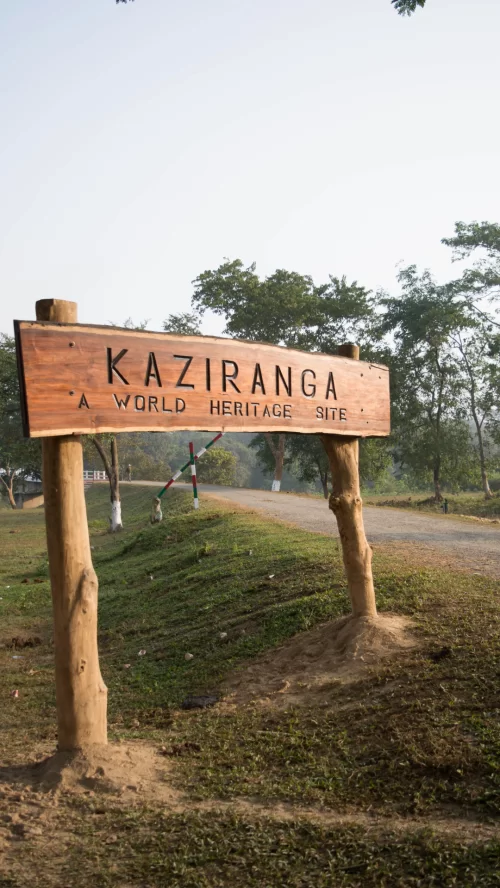
Kaziranga National Park is one of Assam's most famous attractions, yet many first-time visitors make the mistake of allocating too little time to the destination. Wildlife travelers often treat Kaziranga as a quick stop between other locations, assuming that a brief visit is enough to experience the park. In reality, this approach limits opportunities to appreciate the area's wildlife, landscapes, and overall atmosphere.
Many visitors arrive late, complete a single activity, and leave the next day without fully exploring the region. This often results in rushed experiences and missed opportunities to observe different habitats, wildlife zones, and natural environments that make Kaziranga internationally recognized.
Wildlife destinations rarely reward rushed schedules. The best experiences often occur when travelers allow sufficient time for exploration, observation, and flexibility within their itinerary.
Travelers who dedicate adequate time to Kaziranga usually enjoy richer wildlife experiences and leave with a deeper appreciation for one of India's most celebrated national parks.
A common misconception among first-time travelers is that a single safari provides a complete Kaziranga experience. While wildlife sightings can occur quickly, the park is much more than a single activity. Different zones, landscapes, grasslands, wetlands, forests, and wildlife habitats contribute to the overall experience.
Visitors who spend additional time in the area often gain a broader understanding of the park's ecological diversity. They also have greater opportunities to observe changing wildlife activity, enjoy scenic landscapes, and experience the atmosphere that makes Kaziranga special.
Photography enthusiasts particularly benefit from extended stays because lighting conditions, weather, and animal activity can vary throughout the day and across different locations.
Travelers who look beyond quick visits often discover that Kaziranga is one of the most rewarding wildlife destinations in the entire Northeast region.
Proper planning begins by recognizing that wildlife tourism requires time. Travelers should avoid scheduling Kaziranga as a brief stopover and instead allocate enough time to enjoy the destination without rushing. This allows visitors to experience wildlife, landscapes, local culture, and nearby attractions more comfortably.
Longer stays also create greater flexibility if weather conditions influence planned activities. Visitors who build extra time into their itinerary often enjoy more relaxed experiences and avoid the pressure of trying to fit everything into a limited schedule.
| Planning Factor | Recommendation |
|---|---|
| Wildlife Observation | Allow sufficient exploration time. |
| Photography | Benefit from extended stays. |
| Nature Experiences | Avoid rushed itineraries. |
| Travel Comfort | Stay longer when possible. |
| Itinerary Quality | Prioritize depth over speed. |
| Overall Experience | Improves with additional time. |
Kaziranga is often the highlight of an Assam itinerary, and allocating adequate time allows travelers to experience its wildlife and landscapes far more fully. One of the smartest travel decisions is giving this destination the attention it deserves rather than treating it as a quick stop along the way.
One of the most common planning mistakes in Assam is focusing only on destination lists without considering the realities of long-distance travel. Although many attractions are connected by road, journeys between places such as Guwahati, Kaziranga, Majuli, Jorhat, Dibrugarh, Sivasagar, and Haflong can require several hours of travel. First-time visitors often underestimate the amount of time spent on the road and end up with schedules that feel rushed and exhausting.
Assam's landscapes are diverse, and road journeys frequently pass through tea gardens, rural communities, forests, river valleys, and agricultural regions. While these drives can be scenic and enjoyable, they still require physical and mental energy. Travelers who plan multiple long transfers on consecutive days often discover that transportation becomes more tiring than expected.
Understanding travel distances before arrival helps visitors create more balanced itineraries and avoid unrealistic daily schedules. A comfortable journey is often more rewarding than attempting to cover the maximum number of destinations in the shortest possible time.
Travelers who account for travel time during planning usually enjoy Assam more because they spend less time rushing and more time experiencing the destination itself.
Comfort becomes increasingly important during multi-destination trips. Many visitors make the mistake of scheduling long drives immediately after flights, overnight journeys, or busy sightseeing days. While this may seem efficient on paper, it often leads to unnecessary fatigue and reduces enjoyment throughout the trip.
Families, senior citizens, and travelers unfamiliar with the region benefit from allowing additional time for meals, breaks, photography stops, and relaxation. Choosing comfortable transportation options and avoiding excessive daily movement can significantly improve the travel experience.
Road travel should be viewed as part of the journey rather than simply a means of reaching the next destination. Travelers who adopt this mindset often find long drives more enjoyable and less stressful.
Comfortable travel planning helps visitors maintain energy throughout the trip and ensures that major attractions remain enjoyable rather than becoming physically demanding.
Many travelers underestimate the importance of rest days and sightseeing breaks while exploring Assam. Constant movement between destinations often results in fatigue that gradually reduces enthusiasm and enjoyment. Planning breaks between long journeys allows travelers to recover and appreciate each destination more fully.
Rather than changing hotels every day, visitors often benefit from spending additional nights in key locations. This approach reduces packing, transportation logistics, and travel-related stress while creating opportunities for deeper exploration.
| Travel Planning Factor | Recommended Approach |
|---|---|
| Long Road Journeys | Include regular breaks. |
| Multi-Destination Trips | Avoid excessive daily movement. |
| Family Travel | Prioritize comfort and flexibility. |
| Senior Travelers | Allow additional rest time. |
| Accommodation Changes | Minimize unnecessary shifts. |
| Travel Pace | Focus on quality rather than speed. |
Travelers who respect the importance of rest and route planning generally enjoy a far more comfortable and memorable Assam experience than those who attempt to maximize every available hour.
One of the most avoidable mistakes travelers make is waiting too long to book accommodation during peak tourism periods. Popular destinations such as Guwahati, Kaziranga, Majuli, tea estate regions, and major wildlife tourism areas often experience increased demand during the busiest travel seasons. Visitors who delay reservations sometimes discover that their preferred properties are already fully booked.
Peak travel periods attract families, wildlife enthusiasts, photographers, cultural travelers, and holiday visitors from across India and abroad. As demand rises, accommodation choices become more limited, particularly near major attractions and tourism hubs.
Travelers who plan early generally enjoy a wider selection of properties and greater flexibility when designing their itineraries. Early planning also helps reduce last-minute stress and uncertainty.
Booking early allows travelers to focus on enjoying their trip rather than searching for accommodation after arriving at a destination.
Last-minute accommodation searches can create several challenges, particularly in destinations with limited tourism infrastructure. Travelers may find fewer choices available, reduced flexibility regarding location, or accommodations that do not fully match their comfort expectations.
Families and larger groups are especially affected because they often require specific room configurations and facilities. Waiting until the final stages of trip planning may result in compromises that could have been avoided through earlier preparation.
Travelers visiting wildlife destinations or remote tourism areas should be particularly cautious because accommodation capacity may be more limited than in larger cities.
Securing accommodation before arrival helps travelers avoid unnecessary complications and allows them to focus on sightseeing and exploration rather than logistics.
Advance accommodation planning provides numerous advantages beyond simply securing a room. Travelers gain more time to compare locations, evaluate facilities, understand transportation options, and choose properties that align with their travel goals.
Accommodation often influences the overall quality of a trip. Staying close to major attractions can reduce travel time, improve convenience, and create a more comfortable sightseeing experience. Early planning makes it easier to select accommodations that support the overall itinerary.
| Booking Benefit | Travel Advantage |
|---|---|
| Greater Choice | More accommodation options available. |
| Better Locations | Improved sightseeing convenience. |
| Reduced Stress | Simpler trip planning process. |
| Family Comfort | Easier room selection. |
| Trip Organization | More predictable travel schedules. |
| Travel Confidence | Fewer last-minute uncertainties. |
Early accommodation planning is one of the easiest ways to improve an Assam itinerary. It creates greater flexibility, enhances comfort, and helps travelers focus on enjoying the destination rather than managing avoidable logistical challenges.
Many first-time visitors focus exclusively on famous destinations such as Guwahati and Kaziranga while overlooking several lesser-known places that contribute significantly to Assam's travel experience. While popular attractions deserve their reputation, limiting an itinerary to only the most visited locations often prevents travelers from discovering the state's broader cultural and natural diversity.
Assam offers a wide range of experiences beyond its headline attractions. River islands, tea-growing regions, heritage towns, countryside landscapes, wildlife areas, and scenic hill destinations provide opportunities to experience a more authentic side of the state. Travelers who venture beyond standard tourism circuits often gain a deeper understanding of local life, traditions, and regional diversity.
Exploring lesser-known destinations does not necessarily require complicated travel planning. Many can be incorporated into existing routes and often provide rewarding experiences without significantly increasing travel time.
Travelers who look beyond the most famous attractions often discover some of the most memorable experiences of their trip. Assam's diversity becomes more apparent when both major and lesser-known destinations are included in the itinerary.
Offbeat travel experiences allow visitors to engage more deeply with Assam's landscapes, communities, and traditions. Destinations such as Majuli, Sivasagar, tea plantation regions, riverfront areas, and smaller countryside locations often provide experiences that differ significantly from mainstream tourism attractions.
Many travelers discover that these places offer slower-paced exploration, meaningful cultural interactions, scenic photography opportunities, and a stronger connection to local life. Because visitor numbers are generally lower, the atmosphere often feels more relaxed and immersive.
Offbeat destinations also help diversify an itinerary. Combining famous attractions with lesser-known experiences creates a more complete picture of Assam and prevents the journey from becoming repetitive.
Many experienced travelers consider offbeat destinations among the highlights of Assam because they reveal aspects of the state that are often missed on standard tourism routes.
A complete Assam itinerary balances famous attractions with lesser-known destinations. Wildlife tourism, cultural heritage, tea gardens, river landscapes, and rural experiences each contribute something different to the journey. Travelers who focus exclusively on one category often miss opportunities to experience the state's full diversity.
Including a variety of destinations also creates a more balanced travel pace. Popular attractions provide iconic experiences, while quieter locations offer opportunities for relaxation, photography, and deeper cultural understanding.
| Travel Element | Benefit |
|---|---|
| Major Attractions | Iconic sightseeing experiences. |
| Offbeat Destinations | Authentic local experiences. |
| Tea Regions | Cultural and scenic exploration. |
| Heritage Areas | Historical understanding. |
| Nature Locations | Landscape and photography opportunities. |
| Balanced Itinerary | More complete travel experience. |
Travelers who include both famous and lesser-known destinations usually leave Assam with a broader appreciation of its culture, nature, and regional diversity. A balanced itinerary often creates the most rewarding travel experience.
Another common mistake among first-time visitors is assuming that every destination in Assam offers the same experience throughout the year. In reality, seasons significantly influence wildlife tourism, landscape conditions, transportation, photography opportunities, and overall sightseeing experiences. Travelers who ignore seasonal differences often arrive with expectations that do not match actual conditions.
Different times of the year highlight different aspects of Assam. Wildlife experiences, tea garden scenery, river landscapes, and nature attractions all change according to seasonal weather patterns. Understanding these variations helps travelers choose the right time to visit based on their interests.
Seasonal awareness is particularly important for visitors with specific travel goals. Wildlife enthusiasts, photographers, cultural travelers, and nature lovers may each benefit from visiting during different periods.
Choosing the correct season often has a greater impact on travel satisfaction than selecting additional destinations. Seasonal planning helps travelers match expectations with reality.
Wildlife and nature experiences are among the primary reasons travelers visit Assam, but many visitors fail to consider how seasons influence these activities. Wildlife tourism conditions differ throughout the year, and travelers who choose the wrong season for their interests may miss some of the experiences they were hoping to enjoy.
Nature-focused travelers should understand that seasons affect visibility, accessibility, vegetation, water levels, and environmental conditions. A destination that appears completely different during one season may offer a very different experience during another. This does not necessarily make one season better than another, but it does mean that expectations should align with seasonal realities.
Travelers who research seasonal conditions before booking often enjoy more satisfying experiences because they arrive with realistic expectations and appropriate plans.
Understanding seasonal differences allows travelers to maximize the experiences most important to them and avoid unnecessary disappointment during the trip.
Every traveler has different priorities. Some focus on wildlife observation, while others seek cultural experiences, photography opportunities, tea garden exploration, or scenic landscapes. Seasonal conditions influence all of these activities, making it important to match travel goals with the most suitable period.
Visitors who fail to consider seasonal differences often build itineraries that do not align with the experiences they want. This can lead to unrealistic expectations and missed opportunities. By identifying priorities early, travelers can select destinations and travel periods that better support their goals.
| Travel Goal | Importance of Seasonal Planning |
|---|---|
| Wildlife Tourism | Very High |
| Nature Photography | High |
| Tea Garden Exploration | Moderate to High |
| Cultural Tourism | Moderate |
| Family Travel | High |
| Road Trips | High |
Travelers who align seasonal conditions with their interests generally experience smoother trips, stronger sightseeing opportunities, and greater overall satisfaction throughout their Assam journey.
Seasonal planning should be viewed as a fundamental part of itinerary design rather than an afterthought. Understanding how weather influences destinations allows travelers to make informed decisions regarding trip timing, accommodation, transportation, and sightseeing priorities.
Visitors who carefully evaluate seasonal differences are better prepared to enjoy Assam's wildlife, landscapes, cultural attractions, and outdoor experiences. This preparation reduces surprises and creates a more rewarding journey from beginning to end.
Travelers who understand seasonal travel differences make better decisions throughout the planning process and are more likely to enjoy a memorable and satisfying Assam vacation.
One of the most common mistakes made by first-time visitors is treating Guwahati as the entire Assam experience. While Guwahati is an important gateway city and offers several attractions, it represents only a small portion of what the state has to offer. Travelers who spend their entire vacation in Guwahati often miss the wildlife, tea gardens, river islands, cultural landscapes, and rural experiences that make Assam unique.
Assam is a destination defined by diversity. Beyond the city limits lie famous wildlife reserves, expansive tea-growing regions, historical sites, cultural villages, river landscapes, and scenic countryside areas. Each region offers its own character and contributes something different to the overall travel experience.
Visitors who venture beyond Guwahati often discover a much richer and more complete understanding of the state. Wildlife enthusiasts, photographers, cultural travelers, and nature lovers generally benefit from exploring multiple regions rather than limiting themselves to a single city.
Travelers who explore beyond Guwahati usually gain a deeper appreciation of Assam's natural beauty, cultural heritage, and regional diversity. The state becomes far more rewarding when experienced as a collection of destinations rather than a single city.
Many of Assam's most iconic experiences take place outside Guwahati. Wildlife tourism thrives in destinations such as Kaziranga and Manas. Tea plantation experiences are concentrated in regions known for tea cultivation. Cultural exploration becomes more immersive in places such as Majuli and historical areas that preserve traditional Assamese heritage.
These destinations often provide experiences that cannot be replicated within an urban environment. Visitors can observe wildlife in natural habitats, explore traditional communities, experience plantation culture, and enjoy landscapes shaped by rivers, forests, and countryside environments.
By extending their itinerary beyond Guwahati, travelers create opportunities for more meaningful exploration and a broader understanding of the state's identity.
Travelers who include multiple regions within their itinerary often discover that Assam offers far more variety than they initially expected. Exploring beyond the capital city significantly enriches the overall travel experience.
A balanced Assam itinerary combines Guwahati with other destinations that reflect the state's wildlife, cultural, historical, and natural attractions. Guwahati works best as a gateway rather than the sole focus of the journey. From there, travelers can branch out to explore different regions according to their interests and available vacation time.
Including a mix of urban experiences, wildlife tourism, tea garden visits, cultural attractions, and scenic landscapes creates a more complete travel experience. This approach allows visitors to appreciate the many dimensions of Assam rather than seeing only one side of the state.
| Travel Component | Contribution to Itinerary |
|---|---|
| Guwahati | Urban gateway and cultural attractions. |
| Wildlife Destinations | Nature and safari experiences. |
| Tea Regions | Scenic and heritage experiences. |
| Cultural Sites | Traditional Assamese heritage. |
| River Landscapes | Unique regional scenery. |
| Balanced Planning | More complete travel experience. |
Travelers who build balanced itineraries usually leave Assam with a stronger understanding of its culture, landscapes, wildlife, and history. Looking beyond Guwahati is one of the easiest ways to improve the quality of a first-time visit.
Another common mistake among first-time visitors is focusing exclusively on wildlife and scenery while overlooking Assam's rich cultural heritage. Although the state is famous for national parks, tea gardens, and natural landscapes, its traditions, festivals, architecture, spiritual sites, and local communities are equally important parts of the travel experience.
Assam has a long cultural history shaped by different communities, artistic traditions, religious institutions, and regional customs. Travelers who make time for cultural exploration often gain a deeper appreciation of the state beyond its physical attractions. Understanding local traditions helps visitors connect more meaningfully with the places they visit.
Cultural experiences often provide context for the landscapes, villages, and historical sites encountered throughout the journey. They transform a sightseeing trip into a broader exploration of Assam's identity and heritage.
Visitors who balance cultural experiences with nature and wildlife attractions often enjoy a more complete and memorable journey across Assam.
Many of Assam's most rewarding experiences occur away from major tourist attractions. Village visits, tea plantation communities, local markets, cultural performances, traditional crafts, and regional cuisine all provide opportunities to understand daily life and local customs.
Travelers sometimes overlook these experiences because they focus only on famous landmarks. However, local interactions often become some of the most memorable parts of a trip. They provide insights into the people, traditions, and lifestyles that shape the destination.
Including cultural experiences within the itinerary also creates variety. Wildlife tourism, scenic drives, and historical attractions become even more meaningful when combined with opportunities to engage with local culture.
Travelers who look beyond conventional sightseeing often discover that cultural experiences provide some of the strongest and most lasting memories from their Assam trip.
A well-rounded Assam itinerary should include opportunities to experience both natural and cultural attractions. Wildlife reserves and scenic landscapes showcase the state's environmental richness, while heritage sites, local traditions, and community experiences reveal its human stories.
Adding cultural depth does not require major itinerary changes. Even a small amount of time dedicated to heritage attractions, local experiences, or traditional communities can significantly enhance a traveler's understanding of the destination.
| Cultural Element | Travel Benefit |
|---|---|
| Heritage Sites | Historical understanding. |
| Traditional Villages | Local cultural exposure. |
| Regional Cuisine | Authentic travel experiences. |
| Community Interactions | Deeper destination understanding. |
| Cultural Attractions | More balanced itinerary. |
| Local Traditions | Greater appreciation of Assam. |
Travelers who include cultural and heritage experiences alongside wildlife and nature attractions often enjoy a richer and more meaningful journey. Assam becomes far more memorable when its people, traditions, and history are explored alongside its landscapes.
Many first-time visitors focus heavily on selecting destinations but spend very little time planning how those destinations connect with one another. As a result, travelers often create routes that involve unnecessary backtracking, repeated road journeys, or long travel days that could have been avoided with better planning. Assam's attractions are spread across different regions, making route design an important part of the overall travel experience.
Efficient route planning helps travelers maximize sightseeing opportunities while minimizing unnecessary transportation time. Instead of moving randomly between destinations, visitors should arrange their itinerary in a logical sequence that follows geography and transportation connectivity. This approach reduces fatigue and creates a smoother travel flow throughout the trip.
Travelers who carefully plan their route often discover they can enjoy more experiences without increasing travel stress. The goal should not be to visit more places but to move between destinations in the most practical way possible.
A thoughtfully designed route allows travelers to spend more time exploring attractions and less time dealing with transportation challenges. Good route planning improves both comfort and efficiency throughout the journey.
Transportation and sightseeing should be planned together rather than treated as separate parts of the itinerary. Many visitors schedule attractions without considering travel times, resulting in days that become unrealistic or unnecessarily rushed. This often leads to missed experiences and reduced enjoyment.
Successful itineraries account for driving time, check-in procedures, meal breaks, weather conditions, photography stops, and rest periods. These practical considerations are just as important as the attractions themselves. Travelers who build flexibility into their schedules are better prepared to handle changing conditions and unexpected delays.
Coordinating transportation and sightseeing also helps travelers avoid arriving at destinations too late to fully enjoy them. A balanced schedule improves the overall pace of the trip and creates more meaningful travel experiences.
Travelers who integrate transportation and sightseeing into a single planning strategy usually enjoy more relaxed and rewarding vacations across Assam.
Unnecessary travel time is one of the biggest causes of fatigue during multi-destination trips. Poor route planning can result in repeated journeys over the same roads, excessive hotel changes, and long detours that add little value to the travel experience. These inefficiencies often reduce the amount of time available for actual sightseeing.
Visitors should evaluate whether each destination fits naturally within the planned route. Sometimes removing a single distant destination can significantly improve the overall quality of the itinerary by reducing travel pressure and creating more time for exploration.
Efficient travel is not about moving quickly but about moving intelligently. The best itineraries create a balance between exploration, comfort, and transportation efficiency.
| Route Planning Factor | Benefit |
|---|---|
| Logical Destination Sequence | Reduces unnecessary travel. |
| Efficient Transportation Planning | Improves trip comfort. |
| Balanced Sightseeing Schedule | Enhances travel experience. |
| Reduced Backtracking | Saves time and energy. |
| Fewer Hotel Changes | Decreases travel fatigue. |
| Flexible Itinerary Design | Improves overall journey quality. |
Route planning may not seem exciting during the preparation stage, but it has a major impact on the success of an Assam trip. Travelers who invest time in building efficient routes usually enjoy smoother journeys, better sightseeing opportunities, and far less travel fatigue.


Get customized Assam tour planning designed around seasonal weather patterns, river conditions, wildlife safari timing, and realistic road travel flow. Whether you are visiting for national parks, tea estate stays, cultural experiences, spiritual sites, o
⚡ Quick Response | 💰 Free consultation | 🕒 24×7 expert support