+91 9910402252
admin@chalbanjare.com


| Entry Fee | 100 |
| Timings | 07:30 - 15:30 |
| Altitude (m) | 80 |
| Ideal Visit Duration (hrs) | 4 |
| Best Time of Day | Morning |
| Crowd Level | High |
| Distance from Kohora (km) | 5 |
| Distance from Guwahati (km) | 220 |
| Walking Difficulty | Easy |
| Parking Available | Yes |
| Last Mile Access | Road |
| Suitable for Kids | Yes |
| Suitable for Seniors | Yes |
| Wheelchair Friendly | No |
Atmosphere at the Central (Kohora) Range of Kaziranga National Park is wild, immersive, and deeply connected to nature. As the most popular and accessible range of the park, Kohora offers expansive grasslands, dense forest patches, and wetlands that come alive during early morning and late afternoon safaris. The cool mist rising over the tall elephant grass, distant calls of birds, and the possibility of spotting wildlife in their natural habitat create an experience that feels raw and unforgettable.
What makes the Central (Kohora) Range special is its high probability of spotting the iconic one-horned rhinoceros, along with elephants, swamp deer, wild buffalo, and a variety of bird species. The range is well-managed and known for both jeep and elephant safaris, allowing visitors to explore diverse ecosystems safely and responsibly. Its balanced landscape of open grasslands and water bodies supports rich biodiversity, making it one of the most rewarding zones within Kaziranga for wildlife observation and photography.
Beyond wildlife sightings, the Central Range serves as the administrative and tourism hub of Kaziranga, providing visitor facilities, interpretation centers, and guided safari services. It appeals to wildlife enthusiasts, conservation supporters, photographers, and families seeking an authentic national park experience. A visit to Kohora Range offers not just thrilling encounters with wildlife but also a deeper appreciation for conservation efforts that protect one of India’s most important natural heritage sites.
The Western Range, popularly known as the Bagori Range, forms an important part of Kaziranga National Park in Assam and developed as a designated conservation zone during the park’s gradual expansion in the mid-20th century. As Kaziranga’s protected boundaries were extended to safeguard critical grassland and wetland ecosystems, the Bagori sector emerged as a vital habitat for large herbivores and apex predators.
Historically, this range became significant for wildlife monitoring and anti-poaching operations due to its high density of one-horned rhinoceroses and Asiatic wild buffalo. The open grasslands of Bagori made it particularly suitable for systematic animal census programs, which contributed to Kaziranga’s global reputation as a conservation success story.
Over time, the Western (Bagori) Range was opened to regulated tourism, offering jeep safaris that provide expansive views of floodplains shaped by the Brahmaputra River. Today, it stands as one of the most popular safari zones in Kaziranga, reflecting decades of habitat management, ecological research, and sustainable tourism practices that support the park’s World Heritage status.
The best time to visit the Western (Bagori) Range of Kaziranga National Park depends on park accessibility, weather conditions, and wildlife movement. Known for excellent rhino and elephant sightings, seasonal timing plays an important role in your safari experience.
November to April is considered the ideal period to visit. During these months, the weather remains dry and pleasant, safari tracks are accessible, and visibility across grasslands is clear. This season offers strong chances of spotting the Indian one-horned rhinoceros, wild buffalo, elephants, and various bird species.
March to May brings warmer temperatures, but wildlife sightings remain rewarding, especially during early morning and late afternoon jeep safaris. Animals are frequently seen near water bodies during cooler hours.
Monsoon season from June to September brings heavy rainfall and flooding, and the park usually remains closed for safety reasons. While the landscape becomes lush and green, safari operations are generally suspended during this time.
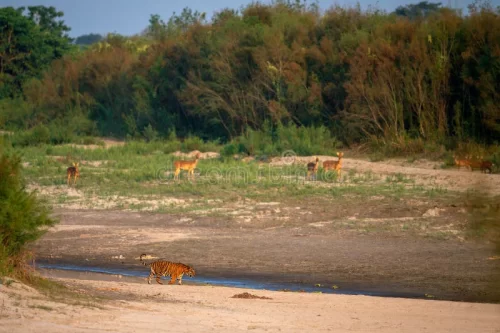 National Park
Burapahar Range is a lesser-visited safari zone in Kaziranga known for its forested terrain and hilly backdrop.
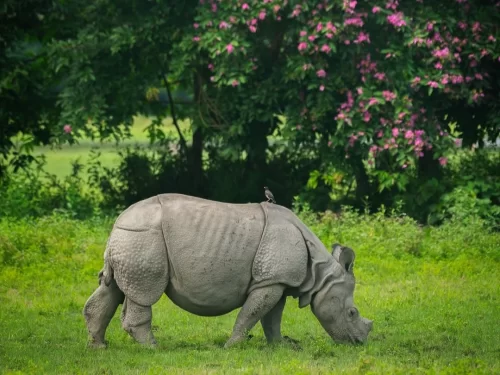 National Park
Eastern Agaratoli Range is a scenic and biodiversity-rich safari zone in Kaziranga National Park.
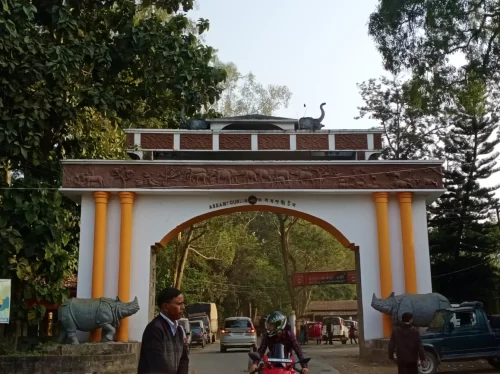 National Park
Central Kohora Range is the most popular and accessible safari zone in Kaziranga National Park.
Get customized Assam tour planning designed around seasonal weather patterns, river conditions, wildlife safari timing, and realistic road travel flow. Whether you are visiting for national parks, tea estate stays, cultural experiences, spiritual sites, o
⚡ Quick Response | 💰 Free consultation | 🕒 24×7 expert support

