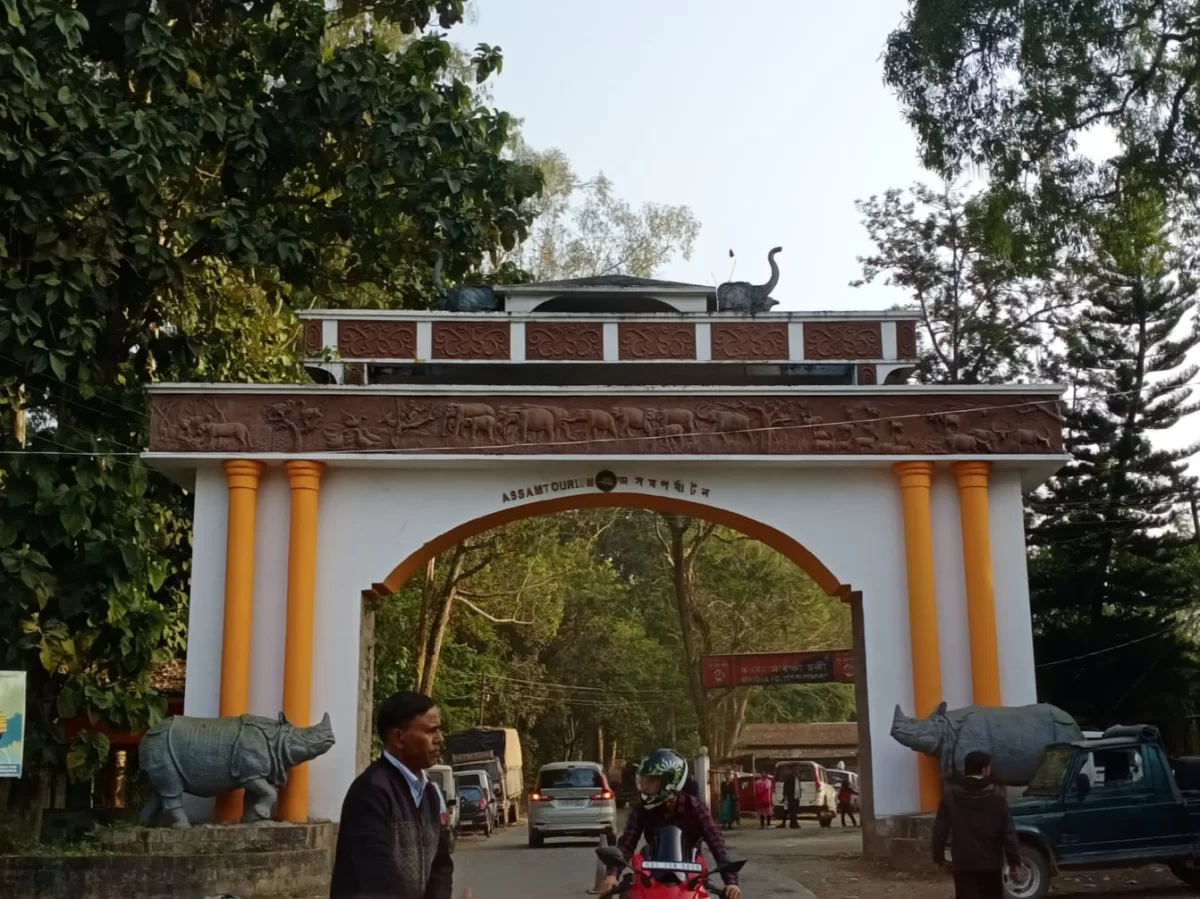
Central Kohora Range Kaziranga – Prime Safari Zone for One Horned Rhinos

Central Kohora Range , Kaziranga
Located near Kohora in Assam, the Central Range of Kaziranga National Park is renowned for offering the highest chances of spotting the Great Indian One Horned Rhinoceros. This zone features vast grasslands, wetlands, and forest patches that support rich wildlife including elephants, swamp deer, wild buffalo, and numerous bird species. It is the main tourist hub of Kaziranga with well organized jeep and elephant safaris, making it the most visited range in the park.

Quick Facts About Central Kohora Range

Entry Fee 100
Timings 07:30 - 15:30
Altitude (m) 80
Ideal Visit Duration (hrs) 4
Best Time of Day Morning
Crowd Level High
Distance from Kohora (km) 5
Distance from Guwahati (km) 220
Walking Difficulty Easy
Parking Available Yes
Last Mile Access Road
Suitable for Kids Yes
Suitable for Seniors Yes
Wheelchair Friendly No

Why Visit Central (Kohora) Range, Kaziranga

Atmosphere at the Central (Kohora) Range of Kaziranga National Park is wild, immersive, and deeply connected to nature. As the most popular and accessible range of the park, Kohora offers expansive grasslands, dense forest patches, and wetlands that come alive during early morning and late afternoon safaris. The cool mist rising over the tall elephant grass, distant calls of birds, and the possibility of spotting wildlife in their natural habitat create an experience that feels raw and unforgettable.

What makes the Central (Kohora) Range special is its high probability of spotting the iconic one-horned rhinoceros, along with elephants, swamp deer, wild buffalo, and a variety of bird species. The range is well-managed and known for both jeep and elephant safaris, allowing visitors to explore diverse ecosystems safely and responsibly. Its balanced landscape of open grasslands and water bodies supports rich biodiversity, making it one of the most rewarding zones within Kaziranga for wildlife observation and photography.

Beyond wildlife sightings, the Central Range serves as the administrative and tourism hub of Kaziranga, providing visitor facilities, interpretation centers, and guided safari services. It appeals to wildlife enthusiasts, conservation supporters, photographers, and families seeking an authentic national park experience. A visit to Kohora Range offers not just thrilling encounters with wildlife but also a deeper appreciation for conservation efforts that protect one of India’s most important natural heritage sites.

History of Central (Kohora) Range, Kaziranga

The Central Range, commonly known as the Kohora Range, is the oldest and most prominent tourism zone of Kaziranga National Park in Assam. Its origins trace back to the early 20th century when the area was first declared a Reserved Forest in 1905 and later designated as a wildlife sanctuary in 1908 to protect the rapidly declining population of the one-horned rhinoceros. Kohora gradually became the administrative and operational hub of conservation activities within the park.

Historically, this range played a crucial role in wildlife protection efforts, including anti-poaching patrols and systematic population monitoring of rhinos and other species. With the formal declaration of Kaziranga as a National Park in 1974 and its recognition as a UNESCO World Heritage Site in 1985, the Central Range evolved into the primary zone for regulated tourism, offering both jeep and elephant safaris.

Today, the Kohora Range stands at the heart of Kaziranga’s conservation success story. Its grasslands, wetlands, and woodland patches not only support diverse wildlife including rhinos, elephants, wild buffalo, and tigers but also reflect over a century of structured ecological management and sustainable tourism development in Assam.

Best Time to Visit Central (Kohora) Range Kaziranga

The best time to visit the Central (Kohora) Range of Kaziranga National Park depends on park accessibility, weather conditions, and wildlife visibility. As this is the most popular safari zone, seasonal timing significantly impacts your overall experience.

November to April is considered the ideal period to visit. During these months, the park remains officially open, the weather is dry and pleasant, and safari routes are fully accessible. This is the best time to spot the Indian one-horned rhinoceros, wild elephants, swamp deer, and diverse birdlife.

March to May marks the warmer months, when wildlife sightings can still be rewarding, especially during early morning jeep or elephant safaris. Animals are often seen near water bodies during cooler hours of the day.

Monsoon season from June to September brings heavy rainfall and flooding in Kaziranga. The park usually remains closed during this period due to waterlogging and safety concerns. While the landscape turns lush and vibrant, safari activities are typically suspended.
  • November to April for official park opening and optimal wildlife sightings
  • Early mornings offer the best safari experience and animal activity
  • March to May for rewarding sightings near water bodies during cooler hours
  • June to September usually closed due to monsoon flooding
  • Weekdays generally provide a less crowded safari experience

How to Reach Central (Kohora) Range, Kaziranga

  • By Air: The nearest airport is Jorhat Airport (approximately 95 km away) and Lokpriya Gopinath Bordoloi International Airport, Guwahati (around 220 km away). Both airports have regular connectivity with major Indian cities such as Delhi, Kolkata, and Bengaluru. From the airport, visitors can hire taxis to reach Kohora, the central entry point of Kaziranga National Park.
  • By Train: The nearest railway stations are Furkating Junction (about 75 km) and Jorhat Town (around 90 km). Guwahati Railway Station is another major railhead with extensive connectivity. From these stations, taxis are easily available to reach the Central (Kohora) Range.
  • By Road: Kaziranga’s Central Range at Kohora is located along National Highway 37 (now NH 715) and is well connected by road from Guwahati (approximately 220 km), Tezpur (around 75 km), and Jorhat (about 95 km). Regular government and private buses, as well as taxis, operate on this route.
  • Local Transport: Within Kaziranga, safari vehicles arranged through authorized operators or forest department counters are used for jeep safaris. Elephant safaris are also organized from designated points within the Kohora range, and most resorts are located nearby, making access convenient.

What to Expect When You Visit Central (Kohora) Kaziranga

  • Immersive surroundings that reflect the true natural, cultural, or spiritual character of the destination, offering a peaceful and enriching travel experience.
  • Well-maintained visitor pathways and accessible viewing points designed to provide comfortable exploration while preserving the authenticity of the location.
  • Opportunities to engage with local traditions, regional architecture, or natural landscapes, allowing travelers to gain deeper cultural understanding.
  • Scenic photo spots and panoramic viewpoints that highlight the area’s unique beauty throughout different times of the day.
  • Informational boards, guides, or locally available assistance that help visitors learn the historical or environmental importance of the site.
  • Seasonal changes in atmosphere, crowd levels, and visual appeal, ensuring a different yet memorable experience depending on the time of visit.
  • Nearby amenities such as refreshment stalls, rest areas, or small markets offering local flavors and handicrafts.
  • A calm and respectful environment that allows visitors to fully absorb the significance and charm of the destination.

Important Visitor Information & Safety Notes of Central (Kohora) Range Kaziranga

  • Crowd & Peak Hours: The Central Range is the most popular zone of Kaziranga and sees high visitor traffic during peak season (November to April), weekends, and morning safari slots.
  • Weather Notes: Winters are pleasant and ideal for safaris, summers can be warm, and the park remains closed during monsoon months due to flooding.
  • Dress Code: Wear neutral-colored, comfortable clothing suitable for wildlife safaris. Carry hats, sunglasses, and light layers for early morning rides.
  • Safety Tips: Always follow forest guide instructions, remain seated inside safari vehicles, avoid loud noises, do not feed wildlife, and keep cameras and belongings secure.

Photography and Viewpoints at Central (Kohora) Range, Kaziranga

  • The Central (Kohora) Range offers prime wildlife photography opportunities, especially for capturing the iconic one-horned rhinoceros in open grasslands.
  • Early morning elephant and jeep safaris provide soft golden lighting, ideal for photographing deer, wild elephants, and swamp landscapes.
  • Watchtowers within the range offer elevated panoramic views of wetlands and tall elephant grass, perfect for wide-angle compositions.
  • Misty winter mornings create atmospheric depth, enhancing layered shots of wildlife emerging from grass cover.
  • Water bodies scattered across the range allow reflective photography of birds and animals near marshy zones.
  • The mix of grassland, woodland, and wetland ecosystems provides diverse backdrops for both close-up wildlife and expansive landscape photography.

Near By Attraction

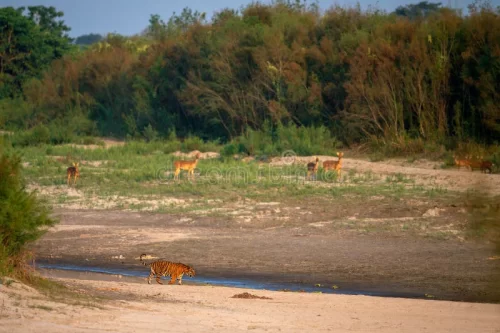
Burapahar Range Kaziranga National Park Assam with tiger and deer in forest river landscape National Park

Burapahar Range

Burapahar Range is a lesser-visited safari zone in Kaziranga known for its forested terrain and hilly backdrop.
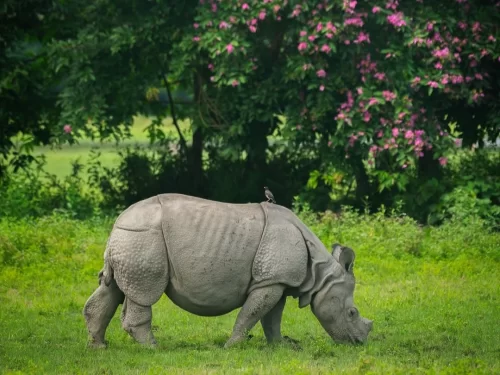
Eastern Agaratoli Range Kaziranga National Park Assam with one horned rhinoceros grazing in grassland National Park

Eastern Agaratoli Range

Eastern Agaratoli Range is a scenic and biodiversity-rich safari zone in Kaziranga National Park.
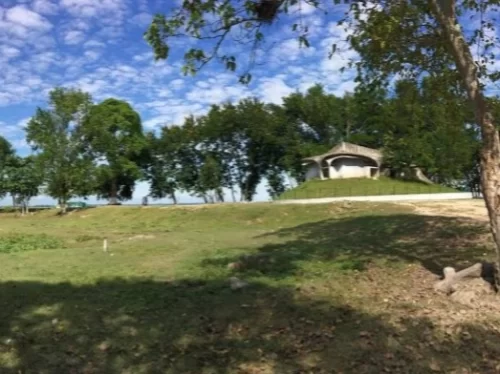
Western Bagori Range Kaziranga National Park Assam scenic grasslands and forest landscape in wildlife safari zone National Park

Western Bagori Range

Western Bagori Range is a popular safari zone in Kaziranga National Park known for frequent wildlife sightings.

Frequently Asked Questions About Central Kohora Range

Central Kohora Range is located in Kaziranga National Park in Assam, India, and serves as one of the main tourist zones.
Central Kohora Range is known for reliable sightings of one horned rhinoceros along with elephants, deer, and diverse birdlife.
The best time to visit Central Kohora Range is from November to April when the park remains open and road conditions are favorable.
Tourists can reach Central Kohora Range by road via the Kohora entry gate, with Guwahati in Assam being the nearest major airport and railway station.
Yes, visitors must obtain an entry permit and book an authorized jeep or elephant safari to access Central Kohora Range.
Central Kohora Range offers sightings of rhinos, elephants, wild buffalo, swamp deer, and numerous resident and migratory birds.
Yes, guided jeep safaris operate daily in Central Kohora Range during the official tourism season.
A jeep safari in Central Kohora Range typically lasts around two to three hours depending on the route and wildlife activity.
Yes, limited early morning elephant safaris are conducted in Central Kohora Range subject to seasonal availability.
Visitors can find hotels, forest lodges, and guesthouses around Kohora and Bokakhat in Assam near Kaziranga National Park.
Central Kohora Range is suitable for first time visitors due to organized safari management and good chances of wildlife sightings.

Loved this place ? Let’s Plan Your Assam Trip

Get customized Assam tour planning designed around seasonal weather patterns, river conditions, wildlife safari timing, and realistic road travel flow. Whether you are visiting for national parks, tea estate stays, cultural experiences, spiritual sites, o

⚡ Quick Response | 💰 Free consultation | 🕒 24×7 expert support

×

Plan Your Trip